Jiangsu Wisegj Power Co., Ltd. · Transformer & Substation Export
Padmounted Transformer Supplier & Exporter for the Jimma Market
50 Hz-ready pad mounted, oil-immersed, dry-type and solar PV transformers engineered for Jimma’s humid highland distribution, agro-processing and renewable projects.
Eight Transformer Products for Distribution, Industry and Renewable Projects
From 25 kVA single-phase distribution to 1 MW solar PV step-up, this shortlist reflects the transformer families most often discussed by Jimma commercial buyers, agro-processors, EPC contractors and utility reinforcement teams. Every product URL below preserves the original listing; share your single-line diagram and load schedule for a Jimma-specific review.
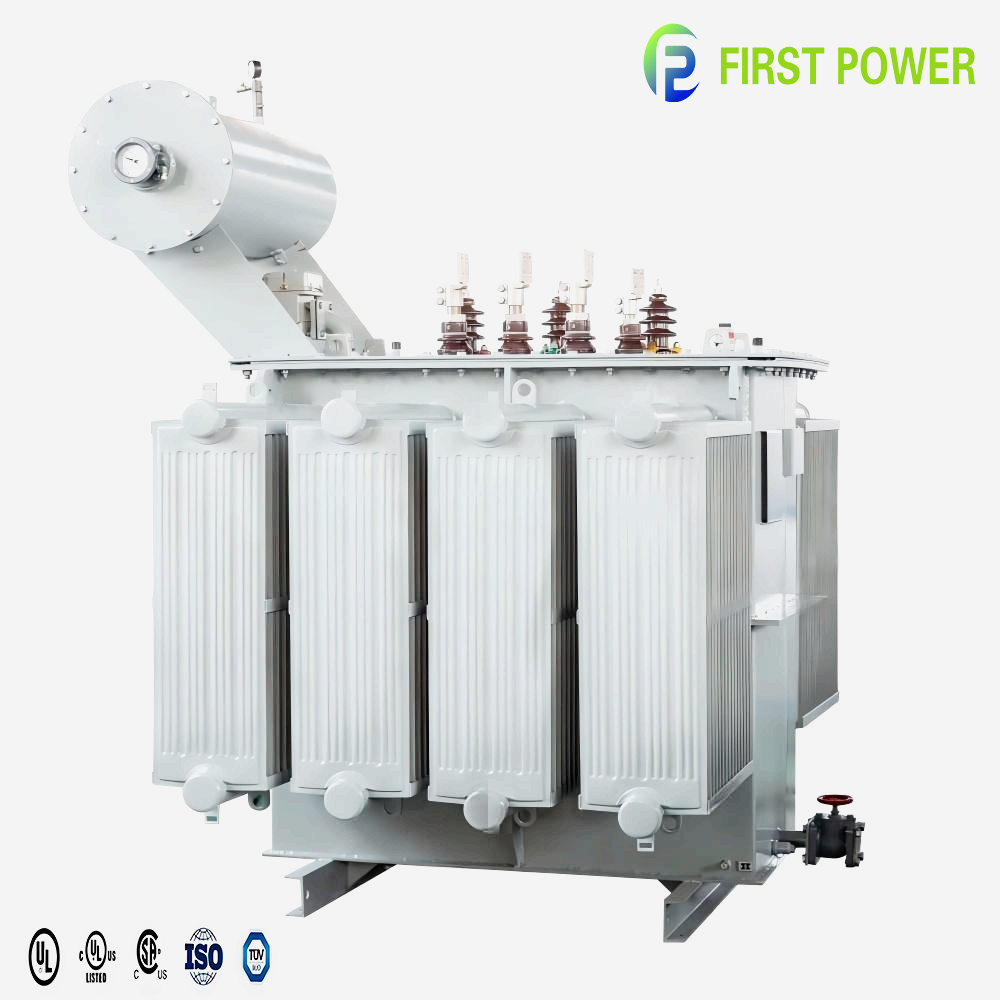
C Certification 50/60Hz 6–35kV 1,000 kVA / 1 MW Solar PV Transformer
Built for solar farms, mini-grids and generation step-up duty, this oil-immersed unit combines 50/60 Hz flexibility with 6–35 kV voltage options. For Jimma projects, it suits PV inverters, captive generation and renewable interconnection where thermal stability and low losses matter.
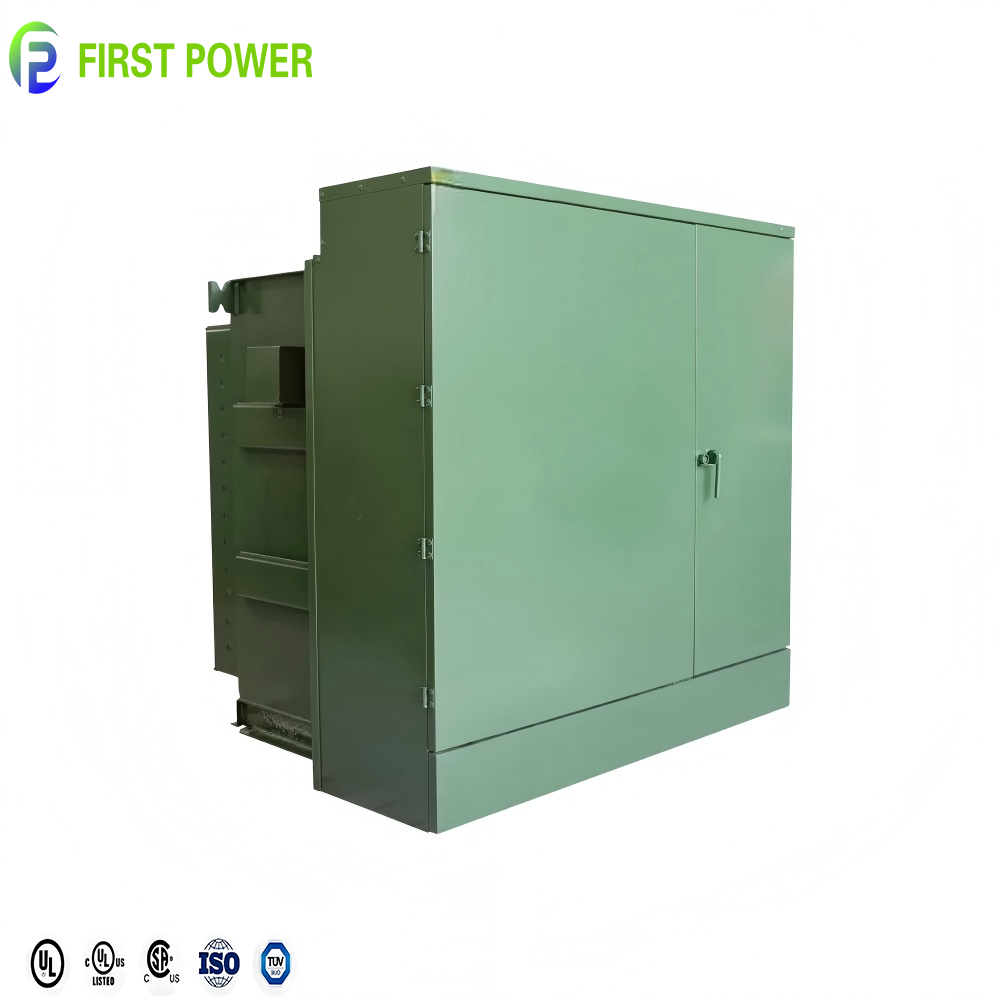
C CE 50/60Hz 300–750 kVA Three Phase Pad Mounted Transformer
For underground commercial distribution, industrial parks and mixed-use developments, this three-phase padmounted transformer offers 300–750 kVA ratings with a tamper-resistant footprint. Loop-feed and dead-front configurations can be specified to reduce outage exposure and improve public safety.
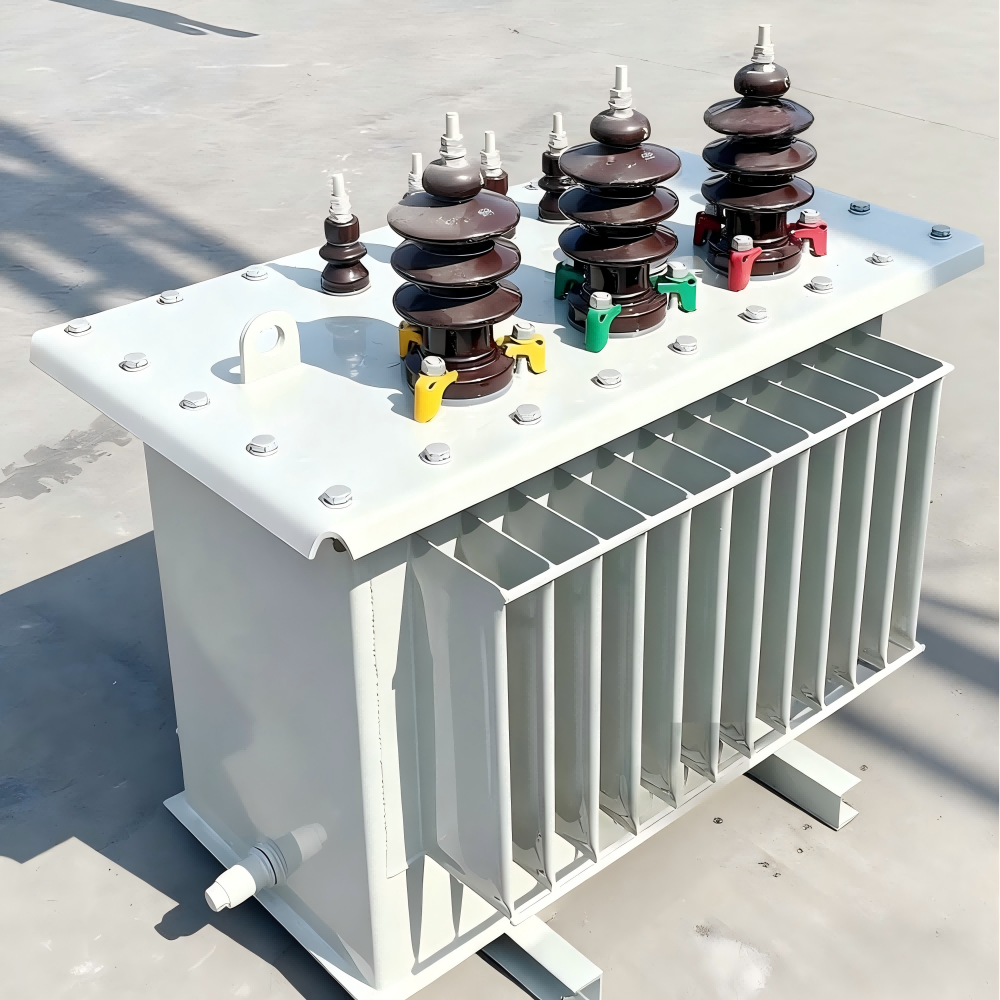
C CE MV/HV 30–31,500 kVA S11 Three-Phase Oil Transformer
A medium- and high-voltage S11 oil transformer for utility distribution, plants and substations. The broad 30–31,500 kVA range supports staged load growth and lets procurement teams standardize on one platform across multiple Jimma feeders and industrial loads.
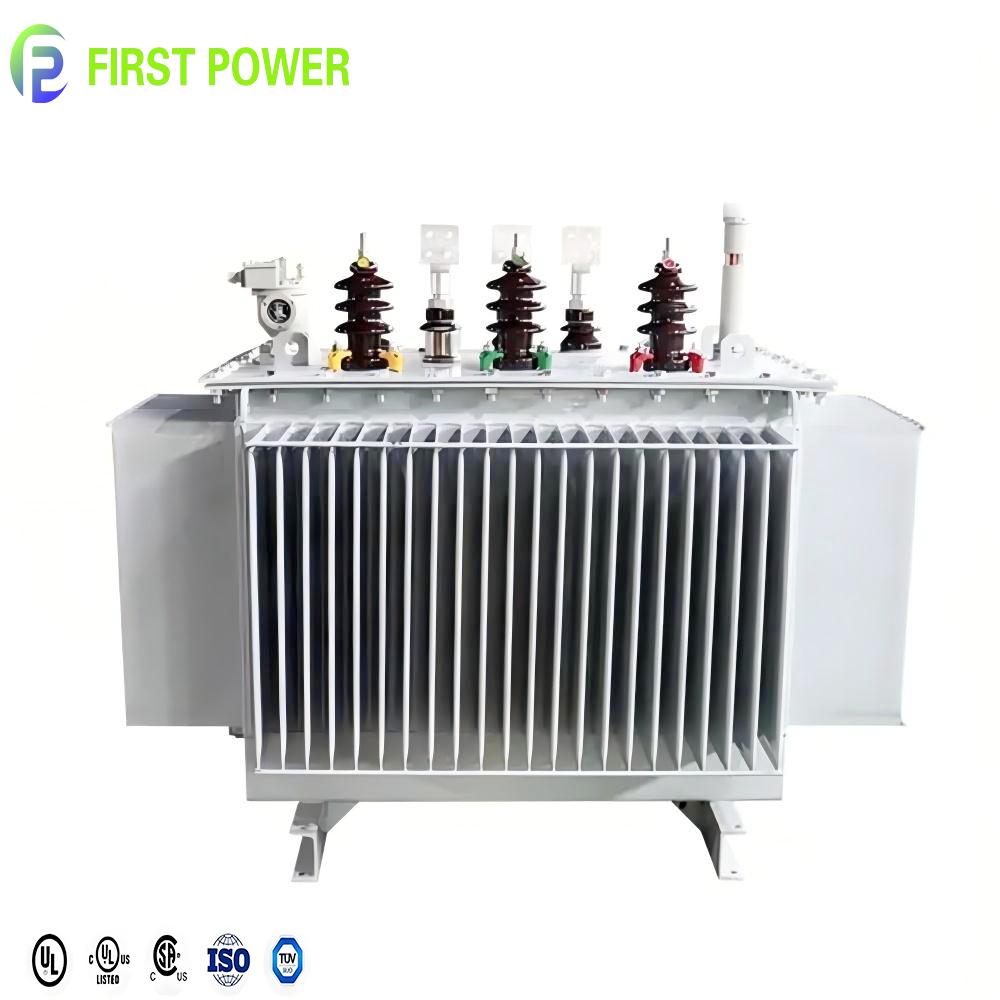
C CE S11 50–250 kVA Three-Phase Oil-Immersed Distribution Transformer
This 50–250 kVA three-phase distribution transformer is a practical choice for feeders serving small industry, pumping stations, clinics, schools and commercial buildings. Low-loss core options and a sealed tank help control lifecycle cost in humid highland conditions.
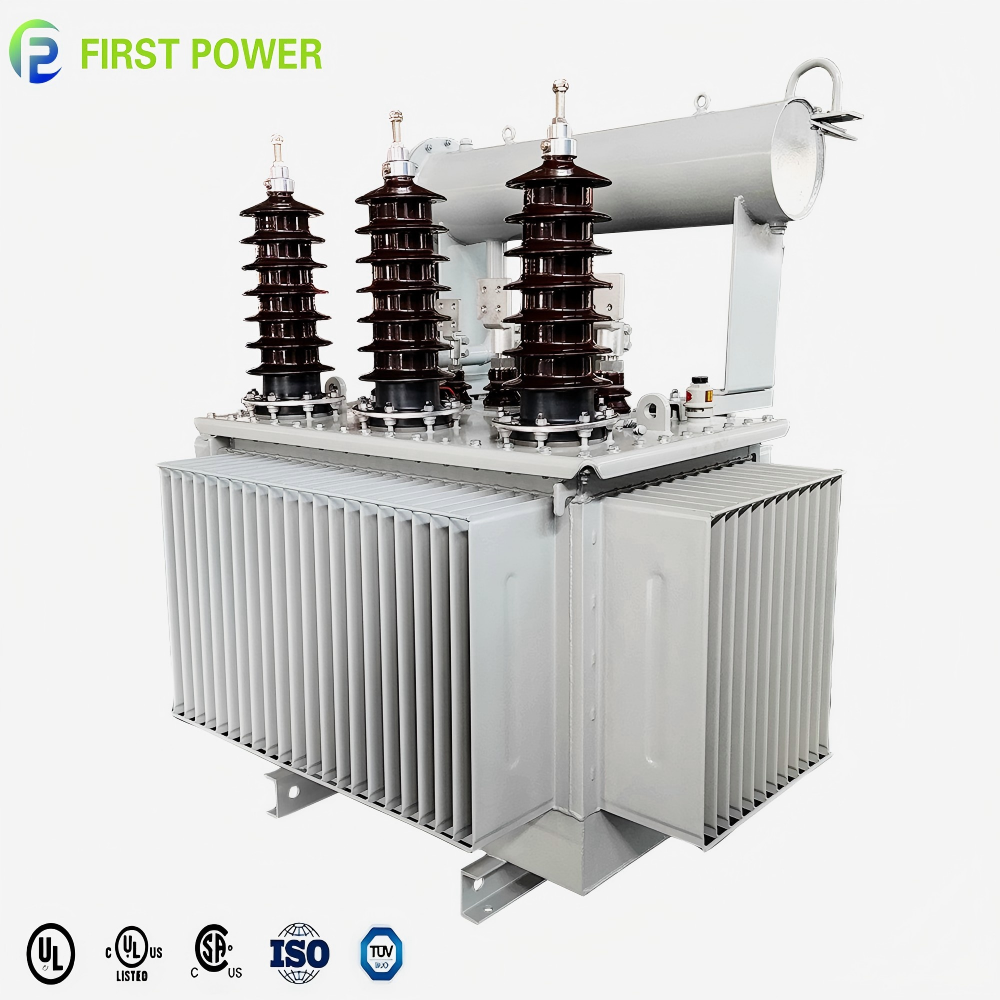
C CE IEEE 33 kV Oil-Immersed Three-Phase Power Transformer
Designed around IEEE practice and CE compliance, this 33 kV oil-immersed power transformer is suited to industrial projects and distribution substations that require proven dielectric strength, coordinated protection and clear test documentation.
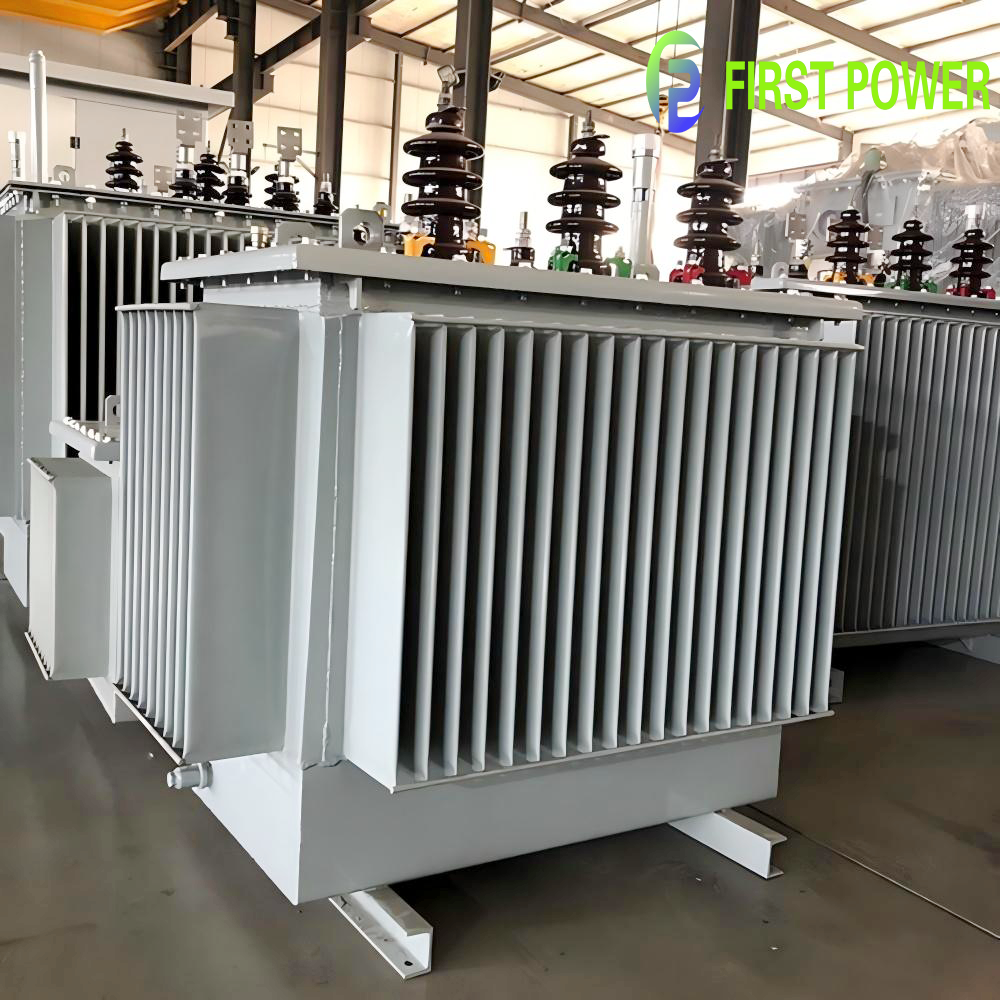
C CE S11 50 kVA 10–35 kV Oil-Immersed Distribution Transformer
A compact 50 kVA S11 transformer for small distribution points, street lighting, water pumps and rural or peri-urban electrification. Its simple oil-immersed construction supports familiar maintenance procedures and predictable spare-parts planning.
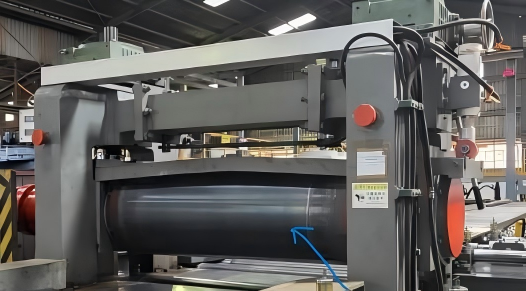
MAIN ROLLER D
Main Roller D is an original product listing in this series. Share your drawing, load duty and site constraints, and the team will confirm whether this reference item fits your project scope before you commit to an order.
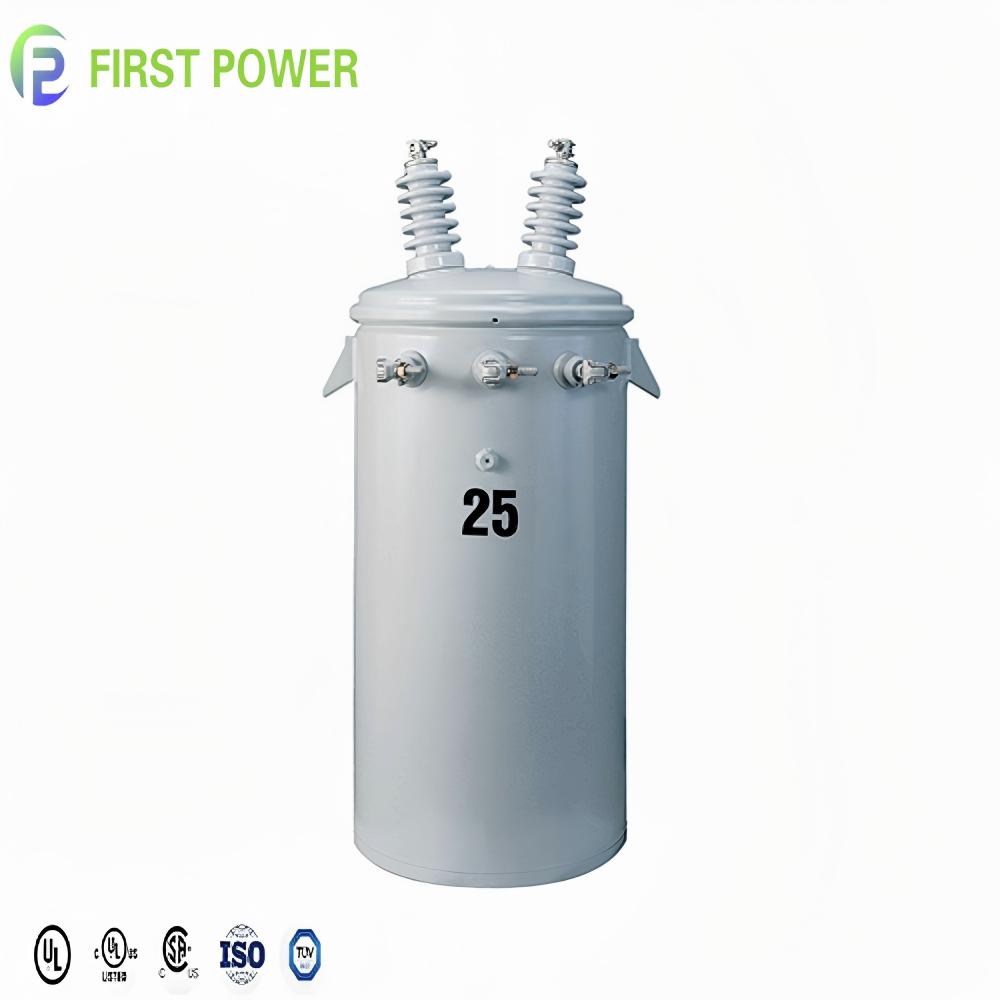
C CE MV/HV 50/60Hz 25 kVA Single-Phase Transformer
A single-phase transformer for residential, small commercial and dispersed loads where a three-phase service is not economic. The 25 kVA class can support rural electrification, small pumps and light commercial requirements when matched to actual demand and voltage drop.
Not sure which rating fits the Jimma feeder? Send the load list, largest motor, utility voltage, site altitude and expected future expansion. The engineering team will shortlist a padmounted, oil-immersed or compact substation configuration instead of guessing from kVA alone.
Inquire NowEngineering Evidence That Supports Due Diligence
Transformer procurement is a long-life decision. These company signals help Jimma buyers compare technical depth, documentation and production capability before placing an order.
Why a Padmounted Transformer Strategy for Jimma Must Go Beyond kVA and Price
Jimma is not a generic export destination. The city and surrounding zones combine a humid highland climate, a long rainy season, agricultural processing loads and a distribution network that is still being reinforced. For buyers in Jimma town, Agaro, Limu, Gomma, Gera, Seka and Kersa, the transformer specification should be written around moisture control, lightning exposure, motor starting, cable termination, public safety and maintenance access—not only the lowest price per kVA.
Coffee washing stations, hulling plants, flour mills, water pumps, cold rooms and small factories often share a feeder with residential and commercial customers. Their load profile can be highly seasonal. A transformer that looks lightly loaded during off-season may face short, repetitive peaks during harvest. This is why our engineering review asks for the load list, the largest motor, starting method, duty cycle, future expansion and voltage-drop limit before recommending a rating. Padmounted units are particularly useful where underground service, tamper resistance and a small footprint are important. Oil-immersed distribution transformers remain a strong choice where the priority is proven thermal capacity, serviceability and cost control.
Total owning cost is the second local issue. Purchase price matters, but so do no-load and load losses, outage risk, oil containment, corrosion repair, spare-part availability and the cost of replacing a failed unit in a remote or congested site. For a 20-year asset, a small efficiency improvement can outweigh a low initial bid. We therefore recommend a bid comparison that converts guaranteed losses into money, records the climate-protection scope, and requires serial-number-linked test reports. That is a more reliable way to compare suppliers from different countries.
Finally, documentation is part of reliability. Drawings, nameplate data, routine test reports, oil test results, packing lists and O&M manuals should be complete before shipment. A transformer is only as good as the interface around it: cable boxes, fuses, surge arresters, earthing, protection settings and commissioning checks must align. Wisegj’s role is to make that interface visible early, so the Jimma project team can review the unit as a system rather than as a standalone box.
Indicative Jimma procurement weighting
A practical discussion model for bid comparison; final weighting should follow the utility, lender or EPC evaluation method.
Where Padmounted and Oil-Immersed Transformers Fit in the Jimma Economy
Jimma’s transformer demand is shaped by agriculture, public services, commercial growth and grid reinforcement. The right unit depends on load behavior and site conditions, not a single product brochure.
Coffee processing and agro-value addition
Wet mills, dry mills, sorting lines and conveyors operate in a wet, dusty environment where cable entries and enclosure sealing matter. A 300–750 kVA three-phase unit with corrosion protection, suitable IP rating and a documented thermal margin is a practical starting point. For new sites, reserve space for future expansion and specify loss limits at the design stage.
Water supply, irrigation and peri-urban electrification
Boreholes, booster pumps and irrigation schemes often have high starting currents and long low-voltage runs. A 50–250 kVA oil-immersed transformer can be appropriate, but the motor starting method, cable size and voltage-drop limit must be checked together. Single-phase units can serve dispersed loads where three-phase service is not economic.
Commercial, institutional and healthcare facilities
Hotels, hospitals, universities, shopping areas and office buildings need safety and continuity. A dead-front, loop-feed padmounted transformer with 300–750 kVA capacity supports underground service and allows sections to be isolated for maintenance. For critical facilities, discuss redundancy, protection coordination and spare capacity before finalizing the rating.
Light industry and industrial parks
Industrial parks and factories need room for load growth. S11 oil transformers and compact substations can standardize protection and reduce civil works. Share the largest motor, harmonic-producing equipment, expansion plan and duty cycle so cooling, impedance and losses are selected together. A slightly larger, lower-loss unit may be cheaper over the asset life.
Solar PV, hybrid mini-grids and captive generation
Solar PV, hybrid mini-grids and captive generation introduce inverter interfaces and variable output. The 1,000 kVA / 1 MW class solar PV transformer in this range is an option for step-up duty. Confirm harmonic performance, thermal cycling, protection and grid-code requirements with the inverter and utility teams before ordering.
Utility distribution and feeder reinforcement
Feeder reinforcement and loss-reduction programs often need repeatable, easy-to-inspect equipment. Three-phase padmounted transformers support safer public interfaces in busy areas, while MV/HV oil transformers serve substations and bulk distribution. Standardizing vector groups, protection and nameplate language can simplify spares and training.
Six Procurement Shifts Reshaping Transformer Demand in Jimma
Buyers are becoming more technical. The conversation is moving from “lowest price per kVA” to reliability, losses, documentation and lifecycle support.
Total cost of ownership replaces first-cost buying
Jimma buyers increasingly ask for guaranteed no-load and load losses, because energy cost accumulates every year. A lower-priced transformer with poor efficiency can cost more over two decades. For projects financed by utilities, lenders or EPC contractors, a loss-capitalization calculation should be part of bid evaluation.
Underground distribution and public safety
As commercial corridors densify, padmounted transformers offer a safer public interface than exposed overhead equipment. Dead-front design, locked enclosures, visible labelling and correct cable termination help reduce accidental contact and unauthorized intervention. They also support cleaner site layouts for hotels, campuses and mixed-use developments.
Climate-resilient specification
Rainfall, humidity, lightning and dust influence long-term failure modes. Buyers are adding corrosion-resistant hardware, sealed cable entries, oil containment, surge protection and earthing checks to the specification. In Jimma’s highland environment, a transformer enclosure should be reviewed as part of the electrical protection system, not as a painted box.
Renewables and captive power
Coffee processors, hospitals, telecom sites and small industries are exploring solar PV, hybrid systems and captive generation to improve resilience. These projects need transformers that coordinate with inverters, protection relays and grid-connection rules. Frequency, harmonic performance and thermal cycling should be discussed at the design stage.
Traceable quality and digital documentation
A certificate image is not enough. Serious buyers ask for certificate numbers, serial-number-linked routine test reports, oil test results and drawing revisions. This is especially important when equipment is shipped across borders and commissioned by a different contractor. Clear documentation reduces delays and supports warranty discussions.
Logistics and lifecycle planning
For landlocked Ethiopia, packing quality, document accuracy and shipment planning are part of the procurement timeline. Wisegj works with FOB, CFR, CIF, EXW, FCA, CIP, CPT and DDP terms, and supports English drawings, test reports and O&M manuals. Buyers should also plan spare parts, training and future expansion before dispatch.
Jimma Transformer Selection Matrix
Use this matrix as an early-stage shortlisting aid, then confirm the final design against the actual utility voltage, protection scheme, load study and site conditions.
A Transformer Supplier Built for Auditable Export Projects
Jiangsu Wisegj Power Co., Ltd. is a Suzhou-based manufacturer and exporter of padmounted, oil-immersed, dry-type and power transformers, compact substations and high/low voltage switchgear. The product range extends from 220 V to 500 kV, with CE certification for key product lines and production under ISO 9001, ISO 14001 and ISO 45001 management systems. The company has been verified by TÜV Rheinland, and its team brings more than 20 years of transformer experience to specification review, customization and export support.
These are not marketing claims without a trail. The factory floorspace has been verified at 6,847 m², more than 50 R&D and technical engineers support design work, and 211 qualified supply-chain partners help stabilize materials and lead times. Buyers can request drawings, routine test reports, nameplate drafts and English O&M documentation. The target is a technically complete offer that a Jimma EPC contractor, utility buyer or industrial end user can review without another round of basic clarification.
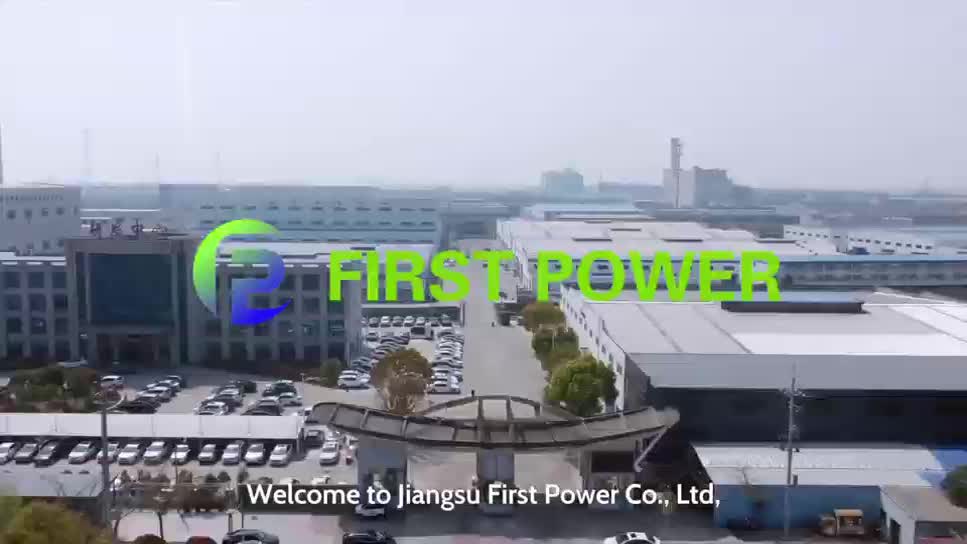
Factory and engineering support for auditable transformer projects. Image from the original Wisegj company profile.
Verified factory capacity
6,847 m² of inspected production floorspace with dedicated winding, core assembly, drying, tanking and testing areas.
In-house routine testing
Winding resistance, ratio and vector group, impedance, load/no-load loss, applied and induced voltage, plus oil BDV for liquid units.
Custom engineering
Ratings, vector group, impedance, taps, bushings, cooling, insulating fluid, enclosure colour and nameplate language.
Certified systems
ISO 9001, ISO 14001 and ISO 45001 management systems, with CE certification for key transformer and substation lines.
Supply-chain depth
211 qualified supply-chain partners support stable sourcing of silicon steel, copper, bushings, accessories and tank materials.
Export packing and terms
Seaworthy packing, shipping marks and Incoterms coverage from EXW to DDP, with documents aligned to the agreed delivery scope.
Responsive technical support
Pre-sale and after-sale questions are routed to qualified engineers, with a target response within one working day.
Complete documentation
GA drawings, nameplate drafts, routine test reports, packing lists and English O&M manuals for project handover.
A Clear Five-Step Path for Export Procurement
Clear inputs reduce clarification rounds. The process below is designed for EPC contractors, industrial buyers and utility procurement teams that need traceable decisions.
Share the brief
Load list, single-line diagram, site altitude, ambient conditions, utility standard, destination and required documents.
Engineer review
Voltage ratio, frequency, losses, impedance, cooling, climate package, protection and logistics feasibility.
Drawing approval
GA drawing, nameplate, guaranteed losses, test plan and packing assumptions are frozen before production.
Build and test
Controlled production with in-process checks, routine test records and third-party witness inspection when requested.
Pack and dispatch
Export packing, shipping marks, document set, agreed Incoterms and after-sales support plan.
Questions Local Procurement Teams Ask Before Ordering
These answers reflect common commercial, technical and logistics questions from buyers in Ethiopia and the wider East African market.
Which padmounted transformer should a Jimma commercial project start with?
Start from actual demand, diversity, starting current and the utility-approved voltage. For many commercial buildings, a 300–750 kVA three-phase padmounted unit with loop-feed, dead-front termination and appropriate fusing is a practical first brief. If the site has a high share of motors or future expansion, request a loss evaluation and thermal check rather than accepting the smallest nameplate size.
Do you supply 50 Hz transformers for Ethiopia and Jimma?
Yes. Wisegj builds 50 Hz, 60 Hz and dual-frequency units. For Jimma, confirm the utility-approved primary voltage and vector group. Product options cover 6, 10, 15, 20, 33 and 35 kV classes; the final design must match the actual feeder, protection scheme and nameplate language.
How should buyers deal with Jimma’s rainfall, humidity and lightning exposure?
Specify enclosure finish and ingress protection for the site, corrosion-resistant hardware, sealed cable entries, oil containment where required, and an earthing and lightning protection study. Padmounted enclosures should be tamper-resistant and serviceable. The aim is not just to keep water out, but to keep moisture, dust and wildlife from creating long-term failure paths.
What capacity and voltage should we state in an RFQ?
Provide rated kVA, primary and secondary voltage, frequency, vector group, impedance, tap range, cooling, ambient and altitude, duty cycle, future expansion, utility standard and any loss limits. A single-line diagram and load list shorten the engineering review. If values are unknown, share the load schedule and the team can propose a compliant configuration.
What factory tests and documents are provided?
Routine tests include winding resistance, voltage ratio and vector group, impedance and load loss, no-load loss and current, applied voltage and induced voltage withstand, plus oil dielectric tests for liquid-filled units. Type test reports can be provided and third-party witness inspection is welcome. Every unit should ship with a serial-number-linked test report.
Can the transformer be customized for a Jimma project?
Yes. Customization covers rating, vector group, impedance, taps, bushing configuration, cooling method, mineral or natural ester oil, enclosure colour, nameplate language and documentation. OEM, ODM and design-based options are available. Changes should be frozen on an approved general arrangement drawing before production.
What shipping terms and payment methods do you accept?
The company works with FOB, CFR, CIF, EXW, FCA, CIP, CPT and DDP terms, and accepts T/T, L/C, D/P and D/A among other agreed methods in major currencies. For landlocked Ethiopia, the shipping plan, document set and final destination responsibilities should be written into the contract.
What lead time and after-sales support should a buyer plan for?
Lead time depends on rating, customization, test schedule and material readiness; it should be confirmed after drawing approval. Wisegj provides English drawings, test reports and O&M manuals, and targets a qualified engineer response within one working day. Buyers should also agree spare-parts, warranty and commissioning support terms before shipment.
Send the Specification, Not Just a Request for Price
For a faster, more accurate offer, share the site location, required kVA, primary and secondary voltage, frequency, load type, largest motor, altitude, ambient conditions, utility standard, loss target, delivery destination and required documents. The engineering team will review the transformer as part of the Jimma distribution system and respond with a practical configuration.
Inquire Now