Pad Mount Transformer Factory & Supplier for Mbeya
Factory-direct, 50 Hz pad-mounted, single-phase and three-phase distribution transformers engineered for Mbeya utilities, commercial estates, mines, agro-processing plants and cross-border infrastructure.
8 Transformer Products Selected for Mbeya Procurement
Compare pad-mounted, single-phase and oil-immersed transformer options. For Mbeya projects, confirm primary voltage, 50 Hz frequency, loss limits, enclosure standard and utility documentation before ordering.
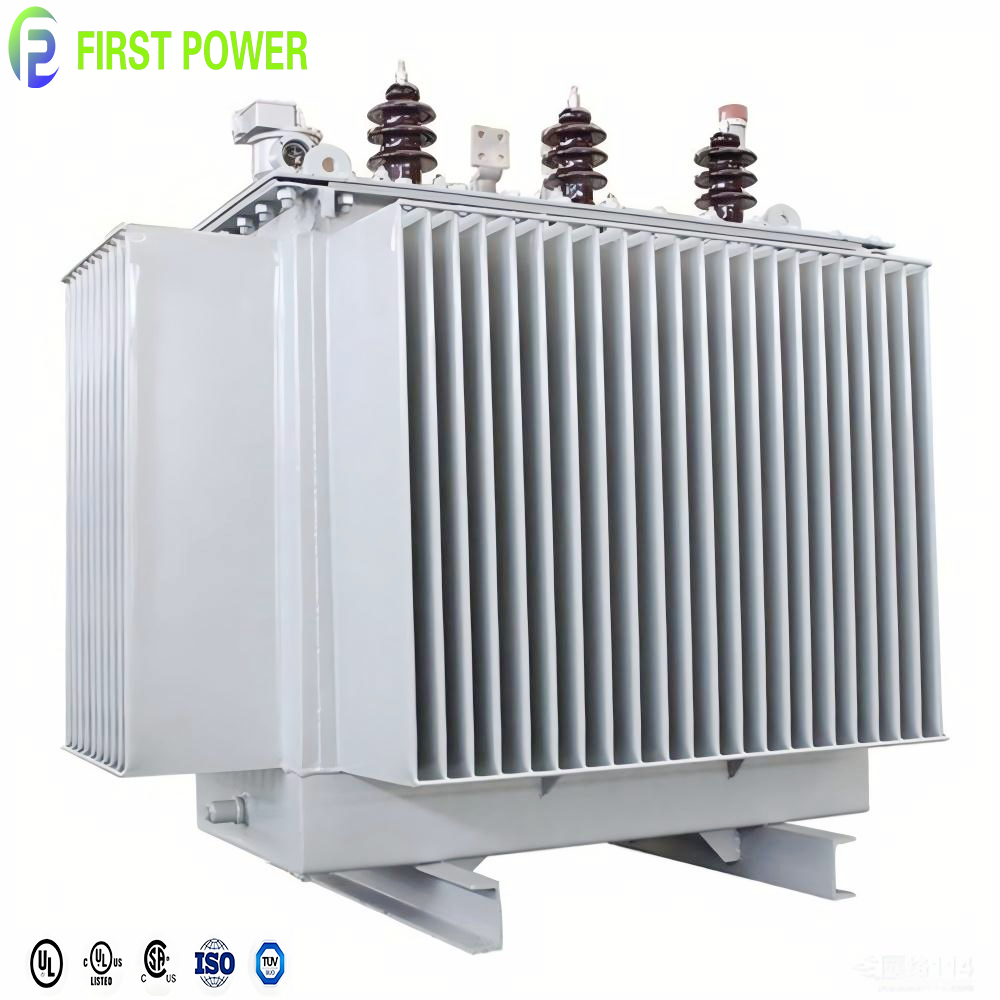
C CE MH&HV 50/60HZ 10KVA-50000KVA 10KV 15KV 20KV 35KV Three Phase S11 Oil Transformer for Electric Power Distribution
S11 three-phase oil transformer for 10–35 kV distribution, suited to Mbeya industrial feeders, substations and step-down projects where low loss and 50 Hz performance are priorities.
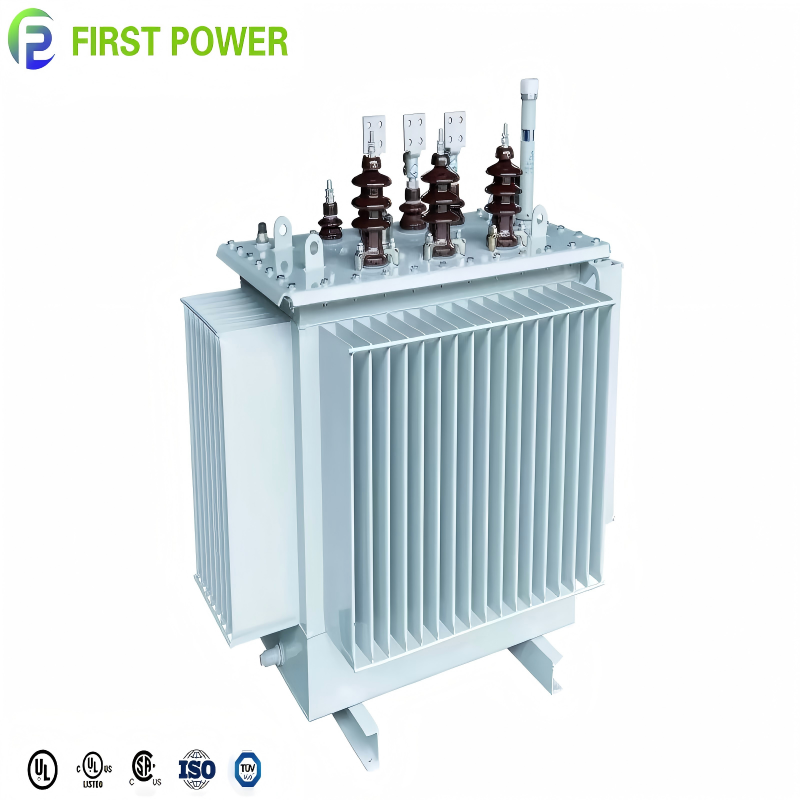
C CE S11 50/60HZ 6KV 10KV 15KV 20KV 35KV 100KVA 300KVA 3 Phase Oil Immersed Transformer 50KVA 33KV for Distribution System
Oil-immersed distribution transformer from 50 to 300 kVA, 6–35 kV; a practical choice for smaller commercial sites, water pumping and rural electrification clusters around Mbeya.
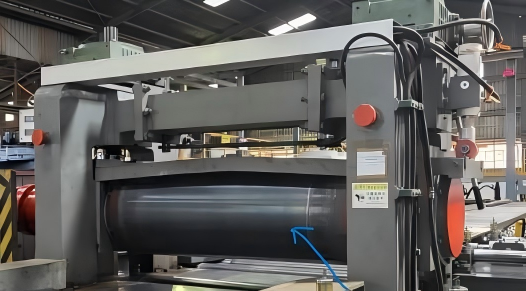
MAIN ROLLER D
Main Roller D – a heavy-duty roller assembly for material handling and production equipment. Quoted as a factory-sourced auxiliary item after application review and specification confirmation.
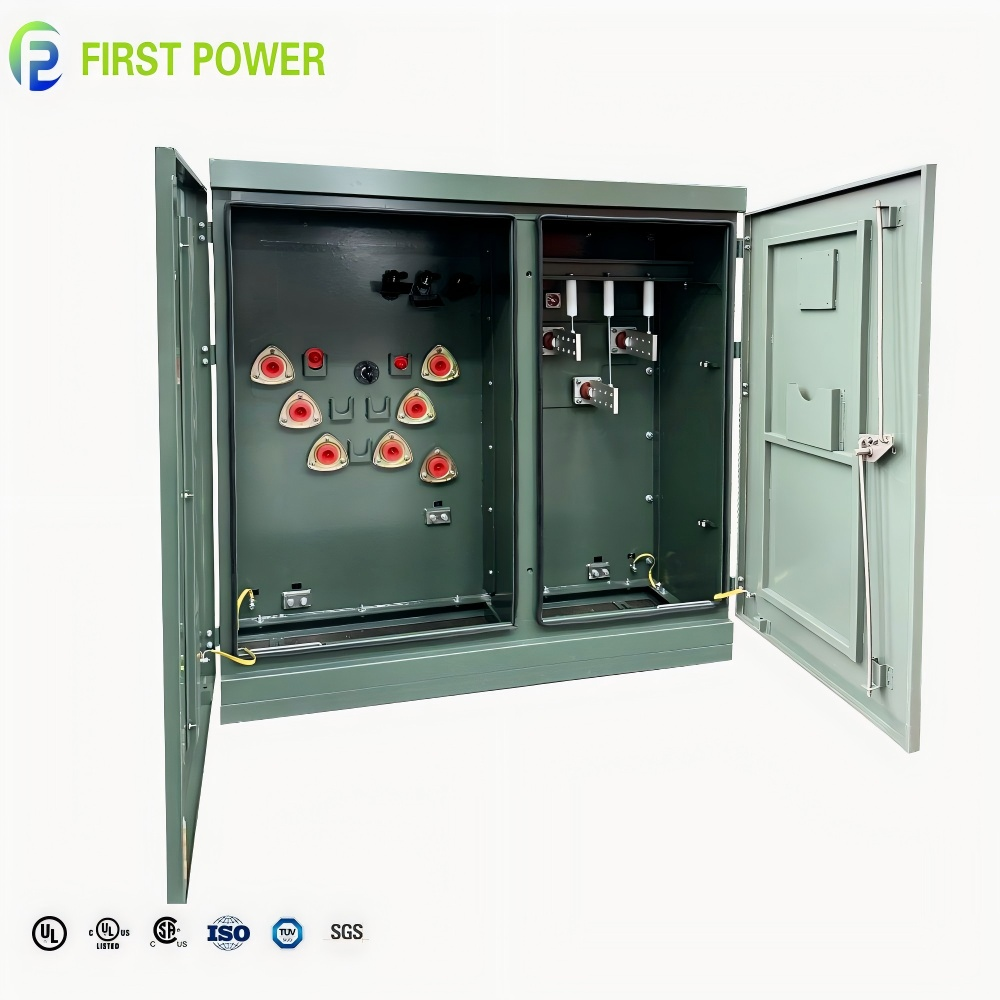
C CE Certification 50/60HZ 10KV 20KV 35KV 3 Phase Loop Feed Pad Mounted 750KVA Transformer for Electric Power Distribution
750 kVA loop-feed pad-mounted transformer with CE certification; designed for reliable ring networks where back-feeding, outage isolation and compact siting matter.
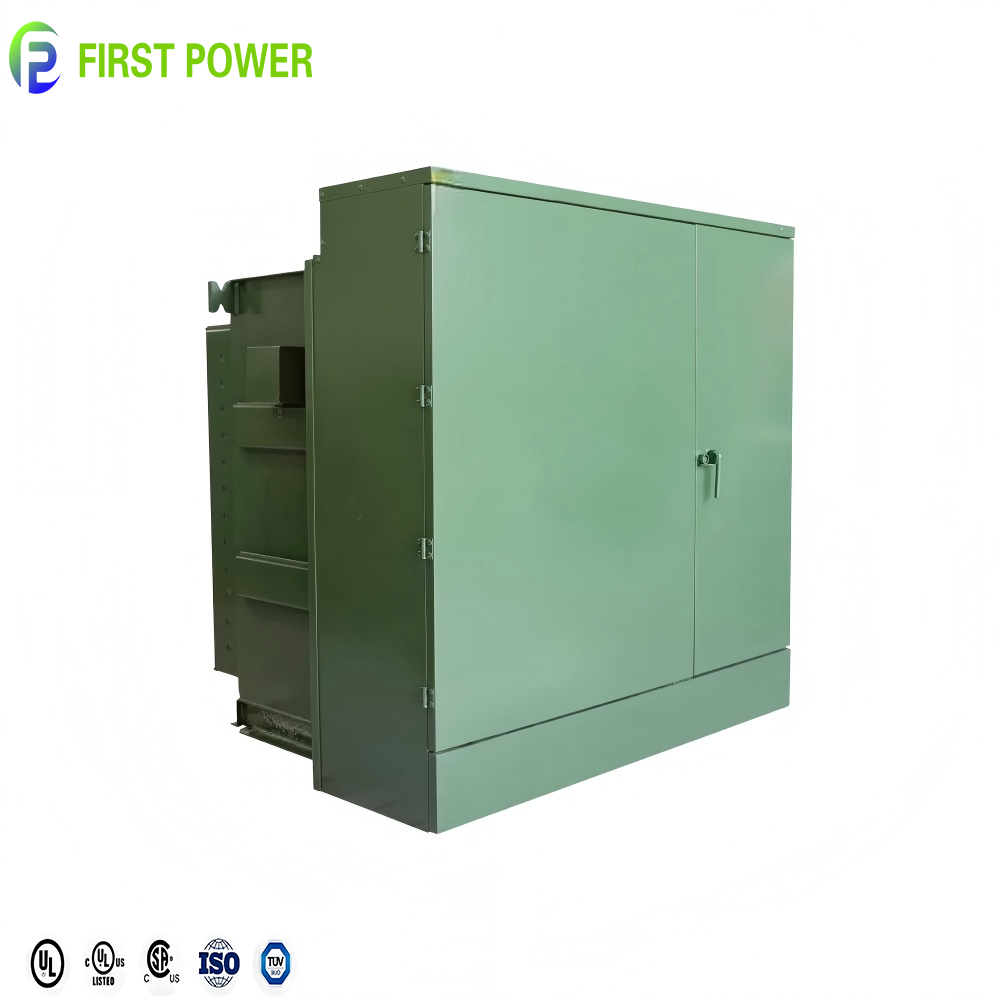
C CE 50/60HZ 10KV 20KV 35KV 300KVA 500KVA 630KVA 750KVA Three Phase Pad Mounted Transformer for Electric Power Distribution
Three-phase pad-mounted transformer range for commercial buildings, hospitals, campuses and industrial parks; available with loop or radial feed and project-specific protection.
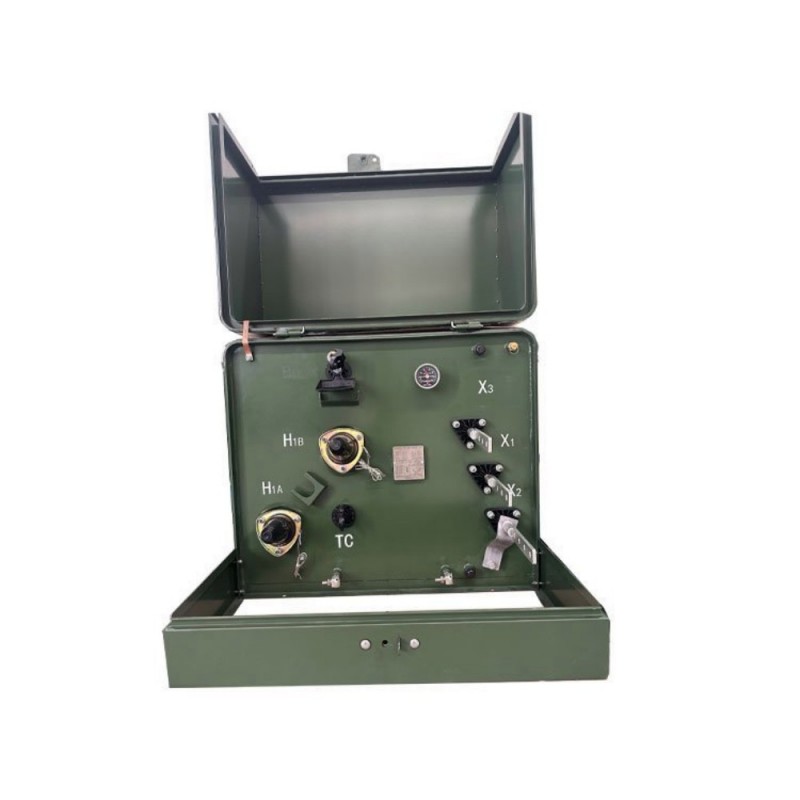
C Certification 6KV 10KV 13KV 20KV 34.5KV 50/60HZ Oil Type Single Phase 75KVA Pad Mounted Transformers
75 kVA single-phase oil-type pad-mounted transformer for residential clusters, street lighting and small commercial loads. Confirm the utility connection standard before selection.
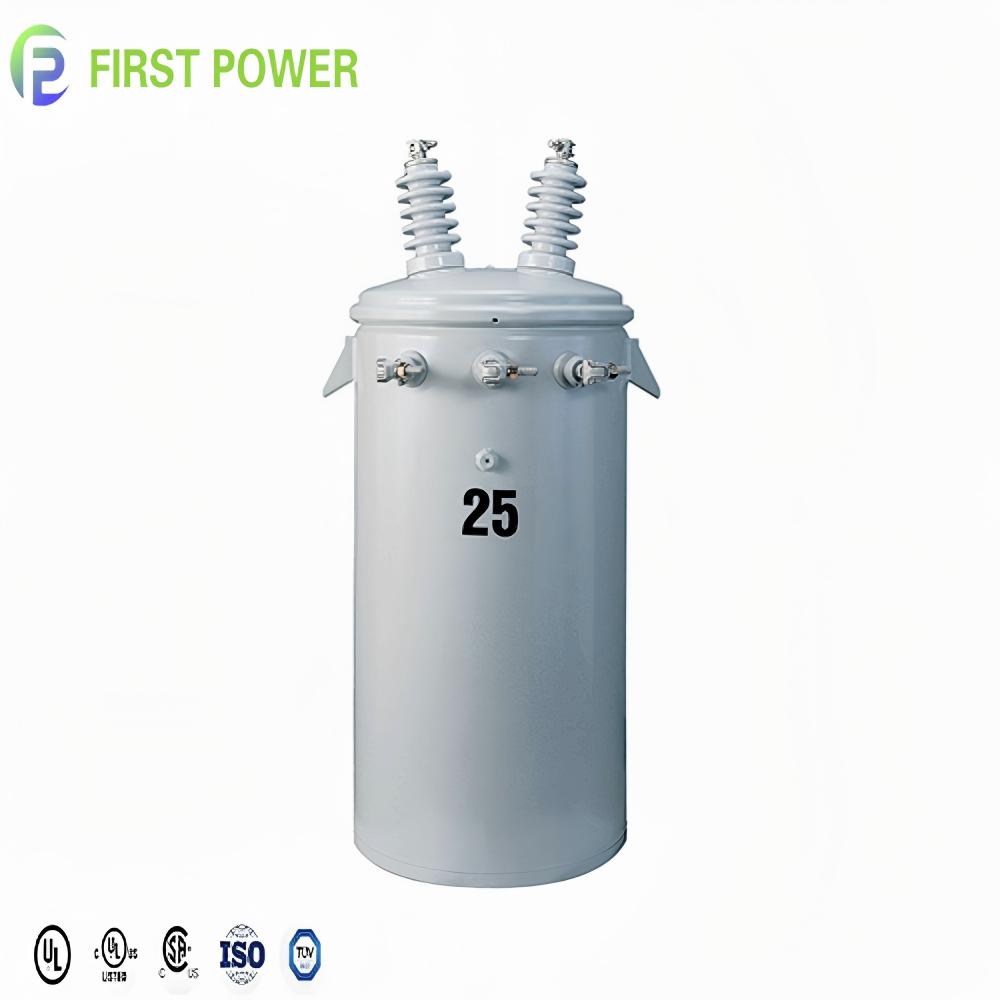
C CE Certification MV&HV 50/60HZ 6KV 10KV 20KV 35KV 25KVA Single Phase Transformer Price for Electric Power Distribution
25 kVA single-phase transformer option for low-density load points, auxiliary supplies and distributed rural loads in the Mbeya region. Ideal where right-sizing matters.
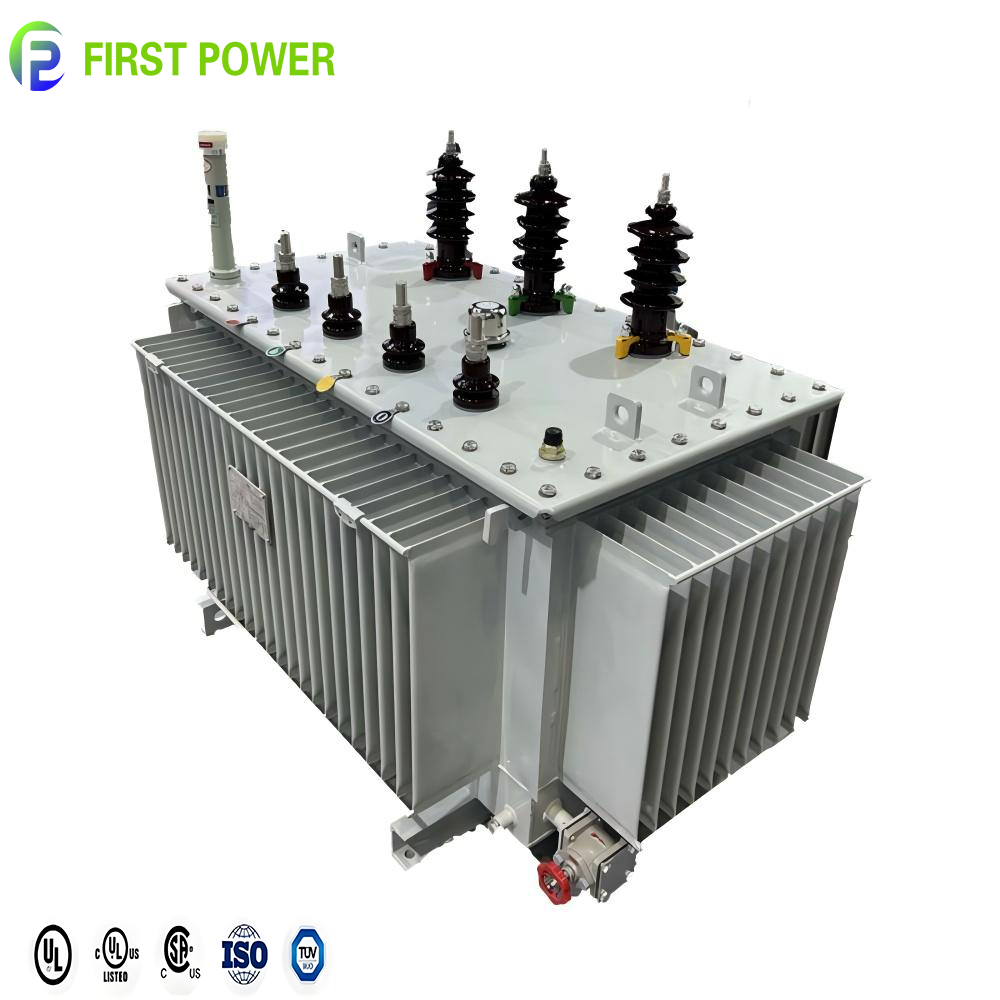
C CE 50/60HZ S11 10KV 20KV 35KV 50KVA 100KVA 200KVA 3 Phase Electrical Oil Immersed Transformer for Distribution System
S11 oil-immersed three-phase transformer from 50 to 200 kVA; suitable for local distribution substations, workshops and agro-processing facilities with space constraints.
Why Mbeya Buyers Can Shortlist This Factory With Confidence
Procurement is not only about kVA and price. It is about verified capacity, test evidence, documentation and a supplier that answers engineering questions quickly.
Pad-Mount Transformer Demand in Mbeya: Loads, Climate and Grid Reality
Mbeya is more than a single city load centre. It sits in south-western Tanzania and acts as a gateway for the southern highlands and the Tunduma border corridor toward Zambia, Malawi and the wider region. That geography creates a mix of loads rarely captured by a standard transformer catalogue: tea, coffee, maize and rice processing; dairy and cold-chain operations; construction materials; mining and industrial minerals; hospitals, universities and water pumping; plus new commercial and residential estates.
For a pad-mounted transformer supplier, this means equipment must be interpreted through the project’s actual 50 Hz network, not through a generic export datasheet. Most Mbeya distribution projects are planned around 33 kV or 11 kV primary voltage and 400/230 V secondary utilisation, but final values must be confirmed with the utility, consulting engineer and local approval process. A unit specified with the wrong frequency, vector group, loss level or enclosure rating can pass a factory test and still fail at site.
What changes when a transformer operates around 1,700 m altitude?
Mbeya’s highland location, intense rainy periods and lightning exposure put more emphasis on insulation coordination, creepage distance, surge protection, tank corrosion protection and moisture control. A transformer acceptable at sea level may require a more careful review of temperature rise, cooling margin and external clearances. For outdoor pad-mounted installations, the enclosure should also be reviewed for security, oil containment, cable entry, ventilation and long-term powder-coat performance.
The local grid conversation is changing as well. Utilities and developers want lower losses, shorter outage windows and equipment that can be integrated into ring networks without custom site fabrication. That is why loop-feed pad-mounted transformers and low-loss S11 oil-immersed designs are often discussed together in Mbeya procurement: the first supports network reliability, the second supports operating-cost control over the transformer’s service life.
Mbeya project reference card
These are planning references, not a substitute for the project’s single-line diagram and utility approval. Confirm every value before purchase.
Mbeya Trends Shaping Transformer Specification
Three practical trends are changing how buyers compare pad-mounted, single-phase and oil-immersed transformers for Mbeya projects.
Grid hardening and underground distribution
Commercial corridors around Mbeya City, Uyole and Mbalizi are moving toward compact, tamper-resistant equipment where overhead space is constrained. Loop-feed pad-mounted transformers support isolation and back-feeding with less site construction, while lockable enclosures and oil containment help meet urban safety expectations.
Rural electrification and hybrid mini-grids
Rural energy programmes and solar-hydro hybrid schemes need right-sized transformers, not oversized utility units. Single-phase 25 kVA and 75 kVA pad-mounted designs are useful for clustered households and small enterprises, while 50–200 kVA three-phase oil-immersed units can anchor mini-grid distribution.
Mining, agro-processing and cross-border logistics
Mining and industrial minerals, agro-processing, cold chain and the Tunduma corridor create concentrated three-phase loads with motor starting, harmonics and dust concerns. For these sites, 630–1,500 kVA pad-mounted or oil-immersed solutions with verified thermal margin and spare protection components are more useful than a lowest-price catalogue unit.
Recommended Pad-Mount Transformer Configurations for Mbeya Projects
Use these starting points for a feasibility review, then confirm the final kVA and impedance from the load calculation, motor-starting study and utility requirements.
Commercial estates and public buildings
For hotels, hospitals, universities and mixed-use developments in Mbeya, review 300–750 kVA three-phase pad-mounted units at 11 kV/400 V with loop feed, dead-front termination, low-loss core and oil containment. A 750 kVA loop-feed unit is often a strong starting point for ring networks.
Agro-processing and water pumping
For maize, rice, tea, coffee, dairy and water-pumping loads, evaluate 630–1,500 kVA at 33 kV/400 V. Ask for thermal margin, motor-starting review, harmonic considerations and protection coordination. Clean cable boxes and accessible fuse arrangements reduce maintenance time.
Mining and remote industrial loads
For mines, crushers, workshops and remote load centres, consider 750–2,500 kVA three-phase pad-mounted or compact substation arrangements. Specify robust enclosure coating, surge arresters, spare fuses, lifting provisions and a practical spares list for the Mbeya supply chain.
Residential and rural clusters
For residential estates and rural load clusters, compare 25 kVA and 75 kVA single-phase pad-mounted designs with 50–200 kVA three-phase oil-immersed units. Right-sizing avoids unnecessary no-load losses and keeps voltage regulation within the utility’s acceptable range.
Mbeya Transformer Specification Checklist: Avoid a Costly Mismatch
Use this checklist during technical review. It creates information gain beyond a product list and helps the factory quote a compliant design the first time.
1. Frequency and voltage
State 50 Hz clearly. Confirm 33 kV or 11 kV primary, 400/230 V secondary, vector group, tap range and impedance. Do not copy a 60 Hz datasheet into a Tanzanian project without a full design review.
2. Altitude and insulation
For Mbeya’s highland altitude, review insulation level, creepage, temperature rise and cooling margin. Ask the factory to document the design basis rather than relying on a generic rating.
3. Lightning and surge protection
Specify surge arresters, BIL and external clearances appropriate to local lightning exposure. Pad-mounted enclosures should support proper cable termination and grounding.
4. Enclosure and corrosion protection
Check powder-coat system, stainless hardware, lockable doors, ventilation, oil containment and cable entry. Rain, dust and long inland transport all affect long-term reliability.
5. Losses and thermal performance
Provide no-load and load-loss limits or efficiency targets. A low first cost can be outweighed by lifetime energy losses, especially on continuously energised distribution transformers.
6. Oil and fire safety
Mineral oil is common; natural ester may be considered for fire-sensitive or environmentally sensitive locations. Confirm fluid type, oil testing, gaskets and containment requirements.
7. Cable and fuse coordination
Match bushings, cable boxes and fuse ratings to the actual cable schedule. For loop-feed units, confirm feed arrangements, switching intent and dead-front requirements.
8. Testing and witness inspection
Routine tests should include winding resistance, ratio, vector group, impedance, load loss, no-load loss and applied/induced voltage withstand. Third-party witness testing can be arranged when required.
9. Documentation and approval
Request GA drawings, nameplate draft, test reports, O&M manual, packing list, certificate of origin and CE/ISO documents. If TANESCO or TBS review is required, provide the local checklist early.
Why Jiangsu Wisegj Power Is a Practical Factory Partner for Mbeya
Jiangsu Wisegj Power Co., Ltd. designs, assembles and exports medium and high voltage equipment from 220 V up to 500 kV, including pad-mounted transformers, oil-immersed transformers, dry type transformers, power transformers and compact substations.
Verified factory base
6,847 m² of inspected production floorspace with winding, core assembly, drying, tanking and testing areas. TÜV Rheinland has verified production capability and inspection processes onsite.
In-house testing
Ratio, resistance, loss, impedance, dielectric and oil BDV tests are documented per serial number. Routine test reports can be shared before shipment, and third-party witness inspection is welcome.
Custom engineering
OEM, ODM and design-based customisation are available for ratings, vector group, impedance, tap range, bushings, cooling, fluid, enclosure colour and nameplate language.
Export logistics
Seaworthy packing, shock indicators and export documentation support shipment to Dar es Salaam and onward transport toward Mbeya. Incoterms include EXW, FOB, CFR, CIF, CIP, CPT and DDP.
Certified systems
ISO 9001, ISO 14001 and ISO 45001 management systems, plus CE certificates for oil-immersed power transformers, dry type transformers and compact substations. Certificate numbers are available for audit.
Complete documentation
GA drawings, nameplate drafts, routine test reports, packing lists, certificates and O&M manuals are supplied in English to support customs clearance, utility review and site handover.
Supply-chain depth
211 qualified supply-chain partners support stable sourcing of silicon steel, copper, bushings and accessories. The team’s experience includes supply to Fortune 500 companies and a 4.9/5 average buyer rating.
Fast engineer response
A team with 20+ years of transformer experience and 50+ R&D and technical engineers aims to answer technical questions and after-sales issues within one working day.
Frequently Asked Questions From Mbeya Buyers
These are the questions most often raised by procurement teams, EPC contractors and utility engineers comparing a factory-direct transformer supplier for Tanzania.
Which transformer type is best for a Mbeya commercial or industrial project?
Start with the load profile, voltage and network arrangement. For a 50 Hz commercial estate or industrial park, a three-phase pad-mounted transformer in the 300–750 kVA range at 11 kV/400 V is often practical, especially with loop feed and dead-front termination. For larger mining or processing loads, a 630–1,500 kVA oil-immersed or pad-mounted design with a full thermal review is usually more appropriate. Do not select by kVA alone; confirm motor starting, harmonics, future expansion and utility requirements.
Can you manufacture for 50 Hz, 33 kV/11 kV and 400/230 V in Mbeya?
Yes. Transformers can be engineered for 50 Hz with project-specific primary and secondary voltages, vector group, impedance, tap range and protection. For Mbeya, confirm the exact utility voltage and connection standard in the single-line diagram. The factory can also quote 6 kV, 10 kV, 20 kV and 35 kV classes depending on the product family and design review.
How do you design for Mbeya altitude, rainfall and lightning?
The specification should review insulation level, creepage distance, surge protection, temperature rise, cooling margin and enclosure corrosion protection. Mbeya’s highland altitude and storm exposure make these details more important than in a generic catalogue application. Provide site altitude, ambient temperature, rainfall exposure and any utility insulation requirements so the engineer can confirm the design basis.
What documents are supplied for TANESCO, TBS or customs review?
Typical documents include GA drawings, nameplate drafts, routine test reports, CE and ISO certificates, packing list, commercial invoice, certificate of origin and O&M manuals. If TANESCO, TBS or another authority requires a specific document checklist, share it before order. The factory can prepare project documentation for review, while final approval remains subject to the relevant authority.
What delivery terms and shipping route are common for Mbeya?
Common terms include EXW, FOB, CFR, CIF, FCA, CIP, CPT and DDP. For Mbeya, the practical route is usually ocean freight to Dar es Salaam followed by inland transport. A CFR Dar es Salaam quote, or a DDP Mbeya quote through a logistics partner, can be requested depending on the buyer’s customs and transport arrangements. Packaging is designed for export handling.
Can you supply single-phase 25 kVA and 75 kVA pad-mounted transformers?
Yes. Single-phase pad-mounted transformer options include 25 kVA and 75 kVA product families for low-density load points, residential clusters and auxiliary supplies. Confirm the primary voltage, secondary voltage, fuse arrangement, mounting style and utility connection standard before ordering. Right-sizing is important because oversized single-phase units can increase no-load losses.
What testing is completed before shipment?
Routine tests normally include winding resistance, voltage ratio and vector group, impedance and load loss, no-load loss and current, and applied/induced voltage withstand. Oil-filled units also receive oil dielectric testing. A test report is prepared per serial number. Type test reports can be provided where available, and third-party witness inspection can be arranged for larger Mbeya projects.
How do I get a fast quotation and engineer response?
Send the rated power, primary and secondary voltage, frequency, vector group, impedance, tap range, cooling method, installation altitude, ambient conditions, loss target, standard and required documents. A transformer engineer can then review the specification and respond within one working day. Use the Contact Us button to start a live technical discussion.
Send These Details for a Faster Mbeya Quotation
Complete data reduces clarification rounds and helps the factory return a compliant design with guaranteed losses.
Rated power and voltage
kVA or MVA, primary voltage, secondary voltage, 50 Hz, single-phase or three-phase, and any future expansion allowance.
Network and vector group
Vector group, impedance, tap changer type, neutral arrangement, loop or radial feed, cable size and protection coordination.
Site environment
Mbeya site altitude, ambient temperature, rainfall exposure, lightning risk, dust, corrosion class and indoor/outdoor installation.
Loss and efficiency targets
No-load loss, load loss, total owning cost criteria or efficiency limits required by the utility or project financier.
Standard and testing
IEC 60076 or other applicable standard, routine test list, third-party witness requirement and any special dielectric test.
Delivery and documents
Incoterm, destination, required certificates, nameplate language, packing requirements, O&M manuals and spare parts list.
Ready to Specify a Pad-Mount Transformer for Mbeya?
Share your single-line diagram, load calculation and utility checklist. A transformer engineer will review the design, propose the right pad-mounted or oil-immersed configuration, and confirm test and document requirements before quotation.