Oil Immersed Distribution Transformers and Related Equipment for Adama Buyers
Eight export-ready product families covering utility distribution, industrial power supply, solar PV, pad mounted networks and compact sites. Each product link is preserved so procurement teams can review detailed specifications directly.
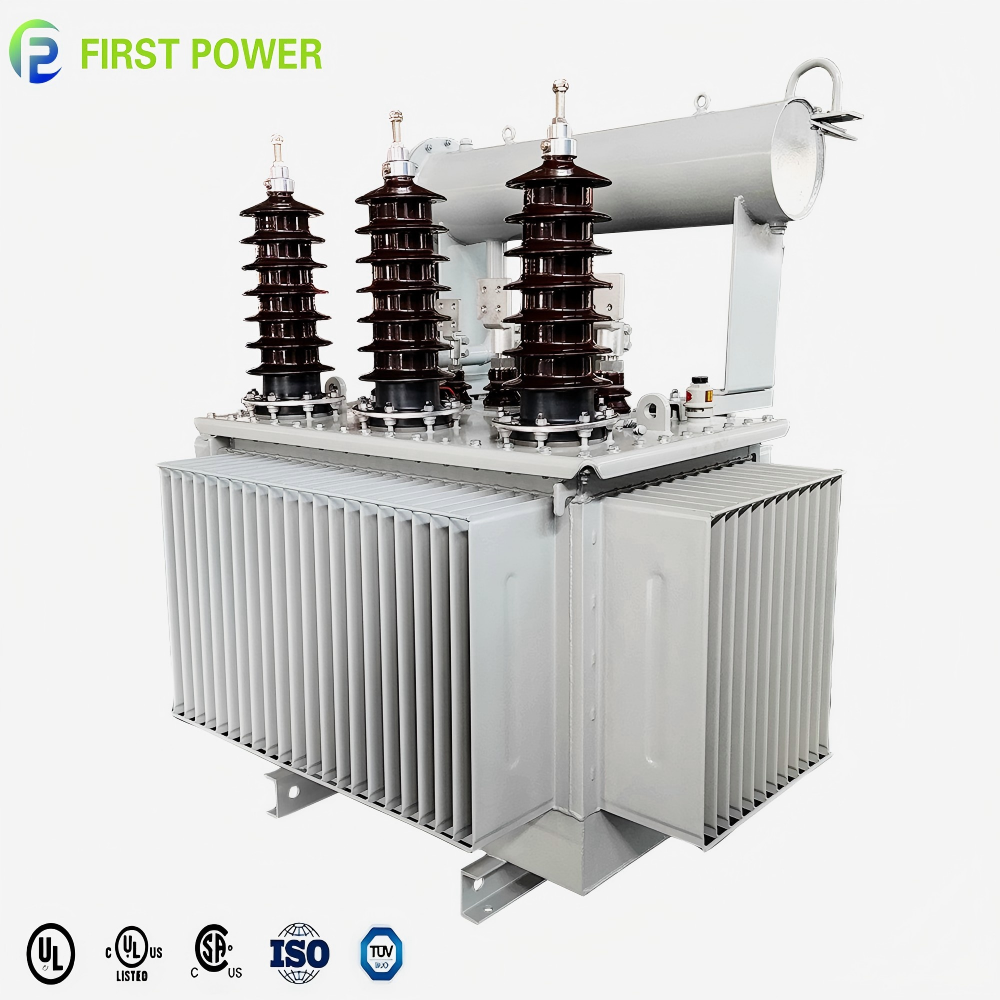
C CE Certification IEEE Standard 50/60HZ S11 Three Phase 33KV Oil Immersed Power High Voltage Transformer for Industrial
A practical 33 kV class option for factory substations, industrial feeders and utility step-down duties where CE documentation and IEEE/IEC specification overlap.
View product details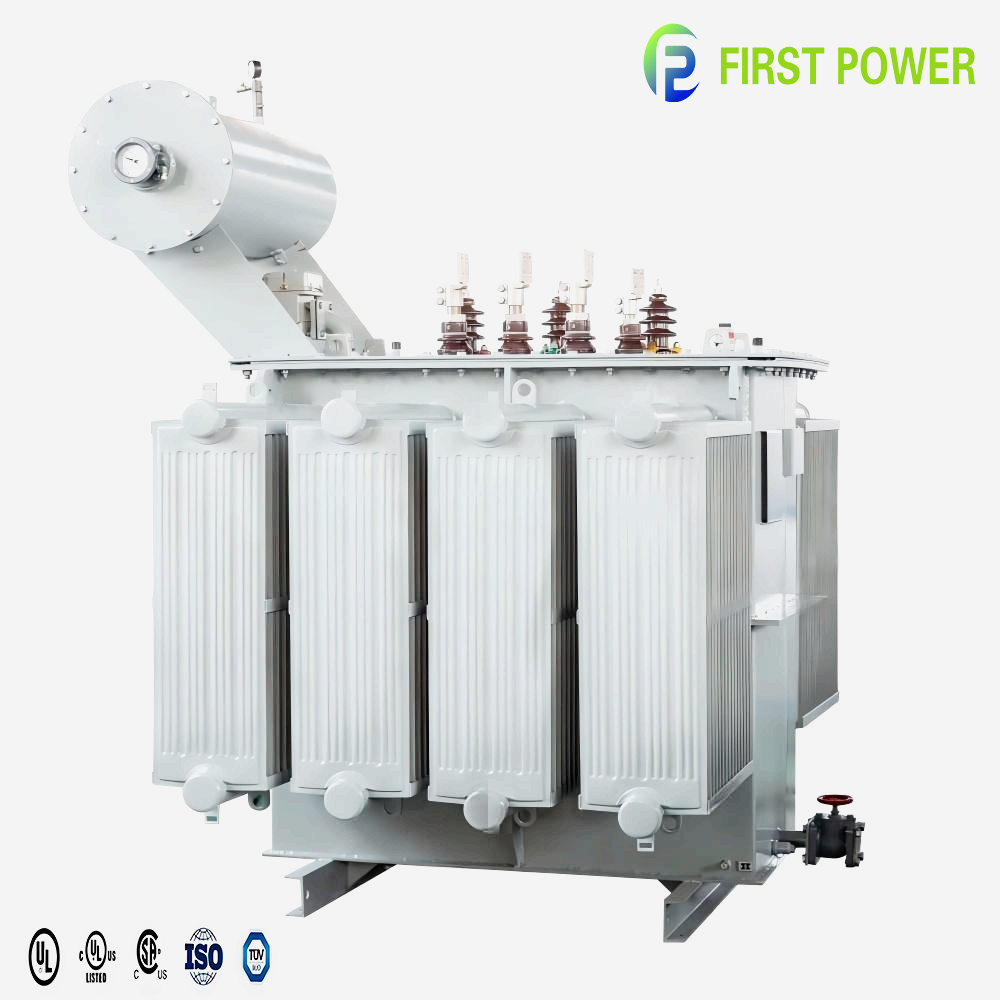
C Certification 50/60HZ 6KV 10KV 20KV 35KV Three Phase 1000KVA 1MW Solar PV Transformers Oil Immersed for Power Generation
For solar PV collection systems, distributed generation and behind-the-meter projects around Adama where 6–35 kV grid connection is required.
View product details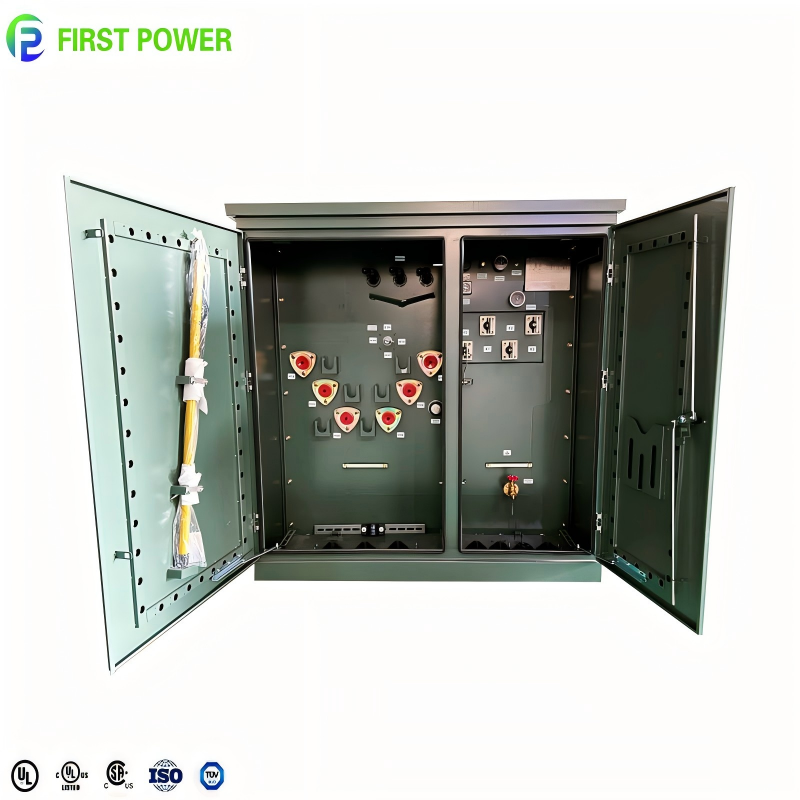
C ZGS11 50/60HZ 75KVA-50000KVA 6KV 10KV 15KV 20KV 35KV Three Phase Pad Mounted Transformer for Electric Power Distribution
ZGS11 pad mounted design for underground distribution, commercial campuses and space-constrained sites requiring tamper-resistant enclosures.
View product details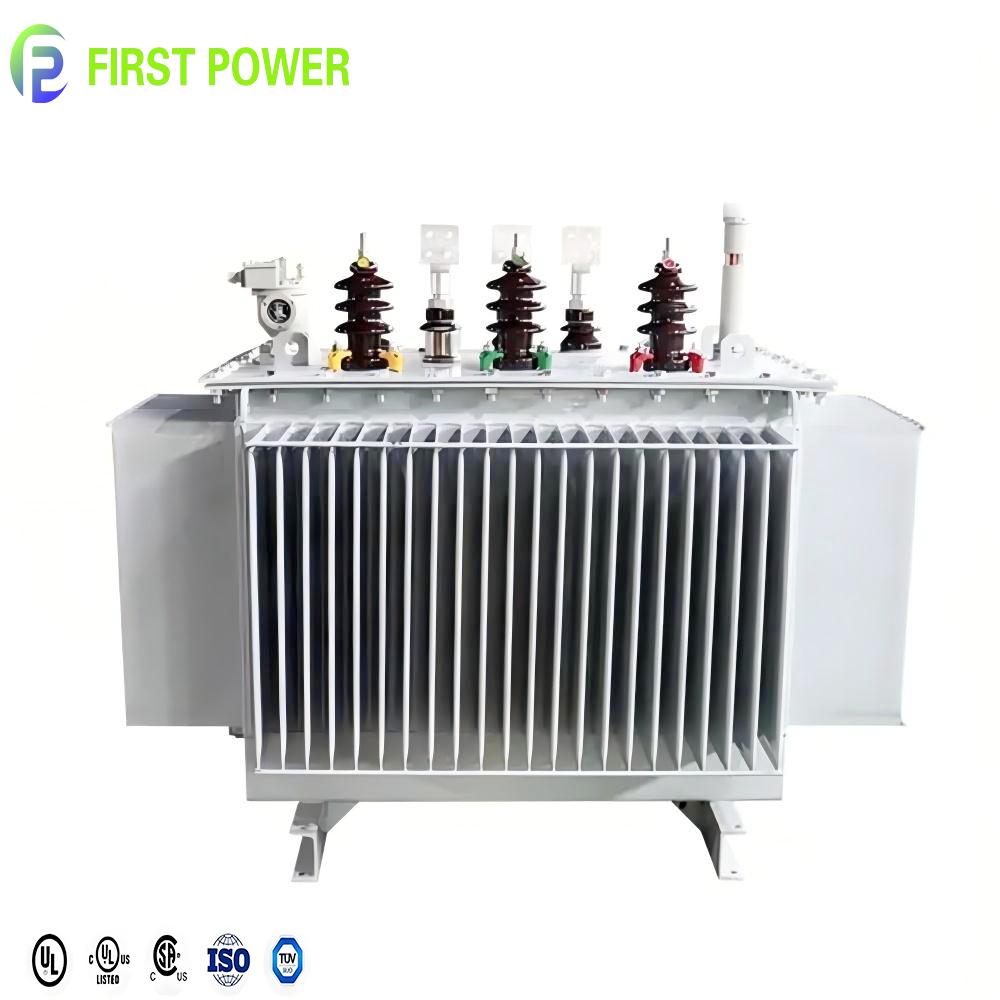
C CE S11 10KV 20KV 35KV 50KVA 100KVA 150KVA 200KVA 250KVA 3 Phase Oil-Immersed Transformer for Electric Power Distribution
S11 oil immersed distribution units for utility feeders, commercial buildings and light industry, with loss levels reviewed against project energy targets.
View product details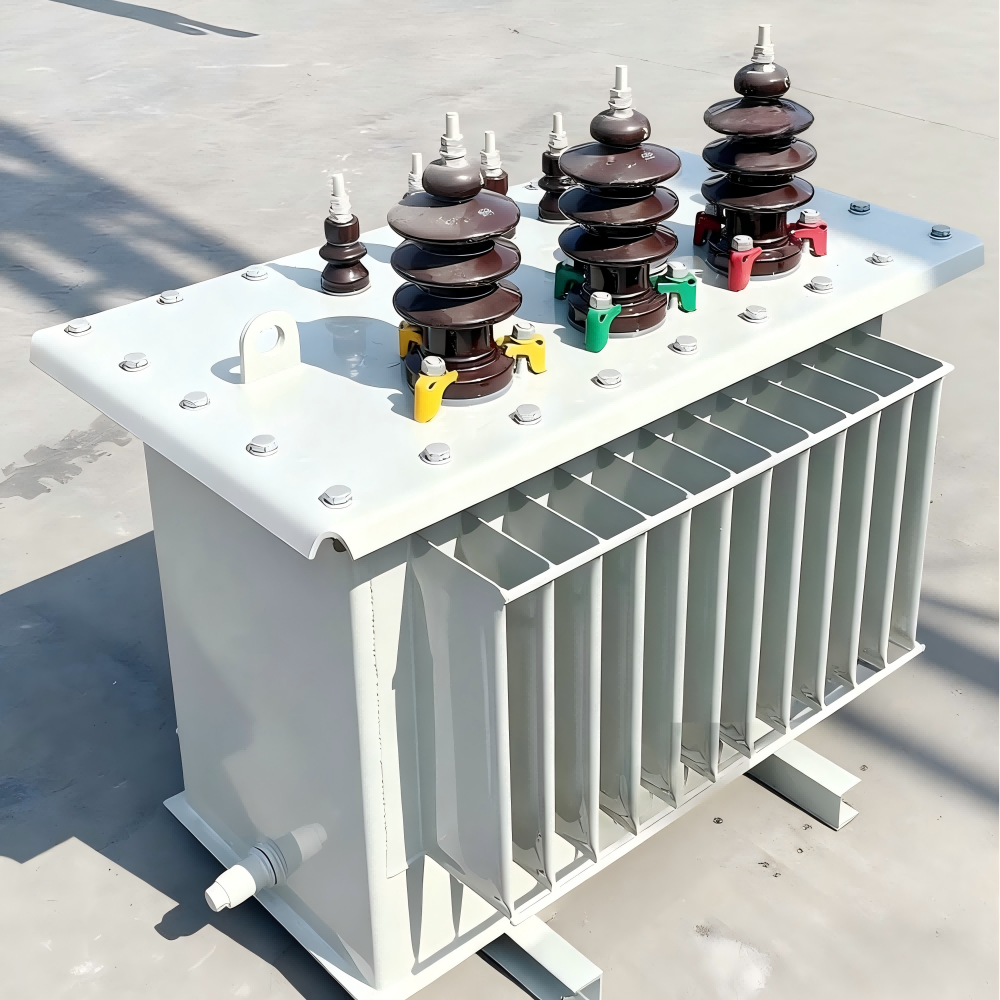
C CE MV&HV 30-31500KVA 6KV 10KV 15KV 20KV 35KV S11 Three Phase Oil Transformer for Electric Power Distribution
Wide-range S11 platform for larger distribution and substation duties, supporting 6–35 kV project requirements and engineered-to-order ratings.
View product details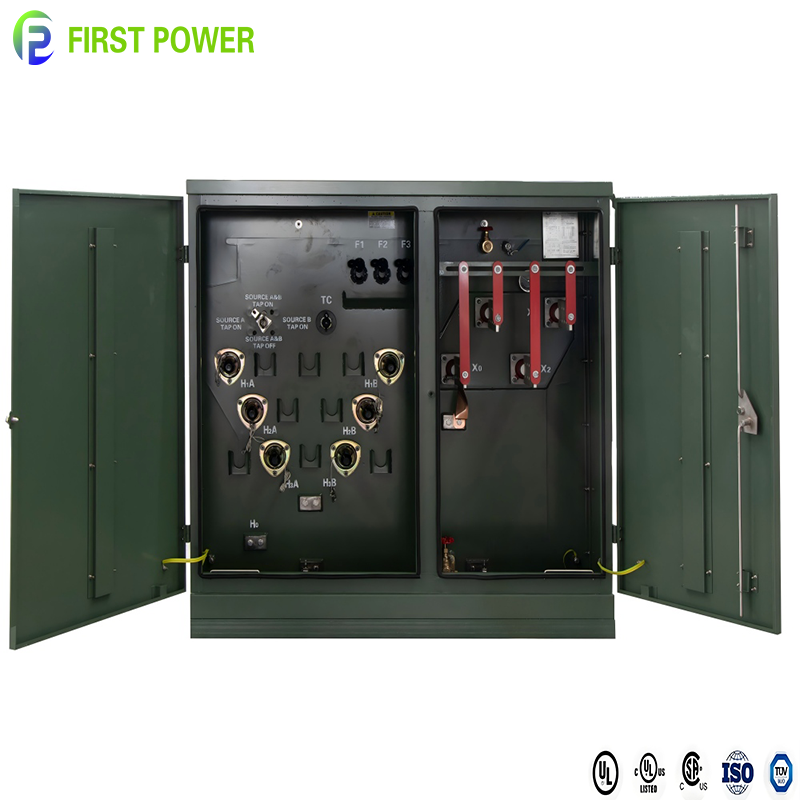
Listed C CE MV&HV 50/60HZ 6KV 10KV 15KV 20KV 35KV 3 Phase Pad Mounted Transformer Electrical for Industrial Power Supply
Pad mounted transformer for industrial power supply, configured for dusty, high-ambient and space-limited sites where cable-fed distribution is preferred.
View product details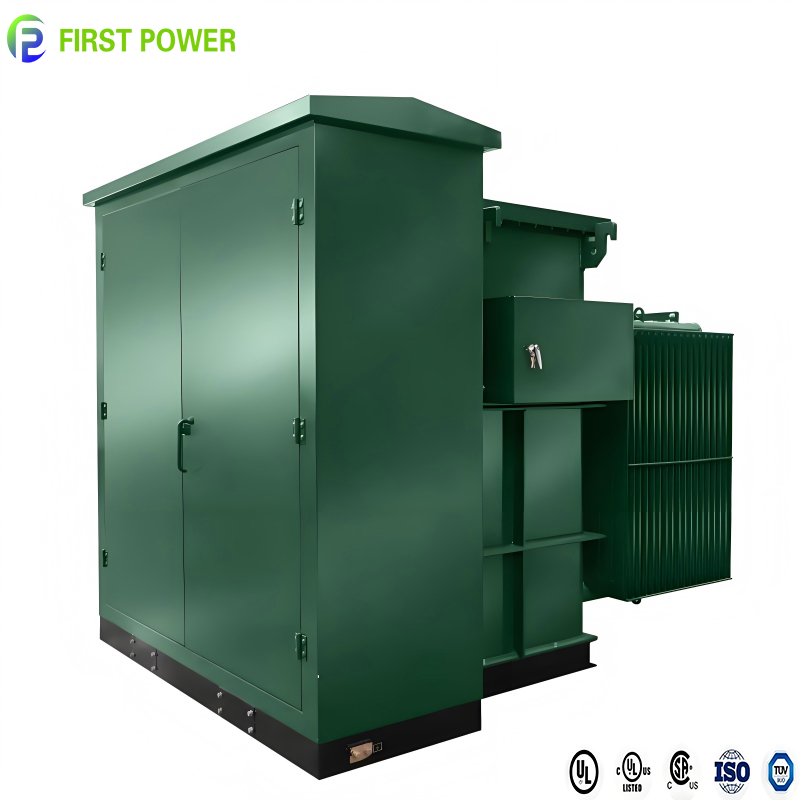
C CE 50/60HZ 6KV 10KV 15KV 20KV 35KV 100KVA 300KVA 500KVA 630KVA 3 Phase Pad Mounted Pedestal Transformer for Industrial
Pedestal transformer for industrial estates, commercial plots and compact sites where 100–630 kVA loads need a robust outdoor solution.
View product details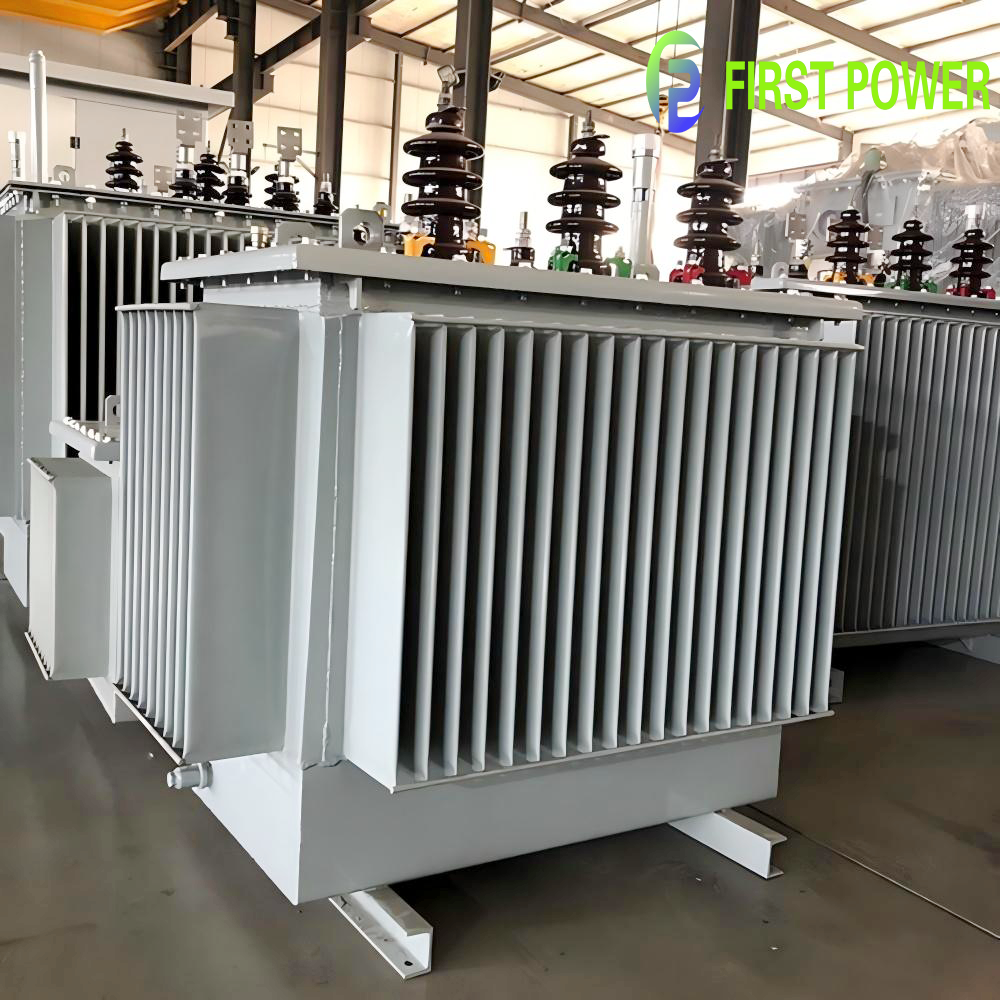
C CE MV&HV S11 50/60HZ 10KV 20KV 35KV Three Phase Oil Immersed 50KVA Transformer for Electric Power Distribution
Small oil immersed distribution transformer for feeders, pumping loads, commercial plots and rural electrification where a compact rating is sufficient.
View product detailsWhy Oil Immersed Distribution Transformers Remain the Backbone for Adama
For Adama’s 50 Hz distribution network, an oil immersed transformer is not a commodity box. It is a long-life asset whose losses, thermal margins, insulation coordination and documentation quality affect the total cost of ownership for the next 20–30 years.
Designed for 50 Hz, Not Re-Rated from 60 Hz
Ethiopia operates at 50 Hz. Transformer flux density, no-load loss and sound power can change when a 60 Hz platform is simply re-labeled. A compliant Adama specification should state 50 Hz explicitly and require loss values, temperature rise and test data at that frequency. This is one of the most important information-gain checks a procurement team can make when comparing quotations.
Loss Capitalization Drives Lifetime Cost
Adama projects with high utilization hours should evaluate no-load loss and load loss capitalization, not only purchase price. A low-loss S11 or amorphous-core option can carry a higher initial cost yet reduce energy charges and transformer loading stress. For tenders, request guaranteed losses, tolerance basis, test method and a loss capitalization formula so bids can be compared on equal terms.
Altitude, Dust and Ambient Correction
Adama sits at roughly 1,700 m altitude and experiences dusty dry periods and high ambient temperatures. IEC 60076 altitude correction should be reviewed for external insulation and temperature rise. Enclosure ventilation, creepage distance, gasket quality and oil preservation must be selected for the site, not copied from a coastal or cold-climate template.
Sealed Tank and Oil Quality
Oil immersed transformers rely on consistent oil dielectric strength and moisture control. Hermetically sealed corrugated tanks reduce oil oxidation and routine maintenance. For Adama, the inspection plan should include oil BDV testing, leak testing, pressure testing and a clear oil-handling procedure for site storage. These details are often missing from low-cost offers.
Vector Group and Network Coordination
Distribution planning in Adama must confirm vector group, neutral arrangement, impedance and tap range against the utility interface. Dyn11 and Yyn0 patterns are common in IEC markets, but the final choice depends on harmonics, single-phase loading and protection coordination. A qualified transformer manufacturer should ask for the upstream and downstream network data before quoting.
Documentation Is Part of the Product
For customs clearance, utility approval and future maintenance, the transformer package should include GA drawings, nameplate data, routine test reports, oil test certificates, packing list and O&M instructions in English. Buyers comparing manufacturers should score documentation as part of technical compliance, because missing records can delay energization and warranty decisions.
Factory Data Behind the Specification
Adama buyers comparing oil immersed distribution transformer manufacturers should ask for auditable data. The figures below reflect the manufacturing and quality platform behind Wisegj transformer supply.
Years of team experience in transformer engineering and export supply
Maximum voltage class supplied across the wider transformer portfolio
Verified production floorspace for winding, assembly, testing and packing
R&D and technical engineers supporting customization and documentation
Qualified supply-chain partners for stable material and component sourcing
Average buyer rating recorded on the company’s export profile
Where Oil Immersed Distribution Transformers Fit in Adama
Adama’s role as an industrial, logistics and agricultural hub creates a mix of utility, industrial and commercial transformer demand. The right unit depends on load profile, installation environment and utility approval requirements.
Utility Distribution and Feeder Reinforcement
For 15 kV and 33 kV distribution feeders, S11 oil immersed transformers provide a proven balance of efficiency, short-circuit withstand and maintainability. Units should be specified with the utility’s preferred vector group, impedance, tap range and protection interface.
Industrial Parks and Manufacturing
Factories around Adama often need dedicated step-down transformers for motors, process lines and compressed-air systems. Harmonics, starting current and future expansion should be reviewed before selecting kVA rating and impedance.
Water Supply and Pumping Stations
Pumping loads can have high starting current and long cable runs. Transformer sizing should include voltage drop, motor starting duty and future pump expansion, especially for boreholes and municipal water schemes outside the main grid corridor.
Agro-Processing and Cold Chain
Agro-processing plants, cold rooms and grain facilities require stable voltage and predictable losses. Sealed oil immersed transformers with low no-load loss are a good fit where load operates across long daily cycles and maintenance access is limited.
Commercial Buildings and Mixed-Use Sites
Hotels, retail centers, hospitals and campuses often prefer compact pad mounted or pedestal solutions where outdoor space is limited. Enclosure finish, noise level, cable entry and safety clearances should match the site layout.
Solar PV and Distributed Generation
Solar PV projects around Adama need transformers that handle inverter harmonics, cyclic loading and grid-code compliance. A 1000 kVA / 1 MW class oil immersed solar transformer can support collection systems and interconnection substations.
Transformer Trends Shaping Procurement in Adama and Oromia
Localized development trends are moving from lowest-first-cost purchasing toward lifecycle performance, documentation quality and faster project delivery. These trends affect how Adama buyers should write specifications.
1. 50 Hz and IEC Alignment
Projects increasingly require clear 50 Hz design statements and IEC 60076 test reports. Buyers are asking for guaranteed losses, temperature rise and insulation levels rather than accepting generic catalog values. This is a positive shift for transparency and long-term reliability.
2. Low-Loss and Energy Efficiency
As electricity demand grows, utilities and industrial users are paying more attention to no-load loss and load loss. Low-loss S11 designs and amorphous-core options are being evaluated for high-utilization feeders, industrial parks and water pumping assets.
3. Renewable Integration
Solar PV, small hydro and distributed generation are creating demand for transformers that can handle variable load and harmonic content. Solar PV transformers and compact substations are becoming part of the standard procurement list for renewable projects.
4. Compact and Prefabricated Solutions
Land availability and construction time are driving interest in pad mounted transformers and compact substations. Factory-assembled solutions reduce site work, improve quality control and simplify commissioning for industrial and commercial projects.
5. Dust, Lightning and Thermal Design
Adama’s dry, dusty conditions and seasonal lightning activity are pushing buyers to review ingress protection, bushings, surge arresters and cooling design. A transformer that performs well in a temperate climate may need a different enclosure and creepage strategy here.
6. Local O&M Capability
Asset owners are asking for spare parts, oil handling guidance, protection settings and English O&M manuals. Suppliers that provide training and responsive technical support are better positioned to reduce downtime and improve maintenance planning.
Why Wisegj Is a Reliable Oil Immersed Transformer Manufacturer and Exporter for Adama
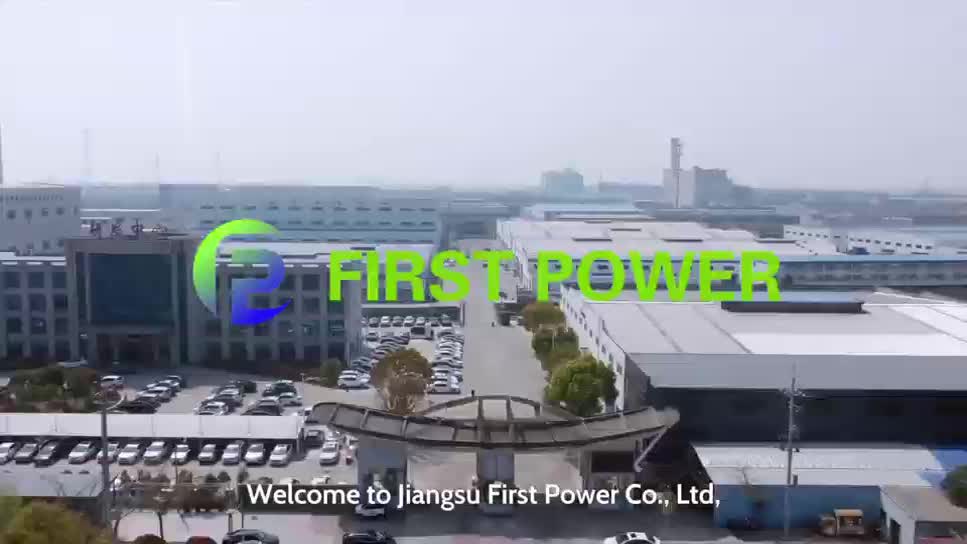
Jiangsu Wisegj Power Co., Ltd. combines transformer engineering, export documentation and production control in one supply chain. For Adama projects, this means a single technical contact can manage drawings, testing, packing and shipment documentation.
Auditable Production, Not Just a Catalog
Wisegj manufactures pad mounted transformers, oil immersed transformers, dry type transformers, power transformers and compact substations from 220 V to 500 kV. Production operates under ISO 9001, ISO 14001 and ISO 45001 management systems, with certificates and inspection records available for buyer review.
CE certification is available for oil immersed power transformers, oil immersed transformers, dry type transformers, compact substations and switchgear. Certificate numbers can be checked by a compliance team, and third-party witness inspection is welcome for Adama projects with utility or EPC oversight.
The company’s TÜV Rheinland-verified production floorspace and quality inspection record provide an independent anchor for procurement due diligence. This is especially valuable when the buyer cannot visit the factory before shipment.
 Production capability, floorspace and inspection records verified onsite by an independent third-party body.
Verified Factory Capacity
6,847 m² of inspected production floorspace covering winding, core assembly, drying, tanking, testing and export packing. Capacity data is supported by third-party assessment.
In-House Routine Testing
Winding resistance, ratio and vector group, impedance and load loss, no-load loss and current, applied and induced voltage tests, plus oil dielectric strength for liquid-filled units.
Design Customization
OEM, ODM, design-based and sample-based customization for ratings, vector group, impedance, tap range, bushings, cooling, insulating fluid, enclosure color and nameplates.
Certified Systems
ISO 9001 No. 62824Q6052R0S, ISO 14001 No. 62824E6053R0S and ISO 45001 No. 62824S6054R0S, plus CE certificates for transformer and substation product lines.
Export Logistics to Adama
Seaworthy packing, shock indicators, full Incoterms coverage and documentation support for the Djibouti corridor and inland delivery to Adama. Export experience covers Africa, the Middle East, Asia and the Americas.
24-Hour Engineer Response
Technical questions, drawing reviews and after-sales issues receive a qualified response within one working day. This matters when Adama projects face tight commissioning schedules.
How Adama Buyers Should Compare Oil Immersed Transformer Offers
A technically compliant offer should be traceable from rating to test report. Use the comparison below to shortlist the right transformer family, then confirm the final specification with the utility or consulting engineer.
| Application in Adama | Recommended Transformer Family | Typical Rating / Voltage | Why It Fits |
|---|---|---|---|
| Utility feeder and distribution substation | S11 three phase oil immersed distribution transformer | 50–2,500 kVA; 10–35 kV class | Proven IEC distribution platform with low-loss options, sealed tank and routine test documentation. |
| Industrial park or factory step-down | MV/HV S11 oil immersed transformer | 30–31,500 kVA; 6–35 kV | Wide rating range, customizable impedance and taps, suitable for motor loads and future expansion. |
| Underground or space-limited site | ZGS11 pad mounted transformer | 75–5,000 kVA; 6–35 kV | Tamper-resistant enclosure, cable-fed design and reduced visual footprint for commercial and industrial sites. |
| Solar PV or distributed generation | Oil immersed solar PV transformer | 1000 kVA / 1 MW class; 6–35 kV | Designed for inverter harmonics, cyclic loading and grid interconnection requirements. |
| Commercial plot or pedestrian-friendly site | Pad mounted pedestal transformer | 100–630 kVA; 6–35 kV | Compact footprint, robust outdoor enclosure and straightforward cable access for buildings and estates. |
| Small feeder, pumping or rural load | S11 50 kVA oil immersed transformer | 50 kVA; 10–35 kV | Right-sized distribution asset for small loads where oversizing would increase no-load loss and cost. |
Common Questions from Adama Transformer Buyers
These are the questions most frequently raised by utility, EPC and industrial buyers when evaluating oil immersed distribution transformer suppliers for Ethiopian projects.
Can you supply 50 Hz oil immersed transformers for Adama and Ethiopia?
Which voltage class is typically requested for distribution projects in Adama?
How do you handle Adama’s altitude, dust and high ambient temperature?
What factory tests are supplied before shipment?
How are transformers shipped to Adama?
Can the transformer be customized for our project?
What documents help with utility approval and future maintenance?
What are the usual trade terms and payment options?
Send Your Transformer Specification for Engineering Review
Share the rated power, primary and secondary voltage, frequency, vector group, impedance, tap range, loss target, altitude, ambient conditions, installation type and destination. A transformer engineer will review the data and respond with a compliant configuration, drawing requirements and quotation path.