8 Oil-Immersed Distribution Transformers Recommended for Stuttgart Projects
The eight families below cover the most relevant starting points for Stuttgart-area projects: 10 kV, 20 kV and 35 kV primary voltages; 400/230 V, 480 V and project-specific secondary voltages; 50/60 Hz; and ratings from 50 kVA to 2,500 kVA and beyond. Each card links to the live product page. If your specification includes a German project clause, a specific vector group, an ester-oil requirement or a noise limit, send the datasheet through the Contact Us button and our engineers will confirm the design.
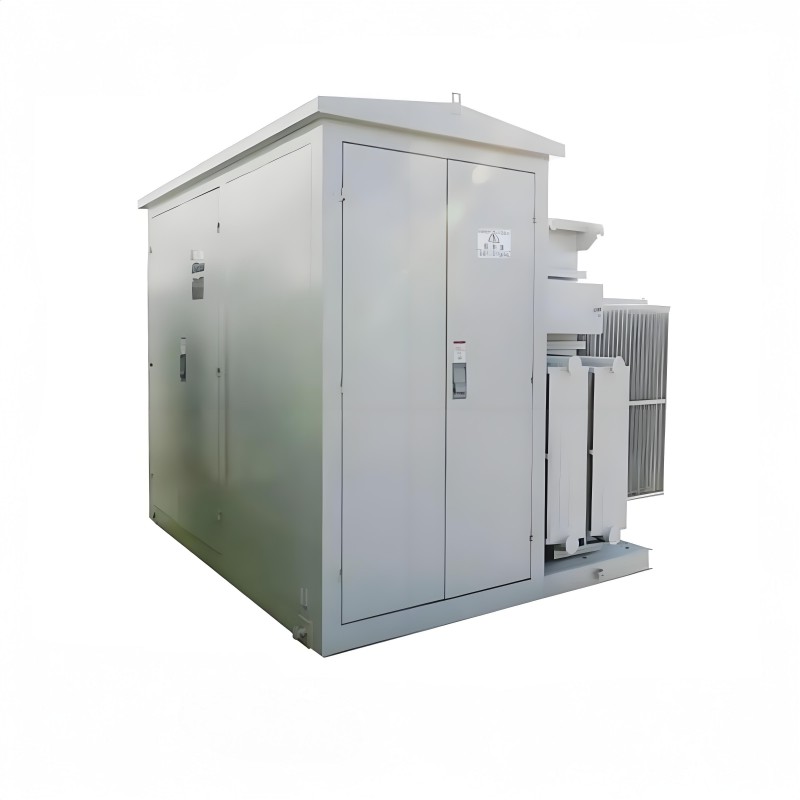
American Standard /C Certification 75-2500KVA Oil Type Three Phase 13.8KV Pad Mount Transformers for Power Generation
For Stuttgart power-generation and campus projects that specify an American-standard pad-mounted interface. The 13.8 kV class and 75–2,500 kVA range suit generator step-up and auxiliary distribution.
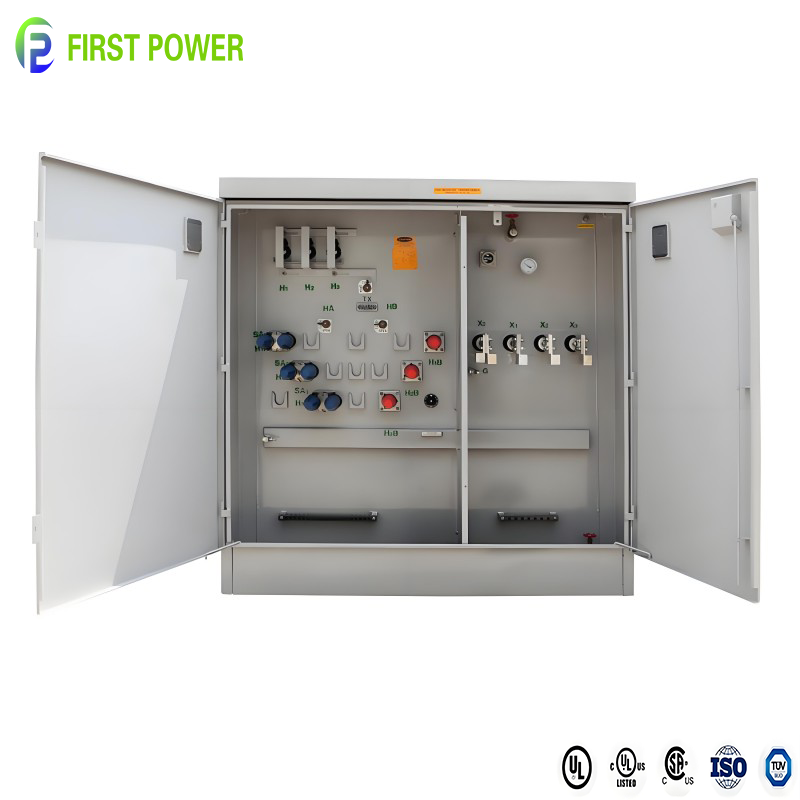
C CE MV&HV 50/60HZ 300KVA 500KVA 630KVA 700KVA 10KV 15KV 20KV 35KV 3 Phase Loop Feed Pad Mounted Transformer for Industrial
Loop-feed industrial unit for automotive plants, logistics parks and manufacturing sites around Stuttgart. The 300–700 kVA range and 10–35 kV primary support dense industrial loads.
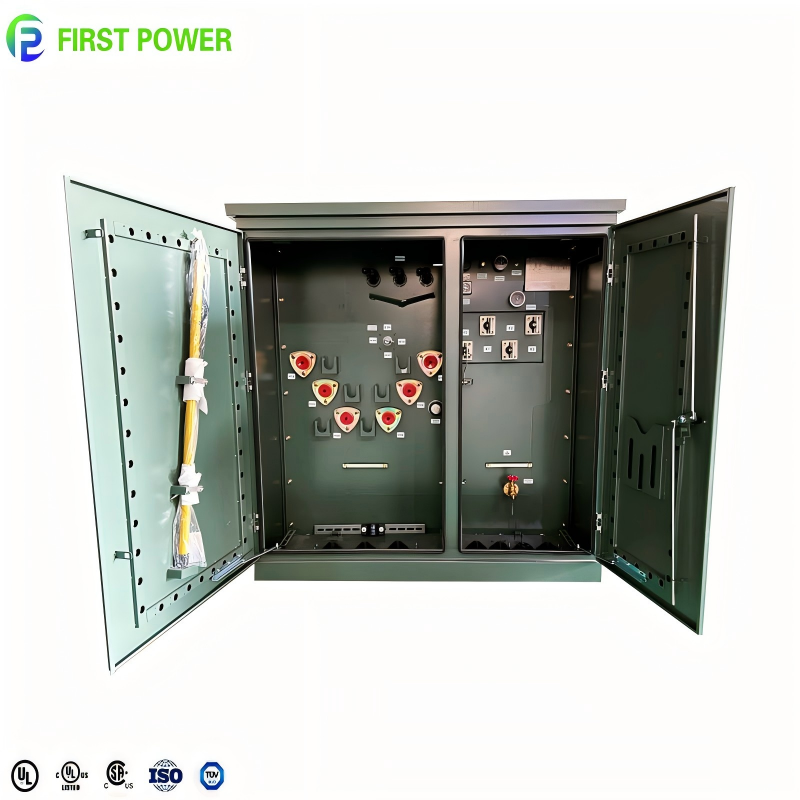
/C ZGS11 50/60HZ 75KVA-50000KVA 6KV 10KV 15KV 20KV 35KV Three Phase Pad Mounted Transformer for Electric Power Distribution
ZGS11 platform for utility distribution and urban substations. Ratings from 75 kVA to 50 MVA cover municipal networks, commercial developments and renewable interconnections.
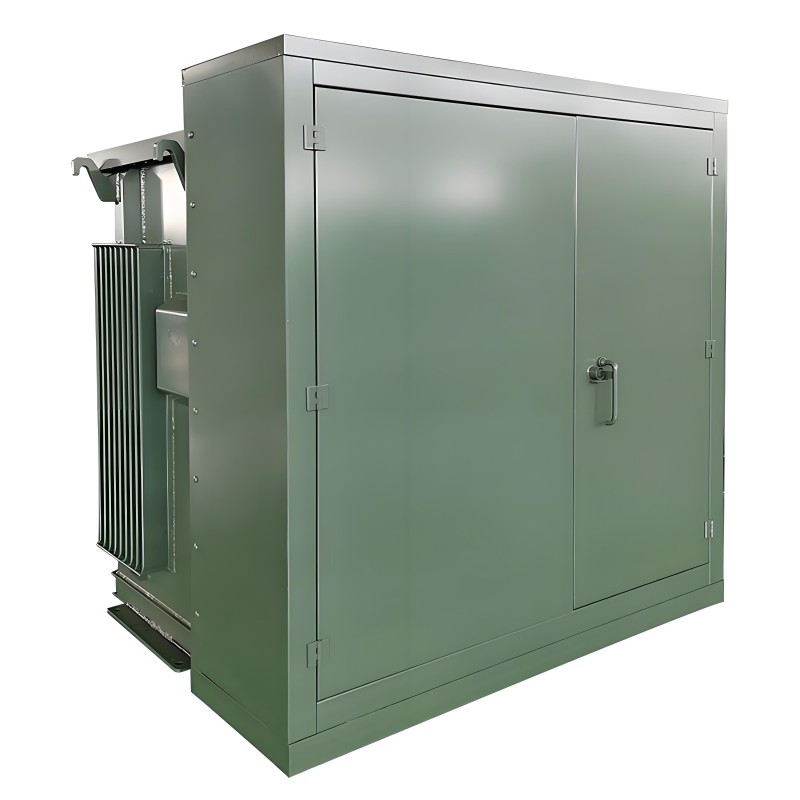
/C Certified 75-2500KVA Oil Type Three-Phase Pad-Mounted Transformer 480V Output Voltage 35KV Input Voltage 50/60HZ
For projects requiring 35 kV input and 480 V output, such as imported industrial equipment, test facilities and specialised manufacturing lines. C-certified and 50/60 Hz capable.
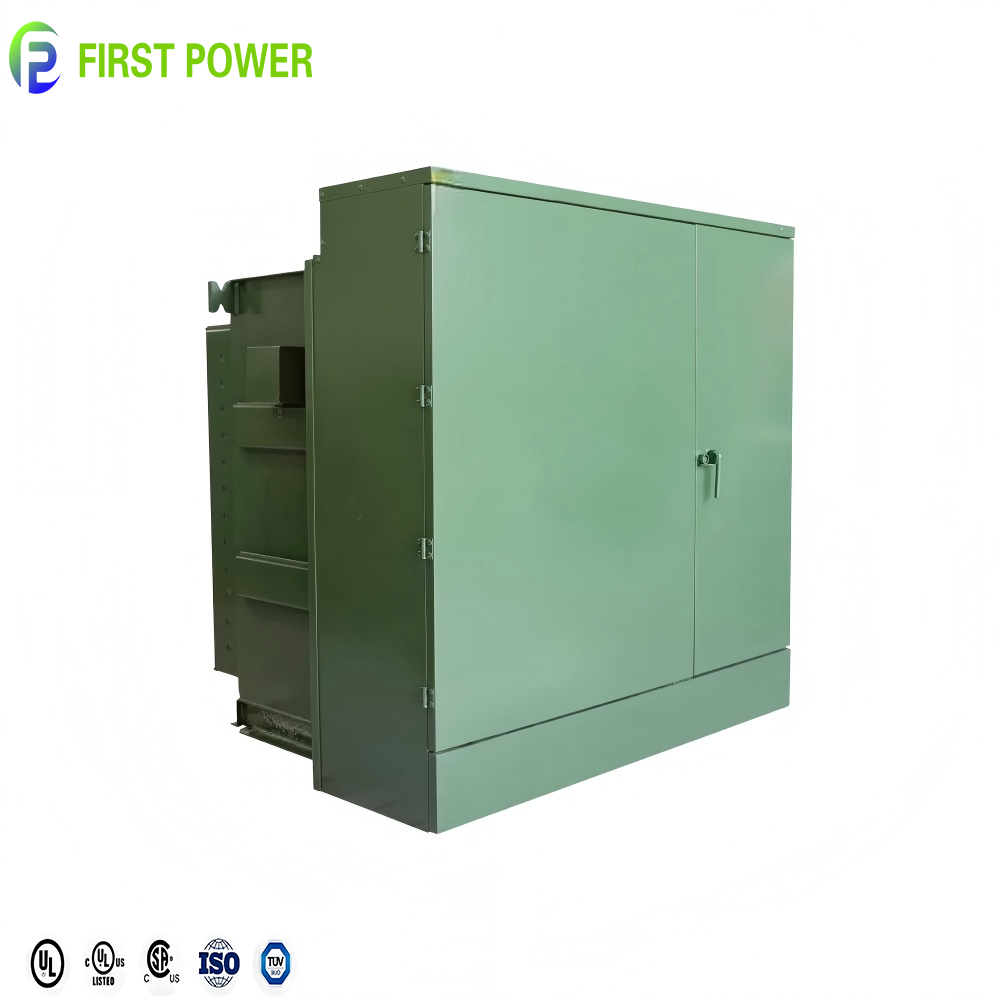
C CE 50/60HZ 10KV 20KV 35KV 300KVA 500KVA 630KVA 750KVA Three Phase Pad Mounted Transformer for Electric Power Distribution
A CE-marked 300–750 kVA family for Stuttgart distribution networks, commercial campuses and public infrastructure. Pad-mounted construction protects against tampering and weather.
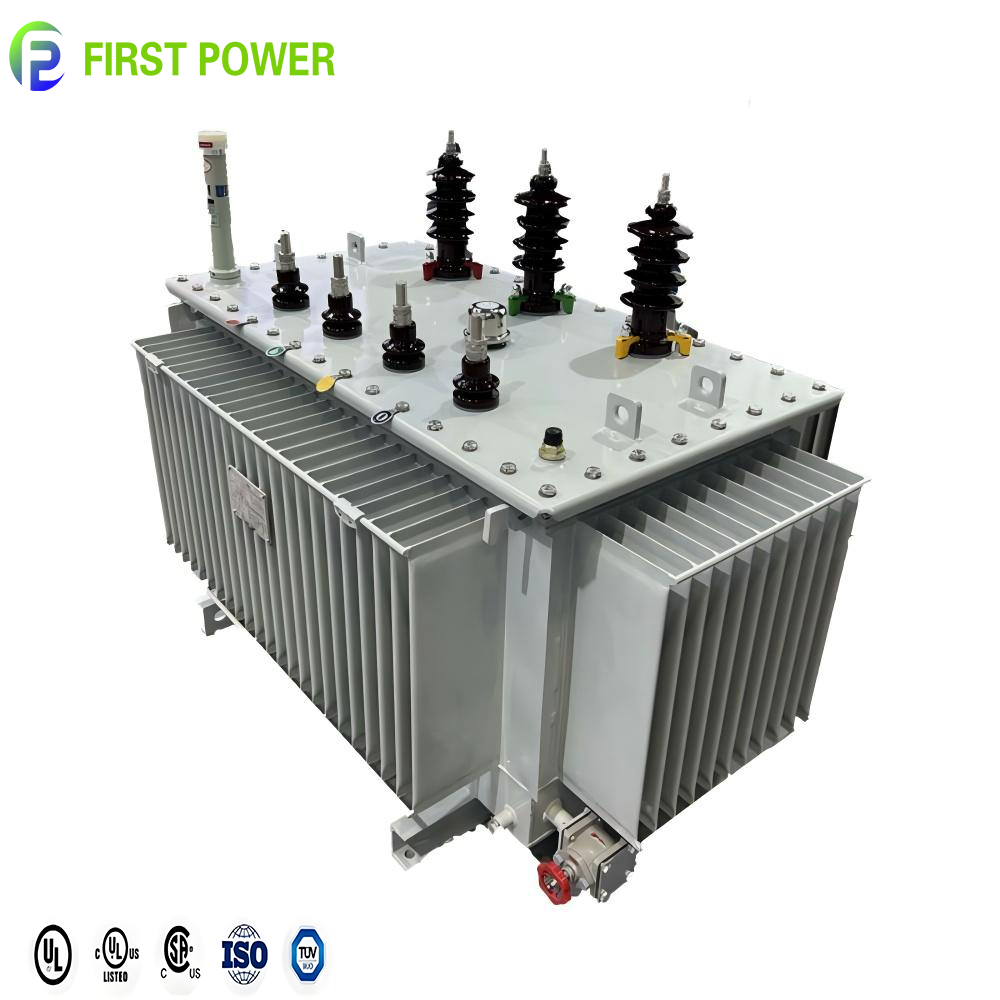
C CE 50/60HZ S11 10KV 20KV 35KV 50KVA 100KVA 200KVA 3 Phase Electrical Oil Immersed Transformer for Distribution System
S11 low-loss oil-immersed transformer for compact MV/LV rooms and retrofit projects. The 50–200 kVA range is suited to small commercial buildings and municipal facilities.
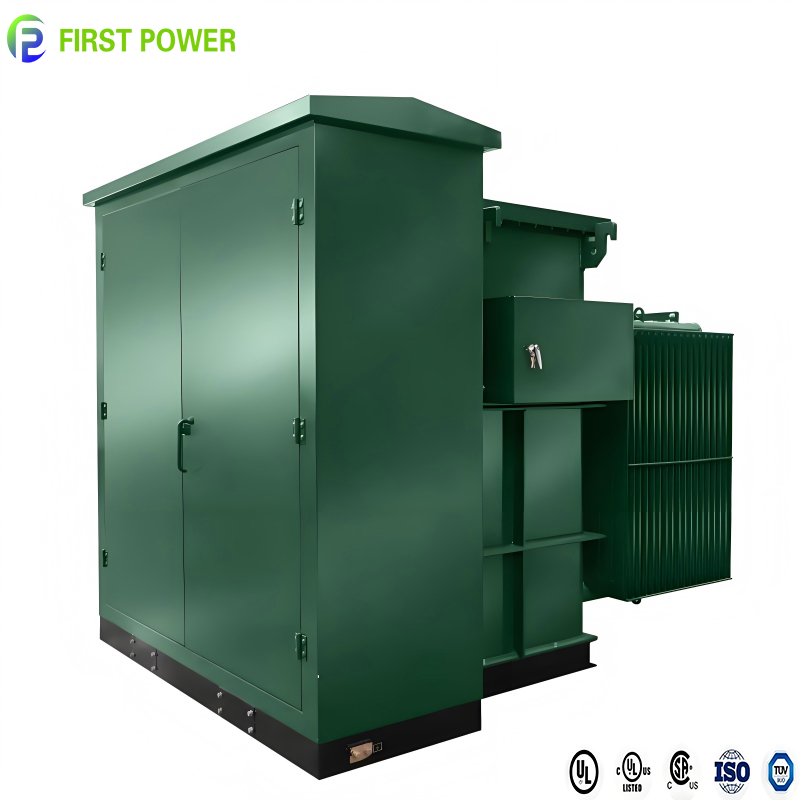
C CE 50/60HZ 6KV 10KV 15KV 20KV 35KV 100KVA 300KVA 500KVA 630KVA 3 Phase Pad Mounted Pedestal Transformer for Industrial
Pedestal design for industrial sites with restricted footprint. The 100–630 kVA range and 6–35 kV primary support manufacturing, logistics and infrastructure loads.
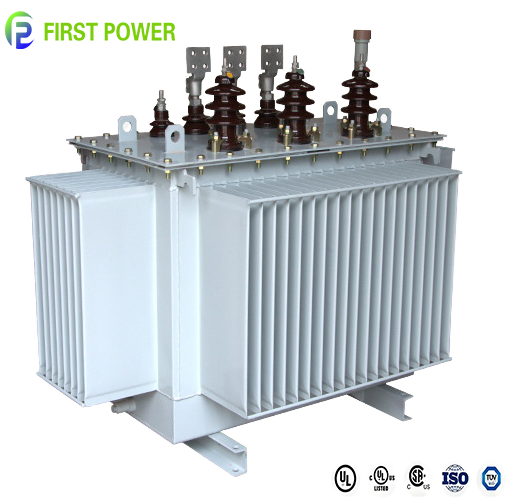
C CE 50/60HZ S11 10KV 15KV 20KV 35KV 100KVA 300KVA 500KVA 630KVA Three Phase Oil Transformer Price for Distribution System
Price-competitive S11 range for volume distribution projects. The 100–630 kVA ratings and 10–35 kV primary are common in utility and commercial tenders.
Need a rating outside these families or a Stuttgart-specific design review? Use the inquiry button and attach your single-line diagram, datasheet or tender document.
A Stuttgart-Focused Sourcing Guide, Not a Generic Catalogue
Semantic search rewards specificity. Stuttgart buyers need evidence on standards, losses, noise, fire safety and documentation—not just a transformer price.
If you are searching for an oil immersed distribution transformer factory or exporter for the Stuttgart market, you are probably not looking for another list of kVA ratings. You need evidence that the transformer will pass a German project review: EU Ecodesign loss limits, CE marking, IEC 60076 routine tests, low noise for city-centre sites, fire-safe fluid options for sensitive locations, and a factory that can document every serial number. Stuttgart’s network operates at 50 Hz with 10 kV and 20 kV distribution levels and 400/230 V secondary systems, while the region’s automotive, mechanical engineering, electronics and logistics base places a premium on uptime and voltage quality.
This guide is written for procurement engineers, EPC contractors, facility managers and DSO project teams working with Netze BW, Stadtwerke Stuttgart or private industrial networks across Baden-Württemberg. It combines product recommendations, Stuttgart-specific application scenarios, local market trends and a procurement FAQ. The focus is practical: how to compare loss performance, noise, natural ester options and documentation before you shortlist a supplier. Where a project needs a rating outside the standard range, our engineers review the datasheet directly rather than forcing a catalogue unit into the application.
Information gain for Stuttgart buyers
Compare guaranteed no-load loss and load loss against EU Ecodesign Tier 2; request sound pressure level at 1 m; confirm whether natural ester is required; and ask for the routine test report template before order. These four checks often separate a compliant offer from a low-price quote that fails at project review.
Read the oil-immersed transformer guide →Where Oil-Immersed Distribution Transformers Fit in Stuttgart
Stuttgart is not a single load profile. The city combines dense residential districts, a global automotive cluster, research campuses, trade-fair infrastructure and ambitious climate targets. The same transformer family may be specified for a new charging hub in Feuerbach, a production line expansion in Sindelfingen or a municipal building retrofit in the city centre. The six scenarios below explain where oil-immersed distribution transformers remain the right economic and technical choice—and where a dry-type or compact substation should be considered instead.
Urban Distribution & City Regeneration
Stuttgart’s underground cable networks and tight construction sites favour compact, low-noise transformer solutions. Oil-immersed units installed in dedicated outdoor compounds or ventilated substations can deliver high efficiency with a smaller footprint than air-insulated alternatives. For sensitive courtyards, specify low-sound cores and ester fluid.
Automotive & Manufacturing
The Stuttgart region is home to Mercedes-Benz, Porsche, Bosch and a deep tier-one supplier network. Paint shops, press lines, battery assembly and test benches require stable voltage and high short-circuit withstand. Oil-immersed distribution transformers from 630 kVA to 2,500 kVA are commonly used at the MV/LV interface.
EV Charging Hubs
High-power charging parks concentrate large loads into small areas. A 20 kV/400 V transformer with low load loss and generous thermal margin supports simultaneous fast charging without excessive voltage drop. Plan for future expansion, harmonic filters and protective coordination with the local DSO.
Renewable Energy & Sector Coupling
Rooftop PV, wind, CHP and heat pumps are turning Stuttgart’s distribution network into a more active system. Transformers must handle reverse power flow, cyclic loading and harmonic distortion. Low-loss cores and accurate temperature monitoring help maintain efficiency and service life.
Commercial & Public Buildings
Hospitals, universities, Messe Stuttgart and office campuses need reliable power with fire and noise constraints. Oil-immersed units are often placed in outdoor compounds; where indoor installation is required, natural ester fluid or a dry-type transformer may be the better fit.
Rail & Infrastructure
S-Bahn extensions, tunnel systems and signalling centres require compact substations and robust MV/LV transformation. Oil-immersed transformers with high ingress protection and corrosion-resistant enclosures suit outdoor trackside locations and temporary construction power.
Stuttgart Market Trends Reshaping Transformer Procurement
The German energy transition is not an abstract policy for transformer buyers. It changes loss limits, fluid choice, noise requirements, documentation and delivery planning. These four trends are visible in current Stuttgart-area specifications.
Ecodesign Tier 2 & Loss Guarantees
EU Regulation 2019/1783 sets minimum efficiency for medium power transformers. Stuttgart buyers increasingly ask for guaranteed no-load and load loss values, not catalogue approximations, and compare bids on total cost of ownership over 20–30 years.
Natural Ester & Fire Safety
Dense urban sites and water-protection areas make mineral oil less attractive. Natural ester fluids according to IEC 62770 offer a high fire point and biodegradability. They can reduce fire-protection complexity, but require design adjustments and experience.
Low Noise & Compact Footprint
TA Lärm noise limits and limited land in Stuttgart favour low-sound transformers. Core design, tank stiffening, low-noise fans and careful siting all matter. A 5 dB reduction can be decisive in a residential mixed-use project.
Digital Documentation & Traceability
Procurement teams now expect GA drawings, nameplate drafts, routine test reports, CE declarations and O&M manuals in a single document package. Serial-number traceability and third-party witness testing are increasingly requested.
From Purchase Order to Stuttgart Site: A Typical Schedule
The timeline below shows a typical sea-freight route for a custom oil-immersed distribution transformer from Jiangsu to Stuttgart. It is not a fixed commitment; final dates depend on rating, material availability, test scope and Incoterms. For urgent projects, we can review air freight, rail freight or stock availability.
For Stuttgart buyers, early drawing approval is often the critical path. Confirming the vector group, tap range, bushing arrangement, enclosure colour and nameplate language before production avoids late changes that affect both cost and delivery.
Contact UsEngineering Selection Checklist for Stuttgart Specifiers
Use this checklist to structure your RFQ. It reflects the parameters our engineers review before issuing a guaranteed design and helps avoid clarification loops during tender review.
System Voltage
Confirm 10 kV or 20 kV primary, 400/230 V secondary, 50 Hz. For imported equipment, verify 480 V or 60 Hz requirements.
Rating & Future Load
Size for today’s load plus EV charging, heat pumps and process expansion. Avoid oversizing that wastes no-load loss.
Loss Performance
State guaranteed no-load and load loss. Compare with EU Ecodesign Tier 2 and calculate 20-year energy cost.
Impedance & Fault Level
Typical distribution impedance is 4–6%. Confirm the upstream fault level and protection coordination.
Cooling & Ambient
ONAN is standard. If the installation is compact or ambient is high, review ONAF or forced cooling.
Fluid & Fire Safety
Choose mineral oil or natural ester. Ester is preferred for indoor, basement or water-protection areas.
Noise Limit
Specify dB(A) at 1 m and compare with TA Lärm. Ask for test measurement conditions.
Enclosure & IP Rating
Pad-mounted, pedestal or compact substation. Confirm IP rating, corrosion class and cable entry.
Documentation
Request CE Declaration of Conformity, routine test report, GA drawing, nameplate, O&M manual and packing list.
Why Wisegj Is a Factory & Exporter, Not a Trading Layer
Jiangsu Wisegj Power Co., Ltd. is a Suzhou-based manufacturer and exporter of transformers, compact substations and switchgear from 220 V to 500 kV. For Stuttgart buyers, the relevant question is not whether a supplier can quote a transformer, but whether it can control core and coil production, routine testing and documentation. The following evidence is drawn from our company profile and third-party assessment.
20+ Years Team Experience
Our engineering team brings more than 20 years of hands-on transformer experience. Projects are reviewed by engineers before quotation.
6,847 m² Verified Factory
Production capability, floorspace and quality inspection verified onsite by TÜV Rheinland, an independent third-party inspection body.
50+ Engineers
R&D and technical support team for design review, drawings, nameplate checks and test witness arrangements.
In-House Routine Testing
Winding resistance, ratio, vector group, impedance, load/no-load loss, applied/induced voltage and oil BDV tests.
ISO & CE Systems
ISO 9001, ISO 14001 and ISO 45001 management systems, with CE certificates for oil-immersed transformers and related equipment.
OEM / ODM Customization
Ratings, vector group, impedance, taps, bushings, cooling, fluid, enclosure colour and nameplate language.
Export Logistics
Seaworthy packing, shock indicators, Incoterms from EXW to DDP, and major currencies for German project contracts.
24-Hour Response
Technical questions and after-sales issues receive a qualified reply within one working day.

Company and facility overview: winding, core assembly, drying, tanking and testing are controlled under one quality system.

Routine testing laboratory: every serial number receives documented electrical and oil tests before packing.
- Own production base with full industry certificates
- Supplier to Fortune 500 companies
- 211 qualified supply-chain partners
- Finished product inspection on every unit
- OEM, ODM and design-based customization
- 24-hour pre-sale and after-sale response
Stuttgart Procurement FAQ: Oil-Immersed Distribution Transformers
These are the questions our German and EU buyers ask most often during technical review. They are written for Stuttgart-area projects, but the principles apply across Baden-Württemberg.
Which standards and approvals should a Stuttgart buyer verify?
Start with IEC 60076-1/-2/-3, EN 50588-1 and EU Regulation 2019/1783 for loss performance. Ask for the CE Declaration of Conformity, ISO 9001 certificate and routine test report. For DSO-connected projects, confirm whether Netze BW or the responsible utility requires additional VDE/DIN clauses, protection coordination or type-test evidence. A CE mark alone is not a substitute for project-specific review.
Can you supply 20 kV/400 V, 50 Hz transformers for the Stuttgart network?
Yes. We manufacture three-phase oil-immersed distribution transformers with 10 kV, 20 kV and 35 kV primary windings; 400/230 V secondary; 50 Hz; ratings from 50 kVA to 2,500 kVA and beyond. Common configurations include Dyn11, ONAN cooling and 4–6% impedance. For 20 kV systems, we confirm insulation levels, BIL and tap range against the project specification.
Are low-noise and ester-oil versions available for city-centre sites?
Yes. We can design low-sound cores and tanks, specify low-noise fans, and supply natural ester fluid according to IEC 62770. Ester-fluid transformers are relevant for indoor rooms, basements, water-protection areas and fire-sensitive sites. We will state the guaranteed sound pressure level and test conditions in the offer.
What is the typical delivery time from factory to Stuttgart?
A custom oil-immersed distribution transformer typically requires 35–50 days for production and 5–7 days for routine testing, followed by 30–35 days sea freight to Hamburg and 3–5 days by rail or truck to Stuttgart. Total door-to-door time is commonly 10–14 weeks. Final dates depend on rating, material availability, test scope and Incoterms. Urgent projects can be reviewed for rail freight or stock.
What test reports and documents come with each transformer?
Each unit receives routine tests including winding resistance, voltage ratio and vector group, impedance and load loss, no-load loss and current, applied voltage and induced voltage withstand, plus oil dielectric strength for liquid-filled units. The document package includes the CE Declaration of Conformity, ISO certificates, GA drawing, nameplate drawing, routine test report, O&M manual and packing list. Third-party witness testing can be arranged.
How do you handle customization, spare parts and after-sales for German projects?
We provide OEM, ODM, design-based and sample-based customization. Nameplates and O&M manuals can be supplied in English; German-language nameplates and documentation can be arranged for series projects. Spare parts, bushings, gaskets and protection accessories can be shipped with the main order. Technical questions receive a response within one working day, and remote support is available during commissioning.
Request a Stuttgart-Specific Transformer Review
Send your single-line diagram, transformer datasheet or tender document. Our engineers will check the 50 Hz design, Ecodesign loss target, noise limit, fluid choice and documentation package before quotation. You will receive a technically reviewed offer—not an automated price list.
Contact Us