8 Oil-Filled Distribution Transformer Options for Vatican City Procurement
Vatican City projects rarely fit a single generic rating. A museum plant room, compact substation, event-power upgrade and administrative building may each require a different balance of footprint, acoustic performance, loss level, fire strategy and cable arrangement. The eight production families below preserve the original product links for direct specification review.
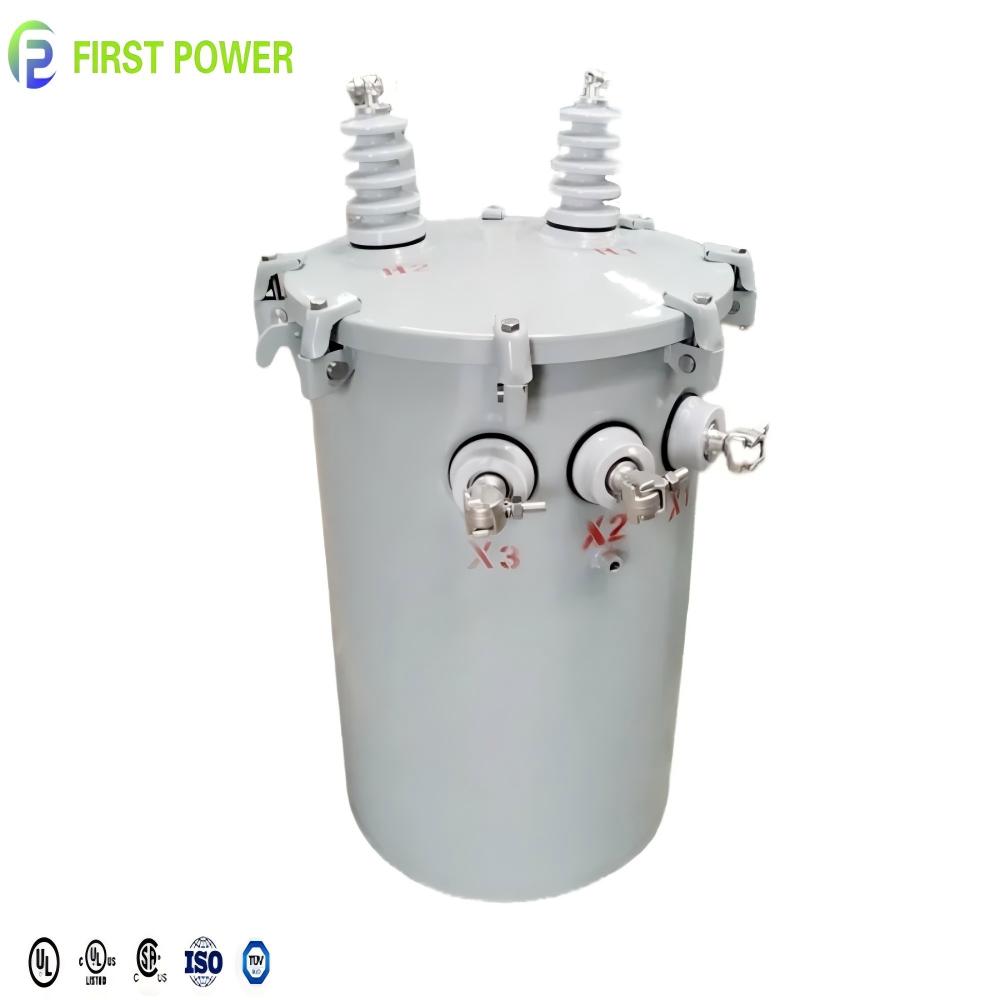
ANSI 50/60 Hz 6–35 kV Single Phase Pole Mounted Transformer
15–100 kVA pole-mounted oil-filled units for industrial power supply, available for 50/60 Hz projects where single-phase distribution is required.
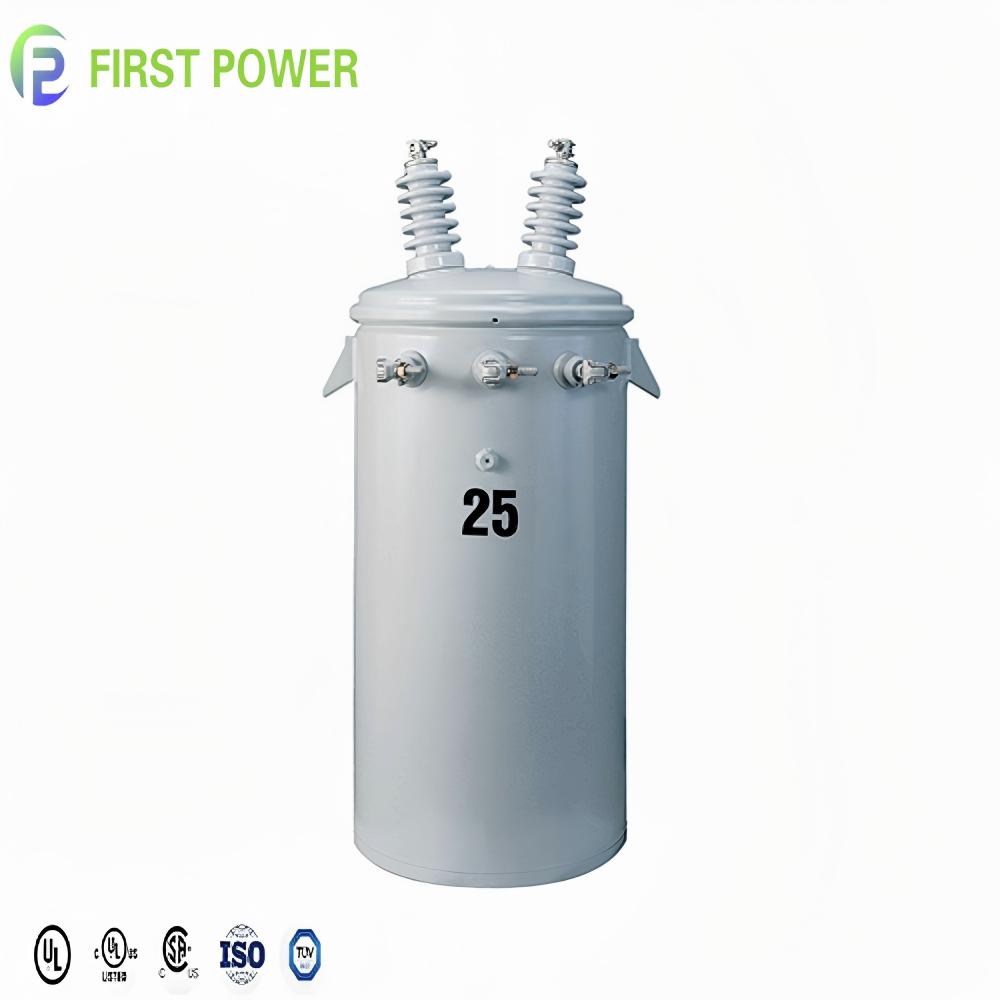
CE Certified MV/HV 50/60 Hz Single Phase Distribution Transformer
6–35 kV single-phase transformer family with CE documentation for power distribution and isolated-load applications.
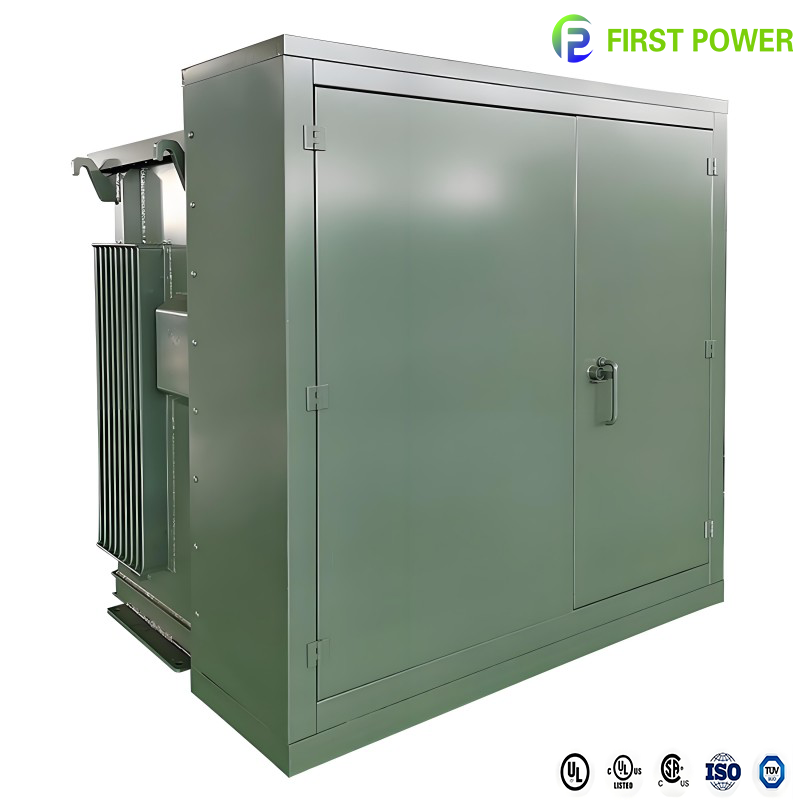
CE ZGS11 75–2,500 kVA Pad Mounted Three Phase Transformer
Three-phase pad mounted design for 10–35 kV outdoor distribution, underground cable systems and compact site layouts.
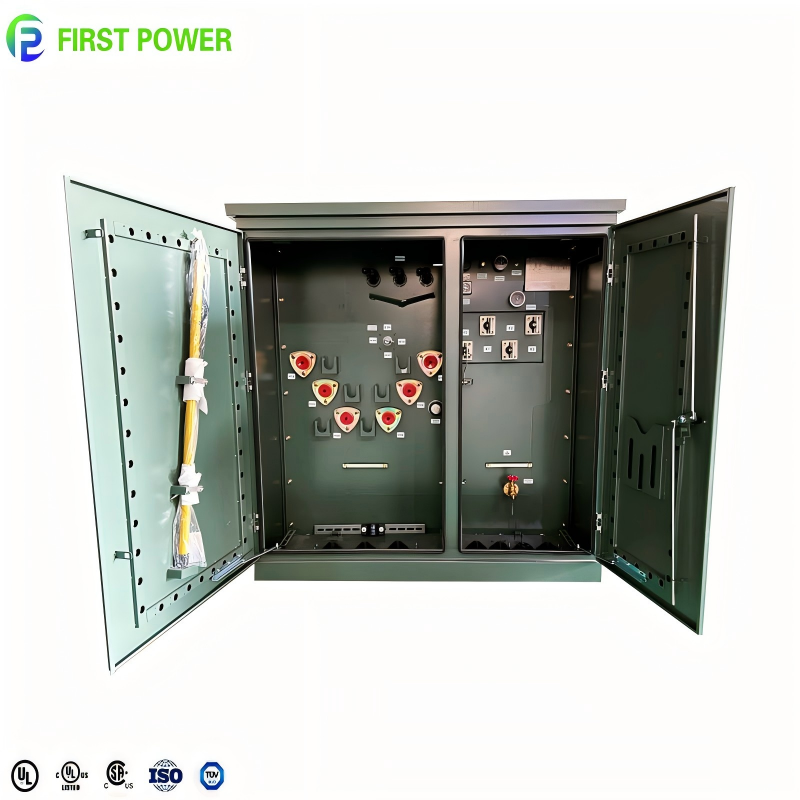
ZGS11 75 kVA–50 MVA Three Phase Pad Mounted Transformer
Broad ZGS11 platform with 6–35 kV primary options, useful where one factory standard must cover several project sizes.
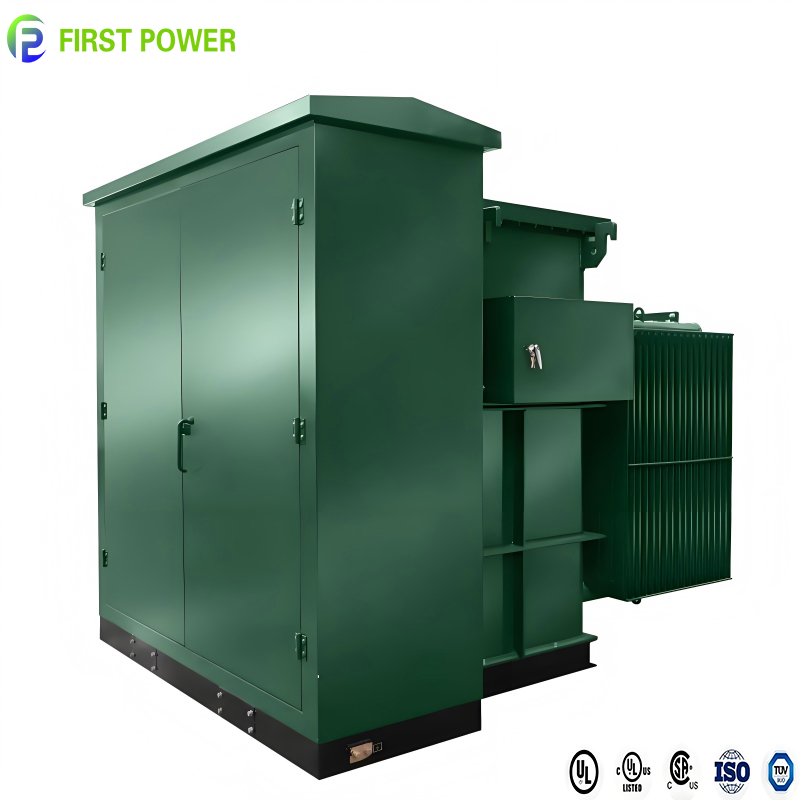
CE 100–630 kVA Three Phase Pad Mounted Pedestal Transformer
Tamper-resistant pedestal configuration for industrial and commercial distribution where public access and footprint are constrained.
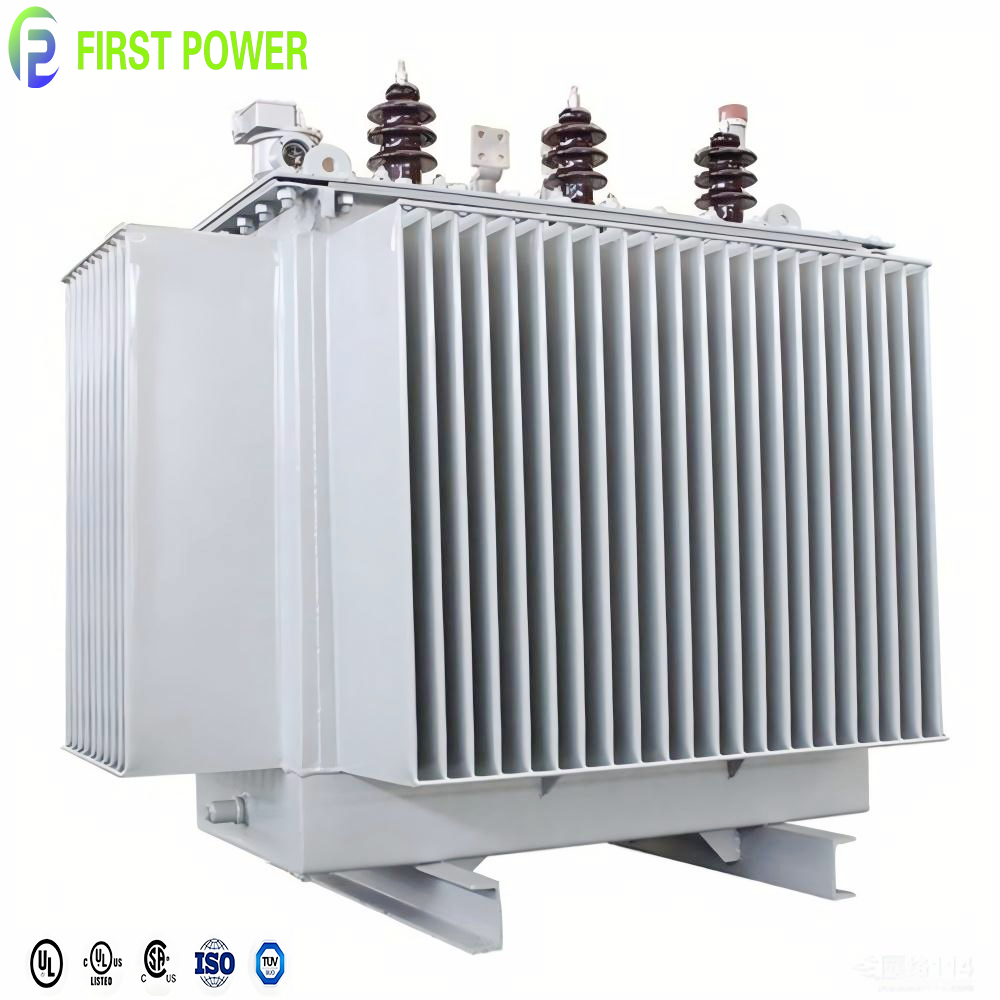
S11 10 kVA–50 MVA Three Phase Oil Transformer
Proven oil-immersed distribution platform for 10–35 kV networks, with ratings from small plant-room duty to large project supply.
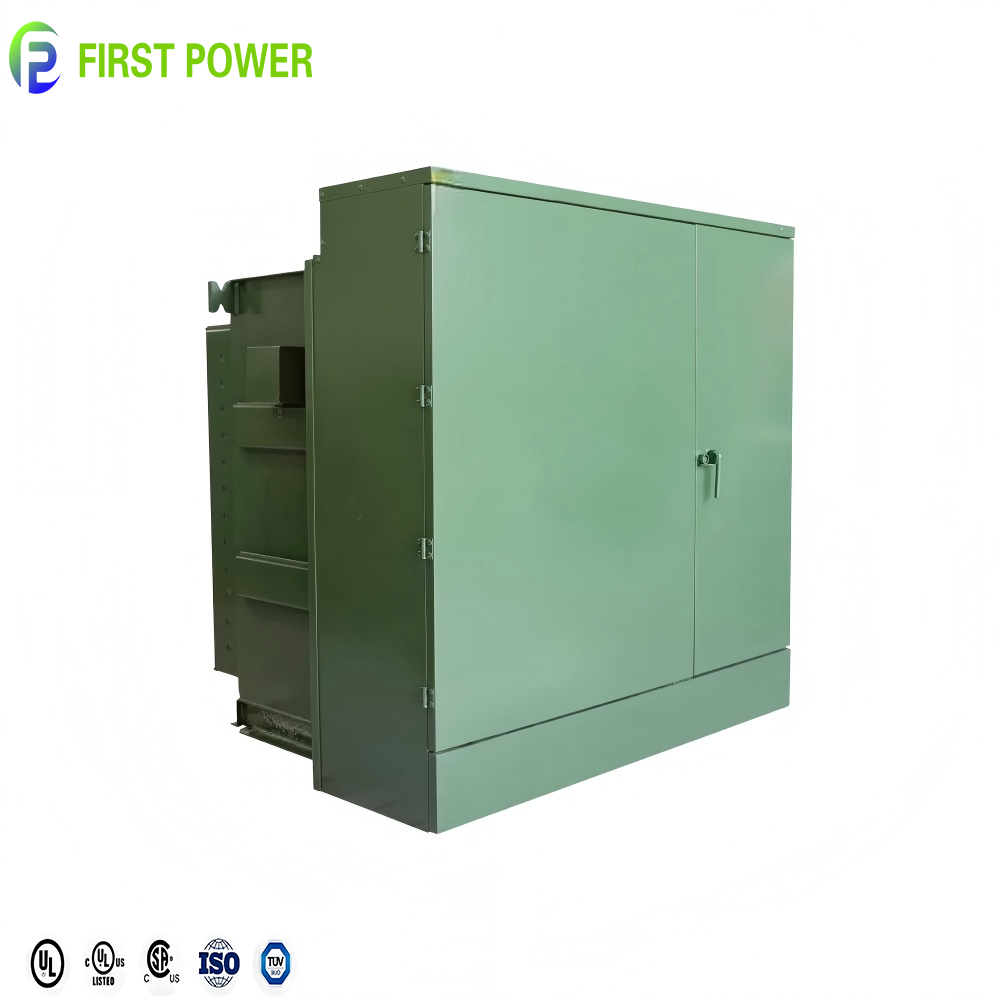
300–750 kVA Three Phase Pad Mounted Distribution Transformer
Bridges compact commercial loads and larger building services on 10–35 kV distribution networks.
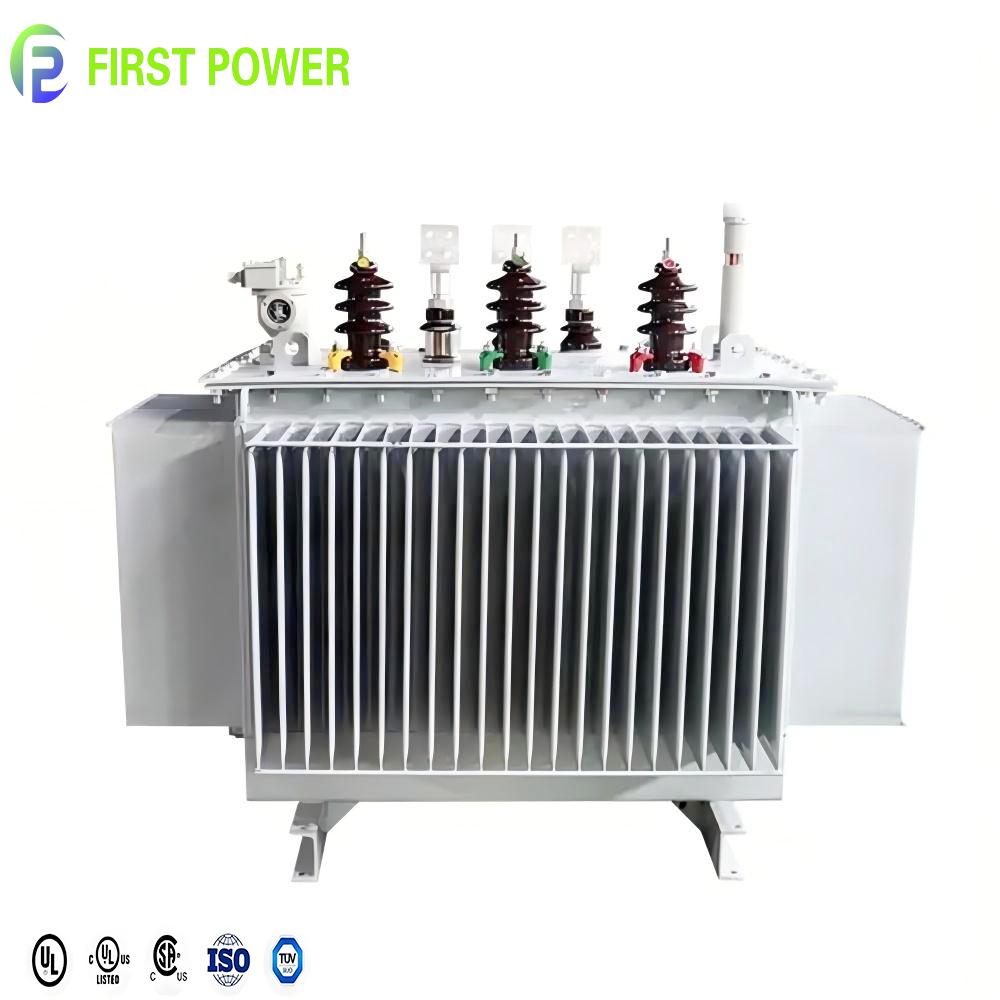
S11 50–250 kVA 10–35 kV Oil-Immersed Distribution Transformer
Compact oil-immersed distribution transformer for localized low-voltage supply in small plant rooms and constrained sites.
Why Oil-Filled Distribution Transformers Remain a Strategic Choice in Vatican City
Vatican City is often described as a small market, but the procurement risk is not small. The territory has no transformer manufacturing base, and most equipment must be specified through Italian engineering contractors, electrical wholesalers or direct factory supply, then delivered by road into Rome. The electrical environment is European: project specifications typically reference 50 Hz, 230/400 V secondary distribution, CE marking, IEC 60076 and EU Ecodesign loss requirements. At the same time, the physical environment is exceptional: limited plant space, heritage fabric, strict fire precautions, noise sensitivity, event loads and a need for continuity of supply at institutions that cannot simply close during a transformer changeout.
An oil-filled distribution transformer remains relevant because it combines high efficiency, proven insulation, strong overload capability and a lower cost per kVA than many dry-type alternatives. The engineering question is not whether oil-filled units are suitable, but how to package them for Vatican City conditions: sealed tank, low-loss core, low-noise operation, corrosion protection, oil containment, ventilation and full documentation. This buyer’s guide sets out the technical, commercial and factory-audit criteria we use when reviewing such projects.
Heritage and museum plant rooms
Sealed oil-filled or natural-ester-filled units can be placed in dedicated vaults where low noise, low partial discharge and discreet equipment appearance matter as much as electrical efficiency.
Compact distribution rooms
For 10 kV or 20 kV primary and 400/230 V secondary distribution, pad mounted or custom-enclosed transformers reduce civil works and simplify cable termination in tight urban sites.
Critical digital and security loads
Telecom, security, data and emergency-lighting systems require stable voltage, low losses and documented routine testing. Specify impedance, tap range and acoustic limits early.
Public-event and emergency power
Event loads around major religious and civic gatherings benefit from redundant capacity, thermal monitoring and fast commissioning. Confirm access routes before the transformer leaves the factory.
Four Procurement Signals Shaping the Vatican City Transformer Market
Factories and wholesalers serving the Vatican City market must respond to European compliance, heritage protection and delivery constraints simultaneously. These four trends increasingly appear in technical specifications and tender clarifications.
Ecodesign and loss capitalisation
EU Ecodesign requirements and purchaser loss-evaluation formulas make no-load and load losses a commercial variable. A lower-loss design may cost more at order stage but reduce lifetime energy cost and cooling load in underground rooms.
Fire-safe fluids and containment
Natural ester fluids are increasingly considered for heritage-sensitive or enclosed locations because of their higher fire point and biodegradability. Mineral oil remains valid where oil containment, pressure relief and ventilation are properly engineered.
Compact and acoustic engineering
Space limitations push designs toward sealed tanks, compact cable boxes and low-noise cores. Heat rejection and ventilation must be resolved before the unit is ordered, especially in basement or underground service rooms.
Documentation and local route
Because Vatican City has no local transformer factory, buyers rely on Italian EPCs, wholesalers and factory-direct support. CE declarations, routine test reports, drawings and Italian/English O&M documents reduce approval friction.
Specifying an Oil-Filled Transformer for Vatican City Conditions
Use this checklist to brief a factory or wholesaler. It is written for project engineers, MEP contractors and procurement teams who need a unit that can pass technical review, site access review and commissioning without late changes.
Confirm frequency, voltage and vector group
Project specifications typically align with Italian/EU practice: 50 Hz, 10 kV or 20 kV primary, 400/230 V secondary and Dyn11 vector group. Confirm tap range, impedance and utility interconnection requirements before quotation.
Set loss limits, not only kVA
State no-load and load-loss limits, reference temperature and evaluation formula. Require routine loss measurement and a CE declaration of conformity. For premium projects, ask for a loss-capitalisation calculation.
Check ambient, ventilation and dB(A)
Underground rooms need a heat-rejection plan. Specify design ambient, cooling method, temperature-rise limit and sound-pressure level. ONAN designs are common where low noise is more important than maximum short-term capacity.
Choose mineral oil or natural ester deliberately
Mineral oil is cost-effective and proven; natural ester can improve fire safety and biodegradability. The decision should include fire compartmentation, oil containment, pressure relief, maintenance capability and insurance requirements.
Design for urban and heritage environments
Specify sealed tank construction, C4/C5 paint system where appropriate, IP-rated cable boxes, anti-condensation provision, lifting points, jacking pads and a finish colour acceptable to the site authority.
Require serial-number traceability
Request winding resistance, ratio, vector group, impedance, load loss, no-load loss, applied voltage, induced voltage and oil dielectric tests. Add type-test reports, CE DoC, GA drawings and O&M manuals in English or Italian.
Lifecycle loss is a procurement variable, not a footnote
For a long-life asset in a constrained plant room, tender evaluation should look beyond first cost. The weighting below is a practical example for comparing oil-filled distribution transformer offers; actual weights should follow the project’s energy price and load profile.
Factory and Wholesaler Checks for Vatican City Buyers
Because delivery into Rome is difficult to reverse, supplier qualification should happen before the purchase order. These are the four evidence packs we recommend requesting.
Certificates and scope
Ask for ISO 9001, ISO 14001 and ISO 45001 certificates, CE certificates for the exact product family, and third-party factory verification. Check that certificate numbers and validity dates match the manufacturer.
Test evidence
Request sample routine test reports with serial numbers, type-test reports, oil dielectric strength results and pressure-test records. Witness testing should be available for high-value or critical units.
Design control
Confirm who approves GA drawings, nameplate data, loss guarantees, tap range and painting system. A factory that can customise ratings but cannot document design changes creates commissioning risk.
Export and last-mile plan
Review seaworthy packing, shock indicators, lifting points, Incoterms and the route from port to Rome. For Vatican City projects, narrow-street access and delivery permits should be discussed before shipment.
Why Jiangsu Wisegj Power Is a Practical Factory Partner
Jiangsu Wisegj Power Co., Ltd. designs, assembles and exports medium and high voltage equipment from 220 V to 500 kV, including oil-immersed distribution transformers, pad mounted transformers, power transformers, dry type transformers, compact substations and switchgear.
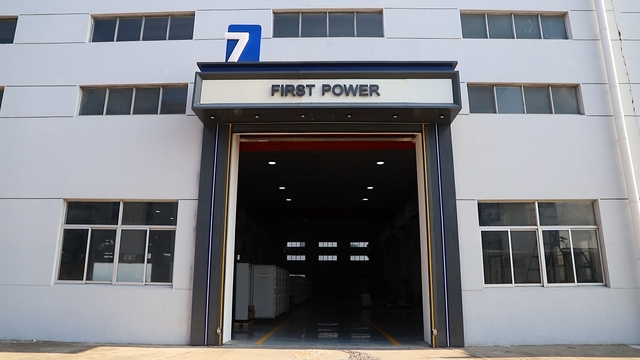
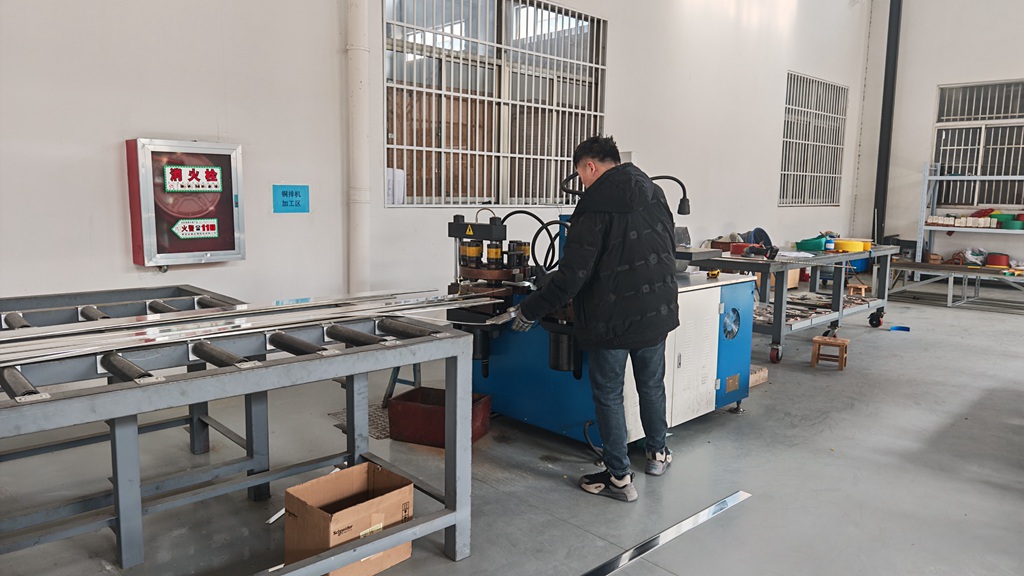
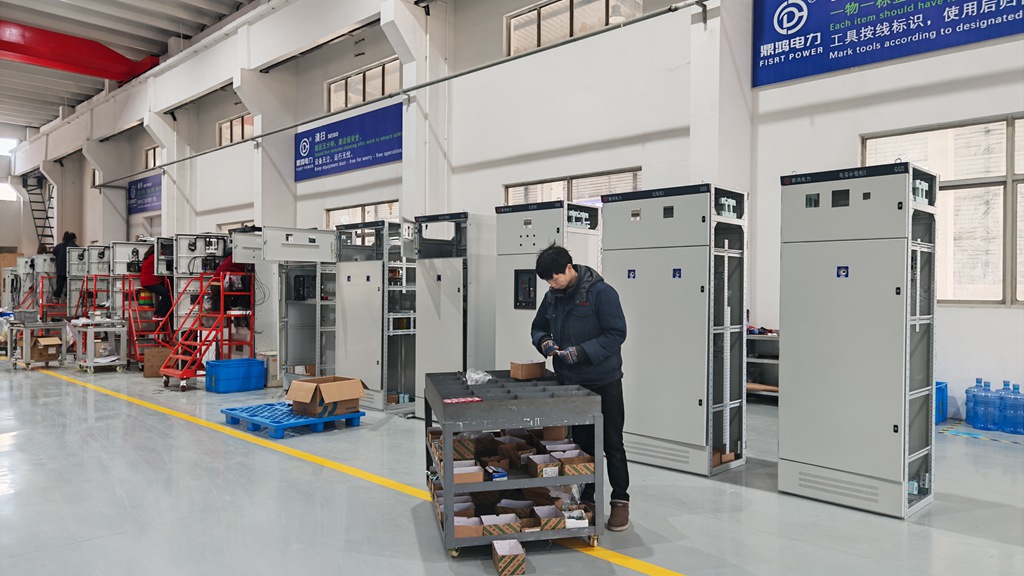
The engineering team brings more than 20 years of hands-on transformer experience. Projects are reviewed by engineers before quotation, built under ISO 9001 quality control and shipped with full routine test reports. Production takes place in a 6,847 m² verified production base with dedicated winding, core assembly, drying, tanking and testing areas.
Wisegj is ISO 9001, ISO 14001 and ISO 45001 certified, holds CE certificates for oil-immersed power transformers, dry type transformers and compact substations, and has been verified onsite by TÜV Rheinland. The company reports 50+ R&D and technical engineers, 211 qualified supply-chain partners and a 4.9/5 average buyer rating. OEM, ODM and design-based customisation are available, with 24-hour pre-sale and after-sale engineering response.

Third-party verified factory evidence
TÜV Rheinland has verified production capability, floorspace and quality inspection onsite. Certificate numbers are available for buyer compliance review.
- ISO 9001: 62824Q6052R0S
- ISO 14001: 62824E6053R0S
- ISO 45001: 62824S6054R0S
- CE oil-immersed power transformer: 3N230310.JYTU038
- CE dry type transformer: FQC2530404
- CE compact substation: M.2025.206.C121884
Oil-Filled Distribution Transformer Questions Asked by Vatican City Buyers
Practical answers for buyers comparing factories, Italian wholesalers and EPC supply routes into Vatican City and Rome.
Can oil-filled transformers be shipped to Vatican City?
Are Wisegj transformers CE certified and EU Ecodesign ready?
Which voltage should I specify for a Vatican City project?
Is mineral oil or natural ester better for heritage-sensitive sites?
What documents should accompany the transformer?
What factory evidence can be provided for due diligence?
How can buyers control loss and noise performance?
What is the usual procurement route for Vatican City projects?
Request a Vatican City-Ready Transformer Specification
Send your single-line diagram, target losses, site constraints and required voltage class. Our engineering team will review the application and return a factory proposal with drawings, test scope, CE documentation and delivery recommendations for the Vatican City market.