OEM/ODM Package Substation Manufacturer & Suppliers in Tanga
Factory-engineered compact substations and distribution transformers for Tanga port, industrial, commercial and utility projects — with coastal-duty enclosures, 11/33 kV compatibility and full test documentation.
Eight Transformer Platforms for OEM/ODM Package Substations in Tanga
A package substation succeeds at the intersection of transformer, switchgear, enclosure and logistics. The eight product families below are the most relevant building blocks for Tanga projects: 11 kV and 33 kV distribution, 50 Hz operation, 400/230 V LV delivery, and coastal-duty enclosures. Product links are preserved for your technical team to verify ratings, drawings and datasheets.
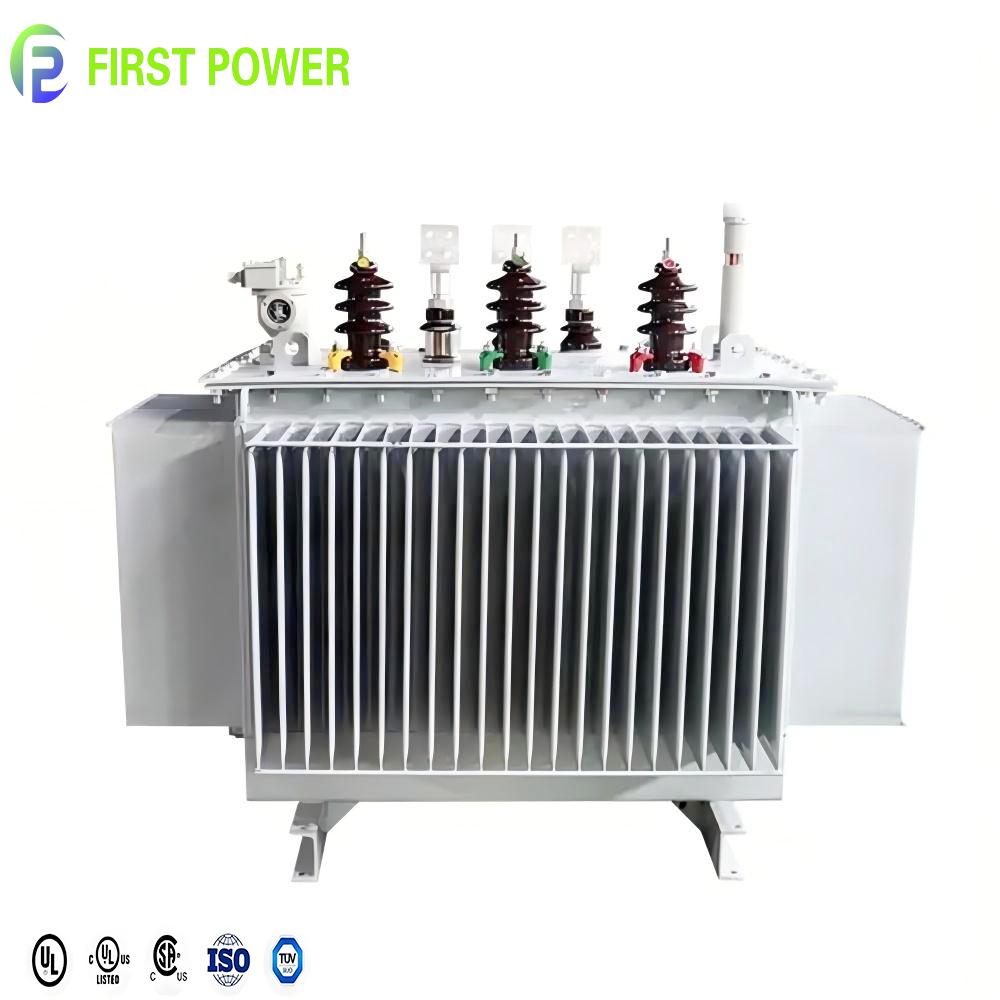
C CE S11 10KV 20KV 35KV 50KVA 100KVA 150KVA 200KVA 250KVA 3 Phase Oil-Immersed Transformer for Electric Power Distribution
Low-loss three-phase distribution transformer for 10–35 kV networks and 50/60 Hz systems. Suitable for compact package substations where stable losses and a small footprint are important.
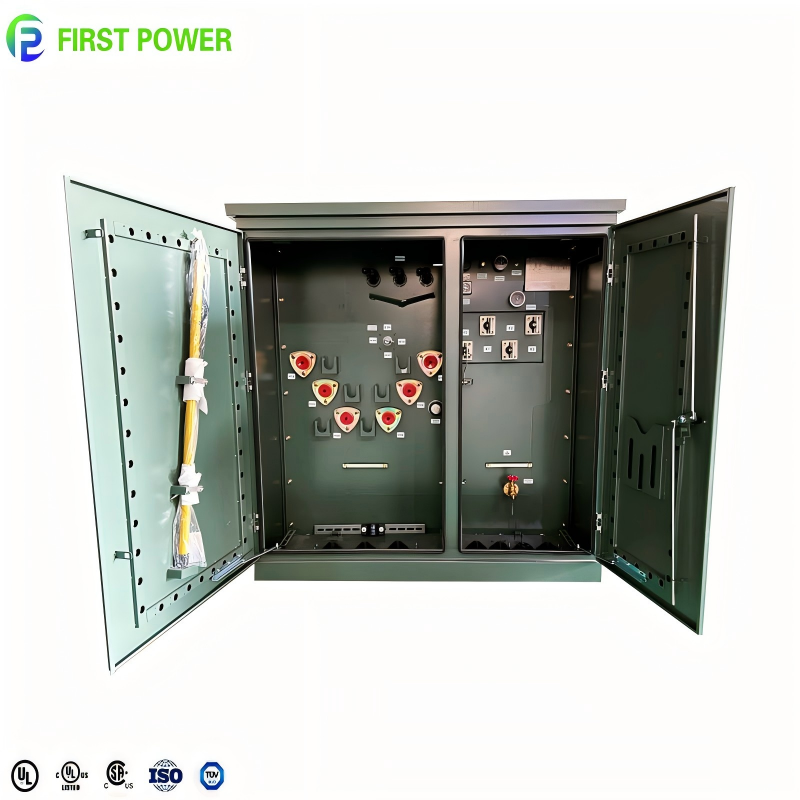
C ZGS11 50/60HZ 75KVA-50000KVA 6KV 10KV 15KV 20KV 35KV Three Phase Pad Mounted Transformer for Electric Power Distribution
ZGS11 pad-mounted platform for underground distribution, commercial estates and renewable interconnections. A practical choice where enclosure aesthetics and cable-fed access matter.
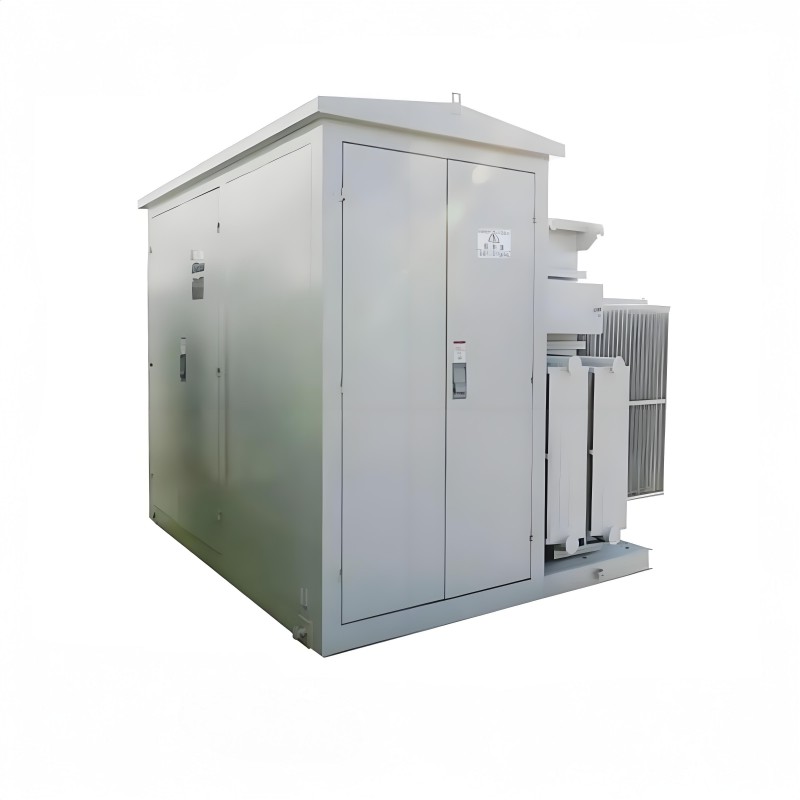
American Standard /C Certification 75-2500KVA Oil Type Three Phase 13.8KV Pad Mount Transformers for Power Generation
American-standard pad-mount configuration for projects using ANSI/IEEE conventions or imported American equipment. Useful when protection, bushings and interface dimensions must follow US practice.
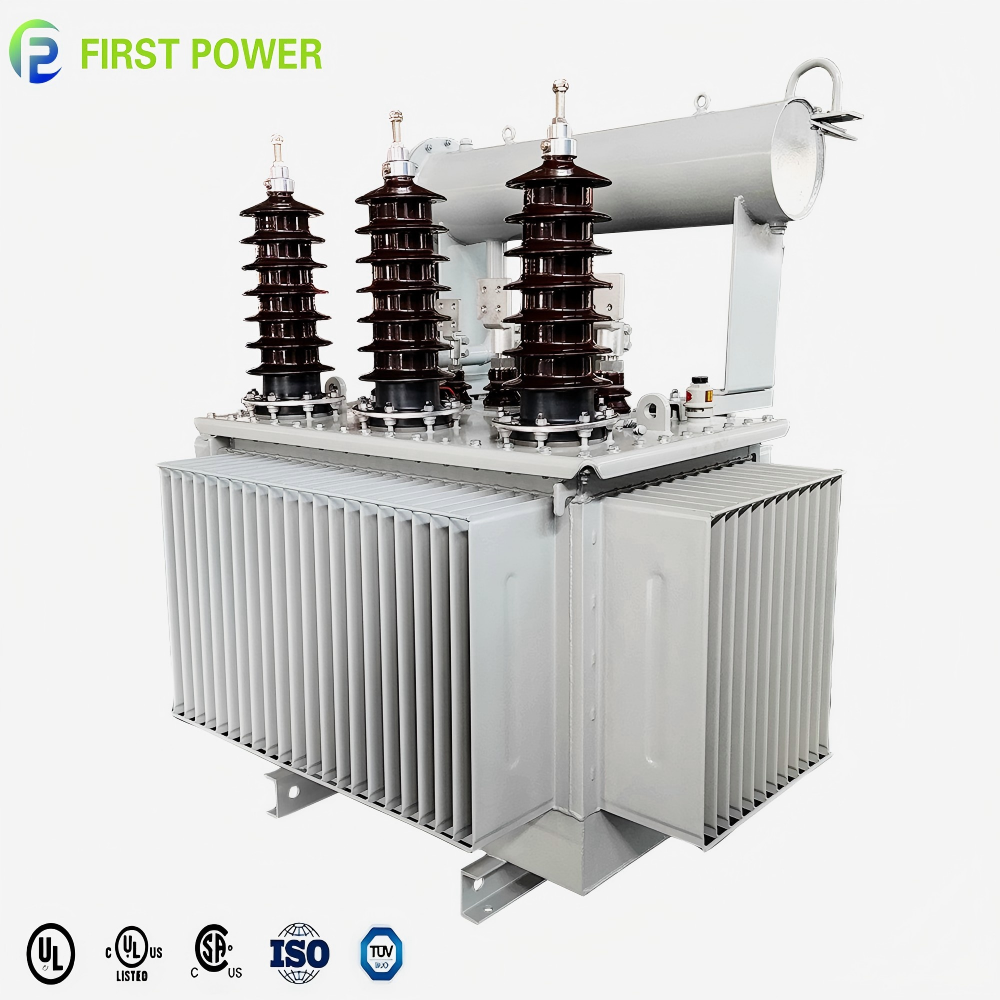
C CE Certification IEEE Standard 50/60HZ S11 Three Phase 33KV Oil Immersed Power High Voltage Transformer for Industrial
S11 oil-immersed 33 kV design for industrial loads, with CE documentation for projects that require European conformity evidence alongside IEEE-oriented design review.
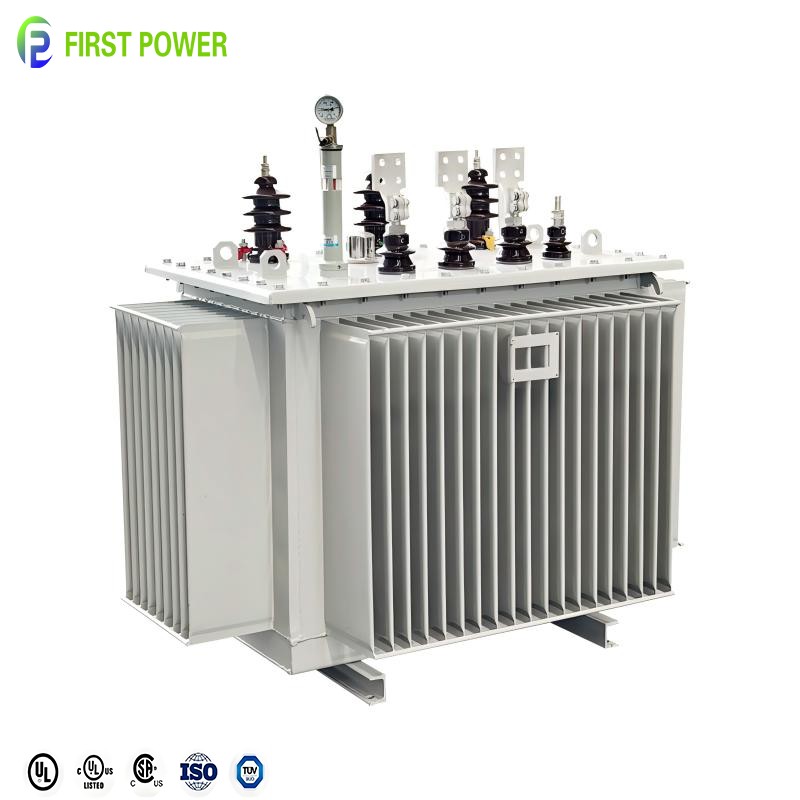
C CE 50/60HZ 100KVA 300KVA 500KVA 630KVA 1000KVA 10KV 20KV 35KV 3 Phase Oil Immersed Power Transformer for Power Supplies
MV power transformer range for package substations serving factories, logistics hubs, commercial buildings and public facilities where a reliable 10–35 kV interface is required.
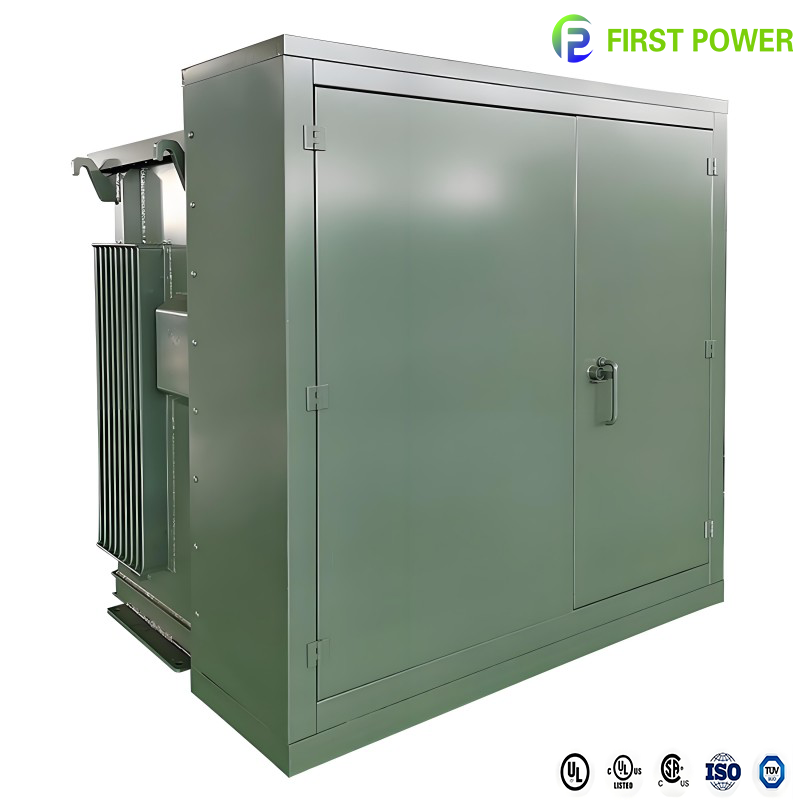
C CE MV&HV ZGS11 75-2500KVA 10KV 20KV 35KV Pad Mounted Three Phase Transformer for Electric Power Distribution
Outdoor pad-mounted transformer for compact distribution schemes. Supports enclosure, finish and accessory customization for humid, salt-laden Tanga service conditions.
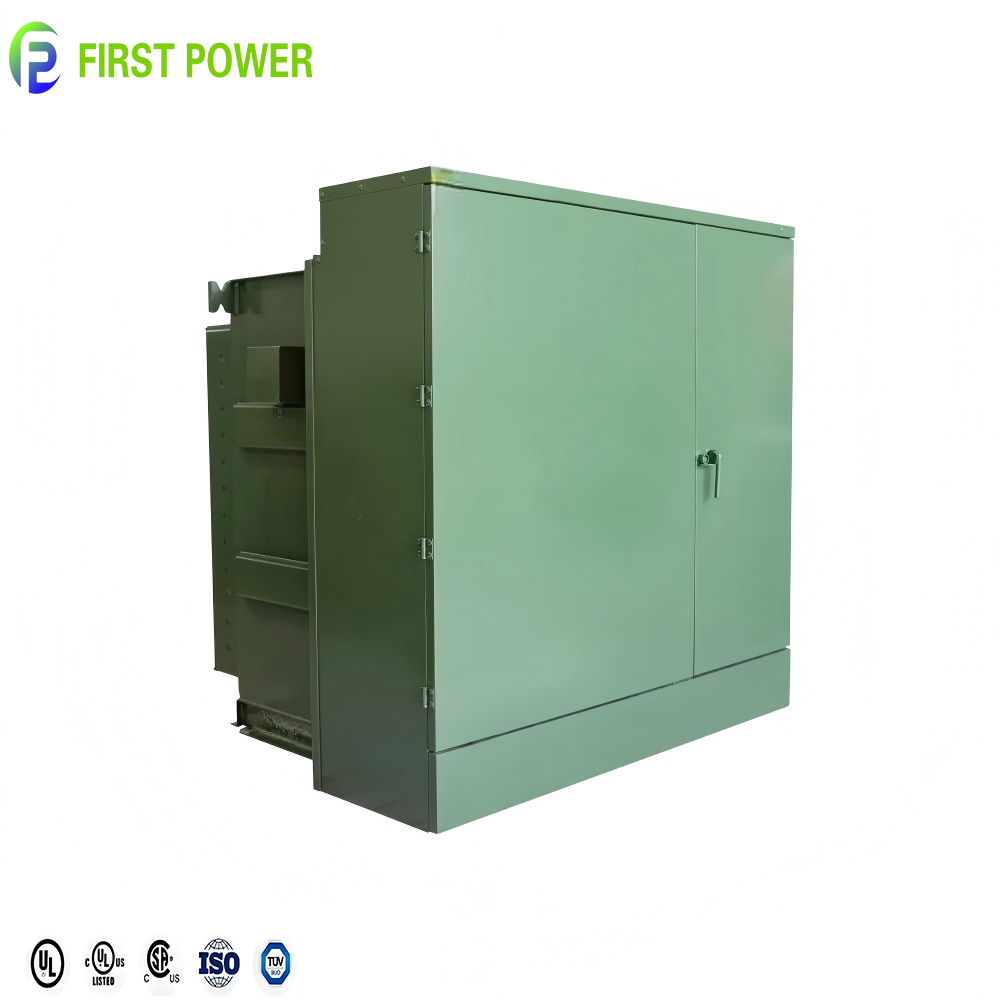
C CE MV&HV 50/60HZ 750KVA 1250KVA 1500KVA 2000KVA 2500KVA 3 Phase Pad Mounted Transformer for Industrial Power Supply
Heavy-duty pad-mount design for cement, processing, port equipment and high-load industrial facilities. A strong candidate when motor starting and load growth must be planned together.
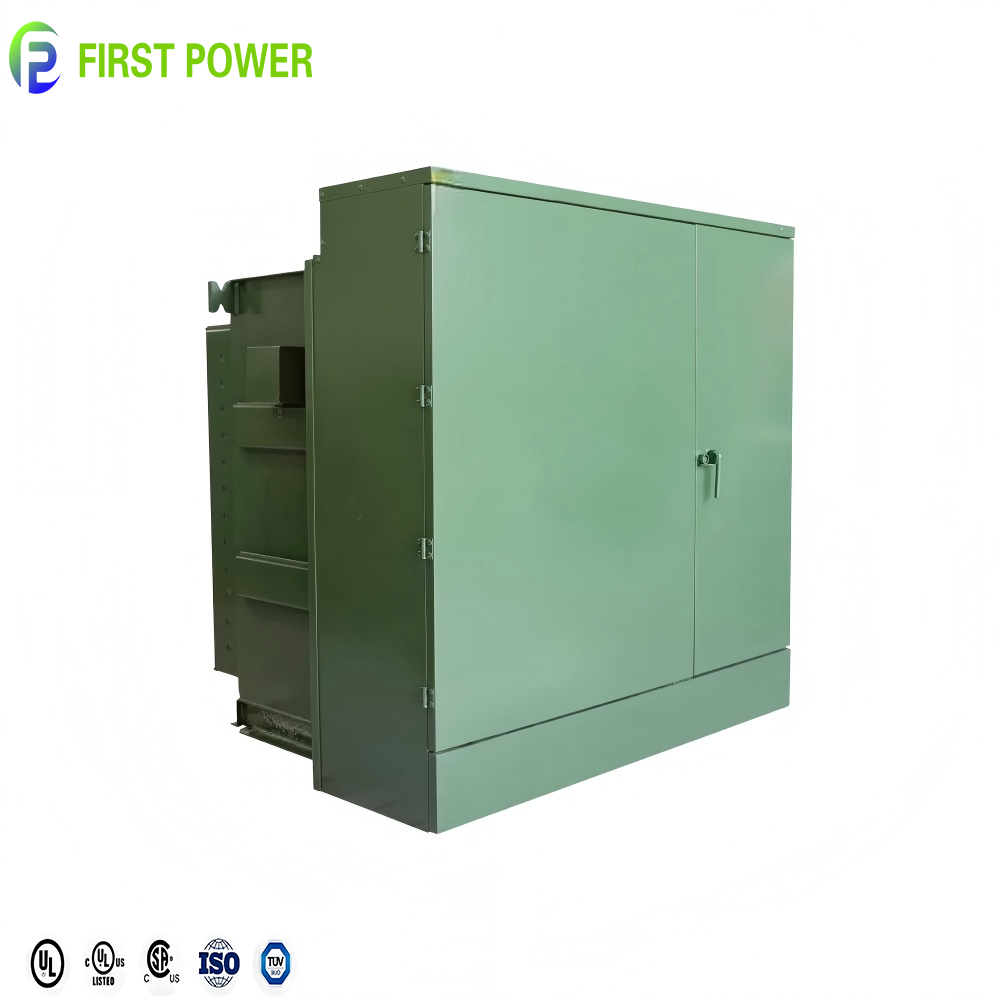
C CE 50/60HZ 10KV 20KV 35KV 300KVA 500KVA 630KVA 750KVA Three Phase Pad Mounted Transformer for Electric Power Distribution
Distribution pad-mount transformer for commercial blocks, public facilities and mixed-use developments. A practical capacity band for phased urban and industrial estate expansion.
Need a tailored transformer inside a package substation, not a catalogue unit?
Manufacturer Capacity Behind Your Tanga Package Substation
OEM/ODM supply depends on engineering depth, test discipline and export execution — not only a price per kVA.
Company capability figures reflect the manufacturer profile supplied in the original site content. Factory floorspace and production capability are supported by third-party onsite verification; certificates and test reports can be shared for buyer due diligence.
What a Tanga-Ready Package Substation Must Deliver
Tanga is not a generic tropical destination on a data sheet. Its Indian Ocean coastline creates salt-laden humidity, seasonal downpours, port dust and high solar gain that attack gaskets, paint systems, terminals and ventilation paths. At the same time, port and industrial loads can be cyclical and motor-heavy. A package substation specified only by kVA may be under-engineered even when the transformer rating looks correct.
A package substation, also called a compact or prefabricated substation, integrates MV switchgear, a distribution transformer, LV panel, protection relays, metering and auxiliary systems in a factory-built enclosure. For Tanga, the specification should be written as a system: transformer losses, temperature rise, MV switchgear rating, LV fault withstand, enclosure IP class, corrosion category, anti-condensation control, earthing, surge protection and transport bracing. That is the level of review a serious OEM/ODM manufacturer should apply before quotation.
Local procurement teams also need a transparent source. Wisegj is a China-based OEM/ODM manufacturer serving Tanga projects; we do not claim a Tanga assembly factory. The advantage is direct factory engineering, documented testing and export experience, not a local trading desk that outsources technical answers. Buyers comparing local stock against factory supply should separate urgent replacement units from engineered package substations, because the evaluation criteria are different.
Tanga site data to confirm before RFQ
- Primary and secondary voltage, vector group and frequency
- Fault level at the MV terminals and protection philosophy
- Maximum ambient temperature, solar exposure and humidity
- Altitude for inland or upcountry project sites
- Salt-spray, dust, chemical and flooding exposure
- Load profile, motor starting, harmonics and future expansion
- Metering, SCADA protocol and utility interface requirements
- Shipping route, site access, lifting plan and foundation interface
Where Package Substations Fit in Tanga
Different loads need different transformer and enclosure choices. The scenarios below are the most common starting points for Tanga developers, EPCs and industrial buyers.
Tanga Port and Logistics Corridors
Port equipment, cold storage, warehouses and transport depots need modular capacity close to the load. Corrosion-resistant enclosures and lifting-ready designs reduce site work in busy terminal areas.
Cement, Processing and Manufacturing
Motor-heavy industrial loads benefit from a transformer selected against starting current, duty cycle and future expansion. Pad-mounted or package substations can be placed close to the process line.
Commercial Buildings and Hospitality
Hotels, retail centres, offices and mixed-use developments prefer compact footprints, low noise and clean cable interfaces. Dry-type or oil-immersed options can be matched to fire and space constraints.
Utility Distribution and Public Infrastructure
Schools, clinics, water facilities and municipal projects need predictable documentation, tested equipment and designs that local operators can maintain after commissioning.
Renewable Energy and Mini-Grids
Solar, hybrid and mini-grid projects benefit from factory-assembled substations that shorten commissioning. Transformer taps, protection settings and monitoring can be aligned with inverter and generator behaviour.
Water Pumping and Agriculture
Irrigation, water treatment and agricultural processing loads are often remote and cyclic. Rugged enclosures, surge protection and correct transformer impedance help reduce nuisance trips and downtime.
Tanga Market Trends Shaping Package Substation Demand
Procurement decisions are moving from single transformers toward factory-built, documented and expandable power modules.
Port-Led Industrial Growth
Port activity, logistics, processing and export-oriented manufacturing create demand for modular capacity that can be added in phases. Package substations reduce civil works and allow capacity to follow demand.
Loss Reduction and Grid Reliability
Utilities and industrial buyers are paying closer attention to no-load and load losses, temperature rise and harmonic behaviour. A low first cost can be offset by higher operating cost over a 20-year asset life.
Distributed Energy and Resilience
Solar, backup generation and hybrid systems require substations that can accept multiple sources and clear protection boundaries. Digital metering and communication options are increasingly requested, even in remote sites.
Implication for Tanga buyers: request a loss evaluation, a corrosion plan, a protection single-line diagram and a shipping outline drawing before comparing supplier prices. These four documents expose most hidden scope gaps.
Specification Priorities for Coastal Tanga
Use this matrix as a starting point for technical clarification. Final values must be confirmed with the project owner, utility interface requirements and site conditions.
| Design Item | Tanga-Ready Recommendation | Why It Matters |
|---|---|---|
| Frequency | 50 Hz system design; confirm any 60 Hz imported equipment interfaces | Avoids incorrect transformer ratio, motor speed and protection assumptions. |
| MV Distribution | 11 kV and 33 kV project practice; confirm actual utility voltage and fault level | Switchgear rating, cable terminations and relay settings depend on the real grid interface. |
| LV Delivery | 400/230 V, 50 Hz distribution with the required neutral arrangement | Ensures compatibility with local loads, protection and metering. |
| Transformer Choice | Oil-immersed for outdoor package substations; dry-type where indoor fire and space constraints apply | Balances thermal performance, maintenance and fire safety. |
| Enclosure Protection | IP54 or IP55, ventilated with anti-condensation heaters where specified | Limits dust, rain and humidity ingress in coastal service. |
| Corrosion Protection | ISO 12944 C4/C5-M options, hot-dip galvanized frame, multi-coat paint, stainless hardware | Salt-laden air and humidity accelerate corrosion on untreated enclosures. |
| Protection | Surge arresters, earthing design, MV relays, LV breakers and clear interlocks | Protects equipment from lightning, switching surges and operator error. |
| Thermal Design | Specify maximum ambient, solar exposure, ventilation and temperature rise | A transformer that is acceptable inland may be derated in a hot coastal enclosure. |
| Transport | Lifting lugs, tie-down points, temporary bracing, shock and moisture indicators | Reduces transit damage between the factory and Tanga Port or project site. |
| Standards | IEC 62271-202, IEC 60076, IEC 61439, IEC 62271-200 and buyer utility specifications | Provides a common basis for design review, testing and acceptance. |
The percentages above are illustrative design-focus indicators, not product performance guarantees. Actual compliance depends on the final specification, drawings and test plan.
OEM/ODM Scope for Tanga Package Substation Projects
Customization should reduce site risk, not create an unverifiable prototype. The most valuable OEM/ODM changes are the ones that match the grid interface, coastal environment and maintenance capability.
Electrical Design
Rating, impedance, vector group, tap range, loss targets, insulation level, cooling method and 50 Hz operating assumptions can be aligned with the project specification.
Enclosure and Climate
IP class, ventilation, anti-condensation heaters, paint system, galvanizing, stainless hardware, cable entry, lifting points and transport bracing can be customized for coastal service.
Protection and Monitoring
MV relays, CT/VT ratios, LV breakers, surge arresters, metering, auxiliary supply and optional communication interfaces can be defined around the utility and operator requirements.
Branding and Documentation
OEM nameplates, manual language, drawings, test report formats, packing marks and spare-part lists can be prepared for the EPC, utility or owner’s acceptance process.
A disciplined OEM/ODM workflow runs through specification review, drawing approval, design freeze, production, routine testing, third-party witness inspection if required, export packing and document handover.
 Company and facility overview
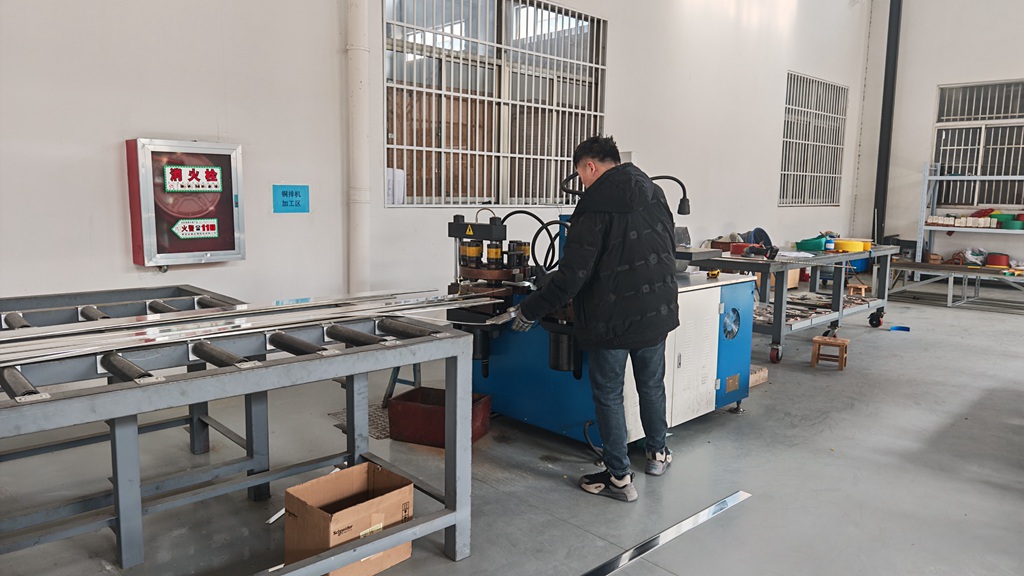
 Assembly workshop
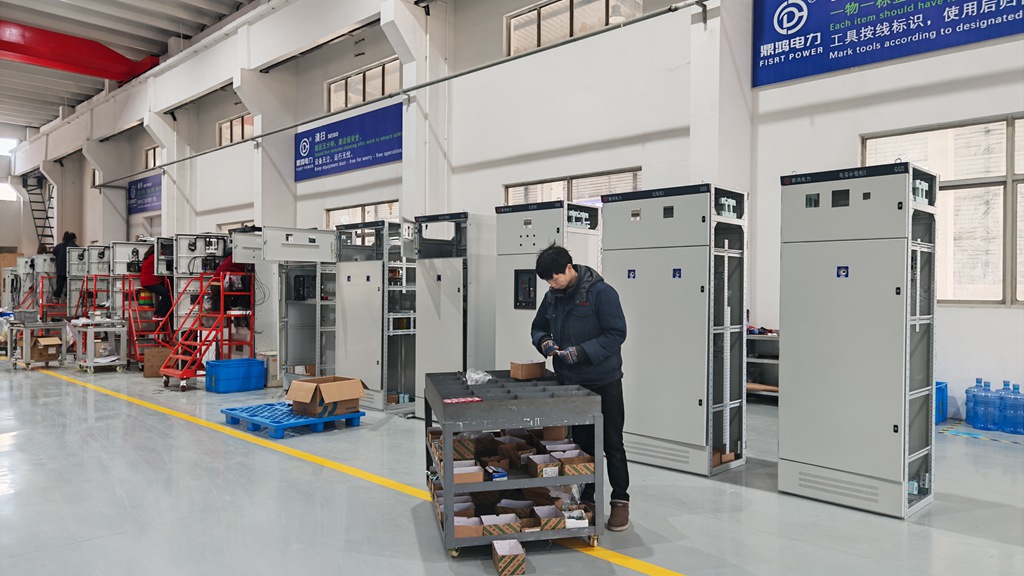
 Testing laboratory
 Export packing and loading
Why Wisegj Is a Practical OEM/ODM Partner for Tanga
Jiangsu Wisegj Power Co., Ltd. is a China-based manufacturer and exporter of pad-mounted, oil-immersed, dry-type and power transformers, compact substations and switchgear from 220 V to 500 kV. We make the supply model clear because Tanga buyers deserve a verifiable source, not a vague “local supplier” claim. The production base is in China, with export experience across the Americas, Europe, Africa and Asia.
For Tanga, this means direct engineering review, factory testing, export packing and documentation support through the shipping and inspection process. The company profile supplied by the original site states more than 20 years of team experience in transformers, 6,847 m² of verified production floorspace, more than 50 R&D and technical engineers, 211 qualified supply-chain partners and a 4.9/5 average buyer rating.
- Own production base with industry certificates and documented quality control
- In-house routine tests: ratio, winding resistance, loss, impedance, dielectric and oil BDV as applicable
- Third-party witness inspection and pre-shipment documentation support
- OEM, ODM, design-based and sample-based customization
- Seaworthy packing, shock indicators and export Incoterms support
- 24-hour pre-sale and after-sale technical response target

Production capability, floorspace and quality inspection are supported by independent third-party verification to help Tanga buyers complete supplier due diligence.
From Factory to Tanga Port: What to Agree Early
Package substations are heavy, engineered assets. Logistics and documentation should be reviewed with the same discipline as electrical ratings.
Tanga Port is the natural gateway for many projects in the region, but vessel schedules, heavy-lift access and site roads should be checked early. For package substations, the shipping plan is part of the design: enclosure dimensions, lifting points, transport bracing, oil filling strategy and pressure monitoring can change cost and site work. Depending on scope, Wisegj can support FOB, CFR, CIF Tanga, EXW, FCA, CIP, CPT and other Incoterms, with payment by T/T, L/C, D/P or D/A subject to contract.
Every quotation should identify what is included: transformer, MV switchgear, LV panel, protection relays, CT/VT, metering, auxiliary supply, anti-condensation heaters, cable entry, foundation interface, spare parts and documentation. Missing scope items are a common reason package substation projects lose time at site. The safest RFQ states the grid interface, load duty, environmental conditions and required tests in one data pack.
For local maintenance planning, request spare fuses, gaskets, silica gel or breather consumables where applicable, relay configuration files, nameplate drawings and an operation and maintenance manual in English. These small items often determine how quickly a Tanga operator can restore service after a fault.
RFQ Data Pack for a Faster, Accurate Offer
- Rated power in kVA or MVA, plus future expansion plan
- Primary and secondary voltage, vector group, frequency and tap range
- Transformer type preference and indoor/outdoor installation
- MV switchgear rating, fault level and protection philosophy
- LV panel rating, outgoing ways and metering requirements
- Enclosure IP class, corrosion category and paint colour
- Maximum ambient, humidity, altitude and solar exposure
- Shipping destination, site access and lifting constraints
- Applicable standards and any utility approval documents
- Required test reports, witness inspection and documentation language
Questions Tanga Buyers Commonly Ask
Straight answers from the engineering and export side of an OEM/ODM package substation project.
Do you have a factory or office in Tanga?
No. Jiangsu Wisegj Power Co., Ltd. is a China-based manufacturer serving Tanga and other Tanzanian projects. This distinction matters: you are buying from the production source rather than a local trading desk. We support pre-shipment inspection, third-party witness testing, export packing and shipping documents for Tanga Port or an alternative port nominated by the buyer.
What is the typical lead time for an OEM/ODM package substation?
Lead time depends on transformer rating, switchgear configuration, enclosure design, test plan and material availability. Standard distribution transformers are usually faster than fully integrated package substations with custom protection and metering. After drawing approval, the production schedule should be confirmed in the contract, including time for routine testing and pre-shipment inspection.
Can the equipment be designed for Tanzania grid practice and 50 Hz?
Yes. The design basis should state 50 Hz, the actual primary and secondary voltages, vector group, neutral arrangement, fault level and utility interface. For Tanga projects, typical discussions involve 11 kV or 33 kV MV distribution and 400/230 V LV delivery. Final settings and standards must be confirmed with the project owner and the responsible utility.
Which standards apply to package substations and transformers?
Common references include IEC 60076 for power transformers, IEC 62271-202 for prefabricated substations, IEC 62271-200 for MV switchgear and IEC 61439 for LV assemblies. Buyers may also require CE documentation, ISO management certificates, type test reports or local utility approval documents. The contract should list the exact edition and acceptance criteria to avoid ambiguity.
How do you protect equipment from Tanga’s coastal corrosion and humidity?
Specify the corrosion category and enclosure protection at the RFQ stage. Practical options include C4/C5-M paint systems under ISO 12944, hot-dip galvanized frames, stainless hardware, sealed cable entries, anti-condensation heaters, suitable gasket material and drainage design. The final choice should reflect distance from the sea, prevailing wind, dust, rainfall and maintenance access.
Should Tanga buyers choose oil-immersed or dry-type transformers?
Oil-immersed transformers are common for outdoor distribution and package substations because they are compact, robust and cost-effective at larger ratings. Dry-type transformers are preferred where fire safety, indoor installation or oil containment is a concern. The decision should consider load profile, ambient temperature, enclosure ventilation, maintenance capability and fire strategy.
Can you support OEM branding and ODM design changes?
Yes. OEM/ODM scope can include rating changes, enclosure layout, paint colour, nameplate branding, manual language, drawing formats, protection settings and documentation packages. Changes should be frozen through an approved drawing before production so that the factory test plan matches the equipment delivered.
What documents should be supplied before shipment?
Typical documents include general arrangement drawings, nameplate details, routine test reports, packing list, installation and maintenance instructions, and conformity certificates where applicable. Export documents may include commercial invoice, bill of lading, certificate of origin and inspection release. The buyer should list any additional utility or customs documents in the purchase order.
How do we compare a local supplier with a factory OEM/ODM source?
Compare the full scope, not only the equipment price. Check transformer losses, switchgear rating, enclosure corrosion class, protection functions, test reports, warranty terms, spare parts, shipping responsibility and technical response time. Local stock can be faster for urgent replacement, while a factory OEM/ODM source is usually stronger for engineered package substations and customized documentation.
Request a Tanga-Ready OEM/ODM Package Substation Proposal
Send your single-line diagram, transformer rating, voltage, load profile, site conditions and required standards. Our engineers will review the scope and prepare a proposal with drawings, testing and delivery assumptions for Tanga.