OEM/ODM Overhead Distribution Transformer Manufacturer & Suppliers serving London
Engineered oil-immersed, pad-mounted and overhead distribution transformer configurations for London utilities, EPC contractors, developers, rail projects and energy transition programmes.
Why London Buyers Treat Distribution Transformers as a Grid-Planning Decision
Searching for an OEM/ODM overhead distribution transformer manufacturer and suppliers serving London is rarely a simple catalogue exercise. The procurement decision now sits between electricity capacity, planning constraints, carbon reporting, fire safety, acoustic limits and the need for documentation that satisfies several stakeholders at once.
Load growth is less predictable than the legacy network assumed
London’s distribution demand is being reshaped by electric vehicle charging, heat pump electrification, data-centre growth, urban regeneration and rail electrification. A transformer selected only on nameplate kVA can become the weakest link when future load profiles include high evening peaks, rapid charging bursts or staged building connections. Buyers increasingly ask for thermal headroom, low-loss cores, flexible tap ranges and a documented basis for future capacity upgrades.
Space, noise and public realm are specification drivers
In dense boroughs and conservation areas, the equipment must fit the site as much as the electrical duty. Compact footprints, low sound pressure levels, anti-corrosion finishes, sealed tanks and cable-box arrangements can matter as much as losses. Overhead units remain relevant for rail corridors, temporary supplies, suburban fringe networks and sites where undergrounding is uneconomic, while pad-mounted and chamber-type oil-immersed units solve constrained-street and estate applications.
Documentation is part of the product
A London project may require a design review, utility comments, CE or UKCA marking discussions, test certificates, loss guarantees, O&M manuals, packing records and delivery documents. The strongest supplier is not necessarily the lowest first price; it is the manufacturer that can return a traceable specification, witness-test option and complete dispatch dossier without repeated clarification rounds.
Eight Distribution Transformer Platforms for London Project Shortlists
These eight product routes cover oil-immersed distribution, loop-feed pad-mounted, high-voltage industrial and compact urban requirements. Ratings, voltages, vector groups, impedance, taps, cooling, enclosure finish and nameplate language can be reviewed under OEM/ODM supply. Product links are preserved exactly for technical follow-up.
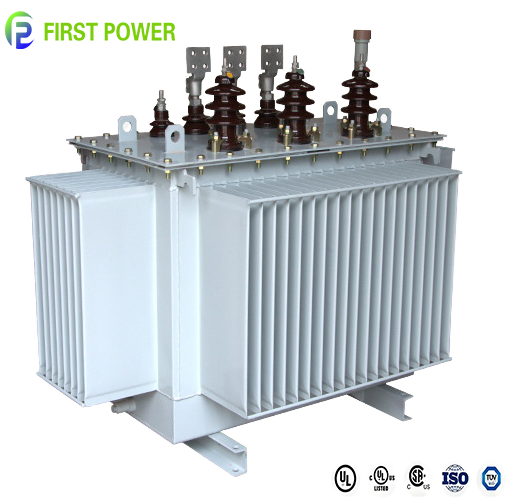
C CE 50/60HZ S11 10KV 15KV 20KV 35KV 100KVA 300KVA 500KVA 630KVA Three Phase Oil Transformer Price for Distribution System
A practical distribution platform for secondary substations, commercial retrofits and utility reinforcement where low loss and proven S11-type construction are required.
Review product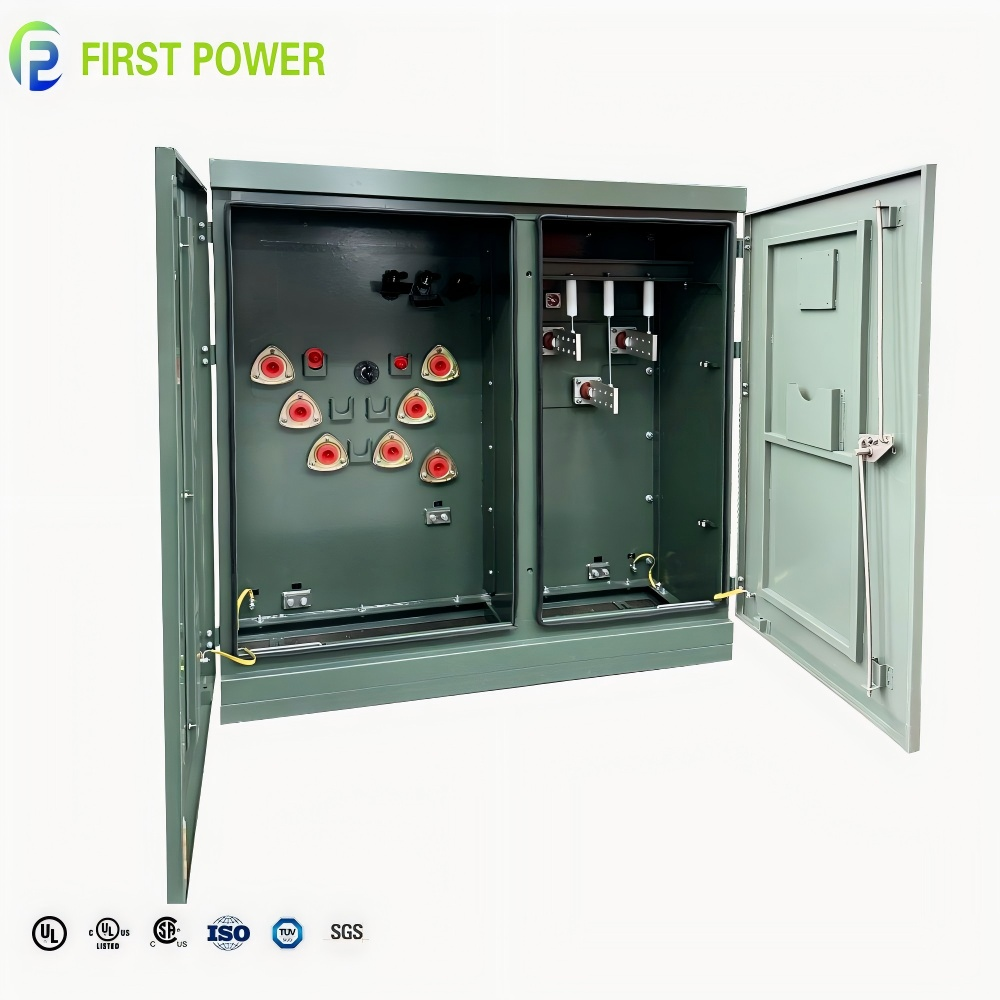
C CE Certification 50/60HZ 10KV 20KV 35KV 3 Phase Loop Feed Pad Mounted 750KVA Transformer for Electric Power Distribution
Suited to underground distribution layouts, loop-feed commercial estates and developments where a tamper-resistant pad-mounted enclosure is preferred.
Review product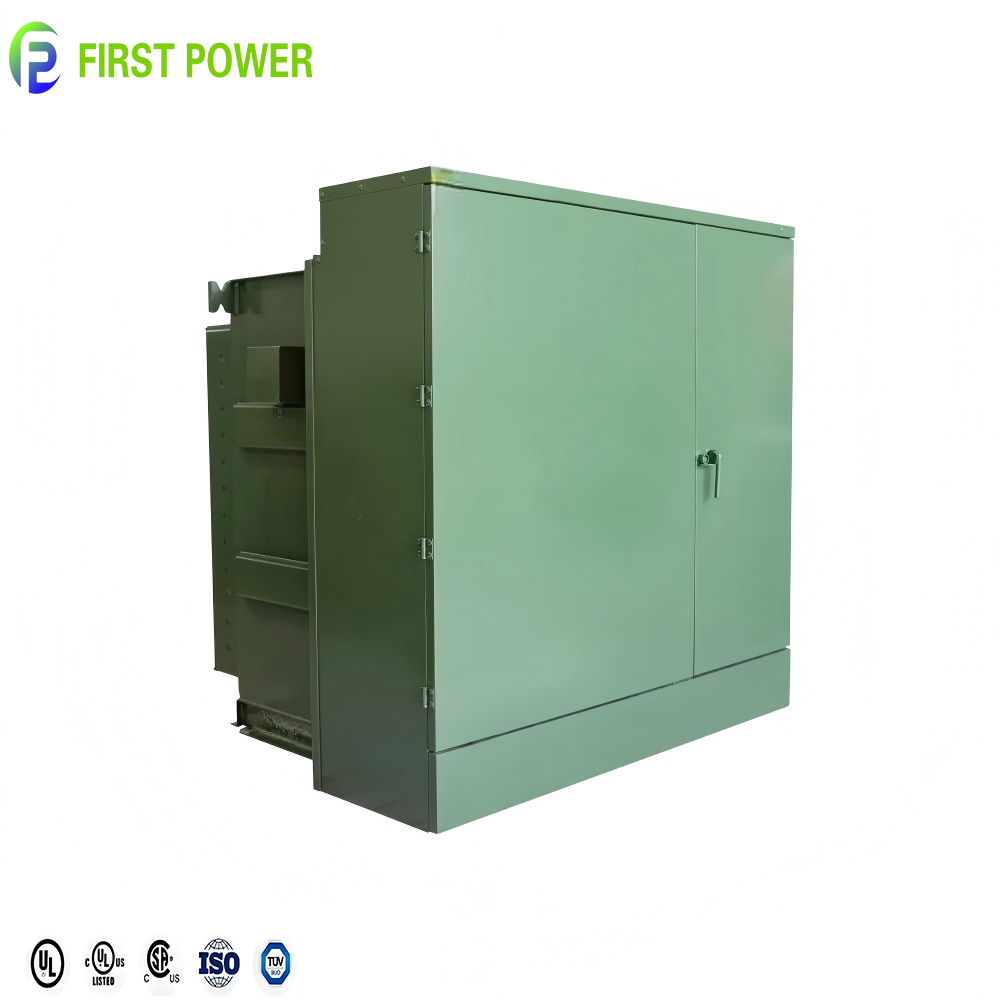
C CE MV&HV 50/60HZ 750KVA 1250KVA 1500KVA 2000KVA 2500KVA 3 Phase Pad Mounted Transformer for Industrial Power Supply
For industrial plants, logistics hubs, research campuses and high-capacity sites requiring a factory-built MV/HV distribution interface.
Review product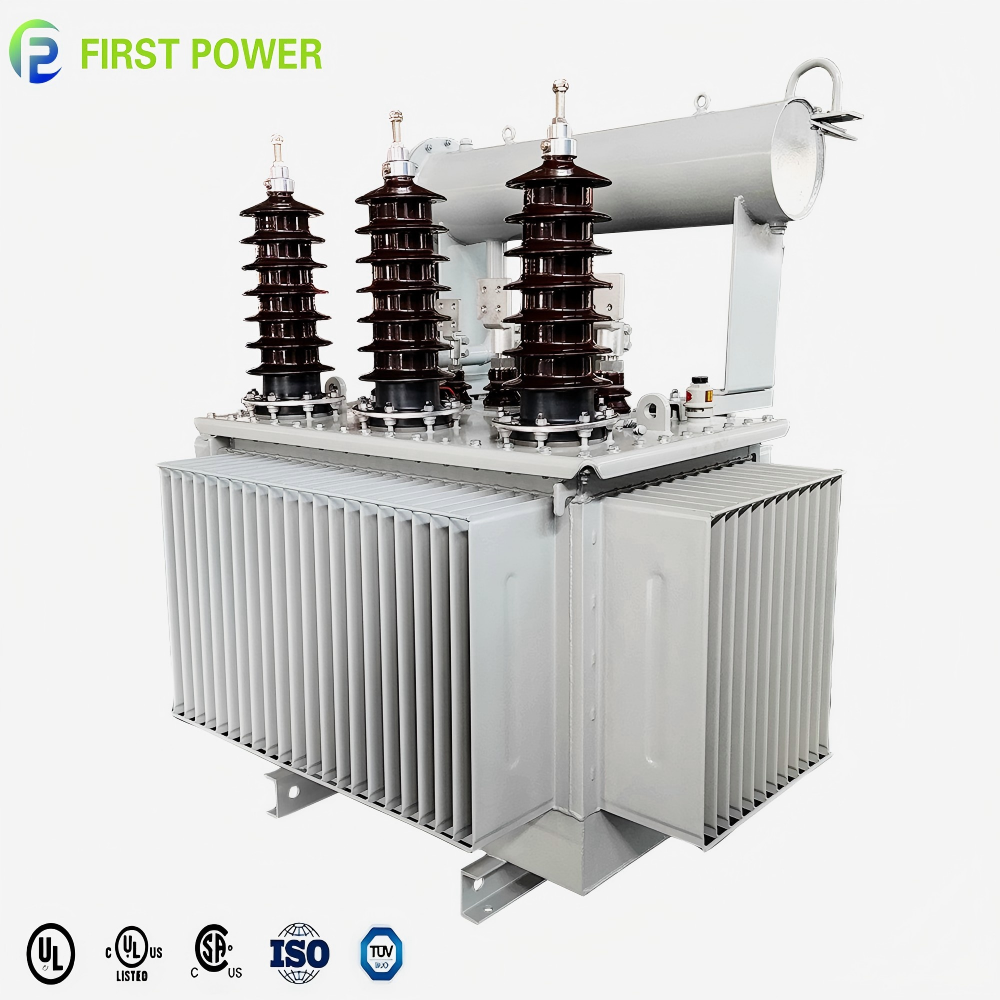
C CE Certification IEEE Standard 50/60HZ S11 Three Phase 33KV Oil Immersed Power High Voltage Transformer for Industrial
Useful where a project spans UK and IEEE-influenced specifications, with engineering review of vector group, impedance and testing requirements.
Review product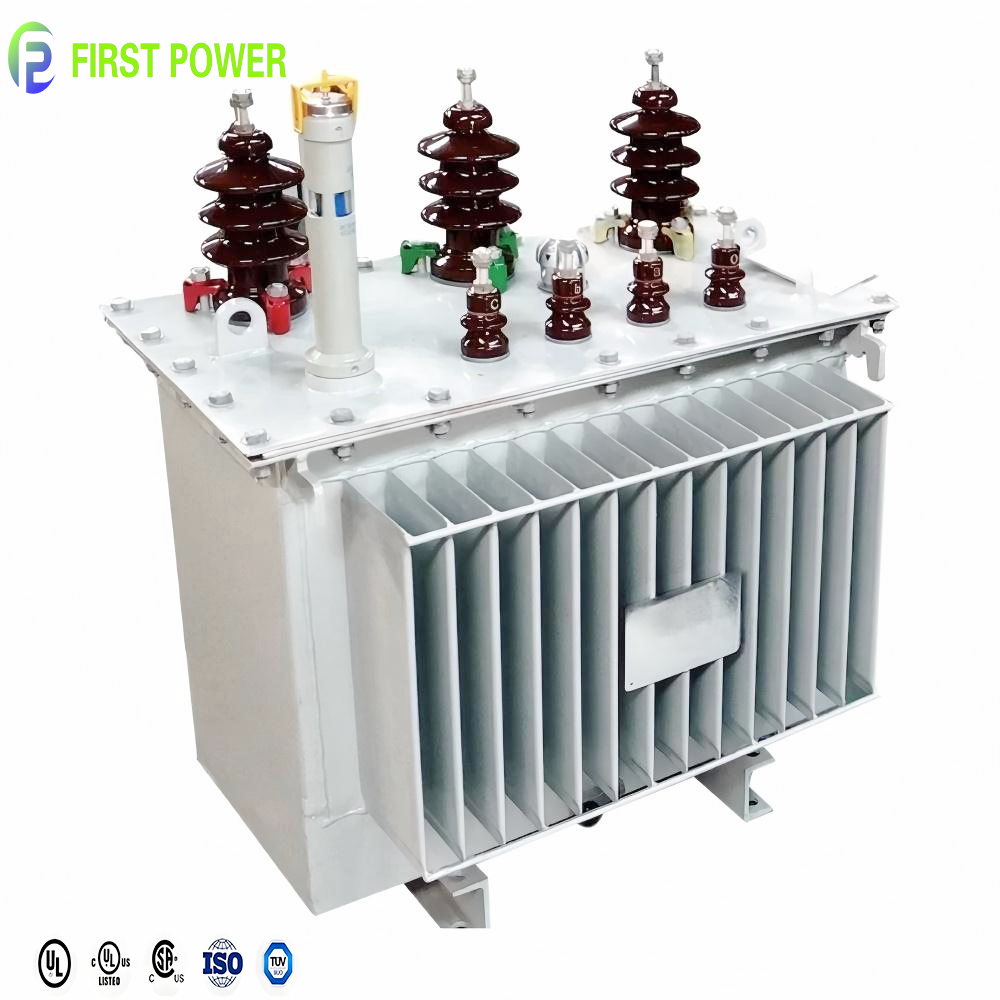
C CE 10KV 20KV 35KV 50KVA 100KVA 200KVA 300KVA 400KVA 500KVA Electric Oil Immersed Transformer for Industrial Power Supply
A flexible range for commercial buildings, light industry, temporary construction supplies and distributed energy schemes with staged loads.
Review product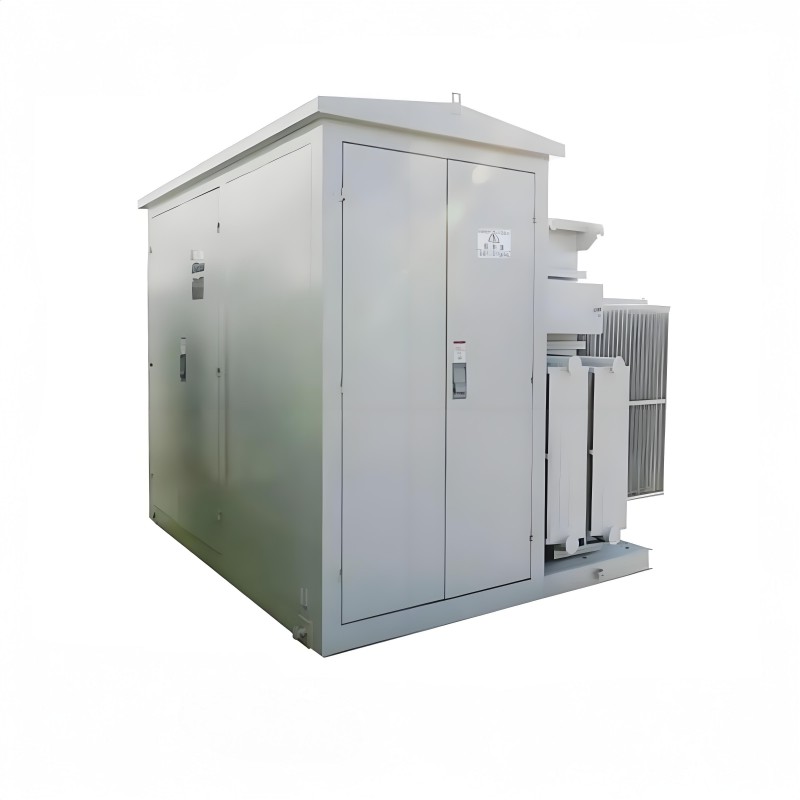
American Standard /C Certification 75-2500KVA Oil Type Three Phase 13.8KV Pad Mount Transformers for Power Generation
Relevant to international developers, power-generation packages and projects requiring an American-standard pad-mount platform alongside UK documentation.
Review product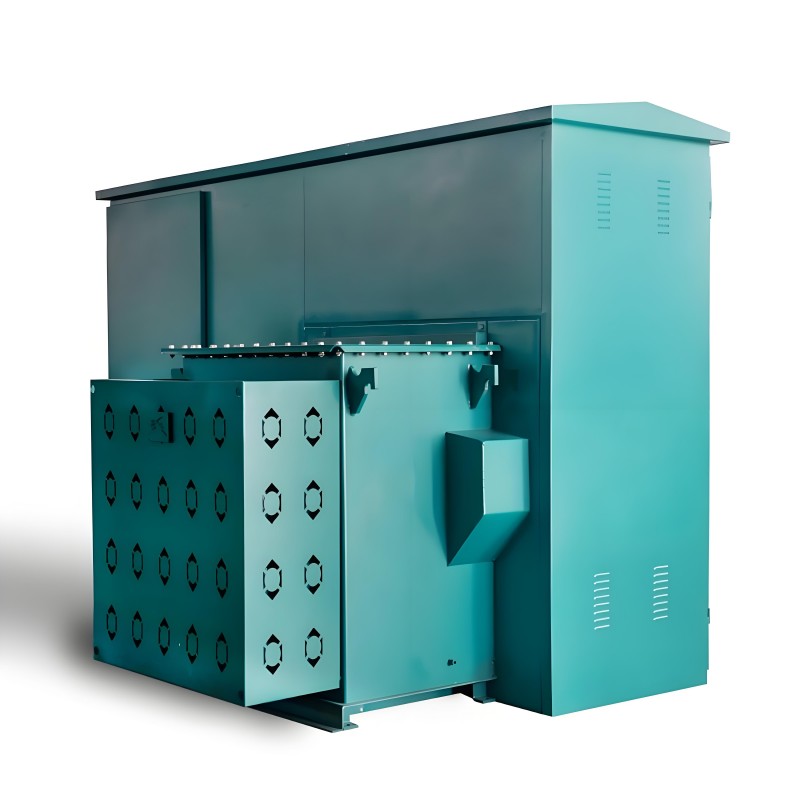
/C Certified Oil-Type Cooper 75-2500kva Pad Mounted Transformer 6kv-34.5kv 50/60hz Dead Front Three Phases
For projects comparing Cooper-style pad-mounted architecture, dead-front compartments and flexible medium-voltage arrangements.
Review product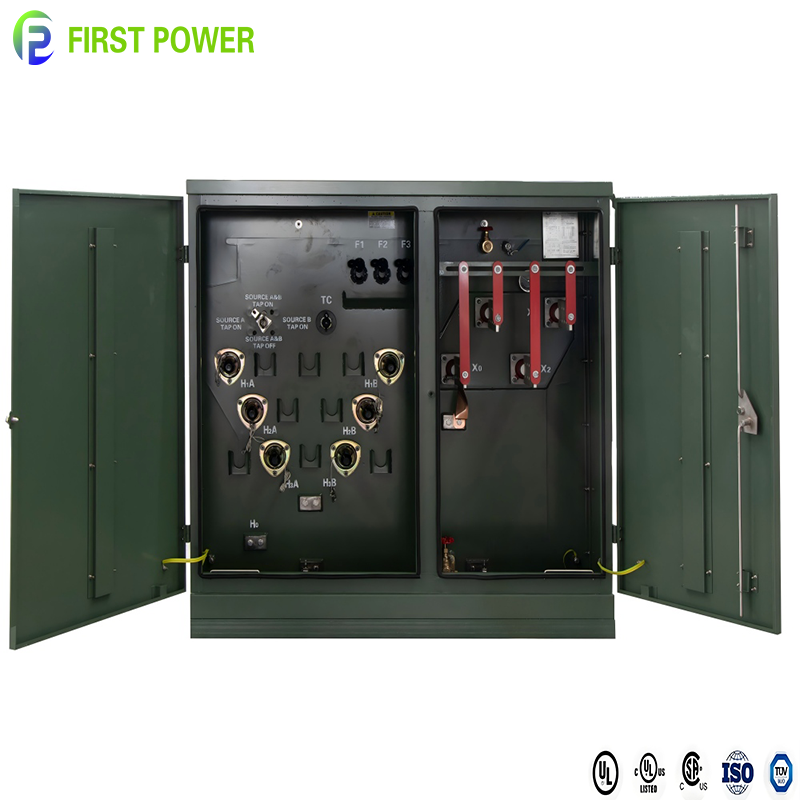
Listed C CE MV&HV 50/60HZ 6KV 10KV 15KV 20KV 35KV 3 Phase Pad Mounted Transformer Electrical for Industrial Power Supply
An adaptable enclosure route for industrial power supply, renewable interconnection and sites where incoming MV must be integrated with local distribution.
Review productWhere These Transformers Fit in London’s Built Environment
The same core-and-coil platform can be configured differently for a constrained basement, a street-side pad, a rail corridor or a temporary construction compound. These are the application patterns our engineering team reviews most often with London-oriented buyers.
Residential infill and estate regeneration
London boroughs are adding homes on constrained infill sites, rooftops and mixed-use regeneration plots. Transformers need compact footprints, predictable noise levels, sealed oil containment and cable interfaces that can be coordinated with landscape and public realm design.
EV charging hubs and fleet depots
Rapid charging can create highly variable demand profiles. A transformer selected for average load may underperform when several chargers operate together. Buyers should review load factor, cooling class, harmonic environment, protection coordination and future charger expansion.
Commercial retrofits and data rooms
Retrofit projects often have limited access, restricted floor space and tight commissioning windows. Dry-type or compact oil-immersed options may be compared, with decisions influenced by fire strategy, acoustic criteria, cable routing and building services coordination.
Rail, tunnels and construction supplies
Overhead and compact distribution transformers remain relevant to rail corridors, tunnel sites, temporary works and construction-stage supplies. Weather protection, shock and vibration exposure, access for maintenance and lifting arrangements should be specified early.
District heat and heat-pump networks
Electrification of heat converts gas load into electrical demand, often in locations already close to network capacity limits. Transformer losses, summer loading, ambient temperature and future plant expansion all affect the economic and technical case.
Conservation areas and flood-exposed sites
London projects may require low-visibility enclosures, non-standard finishes, enhanced corrosion protection, raised plinths, sealed cable entries and flood-resilient installation details. These should be written into the technical schedule rather than added after quotation.
London Trends Shaping Transformer Specifications through 2030
London’s market is not simply “more demand.” It is demand appearing in new places, at new times and under stricter carbon, noise and safety expectations. These trends are useful for procurement teams building a transformer schedule that will still be defensible after design development.
Connection capacity and flexible demand
Projects are increasingly designed around available capacity, staged energisation and curtailment arrangements. Transformer data must align with the connection application, protection study and load profile, not just the architect’s electrical schedule.
Loss capitalisation and whole-life carbon
Low-loss cores, optimised flux density and efficient cooling can improve whole-life performance, but the right trade-off depends on capitalisation factors, load factor, tariff assumptions and expected operating life. Loss guarantees should be explicit and testable.
Compact, underground and visually discreet
Surface space is expensive and sensitive. Pad-mounted enclosures, dead-front designs, low-profile tanks and integrated cable boxes help reduce visual impact and simplify access in constrained streets.
Fire safety and ester-fluid interest
Natural ester fluids and enhanced fire-performance designs are increasingly discussed for locations close to occupied buildings, basements and public spaces. The final choice must consider fluid availability, maintenance, cooling and insurer requirements.
Noise and public realm performance
Acoustic criteria are often set by planning conditions rather than by transformer standards alone. Specifying sound pressure at a defined distance, operating condition and measurement method avoids later disputes.
Condition monitoring and digital records
Temperature sensors, RTD/PTC options, digital nameplates, test-data packages and QR-linked documentation help asset teams plan maintenance and demonstrate compliance. The value is highest when monitoring is defined before manufacture.
A London-Ready Specification Framework: Losses, Heat, Voltage and Testing
A transformer quotation becomes useful only when the technical interface is defined tightly enough to compare suppliers fairly. This framework reflects the questions our engineers use to convert a tender document into a manufacturable, testable design.
Loss capitalisation and total cost of ownership
Purchase price alone can mislead. A simple evaluation basis is total owning cost: capital cost plus capitalised no-load loss plus capitalised load loss plus maintenance and replacement-risk allowances. When London buyers provide A and B capitalisation factors, guaranteed loss values can be compared directly and verified in routine tests.
TOC = Purchase Price + A × No-Load Loss + B × Load LossThermal profile and realistic load factor
London load profiles may be less about continuous industrial output and more about peaks linked to EV charging, cooling, heat pumps, events or transport. Specify ambient temperature, enclosure ventilation, altitude, daily load curve and expected overload duration so the transformer’s temperature rise and insulation life are assessed realistically.
Voltage ratio, vector group, impedance and taps
The electrical interface should state primary and secondary voltages, frequency, vector group, impedance tolerance, tap range, tap-changer type and neutral arrangement. These details affect fault levels, protection settings, parallel operation and voltage regulation across the London distribution network.
Enclosure, corrosion protection and site exposure
For London sites, review enclosure finish, hot-dip galvanising, stainless-steel hardware, IP rating, cable-entry arrangement, oil containment, lifting points, anti-vibration pads and aesthetic colour. Coastal, flood-exposed or polluted environments may require a higher corrosion category than a dry plant room.
Factory testing and witness inspection
Routine tests should include winding resistance, ratio and vector group, impedance and load loss, no-load loss and current, applied voltage, induced voltage and oil dielectric strength where applicable. Type-test reports, third-party witness inspection and serial-number-linked records reduce commissioning risk.
Logistics, lifting and commissioning support
London access constraints may affect delivery vehicle size, craneage, offloading and temporary storage. Seaworthy export packing, shock indicators, centre-of-gravity marking, lifting plans, nameplate drafts and O&M manuals should be agreed before dispatch. FOB, CFR, CIF and DDP terms can be reviewed.
Illustrative London Tender Evaluation Weighting
Indicative only. Each project should establish its own scoring model with the utility, principal contractor and design team.
Auditable Manufacturing Capability from Jiangsu Wisegj Power Co., Ltd.
For London-facing procurement teams, supplier capability should be provable rather than promotional. Jiangsu Wisegj Power Co., Ltd. combines a broad distribution-transformer range, in-house engineering review, export documentation and third-party-verified production information.

Jiangsu Wisegj Power Co., Ltd. designs, assembles and exports medium- and high-voltage equipment from 220 V up to 500 kV, including power transformers, distribution transformers, pad-mounted transformers, oil-immersed transformers, dry-type transformers, compact substations, switchgear, distribution boxes and voltage stabilisers.
The team brings more than 20 years of hands-on transformer experience. Production is managed under ISO 9001 quality, ISO 14001 environmental and ISO 45001 occupational health and safety systems, with product lines holding CE certification. The company’s production capability, floorspace and inspection processes have been verified onsite by TÜV Rheinland.
For London projects, this supports a practical route from tender review to drawing approval, routine testing, export packing and delivery documentation, with OEM/ODM customisation covering ratings, vector group, impedance, taps, bushings, cooling, fluid, enclosure finish and nameplate language.
Verified factory capacity
6,847 m² of inspected production floorspace with winding, core assembly, drying, tanking and testing areas.
Engineering depth
50+ R&D and technical engineers supporting specification review, drawings, losses and test planning.
OEM / ODM customisation
Ratings, impedance, taps, bushings, cooling, insulating fluid, enclosure colour and nameplate language adapted to project requirements.
In-house testing
Routine testing documented per serial number, with third-party witness inspection welcomed before shipment.
Supply-chain stability
211 qualified supply-chain partners support controlled lead times for cores, copper, bushings and accessories.
Export documentation
GA drawings, nameplate drafts, test reports and O&M manuals supplied in English for contractor and utility review.
Global logistics
Seaworthy packing, shock indicators and Incoterms from EXW to DDP for UK port and project-site delivery planning.
Responsive technical support
24-hour engineer response target for pre-sale questions and after-sales technical issues.
What to Send for a Faster, More Compliant London Quotation
Suppliers can only compare design options fairly when the technical basis is clear. Sharing the items below reduces clarification rounds and helps our engineers return a quotation that addresses losses, testing, documentation and delivery in one package.
Common Questions from London Buyers, EPCs and Contractors
These answers reflect the technical and commercial questions raised most often when an overseas transformer manufacturer is being compared with local suppliers. Project-specific requirements should always be confirmed in the final technical schedule.
Can you supply overhead distribution transformers for London, or only pad-mounted units?
Both configurations can be reviewed under OEM/ODM supply. The right platform depends on the site: overhead pole-mounted equipment can suit rail corridors, temporary supplies, suburban fringe networks and locations where undergrounding is uneconomic; pad-mounted or chamber-style oil-immersed units usually suit constrained streets, commercial estates and developments with underground cable networks.
Which standards and marks should a London buyer expect?
Transformer design is commonly referenced to IEC 60076 or its BS EN equivalent, with IEEE C57 references where an international package requires alignment. Connection-interface requirements such as ENA Engineering Recommendations may also be relevant to the wider project. Buyers should state whether UKCA, CE or both are required, because the applicable marking route depends on the product, placing-on-market date and project contract.
How are losses, temperature rise and noise guaranteed?
Guaranteed no-load loss, load loss, impedance, temperature rise and sound pressure can be stated in the quotation and verified through agreed tests. To avoid ambiguity, specify the measurement method, reference distance, cooling condition and tolerance. For London projects, noise and loss guarantees often form part of planning, carbon reporting or utility acceptance evidence.
What customisation is available for constrained London sites?
Customisation can include compact tank and enclosure layouts, low-noise design, natural ester fluid, enhanced corrosion protection, stainless-steel hardware, cable-box arrangements, fuse and protection options, anti-vibration provisions, special paint colours, monitoring sensors, nameplate language and documentation packages. Please provide site drawings and any utility comments with the RFQ.
What lead time and shipping terms can be discussed?
Lead time depends on rating, customisation, testing scope and current production scheduling. A firm date should be confirmed after drawing approval and technical clarification. Delivery terms can be reviewed under FOB, CFR, CIF, EXW, FCA, CIP, CPT and DDP, with export packing and shipping documentation prepared for UK port or project-site delivery planning.
What testing and documentation can be provided before shipment?
Routine tests can include winding resistance, voltage ratio and vector group, impedance and load loss, no-load loss and current, applied and induced voltage tests, plus oil dielectric strength for liquid-filled units. Type-test reports, GA drawings, nameplate drafts, O&M manuals and serial-number-linked test records can be supplied. Third-party witness inspection is welcome.
Review an Overhead or Distribution Transformer Specification for London
Send your datasheet, single-line diagram, tender schedule or utility comments. Our engineering team will review the transformer platform, enclosure, losses, testing and documentation route, then respond with a technical and commercial proposal.
Suitable for utilities, EPC contractors, developers, M&E consultants, rail projects and renewable-energy packages. Email: [email protected]