Switchgear-Compatible Transformers & Power Equipment for Egypt Projects
These eight catalogue-linked products support common Egyptian distribution, industrial, renewable and infrastructure packages. Every product image is shown in full proportion; select a product to review its original technical page.
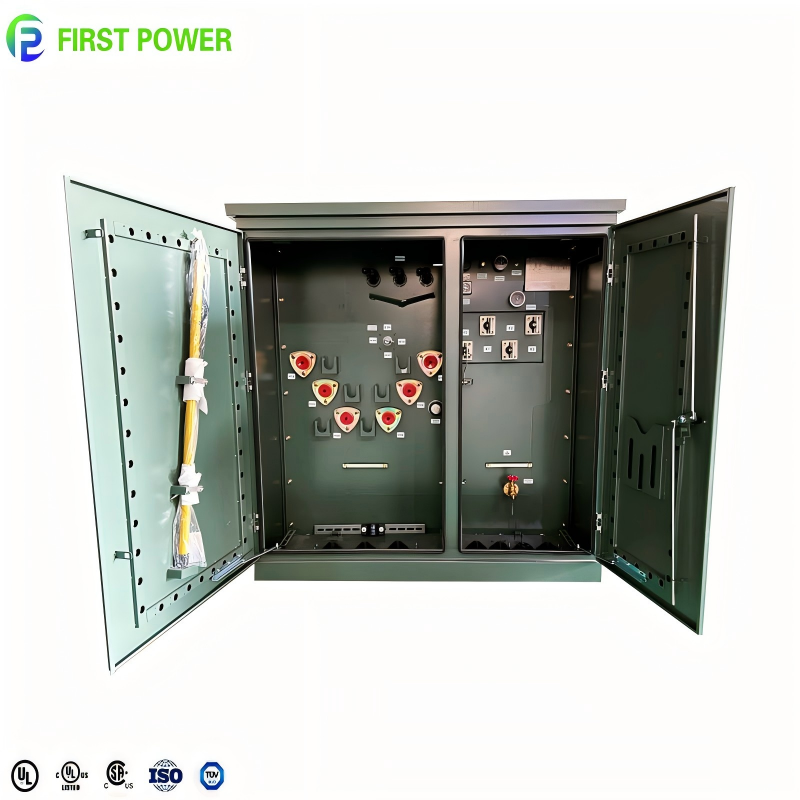
C ZGS11 50/60Hz 75kVA–50,000kVA 6kV–35kV Three Phase Pad Mounted Transformer for Electric Power Distribution
For underground feeders, compounds, campuses and new city districts where a tamper-resistant, low-visibility outdoor transformer is preferred.
- Egypt use: MV/LV distribution, public realm, commercial zones
- Review focus: 50 Hz, ambient derating, cable entry, enclosure finish
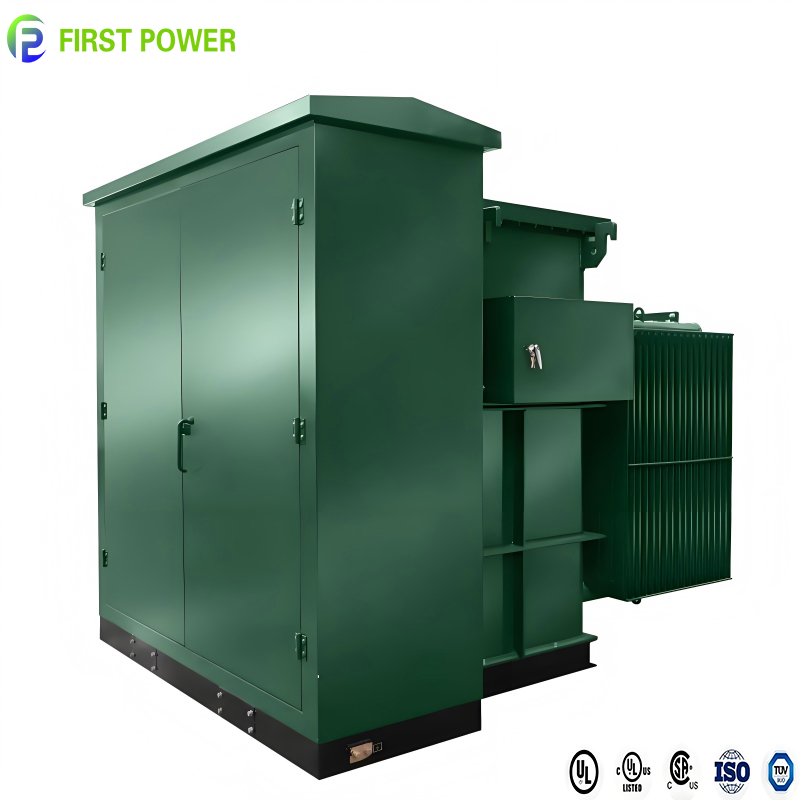
C CE 50/60HZ 6kV 10kV 15kV 20kV 35kV 100kVA 300kVA 500kVA 630kVA 3 Phase Pad Mounted Pedestal Transformer for Industrial
Best suited to factories, pumping stations and industrial parks that need a compact pad-mounted interface with clear MV switching and LV distribution.
- Egypt use: manufacturing plants, water treatment, logistics hubs
- Review focus: dust protection, ventilation, maintenance access
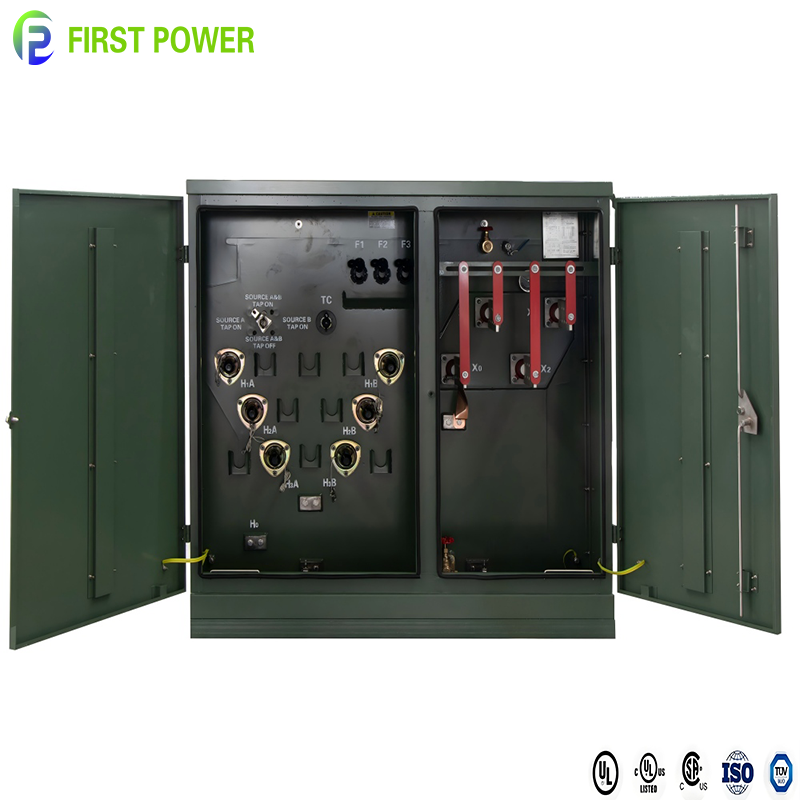
Listed C CE MV&HV 50/60HZ 6kV 10kV 15kV 20kV 35kV 3 Phase Pad Mounted Transformer Electrical for Industrial Power Supply
For higher-value industrial power interfaces, including Suez Canal economic projects, oil and gas facilities, mining and heavy processing loads.
- Egypt use: high-load industrial facilities, export-oriented plants
- Review focus: fault level, corrosion class, relay coordination
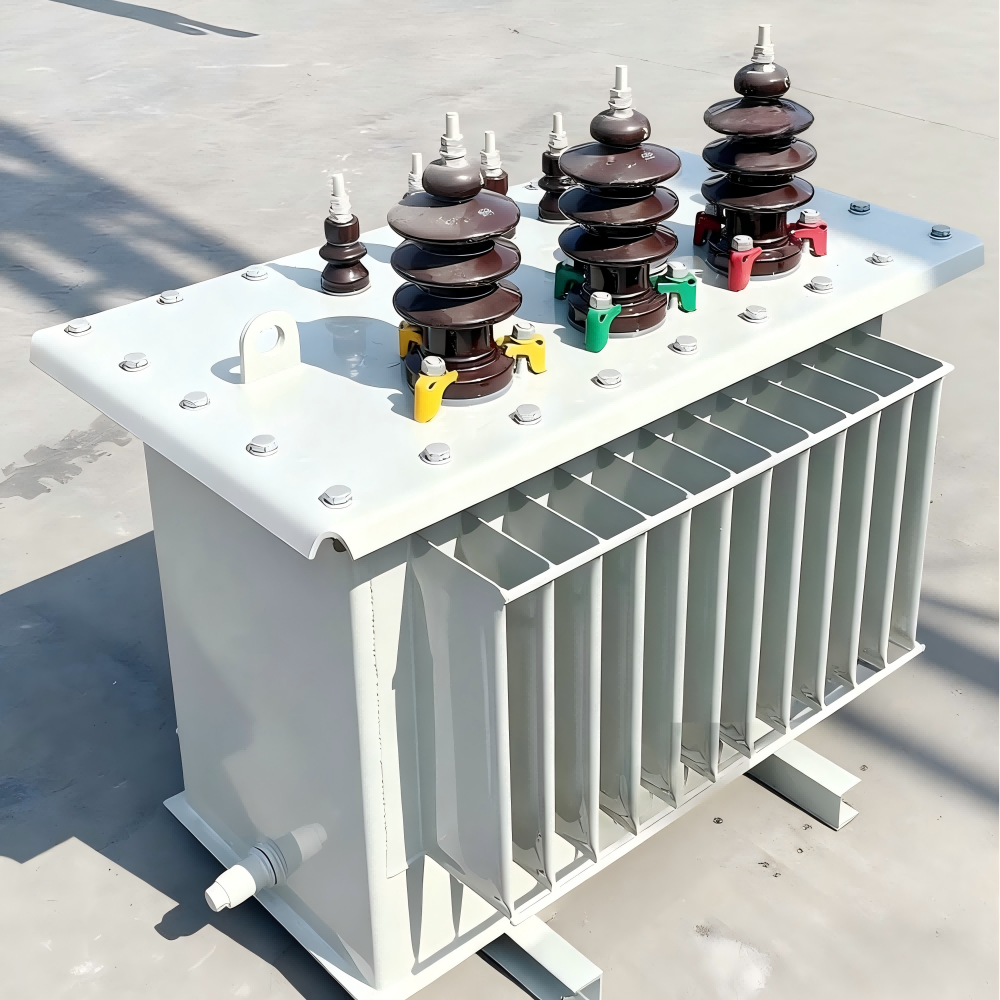
C CE MV&HV 30–31500kVA 6kV 10kV 15kV 20kV 35kV S11 Three Phase Oil Transformer for Electric Power Distribution
A broad distribution and power-transformer option for utilities, substations and industrial feeders requiring proven oil-immersed construction.
- Egypt use: utility distribution, step-down substations, plants
- Review focus: loss evaluation, tap range, oil containment
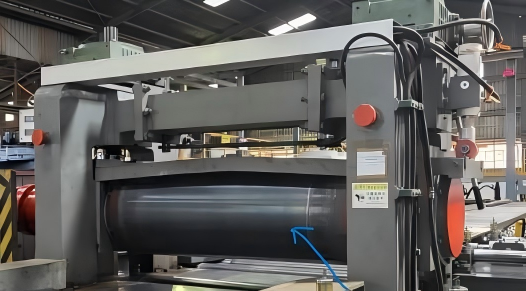
Main Roller D
A catalogue-listed industrial roller item for maintenance and material-handling programmes. For Egyptian projects, confirm the drawing, load class, material grade and interchangeability before ordering.
- Egypt use: plant maintenance and balance-of-plant spares
- Review focus: drawing approval, duty cycle, dimensional fit
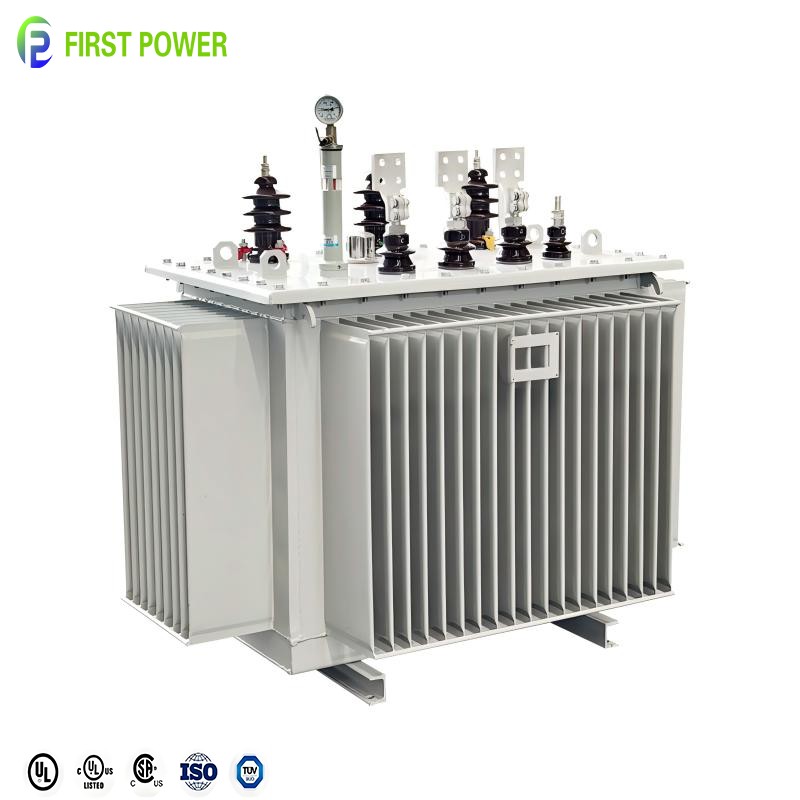
C CE 50/60HZ 100kVA 300kVA 500kVA 630kVA 1000kVA 10kV 20kV 35kV 3 Phase Oil Immersed Power Transformer for Power Supplies
Suitable for standard distribution rooms, industrial feeds and rural electrification where reliability, efficiency and clear documentation matter.
- Egypt use: factories, buildings, utility feeders, villages
- Review focus: efficiency target, vector group, cooling method
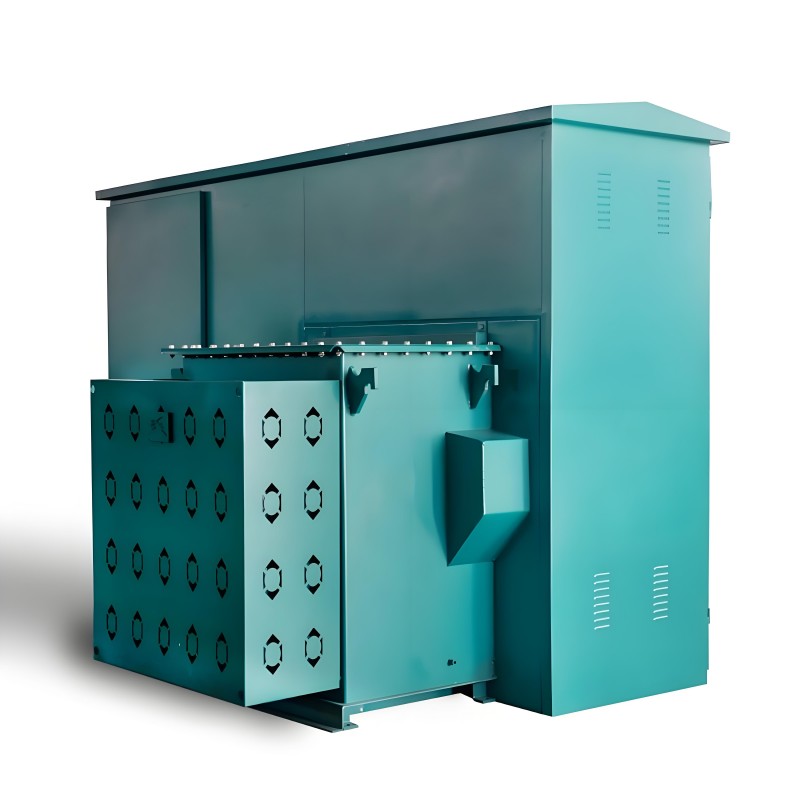
C Certified Oil-Type Cooper 75–2500kVA Pad Mounted Transformer 6kV–34.5kV 50/60Hz Dead Front Three Phases
Dead-front construction supports public-area and coastal projects where accidental contact, humidity and salt exposure are key procurement concerns.
- Egypt use: tourism zones, coastal developments, urban streets
- Review focus: dead-front interface, anti-corrosion finish, IP rating
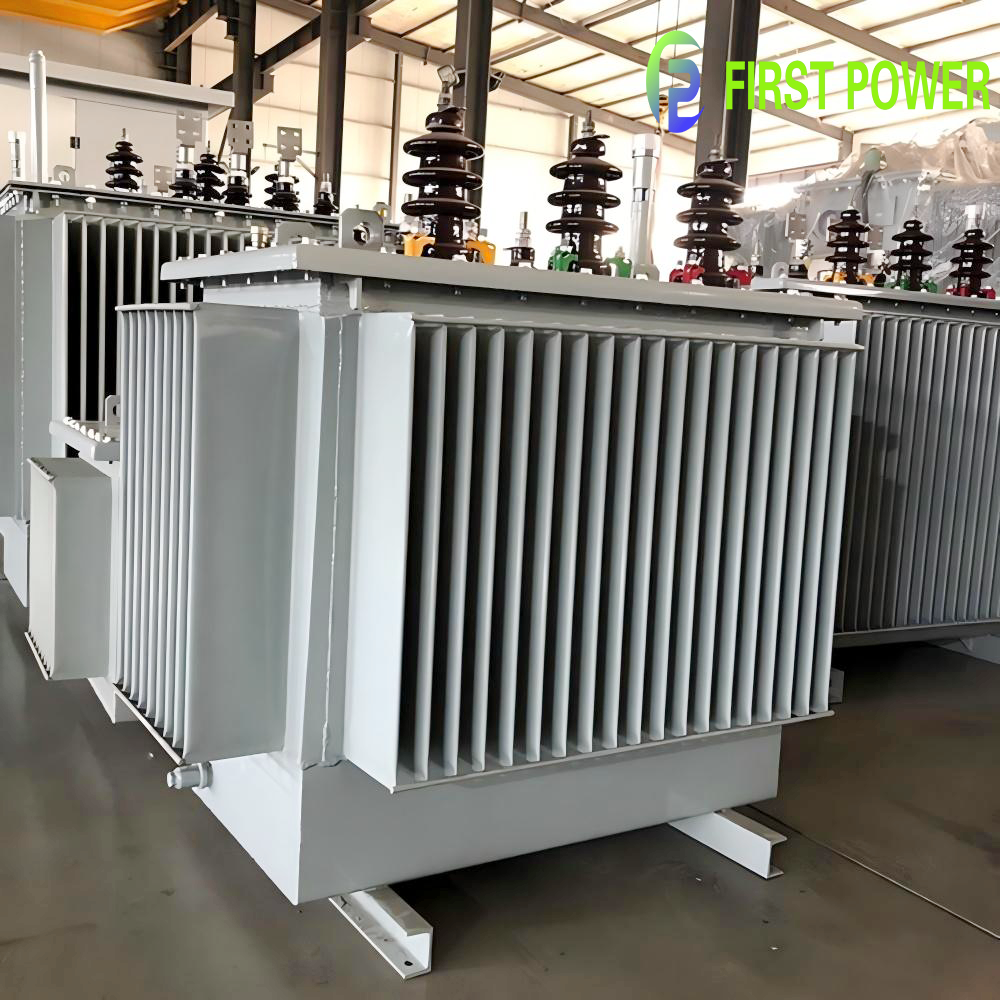
C CE MV&HV S11 50/60HZ 10kV 20kV 35kV Three Phase Oil Immersed 50kVA Transformer for Electric Power Distribution
For small loads, remote settlements, pumping points and distributed networks where a compact oil-immersed unit is more practical than a larger substation.
- Egypt use: rural electrification, small industrial loads, farms
- Review focus: sizing margin, future load growth, transport access
Why Switchgear for Egypt Should Be Selected Around Site Conditions, Not Only Price
Egypt’s power sector is adding generation, strengthening distribution and connecting large renewable and industrial loads at the same time. For a buyer sourcing an electrical switchgear manufacturer or exporter for the Egypt market, the real challenge is not finding a panel with the right voltage label. It is proving that the equipment will perform under high ambient temperature, airborne dust, coastal humidity, long cable runs and a 50 Hz grid while satisfying the documentation expectations of utilities, consultants and EPC contractors.
Switchgear protects the transformer, isolates faults and controls the feeder. A poorly specified enclosure or incomplete protection study can create more risk than the initial purchase price saves. The strongest procurement file therefore compares type-tested MV switchgear, IEC low-voltage assemblies, protection settings, thermal derating, corrosion protection and spare-parts strategy together with the transformer or compact substation.
Our Egypt-focused approach is to review the single-line diagram and site conditions before recommending a product family. For an inland industrial park, the priority may be dust and ambient derating. For a Red Sea or Mediterranean coastal project, it may be salt-spray corrosion and dead-front safety. For a solar or wind project, it may be harmonic duty, reverse-power protection and remote monitoring. The final scope should link the switchgear, transformer, earthing, cable termination and protection system as one engineered package.
Information Gain: a Switchgear Quotation Is Only Comparable When It States:
- System voltage, rated normal current, short-time withstand and peak withstand values
- Internal arc classification, IP rating and installation environment for Egypt
- Ambient temperature basis, solar radiation assumptions and derating curve
- Protection relay type, communication protocol, CT/VT ratios and coordination study
- Type-test reports, routine-test reports, CE documentation and utility approval status
- Cable entry direction, foundation details, lifting and transport limitations
Egypt Grid Reference Points to Confirm in the Tender
Egyptian projects commonly involve 50 Hz and low-voltage distribution around 220/380 V, with MV distribution at 11 kV, 22 kV or 33 kV and high-voltage transmission at 66 kV, 132 kV, 220 kV or 500 kV. The exact project voltage, fault level and protection practice must always be confirmed with the relevant utility, EETC or distribution company, and the appointed consultant.
Do not treat a generic IEC panel as automatically approved for Egypt. Build the submittal around the project specification, the utility’s current requirements and a clearly traceable test file.
High-Ambient Engineering Checklist
- Design ambient above the standard reference if the site is inland, shaded or exposed
- Busbar and cable-compartment ventilation sized for sustained full-load operation
- Filtered ventilation or sealed enclosures where dust ingress is a maintenance issue
- Anti-condensation heaters and humidity control for coastal or underground rooms
- Hot-dip galvanised or stainless hardware, powder-coated enclosures and plated busbars
Where Integrated Switchgear and Transformer Packages Fit in Egypt
Egypt’s geography creates different electrical duties within one national market. The same product family can require different enclosure protection, losses, protection settings and maintenance access depending on the project location.
New Administrative Capital and Urban Expansion
Underground distribution, pad-mounted transformers, RMUs and compact substations support visually sensitive streetscapes. Specify low-loss transformers, dead-front interfaces, arc-rated equipment and reliable LV distribution for commercial and government facilities.
Benban and Utility-Scale Solar
Solar plants need transformers and switchgear that tolerate harmonics, cyclic loading and high desert temperatures. A project-specific review should cover inverter fault contributions, protection settings, reactive-power capability and remote monitoring.
Gulf of Suez Wind and Renewable Zones
Wind sites require corrosion protection, vibration-resistant connections and stable auxiliary supplies. Switchgear should be selected with clear fault-level margins, effective anti-condensation control and a maintenance plan suited to remote sites.
Suez Canal Economic Zone and Industry
Industrial plants often need high short-circuit withstand, motor-starting capability, power-factor correction and expandable LV assemblies. For dusty or salt-exposed sites, enclosure IP rating and corrosion class should be stated in the purchase order.
Desalination and Water Infrastructure
Large motors create voltage dips and starting current. The switchgear and transformer package should be coordinated with motor starting, protection curves and spare capacity so that pumping and desalination duty remain stable.
Delta, Rural and Agricultural Networks
Small oil-immersed transformers, pole or pad solutions and simple LV distribution support dispersed loads. Buyers should avoid oversizing but still allow for future irrigation, cooling or small industrial demand.
Egypt’s Switchgear Decisions Are Moving Toward Digital, Resilient and Locally Supported Systems
Procurement teams are increasingly evaluating the asset lifecycle, not only the day-one price. The following engineering priorities reflect the questions raised in recent Egypt-focused project reviews.
1. Grid automation and IEC 61850 readiness
New and upgraded substations expect digital protection relays, event records and SCADA integration. A switchgear supplier should be able to provide communication architecture, interrogation tables and relay settings that match the consultant’s protection philosophy.
2. Renewable integration and power quality
Solar and wind connections introduce reverse power, harmonics, rapid load changes and grid-code compliance checks. Switchgear design should account for protection selectivity, power-quality monitoring and metering that supports the plant controller.
3. Heat, dust and corrosion as design inputs
Egyptian projects often combine high ambient temperatures with dust or salt exposure. It is not enough to quote a standard enclosure and apply a nameplate. The offer should show how continuous current, insulation and maintenance intervals are affected by the site environment.
4. Prefabricated and fast-track delivery
Compact substations and factory-assembled packages reduce site labour and commissioning time. They also move more responsibility to the factory, making drawing approval, routine testing and documentation control even more important.
5. Local technical support and spares
Exporters differentiate through response time, English-language documentation, remote diagnostics and a practical spare-parts list. A 24-hour engineering response and clearly assigned after-sales route are valuable when projects are commissioned far from the factory.
Egypt Project-Review Weighting
Qualitative engineering weighting from application reviews; it is presented to show where specification effort typically belongs, not as a market statistic.
How to Shortlist Equipment for Egyptian Conditions
Use these configurations as a starting point for a technical discussion. Final selection must follow the approved single-line diagram, short-circuit study and utility requirements.
Underground urban distribution
Combine dead-front pad-mounted transformers, ring-main units and LV feeder pillars. Prioritise low visibility, tamper resistance, low losses and clear cable compartment access for maintenance crews.
Industrial plant with motor loads
Select MV switchgear with adequate short-time withstand, LV assemblies with motor-starting capacity and oil-immersed or cast-resin transformers sized for voltage-dip tolerance and future expansion.
Solar or wind interconnection
Specify transformers and switchgear for harmonic-rich, bidirectional power flow. Confirm protection settings, metering class, reverse-power logic and communication with the plant controller.
Coastal or high-humidity site
Use corrosion-resistant enclosures, anti-condensation heaters, sealed cable entries and stainless or hot-dip galvanised hardware. State the corrosion category and IP rating in the purchase order.
Why Jiangsu Wisegj Power Is a Credible Switchgear and Transformer Partner for Egypt
Jiangsu Wisegj Power Co., Ltd. designs, assembles and exports medium and high-voltage equipment from 220 V up to 500 kV, including switchgear, pad-mounted transformers, oil-immersed transformers, dry-type transformers, power transformers and compact substations.
Audited Production Base
6,847 m² of verified production floorspace inspected by TÜV Rheinland, covering winding, assembly, drying, tanking and test areas.
Engineering Depth
50+ R&D and technical engineers review ratings, drawings, protection requirements and site conditions before quotation.
Certified Management Systems
ISO 9001 No. 62824Q6052R0S, ISO 14001 No. 62824E6053R0S and ISO 45001 No. 62824S6054R0S support repeatable quality and safety control.
CE Documentation
CE certification is available for relevant transformer, substation and switchgear lines, including switchgear certificate ICR/VC/HM2506248 and compact substation certificate M.2025.206.C121884.
Routine Test Records
Every unit can be supplied with routine test reports covering ratio, resistance, loss, impedance, dielectric and other agreed checks.
OEM / ODM Customisation
Ratings, vector group, taps, bushings, cooling method, enclosure finish, nameplate language and packaging can be adapted to project specifications.
Export Logistics
Seaworthy packing, shock indicators and Incoterms from EXW to DDP support shipments to Alexandria, Damietta, Port Said, Sokhna and other destinations.
Fast Technical Response
Pre-sale and after-sale engineering questions receive a qualified response within one working day, with complete GA drawings, test reports and O&M manuals in English.
Authority and Reliability: What We Invite Egyptian Buyers to Verify
We encourage technical due diligence. Before order, buyers can request the applicable certificate numbers, test report scope, factory inspection record, material declarations and drawing package. This is particularly important where the switchgear or transformer package must be reviewed by an Egyptian consultant, utility engineer or EPC quality team. CE marking is not a substitute for local utility approval; it is part of a larger compliance file that should be checked against the actual project specification.
FAQ: Buying Switchgear and Transformers for Egypt
Practical answers for consultants, EPC contractors, distributors and industrial buyers comparing manufacturers and exporters.
Which standards should switchgear for Egypt comply with?
MV switchgear is commonly specified around IEC 62271-series standards, LV assemblies around IEC 61439, and components around IEC 60947 where applicable. Transformers are commonly reviewed against IEC 60076, while ANSI/IEEE C57.12 series may apply where the project uses American-style equipment. The final compliance list must follow the Egyptian utility, consultant and project specification.
Is 50 Hz an issue for a manufacturer outside Egypt?
No, provided the equipment is genuinely designed and tested for 50 Hz. Ratings, CT ratios, protection settings, transformer flux density, motor characteristics and nameplate data must be consistent with 50 Hz operation. Never accept 60 Hz documentation without a 50 Hz review.
How do you handle high ambient temperature and dust?
We review the site ambient, installation location and solar exposure before selecting the enclosure and current rating. For hot and dusty sites, the offer may include increased ventilation, higher IP protection, filters, anti-condensation heaters, derating curves and a maintenance plan for filter cleaning.
Can you supply switchgear and transformers as one package?
Yes. Integrating MV switchgear, transformers, LV distribution and compact substations can reduce interface risk between suppliers. The package should still be reviewed against the short-circuit study, protection coordination study and utility requirements before manufacture.
What documents do Egyptian consultants usually request?
Typical submittals include the single-line diagram, GA drawings, nameplate drawing, type-test reports, routine-test reports, certificate copies, CT/VT data, relay settings, protection coordination information, O&M manuals, spare-parts lists and packing lists. English documentation is standard, and customised nameplate language can be discussed.
How should coastal humidity and salt spray be addressed?
State the corrosion category and specify powder-coated enclosures, hot-dip galvanised or stainless hardware, plated busbars, sealed cable entries and anti-condensation heaters. Dead-front pad-mounted transformers are often preferred where public access and coastal exposure occur together.
What trade and payment terms are accepted?
We work with FOB, CFR, CIF, EXW, FCA, CIP, CPT, DDP and other Incoterms. Payment methods can include T/T, L/C, D/P and D/A, subject to contract review. USD, EUR, GBP, CAD, AUD and other major currencies can be discussed.
How can I get an accurate quotation quickly?
Send the single-line diagram, rated voltage, frequency, short-circuit level, continuous current, transformer rating, site ambient, altitude, IP requirement, protection relay preference, destination port and required delivery date. A complete data sheet allows our engineers to return a compliant technical and commercial offer without unnecessary clarification rounds.
Send Your Egypt Switchgear or Transformer Specification for Engineer-Led Review
Share your tender documents, SLD, fault level and site conditions. We will review the transformer and switchgear interface, propose a compliant equipment scope and return a documented response within one working day.