Glasgow Market · IEC 60076 · 50 Hz · CE Certified Portfolio
Electrical Distribution Transformer Manufacturer & Suppliers Serving the Glasgow Market
Oil-immersed, pad-mounted and three-phase distribution transformers engineered for Glasgow’s 11 kV and 33 kV networks, urban regeneration, commercial electrification, renewables and grid-connection projects.
Distribution Transformers Chosen for the Glasgow Network, Not Just the Catalogue
Glasgow is not a generic transformer market. Its electricity network is a 50 Hz system, with medium-voltage distribution commonly engineered around 11 kV and 33 kV, and with a high concentration of underground cable in dense urban areas. The city’s building stock ranges from Victorian tenements and converted commercial floors to modern student accommodation, offices, hospitals, transport infrastructure and data-centre campuses. Industrial sites along the Clyde and renewable connections across west and central Scotland add further diversity. Each application changes the transformer brief: footprint, acoustic performance, enclosure protection, loss evaluation, vector group, protection interface and documentation can matter as much as the kVA rating.
Jiangsu Wisegj Power Co., Ltd. supplies IEC 60076 oil-immersed distribution transformers, pad-mounted transformers, three-phase power transformers and compact substation equipment for export projects. This Glasgow-focused page is written for specifiers, M&E contractors, EPC teams, utility engineers and procurement managers who need a transformer that fits a UK project rather than a catalogue default. It explains the most relevant product families, local application scenarios, development trends, procurement questions and the company advantages that reduce technical risk. The aim is information gain: clearer decision criteria, practical specification prompts and a faster route from a site constraint to a compliant enquiry.
Eight Electrical Distribution Transformers Recommended for Glasgow Projects
These eight product configurations cover urban pad-mounted distribution, oil-immersed utility transformers, single-phase supplies and larger industrial power supplies. Ratings, vector groups, losses, enclosure details and documentation can be engineered around the project specification.
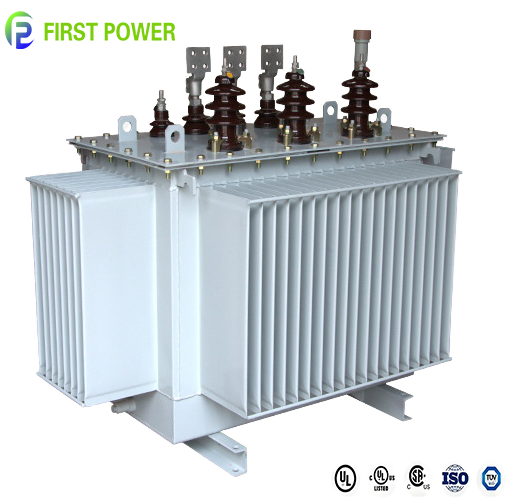
C CE 50/60HZ S11 10KV 15KV 20KV 35KV 100KVA 300KVA 500KVA 630KVA Three Phase Oil Transformer Price for Distribution System
A versatile oil-immersed three-phase distribution unit for 11 kV and 33 kV Glasgow projects where a proven S11 magnetic circuit, flexible rating range and export documentation are required.
- Primary range: 10 kV, 15 kV, 20 kV and 35 kV class
- Capacity: 100 kVA to 630 kVA in the listed series
- Typical use: mixed-use, commercial and utility distribution
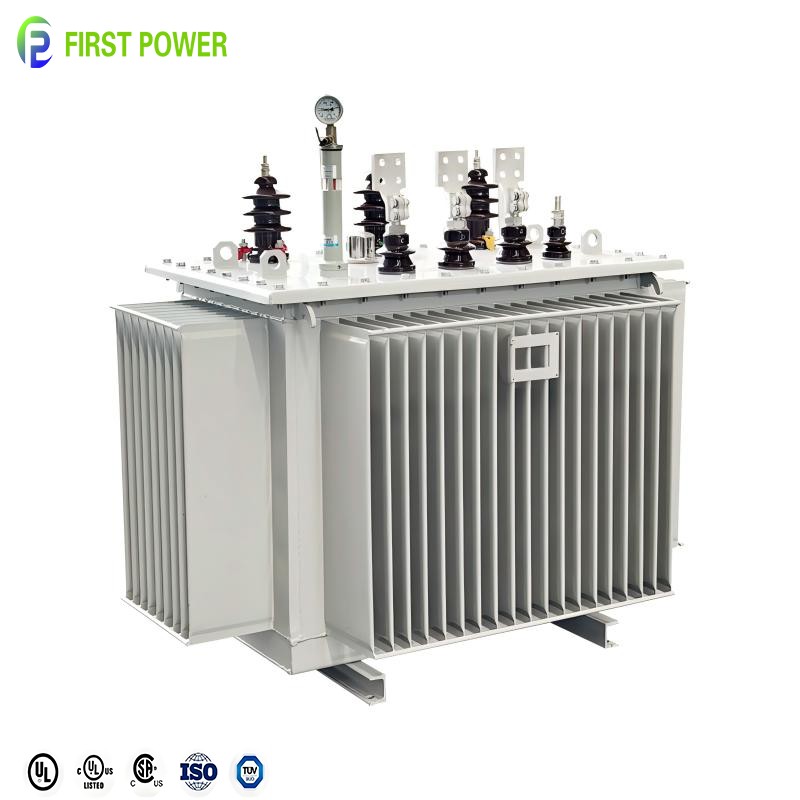
C CE 50/60HZ 100KVA 300KVA 500KVA 630KVA 1000KVA 10KV 20KV 35KV 3 Phase Oil Immersed Power Transformer for Power Supplies
A larger three-phase oil-immersed transformer for industrial power supplies, district energy schemes, plant rooms and project loads that need higher capacity and stable thermal performance.
- Capacity: 100 kVA to 1,000 kVA in the listed series
- Voltage class: 10 kV, 20 kV and 35 kV options
- Typical use: industrial plants, campus supplies and EPC projects
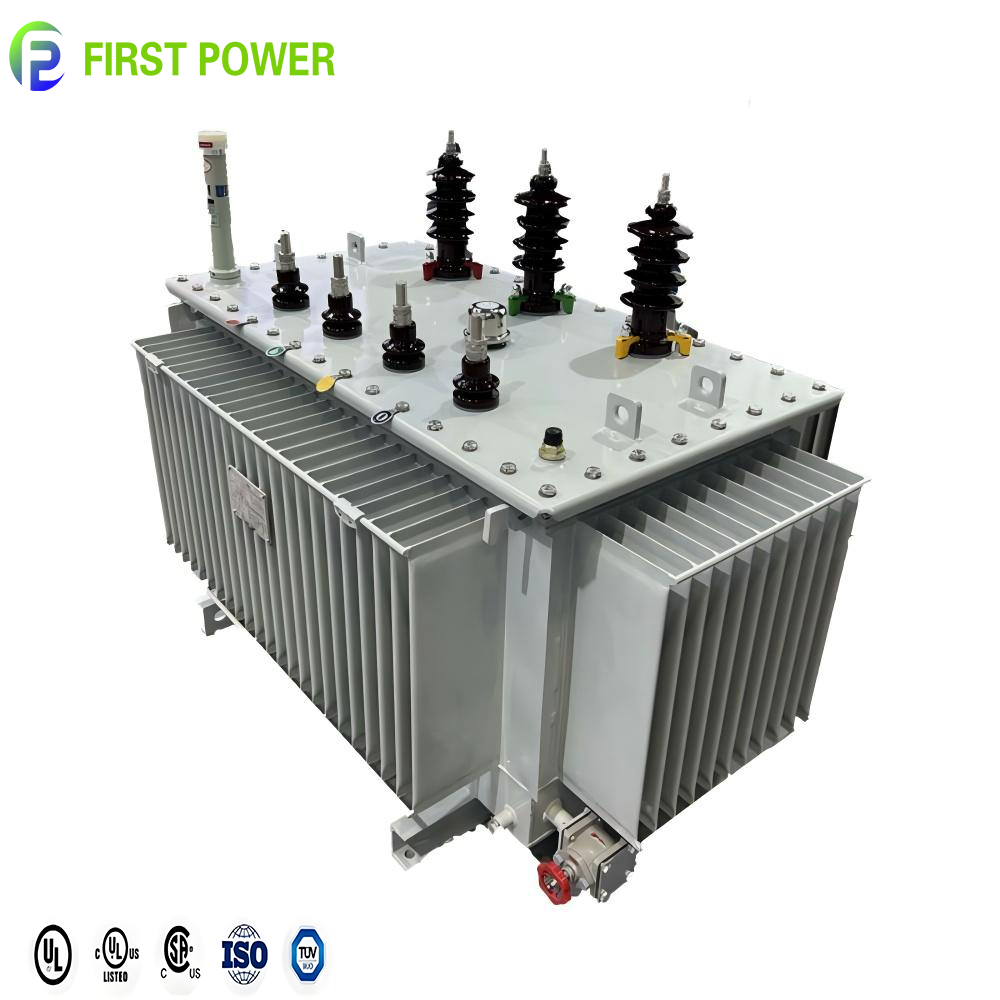
C CE 50/60HZ S11 10KV 20KV 35KV 50KVA 100KVA 200KVA 3 Phase Electrical Oil Immersed Transformer for Distribution System
A compact oil-immersed distribution transformer for lower-capacity Glasgow developments, auxiliary supplies and local distribution points where low losses and straightforward maintenance are priorities.
- Capacity: 50 kVA, 100 kVA and 200 kVA variants
- Voltage class: 10 kV, 20 kV and 35 kV options
- Typical use: small developments, auxiliary and local distribution
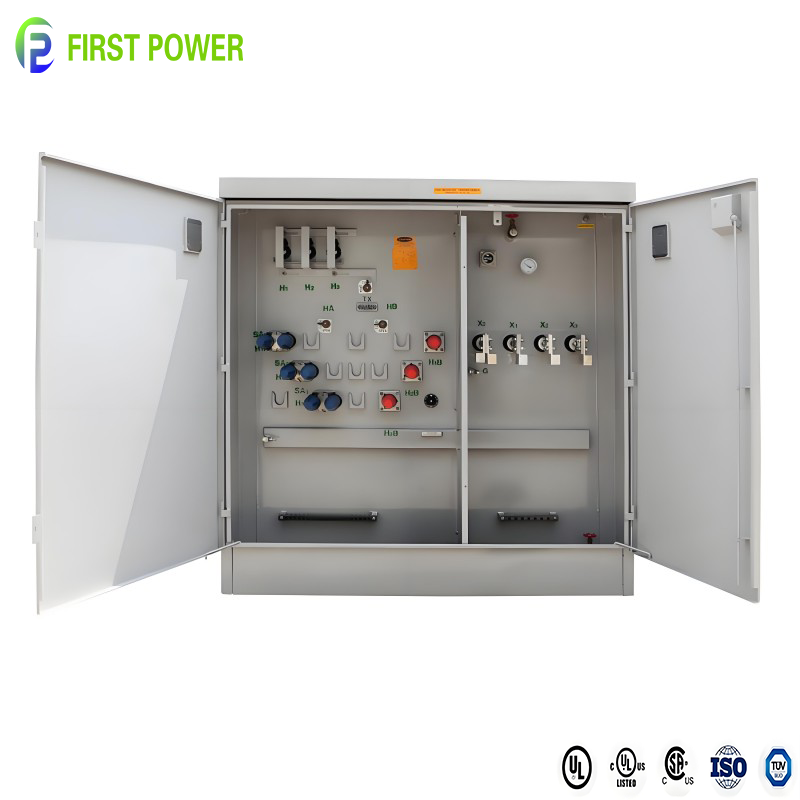
C CE MV&HV 50/60HZ 300KVA 500KVA 630KVA 700KVA 10KV 15KV 20KV 35KV 3 Phase Loop Feed Pad Mounted Transformer for Industrial
A pad-mounted, loop-feed configuration suited to underground distribution in commercial and industrial sites, where access, tamper resistance and a compact outdoor footprint matter.
- Capacity: 300 kVA to 700 kVA in the listed series
- Configuration: three-phase, loop-feed pad-mounted
- Typical use: industrial estates, campuses and commercial developments
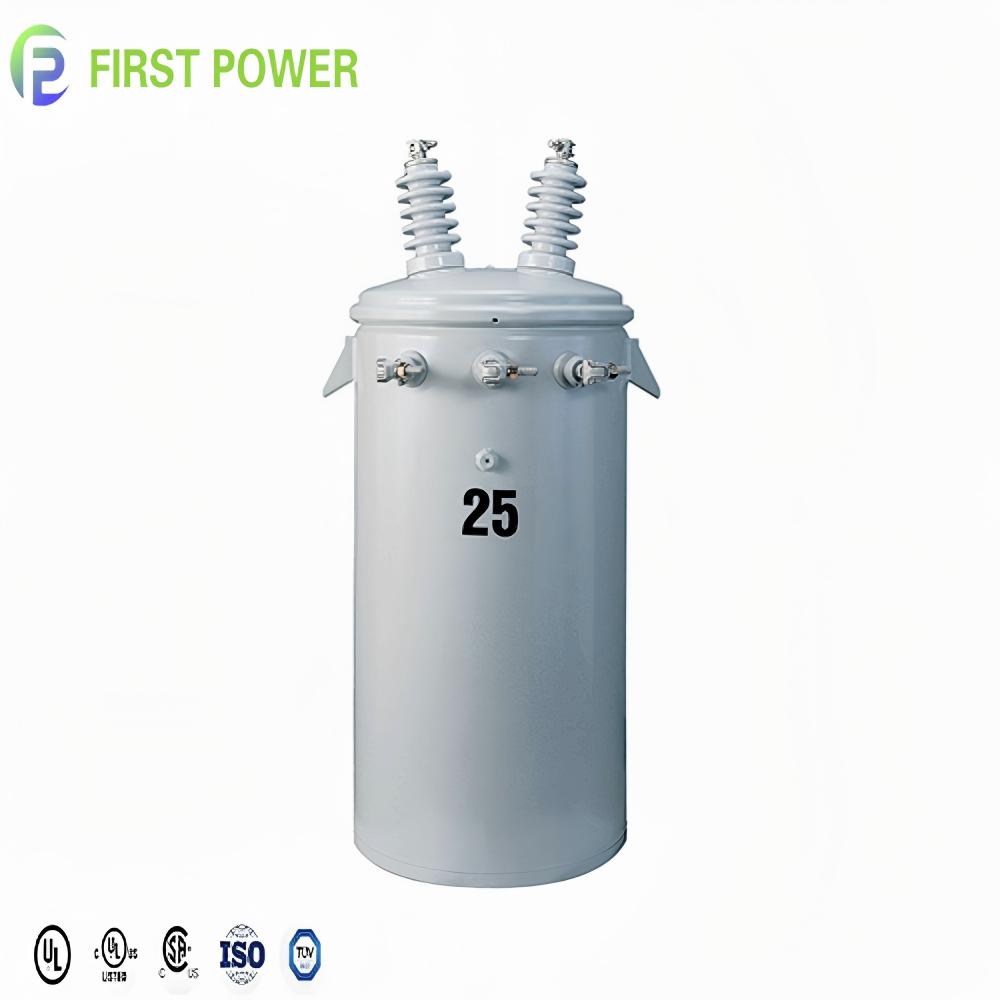
C CE Certification MV&HV 50/60HZ 6KV 10KV 20KV 35KV 25KVA Single Phase Transformer Price for Electric Power Distribution
A single-phase MV/HV transformer for specialist distribution duties, auxiliary supplies and small-scale loads where a three-phase unit is not the right technical fit.
- Capacity: 25 kVA class in the listed configuration
- Voltage class: 6 kV to 35 kV options
- Typical use: single-phase distribution and auxiliary supplies
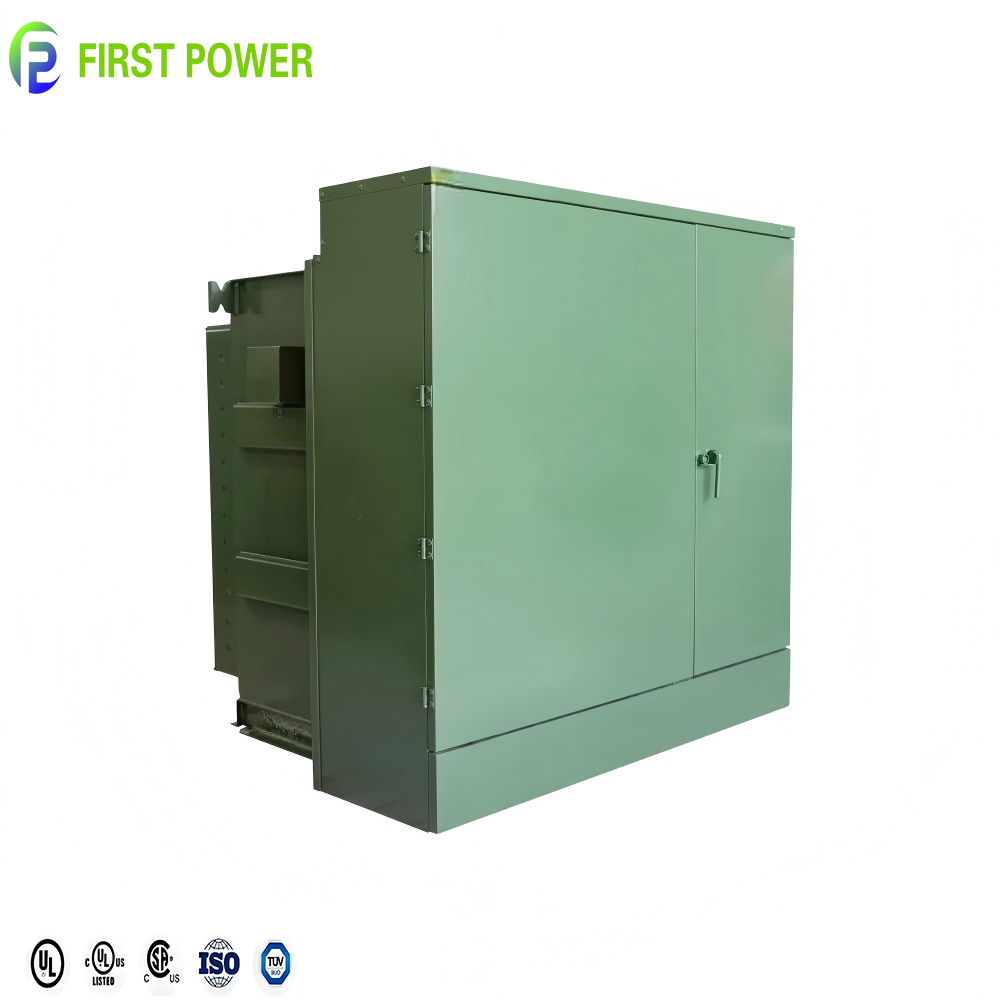
C CE MV&HV 50/60HZ 750KVA 1250KVA 1500KVA 2000KVA 2500KVA 3 Phase Pad Mounted Transformer for Industrial Power Supply
A higher-rating pad-mounted transformer for data centres, EV charging hubs, industrial power supplies and infrastructure projects that need a secure outdoor enclosure with substantial capacity.
- Capacity: 750 kVA to 2,500 kVA in the listed series
- Format: three-phase pad-mounted enclosure
- Typical use: data centres, industrial hubs and high-demand sites
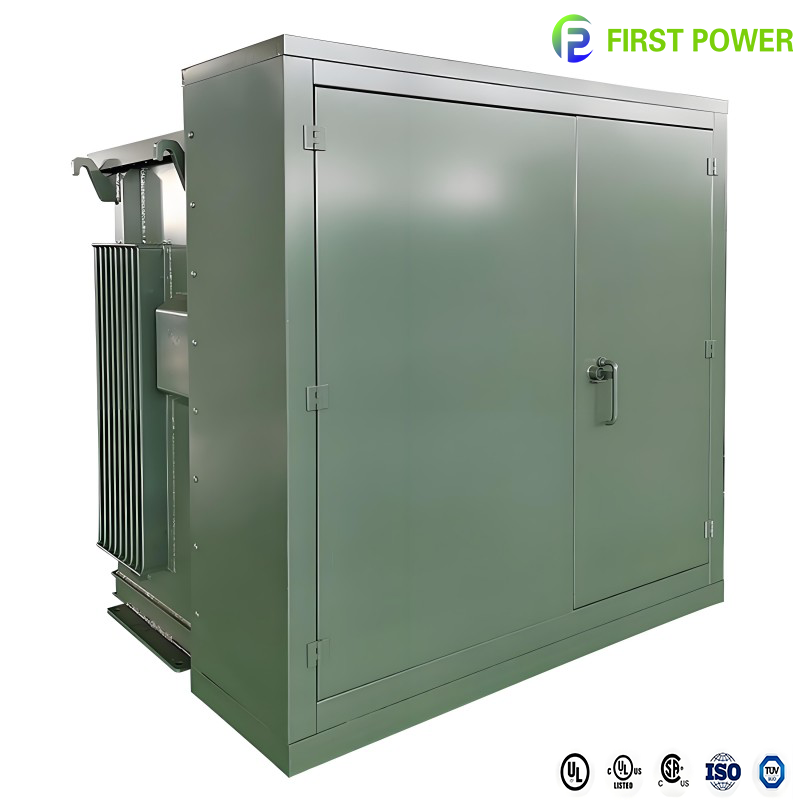
C CE MV&HV ZGS11 75-2500KVA 10KV 20KV 35KV Pad Mounted Three Phase Transformer for Electric Power Distribution
A compact pad-mounted three-phase distribution transformer for urban and commercial networks where underground cable, restricted space and visual impact influence the equipment choice.
- Capacity: 75 kVA to 2,500 kVA range
- Voltage class: 10 kV, 20 kV and 35 kV options
- Typical use: urban distribution, commercial and mixed-use sites
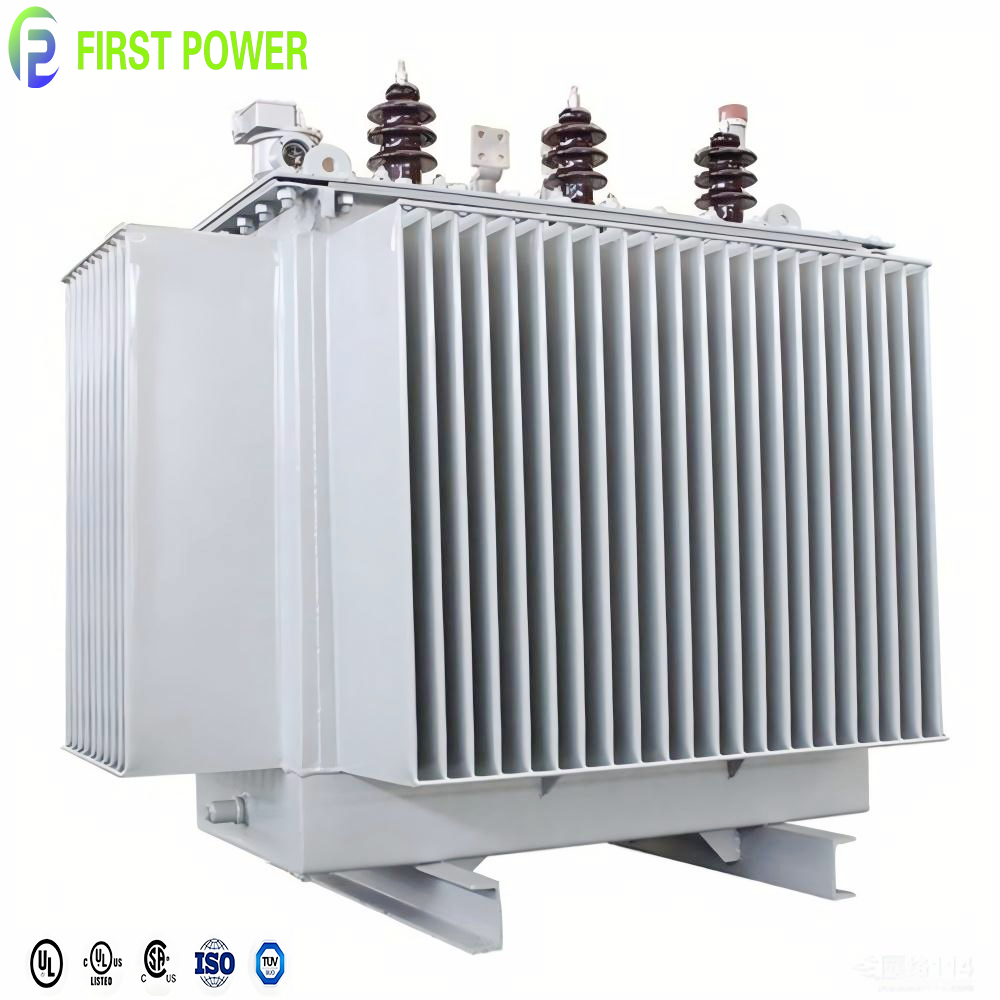
C CE MH&HV 50/60HZ 10KVA-50000KVA 10KV 15KV 20KV 35KV Three Phase S11 Oil Transformer for Electric Power Distribution
A broad S11 three-phase oil transformer family for utility distribution, industrial plant and larger project requirements where a wide capacity range and conventional oil-immersed design are appropriate.
- Capacity range: 10 kVA to 50,000 kVA class
- Voltage class: 10 kV, 15 kV, 20 kV and 35 kV options
- Typical use: utility distribution, industrial plants and project supply
Engineering and Supply Strength Behind the Glasgow Offer
The company profile information below is relevant to a Glasgow procurement team because it supports technical review, independent verification, document control and repeatable quality across export projects.
Certification and verification references include ISO 9001, ISO 14001 and ISO 45001 management systems, CE certification for relevant product lines, and production capability verified by TÜV Rheinland. Project-specific UKCA, G99 and utility documentation requirements should be confirmed during technical review.
What Makes Transformer Specification in Glasgow Different?
Glasgow projects combine UK network conventions, dense urban sites, wet maritime weather and increasingly electrified loads. These four factors should be discussed before a transformer is selected.
50 Hz, 11 kV and 33 kV Discipline
A transformer designed for a 60 Hz export market should not be inherited into a Glasgow project without a full review. The design team must confirm frequency, voltage ratio, vector group, impedance, tap range, phase displacement and protection coordination against the UK network design. A clear single-line diagram and connection offer are more valuable at enquiry stage than a generic kVA figure.
Urban Footprint and Acoustic Limits
In tenement conversions, mixed-use blocks, hotel developments and constrained commercial plots, the transformer enclosure can be as important as the winding design. Pad-mounted units reduce visible cable work and support underground distribution, while acoustic performance may need to be stated as a sound pressure level at a specific distance. Access clearances, lifting points, door swings and future maintenance space should be shown on the general arrangement drawing.
Wet, Windy and Coastal Conditions
Glasgow’s maritime climate brings wind-driven rain, high humidity and occasional flood risk near watercourses and the Clyde corridor. For outdoor equipment, review enclosure protection, anti-corrosion treatment, drain and vent details, oil containment, cable entry sealing and anti-condensation provisions. A transformer that performs well in a dry test bay still needs practical protection against long-term moisture ingress and surface corrosion.
Documentation and Grid Interface
Glasgow connections may fall within the SP Energy Networks distribution area, and the connection offer will define the technical requirements for the project. For larger or more complex connections, G99-related information, protection settings, test certificates, datasheets and O&M documentation may need to be coordinated by the connecting party and its designer. The transformer supplier should provide clear routine test reports, nameplate data and drawing packages that plug into that process.
Where Glasgow Distribution Transformers Are Used
The right transformer choice depends on the building, the cable network, the load profile and the maintenance strategy. These scenarios are common starting points for a Glasgow enquiry.
Tenement and Mixed-Use Regeneration
Converted upper floors, ground-floor retail and new residential infill often place electrical equipment close to occupied space. A compact pad-mounted or oil-immersed solution may be appropriate where fire and acoustic requirements allow, with low-loss design and careful cable routing. The specification should balance available footprint, access for delivery and noise at the nearest window.
Commercial Offices, Hotels and Student Accommodation
These developments frequently have high winter and evening peaks, future electric heating and domestic hot-water loads, and limited plant space. Specifiers should examine no-load and load losses, ventilation strategy, protection discrimination and the likelihood of future load growth. Where the equipment is indoors, the project fire strategy may steer the choice toward dry-type equipment from the wider portfolio; outdoor pad-mounted units may suit separate compounds and service areas.
Data Centres and Digital Infrastructure
Data-centre projects value repeatable documentation, high availability, disciplined factory testing and predictable loss performance. Higher-rating pad-mounted transformers in the 750 kVA to 2,500 kVA range can support campus and industrial power supply scenarios. Harmonic-rich loads and future expansion should be reviewed with the electrical designer so that impedance, thermal margin and protection are not based on an unrealistic load profile.
Heat Pump and EV Charging Hubs
Electrification of heat and transport can change a building’s load from gas-heavy and predictable to electric, winter-peaked and more dynamic. Transformer selection should consider sustained loading, cyclic load profiles, future charger expansion and harmonic content. An efficient oil-immersed distribution transformer may be suitable for an outdoor compound, while a pad-mounted unit may simplify the interface with underground cables in a car park or service yard.
Renewables and Grid Connection
Onshore wind, solar and battery projects across the wider Glasgow and central Scotland region need transformers that match the connection agreement, protection scheme and export/import profile. The transformer itself is a passive asset, but its impedance, tapping range, losses and thermal design influence the wider system studies. G99 documentation, factory test reports and clear nameplate data help the developer coordinate with the network operator and principal designer.
Transport, Healthcare and Education
Hospitals, university buildings, transport depots and public-realm projects often require transformer equipment that supports resilience and maintenance planning. Noise, fire safety, access control, spare capacity and duty/standby arrangements may drive the design. A technical review should establish whether oil-immersed equipment is acceptable on site, whether a pad-mounted enclosure is preferred, and what documentation the facilities team will need for long-term operation.
Localised Development Trends Shaping Glasgow Transformer Demand
Glasgow’s electrical demand is being reshaped by heat electrification, digital infrastructure and renewable connection. These trends affect the technical and commercial questions a transformer supplier must answer.
Electrification of Heat and Transport
Heat pumps, electric vehicle chargers and electric hot water create new peak loads and load shapes. Transformer specifications increasingly need to account for future capacity, seasonal peaks and the cost of losses rather than only present-day demand.
Data Centre and Digital Growth
Digital infrastructure and cloud services are increasing demand for resilient, well-documented electrical equipment. Higher-rating pad-mounted transformers and clear factory test records are increasingly valuable to developers and their technical advisers.
Grid-Connection Scrutiny
Connection applications are more closely examined as available network capacity tightens. Clear transformer datasheets, loss figures, impedance, tap data and test certificates help the project team respond to utility questions without delay.
Whole-Life Loss Evaluation
Procurement is moving beyond lowest capital cost. A transformer may operate for 25 to 30 years, so no-load and load losses should be evaluated over the asset life. As a simple screening example, 100 W of continuous no-load loss represents about 876 kWh per year before load-factor adjustments.
Compactness and Visual Impact
Space in Glasgow is expensive and visually sensitive. Pad-mounted and compact designs help reduce the footprint of outdoor distribution equipment, but they must still provide safe access, cable termination space and adequate cooling.
Circularity and Long-Life Planning
Asset owners increasingly ask about maintainability, oil handling, recyclability and documentation for future replacement. A transformer supplied with clear O&M information and consistent nameplate data is easier to manage over a long service life.
How to Specify a Distribution Transformer for a Glasgow Project
Use this table as an early-stage checklist. The final design should always be confirmed by the project electrical engineer and the relevant network operator requirements.
| Parameter | Why it matters in Glasgow | Recommended enquiry action |
|---|---|---|
| Frequency and voltage ratio | Confirm 50 Hz operation and the required 11 kV or 33 kV primary relationship to the low-voltage system. | Provide the single-line diagram, voltage ratio and connection point details. |
| Rated power and future load | Heat electrification, EV charging and data loads can change the design duty over time. | State present and future kVA, load profile and any cyclic duty assumptions. |
| Vector group and impedance | Affects protection, short-circuit behaviour and parallel operation with existing assets. | Confirm the required vector group, impedance tolerance and earthing arrangement. |
| Losses and efficiency | No-load and load losses create a whole-life cost over 25 to 30 years of operation. | Provide loss limits or ask for guaranteed no-load and load-loss figures for evaluation. |
| Cooling and ambient conditions | Outdoor enclosures, plant rooms and dense urban sites can have different ventilation constraints. | State installation location, ambient range, altitude and enclosure ventilation assumptions. |
| Acoustic performance | Noise at nearby windows or occupied spaces may determine whether a project is acceptable. | Specify sound pressure or sound power limits, distance and any planning condition. |
| Enclosure and corrosion protection | Glasgow’s wet, windy and occasionally coastal environment puts a premium on ingress and corrosion control. | Confirm IP rating, paint system, cable entry sealing, oil containment and anti-condensation measures. |
| Protection and switching | Fuses, ring-main units, tap changers, temperature devices and cable boxes must suit the network design. | Share the protection philosophy and any preferred equipment configuration. |
| Standards and documentation | IEC/BS EN 60076 data, CE documentation, test reports and G99 inputs may be requested by the project team. | State the applicable standard, UKCA/CE expectations and the required document language. |
| Delivery and site access | Transformer weight and dimensions affect craneage, road access and final positioning in constrained city sites. | Provide delivery location, access constraints, lifting plan and required shipping terms. |
Engineering reference: at 11 kV, a 1,000 kVA three-phase transformer corresponds to approximately 52.5 A line current; at 33 kV, the same rating corresponds to approximately 17.5 A. Final conductor, protection and transformer selection must be verified by the project designer.
Questions Glasgow Buyers Ask Before Ordering Distribution Transformers
These answers reflect common technical and commercial questions from UK-focused procurement teams. Project-specific requirements should always be confirmed in the formal technical offer.
Can you supply a transformer suitable for Glasgow’s 50 Hz, 11 kV or 33 kV network?
Yes. The product range includes three-phase oil-immersed, pad-mounted and single-phase designs with voltage classes covering 10 kV, 15 kV, 20 kV and 35 kV, which can be configured around a 50 Hz project specification. The final voltage ratio, vector group, impedance, tapping range and protection details must be confirmed from the project single-line diagram and connection requirements.
How do you handle CE, UKCA and G99 documentation?
The company holds CE certification for relevant product lines and operates ISO 9001, ISO 14001 and ISO 45001 management systems. For Glasgow projects, the buyer should confirm whether UKCA marking, G99-related evidence, utility-specific test reports or additional documentation is required. We can provide routine test reports, drawings, nameplate data and product certificates for review alongside the project’s compliance package.
Which transformer type is best for a tight urban site in Glasgow?
A pad-mounted transformer is often considered where an outdoor enclosure, underground cable interface and restricted footprint are important. Oil-immersed distribution transformers can suit compounds and industrial sites, while indoor or fire-sensitive locations may require a dry-type solution from the wider portfolio. The decision should account for fire strategy, acoustic limits, access, ventilation and network operator requirements.
What protection is needed for Glasgow weather and humidity?
For outdoor equipment, specify the required ingress protection, corrosion-resistant finish, sealed cable entries, oil containment arrangement and anti-condensation provisions where relevant. Wind-driven rain and long damp periods make practical enclosure detailing important. The final specification should match the installation location, maintenance regime and any coastal or flood-exposure considerations.
Can you reduce noise for residential or mixed-use developments?
Low-noise design and acoustic information can be reviewed as part of the technical offer. The project should state the required sound level, the measurement distance and any planning condition. Transformer noise is influenced by core design, flux density, cooling equipment and enclosure construction, so acoustic performance should be agreed together with the rating and loss targets rather than added after equipment selection.
Do you provide factory tests and third-party inspection?
Every unit is intended to receive routine factory tests such as winding resistance, voltage ratio and vector group, impedance and load loss, no-load loss and current, applied voltage and induced voltage tests, plus oil dielectric testing for liquid-filled units. Third-party witness inspection can be arranged as part of the project quality plan, and TÜV Rheinland verification of production capability is referenced in the company profile.
What information should we send for a fast, accurate quotation?
Send the rated power, primary and secondary voltage, frequency, vector group, impedance, tap range, cooling method, installation location, ambient conditions, enclosure requirements, loss limits and applicable standards. If a G99 or network-operator package is already available, include the relevant technical schedule. Drawings, nameplate language and delivery terms should also be stated where known.
What trade terms, payment methods and shipping options are available?
The company works with FOB, CFR, CIF, EXW, FCA, CIP, CPT, DDP and related Incoterms, with T/T, L/C, D/P and D/A among the payment options. Export packing is designed for sea freight and can include shock indicators and project documentation. For Glasgow deliveries, the shipping plan should consider the selected UK port, onward road transport, site access and craneage requirements.
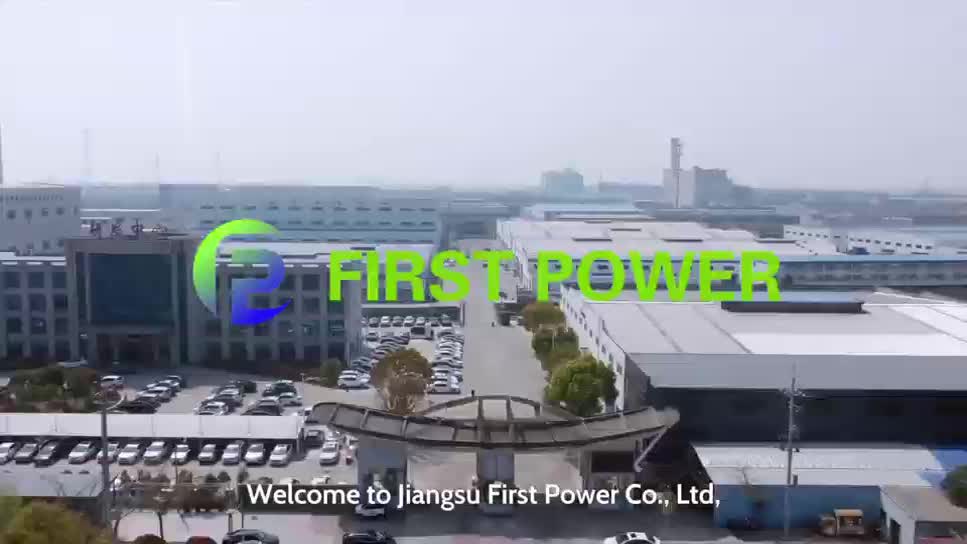
A Specialist Transformer Supplier Based in Suzhou, China
Jiangsu Wisegj Power Co., Ltd. designs, assembles and exports medium- and high-voltage electrical equipment from 220 V up to 500 kV. The product portfolio includes power transformers, distribution transformers, pad-mounted transformers, dry-type transformers, compact substations, switchgear, distribution boxes and voltage stabilisers.
The engineering team brings more than 20 years of hands-on transformer experience. Projects are reviewed by engineers before quotation, built under ISO 9001 quality control and supported with routine test reports, drawings and operating documentation. Production capability, floorspace and quality inspection have been verified onsite by TÜV Rheinland, an independent third-party inspection body.
- Own production base with industry certificates
- 50+ engineers in R&D and technical support
- Supplier to Fortune 500 companies
- 24-hour pre-sale and after-sale response target
- OEM, ODM and design-based customisation
- Finished-product inspection on every unit

Production capability, floorspace and quality inspection verified onsite by TÜV Rheinland.
What to Include in a Glasgow Transformer Enquiry
A complete enquiry reduces clarification cycles and helps the engineering team return a design that matches the site, the network and the procurement programme.
Electrical Duty
Rated power, voltage ratio, frequency, vector group, impedance, tapping range and any future load growth. Include the single-line diagram where available.
Site and Environment
Outdoor or indoor location, ambient temperature, altitude, humidity, flood exposure, acoustic limits, enclosure rating, cable entry direction and available footprint.
Compliance and Delivery
Applicable standards, CE or UKCA requirements, G99 or utility documentation requests, test witness expectations, shipping terms, destination and required delivery programme.
Request a Glasgow-Specific Transformer Review
Send your transformer specification, single-line diagram or tender schedule. The engineering team can review the voltage class, rating, losses, enclosure, documentation and delivery requirements, then respond with a project-specific technical and commercial offer.
Inquire NowGlasgow market enquiry · 11 kV / 33 kV distribution transformers · Pad-mounted and oil-immersed options · IEC 60076 range · CE-certified product lines · Export documentation support