8 Transformer Products for Mwanza Projects
The product range below reflects the transformer configurations most frequently requested for Lake Zone distribution, industrial power supply, mining load growth and commercial construction. Product images are displayed in full proportion so your technical team can compare tank, bushing and enclosure styles before requesting drawings.
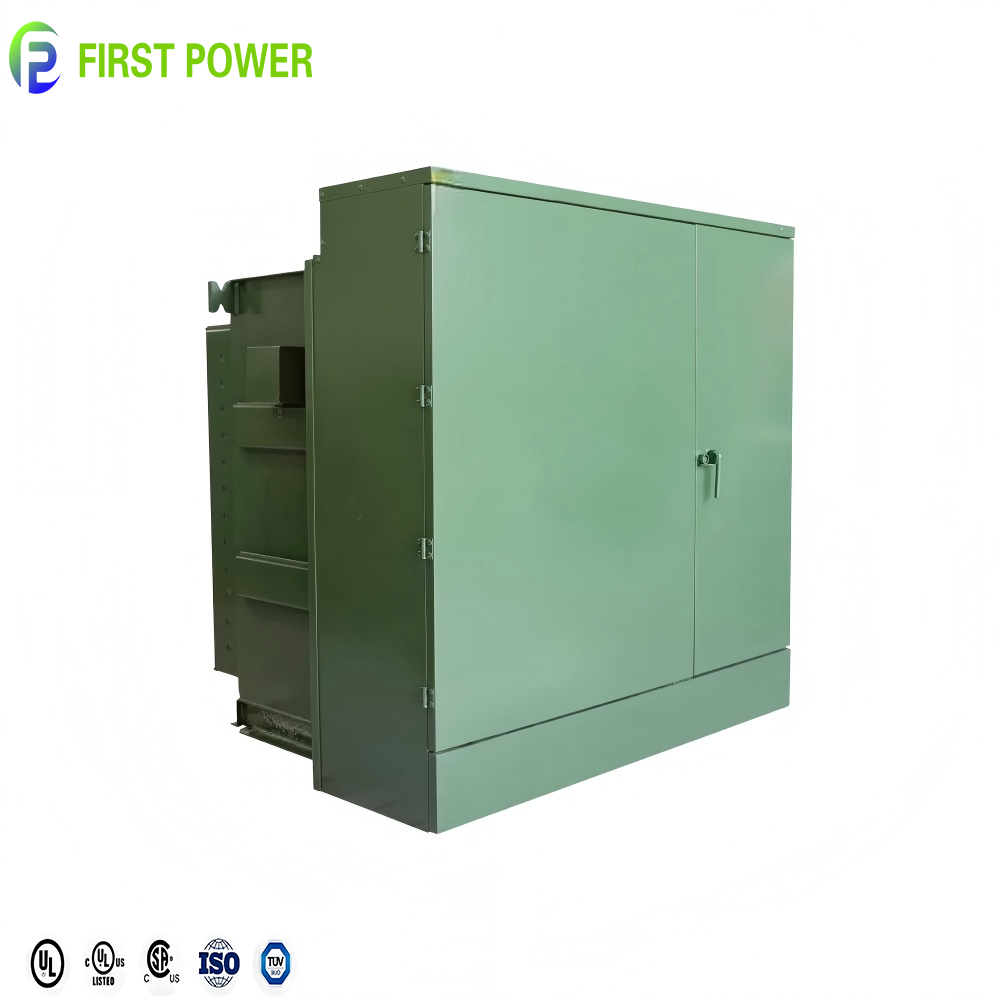
C CE 50/60Hz 10kV–35kV Three-Phase Pad Mounted Power Distribution Transformer
300 kVA, 500 kVA, 630 kVA and 750 kVA configurations for mixed-use estates, port facilities, hotels and commercial developments. Tamper-resistant design suits accessible Mwanza plots.
- 300–750 kVA
- 10–35 kV
- 50/60 Hz
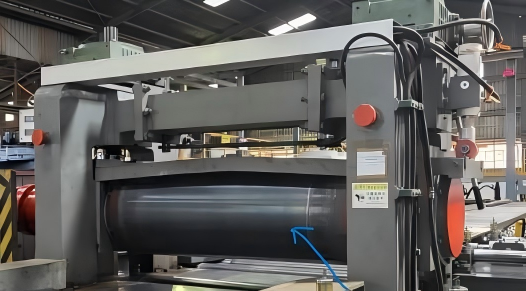
MAIN ROLLER D
Heavy-duty roller item listed through our transformer production and maintenance support catalog. Request dimensional drawings and material confirmation before ordering to verify fit with your equipment.
- Spare part
- Drawing review
- Export packing
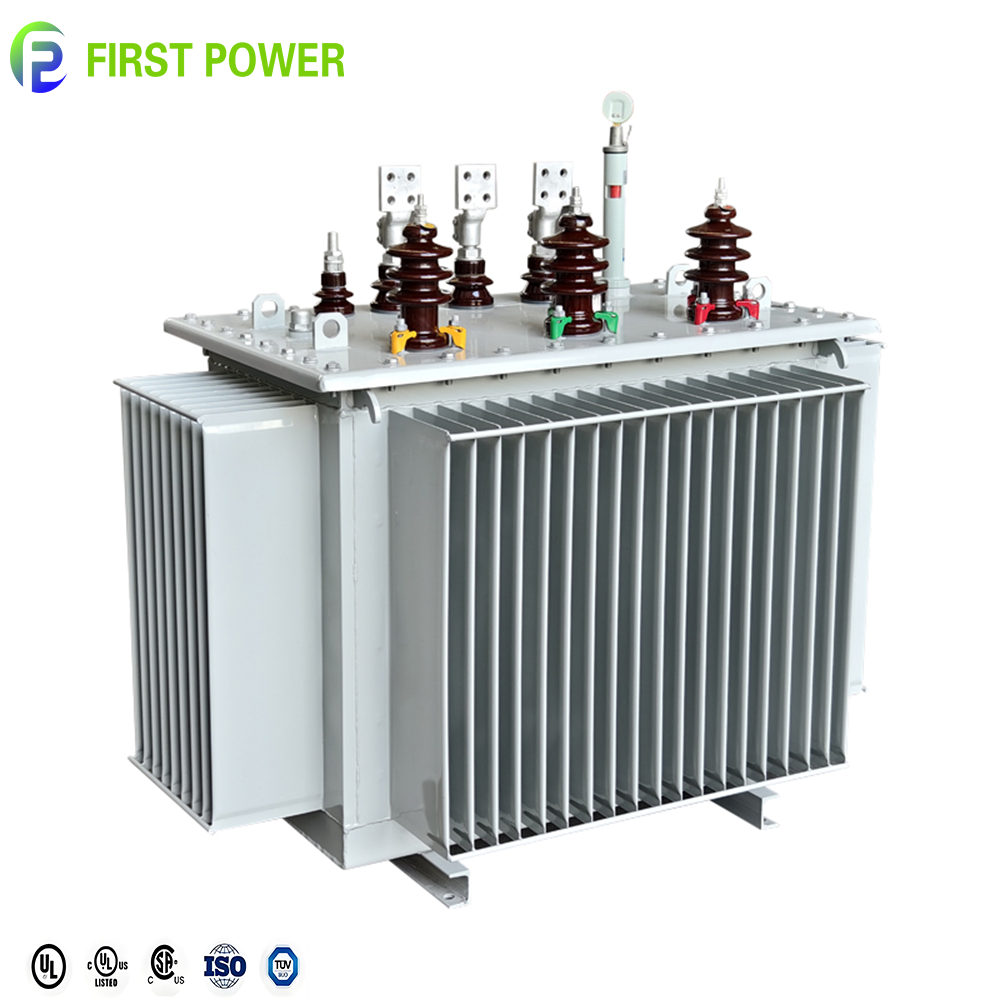
Industrial 50/60Hz Oil-Immersed Step-Up Voltage Transformer, 6–35 kV / 220 V, 100–500 kVA
Step-up oil transformer for industrial plants, captive generation and mining site distribution where source and load voltages differ.
- 100–500 kVA
- 6–35 kV
- 220 V output
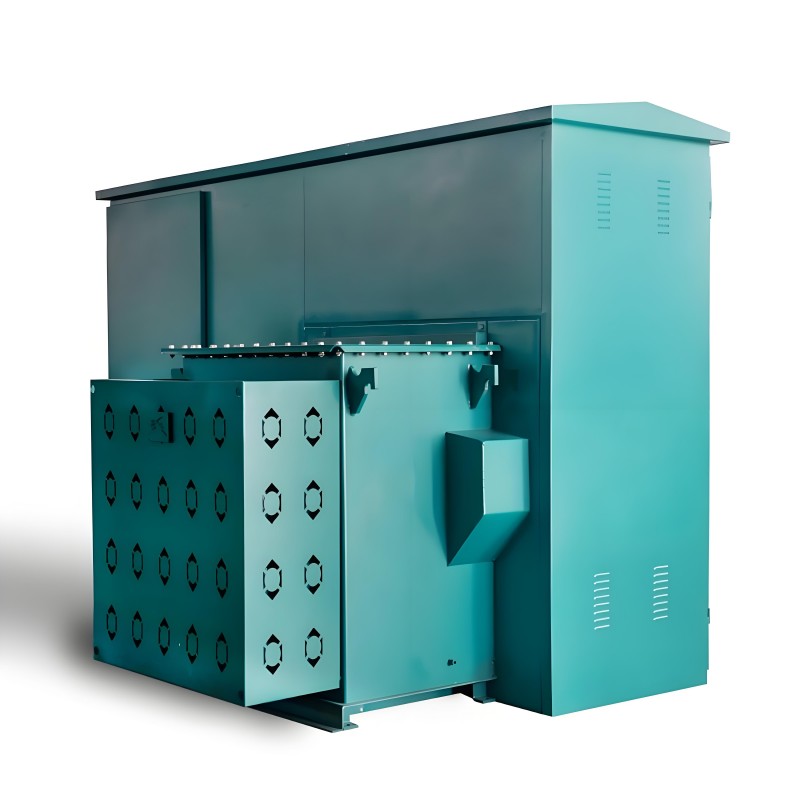
CE Certified Oil-Type Cooper 75–2500 kVA Dead-Front Pad Mounted Transformer, 6–34.5 kV
Dead-front compartment design for public-facing commercial and utility installations where operator safety and restricted access matter.
- 75–2500 kVA
- 6–34.5 kV
- Dead-front
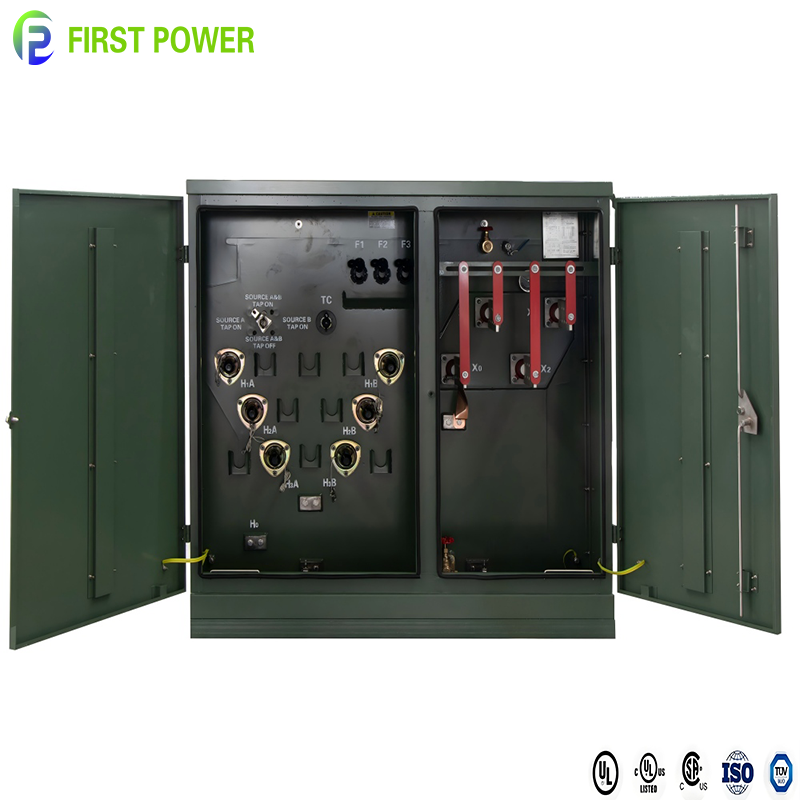
Listed C CE MV&HV 50/60Hz 6–35 kV Three-Phase Pad Mounted Transformer for Industrial Power Supply
Medium- and high-voltage pad mounted platform for industrial parks, processing plants and utility distribution nodes.
- 6–35 kV
- 3-phase
- Industrial supply
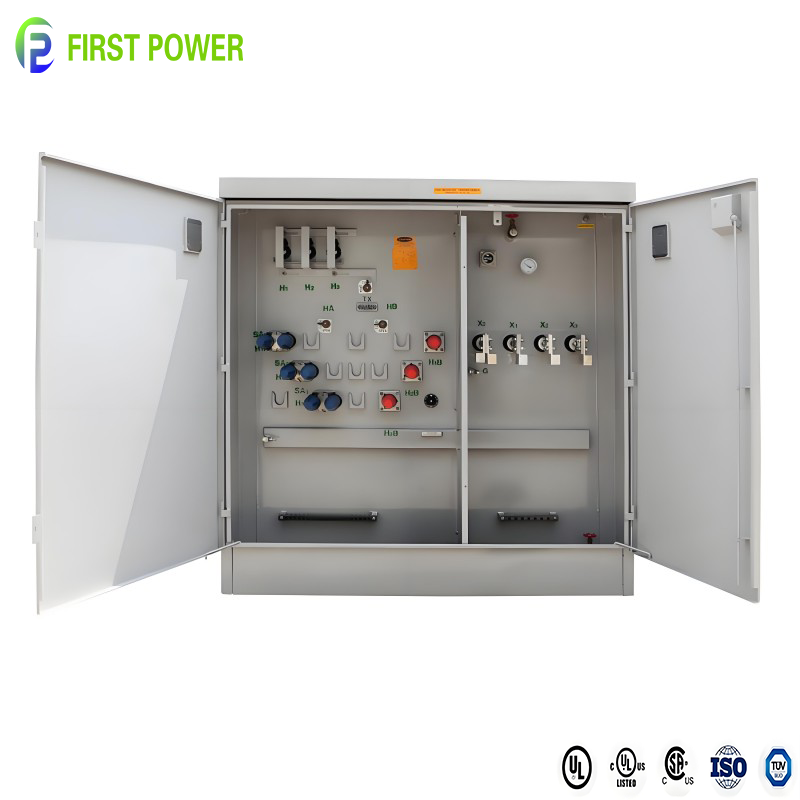
C CE MV&HV 300–700 kVA Loop Feed Pad Mounted Transformer for Industrial Use
Loop-feed configuration supports sectionalising and future expansion in commercial estates, industrial parks and utility networks.
- 300–700 kVA
- Loop feed
- 10–35 kV
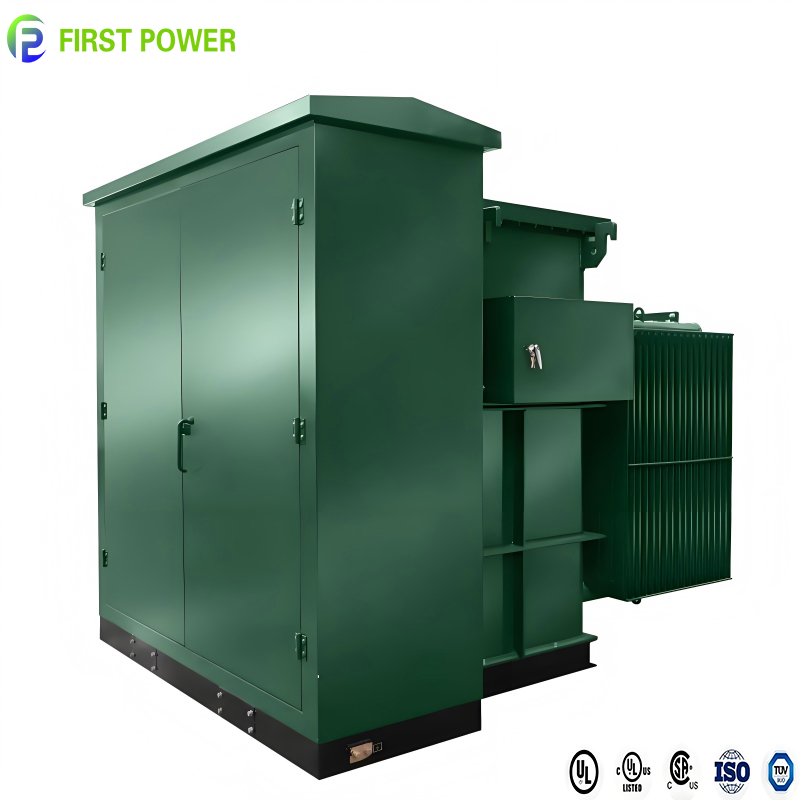
C CE 50/60Hz 6–35 kV 100–630 kVA Three-Phase Pad Mounted Pedestal Transformer
Pedestal arrangement for commercial compounds, hotels and light industrial sites requiring a compact outdoor footprint.
- 100–630 kVA
- Pedestal type
- 6–35 kV
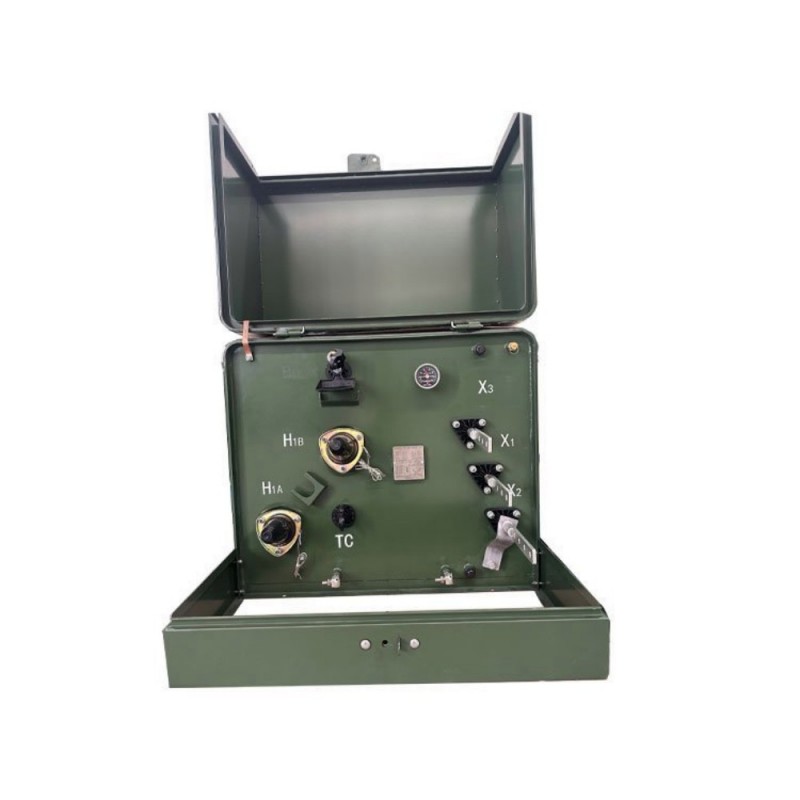
CE Certification 6–34.5 kV 50/60Hz Oil-Type Single-Phase 75 kVA Pad Mounted Transformer
Single-phase unit for residential feeders, rural electrification, small commercial loads and distributed utility networks.
- 75 kVA
- Single phase
- 6–34.5 kV
A Practical Transformer Supply Strategy for Mwanza’s Port, Industrial and Utility Loads
Mwanza is not a generic transformer market. The city combines a busy Lake Victoria port economy, fish processing, gold and mineral supply chains, fast commercial construction and a 50 Hz distribution network where humidity, dust, lightning activity and voltage quality all affect transformer selection.
For buyers in Mwanza, the most expensive transformer is rarely the one with the lowest initial price. It is the unit that arrives with the wrong vector group, unsuitable corrosion protection, incomplete test documentation or a capacity rating that cannot support future load. The correct specification starts with the point of supply, the duty cycle and the site environment, not only the kVA number on a quotation.
Jiangsu Wisegj Power Co., Ltd. supports Mwanza procurement teams as a manufacturer-backed supplier and wholesale partner for distribution transformers, pad-mounted transformers, oil-immersed transformers, dry-type transformers, power transformers and compact substations. Our engineering team reviews the technical data before quotation, confirms drawings and guaranteed losses, and supplies routine test reports with each serial number so that consultants, contractors and utility engineers can verify compliance before energisation.
For Tanzania, 50 Hz designs are essential. Projects connected to the local distribution network typically require clear information on primary voltage, secondary voltage, vector group, impedance, tap range, cooling method and protection coordination. Where a project uses 33 kV or 11 kV distribution, the transformer must be matched to the actual utility interface and the purchaser’s protection philosophy. For mining and industrial captive networks, motor-starting duty and voltage dip limits can influence the design as much as the steady-state load.
Mwanza’s climate also matters. Lake Victoria humidity, coastal-type corrosion exposure, dust during dry periods and frequent lightning activity make enclosure finish, sealing, breathing arrangements and bushing selection important. A transformer that performs well in a clean, temperature-controlled factory may need a different paint system, gasket specification and external accessory package when installed near the lake or in an exposed industrial yard.
This guide is written for procurement officers, consulting engineers, EPC contractors, facility managers and wholesalers who need a commercially sensible route to compliant equipment. It combines Wisegj’s transformer export experience with the practical questions our engineering team receives from East African buyers. Every project can be customised — from rating and impedance to enclosure colour, insulating fluid and nameplate language — but the starting point is always a clear technical brief.
What a Mwanza-ready quotation should confirm
The quotation should be traceable to a design, not just a price. Ask for these items before comparing suppliers.
- Rated power, primary and secondary voltage, frequency and vector group.
- Guaranteed no-load and load losses, impedance and tap range.
- Cooling method, insulating fluid, enclosure finish and corrosion class.
- Applicable standards, routine test plan and third-party inspection option.
- Packing method, Incoterms, shipping documents and warranty terms.
Engineering Depth Behind the Supply
Mwanza buyers need more than a catalog. They need a supplier whose production base, testing records, design team and export process can be audited before the order is placed.
Where Mwanza Buyers Use These Transformers
Transformer selection should follow the load profile. The scenarios below reflect common procurement patterns in Mwanza and the wider Lake Zone, where the same project may combine utility supply, backup generation and future expansion.
Lake Victoria Port and Logistics
Pad-mounted and compact substation designs support cargo handling, cold storage, workshops and port lighting. Corrosion-resistant finish and sealed enclosures are recommended for lakefront humidity.
Gold and Mineral Processing
Oil-immersed step-up and distribution transformers are used for crushers, mills, pumps and site distribution. Motor-starting studies, impedance selection and robust winding design help control voltage dips.
Fish Processing and Cold Chain
Ice plants, chillers and freezer rooms require stable voltage and predictable losses. Transformers from 200 kVA to 1000 kVA can be configured for continuous duty and future cold-store expansion.
Hotels, Banks and Commercial Estates
Pad-mounted and dry-type units suit hotels, retail centres, offices and mixed-use developments. Low-noise and low-loss designs improve operating cost while maintaining a compact footprint.
Water, Healthcare and Education
Water treatment plants, hospitals, laboratories and campuses often prefer dry-type transformers for indoor fire safety. Outdoor oil-immersed units remain suitable where space and ventilation allow.
Residential and Rural Electrification
Single-phase pad-mounted and pole-mounted designs serve housing subdivisions, small businesses and rural feeders. Standardised ratings help wholesalers and utilities manage spare stock.
What Is Changing in Mwanza’s Transformer Demand
The Lake Zone is becoming more demanding technically. Buyers are asking for lower losses, better corrosion protection, faster delivery and documentation that can be reviewed by consultants and utility engineers.
50 Hz Network Reinforcement
Distribution upgrades continue to require 50 Hz transformers matched to 33 kV, 11 kV and 400/230 V interfaces, with clear tap ranges and protection coordination data.
Mining and Industrial Load Growth
Expanding processing plants and support industries need step-up transformers, robust oil-immersed units and designs that tolerate motor starting, dust and high ambient temperatures.
Solar, Backup and Hybrid Power
Commercial and industrial users are combining grid supply with solar, generators or battery systems. Compact substations and dry-type transformers simplify interconnection and indoor installation.
Corrosion and Loss Awareness
Lakefront and exposed sites increasingly specify enhanced paint systems, sealed tanks, low-loss cores and complete routine test reports to reduce lifecycle cost and downtime.
Indicative Mwanza Demand Signals by Segment
Illustrative procurement signals based on typical Lake Zone enquiry patterns, not a statistical market forecast. Use them to frame specification discussions with your technical team.
How to Specify a Transformer for Mwanza: A Practical Buyer’s Checklist
A complete technical brief reduces quotation rounds, drawing revisions and shipping delays. The nine items below are the minimum information our engineers need to propose a compliant transformer design.
For TANESCO-connected projects, confirm the approved point of supply, fault level, metering arrangement and protection settings with the responsible utility office before finalising the transformer datasheet. For mining or industrial captive networks, share motor-starting data so that impedance and voltage-dip limits can be reviewed early.
Enterprise Advantages Mwanza Procurement Teams Can Audit
Our role is to reduce technical risk for the buyer. That means transparent drawings, test data, certificate numbers and a production process that can be reviewed before shipment.
Verified Factory Capacity
6,847 m² inspected production floorspace with winding, core assembly, drying, tanking and testing areas.
In-House Testing
Winding resistance, ratio, impedance, load loss, no-load loss, applied voltage, induced voltage and oil BDV records for each serial number.
Custom Design
OEM, ODM, design-based and sample-based customisation covering ratings, vector group, impedance, taps, bushings and cooling.
Export Logistics
Seaworthy packing, shock indicators and Incoterms from EXW to DDP, with shipment documents prepared for customs review.
Certified Systems
ISO 9001 No. 62824Q6052R0S, ISO 14001 No. 62824E6053R0S and ISO 45001 No. 62824S6054R0S, plus CE-certified product lines.
Stable Supply Chain
211 qualified supply-chain partners for silicon steel, copper, bushings and accessories support predictable lead times.
Complete Documentation
GA drawings, nameplate drafts, routine test reports, packing lists and O&M manuals supplied in English for project handover.
24-Hour Engineer Response
Technical questions, drawing clarifications and after-sales issues receive a qualified engineering reply within one working day.

A Transformer Supplier Built Around Engineering Review
Jiangsu Wisegj Power Co., Ltd. designs, assembles and exports medium- and high-voltage power equipment from 220 V to 500 kV. The portfolio includes pad-mounted transformers, oil-immersed distribution transformers, dry-type transformers, power transformers, compact substations, switchgear and related distribution equipment.
The engineering team brings more than 20 years of transformer experience. Projects are reviewed before quotation, produced under ISO quality control and shipped with routine test reports so procurement teams receive equipment that can be checked against their specification. We are also a supplier to Fortune 500 companies and support OEM, ODM and design-based customisation.

Production capability, floorspace and quality inspection have been verified onsite by TÜV Rheinland, an independent third-party inspection body.
For Mwanza buyers, this means you can request CE and ISO documentation, review drawings before production, arrange third-party witness testing and receive export packing suitable for the Dar es Salaam corridor and onward transport to the Lake Zone.
Mwanza Transformer Procurement: Common Questions
These are the questions our engineering and export teams most often receive from East African buyers preparing utility, industrial and commercial projects.
What transformer capacity is typical for a hotel, fish-processing plant or small industrial park in Mwanza?
Capacity depends on connected load, diversity, future expansion and motor-starting duty. As an indicative range, small commercial buildings may use 315–630 kVA, hotels and mixed-use developments often review 500–1250 kVA, and fish-processing or light industrial plants may require 630–2500 kVA. For mining and heavy processing, the design should start from a load list and motor schedule rather than a rule of thumb.
Do your transformers suit Tanzania’s 50 Hz and 33/11 kV distribution system?
Yes, subject to the project datasheet. We manufacture 50 Hz transformers and can configure primary and secondary voltages, vector groups, taps, impedance and protection accessories to match the agreed point of supply. For local utility interconnection, confirm the approved voltage, fault level and metering arrangement with the responsible utility office before ordering.
Which transformer is better for Lake Victoria humidity: pad-mounted oil-immersed or dry-type?
Outdoor pad-mounted oil-immersed transformers are common for distribution because the tank and enclosure protect the active part from dust and moisture. Dry-type transformers are preferred indoors where fire safety and oil-free operation matter. For lakefront or exposed sites, specify an appropriate enclosure finish, corrosion class, sealing arrangement and bushing protection. The installation location should be reviewed together with ventilation and access.
How can we reduce voltage dips and motor-starting problems at a mine or processing plant?
Share the motor-starting method, starting current, transformer impedance, source strength and allowable voltage dip. Our engineers can review transformer impedance, capacity, tap range and upstream protection coordination. In some projects, a larger transformer, a different impedance or a dedicated step-up/step-down arrangement is more economical than correcting the problem after commissioning.
What factory tests and documents are supplied before shipment?
Every unit receives routine tests appropriate to its design, typically including winding resistance, voltage ratio and vector group, impedance and load loss, no-load loss and current, applied voltage and induced voltage tests. Liquid-filled units also receive oil dielectric testing. Test reports are matched to the serial number. GA drawings, nameplate drafts, packing lists and O&M documents are supplied in English, and third-party witness inspection is welcome.
How are transformers shipped to Mwanza and what documents are required?
Shipments are normally arranged to Dar es Salaam under FOB, CFR, CIF or DDP terms agreed in the contract, then transported onward to Mwanza by road. We prepare export packing, shipping marks, packing lists, test reports and certificate copies. Import documentation and any required conformity assessment should be confirmed with your clearing agent and the relevant Tanzanian authority before shipment.
Can you customise a transformer for a consultant’s specification or utility requirement?
Yes. OEM, ODM, design-based and sample-based customisation is available. Typical custom items include rating, vector group, impedance, tap changer type and range, bushing configuration, cooling method, insulating fluid, enclosure colour, cable box arrangement and nameplate language. Send the tender specification, single-line diagram or existing nameplate photo and our engineers will review the datasheet before quotation.
What lead time and payment terms should a Mwanza buyer expect?
Lead time depends on rating, customisation, test requirements and current production scheduling. Many standard distribution transformer projects are quoted in the range of 25–45 days before sea freight, with custom or higher-voltage units requiring longer. We accept common Incoterms including FOB, CFR, CIF, EXW, FCA, CIP, CPT and DDP, and discuss T/T, L/C and other payment arrangements per contract.
Request a Mwanza-Ready Transformer Quotation
Send your datasheet, single-line diagram, load list or tender document. A transformer engineer will review the technical requirements, confirm the suitable product configuration and reply within one working day. For wholesale and project enquiries, please include the expected quantity, destination and required delivery window.
Useful details to include: kVA rating, primary and secondary voltage, frequency, vector group, impedance, cooling method, tap range, ambient conditions, corrosion requirements and applicable standard.
What happens after you enquire
- Engineering review of your voltage, rating and duty requirements.
- Recommended transformer type with preliminary drawing and guaranteed losses.
- Commercial quotation with Incoterms, packing and lead-time assumptions.
- Optional third-party inspection, witness testing and documentation review.