Featured Distribution & Power Transformer Lineup
Explore our certified range of dry-type, oil-immersed, and pad-mounted transformer solutions built to IEC 60076 and GOST standards for demanding operational environments.
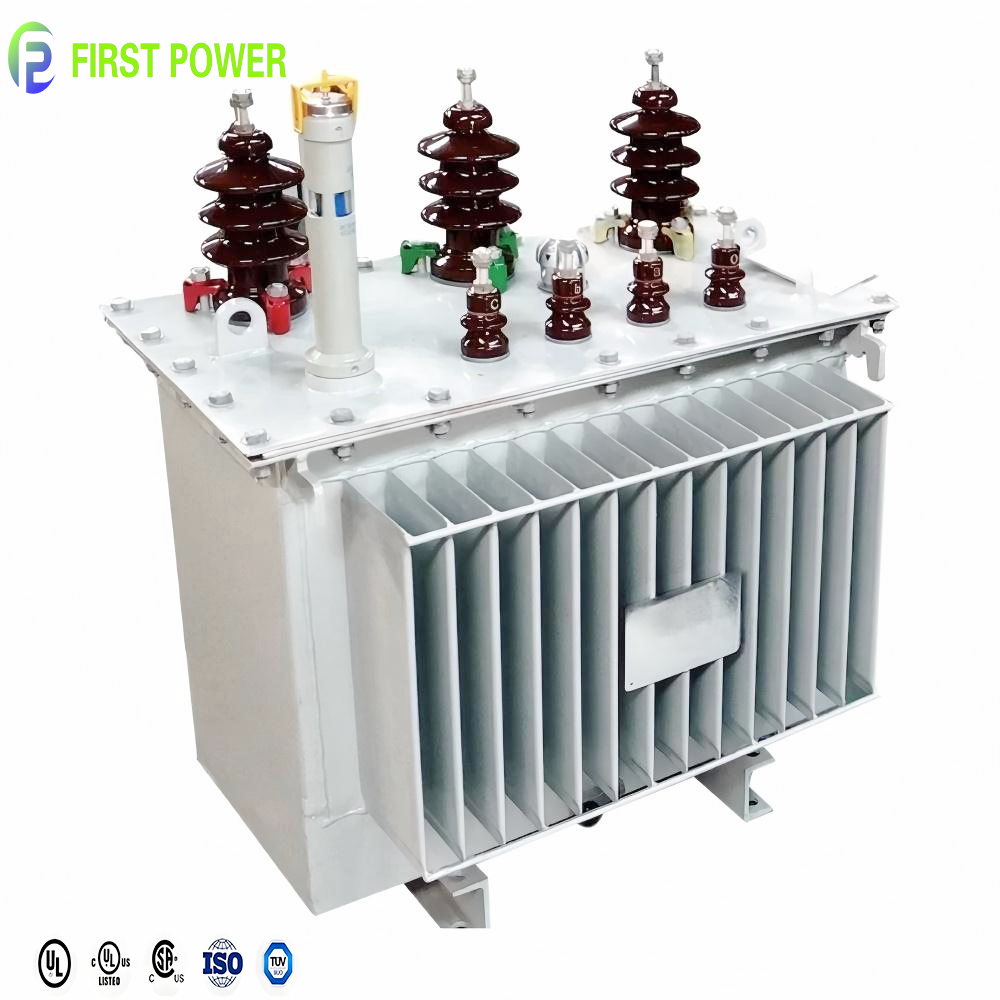
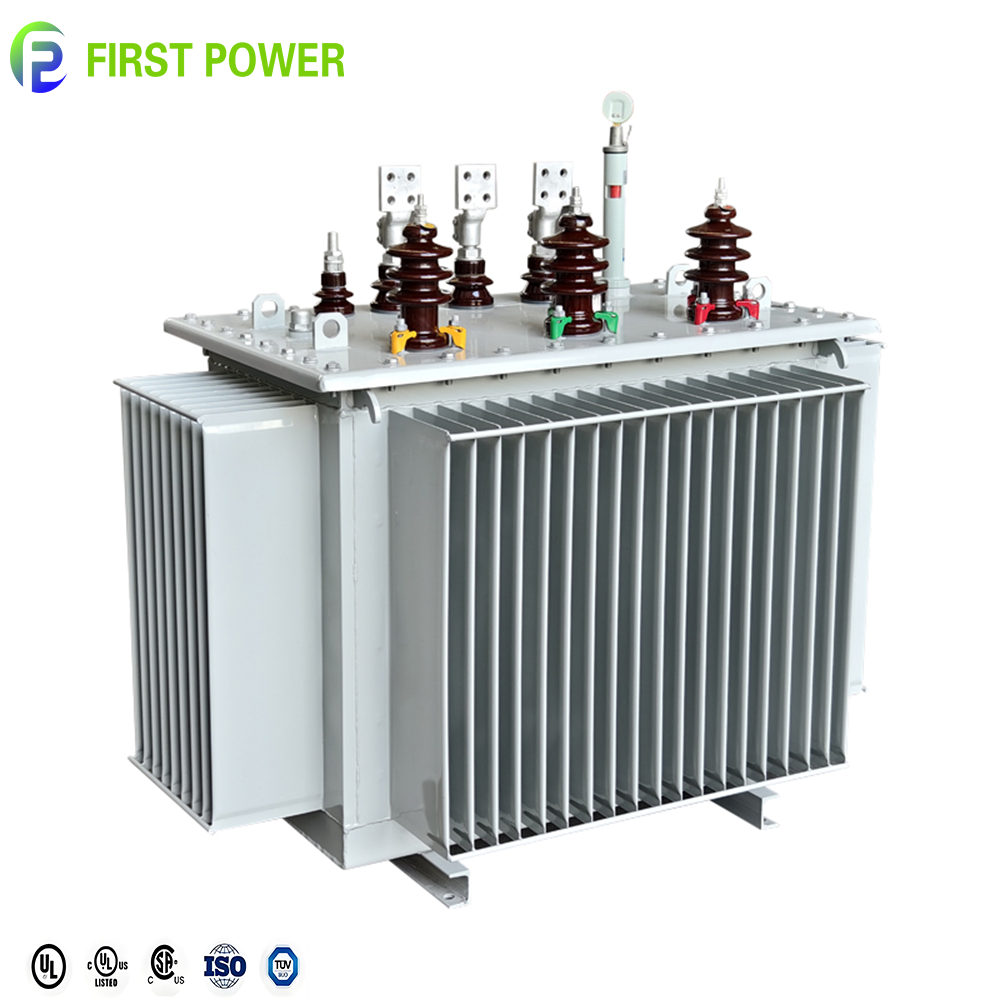
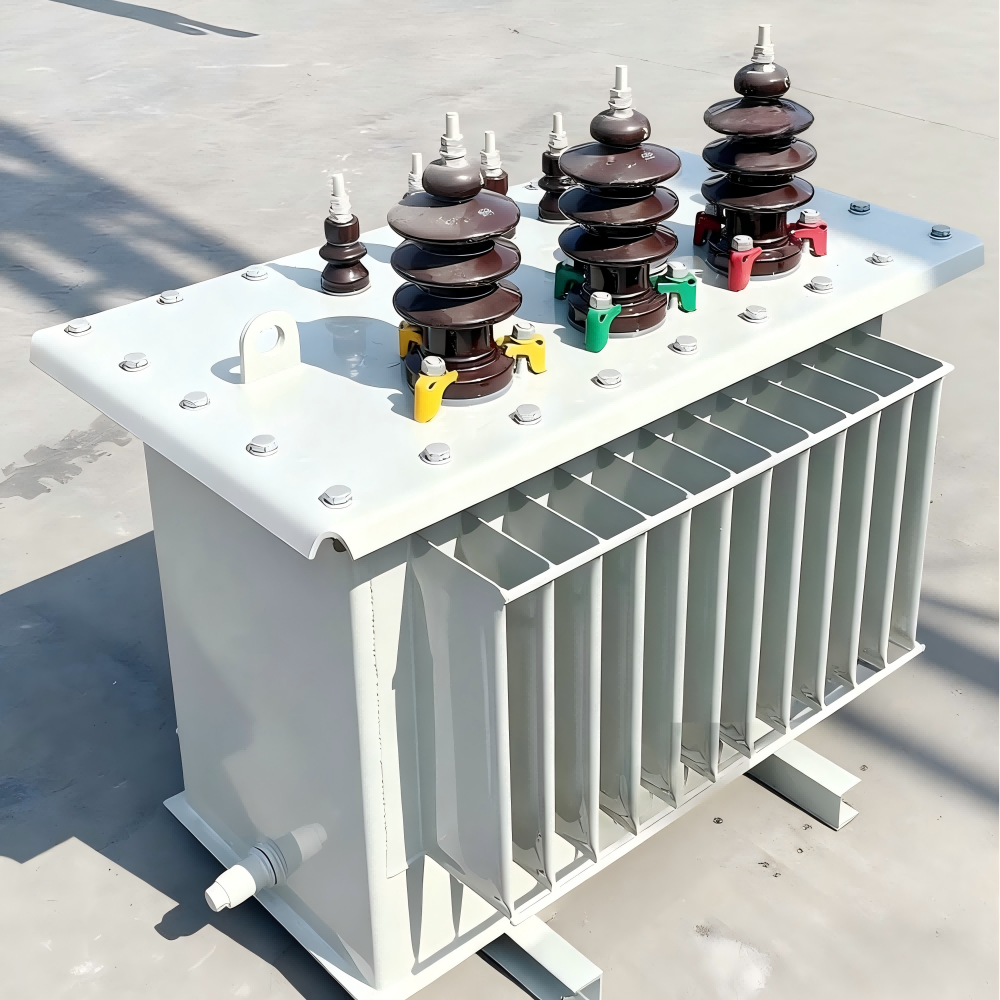
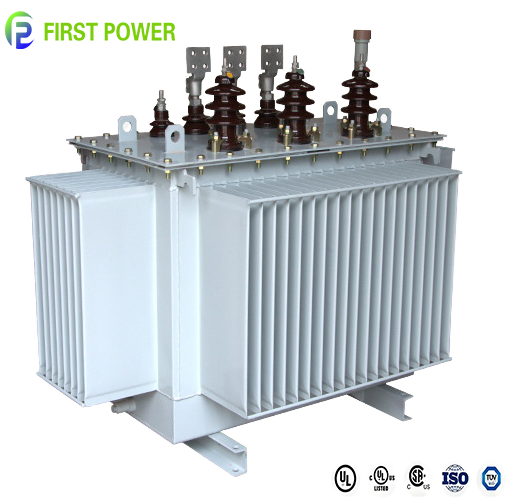
Technical Whitepaper: Dry-Type Transformer Engineering in the Minsk Regional Grid
As the economic and industrial epicenter of Belarus, the Minsk metropolitan area and its surrounding administrative districts demand uncompromising standards for electrical power distribution infrastructure. The rapid expansion of the Free Economic Zone "Minsk" (FEZ Minsk), ongoing modernization of municipal combined heat and power plants (CHPP-3 and CHPP-4), and the acceleration of heavy industrial automation require power transformation technology that combines high thermal endurance, fire safety, and zero environmental contamination risk. In this context, cast resin dry-type transformers (CRT) and vacuum pressure impregnated (VPI) transformers have emerged as the primary choice for modern indoor substations, commercial complexes, and sensitive industrial processes across the Republic of Belarus.
As a premier global manufacturer and verified exporter, Jiangsu Wisegj Power Co., Ltd. delivers custom-engineered dry-type transformer systems specifically optimized for Eastern European operational parameters. By combining rigorous adherence to IEC 60076-11 and regional EAC (Eurasian Conformity) / GOST electrical standards with advanced thermal and dielectric design, our dry-type transformers provide Minsk power engineers and procurement specialists with unmatched reliability, ultra-low partial discharge ratings (<5 pC), and exceptional short-circuit withstand performance.
Core Engineering Architecture of Wisegj Dry-Type Transformers
Dry-type transformers operate without liquid dielectric coolants, eliminating fluid leak hazards, oil sampling requirements, and costly explosion-proof containment vaults. For projects throughout the Minsk district where indoor space utilization and strict fire safety regulations govern substation building codes, our dry-type architecture offers structural and operational advantages.
Cast Resin Epoxy Encapsulation (CRT)
High-voltage windings are vacuum-cast in advanced epoxy resin enriched with silica fillers. This process renders the coils completely impervious to moisture ingress, dust accumulation, and corrosive industrial atmospheres, achieving Class F (155°C) or Class H (180°C) thermal ratings with self-extinguishing fire safety features (Class F1 fire behavior certificate).
High-Permeability CRGO Cores
Constructed using cold-rolled grain-oriented (CRGO) silicon steel laminations with 45-degree full-miter step-lap joints. This minimizes no-load core losses (Ecodesign Tier 2 alignment) and significantly reduces acoustic operational noise levels—crucial for installation inside residential high-rises and hospitals in central Minsk.
Robust Short-Circuit Mechanical Endurance
Low-voltage coils utilize continuous foil or copper sheet winding technology to eliminate axial mechanical stress forces during sudden external short-circuits. Pre-stressed glass-fiber axial bracing ensures mechanical integrity under extreme grid surge conditions across Belarusian 10 kV and 35 kV medium-voltage networks.
Technical Note for Belarusian Engineers: All Wisegj dry-type units delivered to the Minsk region undergo comprehensive routine testing according to IEC 60076-11, including power frequency voltage withstand, induced overvoltage testing, winding resistance measurements, load loss/impedance verification, and strict partial discharge measurements ensuring levels stay well below 5 to 10 picocoulombs (pC).
Localized Application Scenarios in the Minsk Market
The geographic climate of Belarus—characterized by continental winter freeze conditions down to -30°C and warm summer peaks—along with specific regional grid dynamics require tailored technical configurations. Wisegj dry-type transformers are actively engineered for key localized deployment scenarios across Minsk:
1. Free Economic Zone "Minsk" (FEZ Minsk) & High-Tech Parks
Industrial manufacturing plants operating within FEZ Minsk (including automotive components, precision machinery, and electronics manufacturing) require stable, continuous power with minimal harmonic distortion. Our dry-type transformers can be supplied with custom vector groups (e.g., Dyn11, Yyn0, Dyn1) and thermal monitoring systems (PT100 temperature sensors embedded directly into low-voltage windings linked to RS485 Modbus digital interfaces) for integration into automated SCADA plant management systems.
2. Municipal Infrastructure & Minsk Underground Metro Expansion
Safety in underground transport systems and public buildings is non-negotiable. Oil-filled transformers are prohibited in subterranean traction substations due to smoke and flammability risks. Wisegj Cast Resin Dry-Type Transformers meet Environmental Class E2 (heavy condensation and humidity endurance), Climatic Class C2 (operation and transport down to -25°C / -40°C), and Fire Behavior Class F1 (self-extinguishing without toxic gas emission), making them ideal for the Minsk Metro network and underground utility facilities.
3. Commercial Complex Modernization & Urban Infill Projects
Projects like Minsk World and city-center commercial redevelopment schemes demand compact transformer footprints with integrated protective enclosures (IP20 indoor or IP23 drip-proof). The high power density of our dry-type design allows installation close to load centers, reducing low-voltage cable run distances, copper line losses, and building structural load stress.
4. Renewable Integration & Combined Heat and Power (CHPP) Plants
In power station auxiliary circuits and local solar/biomass generation facilities throughout the Minsk Oblast, transformers endure severe voltage spikes and non-linear harmonic loads. Wisegj VPI dry-type transformers are built with enhanced K-factor ratings (K-4, K-13, K-20) to dissipate harmonic losses without overheating core or winding insulation systems.
Engineering Comparison: Dry-Type vs. Oil-Immersed in Eastern European Climates
Selecting the optimal transformer topology requires balancing initial capital expenditure against long-term maintenance, building safety codes, and environmental compliance. The table below outlines key operational parameters for Minsk energy planners:
| Performance Parameter | Wisegj Cast Resin Dry-Type | Conventional Oil-Immersed | Minsk Market Impact & Advantage |
|---|---|---|---|
| Fire Safety Rating | Class F1 (Self-extinguishing, zero oil hazard) | Requires fire walls, oil pits & deluge systems | Eliminates civil engineering costs for indoor urban substations in Minsk. |
| Cold Weather Tolerance | Climatic Class C2 (-25°C to -40°C start-up) | Risk of oil viscosity increase & sluggish circulation | Ensures reliable cold-start capability during harsh Belarusian winters. |
| Maintenance Requirement | Near zero (Periodic visual & dust cleaning) | Frequent oil DGA, BDV testing & gasket replacing | Reduces total cost of ownership (TCO) and operational downtime. |
| Environmental Risk | Zero fluid contamination (Class E2/E3 certified) | Potential soil & groundwater contamination risk | Protects water tables around Minsk urban and agricultural zones. |
| Overload Capacity | Up to +40% with forced air (AF) fan cooling | Limited short-term surge cooling response | Handles peak heating loads during Minsk winter temperature drops. |
Localized Market Trends and Strategic Growth Drivers in Belarus
The energy sector in Belarus is undergoing a structured transition towards digitalization, grid decarbonization, and enhanced operational safety. Key market drivers reshaping transformer procurement in Minsk include:
EAEU Technical Regulations & Standards Standardization
Compliance with Eurasian Economic Union technical directives (TR CU 004/2011, TR CU 020/2011) mandates strict electrical safety, EMC compatibility, and energy performance metrics for imported equipment.
Electrification of Municipal Heating & Mobility
The adoption of electric buses in Minsk and conversion of regional heating infrastructure to high-efficiency electric boiler systems require distribution transformers with robust thermal cycle tolerance.
Ecodesign & Low-Loss Optimization
Substation developers in Minsk prioritize equipment with low no-load and load loss parameters to meet state energy efficiency mandates, significantly reducing baseline utility operational expenditures.
SCADA & Smart Grid Readiness
Modern Minsk substations require transformers fitted with digital sensors, temperature control units, and automated trip alarms ready for instant plug-and-play connection to remote central monitoring hubs.
Frequently Asked Questions by Procurement Teams in Minsk
Here are targeted answers to the top engineering, regulatory, and logistics queries raised by Belarusian buyers and EPC contractors:
Which technical certifications do Wisegj dry-type transformers hold for installation in Belarus?
How do your dry-type transformers withstand the severe winter climate of Minsk?
What are the primary primary voltage ratings and tap ranges available for Belarusian distribution systems?
What enclosure protection degrees (IP ratings) can be specified?
What is the typical shipping lead time and logistics route from China to Minsk?
Can Wisegj provide customized engineering drawings and factory witness testing?
Why Partner with Jiangsu Wisegj Power Co., Ltd.
Choosing the right transformer manufacturer is a critical long-term decision for utility directors, plant managers, and EPC project leaders. Jiangsu Wisegj Power Co., Ltd. combines modern manufacturing infrastructure with deep technical expertise to deliver high-performance electrical solutions across international markets.
TÜV Rheinland Verified Production Facility
Our 6,847 m² modern production base, assembly workshops, and testing laboratories undergo independent onsite audit verification by TÜV Rheinland, confirming world-class quality controls.
Over 20 Years of Power Engineering Expertise
Supported by a dedicated team of over 50 technical and R&D engineers, we bring decades of hands-on experience in high-voltage transformer design, harmonic mitigation, and grid stability.
Comprehensive International Certifications
Our complete certification matrix includes CE marks for oil-immersed power transformers (3N230310.JYTU038), dry-type transformers (FQC2530404), compact substations (M.2025.206.C121884), and switchgear systems.
24-Hour Fast Technical Response & Quotation
We provide rapid engineering review of project single-line diagrams (SLD) and datasheets, issuing compliant commercial bids and technical guarantees within 24 hours.
Ready to Power Your Minsk Project with High-Performance Dry-Type Transformers?
Connect directly with our engineering team to receive custom transformer specifications, GOST compliance assistance, and competitive direct-from-factory quotations tailored to your exact grid requirements.