Why Daejeon Is a Specialist Market for S11 Oil Immersed Transformers
Daejeon is not a generic “one transformer fits all” destination. The city combines the research density of Daedeok Innopolis, the load growth of data-center and technology campuses, mature commercial districts, hospital and university infrastructure, and a KEPCO distribution culture built around 60 Hz, 22.9 kV primary distribution and 380/220 V secondary service. For procurement teams, the search phrase “custom OEM S11 three phase oil immersed transformer factories & wholesalers serving the Daejeon market” usually hides four different buying intents: a direct factory quotation, a wholesale partner who can consolidate mixed ratings, a retrofit supplier who can match existing Korean documentation, or an EPC source that needs guaranteed losses and test reports before KEPCO interconnection review.
This guide is written to answer those intents without sales-only language. It separates what an OEM factory can control—magnetic design, winding, insulation, tank, loss guarantees, noise, testing and export packing—from what the local project authority controls, such as final KEPCO interconnection approval, site permits and installer acceptance. That distinction matters in Daejeon because imported equipment must be technically clear before it arrives inland from Busan or Incheon, not after it is already on a foundation.
Wisegj is a China-based OEM transformer manufacturer and exporter, not a local Daejeon stockist. For Daejeon buyers, the practical model is direct factory supply supported by wholesale and EPC partners, with bilingual technical documents, pre-shipment testing, and DDP or CIF options that reduce coordination risk. If your requirement is a single S11 trial unit or a repeat wholesale schedule of 100–1,000 kVA oil immersed transformers, the same engineering review should begin with the grid parameters—not with a catalog price.
The most valuable information gain for Daejeon buyers is not another list of kVA ratings. It is the ability to compare a 60 Hz S11 design against Korean loss-evaluation practice, to confirm whether a pad-mounted or conventional tank is more suitable for the site, and to receive a test and documentation package that an EPC, consultant and facility owner can review without rework. That is how a factory quotation becomes a procurement decision rather than a price email.
Share your 60 Hz rating, vector group, loss target and delivery mode. Our engineers will review the specification before quotation.
Eight Product Paths for Daejeon OEM and Wholesale Procurement
Each product line below can be configured for Korean 60 Hz operation, project-specific losses, documentation and delivery terms. Product URLs are preserved exactly as supplied.
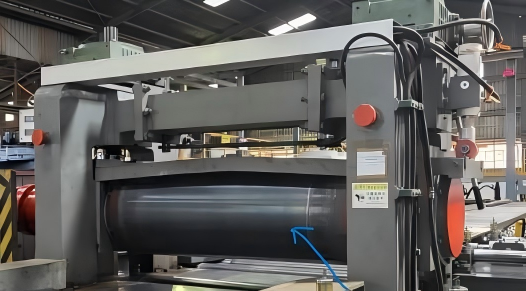
MAIN ROLLER D
A workshop and production accessory for transformer handling, positioning and service logistics. For Daejeon OEM buyers building a complete S11 procurement program, this item can be quoted with transformer units or as a standalone wholesale line.
- Best for: Workshop handling, jigs and service bays
- Daejeon note: Combine with S11 shipment to reduce freight cost
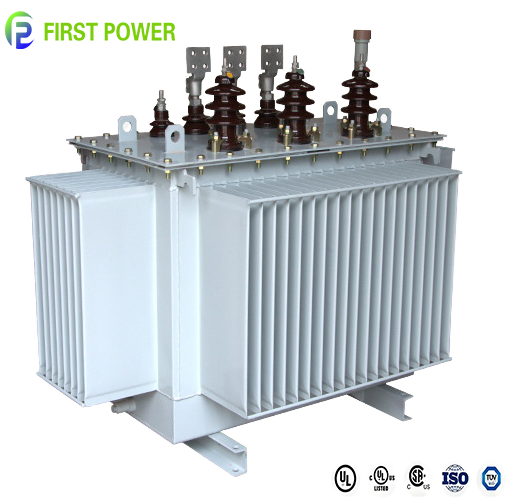
S11 10–35 kV Three Phase Oil Transformer, 100–630 kVA
A core S11 distribution platform for 60 Hz commercial and industrial step-down. Specify 22.9 kV primary, 380/220 V secondary, Dyn11 vector group, off-circuit taps, low-loss CRGO core and a loss guarantee that reflects total owning cost.
- Best for: Commercial buildings, industrial feeders, campus distribution
- Daejeon note: Request 60 Hz no-load and load-loss values
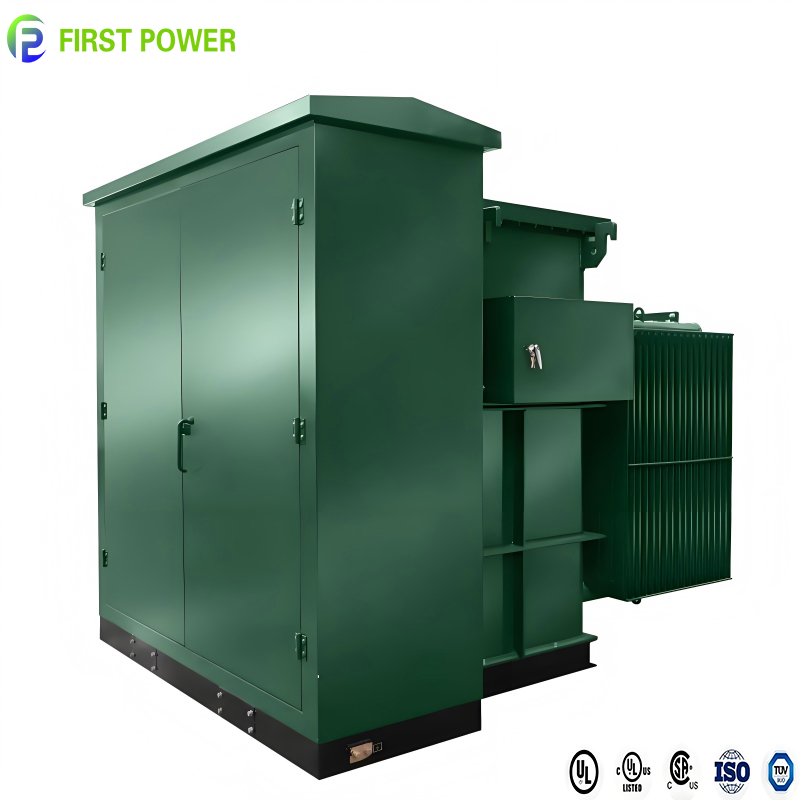
Pad Mounted Pedestal Transformer, 6–35 kV
Designed for industrial estates, logistics facilities and campus distribution where cable-fed equipment should be protected from public access. Loop or radial feed, tamper-resistant enclosure and low-noise options suit urban Daejeon sites.
- Best for: Underground distribution, industrial parks, commercial blocks
- Daejeon note: Confirm enclosure footprint and cable termination space
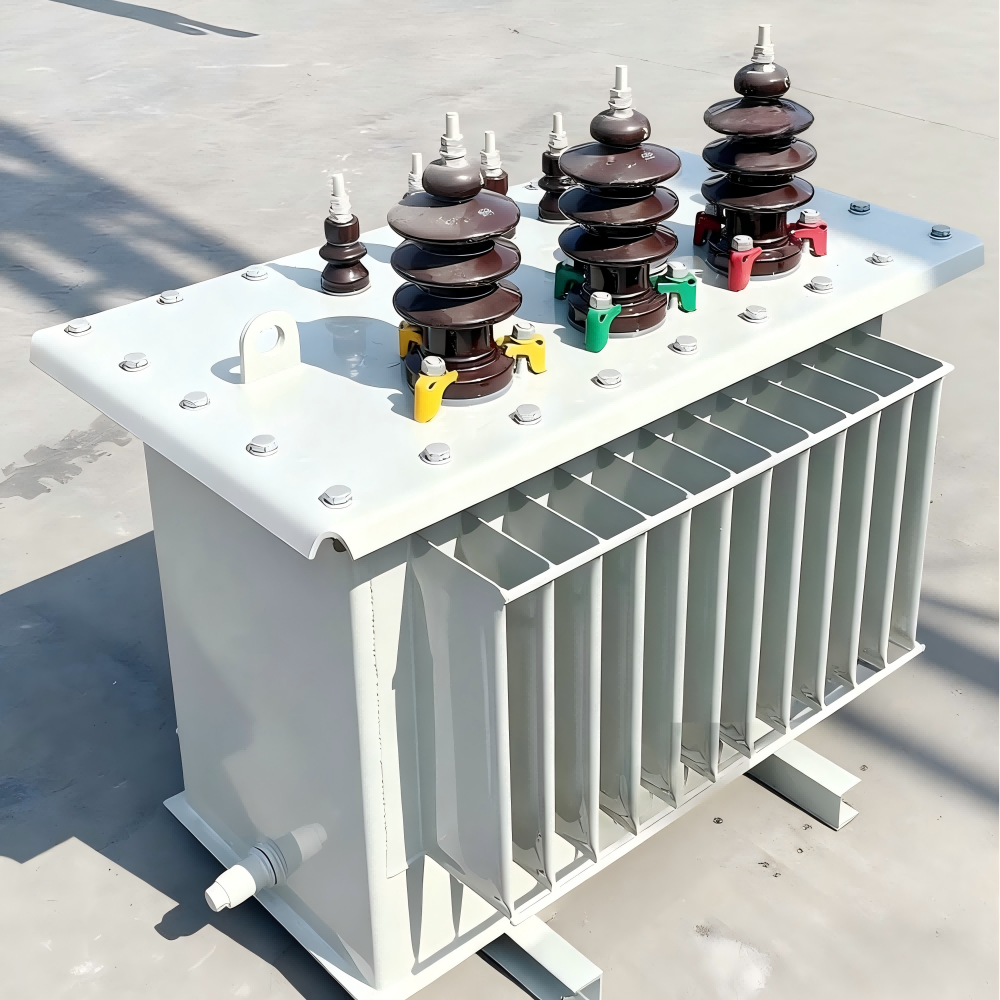
MV & HV S11 Three Phase Oil Transformer, 30–31,500 kVA
A larger platform for utility and EPC substation loads. Daejeon large-campus, district energy or industrial projects should confirm impedance, cooling, tap range, temperature rise and transport limits before order.
- Best for: Substation projects, large plants, grid interconnection
- Daejeon note: Early review of seismic anchoring and transport route
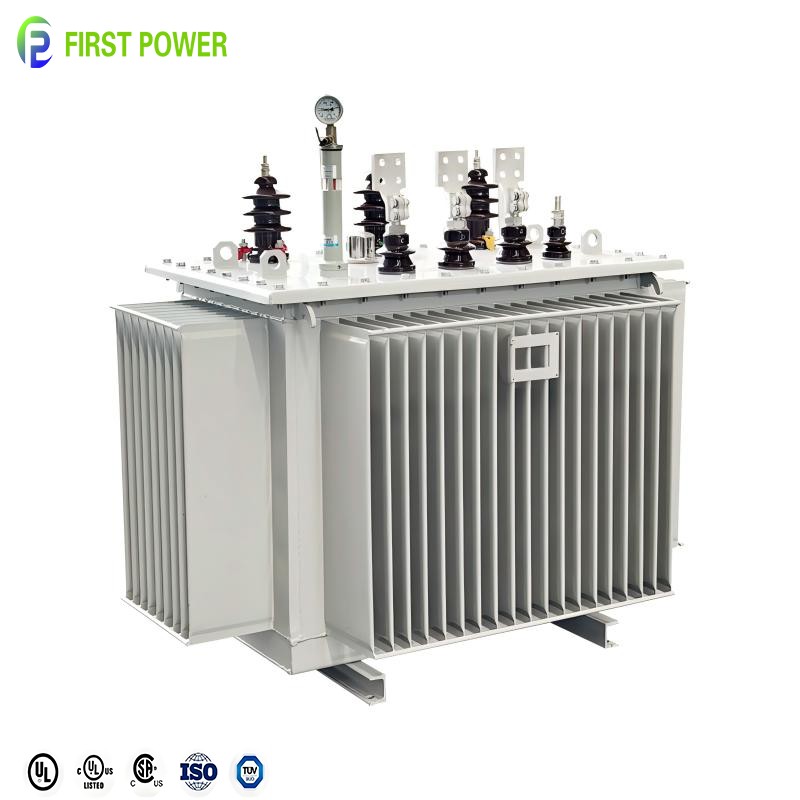
3 Phase Oil Immersed Power Transformer, 100–1,000 kVA
For manufacturing lines, EV charging hubs and power-supply packages requiring robust short-circuit withstand and clear thermal margins. Enclosure finish, noise and corrosion protection should be specified for the exact Daejeon site.
- Best for: Factories, charging infrastructure, power supplies
- Daejeon note: Provide ambient temperature and duty cycle
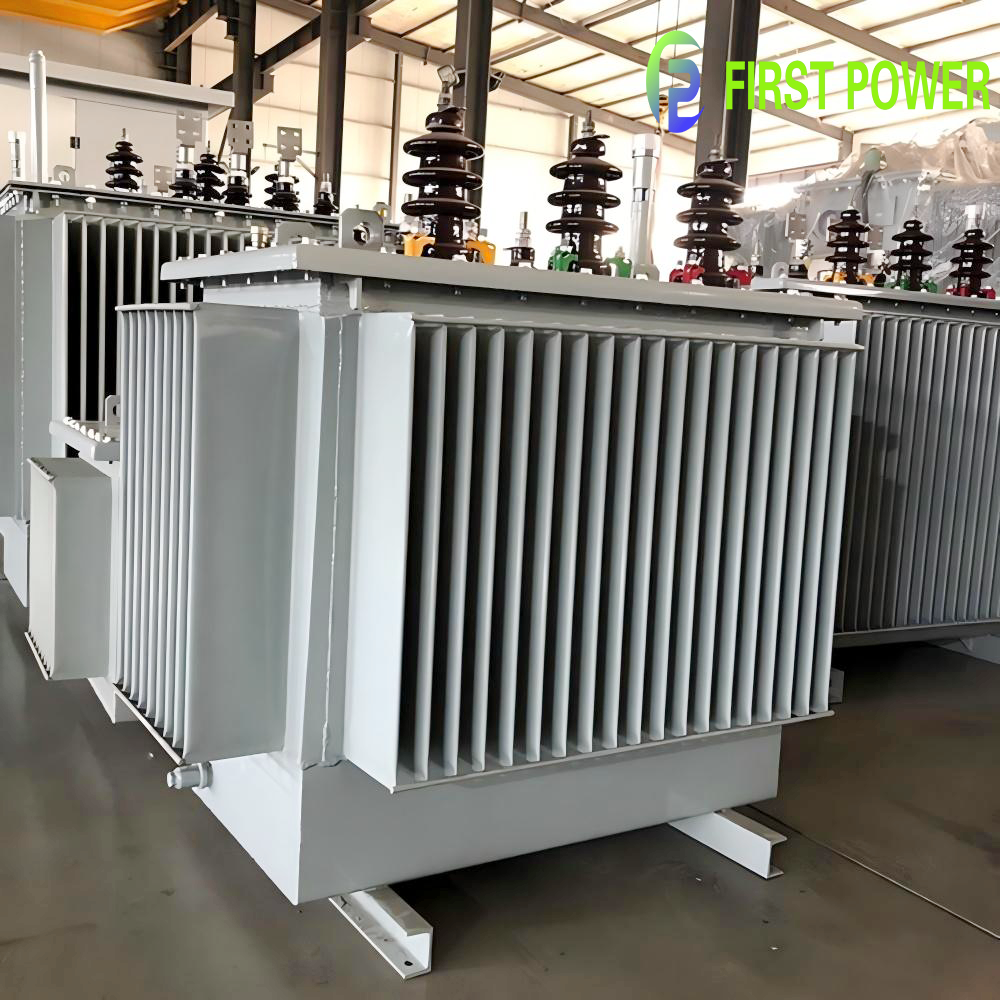
S11 50 kVA, 10–35 kV Distribution Transformer
A compact rating for auxiliary power, public facilities and distributed loads. It is also practical for wholesale mixed containers where Daejeon partners need a repeatable low-capacity S11 model alongside larger units.
- Best for: Auxiliary supply, small facilities, mixed wholesale orders
- Daejeon note: Confirm metering, protection and secondary voltage
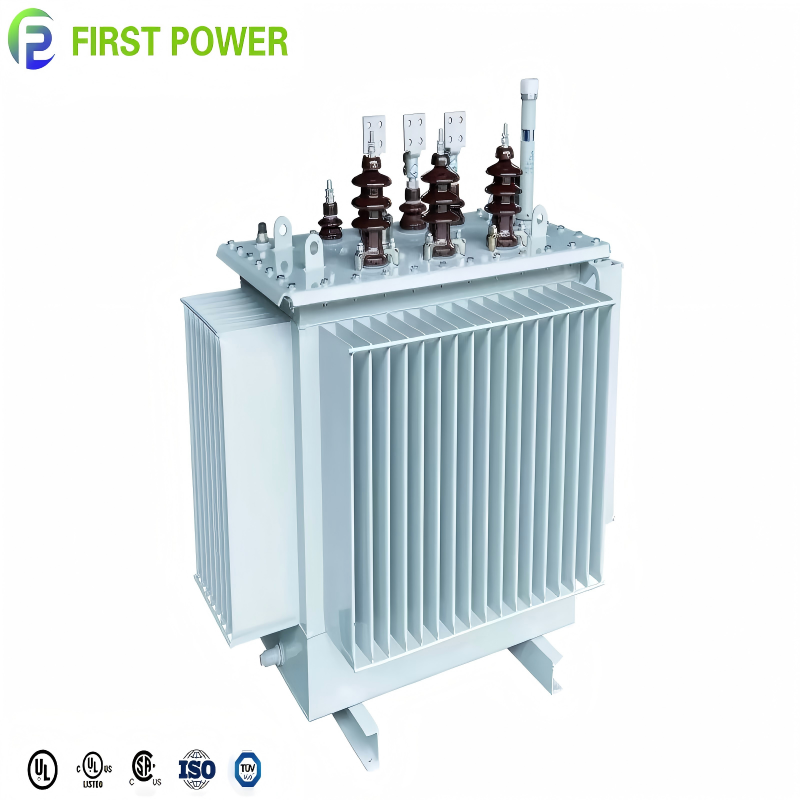
S11 50–300 kVA, 6–33 kV Oil Transformer
Useful for legacy 6.6 kV or 22.9 kV retrofit projects where existing protection, cable boxes and room dimensions constrain the replacement. Provide old nameplate data and single-line diagrams for a like-for-like review.
- Best for: Retrofits, small industry, public infrastructure
- Daejeon note: Verify vector group and existing protection settings
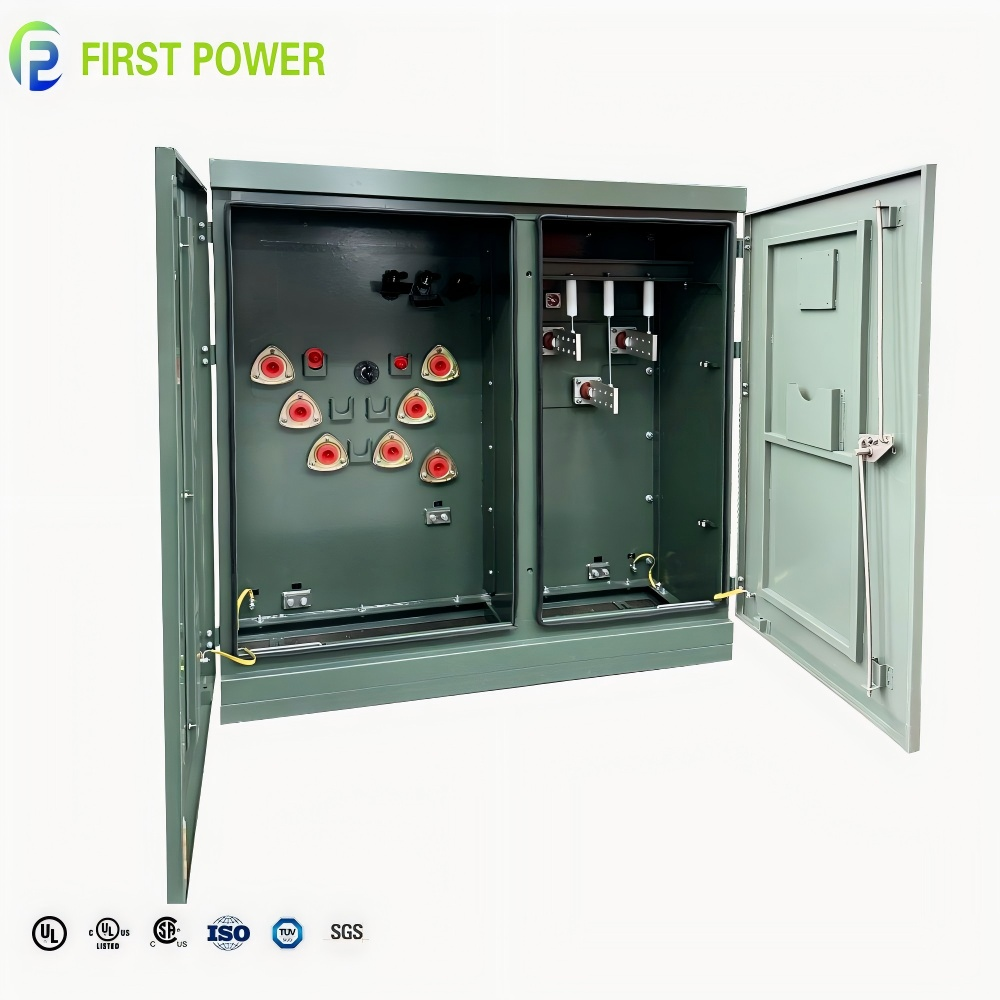
CE 750 kVA Loop Feed Pad Mounted Transformer
For underground commercial networks, data centers and campus distribution where loop-feed continuity matters. Dead-front compartments, cable parking, pressure relief and fluid options should be aligned with Daejeon site practice.
- Best for: Data centers, commercial networks, critical facilities
- Daejeon note: Confirm loop/radial configuration and fault current
Where S11 Oil Immersed Transformers Fit in Daejeon
Daejeon projects rarely buy a transformer in isolation. The equipment sits inside a KEPCO interface, a building electrical room, an industrial process or a campus resilience plan. These are the application patterns our engineers review most often.
Daedeok Innopolis and Data-Center Campuses
Research institutes, cloud facilities and technology campuses need predictable voltage, low losses and documentation that supports redundancy planning. S11 oil immersed transformers are often applied as outdoor distribution or step-down units where oil containment, fire separation and noise are engineered correctly. For Daejeon data-center loads, specify harmonic duty, neutral loading, temperature-rise margin and monitoring provisions early.
Underground Commercial Districts and Redevelopment
Daejeon commercial corridors and transit-oriented redevelopment favor compact footprints, tamper-resistant enclosures and underground cable interfaces. Loop-feed pad-mounted designs can reduce visible equipment, but they must still satisfy cable bending radius, termination access and maintenance clearance. A 750 kVA loop-feed unit is often a better fit than a generic pole-mounted replacement when continuity and public safety are priorities.
Advanced Manufacturing, Battery and Semiconductor R&D
Process lines and R&D pilot facilities are sensitive to voltage sag, harmonics and thermal stress. A 22.9 kV to 380/220 V S11 transformer may be technically simple, but the procurement specification must capture duty cycle, non-linear load, altitude and ambient conditions. Daejeon buyers should ask for loss guarantees, impedance tolerances and routine test records before comparing supplier prices.
Hospitals, Universities and Public Infrastructure
Hospitals, university labs and public facilities require documented reliability, spare-parts planning and clear maintenance access. Oil immersed units are often installed outdoors or in dedicated rooms, with fire separation and containment reviewed by the designer. For Daejeon public projects, bilingual nameplates, Korean-language O&M support and routine test reports can reduce acceptance friction.
Localized Trends Reshaping S11 Transformer Procurement
These trends explain why a Daejeon buyer should evaluate an OEM S11 supplier on engineering evidence, not only on nameplate price.
60 Hz and 22.9 kV Dominance
Korea operates at 60 Hz, and Daejeon distribution projects commonly reference 22.9 kV primary service. A transformer designed around 50 Hz data cannot simply be relabeled. Core flux, turns, losses, temperature rise and sound levels must be engineered for 60 Hz. Legacy 6.6 kV equipment still appears in retrofits, so dual-standard documentation is valuable.
Loss Evaluation and Efficiency Discipline
Daejeon procurement teams increasingly compare total owning cost rather than first price. No-load loss, load loss and expected loading profile can outweigh a small quotation difference over the transformer life. A credible OEM supplier should state guaranteed losses, test method and tolerance, and explain how the 60 Hz design was optimized for the project load curve.
Data-Center and Technology Load Growth
Daejeon’s technology cluster continues to attract digital infrastructure and R&D investment. Data-center projects often demand low noise, high reliability, clear thermal margins and coordinated protection. S11 distribution transformers may sit upstream of UPS and switchgear, so harmonic distortion, neutral current and short-circuit strength should be discussed with the electrical designer.
Underground Distribution and Compact Footprints
Urban redevelopment and campus planning often push equipment underground or into smaller enclosures. Pad-mounted and loop-feed designs can reduce visual impact, but maintenance access, cable termination space, ventilation and flood risk must be resolved. Daejeon buyers should request outline drawings before civil works are frozen.
Renewables, EV Charging and Electrification
EV charging hubs, rooftop solar and distributed energy resources introduce bidirectional power flow and variable loading. The transformer specification should include harmonic content, voltage regulation, neutral arrangement and future capacity. For Daejeon projects with staged electrification, a slightly larger or lower-loss S11 unit may be more economic than early replacement.
Documentation, Interconnection and Lead Time
Imported transformers arrive in Korea through Busan or Incheon and then move inland to Daejeon. The real lead time includes drawing approval, routine testing, export packing, ocean freight and customs. A factory that issues GA drawings, nameplate drafts, test plans and packing lists early reduces the risk of a technically compliant unit arriving with the wrong documents.
S11 Selection Matrix for Daejeon Procurement
Use this as a first-pass screening table, then confirm the final design against the Daejeon project single-line diagram, KEPCO interconnection requirements and site conditions.
| S11 Platform | Typical Rating | Typical Voltage / Frequency | Daejeon Use Case | Procurement Check |
|---|---|---|---|---|
| Compact S11 Distribution | 50–300 kVA | 22.9 kV / 380–220 V, 60 Hz | Auxiliary power, public facilities and small industrial feeders | Secondary voltage, tap range, metering and protection interface |
| S11 Distribution | 100–630 kVA | 10–35 kV primary, 60 Hz | Commercial buildings, campus distribution and industrial step-down | Loss guarantee, vector group, impedance and noise limit |
| Oil Immersed Power Transformer | 100–1,000 kVA | 10–35 kV, 60 Hz | Manufacturing lines, EV charging hubs and power supplies | Duty cycle, ambient, harmonic load and thermal margin |
| Loop Feed Pad Mounted | 750 kVA and custom | 10–35 kV, 60 Hz | Underground commercial networks, data centers and critical facilities | Loop/radial arrangement, dead-front access, cable space and fluid |
| MV & HV S11 | 30–31,500 kVA | 6–35 kV class, 60 Hz | Utility, EPC and large industrial substation projects | Transport limits, seismic anchoring, cooling, impedance and test plan |
| OEM Custom S11 | Project-specific | Custom 50/60 Hz | Retrofit, replacement or wholesale schedule with fixed interfaces | Old nameplate, drawings, Korean nameplate, documentation and Incoterms |
Note: The matrix is a procurement screening aid. Final compliance remains subject to the project authority, KEPCO interconnection review, local permits and the approved factory drawings.
The Factory Advantage Behind a Daejeon-Ready S11 Supply
Wisegj combines OEM manufacturing depth with export documentation discipline. The points below are the advantages Daejeon buyers can actually audit before placing an order.
20+ Years and 50+ Engineers
The team brings more than 20 years of transformer experience, with 50+ R&D and technical engineers reviewing ratings, vector group, impedance, taps, losses and site conditions before quotation. For Daejeon projects, this review catches interface issues before the drawing stage.
6,847 m² Verified Production Base
Production capability, floorspace and inspection controls have been verified onsite by TÜV Rheinland, an independent third-party inspection body. The footprint includes winding, core assembly, drying, tanking, testing and export packing areas.
In-House Routine Testing
Every unit can receive winding resistance, ratio and vector group, impedance and load loss, no-load loss and current, applied voltage, induced voltage and oil dielectric tests as applicable. Test reports are tied to the serial number, and third-party witness inspection is welcome.
Certification and Document Pack
Management systems are certified to ISO 9001, ISO 14001 and ISO 45001. CE certificates are available for oil-immersed power transformers, dry-type transformers, compact substations and related lines. Certificate numbers should be verified with the issuing body and confirmed for the exact model scope.
OEM, ODM and Wholesale Flexibility
Customization covers ratings, vector group, impedance, tap range, bushing configuration, cooling method, insulating fluid, enclosure color, nameplate language and document language. Wholesale partners can consolidate mixed ratings, accessories and repeat orders around a single technical baseline.
Export Logistics to Daejeon
Seaworthy packing, shock indicators and complete shipping documents support delivery through Busan or Incheon and inland transport to Daejeon. Incoterms can be quoted from EXW to CIF and DDP, with 24-hour technical response for pre-sale and after-sale questions.
Inside the Production and Testing Environment

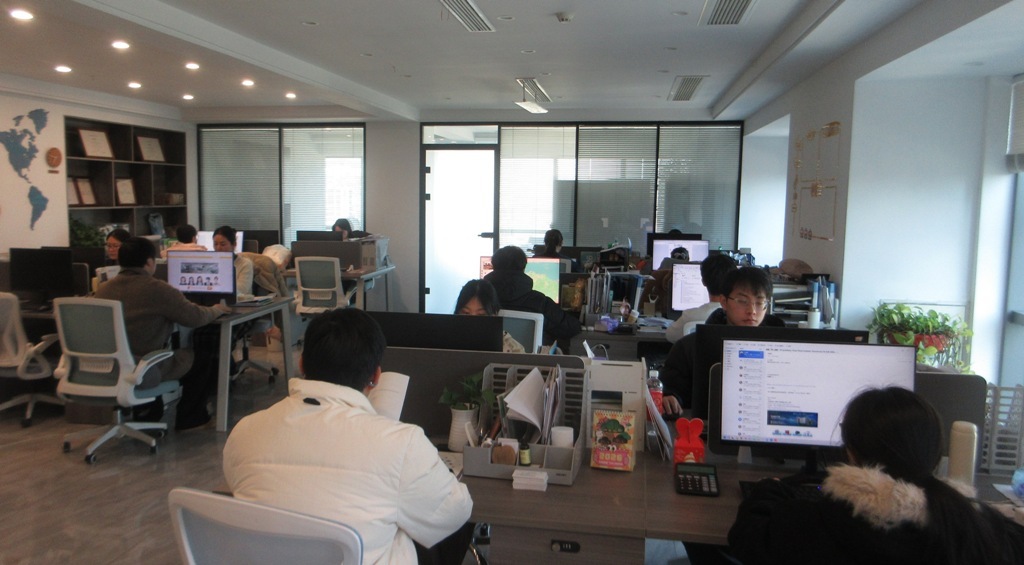
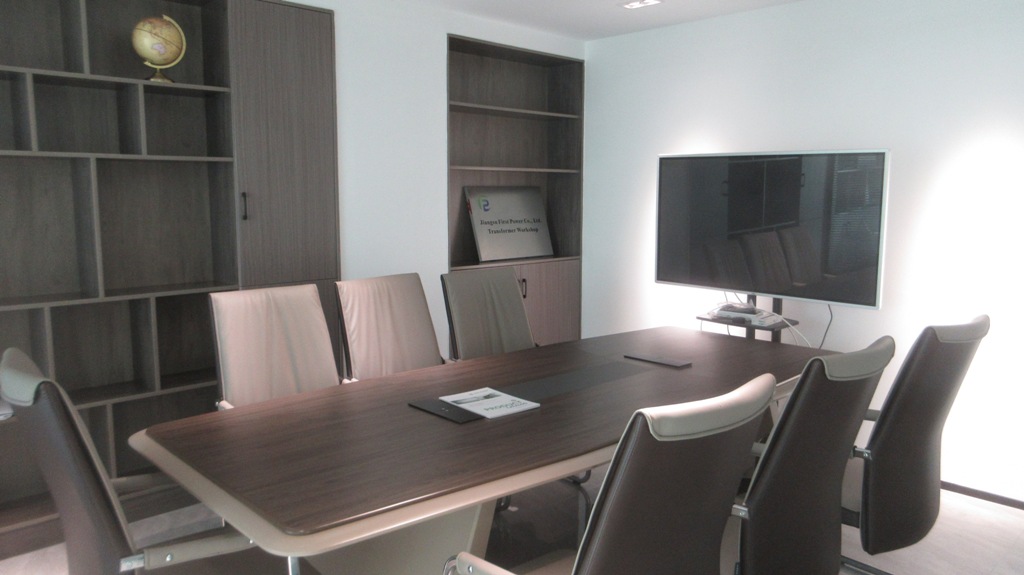

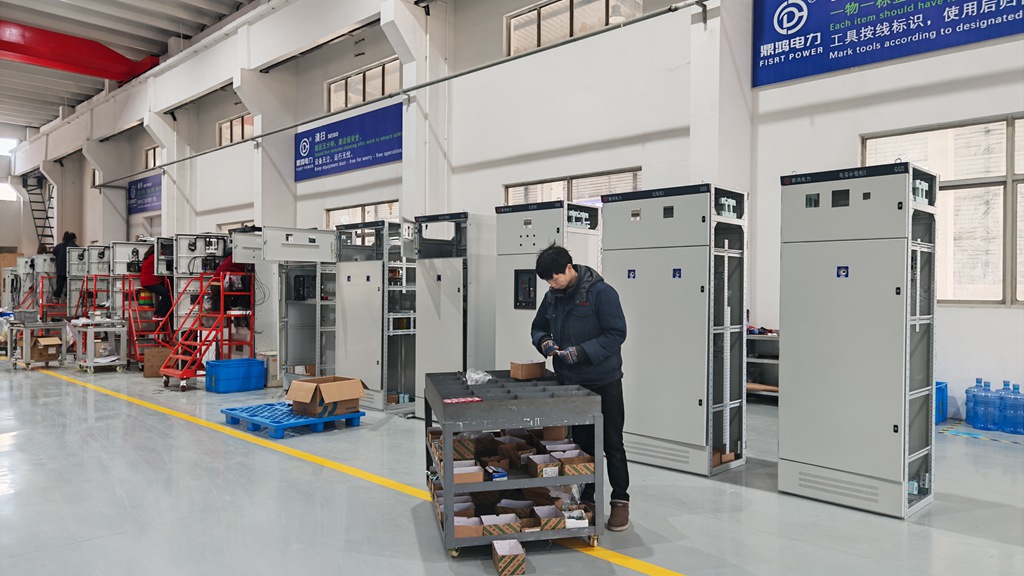
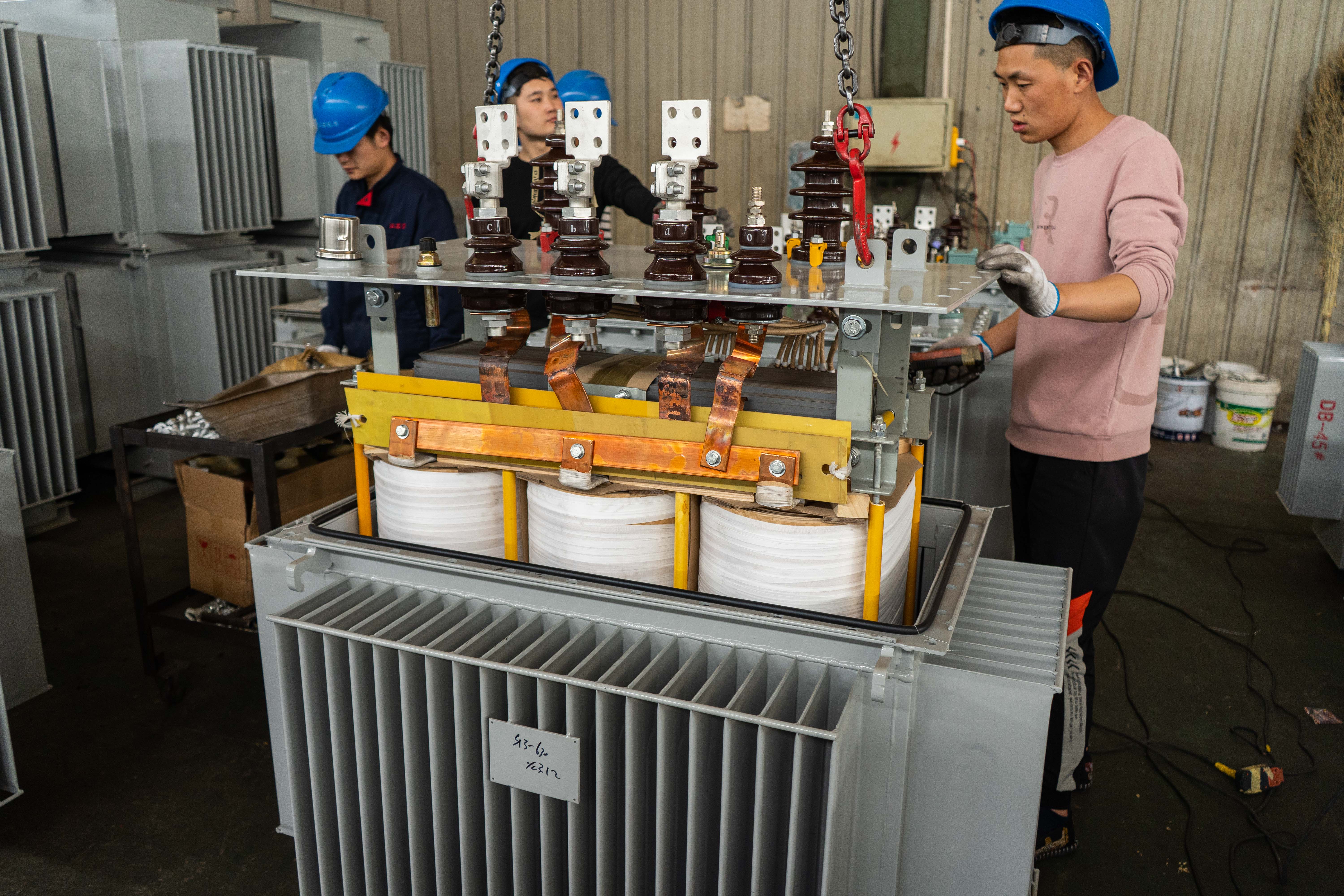
Specification Review
Check 60 Hz rating, voltage, vector group, losses, ambient, altitude and site interface.
Drawing Approval
Confirm GA drawing, nameplate draft, guaranteed losses, tests and documentation language.
Production & Testing
Controlled winding, core assembly, drying, tanking and routine testing with records.
Packing & Delivery
Export packing, shipping documents and Incoterms support to Busan, Incheon or DDP Daejeon.
Common Local Procurement Questions for S11 Transformers
These answers are written for Daejeon facility owners, EPCs, MRO traders and wholesale partners who need to compare an OEM factory with a local supplier.
Are you a transformer factory or a trading company for Daejeon buyers?
+
We are an OEM transformer manufacturer and exporter. For the Daejeon market, supply is normally handled through direct export or a wholesale/EPC partner rather than a local warehouse. That means the commercial advantage is factory engineering and customization, while the local advantage is the partner network that can support site delivery, unloading and installation coordination. We recommend clarifying the contract structure early: factory invoice, Korean trading partner, or DDP delivery to a Daejeon address.
Can the S11 transformer be built for Korea’s 60 Hz, 22.9 kV and 380/220 V grid?
+
Yes, the design must be explicitly configured. A 60 Hz S11 unit is not a 50 Hz unit with a changed nameplate. Core flux, turns, losses, reactance, temperature rise and sound level must be calculated for 60 Hz. Typical Daejeon distribution requests may include 22.9 kV primary, 380/220 V secondary, Dyn11 vector group, off-circuit taps and specified no-load/load losses. Legacy 6.6 kV systems can also be reviewed. Final KEPCO interconnection approval remains with the responsible local authority.
How do you prove losses, temperature rise and noise before shipment?
+
The quotation should state guaranteed no-load loss, load loss, impedance and applicable tolerances. Before shipment, routine tests normally cover winding resistance, ratio and vector group, no-load loss and current, load loss and impedance, applied and induced voltage tests, and oil dielectric strength for liquid-filled units. Noise can be measured to the agreed standard where required. Type test reports can be shared, and third-party witness testing can be arranged if the Daejeon buyer gives advance notice.
What certificates and documents can a Daejeon procurement team verify?
+
Our management systems include ISO 9001, ISO 14001 and ISO 45001, with CE certificates available for relevant transformer and substation lines. Certificates include numbers such as ISO 9001 62824Q6052R0S, ISO 14001 62824E6053R0S, ISO 45001 62824S6054R0S, CE oil-immersed transformer M.2025.206.C121882 and CE power transformer 3N230310.JYTU038. Buyers should verify current scope directly with the issuing body and request the document pack for the exact model.
What is the MOQ and typical delivery time to Daejeon?
+
A single trial unit is possible for many S11 ratings, while wholesale schedules may combine multiple ratings in one production plan. Typical lead time depends on drawing approval, material availability and testing, with many distribution units falling in a 25–45 day production window before ocean freight. Delivery to Daejeon usually moves through Busan or Incheon and then inland transport. For critical projects, ask for a milestone schedule that separates factory days, sea freight and inland delivery.
Can you support OEM branding, Korean nameplates and wholesale partner programs?
+
Yes. OEM and ODM customization can cover nameplate language, document language, enclosure color, terminal arrangement, tap range, vector group, losses and accessories. Korean-language nameplates and O&M support can be prepared alongside English documents when the buyer provides approved terminology. Wholesale partners can establish a repeatable technical baseline and then vary ratings, accessories or branding per purchase order.
Which oil, enclosure and environmental options suit Daejeon sites?
+
Mineral oil is common, while natural ester fluid may be considered where fire and environmental risk require additional mitigation. Hermetically sealed tanks, corrugated tanks, pressure relief, oil level indicators and spill containment should be selected against the site layout and local fire guidance. Coastal or humid storage conditions may require enhanced paint and corrosion protection. The final choice should be reviewed by the project designer and local authority.
How do you handle KEPCO interconnection, third-party inspection and customs?
+
We support the technical file package needed for review, including drawings, nameplate data, test reports and loss guarantees. We do not replace the local authority or KEPCO approval process. Third-party inspection can be arranged before packing. For customs, we provide commercial invoice, packing list, bill of lading, certificate of origin where applicable and product documentation. A DDP quotation can simplify landed-cost planning, but the buyer should confirm the importer of record and local clearance responsibilities.
What after-sales support and spare parts are available after delivery?
+
After-sales support includes remote technical response, commissioning guidance, document clarification and spare-parts planning. Common spare recommendations depend on the design and may include gaskets, bushings, pressure relief devices, oil-level indicators and temperature devices. For Daejeon facilities, we recommend agreeing a critical spares list at order stage so that long-lead accessories are shipped with the transformer rather than ordered after commissioning.
What technical details should I send for a fast quotation?
+
Send the following checklist to reduce clarification rounds and receive a Daejeon-ready quotation:
- Rated power (kVA or MVA)
- Primary and secondary voltage
- Frequency and vector group
- Impedance and tap range
- Loss limits or efficiency target
- Site ambient, altitude and noise limit
Ready to compare a factory-reviewed S11 design with your Daejeon project requirement? Send the datasheet, single-line diagram or existing nameplate photo.
Send Your S11 Specification for a Daejeon-Ready Quotation
For a faster, technically clean offer, include the 60 Hz rating, primary and secondary voltage, vector group, impedance, tap range, loss target, site ambient, delivery port or DDP Daejeon request, and required documentation language. Our engineers will review the specification before commercial quotation, not after.
Typical reply: one working day. Document pack can include GA drawing, nameplate draft, loss guarantee, routine test plan, packing plan and Incoterms options through Busan, Incheon or DDP Daejeon.