Wholesale Power Equipment Shortlist for Durban Voltage-Stability Projects
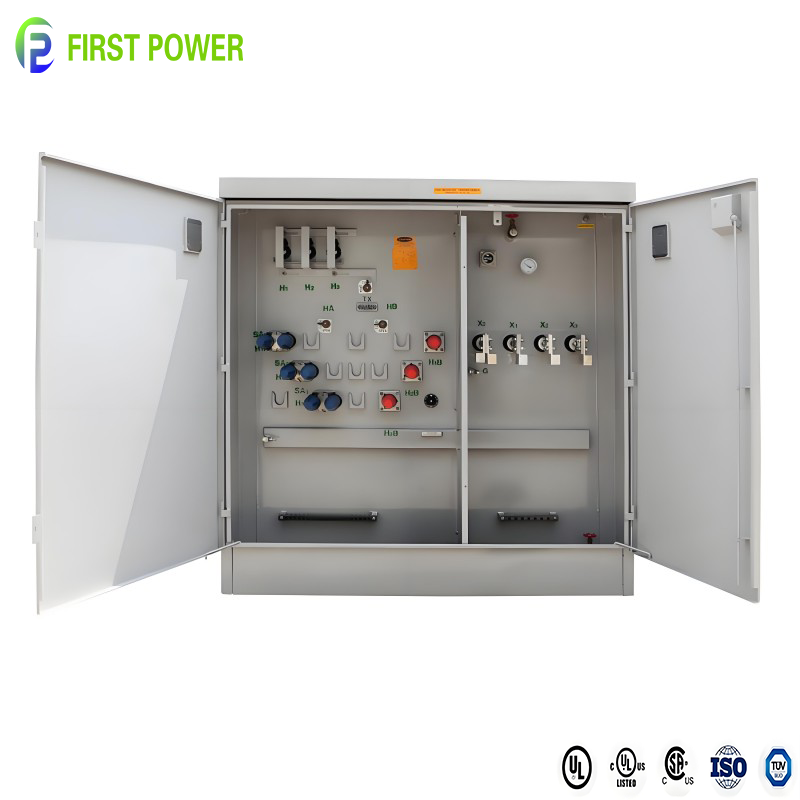
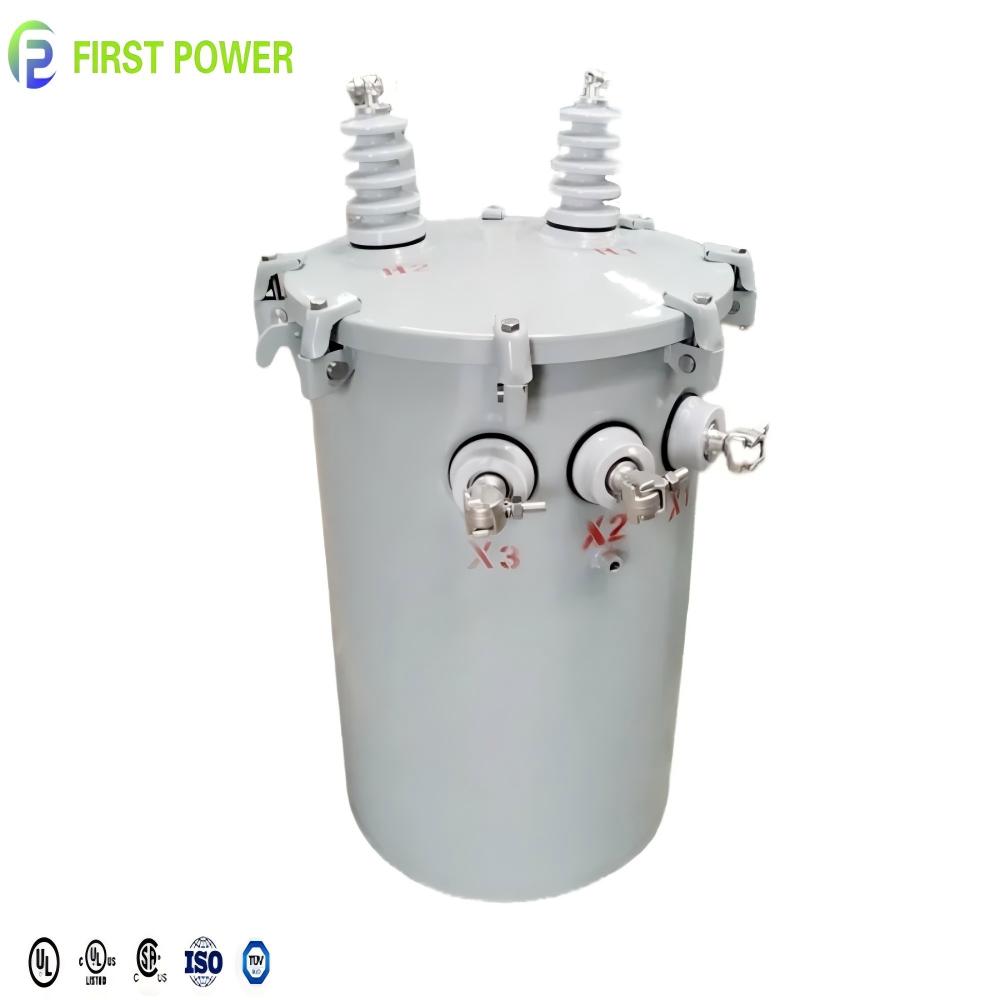
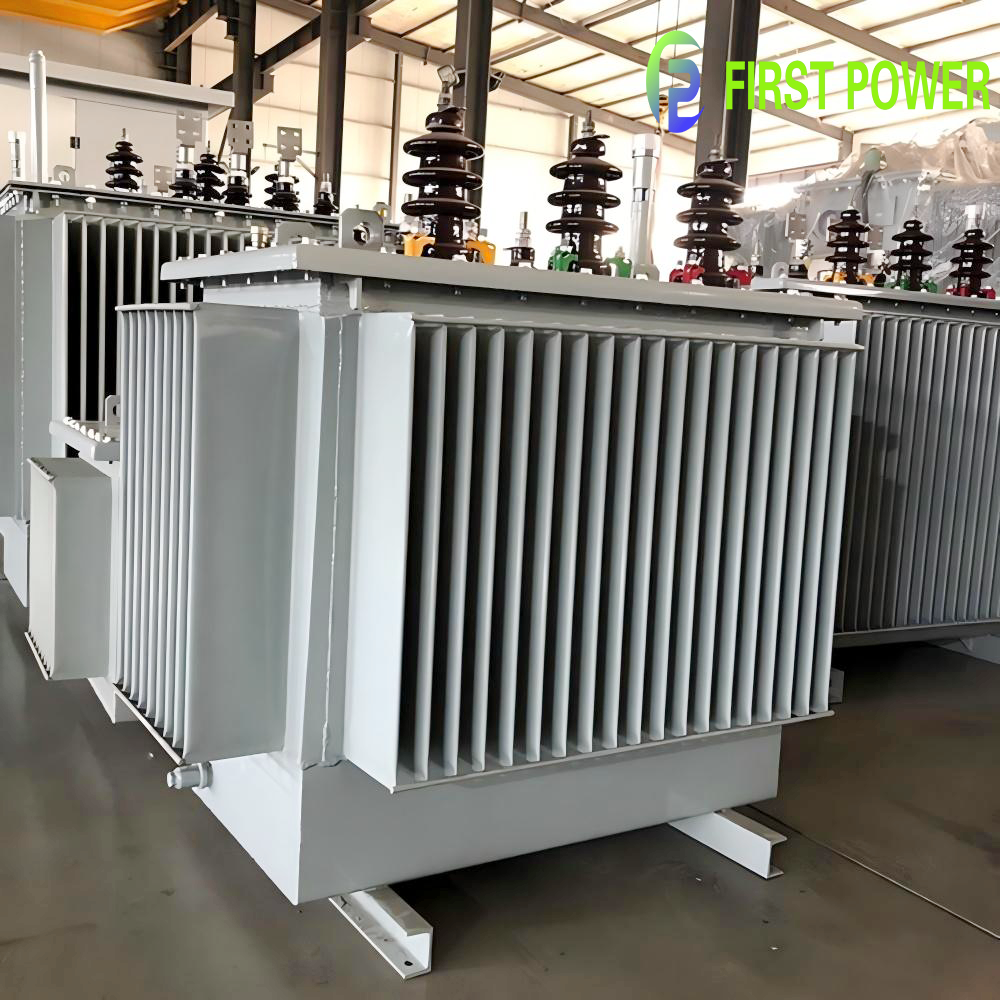
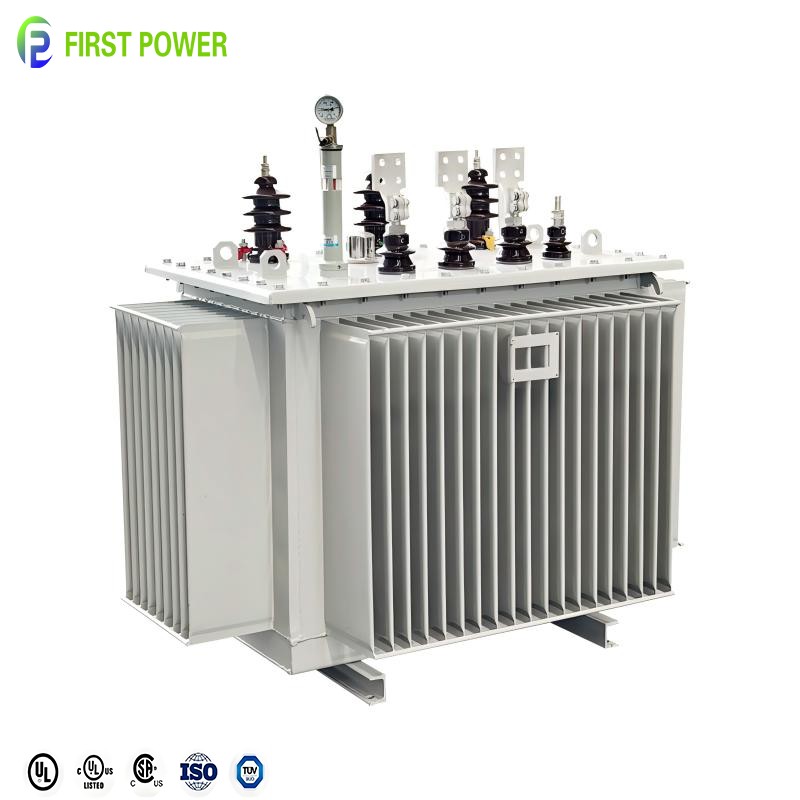
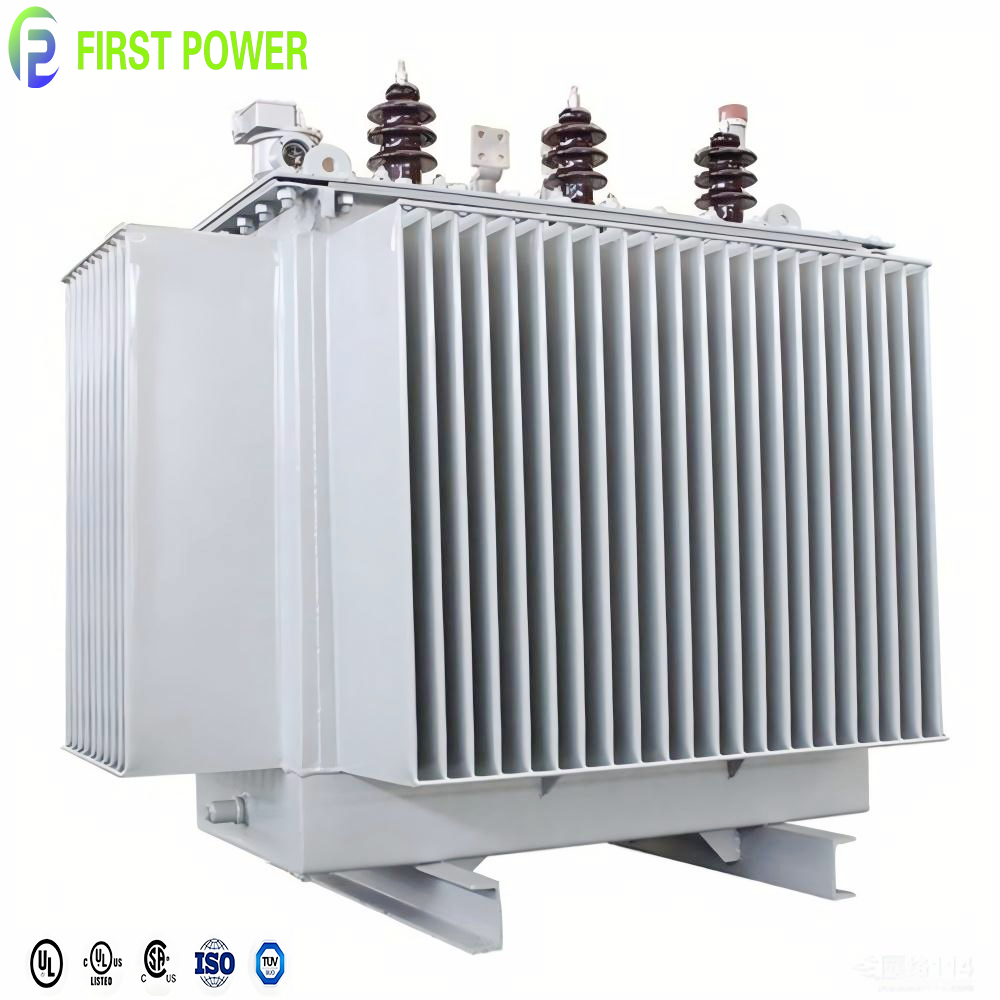
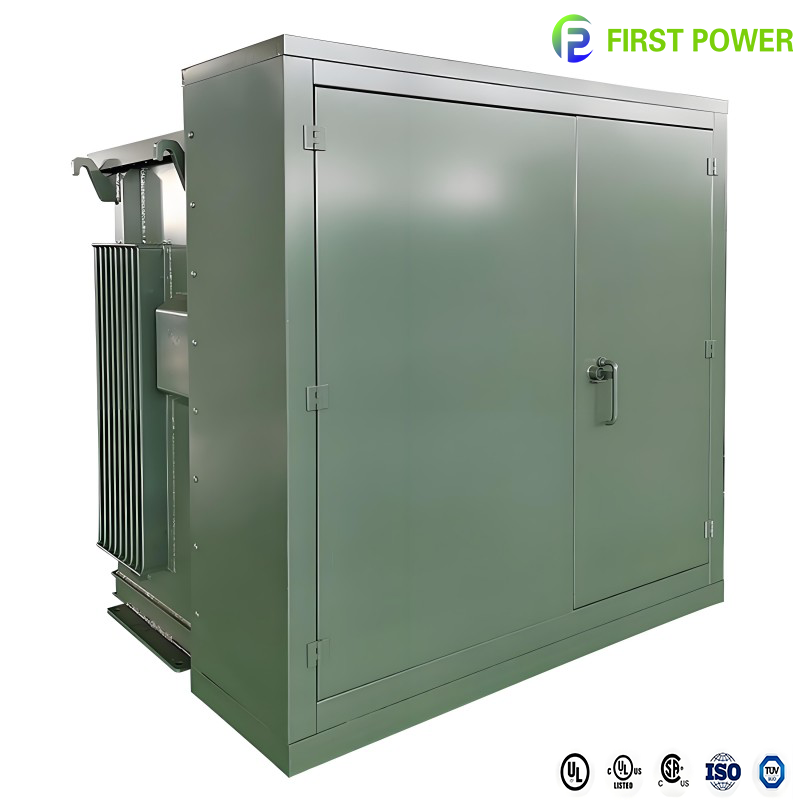
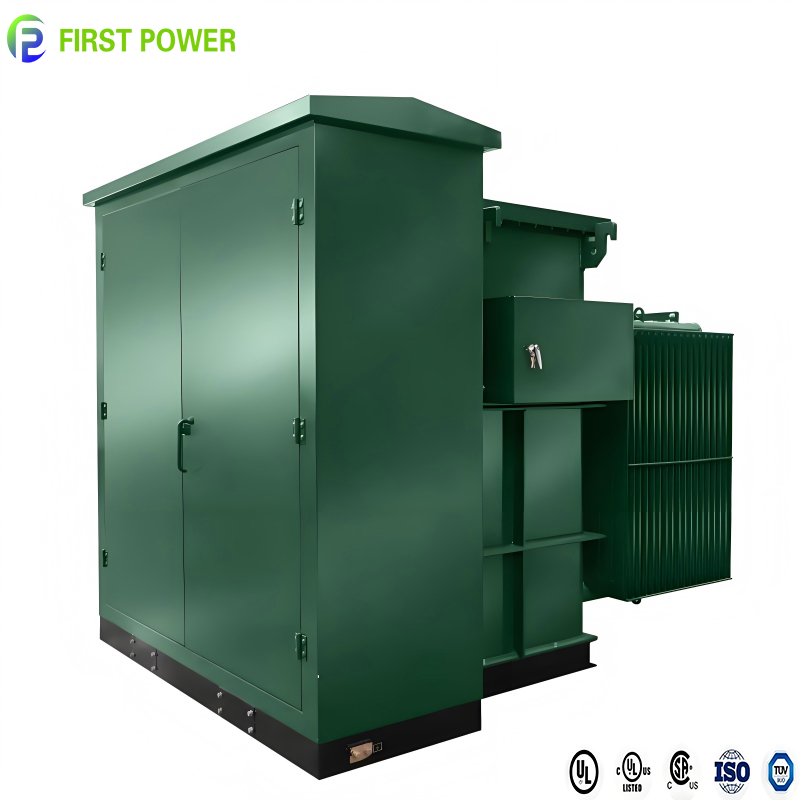
The eight catalogue items below are reproduced with their original product URLs and images. For Durban wholesalers, EPC teams and facility buyers, they are typically evaluated alongside single-phase voltage stabilizers in mixed procurement packages: pad-mounted and pole-mounted transformers for estate infrastructure, oil-immersed distribution units for commercial upgrades, and heavy-duty power equipment for industrial loads. Stabilizer sizing remains load-specific; this shortlist helps procurement teams assemble a mixed container rather than buy one isolated box.
Durban Voltage Stability White Paper: What Wholesalers Should Specify Before Importing
Durban is not a generic 230 V market. Coastal humidity, salt-laden air, lightning activity, load-shedding recovery and mixed commercial loads create a duty cycle that exposes underspecified single-phase voltage stabilizers.
Durban is a coastal, port-driven market with a distinctive voltage-quality profile. eThekwini’s 230 V single-phase supplies serve dense residential areas, tourism accommodation, food retail, clinics and light industry, often on networks that experience switching, storm-related faults and post-load-shedding recovery. A single phase voltage stabilizer is therefore not a commodity accessory; it is a boundary device that protects the loads a wholesaler has sold, installed or warranted.
The engineering definition matters. A single-phase automatic voltage regulator samples input voltage, compares it with a reference, and corrects the output through a servo motor, relay bank or electronic tap arrangement. Good Durban specifications normally include a wide input window, an output tolerance in the ±1–3% range, high and low cut-off, a reconnect delay, surge diversion, overload protection and a manual bypass for maintenance. The bypass is important in commercial sites: a failed AVR should not shut down a cold room, clinic fridge or point-of-sale system while the unit is replaced.
Cheap units often hide the real cost in undersized copper, aluminium windings, poor PCB coating and no thermal margin. In coastal air, salt mist and humidity can combine with dust to create leakage paths and corrosion on terminals. For exposed plant rooms, specify conformal coating, anti-corrosion enclosure treatment, stainless fasteners and a defined IP rating. For indoor retail and office use, a wall-mounted unit with clean ventilation and a labelled bypass may be more practical than a large floor-standing cabinet.
Load-shedding is frequently misunderstood. A voltage stabilizer does not generate electricity. It conditions the supply while the grid or generator is present; when power returns, the AVR delay prevents immediate reconnection into a low, high or oscillating voltage. Backup requires an inverter, UPS or generator. For hybrid solar sites, the stabilizer must be coordinated with the inverter output, neutral arrangement and changeover sequence, otherwise the best AVR can still trip on transients it was never specified to absorb.
South African installation practice should not be treated as an afterthought. Final connection must be completed by a competent person under SANS 10142-1, and the stabilizer should be selected with awareness of NRS 048-2 power-quality conditions. The product does not replace correct earthing, surge protection at the distribution board or a compliant changeover. For wholesale buyers, the commercial opportunity is to sell a documented configuration rather than a bare kVA rating. A Durban customer needs to know the input range, output accuracy, delay setting, surge rating, enclosure protection, plug type, warranty and spare-part path.
Wisegj approaches stabilizer enquiries through the same engineering review used for transformers: application data first, drawing approval second, routine testing before packing, and English documentation for customs, installation and after-sales teams. That process is slower than quoting a box from stock, but it produces a specification that can survive Durban’s coastal and load-shedding realities.
Specification weighting used in export reviews
Illustrative weighting for a Durban wholesale enquiry. It is not a market statistic; it shows the questions our engineers ask before recommending a model.
Load-shedding recovery
Voltage often returns outside the normal band. A 3–10 minute delay and high/low cut-off prevent nuisance tripping and compressor damage.
Salt-laden coastal air
Choose conformal-coated PCBs, anti-corrosion enclosures, stainless fasteners and IP54 protection where the unit is exposed to humid plant-room air.
Solar and hybrid inverters
Coordinate stabilizer settings with inverter output, neutral arrangement and changeover. Sudden grid-to-battery transfers can expose an AVR to transients.
Motor and compressor starting
Compressor start currents can be several times running current. Servo-motor AVRs with short-term overload and a clean bypass are often preferred.
Recommended Single-Phase Voltage Stabilizer Configurations for Durban Buyers
Do not size a stabilizer from appliance wattage alone. Add starting current, power factor, future load, ambient temperature and the quality of the local supply. These configurations are practical starting points for wholesale and project enquiries.
1–2 kVA wall-mounted
For home offices, routers, point-of-sale terminals, televisions, security equipment and selected small medical devices. Look for 230 V output, ±3% accuracy, surge protection and a short reconnect delay.
3 kVA home and apartment
A common choice for a Durban apartment or townhouse circuit feeding a fridge, freezer, lights, fans and entertainment equipment. Servo type, bypass and high/low cut-off are more useful than a vague “wide range” claim.
5 kVA shop, salon or clinic
Suitable for tills, chillers, salon equipment and clinic reception loads. Specify 230 V / 50 Hz, LCD metering, overload and short-circuit protection, output tolerance near ±2% and a documented test sheet.
10–20 kVA floor-standing
For restaurants, guesthouses, cold rooms and small production lines. High single-phase currents demand correct cable sizing, ventilation and a bypass. If the main motor load is three-phase, evaluate a three-phase AVR instead.
For each quote, state the load list, starting current, required output tolerance, input range, quantity and delivery port. A 5 kVA label is not enough to guarantee compatibility with a compressor, laser printer or clinic diagnostic unit.
Where Single-Phase Voltage Stabilizers Fit in Durban and eThekwini
Durban’s mix of dense residential areas, tourism, retail, healthcare and light industry means one stabilizer model cannot serve every site. These are the application clusters our wholesale customers ask about most often.
Residential estates and townhouses
In Durban North, Umhlanga, Westville and surrounding suburbs, homeowners use selected-circuit stabilizers for fridges, entertainment systems, gates, alarms and home offices. Whole-house protection requires a proper load calculation.
Spaza shops and FMCG wholesalers
Tills, scales, fridges and lighting are sensitive to brownouts and rapid reconnection. A wall-mounted AVR with delay and surge protection helps protect daily trading equipment and reduces call-backs for retailers.
Guesthouses and tourism
Air-conditioning, kitchen refrigeration, Wi-Fi and entertainment systems need stable voltage to avoid nuisance shutdowns. A bypass allows maintenance without interrupting guests during peak season.
Clinics and dental rooms
Diagnostic equipment, sterilisation units and vaccine fridges benefit from stable voltage, but critical loads also need UPS backup. Specify the stabilizer as part of a layered power-quality plan, not as a substitute for backup power.
Light industrial workshops
In Pinetown, New Germany and nearby industrial nodes, workshops use single-phase stabilizers for control circuits, bench equipment, pumps and selected machines. Motor starting and welding loads must be declared before sizing.
Cold chain and food retail
Chillers and freezers are unforgiving during voltage dips and short-cycling. Servo-motor AVRs with reconnect delay, overload protection and bypass are often specified for food retail and small cold stores.
Durban Market Trends Shaping Voltage Stabilizer Demand
Procurement behaviour in Durban is changing. Buyers are moving from “cheapest box” questions toward documented performance, after-sales support and compatibility with modern backup and solar systems.
Load-shedding recovery discipline
Installers increasingly ask for high/low cut-off, adjustable delay and clear status indicators. Customers want equipment that waits for a stable supply instead of reconnecting instantly.
Rooftop solar and hybrid systems
More Durban homes and businesses now combine grid supply with PV and batteries. Stabilizer selection must consider inverter waveform, neutral switching, bypass and transient behaviour.
Coastal corrosion awareness
Wholesalers are asking for conformal coating, anti-corrosion treatment, IP-rated enclosures and serviceable terminals. Salt mist and humidity are now part of the technical conversation.
Wholesale and port logistics
Durban’s port position supports mixed-container importing, private-label packaging, spare PCB kits and distributor stock. Buyers want Incoterms clarity, test reports and consistent nameplates.
Why Jiangsu Wisegj Power Co., Ltd. Is a Reliable China Wholesale Partner for Durban Projects
Jiangsu Wisegj Power Co., Ltd. is a Suzhou-based manufacturer and exporter of power equipment from 220 V to 500 kV, including single-phase voltage stabilizers, pad-mounted transformers, oil-immersed transformers, dry-type transformers, power transformers, compact substations and switchgear. The advantage is not a single catalogue page; it is the engineering and export system behind each enquiry.
Our engineering team brings more than 20 years of hands-on transformer and power-equipment experience. Every project is reviewed by engineers before quotation, built under ISO 9001 quality control and shipped with routine test reports, so procurement teams receive documentation that can be checked against the specification. The company operates a verified production base of 6,847 m², works with 50+ R&D and technical engineers and maintains 211 qualified supply-chain partners for stable lead times.
The public profile lists ISO 9001, ISO 14001 and ISO 45001 management systems, CE certificates for oil-immersed power transformers, dry-type transformers and compact substations, and TÜV Rheinland verification of production capability and floorspace. For Durban buyers, these are useful trust signals, but they must be matched to the exact product being ordered.
- Engineer review before quotation, including load type, input range and site conditions
- Routine factory tests and serial-number test reports for power equipment
- ISO 9001, ISO 14001 and ISO 45001 management systems
- CE certification for adjacent transformer and substation product lines
- TÜV Rheinland verified production capability and inspection process
- OEM, ODM, private label, mixed-container and Durban port logistics support

Production capability, floorspace and quality inspection verified onsite by TÜV Rheinland, an independent third-party inspection body.
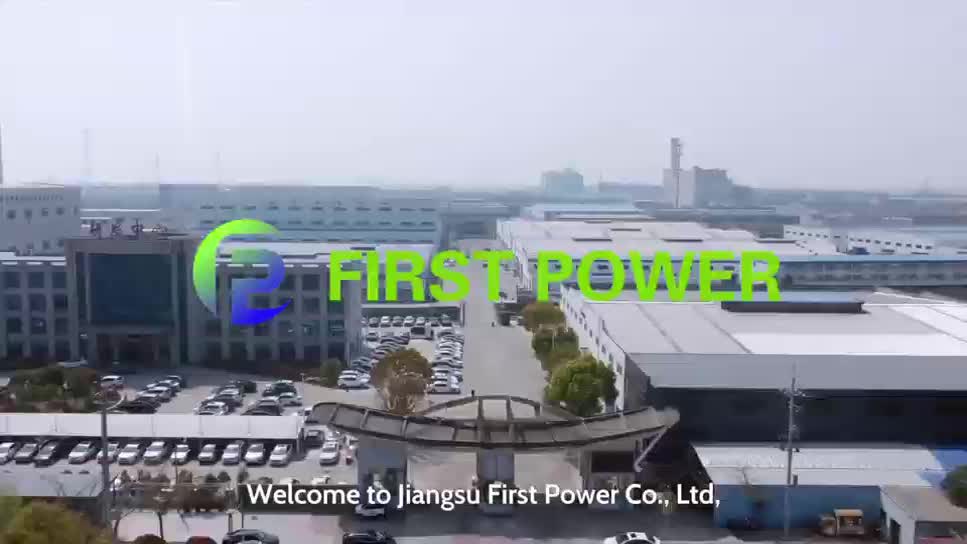
Application engineering
Ratings, input window, output tolerance, vector group, taps, cooling and enclosure are reviewed against the actual site conditions.
Traceable testing
Voltage ratio, winding resistance, loss, impedance, dielectric and oil tests are documented for applicable power equipment.
Export discipline
Seaworthy packing, test reports, nameplates and documents support clearance and delivery to Durban port or inland sites.
After-sales documents
English manuals, wiring diagrams, test sheets and spare-part recommendations help distributors support local installers.
Factory Evidence: What We Document Before Shipment
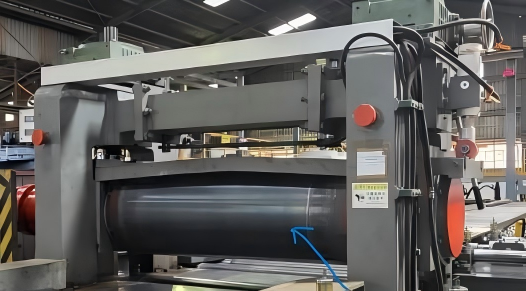
Buyers do not need a wall of claims. They need evidence. These images come from Wisegj’s public company and manufacturing content and show the steps that support an auditable order: winding and coil work, tank and enclosure fabrication, testing, final inspection and export packing.
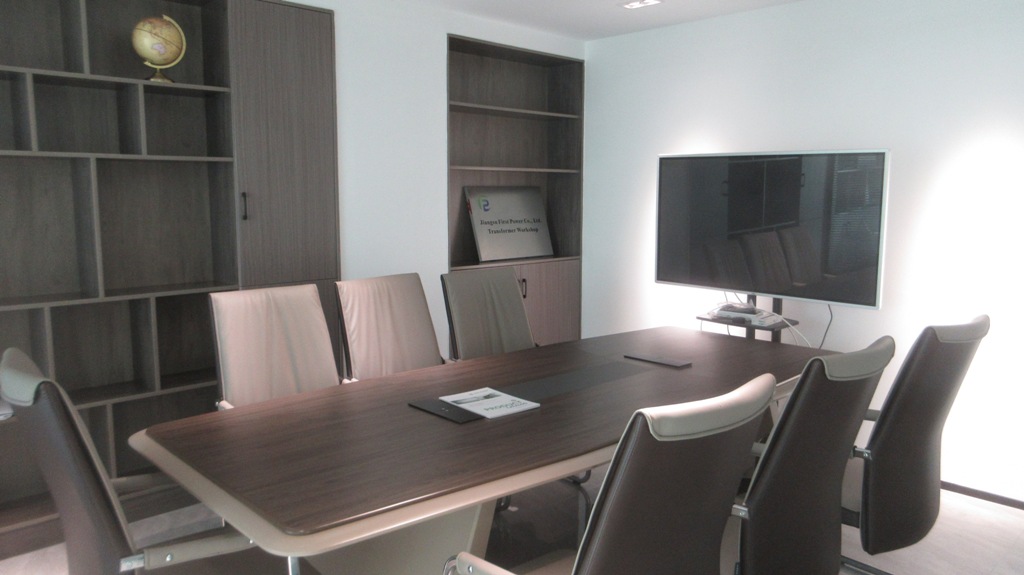
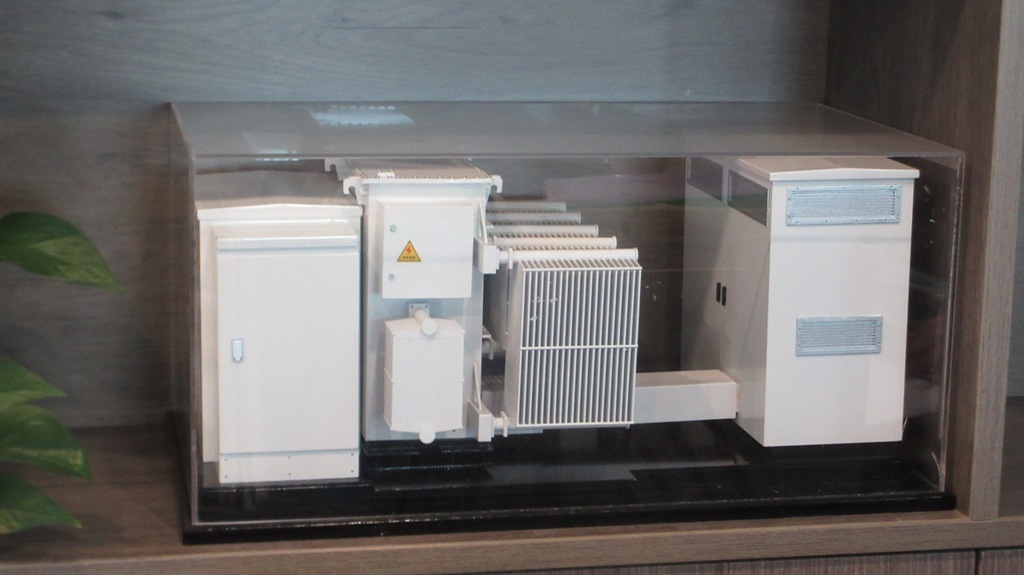

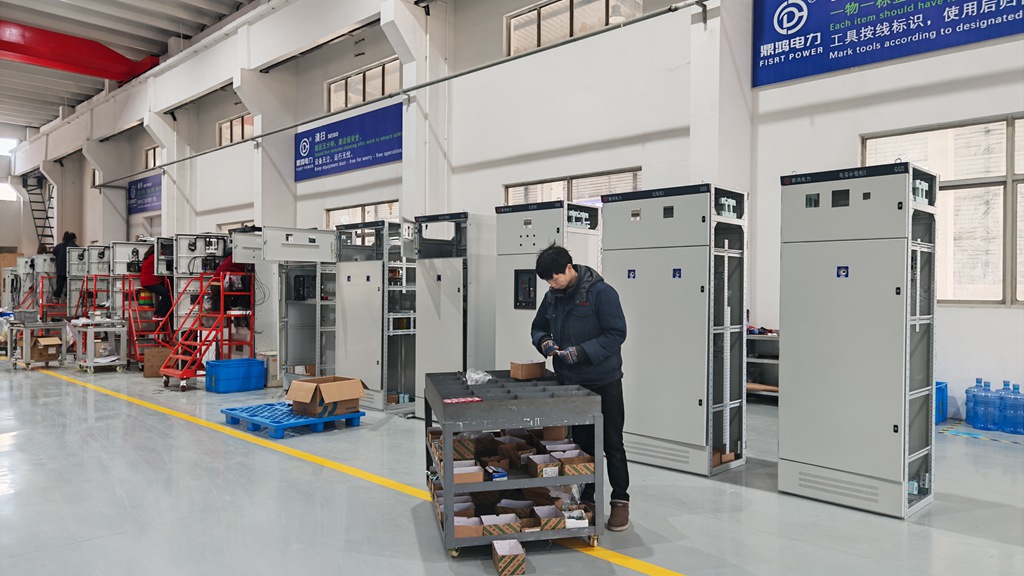
For a stabilizer order, request the equivalent evidence for the exact model: incoming inspection records, calibration sheets, routine test data, nameplate drawing, packaging checklist and spare-part list. A generic factory photo is not a substitute for model-level documentation.
Certificates and Compliance Evidence
Certificates do not replace a model-specific declaration, but they show whether a supplier operates a controlled quality system. For Durban procurement, ask for the current certificate, scope, model list, test report and nameplate drawing before releasing a purchase order.
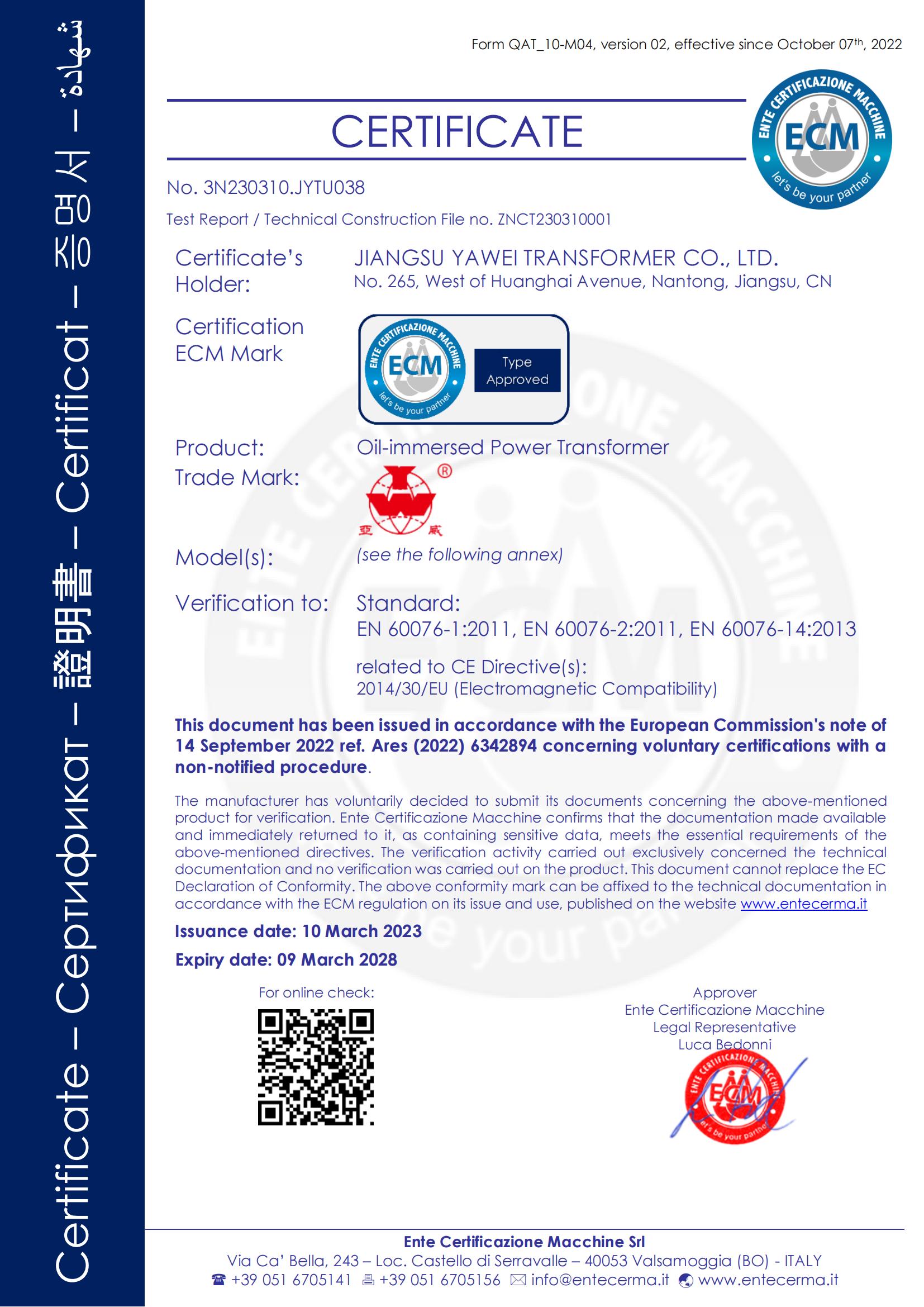
CE — Power Transformer
Oil-immersed power transformer · No. 3N230310.JYTU038 · public certificate range 2023–2028.
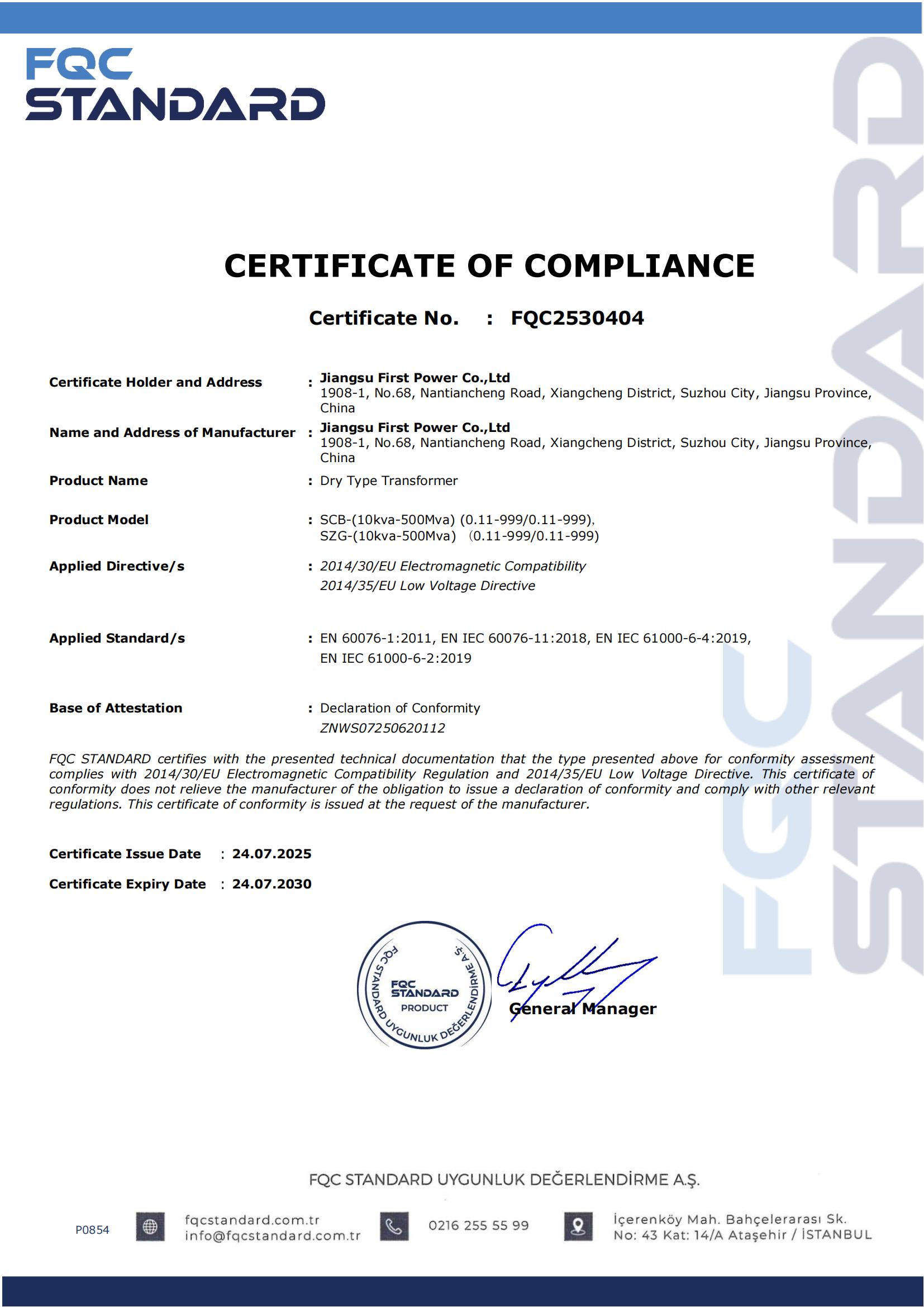
CE — Dry Type
Dry type transformer · No. FQC2530404 · public certificate range 2025–2030.
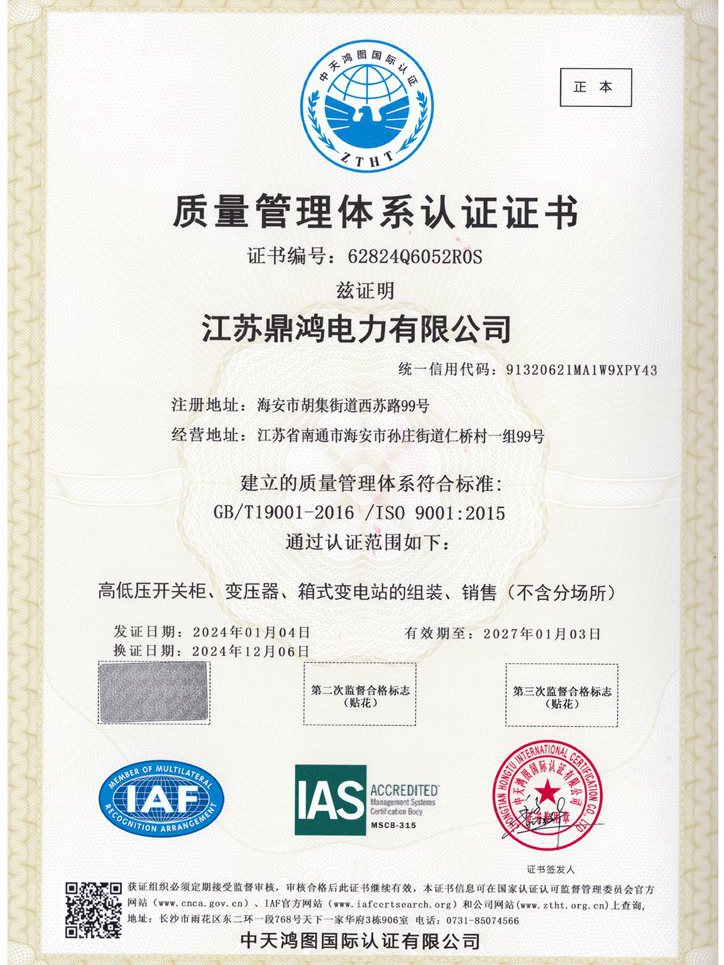
ISO 9001
Quality management system · No. 62824Q6052R0S · public certificate range 2024–2027.
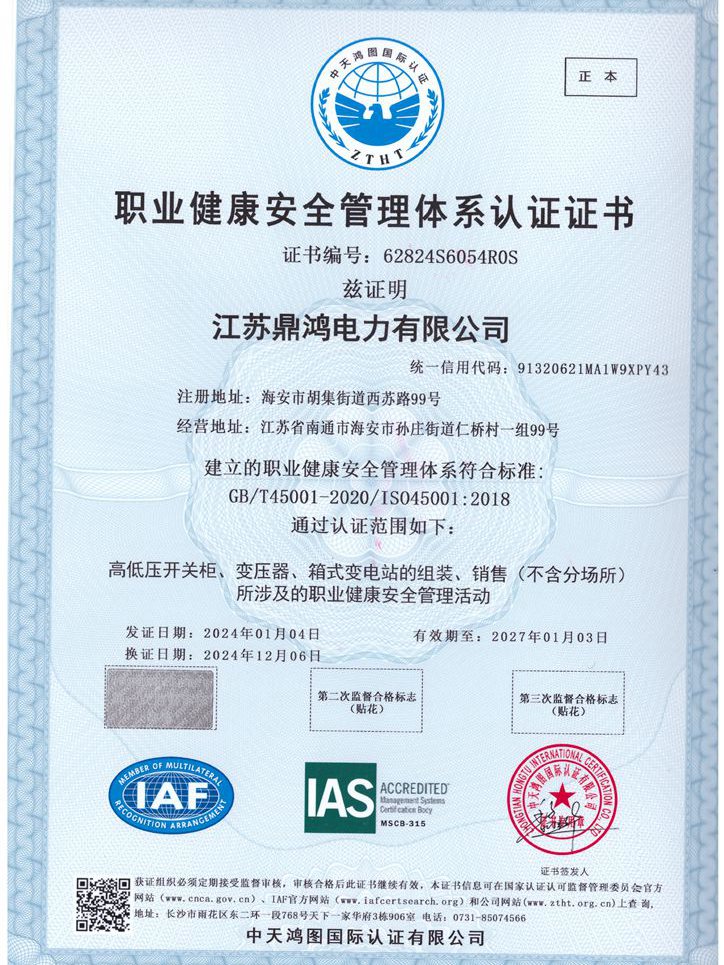
ISO 45001
Health and safety management · No. 62824S6054R0S · public certificate range 2024–2027.
Durban Buyer FAQ: Single-Phase Voltage Stabilizers, Wholesale and Delivery
Answers for wholesalers, installers, facility managers and procurement teams comparing China suppliers for the Durban market.
What is a single phase voltage stabilizer, and why is it relevant to Durban?
It is an automatic voltage regulator that corrects a fluctuating single-phase supply to a safer output window, usually 230 V ±1–3%. Durban’s coastal storms, network switching and load-shedding recovery can create dips, surges and unstable reconnection. A stabilizer protects connected equipment, but it is not a generator and does not provide backup power.
Which kVA size should a Durban home, shop or clinic choose?
Small home-office loads may suit 1–2 kVA; a typical apartment or townhouse circuit often starts around 3 kVA; shops, salons and small clinics frequently evaluate 5 kVA; restaurants, guesthouses and cold rooms may need 10–20 kVA. Always include starting current, power factor and future load before selecting a model.
Will a voltage stabilizer protect equipment during load shedding?
It protects against abnormal voltage while supply is present and can delay reconnection after power returns. It will not keep the load running during an outage. For backup, pair it with an inverter, UPS or generator and ensure the changeover and neutral arrangement are designed by a competent electrical professional.
Can it work with a solar inverter, generator or backup battery?
Yes, provided the system is coordinated. Check inverter output waveform, neutral switching, bypass, surge environment and changeover sequence. Some hybrid inverters already produce a stable output; adding a stabilizer without reviewing the topology can create unnecessary losses or nuisance tripping. Site wiring should follow SANS 10142-1.
Which standards and documents should I request?
Ask for the model datasheet, input/output range, test report, nameplate drawing, warranty terms and declaration of conformity. Relevant references can include IEC voltage and EMC standards, while South African installation compliance is handled under SANS 10142-1. NRS 048-2 is useful context for power-quality discussions with the local network.
How do you handle Durban’s humidity and salt-laden air?
For coastal sites, specify conformal-coated PCBs, anti-corrosion enclosure treatment, stainless fasteners, protected terminals and a suitable IP rating. Indoor units still need ventilation and a dry plant-room position. Direct sea-spray exposure requires a higher protection strategy than a covered retail back office.
What is the MOQ and lead time for wholesale orders to Durban?
MOQ depends on the model, enclosure and private-label requirement. Mixed-model wholesale orders can be discussed for distributors. Typical production lead time is around 15–30 days after drawing approval and deposit, with sea freight to Durban port. Confirm Incoterms, packing and documentation before the order is released.
Can you customize for South African 230 V / 50 Hz requirements?
Yes, customization can cover 230 V output, 50 Hz input, input window, output accuracy, reconnect delay, surge protection, bypass, display language, plug/socket configuration, enclosure colour, nameplate and private-label packaging. Neutral and earthing arrangements must be confirmed for the installation.
What payment terms and export terms are available?
Wisegj works with common Incoterms such as FOB, CFR, CIF, EXW, FCA, CIP, CPT and DDP, subject to contract. Payment methods can include T/T, L/C, D/P and D/A among other agreed options, with major currencies available. Final terms depend on order value, destination and document requirements.
What information should I send for an accurate Durban quotation?
Send the kVA or load list, input voltage range, required output tolerance, load types and starting current, single-phase or three-phase confirmation, quantity, delivery port, certification requirement, enclosure environment and target lead time. Include any private-label or mixed-container plan for wholesale pricing.
Request a Durban-Specific Single-Phase Voltage Stabilizer Quote
Send your load list and site conditions. Our engineers will confirm the recommended single-phase voltage stabilizer, input window, output tolerance, delay setting, enclosure protection, quantity and export documentation for Durban. If you are a wholesaler, include your target market, private-label requirement and mixed-container plan so the quotation can be built for resale, not just for a single installation.
- Load list, kVA, starting current and power factor
- Input range, output tolerance, delay and bypass requirements
- Quantity, private label, packaging and Durban delivery plan
What happens after you send the enquiry?
An engineer reviews the application data, checks the stabilizer and associated power equipment against the stated conditions, and returns a configuration with drawings, test documents and commercial terms. The aim is a quote that survives Durban’s coastal environment, load-shedding recovery and wholesale resale requirements — not a generic kVA price list.