Product recommendations

8 Transformer Products Recommended for Kobe Buyers

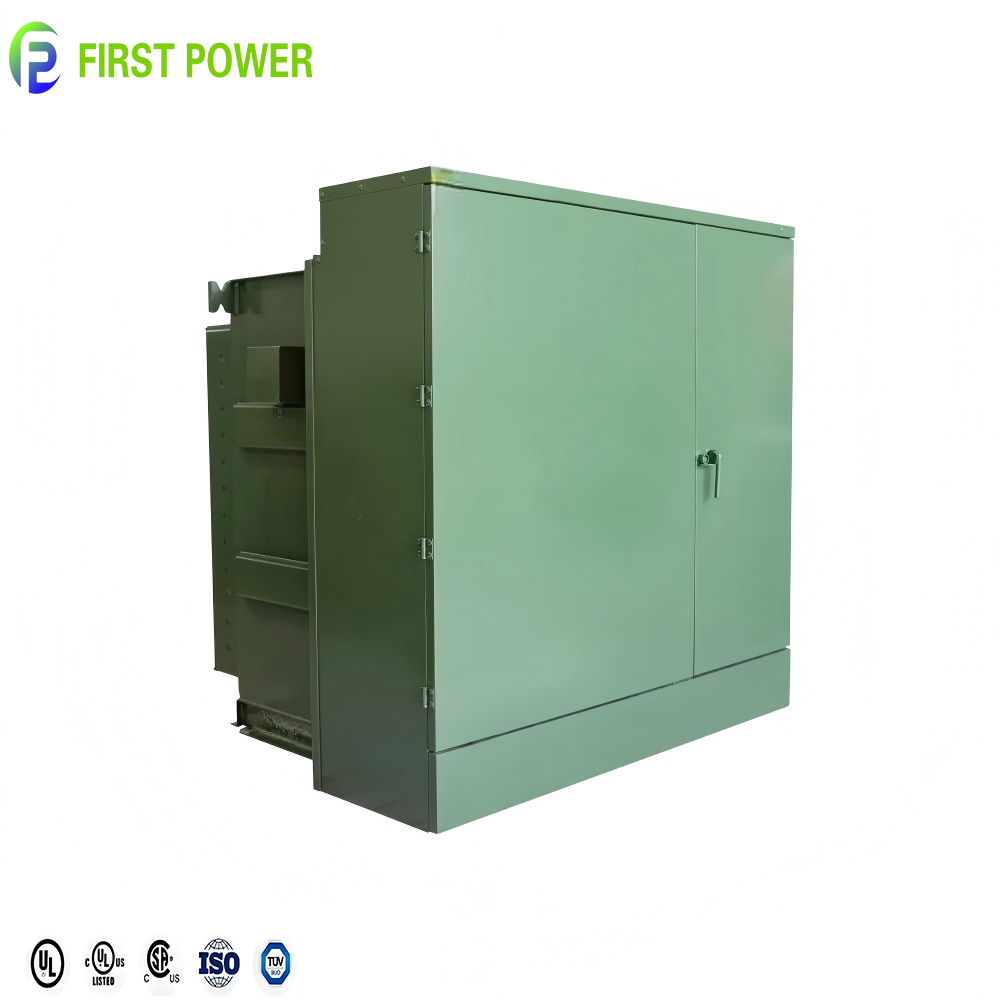
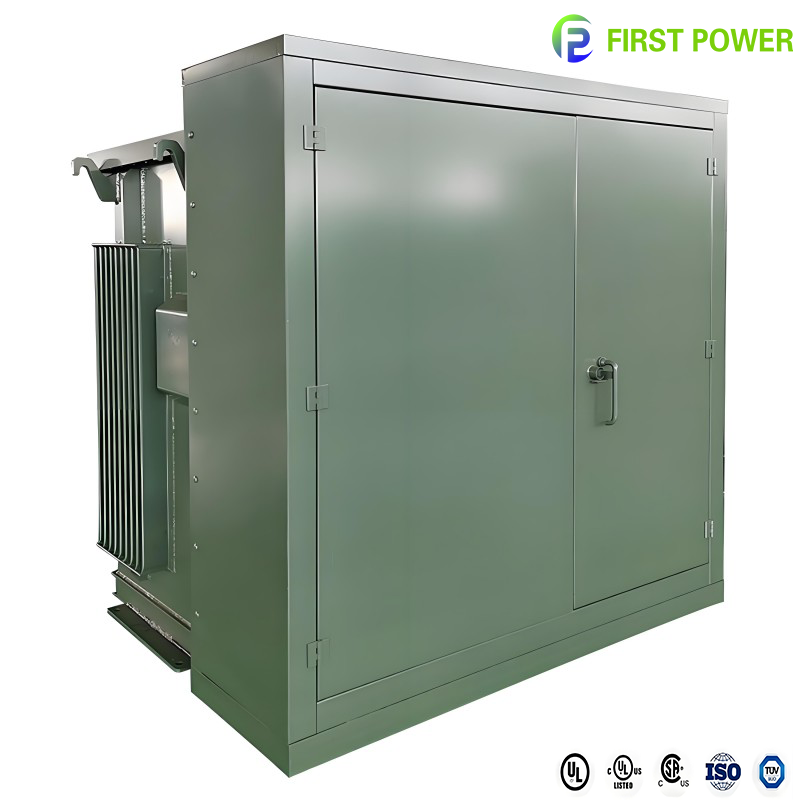
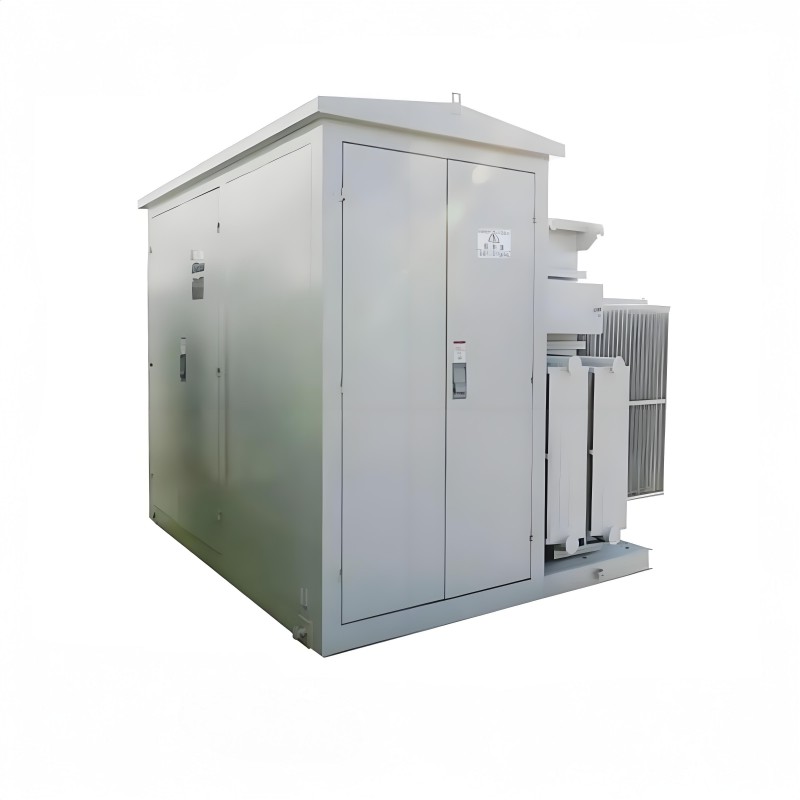
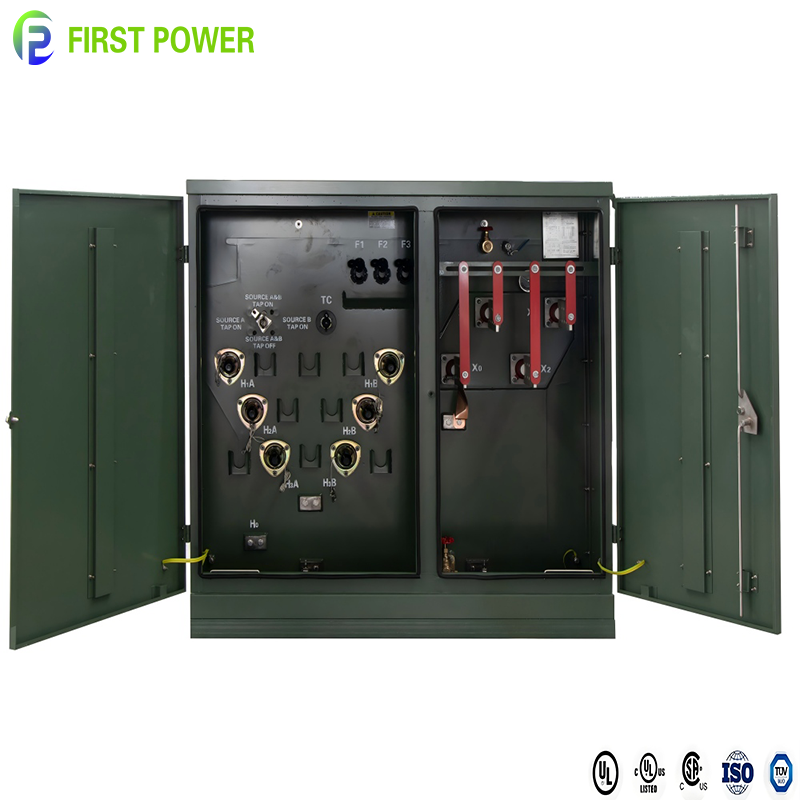
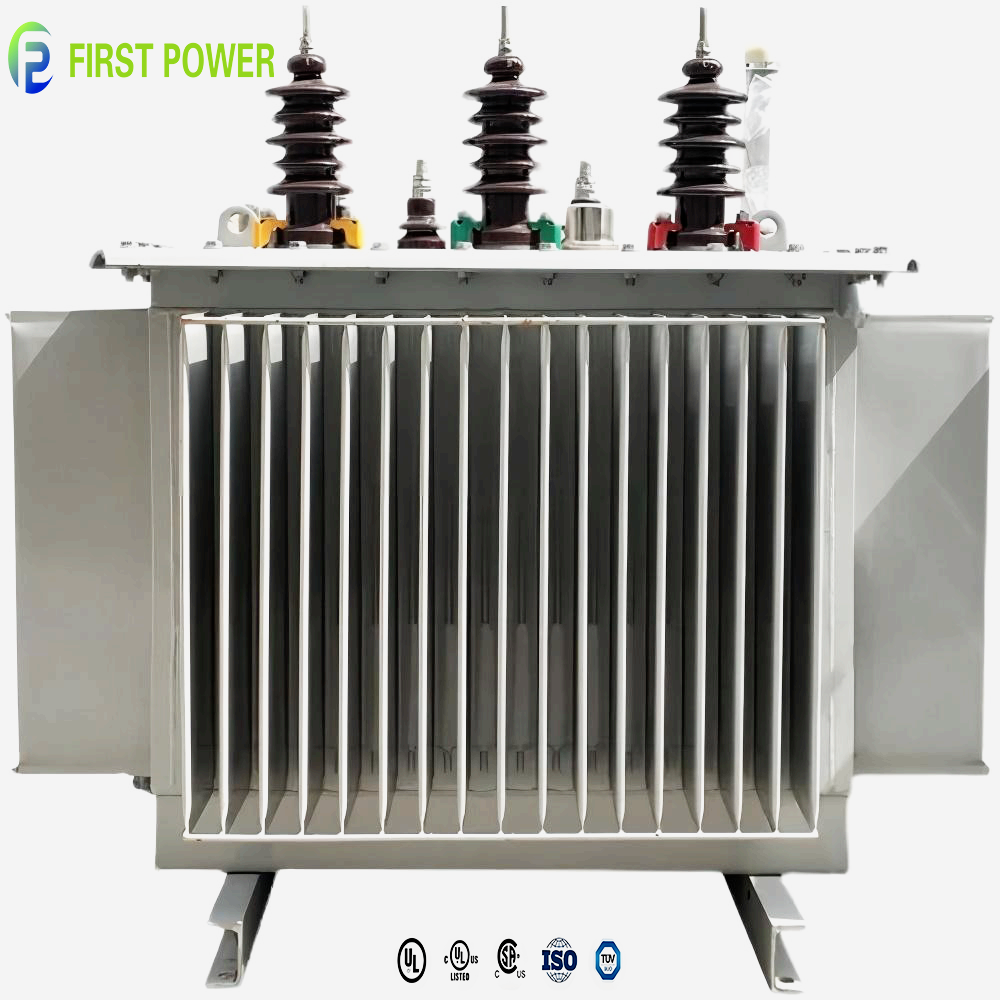
Kobe procurement teams comparing a China wholesale dry type transformer manufacturer usually need more than a product photo. They need a clear match between the transformer type, the building or industrial application, the 60 Hz supply condition, the seismic and corrosion environment, and the documents that will be reviewed before shipment. The references below show part of our export portfolio. For fire-sensitive indoor substations, hospitals, high-rise plant rooms and transit-linked buildings, ask specifically for cast resin dry type transformers; several oil-immersed and pad-mounted lines remain useful where outdoor space, utility practice or project budget makes them appropriate.

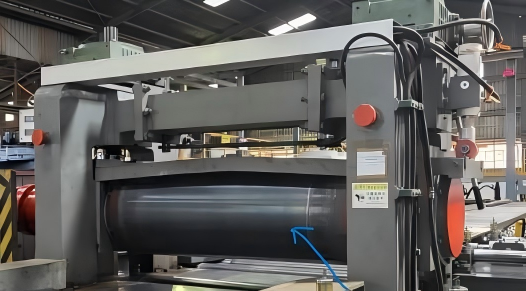
Main Roller D industrial product from the export portfolio
Industrial component

MAIN ROLLER D

Part of the broader heavy-industry product portfolio. If a Kobe project includes mechanical handling, power-system accessories or replacement components, our engineering team can review the drawing, material, duty cycle and export packing needs together with the transformer scope.

Drawing reviewHeavy industryExport packing
View product
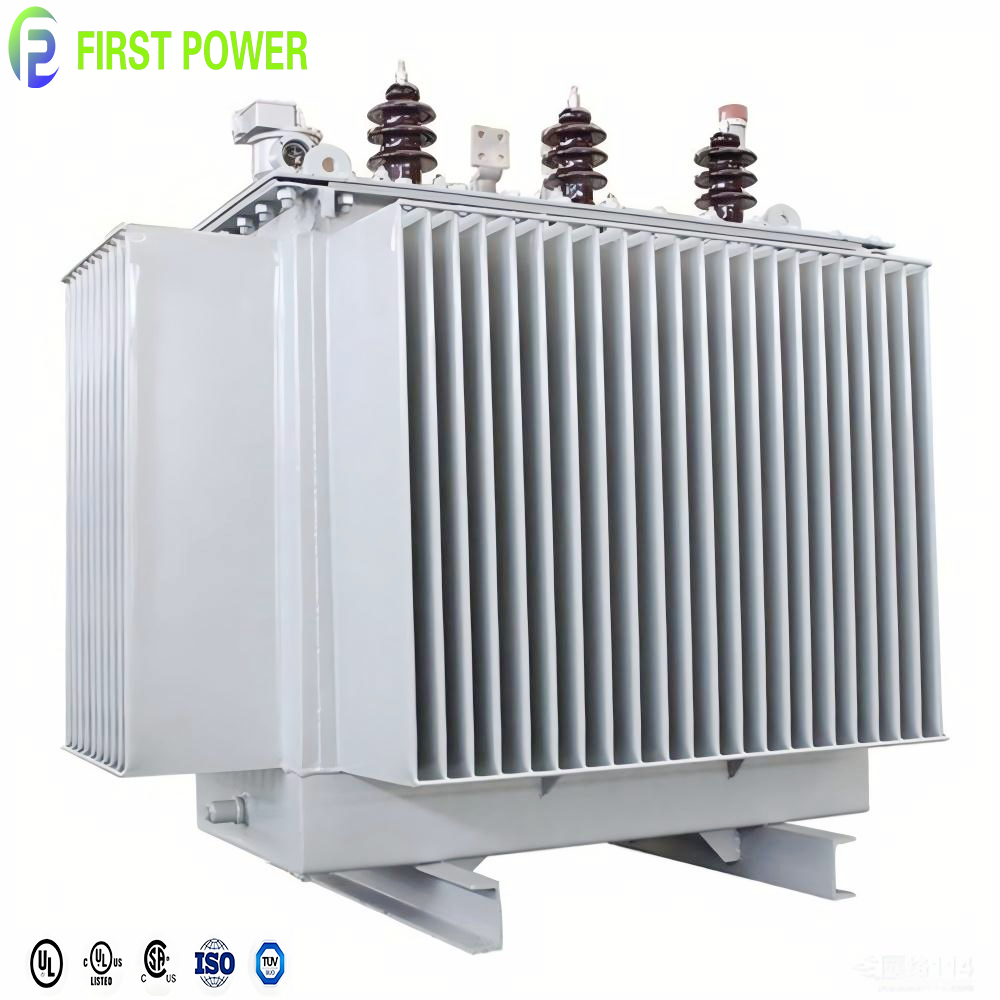
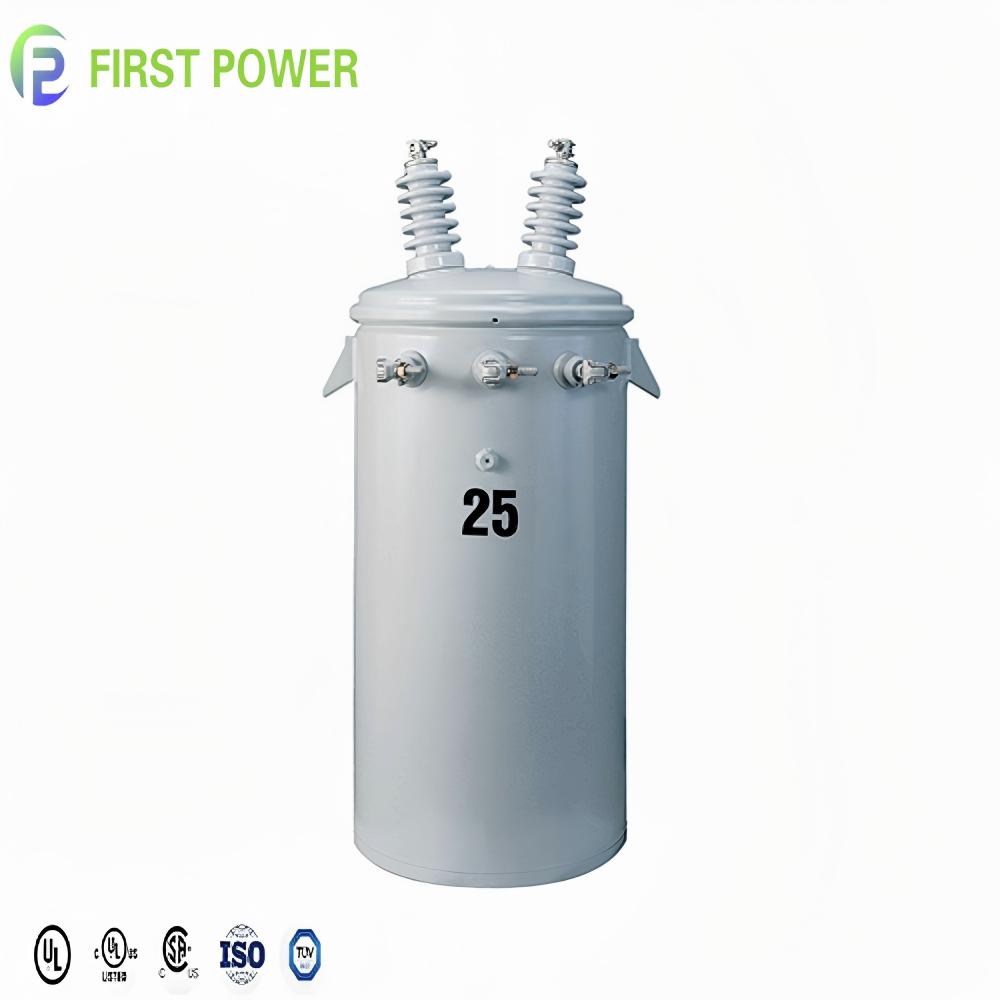
C CE MH and HV 50/60Hz 10kVA to 50000kVA S11 three phase oil transformer
S11 · Distribution

C CE MH&HV 50/60HZ 10KVA-50000KVA 10KV 15KV 20KV 35KV Three Phase S11 Oil Transformer for Electric Power Distribution

Wide S11 oil transformer range covering distribution to larger power distribution duties. Useful for industrial estates and substations where an oil-immersed solution remains acceptable; for indoor public buildings and fire-sensitive rooms, compare against a cast resin dry type design before fixing the specification.

10–50,000 kVAS11Distribution
View product

Need a cast resin dry type transformer quotation for a Kobe building, hospital, data center or industrial project? Share kVA, voltage ratio, 60 Hz, impedance, losses, IP rating, seismic requirement and delivery term.

Company advantages

A China Wholesale Dry Type Transformer Manufacturer With Auditable Evidence

Jiangsu Wisegj Power Co., Ltd. is a Suzhou-based manufacturer and exporter of power transformers, distribution transformers, pad mounted transformers, dry type transformers, compact substations and switchgear from 220 V up to 500 kV. For Kobe buyers, the value is not simply price; it is the ability to verify factory capacity, engineering response, testing evidence and export documentation before the purchase order is released.

Verified production capacity

6,847 m² of inspected production floorspace covering winding, core assembly, drying, tanking and testing. The facility has been independently verified by TÜV Rheinland, which gives Kobe procurement teams a documented starting point for supplier review.

In-house routine testing

Every unit receives routine tests such as winding resistance, voltage ratio and vector group, impedance and load loss, no-load loss and current, applied and induced voltage tests, plus oil dielectric strength for liquid-filled units. Third-party witness inspection is welcome.

Custom engineering, not catalogue-only supply

OEM, ODM, design-based and sample-based customization is available, covering ratings, vector group, impedance, tap range, bushing configuration, cooling method, insulating fluid, enclosure colour, seismic restraint detail and nameplate language.

Kobe-ready export logistics

Seaworthy packing, shock indicators, lifting and anchoring details, and Incoterms from EXW to DDP. For Kobe Port delivery, our export team can align packing lists, marking, documents and the site receiving sequence with the contractor’s schedule.

Certified management and product systems

ISO 9001 No. 62824Q6052R0S, ISO 14001 No. 62824E6053R0S and ISO 45001 No. 62824S6054R0S. CE certificates include dry type transformer No. FQC2530404, oil-immersed transformer No. M.2025.206.C121882 and compact substation No. M.2025.206.C121884.

Engineering response and documentation

50+ R&D and technical engineers, 211 qualified supply-chain partners and a stated 24-hour response target. Quotations can be supported with GA drawings, nameplate drafts, routine test reports, O&M manuals and English documentation for consultant review.

20+
Years of team experience in transformers
500 kV
Maximum voltage class supplied
6,847 m²
Verified production floorspace
50+
R&D and technical engineers
211
Qualified supply-chain partners
4.9/5
Average buyer rating shown in the source profile
Kobe application map

Where Dry Type Transformers Fit Kobe’s Local Application Map

Kobe is a compact port city between the Rokko mountains and Osaka Bay. That geography shapes transformer specification: limited delivery access, high humidity near the waterfront, seismic design default, and a strong preference for fire-safe equipment in occupied buildings. Dry type transformers are often selected where removing insulating oil from the building envelope simplifies fire protection, maintenance and insurance review.

Hospitals and medical research campuses

For hospitals, clinics and medical R&D facilities, an oil-free cast resin transformer can reduce fire load in plant rooms and simplify fire compartment design. Low noise, class F or H insulation, temperature monitoring and a clear maintenance route are usually more important than the lowest first cost.

High-rise and mixed-use redevelopment

Kobe’s urban redevelopment projects often place substations in basements, podiums or rooftop plant areas. Dry type transformers support indoor installation with reduced oil-handling requirements. The RFQ should state floor loading limits, ambient temperature, ventilation, IP rating, anchoring detail and lifting path.

Port, logistics and waterfront industry

Salt-air exposure and humidity near Kobe Port make enclosure finish, gasket selection, terminal protection and maintenance access critical. Dry type units are often placed inside electrical rooms or MCC buildings; where outdoor installation is required, the enclosure and corrosion protection must be engineered as part of the transformer package.

Rail, metro and transport-linked buildings

Transport infrastructure tends to require high reliability, harmonic tolerance and seismic restraint. For stations and depots, discuss vibration isolation, temperature rise margin, protection coordination and remote alarm contacts early so the transformer design matches the electrical contractor’s interface drawings.

Data centers and precision manufacturing

Kobe and the wider Kansai region host advanced manufacturing and digital infrastructure where power quality and lifecycle cost matter. Low-loss dry type transformers, adequate impedance for fault coordination and optional temperature monitoring help match the electrical design to high-availability operations.

Commercial kitchens, food plants and public facilities

Food processing, commercial kitchens and public buildings value dry type transformers for fire safety, clean electrical rooms and straightforward inspection. The specification should include ambient temperature, humidity, cleaning practice, enclosure protection and the required degree of noise control.

Specification checklist

Kobe Dry Type Transformer RFQ Checklist

A technically complete enquiry shortens the quotation cycle and reduces the risk of a non-compliant design. The table below reflects the information our engineers need before issuing a dry type transformer proposal for a Kobe project.

Parameter What to state in the RFQ Why it matters in Kobe
Application and location Indoor basement, rooftop plant room, hospital, data center, port shed, rail station or factory; note ambient temperature and humidity. Determines fire strategy, enclosure, IP rating, ventilation, noise target and maintenance access.
Rated power kVA or MVA, continuous load, future expansion, spare capacity and any N-1 requirement. Prevents undersizing in high-availability facilities and helps optimise lifecycle losses.
Voltage ratio Primary and secondary voltage, for example 6.6 kV, 22 kV or 33 kV to 0.4 kV or 0.21 kV; confirm utility requirements. Kansai project documentation and the local electrical contractor’s interface must match the nameplate exactly.
Frequency 60 Hz for Kobe; state if a dual 50/60 Hz design is required for export flexibility. Frequency affects core design, losses, impedance and temperature rise; it cannot be treated as a catalogue afterthought.
Impedance and losses Required percentage impedance, no-load loss, load loss, efficiency target and temperature rise. Supports protection coordination and lifecycle cost evaluation for continuously loaded facilities.
Insulation and cooling Class F or H, AN or AF cooling, ambient correction, altitude correction and required overload margin. Kobe’s humid coastal climate and confined plant rooms require careful thermal design.
Seismic and enclosure Anchor detail, base frame, design acceleration or consultant requirement, IP rating, anti-corrosion finish and cable entry direction. Seismic restraint and salt-air protection are practical acceptance items, not optional accessories.
Testing and documents Routine test report, type test references, partial discharge requirement if applicable, GA drawing, nameplate draft and O&M manual language. The buyer’s QA team and Japanese electrical consultant need traceable documents before shipment release.
Delivery and Incoterms Kobe Port or project site, required Incoterm, packing standard, lifting points, shipping marks and document consignee. Correct export packing and delivery terms avoid demurrage, rework and site delays after arrival.

Notes: Japanese utility practice, PSE applicability and local acceptance requirements should be confirmed with the project’s electrical consultant. Our team can supply technical documents for that review, but final authority approval remains project-specific.

Factory evidence

What Kobe Buyers Can Verify Before Ordering

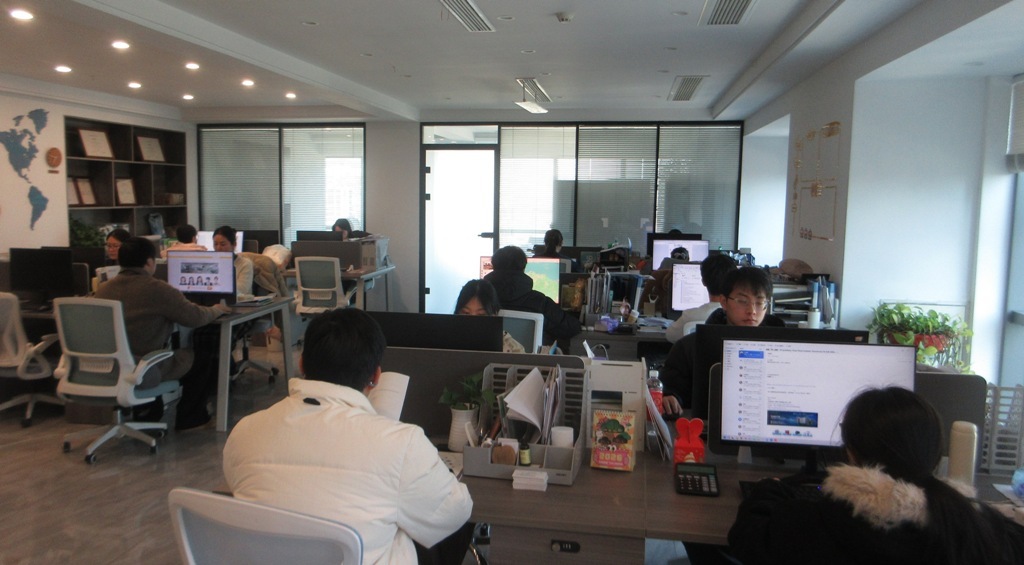
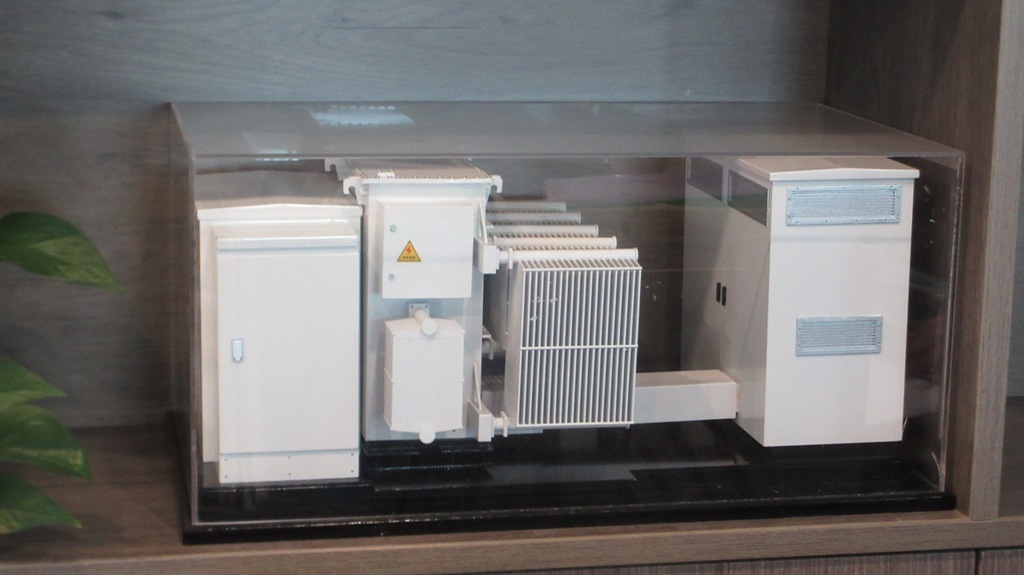
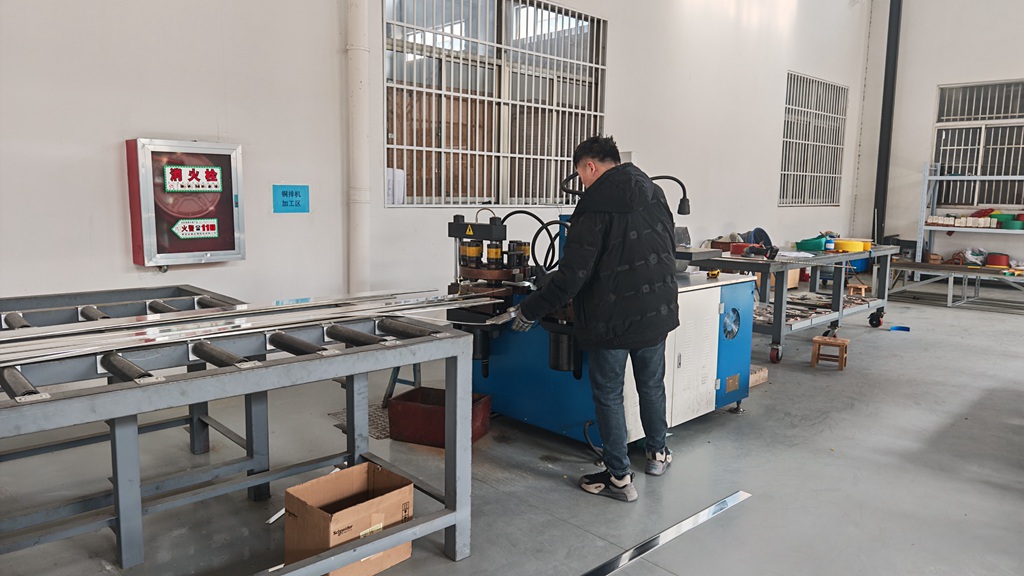
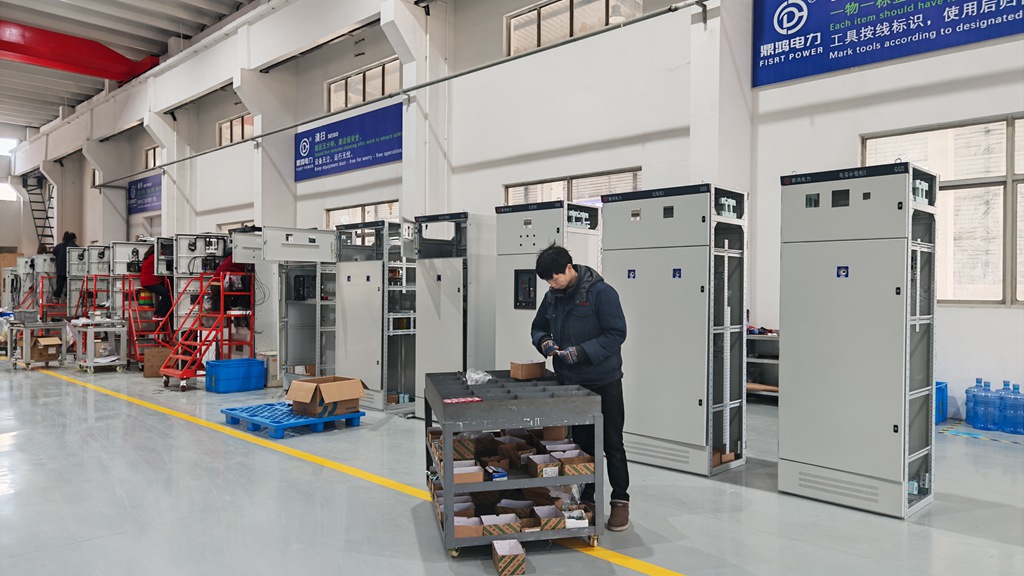
For a dry type transformer purchase, the most useful supplier evidence is repeatable: drawings, test reports, material control, factory inspection and export packing. The images below are taken from our production and inspection environment.

Wisegj company overview and transformer production facility
Company and production facility overview — used for supplier verification and project review.

A documented production route from specification to export

Our engineering team brings more than 20 years of hands-on transformer experience. Each project is reviewed by engineers before quotation, produced under ISO 9001 quality control and shipped with routine test reports. For Kobe buyers, this creates a clear audit trail from the first datasheet to the final packing list.

  • Design review before quotation: voltage, frequency, impedance, losses, cooling and enclosure.
  • GA drawing, nameplate draft and test plan agreed before production release.
  • Winding, core assembly, drying, tanking and testing controlled by documented work instructions.
  • Routine test report per serial number, with third-party witness inspection available on request.
  • Seaworthy packing with impact indicators for Kobe Port or direct site delivery.
Kobe procurement FAQ

Common Questions from Kobe Transformer Buyers

These are the questions our engineering and export teams most often receive from overseas buyers comparing Chinese transformer suppliers for Japanese projects.

Are you a China wholesale dry type transformer manufacturer or a trading company?+

Jiangsu Wisegj Power Co., Ltd. is a manufacturer and exporter based in Suzhou, China. Our portfolio covers dry type transformers, oil-immersed transformers, pad mounted transformers, power transformers, compact substations and switchgear. The company operates with ISO 9001, ISO 14001 and ISO 45001 management systems, and production capability has been verified by TÜV Rheinland. For Kobe buyers, we can provide company documents, certificates, factory images and product test reports for supplier qualification.

Can your dry type transformers be designed for Kobe’s 60 Hz network?+

Yes. Frequency must be stated in the enquiry because 50 Hz and 60 Hz designs can differ in core flux, losses, impedance and temperature rise. For Kobe, state 60 Hz clearly, together with primary and secondary voltage, kVA, impedance, loss target, ambient temperature and installation location. If the same design may be used in other markets, a dual 50/60 Hz requirement can be discussed, but the final nameplate and test basis must be fixed before production.

What information should I send for a dry type transformer quotation?+

Send the rated power, voltage ratio, frequency, vector group, impedance, no-load and load loss target, cooling method, insulation class, ambient temperature, altitude, enclosure IP rating, seismic requirement, cable entry direction, required documents and delivery term. If you have a single-line diagram, equipment layout, consultant specification or tender document, include it with the enquiry. This allows our engineers to review the actual interface instead of quoting from a generic catalogue number.

How do you address seismic and salt-air conditions in Kobe?+

Seismic and corrosion requirements should be written into the RFQ. For seismic design, provide the consultant’s anchorage requirement, design acceleration or base-frame detail so the transformer can be offered with suitable fixing points and structural review. For salt-air exposure near Kobe Port, specify the enclosure finish, gasket material, terminal protection and maintenance access. Dry type transformers installed indoors still need a clean, ventilated room; the building services design must control humidity and prevent water ingress.

What tests and documents are supplied before shipment?+

Every unit receives routine tests according to the applicable standard and product type, typically including winding resistance, voltage ratio and vector group, impedance and load loss, no-load loss and current, applied voltage and induced voltage tests. Liquid-filled units also receive oil dielectric strength testing. The document package can include the GA drawing, nameplate draft, routine test report and O&M manual in English. Third-party witness inspection can be arranged if the buyer’s QA team requires it.

What are the delivery and payment options for Kobe?+

We can quote FOB, CFR, CIF, EXW, FCA, CIP, CPT and DDP terms depending on the project and destination. Kobe Port is a common delivery point, but direct site delivery can be discussed when the contractor can receive and unload the equipment. Payment options include T/T, L/C, D/P and D/A subject to contract review. Currency and payment schedule are confirmed with the commercial invoice and order documents.

For a faster answer, include the project location in Kobe, the intended transformer type, required kVA, voltage ratio, 60 Hz confirmation, impedance or loss limits, IP rating and delivery term in the first message.
Supply process

From Enquiry to Kobe Delivery: A Documented Route

Clear checkpoints reduce engineering revisions, production surprises and shipping delays. This is the working route we use for transformer projects requiring export documentation and third-party review.

01

Application and grid review

Confirm Kobe location, 60 Hz supply, voltage ratio, load profile, indoor or outdoor installation and environmental conditions.

02

Electrical design and quotation

Select the transformer type, losses, impedance, cooling, enclosure and accessories; issue a technical and commercial offer.

03

Drawing and data sheet approval

Review GA drawing, nameplate data, interface points, seismic fixing and document list with the buyer and consultant.

04

Material and production control

Release winding, core assembly, drying and tanking or casting under in-process inspection records.

05

Routine testing and inspection

Perform routine electrical tests, compile the test report and complete any agreed witness inspection before packing.

06

Export packing and Kobe delivery

Apply seaworthy packing, shipping marks, lifting points and document control; coordinate delivery to Kobe Port or site.

Send Your Kobe Dry Type Transformer Specification for Engineering Review

Include kVA, primary and secondary voltage, 60 Hz, impedance, loss target, IP rating, seismic restraint, ambient conditions, delivery term and required documents. Our engineering team will review the application and respond with the next technical questions or a quotation route.

Contact Us