Eight Transformer Products Shortlisted for Frankfurt Buyers
Frankfurt projects usually require a clear match between the application, the grid code, the efficiency target and the documentation package. The eight products below are the closest export-series matches for buyers sourcing three phase pad mounted transformers and complementary distribution equipment from China.
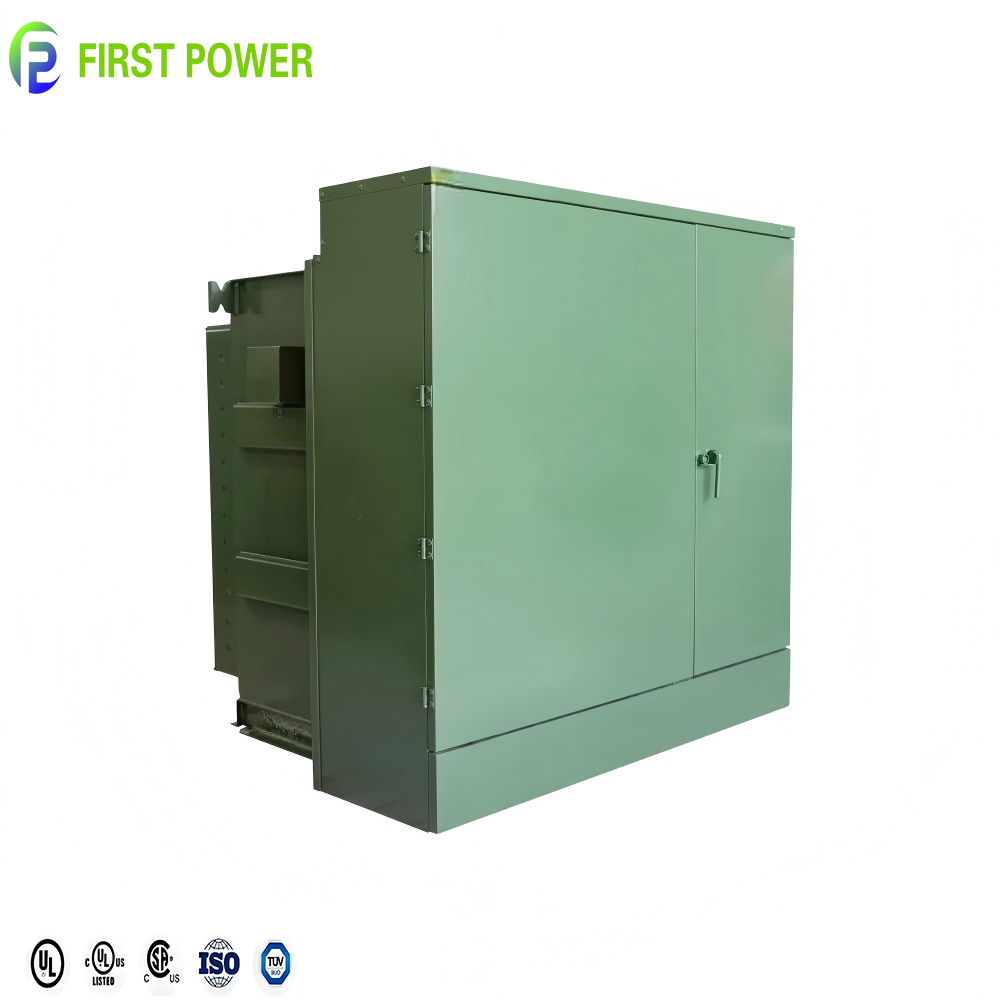
C CE MV&HV 50/60HZ 750KVA 1250KVA 1500KVA 2000KVA 2500KVA 3 Phase Pad Mounted Transformer for Industrial Power Supply
A high-capacity three phase pad mounted platform for industrial and utility supplies, configurable from 750 kVA to 2500 kVA with CE documentation, 50/60 Hz windings and a tamper-resistant enclosure for underground feed networks.
View product details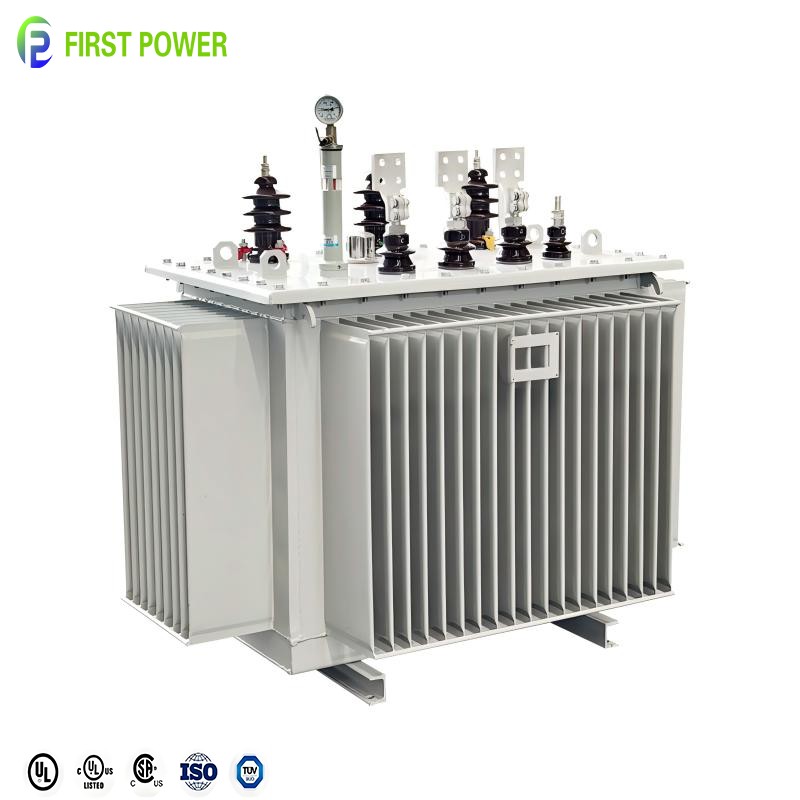
C CE 50/60HZ 100KVA 300KVA 500KVA 630KVA 1000KVA 10KV 20KV 35KV 3 Phase Oil Immersed Power Transformer for Power Supplies
Oil immersed three phase power transformer family for 10, 20 and 35 kV systems, with 100–1000 kVA ratings, low-loss core options and test reports suitable for European project submissions.
View product details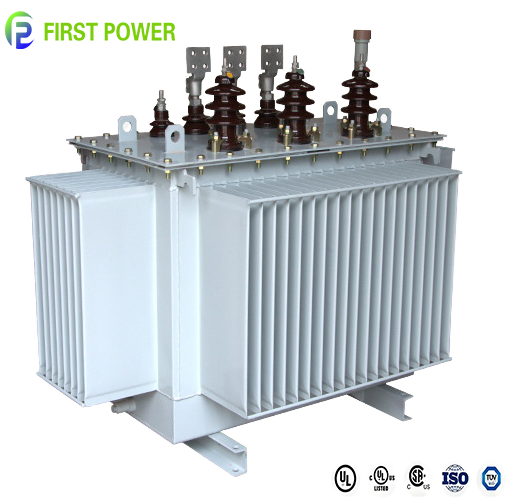
C CE 50/60HZ S11 10KV 15KV 20KV 35KV 100KVA 300KVA 500KVA 630KVA Three Phase Oil Transformer Price for Distribution System
S11 three phase oil transformer priced for distribution systems, covering 100–630 kVA and 10–35 kV. A practical option for Frankfurt-area commercial buildings where efficiency and lead time both matter.
View product details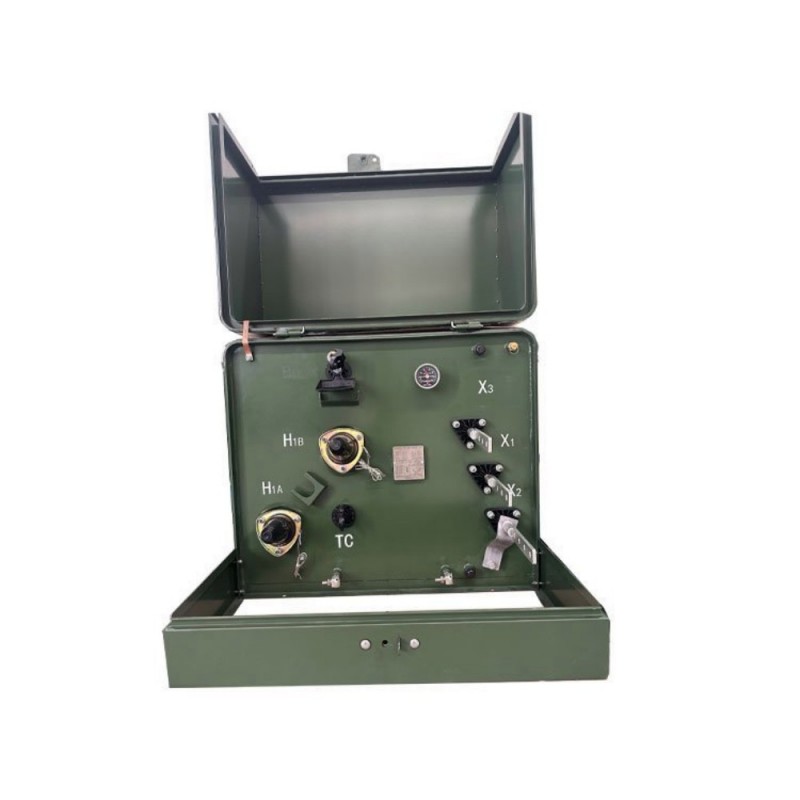
C Certification 6KV 10KV 13KV 20KV 34.5KV 50/60HZ Oil Type Single Phase 75KVA Pad Mounted Transformers
Single phase oil type pad mounted design for 6–34.5 kV networks and 75 kVA rating. Useful for auxiliary loads, rural feeders and pilot projects requiring compact ground-mounted equipment.
View product details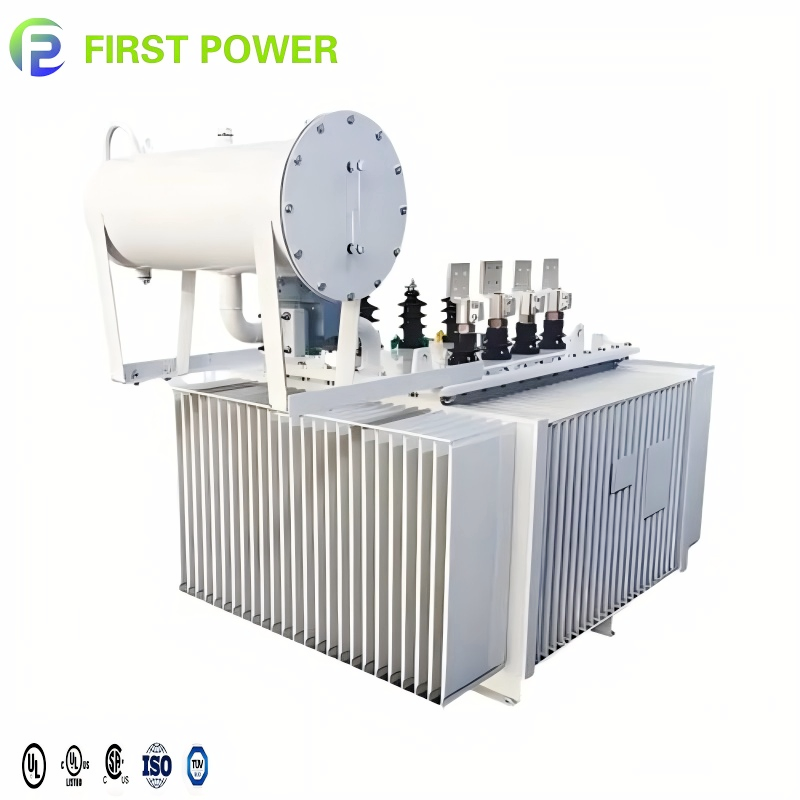
C CE 10KV 20KV 35KV 1000KVA 2000KVA 2500KVA 3 Phase Oil Type on Load Tap Changer Transformer for Industrial Power Supply
On-load tap changer oil type transformer for heavy industrial power supply, available in 1000–2500 kVA and 10–35 kV. Designed for projects where voltage regulation must stay stable under changing load.
View product details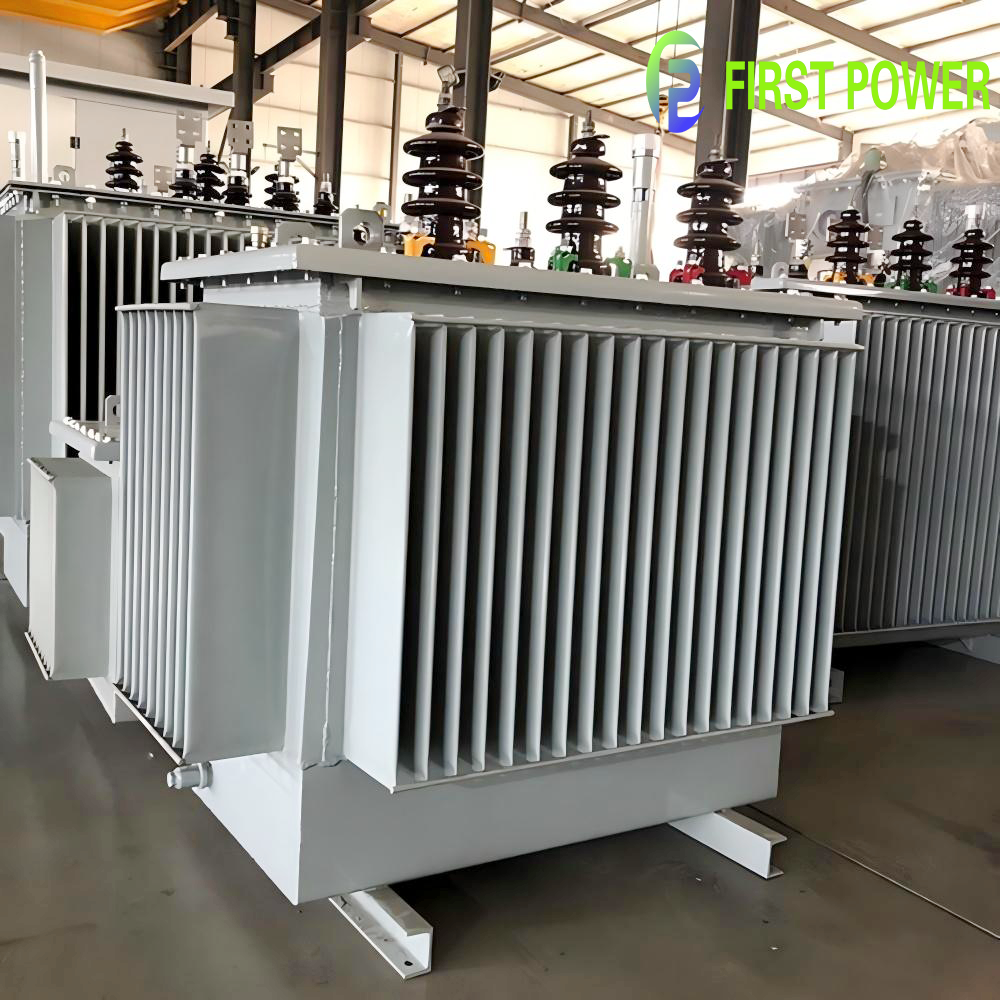
C CE MV&HV S11 50/60HZ 10KV 20KV 35KV Three Phase Oil Immersed 50KVA Transformer for Electric Power Distribution
S11 three phase oil immersed 50 kVA distribution transformer for smaller MV/LV nodes. Suitable for localized loads, temporary power and retrofit packages in space-constrained urban areas.
View product details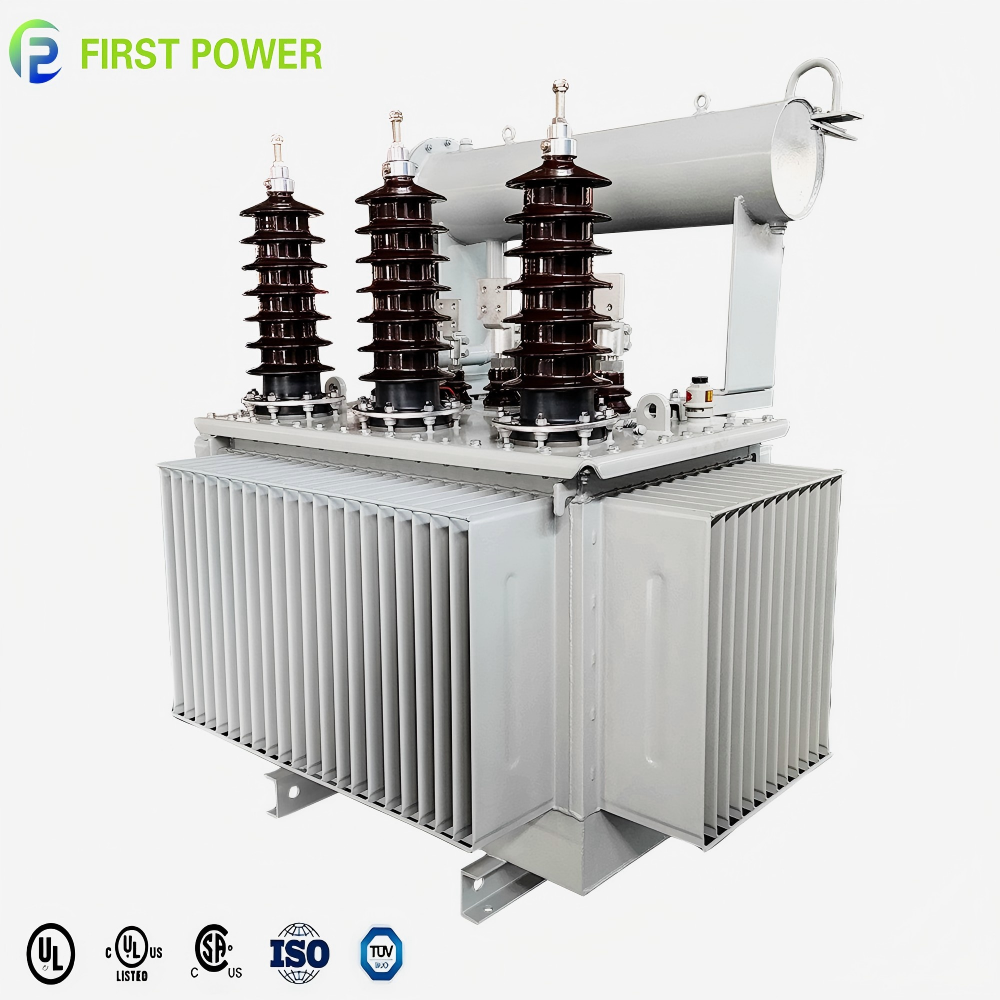
C CE Certification IEEE Standard 50/60HZ S11 Three Phase 33KV Oil Immersed Power High Voltage Transformer for Industrial
IEEE-standard S11 three phase 33 kV oil immersed power transformer for industrial projects. A cross-standard option for buyers comparing IEC and IEEE specifications before finalizing the Frankfurt tender.
View product details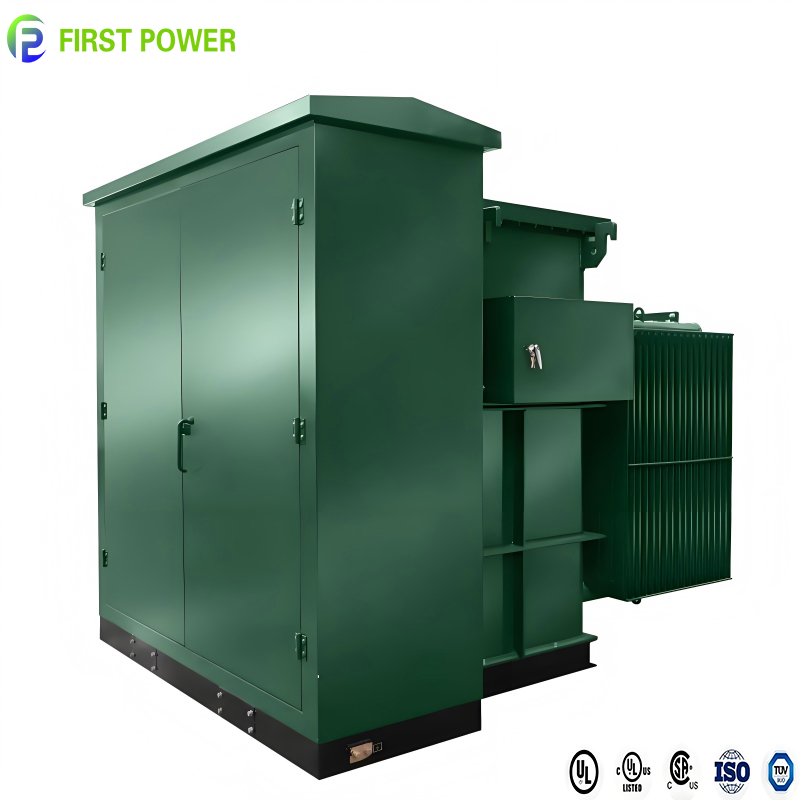
C CE 50/60HZ 6KV 10KV 15KV 20KV 35KV 100KVA 300KVA 500KVA 630KVA 3 Phase Pad Mounted Pedestal Transformer for Industrial
Three phase pad mounted pedestal transformer for 6–35 kV and 100–630 kVA. A compact footprint solution for industrial sites, charging hubs and commercial developments with underground cables.
View product detailsWhy Frankfurt Buyers Compare Evidence, Not Only Price
European procurement teams increasingly evaluate Chinese transformer exporters on audit evidence, test documentation and project support. The figures below summarize Wisegj's production and service base as presented in the company profile and third-party verified assessment material.
A Suzhou Transformer Exporter Built for Audit-Heavy European Projects
Jiangsu Wisegj Power Co., Ltd. is based in Suzhou, Jiangsu, China. The company designs, assembles and exports medium and high voltage equipment from 220 V to 500 kV, including power transformers, distribution transformers, pad mounted transformers, dry type transformers, compact substations, switchgear, distribution boxes and voltage stabilizers. For Frankfurt procurement, the most relevant capability is not simply the product list: it is the ability to turn a German or EU specification into a documented, testable and shippable transformer package.
Every enquiry is reviewed by engineers before quotation. Ratings, vector group, impedance, tap range, bushing arrangement, cooling method, insulating fluid, enclosure color and nameplate language are confirmed against the project schedule. Production runs under ISO 9001, ISO 14001 and ISO 45001 management systems. CE certificates cover oil-immersed power transformers, oil-immersed transformers, dry type transformers, compact substations and switchgear, and certificate numbers can be checked with the issuing bodies.
Wisegj's production base is supported by 6,847 m² of verified floorspace, more than 50 R&D and technical engineers, 211 qualified supply-chain partners and a documented inspection route from core stacking through final dielectric testing. For buyers in Frankfurt and the wider Rhine-Main region, this means fewer clarification cycles, a clearer FAT plan and an English-language documentation pack that can be forwarded to utilities, consultants and EPC project managers.
Customization is available on an OEM, ODM, design-based or sample-based basis. We can supply mineral-oil or natural-ester designs, low-loss CRGO or amorphous cores, low-noise cooling arrangements and compact enclosures where site dimensions are tight. Third-party witness inspection is welcome, and routine test reports are provided for every serial number.
- Own production base with full industry certificates
- 50+ engineers in R&D and technical support
- Supplier experience with Fortune 500 companies
- 24-hour pre-sale and after-sale response target
- OEM, ODM and design-based customization
- Finished-product inspection on every unit
Third-party verification: production capability, floorspace and quality inspection were verified onsite by TÜV Rheinland, an independent third-party inspection body. This is relevant for Frankfurt buyers who need a faster supplier qualification route before a formal tender or frame agreement.

Where Three Phase Pad Mounted Transformers Fit in Frankfurt
Frankfurt is not a single market. A downtown redevelopment, a data-center campus, an EV charging hub and an industrial logistics site each place different demands on losses, footprint, noise, fire safety and documentation. These are the scenarios our engineering team reviews most often with Rhine-Main buyers.
City-Center Underground Distribution
Frankfurt's banking district, Europaviertel and inner-city redevelopment sites favor underground cable networks and compact ground-mounted equipment. Three phase pad mounted transformers reduce visible overhead infrastructure while keeping MV/LV conversion close to the load.
Data-Center and Digital Infrastructure
The Frankfurt-Rhine-Main area is one of Europe's most concentrated data-center markets. Redundant supplies, low losses, predictable temperature rise and clear test documentation matter more than the lowest first cost. Pad mounted or compact substation designs can be configured for phased expansion.
EV Charging Hubs and Parking Garages
High-power charging clusters create short, intense load profiles. A transformer selected only on nameplate kVA may run hot or age faster. We review duty cycle, harmonic content, ambient temperature and ventilation before recommending ratings and cooling.
Commercial, Hospitality and Messe Projects
Hotels, exhibition spaces, retail and mixed-use buildings need reliable supply with limited plant-room space. Low-noise oil immersed or compact units can be integrated with LV distribution, metering and protection interfaces defined by the local consultant.
Airport, Logistics and Industrial Estates
Frankfurt Airport and surrounding logistics parks operate continuous processes where downtime is expensive. Oil immersed transformers with on-load tap changers, enhanced cooling and documented maintenance access may be appropriate for critical industrial loads.
Solar, Storage and District Energy
Germany's energy transition is increasing decentralized generation and storage connections. Transformers must match inverter harmonics, reverse power flow, protection settings and future capacity upgrades. We support the specification review before the grid-connection application is finalized.
What Is Changing in Frankfurt's Transformer Procurement
These trends are visible in tender documents, utility specifications and consultant enquiries across Germany and the wider EU market. They explain why a low-cost transformer quotation can be misleading if it does not include the right losses, fluid, footprint and documentation.
EU Efficiency Rules Make Losses a Tender Item
EU transformer ecodesign rules, including Tier 2 loss limits, have moved no-load and load loss from a catalogue detail to a commercial evaluation point. Frankfurt buyers often ask for guaranteed losses, tolerance clauses and test verification, not just CE marking.
Undergrounding and Smaller Footprints
In Frankfurt's inner-city plots, available land is scarce. Pad mounted and compact substation designs are being specified to reduce visible infrastructure, shorten cable runs and fit within tight building or streetscape constraints.
Fire Safety and Environmental Fluids
For basements, public spaces and mixed-use developments, natural ester fluids and dry type alternatives are increasingly reviewed alongside mineral oil. The decision should follow the site's fire concept, insurance requirements and local approval process.
Documentation as a Procurement Gate
German utilities, consultants and EPCs expect drawing approvals, test reports, declarations, O&M information and traceable certificate numbers. A supplier that cannot produce a clean document pack creates schedule risk even if the hardware price is low.
How to Specify a Three Phase Pad Mounted Transformer for Frankfurt
Use this comparison to structure the technical discussion before requesting a quotation. The final requirement should always be confirmed with the local utility, appointed consultant and insurance adviser.
| Specification area | Why it matters in Frankfurt | What to fix before RFQ |
|---|---|---|
| Voltage class and connection | Frankfurt projects commonly review 10 kV, 20 kV and 35 kV MV connections, with 400 V LV distribution. The local utility and VDE application rules determine the acceptable interface. | Primary and secondary voltage, vector group, neutral arrangement, cable entry direction and connection details. |
| Losses and efficiency | EU ecodesign requirements and tender evaluation formulas make guaranteed losses a financial variable, not a technical footnote. | No-load loss, load loss, reference temperature, tolerance basis and the evaluation formula used by the buyer. |
| Insulating fluid and fire concept | Urban sites, basements and public-facing locations may require natural ester, dry type alternatives or additional bunding and fire protection measures. | Fluid type, fire class, temperature-rise limits, bunding, noise limits and insurance requirements. |
| Footprint and enclosure | Frankfurt inner-city plots are tight. Pad mounted and compact designs may need specific door swings, cable clearances and corrosion protection. | GA drawing dimensions, enclosure IP rating, finish, lock type, ventilation and lifting arrangements. |
| Testing and documentation | German consultants and EPCs often require routine test reports, type test evidence, CE declarations and O&M documents before energization. | Routine test list, witness FAT, third-party inspection, document language, nameplate and manual requirements. |
| Delivery and commercial terms | Frankfurt delivery may involve sea freight to Hamburg or Bremerhaven, rail alternatives and final truck delivery. The Incoterm and packing plan affect total landed cost. | Destination address, Incoterm, milestone dates, packing standard, spare parts and warranty terms. |
Ten Data Points That Avoid Clarification Loops
Providing complete data in the first enquiry helps the factory return a compliant design, a realistic lead time and a test plan without repeated back-and-forth.
Evidence Your Compliance Team Can Verify
Certificate numbers are shared so compliance teams can verify them with the issuing bodies. The applicable certificate and scope must always be confirmed for the final product, rating and destination.
| Document | Scope | Number and validity |
|---|---|---|
| ISO 9001 | Quality management system | 62824Q6052R0S · 2024–2027 |
| ISO 14001 | Environmental management system | 62824E6053R0S · 2024–2027 |
| ISO 45001 | Occupational health and safety management system | 62824S6054R0S · 2024–2027 |
| CE — Oil-immersed power transformer | Oil-immersed power transformer | 3N230310.JYTU038 · 2023–2028 |
| CE — Oil immersed transformer | Oil immersed transformer | M.2025.206.C121882 · 2025–2030 |
| CE — Dry type transformer | Dry type transformer | FQC2530404 · 2025–2030 |
| CE — Compact substation | Compact substation | M.2025.206.C121884 · 2025–2030 |
| CE — Switchgear | Switchgear | ICR/VC/HM2506248 · 2025–2030 |
Questions Frankfurt Buyers Ask Before Sourcing from China
These answers reflect common technical, commercial and compliance questions from German procurement teams evaluating three phase pad mounted transformers and related distribution equipment.
Can your three phase pad mounted transformers be used on Frankfurt's 50 Hz network?
Yes. Frankfurt and the wider German grid operate at 50 Hz, and our transformer designs can be configured for 50 Hz operation across 10 kV, 20 kV and 35 kV distribution classes, with LV outputs such as 400 V. The rating, vector group, impedance and losses must be confirmed against the project specification. We can also supply 60 Hz designs for other markets, but the Frankfurt quotation should be based on a 50 Hz design with the correct IEC or project-specific requirements.
Which European standards and efficiency rules should a Frankfurt tender reference?
A typical technical basis may include IEC 60076, EN 50588-1, the EU transformer ecodesign rules under Regulation (EU) 548/2014 as amended by 2019/1783, CE marking and, where relevant, VDE application rules such as VDE-AR-N 4110 or 4120 for grid connection. The final standard list should come from the utility, consultant or EPC. We state the applicable standard on the drawing, nameplate and test plan so the technical offer can be reviewed before purchase order.
Can you provide CE marking and a declaration of conformity?
Yes, for the product lines covered by our CE certificates. We can provide the certificate reference, declaration of conformity, test reports and related technical documentation. CE marking is not a substitute for the utility's own approval process or for a project-specific type test review. The exact certificate scope, rating and configuration should be confirmed at quotation stage so that the declaration matches the equipment supplied.
What documentation is supplied for German consultants and EPC approval?
The standard package can include GA drawings, nameplate drafts, routine test reports, CE documents, O&M instructions, packing lists and, where applicable, oil test records and material certificates. German-language nameplates or manuals can be quoted when required. For utility or consultancy review, it is useful to agree the document list before drawing approval so that language, revision status and FAT record formats are clear from the start.
Do you offer factory acceptance testing and third-party witness inspection?
Yes. Routine tests can include winding resistance, voltage ratio and vector group, impedance and load loss, no-load loss and current, applied voltage, induced voltage and oil dielectric strength for liquid-filled units. Type test reports are available depending on the design. Third-party witness inspection by TÜV, SGS, BV or the buyer's nominated inspector can be arranged, provided the scope and schedule are agreed before production.
Should we choose mineral oil or natural ester for an urban Frankfurt site?
The answer depends on the fire concept, insurance requirements, environmental policy, indoor or outdoor location and the approval route. Mineral oil with appropriate bunding remains common for outdoor pad mounted and distribution transformers. Natural ester can offer a higher fire point and biodegradability where the site requires additional environmental or fire performance. Dry type transformers may be preferred in some indoor or fire-sensitive locations. We can quote alternatives and confirm the temperature-rise, dimensions and documentation implications.
How do you control noise and losses for inner-city projects?
Loss and noise performance are addressed at design stage through core material selection, flux density, winding design, core clamping, tank stiffness and cooling arrangement. For noise-sensitive sites we can review low-noise cooling options and provide calculated sound pressure data for consultant review. Guaranteed losses and noise limits should be stated in the RFQ, with verification agreed in the factory test plan. Cheaper designs that miss the guaranteed loss figure can create problems at tender evaluation and during operation.
What lead times and shipping terms are realistic for delivery to Frankfurt?
Lead time depends on the rating, customization level, material availability, testing scope and current factory load. A realistic quotation should follow drawing approval and a confirmed technical specification. We can quote EXW, FOB, CFR, CIF, DDP and other Incoterms. Typical routing to Germany may use sea freight to Hamburg or Bremerhaven, rail alternatives or a combined sea-and-truck plan. Export packing, shock indicators and unloading assumptions should be agreed before shipment.
Can you customize the enclosure, bushings, vector group and document language?
Yes. Customization is available on an OEM, ODM, design-based or sample-based basis. We can discuss enclosure color, cable entry, locking, corrosion protection, bushing configuration, tap range, vector group, impedance, insulating fluid, cooling method, nameplate content and manual language. The customization must be frozen in the approved drawing before production. For Frankfurt projects, it is especially important to confirm the interface with the MV switchgear, LV distribution and local metering arrangement.
How should a first-time buyer verify Wisegj before placing a first order?
Request the certificate numbers, company profile, TÜV Rheinland assessment information, sample test reports, GA drawing examples and product-specific CE evidence. Confirm the certificate scope directly with the issuing body if required. A video audit, technical meeting with the engineering team, third-party inspection and a trial order can further reduce risk. We recommend comparing the quoted loss values, guaranteed technical data, document list and factory test plan rather than comparing only the headline price.
Request a Frankfurt-Ready Three Phase Pad Mounted Transformer Quotation
Share the transformer rating, primary and secondary voltage, vector group, loss limits, site ambient, enclosure requirements, testing scope and target delivery date. Our engineering team will review the data, confirm the applicable standard and return a clear technical-commercial offer with a documented test plan.
For urgent projects, include your tender documents, single-line diagram or existing transformer nameplate so the first review can focus on the real interface conditions rather than generic assumptions.
Jiangsu Wisegj Power Co., Ltd. · Room 1908-1, Building 1, Xinyi Plaza, No. 68 South Tiancheng Road, High-Speed Railway New City, Suzhou, Jiangsu, China