Three Phase Transformer Selection for Suez: From Port Power to Industrial Plants
Suez is not a single load profile. It combines port logistics, SCZone manufacturing, seawater desalination, renewable energy and a fast-changing distribution grid. Transformer selection therefore needs to be based on duty cycle, voltage, climate, documentation and total cost of ownership — not only kVA and price.
For many procurement teams, the search for a “China best three phase transformer manufacturer & suppliers in Suez” is shorthand for a more technical question: who can deliver a compliant, test-certified, low-loss transformer package that fits local voltage, coastal climate and project approval requirements without adding risk to the schedule? The answer should come from a manufacturer that understands both transformer engineering and export project execution.
Jiangsu Wisegj Power Co., Ltd. designs, assembles and exports pad-mounted, oil-immersed, dry-type and power transformers, compact substations and switchgear from 220 V up to 500 kV. For Suez projects, the practical value is a three-phase transformer platform that can be configured for 50 Hz operation, 6–35 kV distribution voltages, IEC or ANSI/IEEE-style requirements, and coastal site conditions. Every quotation can be reviewed by an engineer, and every shipment can be supported with routine test reports, drawings and export documentation.
This guide is written for EPC contractors, utility buyers, industrial plant owners and procurement consultants comparing China-based suppliers for Suez delivery. It explains the application scenarios, local trends, technical checks and supplier verification points that matter before a purchase order is issued.
Recommended Three Phase Transformer Products for Suez Projects
Eight production-proven platforms cover 6–35 kV distribution, industrial power supply, pad-mounted underground networks and oil-immersed power distribution. Product links and images below are retained from the original product series so buyers can review specifications directly.
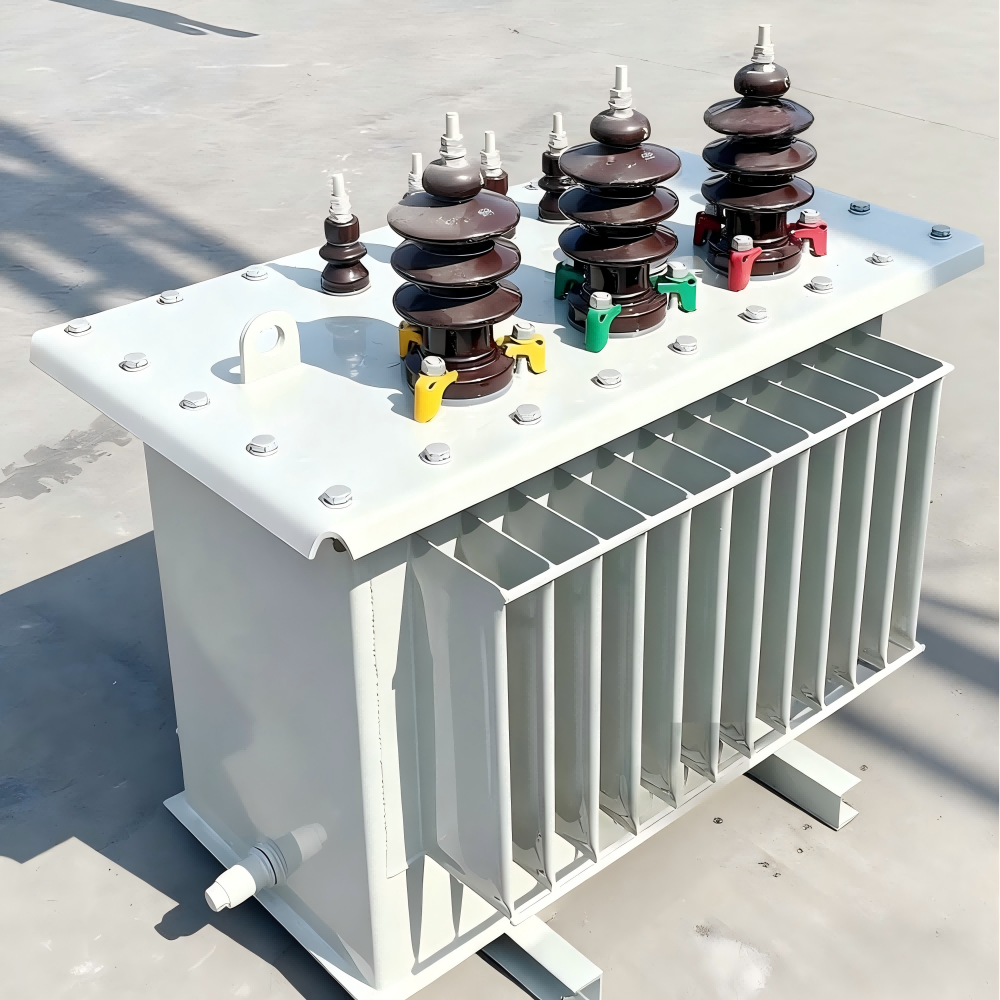
C CE MV&HV S11 Three Phase Oil Transformer
For Suez industrial feeders and utility distribution where low loss, sealed tank construction and routine testing are required.
View product details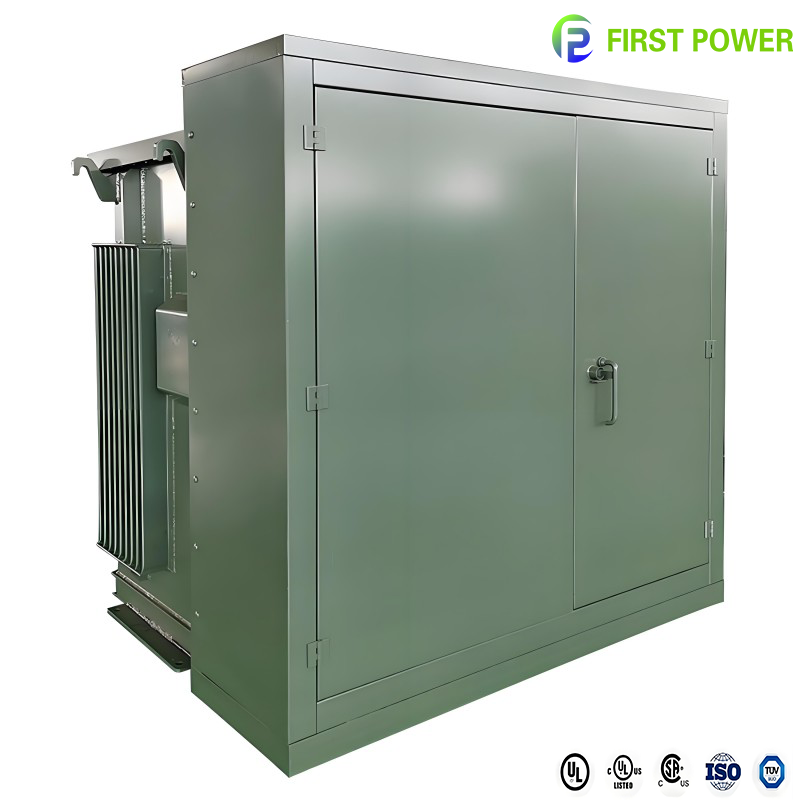
C CE Oil-Type Pad Mounted Transformer
Space-saving underground distribution for commercial parks, SCZone facilities and power generation projects.
View product details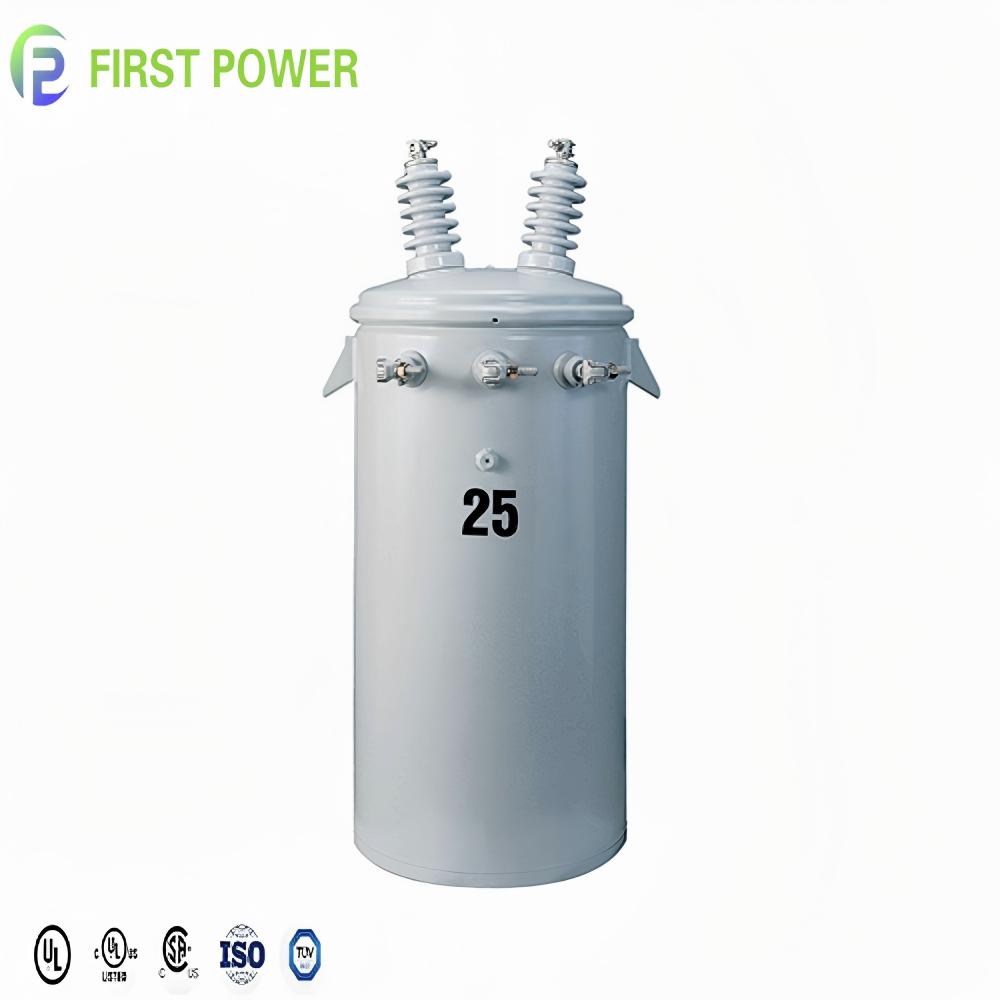
C CE Certified Single Phase Transformer
For residential feeders, auxiliary power and small distribution points where single-phase supply is specified.
View product details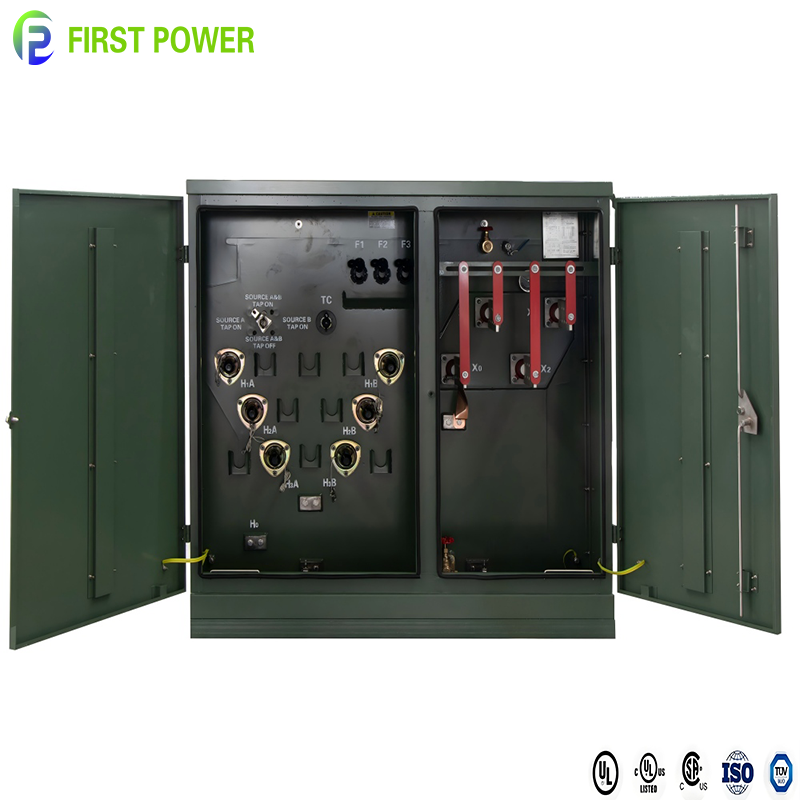
Listed C CE Three Phase Pad Mounted Transformer
Industrial power supply solution for factories, logistics hubs and port-side facilities with underground cable feed.
View product details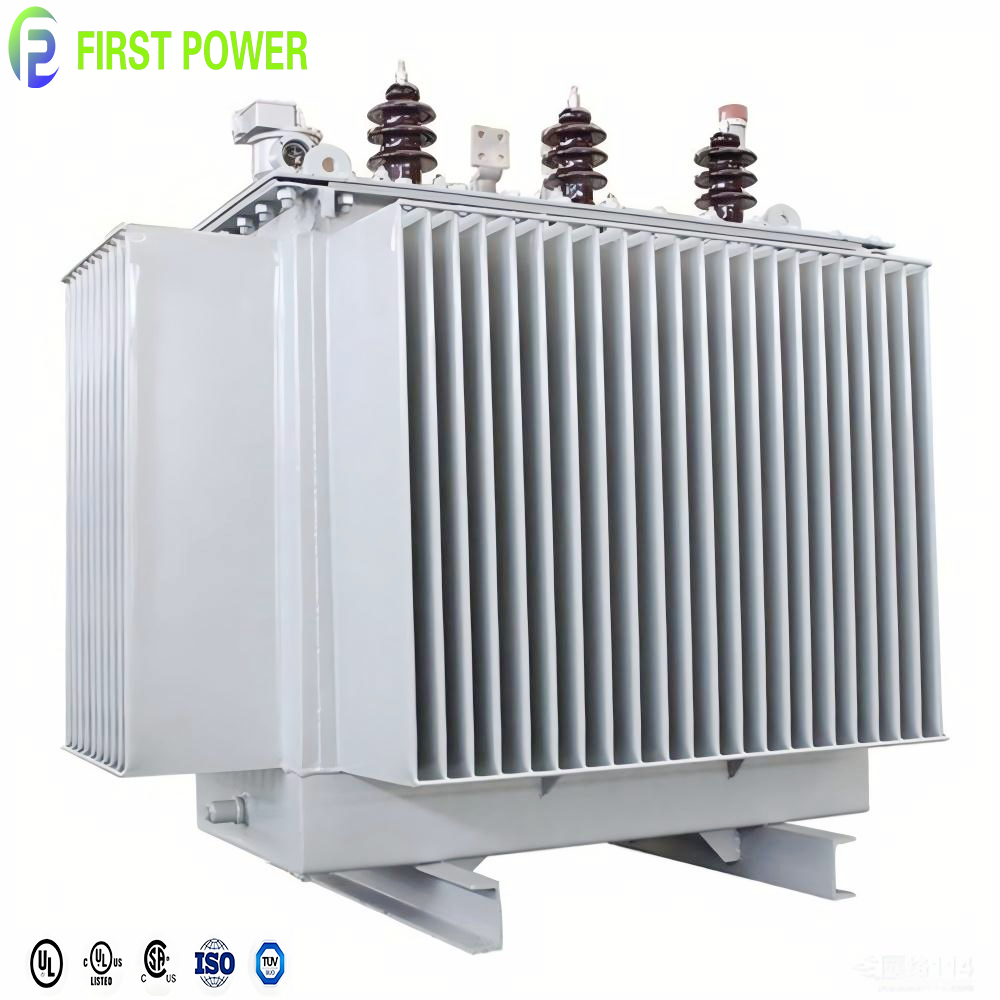
C CE S11 Three Phase Oil Transformer
A broad-range platform for utility distribution, industrial substations and renewable project step-down.
View product details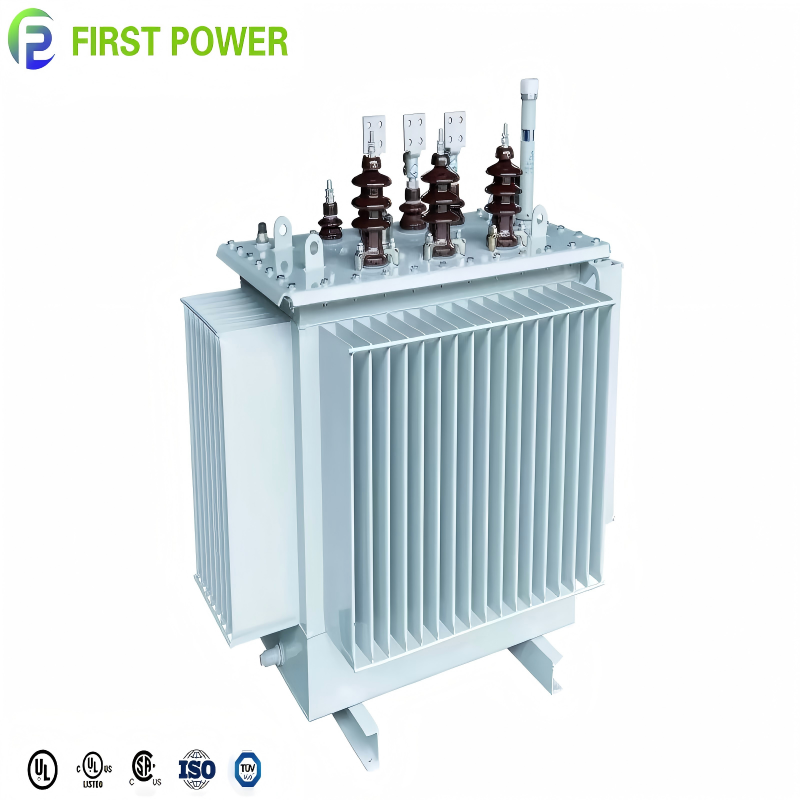
C CE S11 Oil Immersed Distribution Transformer
Compact distribution duty for commercial buildings, water pumping stations and light industrial networks.
View product details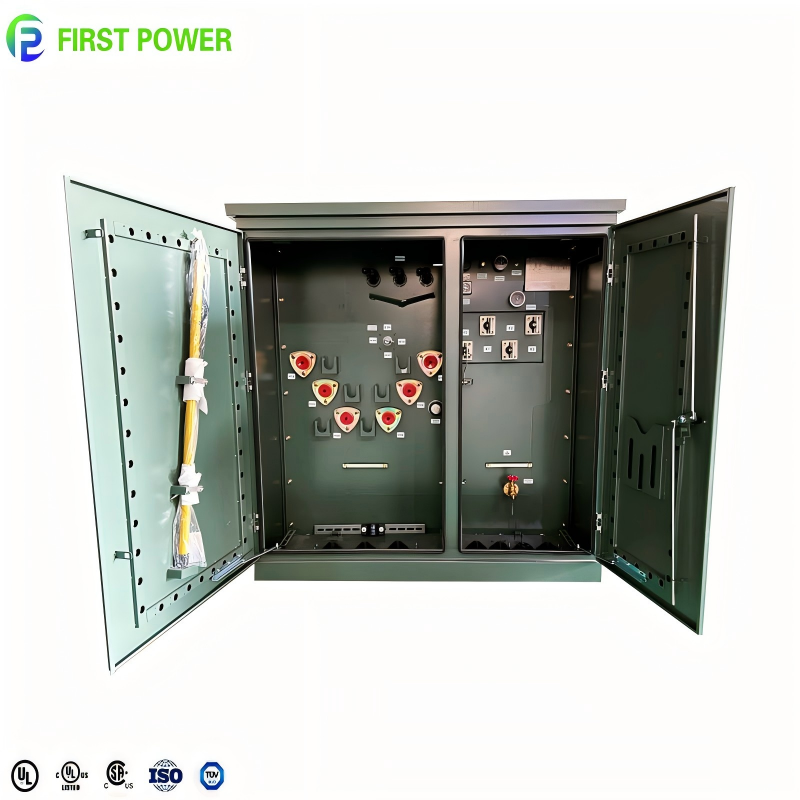
C ZGS11 Three Phase Pad Mounted Transformer
For underground distribution projects requiring a wide capacity range and enclosure-based site protection.
View product details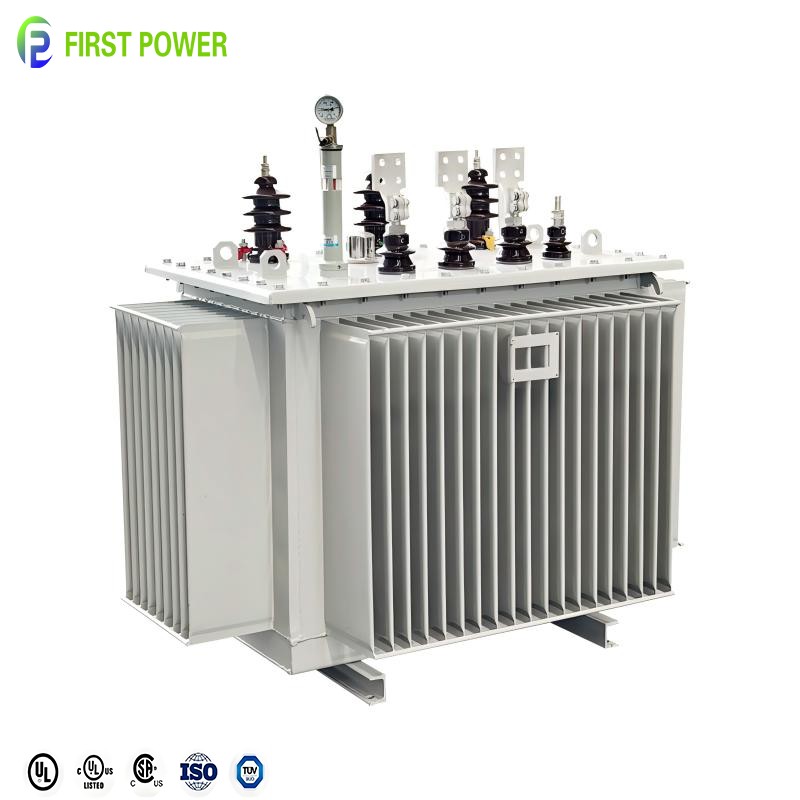
C CE Oil Immersed Three Phase Power Transformer
For industrial power supplies, plant distribution and projects that need oil-immersed reliability with CE documentation.
View product detailsWhere Three Phase Transformers Are Used in Suez
Suez projects often combine coastal atmosphere, high ambient temperature, continuous process loads and strict delivery schedules. These four application clusters shape most transformer enquiries.
SCZone Industrial Manufacturing
Process lines, motors, compressors, workshop distribution and plant utilities typically require stable 50 Hz step-down transformers with clear loss guarantees. Sizing should follow real duty cycle, future expansion and motor starting conditions.
Ports, Terminals & Logistics
Crane power, cold-chain facilities, lighting, workshops and shore-side systems need compact, reliable distribution. Pad-mounted transformers are often preferred where cable feed is underground and available space is limited.
Desalination & Water Treatment
Pumping stations, reverse-osmosis trains and water treatment plants operate continuously. Transformers must be specified for humidity, corrosion protection, low maintenance and reliable thermal performance.
Renewables & Green Energy
Solar, wind, storage and green hydrogen/ammonia projects need step-up or step-down transformers that match inverter or electrolyser characteristics, harmonic conditions and grid interconnection requirements.
Localized Development Trends Shaping Suez Transformer Demand
Transformer procurement in Suez is being reshaped by grid modernization, industrial expansion and climate-resilient design. These trends should be reflected in technical specifications and supplier questions.
50 Hz Grid Discipline
Egyptian projects generally require 50 Hz equipment, appropriate LV voltage relationships and documented vector groups. Buyers increasingly ask for drawings and routine test records that can be checked before shipment.
Coastal Climate Resilience
Humidity, salt-laden air, dust and high ambient temperature make enclosure protection, anti-corrosion coating, sealing and ventilation details more important than in inland markets.
Distributed Energy Growth
SCZone expansion and renewable project pipelines are increasing demand for compact substations, pad-mounted units and transformers that can be integrated quickly into distributed networks.
Documentation & Service
Local procurement teams are moving beyond unit price and evaluating total cost of ownership, spare-part planning, English documentation and engineer response time.
What Changes a Suez Transformer Specification
The difference between a low-cost offer and a bankable transformer package usually appears in three areas: loss evaluation, climate protection and test documentation.
1. Loss Evaluation Beats First Price
For continuous industrial or utility loads, no-load loss and load loss should be evaluated over the expected service life, not treated as a minor line item. A transformer with attractive initial pricing can become expensive if losses are high and the unit runs 24 hours a day. In Suez, high ambient temperature can also reduce practical overload margin, making thermal design and cooling method part of the economic calculation. Buyers should request guaranteed losses, temperature-rise assumptions and a total cost of ownership comparison before approving a supplier.
2. Corrosion and Thermal Design for Coastal Sites
Coastal humidity and salt-laden air affect tanks, hardware, gaskets, paint systems and enclosures. A specification that only states “outdoor type” is not enough. For Suez projects, it is reasonable to discuss tank coating, stainless or protected fasteners, gasket material, anti-condensation measures, enclosure ventilation and ingress protection. Oil-immersed units should also be checked for oil preservation, sealing and validation of dielectric strength. For pad-mounted units, compartment layout and cable access should match the actual site installation method.
3. Factory Tests and Documentation Shorten Approval
Procurement teams need documents they can forward to consultants, utilities and site engineers. A typical package should include GA drawings, nameplate drafts, routine test reports, oil test records where applicable, packing lists and O&M information. Routine tests usually cover winding resistance, ratio and vector group, impedance and load loss, no-load loss and current, applied voltage and induced voltage tests. Third-party witness inspection can be discussed when the project requires independent verification.
These details are where a manufacturer’s experience becomes visible. Jiangsu Wisegj Power Co., Ltd. supports design review before quotation, confirmed drawings before production, routine testing before shipment and English documentation for project approval. The objective is not to add paperwork, but to reduce approval cycles and site surprises.
What Suez Buyers Can Verify Before Ordering
The supplier profile behind the product is as important as the datasheet. These are the verifiable advantages published by Jiangsu Wisegj Power Co., Ltd.
20+ Years Team Experience
Hands-on transformer engineering experience applied to specification review and custom design.
6,847 m² Verified Factory
Production floorspace including winding, assembly, drying, tanking and testing areas.
50+ Engineers
R&D and technical support team for drawings, loss calculations and project clarification.
211 Supply Partners
Qualified supply chain for silicon steel, copper, bushings and accessories to support stable delivery.
ISO & CE Certifications
ISO 9001, ISO 14001, ISO 45001 and CE documentation for relevant transformer lines.
OEM / ODM Customization
Ratings, vector group, impedance, taps, bushings, cooling, insulating fluid and nameplate language.
In-House Testing
Routine test records supplied per unit, with third-party witness inspection available on request.
24-Hour Engineer Response
Pre-sale and after-sale technical questions receive a qualified response within one working day.
Inside the Manufacturing and Quality Process
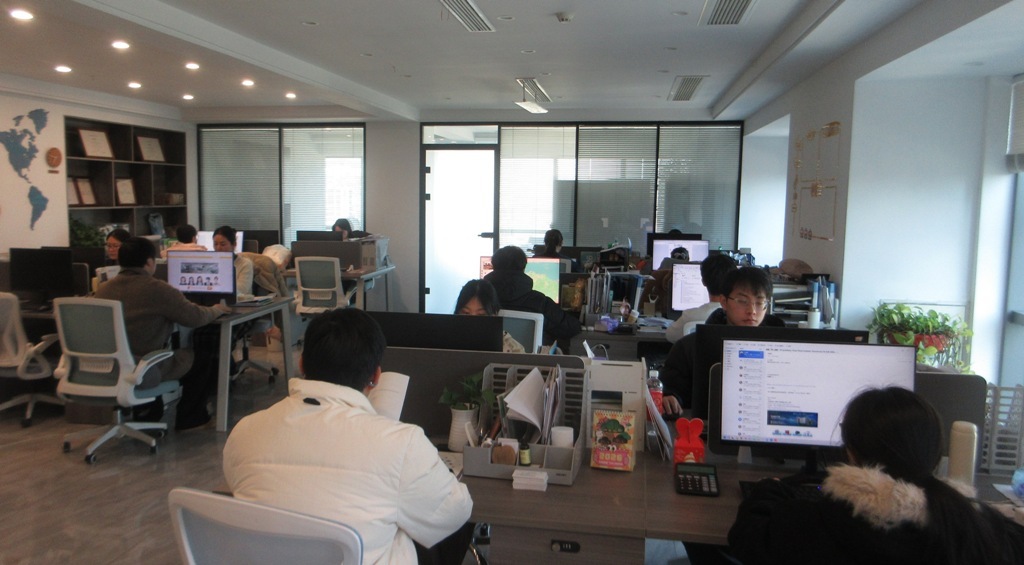
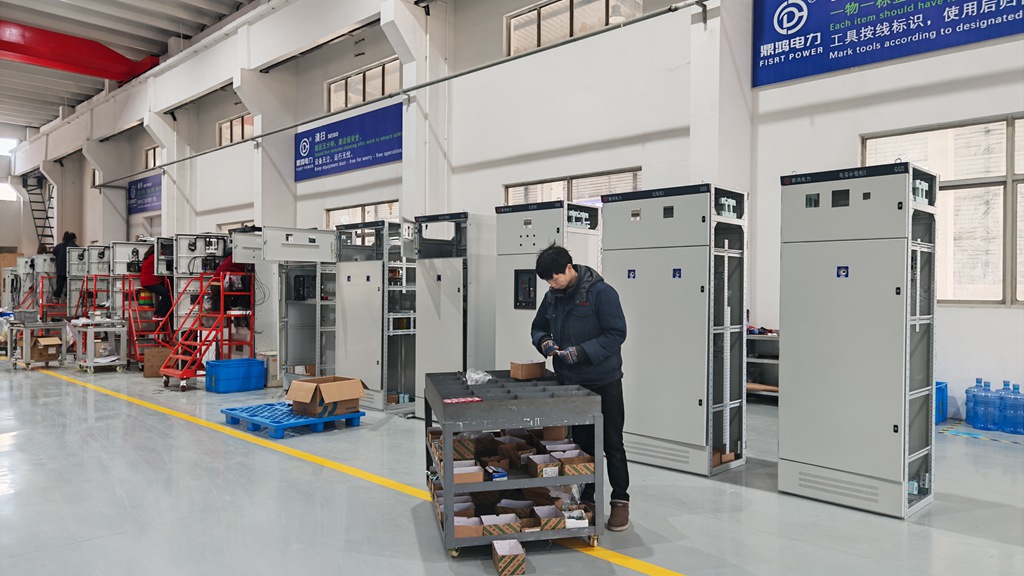
Production capability, floorspace and quality inspection have been verified onsite by TÜV Rheinland, an independent third-party inspection body. These images show the type of workshop, testing and packing evidence buyers can review during supplier qualification.

Company & Facility
Manufacturing base and production overview for export projects.
Assembly Workshop
Controlled assembly environment with documented work instructions.

Testing Laboratory
Routine tests and records for winding, ratio, loss and dielectric checks.
Export Packing
Seaworthy packing and loading preparation for Suez-bound shipments.
Matching Product Family to Suez Duty
Use this table as an early-stage application guide. Final selection should be confirmed by an engineer using the actual load profile, grid parameters and site conditions.
| Product Family | Typical Range | Suez Application | Selection Focus | Verification |
|---|---|---|---|---|
| Three Phase Pad Mounted | 75–5,000 kVA, up to 35 kV | SCZone campuses, ports, commercial and industrial underground distribution | Loop/radial feed, enclosure protection, cable access, corrosion resistance | Routine tests, drawings, enclosure details |
| Oil-Immersed Distribution | 30–2,500 kVA, 6–35 kV | Utility feeders, factories, pumping stations and plant distribution | Loss guarantees, temperature rise, vector group, sealing | IEC/CE documentation, oil test, loss report |
| S11 Three Phase Oil Transformer | 10–50,000 kVA, 10–35 kV | Industrial power, substations and renewable project step-down | Custom impedance, taps, cooling method and nameplate data | Design review, routine test reports, witness inspection |
| Single Phase Transformer | 10–250 kVA class | Auxiliary power, residential feeders and small distribution points | Voltage relationship, mounting style and protection accessories | CE and routine test documents |
| Oil-Immersed Power Transformer | 100–1,000 kVA+, 10–35 kV | Plant power supply, industrial expansion and grid reinforcement | Duty cycle, future load, cooling and protection coordination | Guaranteed losses, test plan and O&M package |
| Compact Substation Integration | 100–2,500 kVA, 10–35 kV | Renewables, temporary power, urban networks and fast-track projects | MV switchgear, transformer and LV distribution integration | Factory assembly inspection, drawings and test records |
Product images, ratings and links are presented for engineering comparison. Contact our team for project-specific voltage, frequency, altitude and ambient conditions.
Suez Procurement Checklist Before You Request a Quote
Sharing complete data at the enquiry stage reduces clarification rounds and helps the manufacturer return a compliant design with confirmed losses.
Voltage & Frequency
Confirm 50 Hz, primary and secondary voltage, vector group, tap range, impedance and neutral arrangement.
Load & Duty Cycle
Provide continuous kVA, peak demand, motor-starting conditions, harmonics and future expansion allowance.
Site Climate
State ambient temperature, altitude, humidity, salt exposure, installation indoor/outdoor and enclosure protection.
Delivery & Documents
Specify Suez delivery point, packing requirements, test reports, drawings, nameplate language and inspection needs.
Suez Buyer FAQ: Common Procurement Questions
These are the questions most frequently raised by local buyers, EPC contractors and project consultants when sourcing three phase transformers from China for Suez projects.
Can you supply 50 Hz transformers for Suez projects?
Yes. Transformers can be engineered and tested for 50 Hz or 60 Hz operation according to project requirements. For Suez enquiries, please confirm the primary and secondary voltages, vector group, impedance, tap range and any utility-specific requirements so the design can be reviewed accurately.
How do you protect equipment from humidity and salt spray?
For coastal projects, we discuss coating systems, enclosure protection, sealing, anti-corrosion hardware, ventilation and anti-condensation measures based on installation conditions. The correct specification depends on whether the unit is pad-mounted, indoor, outdoor, sheltered or exposed directly to sea air.
Which documents are provided for customer approval?
Typical documentation includes GA drawings, nameplate approval data, routine test reports, oil test records where applicable, packing lists and O&M information. CE and ISO certificates can be supplied for relevant product lines, and third-party witness inspection can be arranged when required.
What is the typical lead time and shipping route?
Lead time depends on rating, customization, quantity and testing requirements. After drawing approval, production and routine testing are scheduled, followed by export packing and shipment to the agreed Suez delivery point. Provide the required Incoterm, port and document list in the enquiry for an accurate schedule.
Do you support OEM, ODM and local nameplate requirements?
Yes. OEM, ODM, design-based and sample-based customization are available. Common customization points include rating, vector group, impedance, tap changer, bushings, cooling method, insulating fluid, enclosure color, nameplate language and document language.
Which payment terms and Incoterms are accepted?
The company works with FOB, CFR, CIF, EXW, FCA, CIP, CPT, DDP and other agreed Incoterms. Payment methods may include T/T, L/C, D/P and D/A depending on the contract, with major currencies such as USD, EUR, GBP, CAD and AUD available for discussion.
Send Your Suez Transformer Datasheet for Engineer Review
Share the rating, primary and secondary voltage, 50 Hz requirement, vector group, impedance, ambient conditions, delivery port and required documents. A transformer engineer will review the specification and help match it to the right product platform.