8 Mineral Oil Transformer & Power Distribution Products for Korean Projects
Each product below is linked to its original specification page. For Korea-bound projects, our engineers can align ratings to 60 Hz operation, 22.9 kV distribution practice, local EPC documentation requirements and site-specific loss targets.
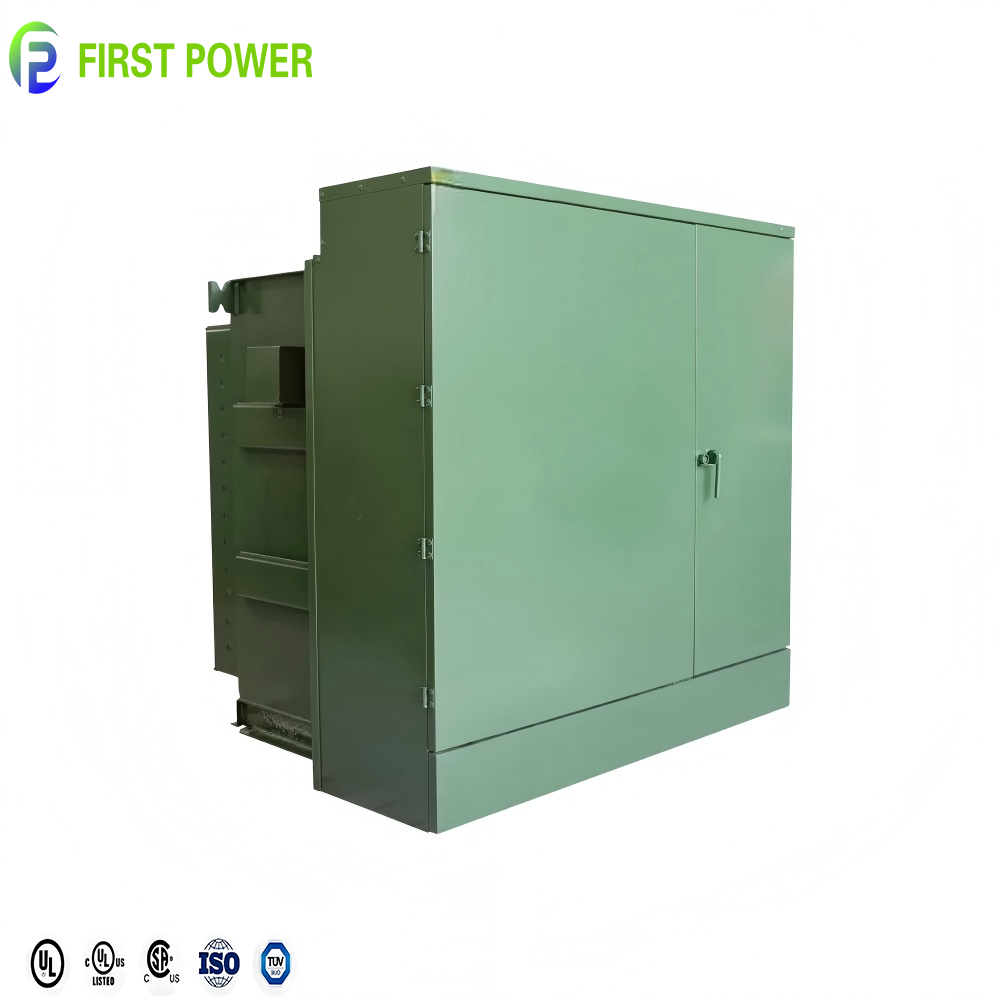
C CE 50/60HZ 10KV 20KV 35KV 300KVA 500KVA 630KVA 750KVA Three Phase Pad Mounted Transformer for Electric Power Distribution
Recommended for Korean commercial complexes, urban underground distribution and renewable-energy interconnection where pad-mounted equipment is preferred.
View product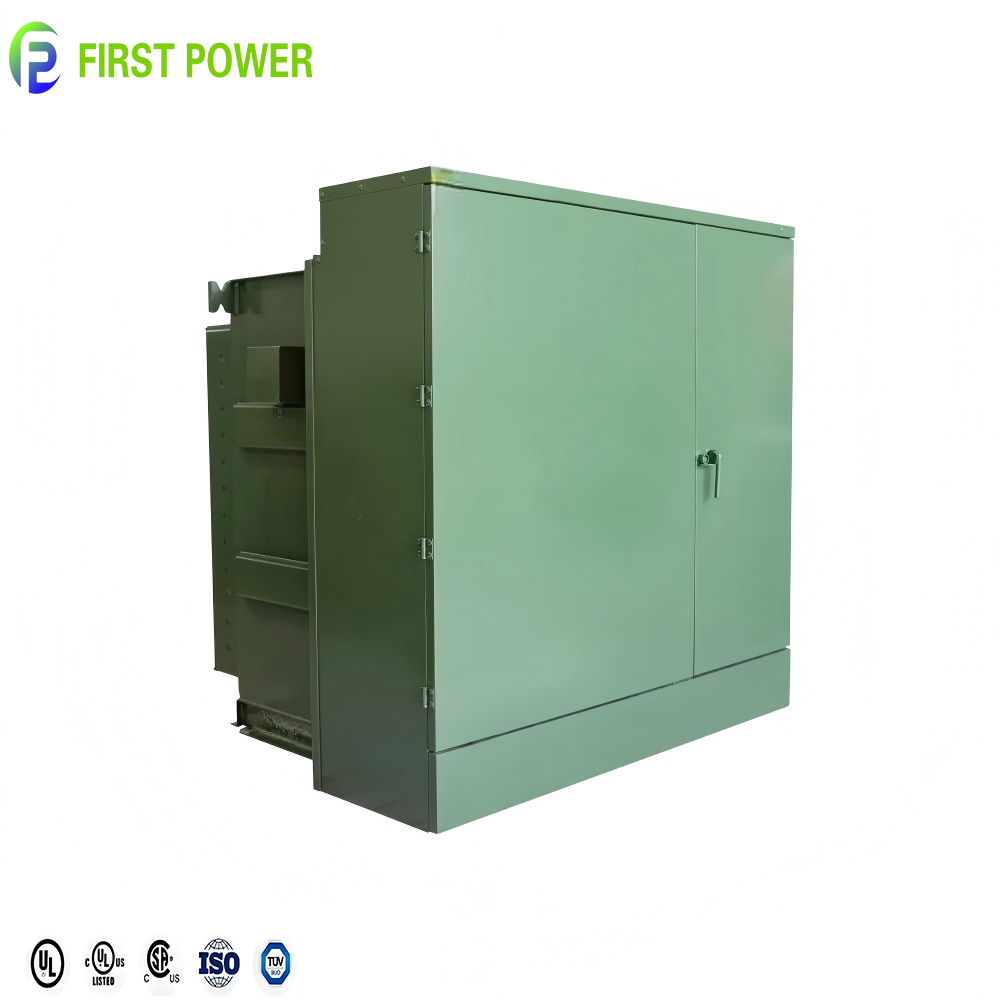
C CE MV&HV 50/60HZ 750KVA 1250KVA 1500KVA 2000KVA 2500KVA 3 Phase Pad Mounted Transformer for Industrial Power Supply
Suited to Korean industrial parks, logistics hubs and large manufacturing loads requiring higher capacity medium-voltage distribution.
View product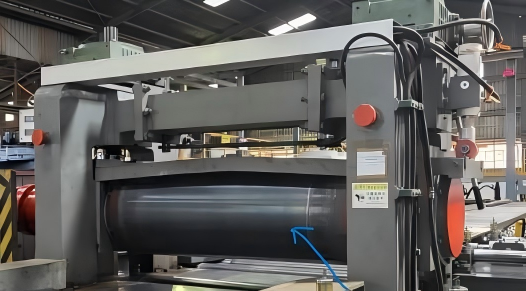
MAIN ROLLER D
Auxiliary equipment item from our transformer production and handling range. Confirm project-specific configuration and compatibility with our engineering team.
View product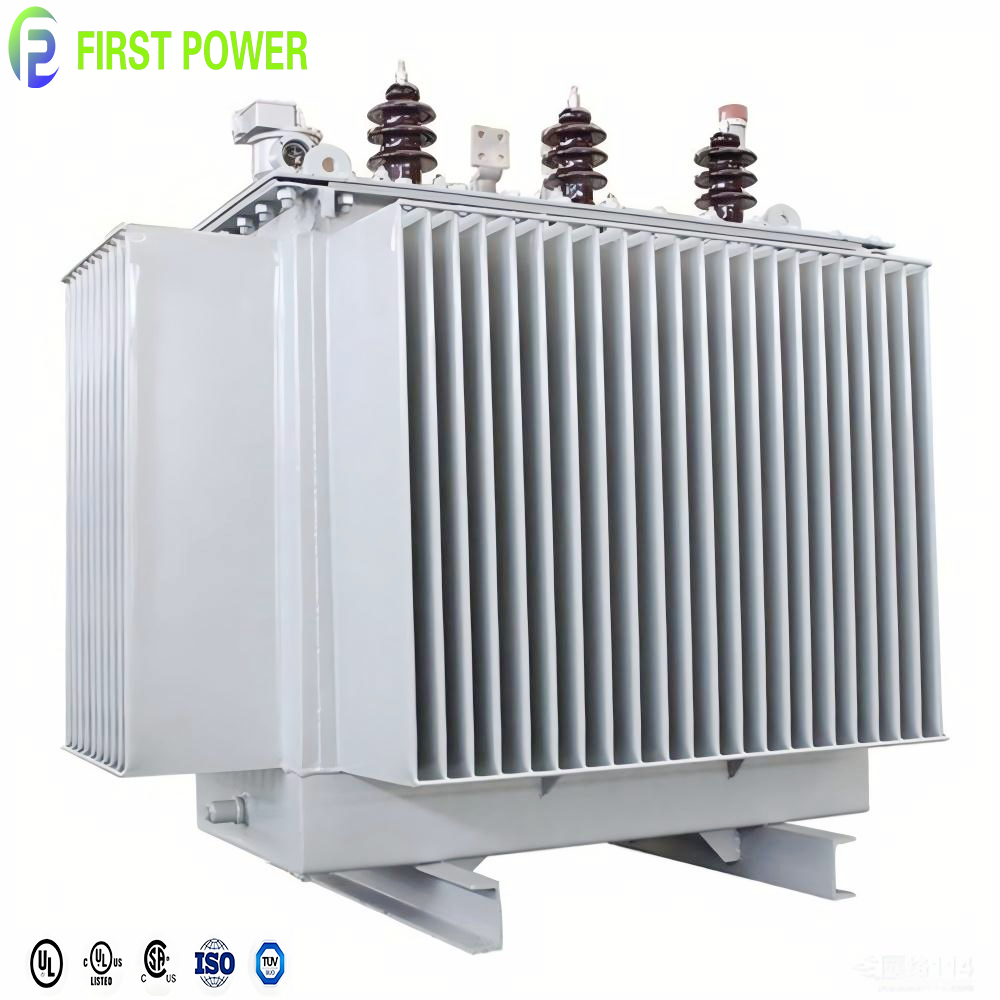
C CE MH&HV 50/60HZ 10KVA-50000KVA 10KV 15KV 20KV 35KV Three Phase S11 Oil Transformer for Electric Power Distribution
A broad-capacity oil transformer option for Korean utilities, EPC contractors and industrial projects that need conventional mineral-oil reliability.
View product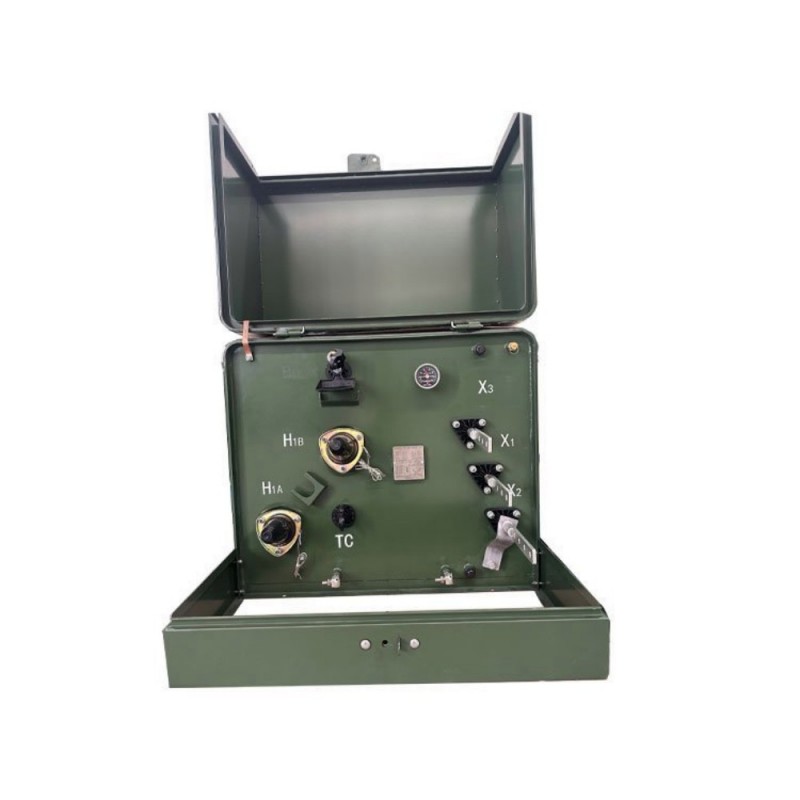
/C Certification 6KV 10KV 13KV 20KV 34.5KV 50/60HZ Oil Type Single Phase 75KVA Pad Mounted Transformers
Useful for Korean rural distribution, residential loops and single-phase loads where compact pad-mounted equipment is required.
View product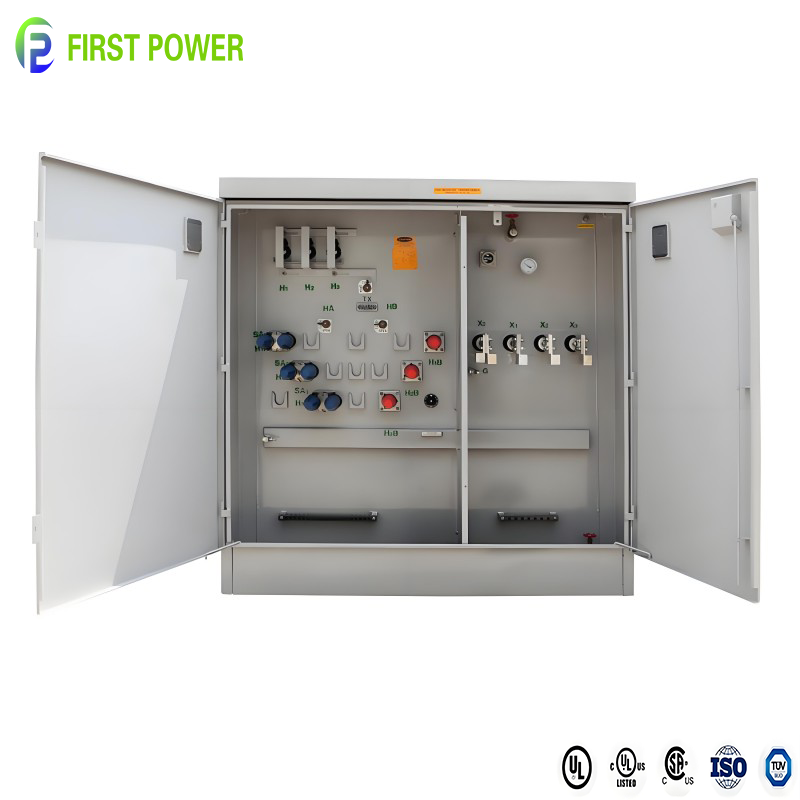
C CE MV&HV 50/60HZ 300KVA 500KVA 630KVA 700KVA 10KV 15KV 20KV 35KV 3 Phase Loop Feed Pad Mounted Transformer for Industrial
Loop-feed configuration supports reliable urban and industrial distribution, reducing downtime during maintenance or network reconfiguration.
View product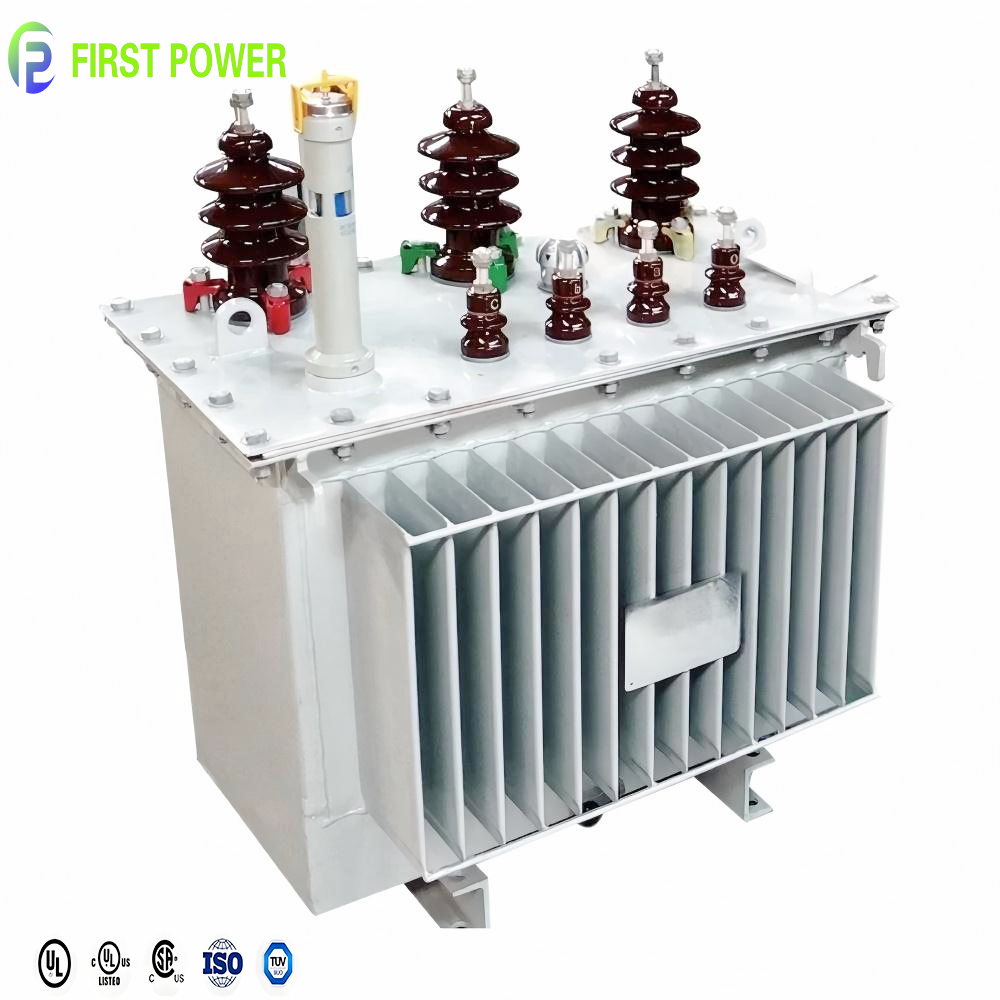
C CE 10KV 20KV 35KV 50KVA 100KVA 200KVA 300KVA 400KVA 500KVA Electric Oil Immersed Transformer for Industrial Power Supply
A practical mineral-oil transformer family for Korean factories, water treatment plants, logistics centers and building services.
View product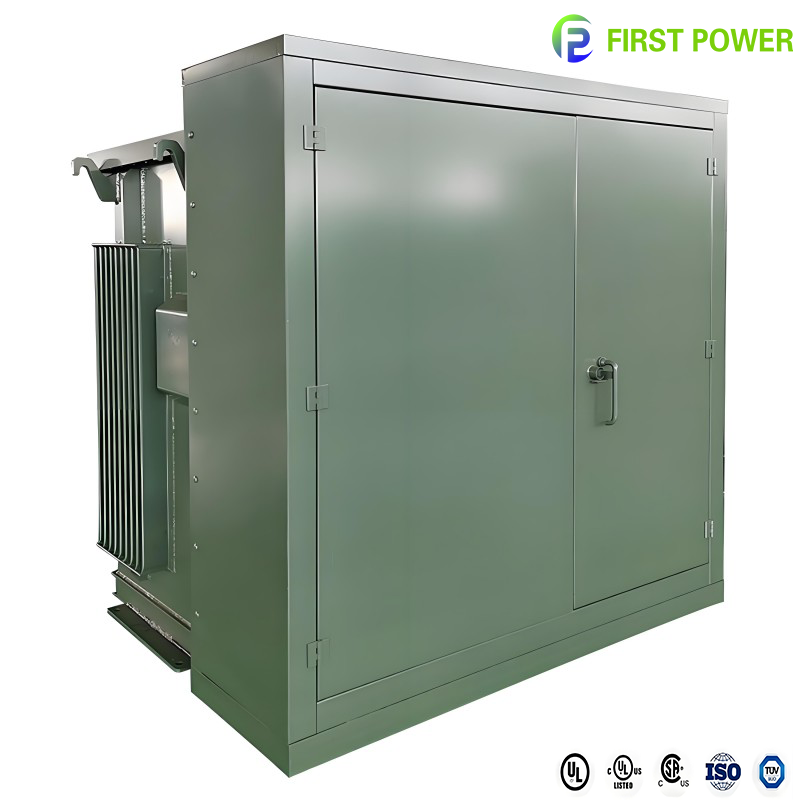
C CE 50/60HZ 10KV 20KV 35KV 75KVA 100KVA 200KVA 300KVA 400KVA 3 Phase Oil Type Pad Mounted Transformer for Power Generation
Designed for power generation and distributed-energy projects, with enclosure and accessory options adaptable to Korean site conditions.
View productWhy Korean Buyers Shortlist Jiangsu Wisegj Power Co., Ltd.
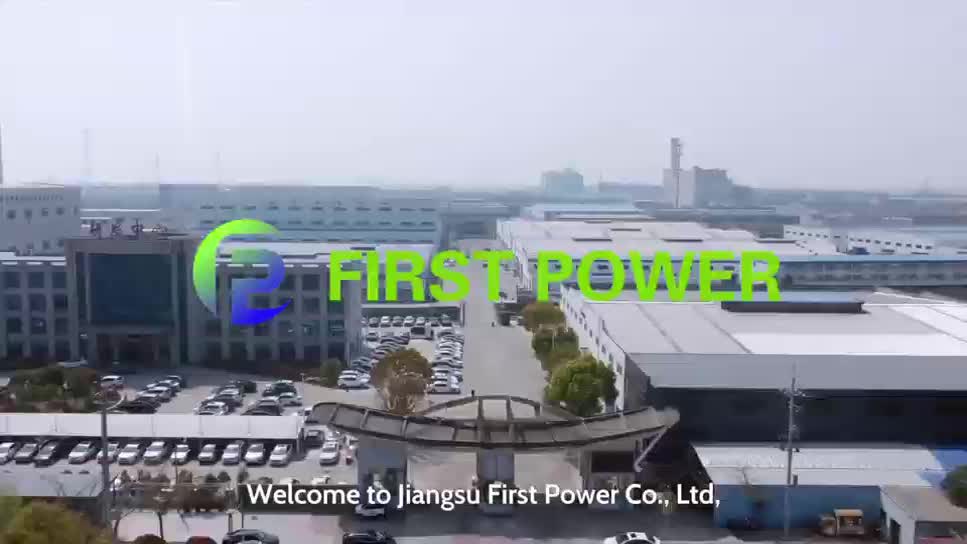
Wisegj is a Suzhou-based transformer manufacturer and exporter serving utilities, EPC contractors, industrial developers and renewable-energy projects. The company combines application engineering, routine factory testing and export documentation in one supply chain.
Mineral Oil Transformers for Korea: A Procurement Guide Beyond the Catalog
Korea’s power system is technically mature, densely loaded and highly sensitive to outage risk, fire safety and documentation quality. For a Korean buyer, a mineral oil transformer is not simply a kVA rating and a voltage ratio. It is a system interface between the 60 Hz grid, local installation practice, EPC approval workflow and long-term maintenance strategy.
This is where a China-based mineral oil transformer manufacturer can create real value—not by offering the lowest price alone, but by supplying an auditable design, complete routine test reports, export-ready packing and engineering support that helps Korean utilities, EPCs and facility owners reduce technical risk before the equipment reaches Busan, Incheon or a project site.
Wisegj’s product range covers pad-mounted transformers, oil immersed distribution transformers, power transformers, dry type transformers, compact substations and related high- and low-voltage equipment from 220 V to 500 kV. For Korea-bound mineral oil transformer projects, our team focuses on the details that matter in procurement: 60 Hz compatibility, loss guarantees, vector group, tap range, enclosure finish, cable-box arrangement, oil quality, nameplate language and shipment protection.
Where Mineral Oil Transformers Fit Korea’s Power Landscape
Korea combines high-density cities, advanced manufacturing, renewable expansion and strict site-safety expectations. The application list below helps buyers map equipment type to project conditions rather than selecting by price alone.
Urban Distribution & Underground Networks
For Seoul, Busan, Incheon and other dense urban areas, pad-mounted and compact distribution equipment helps reduce visual impact while supporting reliable 22.9 kV-class distribution. Mineral oil designs offer proven thermal performance and serviceability.
Industrial Parks & Semiconductor Supply Chains
Korean manufacturing sites often require stable medium-voltage supply, low loss, high short-circuit withstand and detailed documentation. Oil immersed and pad-mounted transformers can be configured for factory loads, cleanrooms and utility interfaces.
Solar, Wind & Renewable Interconnection
Korea’s renewable projects need step-up or distribution transformers that match inverter output, grid code and site altitude or coastal conditions. Custom impedance, taps and cooling configurations help optimize the electrical design.
Data Centers, EV Charging & Public Infrastructure
High-reliability facilities value low loss, predictable delivery and complete test records. Mineral oil transformers remain a cost-effective choice where outdoor or dedicated transformer rooms are available and fire-code requirements are satisfied.
Localized Trends Reshaping Mineral Oil Transformer Procurement
Korean procurement is moving toward measurable efficiency, documented reliability and faster project delivery. These trends affect specification writing, supplier evaluation and total cost of ownership.
Higher Efficiency & Loss Verification
Buyers increasingly compare guaranteed no-load and load losses, not only initial price. A clear loss penalty mechanism and test report discipline protect the project’s operating cost over 20–30 years.
Safety, Fire & Environmental Review
Mineral oil remains widely used, but project teams now review oil containment, pressure protection, enclosure design and fire-risk mitigation. For indoor or fire-sensitive rooms, dry type alternatives may also be compared.
Compact & Prefabricated Substations
Space constraints and construction speed push demand for compact substations and factory-assembled solutions. Mineral oil transformers integrated with switchgear can reduce site labor when properly coordinated.
Digital Documentation & Auditability
Korean EPCs and facility owners expect GA drawings, nameplate drafts, routine test reports, O&M manuals and certification packages. Suppliers with organized English documentation reduce approval friction.
Matching Transformer Type to Korean Project Requirements
Use this quick comparison during feasibility review. Final selection should be confirmed against the utility specification, site conditions, fire code and EPC technical requirements.
Three Phase Pad Mounted
Best for commercial sites, solar farms, data centers and underground distribution.
Typical range: 45–5,000 kVA, up to 34.5 kV classSingle Phase Pad Mounted
Best for residential subdivisions, rural loops and single-phase distribution loads.
Typical range: 10–250 kVAS11 Oil Immersed Transformer
Best for utility distribution, industrial plants, mining and conventional substation applications.
Typical range: 10 kVA–50,000 kVA, 10–35 kV classIndustrial Loop Feed Pad Mounted
Best for industrial parks and urban networks needing loop or radial operating flexibility.
Typical range: 300–700 kVA in listed seriesOil Immersed Industrial Transformer
Best for factories, logistics centers, water treatment and building services with dedicated transformer rooms.
Typical range: 50–500 kVA in listed seriesPower Generation Pad Mounted
Best for distributed generation, renewable interconnection and power generation projects.
Typical range: 75–400 kVA in listed seriesFactory Tests and Documentation Korean Buyers Can Review
Every mineral oil transformer can be supplied with routine test records covering winding resistance, voltage ratio and vector group, impedance and load loss, no-load loss and current, applied voltage and induced voltage tests, plus oil dielectric strength testing for liquid-filled units. Third-party witness inspection is welcome.
Wisegj operates under ISO 9001, ISO 14001 and ISO 45001 management systems and holds CE certificates for multiple transformer and substation product lines. Production capability, floorspace and inspection processes have been verified onsite by TÜV Rheinland. For Korean projects, our team can prepare English drawings, nameplate drafts, packing lists, test reports and O&M manuals to support EPC and owner review.
Information gain for procurement teams: the supplier should be able to explain not only what will be delivered, but how the design will be validated, how losses will be guaranteed, how the unit will be packed for sea freight and how after-sales questions will be answered within a defined response window.
Korea Project Readiness Snapshot
Indicative readiness factors for discussion; final scope is confirmed against each project specification.
A Mineral Oil Transformer Partner Built for Export Project Execution
Wisegj is not only a product catalog. The company’s value is in engineering review, customization, production control, testing, packed export delivery and responsive communication across the full order cycle.
Verified Factory Capacity
6,847 m² of inspected production floorspace with dedicated winding, core assembly, drying, tanking, painting and testing areas.
In-House Routine Testing
Ratio, resistance, loss, impedance, dielectric and oil BDV records can be documented by serial number before shipment.
OEM / ODM Customization
Ratings, vector group, impedance, tap range, bushings, cooling, mineral oil or ester fluid, enclosure color and nameplate language can be adapted.
Complete Documentation
GA drawings, nameplate drafts, test reports and O&M manuals in English help Korean EPCs and owners move through approval faster.
Export Logistics
Seaworthy packing, shock indicators, container loading plans and Incoterms coverage from EXW to DDP based on project needs.
Certified Systems
ISO 9001, ISO 14001 and ISO 45001 management systems, plus CE-certified product lines for relevant transformer categories.
Supply-Chain Depth
211 qualified supply partners support stable sourcing of silicon steel, copper, bushings, oil and accessories for export orders.
24-Hour Engineer Response
Technical questions, drawing reviews and after-sales issues are routed to qualified engineers rather than generic sales scripts.
Documents That Support Korean Supplier Qualification
Certificate numbers can be shared for verification by your compliance or quality team. Product-specific scope must be confirmed against the ordered transformer type and destination requirements.
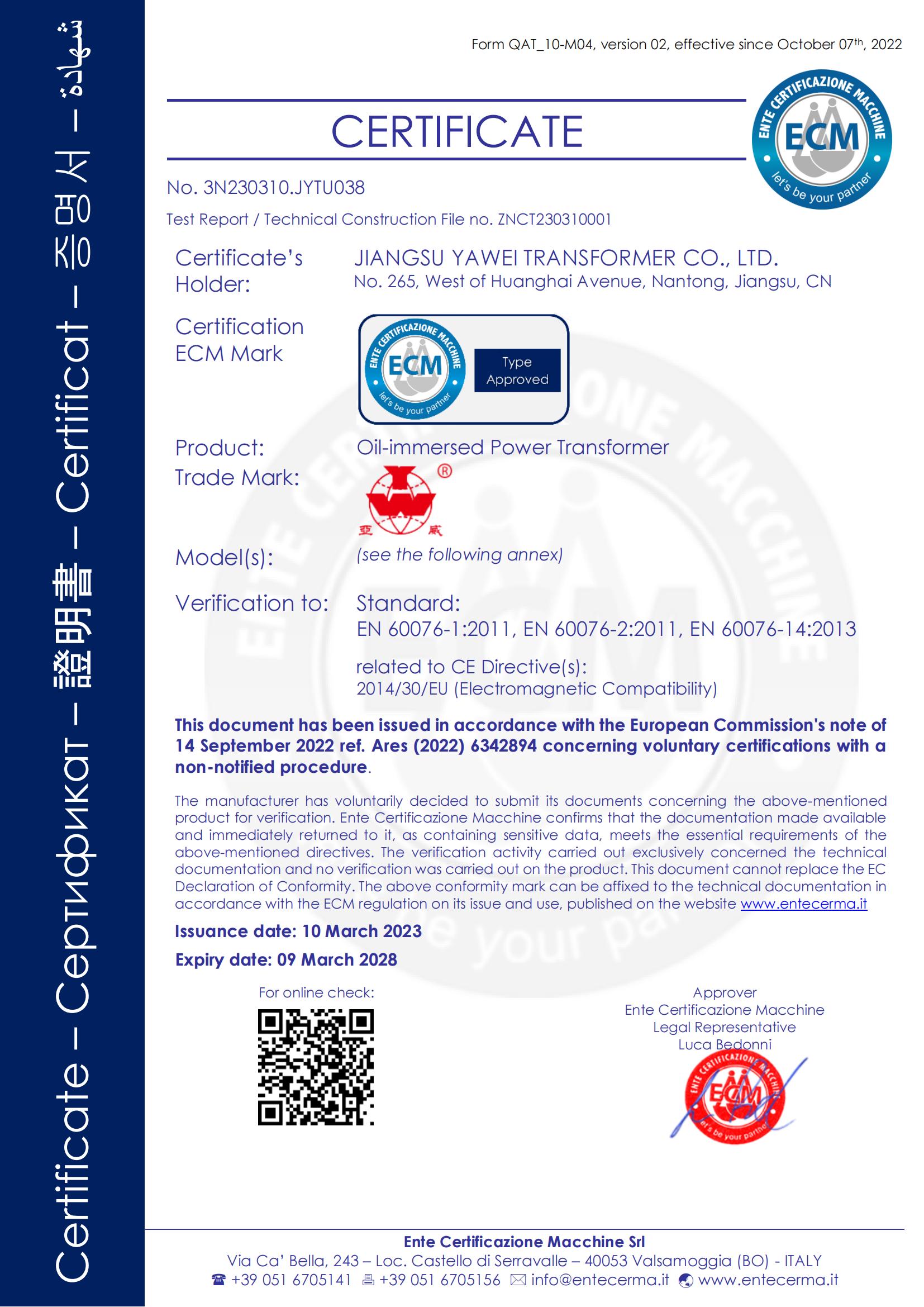
CE · Power Transformer
Oil-immersed power transformer · No. 3N230310.JYTU038
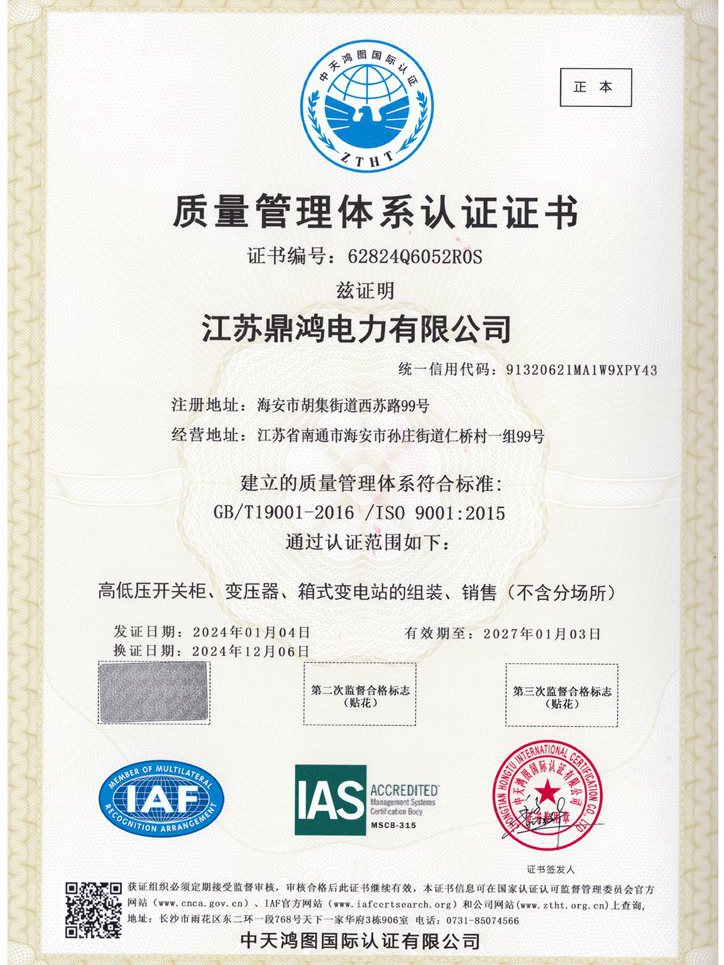
ISO 9001
Quality management system · No. 62824Q6052R0S
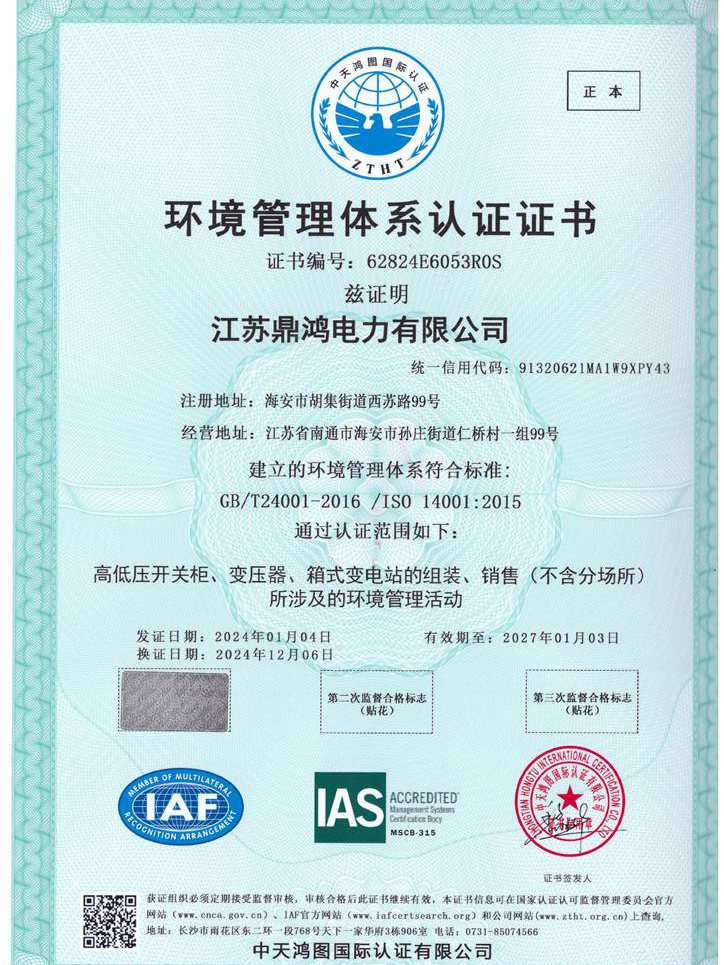
ISO 14001
Environmental management system · No. 62824E6053R0S
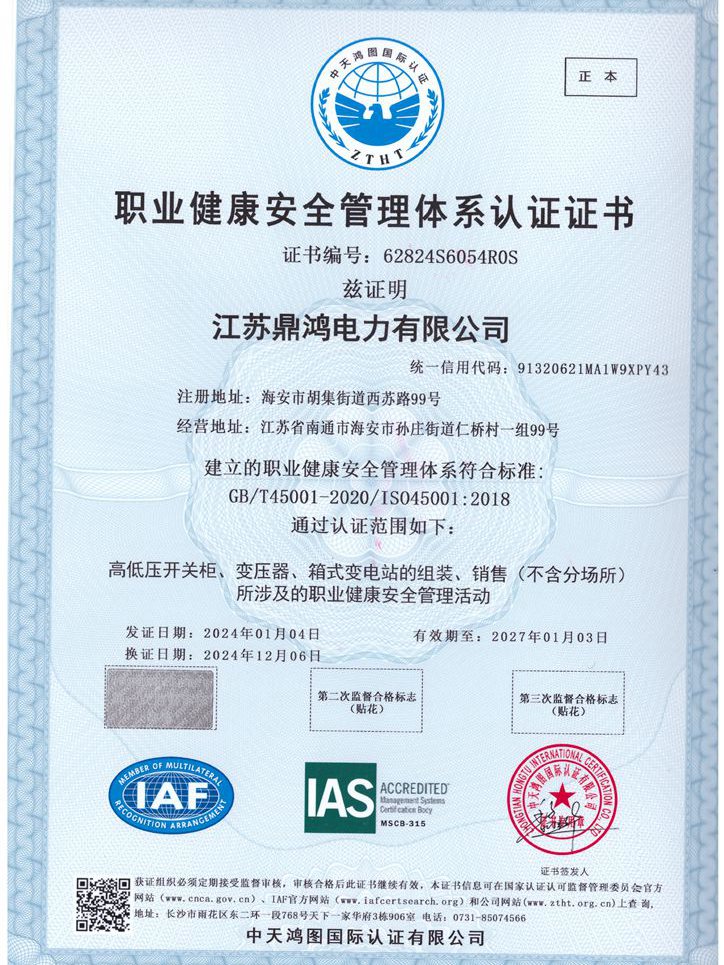
ISO 45001
Occupational health and safety · No. 62824S6054R0S
Common Procurement Questions from Korean Importers and EPCs
These answers reflect the practical questions asked by overseas buyers evaluating a China mineral oil transformer manufacturer for Korean projects.
Are your mineral oil transformers suitable for Korea’s 60 Hz grid?
Yes. Units can be designed for 50 Hz or 60 Hz operation. For Korea, our engineers can configure ratings around 60 Hz, including 22.9 kV-class distribution requirements where applicable, and confirm the final design against your project specification.
Can you customize voltage ratios for Korean distribution practice?
Yes. Primary and secondary voltages, tap range, vector group, impedance and neutral arrangements can be customized. Korean projects typically require close coordination on 22.9 kV, 6.6 kV or other industrial voltage interfaces and low-voltage output requirements.
Which transformer type is best for a Korean data center or industrial site?
It depends on installation conditions. Pad-mounted or oil immersed transformers may suit outdoor or dedicated areas, while dry type may be considered for indoor, fire-sensitive rooms. Our engineers can compare options by loss, footprint, cooling, fire risk and maintenance access.
What documentation can Korean buyers receive?
Typical documentation includes GA drawings, nameplate drafts, routine test reports, packing lists, O&M manuals and available certificates. Certificate scope and standards compliance should be confirmed for each product and project before order placement.
How is mineral oil quality controlled before shipment?
For liquid-filled transformers, oil dielectric strength and related routine checks can be documented, together with tank leak and pressure tests under the approved inspection plan. Third-party witness inspection can be arranged when required by the buyer.
Can you support export shipping and payment terms for Korea?
Yes. Export packing, container loading plans and shipping documents can be prepared for sea freight to Korean ports. Common trade terms such as FOB, CFR, CIF, EXW, FCA, CIP, CPT and DDP can be discussed, with payment methods agreed per contract.
Request a Korea-Specific Mineral Oil Transformer Review
Share your rated power, primary and secondary voltage, frequency, vector group, impedance, tap range, cooling method, site conditions and required documentation. A transformer engineer can review the specification and recommend a suitable pad-mounted, oil immersed or power transformer solution.