Medium & High Voltage Regulation and Distribution Products
Full portfolio of CE-certified oil-immersed, pad-mounted, and dry-type power equipment engineered to deliver precise line voltage stabilization across long rural feeders and high-density Cambodian industrial loads.
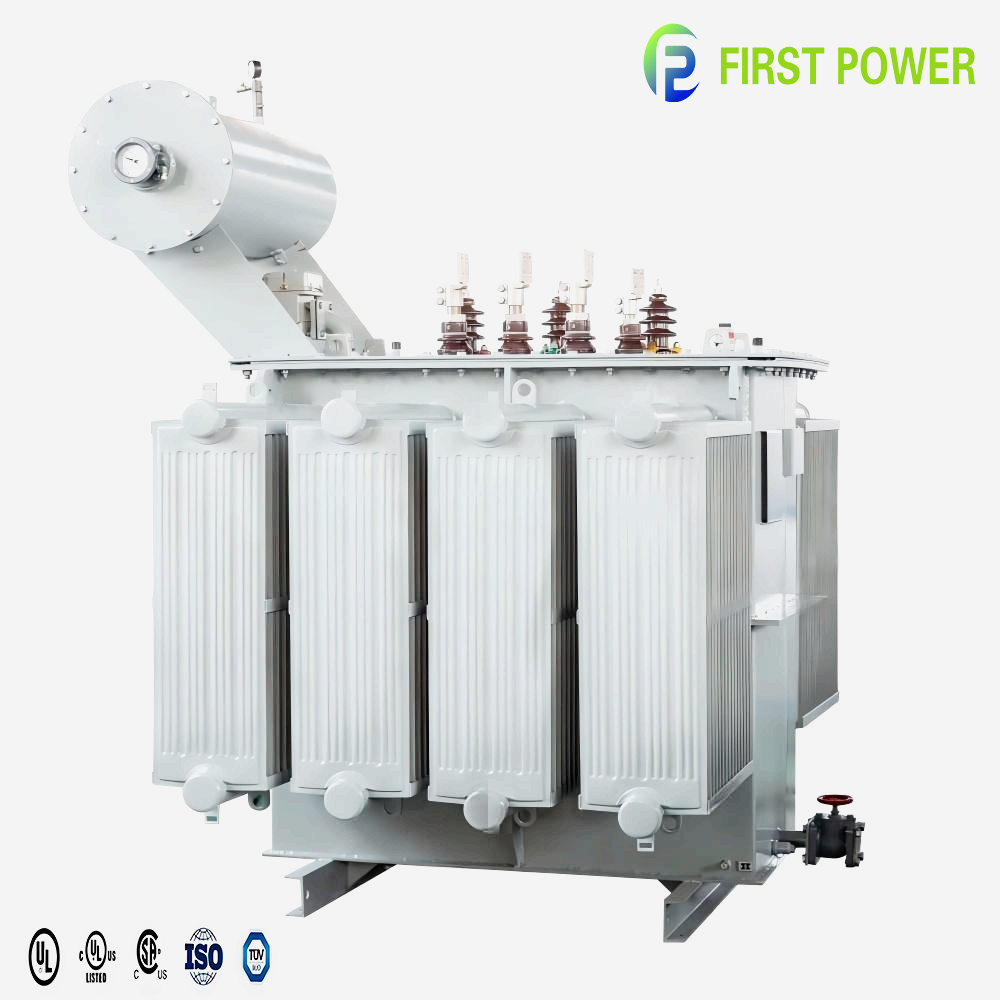
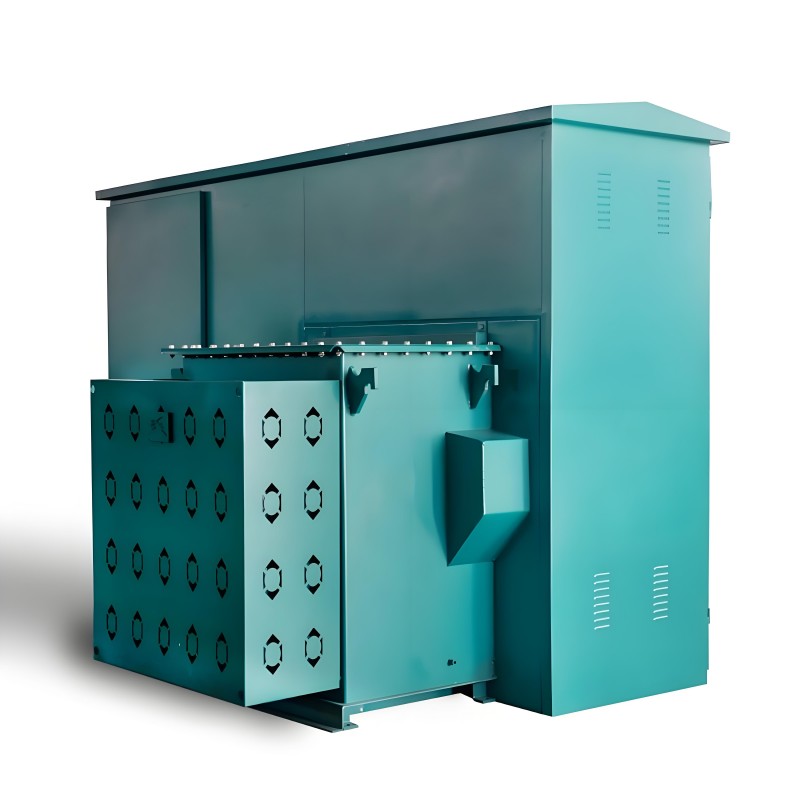
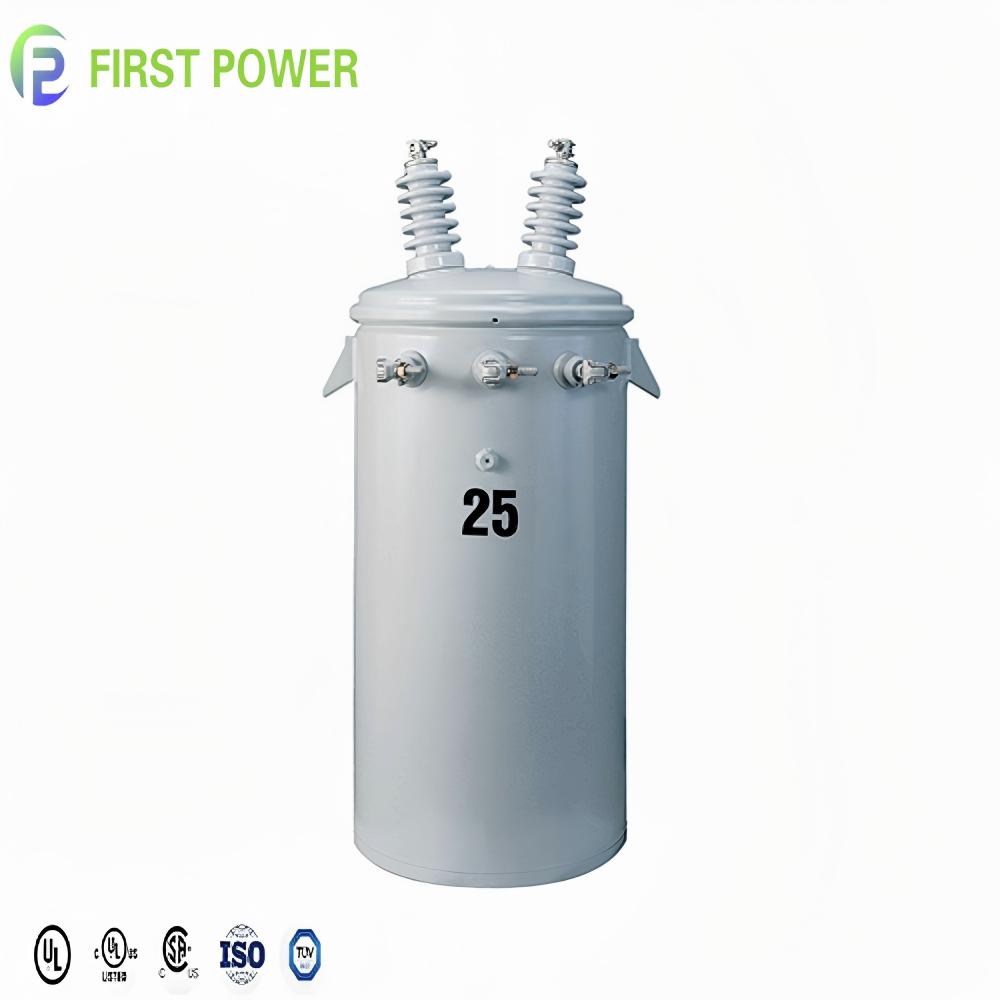
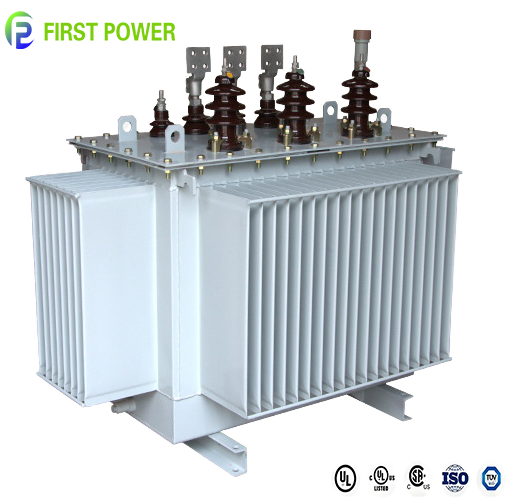
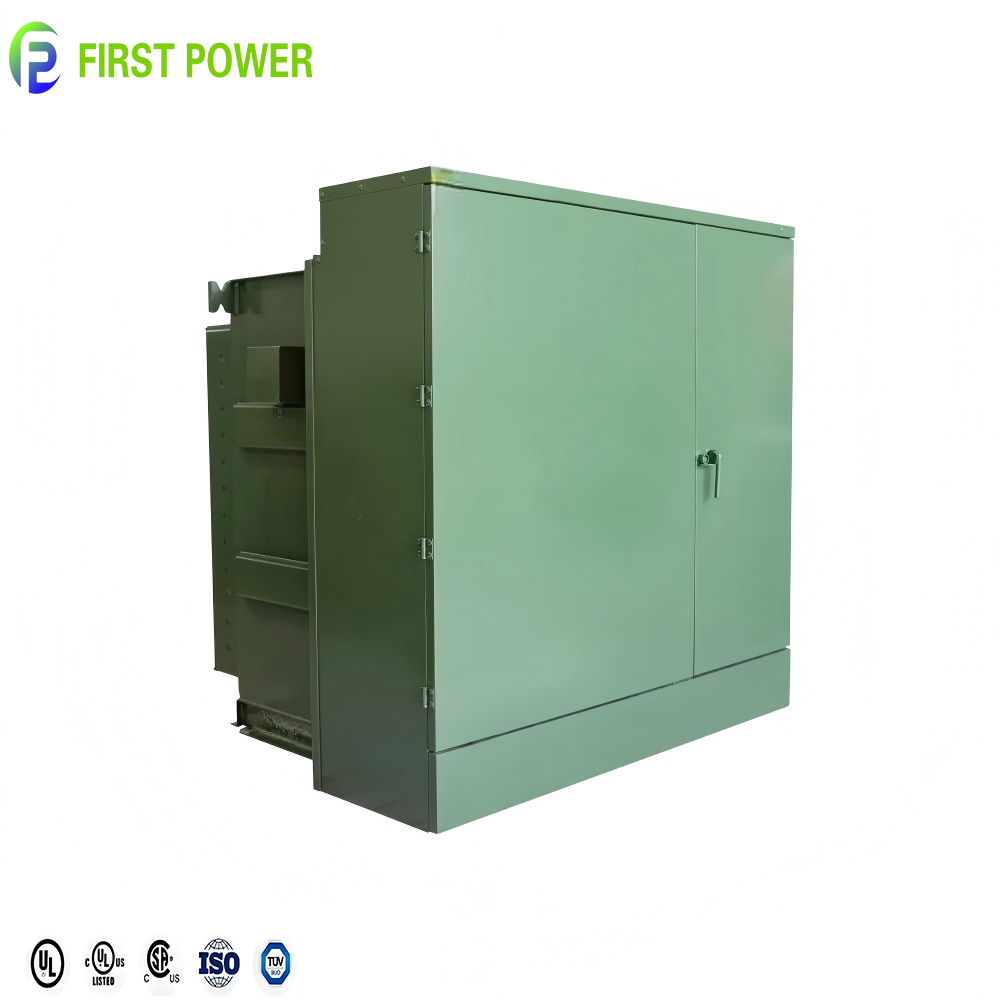
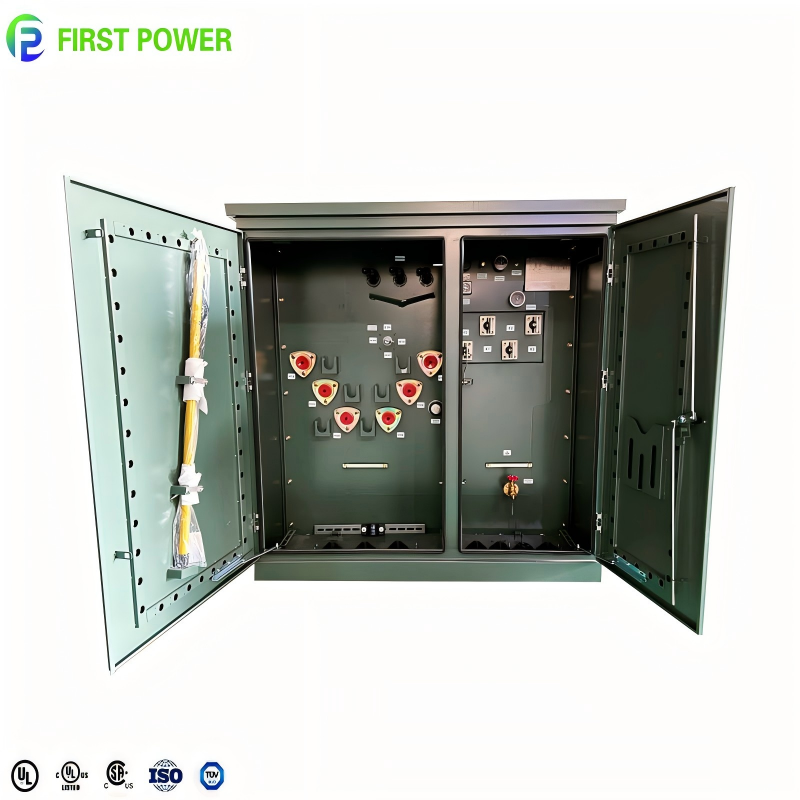
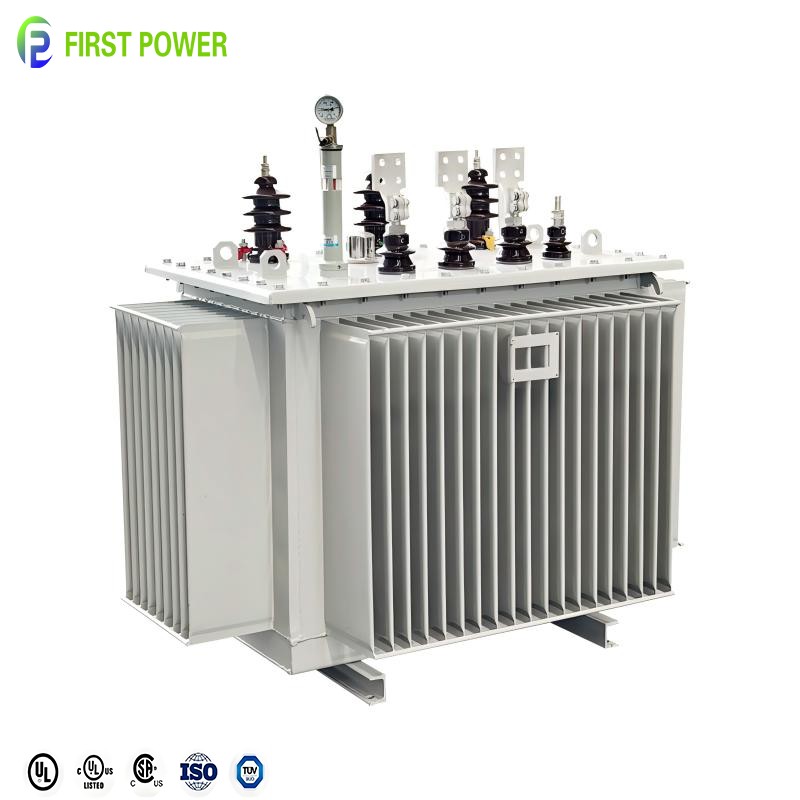
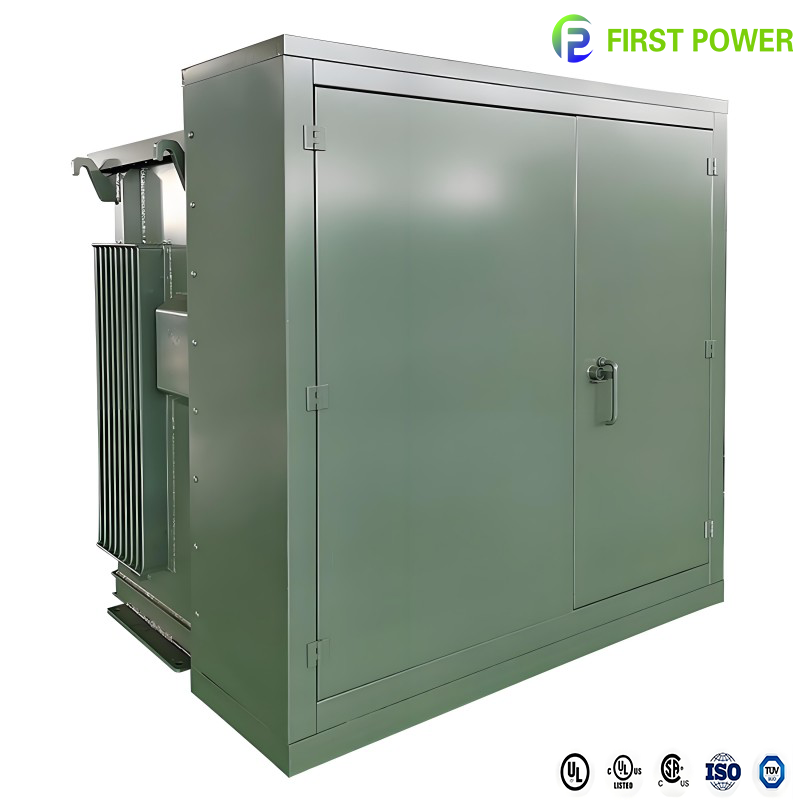
Executive Technical Overview: Grid Modernization & Voltage Stabilization in Cambodia
Cambodia's national electrical distribution framework, governed primarily by Electricité du Cambodge (EDC) alongside private rural electricity enterprises (REEs), is undergoing an unprecedented structural expansion. Driven by rapid industrialization across the Phnom Penh Special Economic Zone (SEZ), Sihanoukville Autonomous Port corridor, and provincial manufacturing hubs in Kampong Speu and Kandal, total power demand has grown at double-digit compound annual rates. However, this explosive growth presents significant power quality challenges.
The medium-voltage (MV) distribution grid in Cambodia operates predominantly on a 22kV (50Hz) standard linear overhead distribution architecture. Due to long feeder distances stretching into remote agricultural regions, coupled with concentrated heavy inductive loads in garment factories and high-capacity solar PV plant injections, voltage fluctuation profiles frequently exceed operational thresholds. Unconditioned feeder lines often experience severe voltage drops during peak hours (dropping up to -18% to -22% at remote ends) and transient overvoltages during light load hours or solar generation surges (+12% to +15%).
To address these technical bottlenecks, Jiangsu Wisegj Power Co., Ltd. supplies utility-grade, CE-certified Automatic Line Voltage Regulators (AVR) and Step Voltage Regulators (SVR) specifically tropicalized for the Cambodian climate. Our systems incorporate advanced On-Load Tap Changers (OLTC), solid-state digital microprocessors, and heavy-duty vacuum interrupters engineered to continuously stabilize 22kV lines, 10kV sub-feeders, and 400V low-voltage industrial busses within a tight ±1.0% voltage accuracy band.
Engineering Architecture of Line Voltage Regulators for Tropical Feeders
A Line Voltage Regulator functions essentially as an autotransformer equipped with an automated tap-changing mechanism. By dynamically adjusting the turns ratio between the primary source winding and the series winding, the equipment maintains output voltage stability regardless of input fluctuation or load variation.
Core Technical Components & Metallurgy Specifications
- High-Grade CRGO Silicon Steel Core: Utilizes grain-oriented, low-loss silicon steel laminations (0.23mm to 0.27mm thickness) with step-lap miter jointing, reducing no-load losses ($P_0$) by up to 28% compared to conventional transformer cores.
- Vacuum Interrupter Tap Changer (OLTC): Features arc-free vacuum switching technology rated for over 1,500,000 mechanical operations without oil contamination or contact pitting, eliminating the need for frequent maintenance in remote Cambodian provinces.
- Microprocessor-Based Digital Controller: Built-in controller supporting IEC 60255 and MODBUS RTU / IEC 60870-5-104 protocols. Enables automated Line Drop Compensation (LDC) by simulating feeder impedance ($R + jX$) to precisely calculate line-end terminal voltage.
- Anti-Corrosion Tropicalization Enclosure: Tank bodies undergo shot blasting to Sa 2.5 standards followed by zinc-rich epoxy priming and top-tier C4-M or C5-M marine-grade polyurethane powder coating to resist Cambodia's monsoonal rains and high relative humidity (up to 98%).
Feeder Line Loss & Voltage Drop Calculation Methodology
When deploying line voltage regulators on long 22kV radial feeders (e.g., Siem Reap to outlying pumping stations), power engineers calculate three-phase voltage drop ($\Delta V$) using line resistance ($R$), inductive reactance ($X$), active current ($I_a$), and reactive current ($I_r$):
Where:
• L = Distance from substation to load center (km)
• R, X = Line conductor parameters (\Omega/km)
• \cos(\phi) = Load power factor
By installing a Wisegj 32-step automatic line voltage regulator midway along a 30km 22kV line, feeder capacity is effectively doubled without requiring costly re-conductoring, while technical line losses ($I^2R$) are reduced by 14% to 22%.
Technical Parameter Matrix: Wisegj Line Regulator Specifications
| Electrical Parameter | Medium Voltage SVR (22kV) | Low Voltage AVR (400V Industrial) | Solar Interconnection Regulator |
|---|---|---|---|
| Rated System Voltage | 10kV, 15kV, 22kV, 35kV (50Hz) | 380V / 400V / 415V (3-Phase 4-Wire) | 10kV – 35kV Reverse-Flow Ready |
| Capacity Range | 500 kVA – 10,000 kVA | 50 kVA – 2,500 kVA | 1,000 kVA – 20,000 kVA |
| Voltage Adjustment Range | ±10%, ±15%, ±20% (32 Steps) | ±15% to ±30% (Stepless Linear) | ±10% Bidirectional Dynamic Tap |
| Regulation Accuracy | \le \pm 0.8\% | \le \pm 1.0\% | \le \pm 0.5\% |
| Insulation & Fluid Type | ONAN Mineral Oil / Synthetic Ester | Class H Cast Resin / Dry Type | ONAN / ONAF Forced Cooling |
| Dielectric Strength (BIL) | 125kV BIL (22kV Class) | 3kV / 1 min Power Frequency | 170kV BIL (35kV Class) |
| Compliance Standards | IEC 60076-21 / IEEE C57.15 | IEC 60076-11 / CE EN 61000 | IEC 60076-1 / CE Certified |
Localized Application Scenarios in the Cambodian Electrical Ecosystem
Operating electrical equipment in Cambodia demands rigorous customization to withstand intense solar radiation, high humidity, localized flooding, and unstable grid inputs. Wisegj line voltage regulators are specifically designed for four dominant local use cases:
1. Garment & Footwear Factories in Phnom Penh & Kampong Speu
Cambodia's textile manufacturing sector relies heavily on automated cutting machines, computerized sewing networks, and sensitive motor drives. Unannounced grid voltage sags cause immediate machine tripping, fabric ruining, and costly production line re-boots. Wisegj high-capacity low-voltage industrial line voltage regulators installed at factory service entrances guarantee a constant 400V ±1% output, absorbing input sags down to 310V without dropping load.
2. Rural Long 22kV Distribution Feeders (Battambang & Prey Veng)
Extending power to agricultural processing plants (rice mills, cassava drying facilities) requires single-circuit 22kV overhead lines spanning dozens of kilometers. At end-of-line connections, heavy motor startups cause severe terminal voltage dips. Wisegj pole-mounted or pad-mounted Step Voltage Regulators (SVR) dynamically compensate for line drop in real time, enabling rural electric cooperatives to deliver utility-grade power.
3. Solar PV Farm Grid Interconnection (Banteay Meanchey & Pursat)
Utility-scale solar farms connected to EDC’s 22kV or 115kV grid face strict power quality codes regarding overvoltage during peak solar irradiance hours. Reverse active power flow elevates feeder voltages beyond allowed limits. Wisegj bidirectional automatic tap-changing regulators monitor power flow direction automatically, preventing solar inverter overvoltage trips while protecting regional line equipment.
4. Coastal Industrial Ports & SEZs (Sihanoukville / Preah Sihanouk)
Coastal environments expose outdoor switchgear and transformers to airborne salt spray, high humidity, and monsoon downpours. Wisegj line voltage regulators configured with stainless steel hardware, hermetically sealed corrugated oil tanks, and C5-M anti-corrosion paint systems ensure 30+ years of maintenance-free operation in Sihanoukville's deep-water port zones.
Strategic Market Trends & Cambodia Energy Master Plan Integration
Under the Cambodia Power Development Master Plan 2022–2040 (PDP2040), the Royal Government of Cambodia has prioritized grid stability, reduction of electricity tariffs for industrial consumers, and expansion of renewable energy integration to achieve 70% clean energy capacity by 2030. Key growth vectors shaping line voltage regulator demand include:
- Strict EDC Voltage Compliance Enforcement: Grid regulations now enforce penalization for industrial sites creating harmonics or severe voltage flicker on 22kV common feeders, driving factories to install dedicated entrance line regulators.
- ASEAN Power Grid (APG) Interconnections: Cross-border power trading between Cambodia, Vietnam, Laos, and Thailand introduces frequency and phase voltage fluctuations during inter-system power routing, requiring robust step voltage regulators at border substation ties.
- Transition from Air Insulation to Compact Pad-Mounted Designs: Urban expansion in Phnom Penh and Siem Reap restricts land footprint for outdoor substations. Compact, tamper-resistant, dead-front pad-mounted line regulators are rapidly replacing open-frame pole installations.
Cambodian Local Buyer Procurement & Technical FAQ
Essential technical and commercial answers for Cambodian EPC contractors, project developers, and factory utility managers.
Are Wisegj Line Voltage Regulators pre-approved or compliant with EDC (Electricité du Cambodge) technical guidelines?
How do Wisegj regulators handle Cambodia's extreme ambient heat and monsoonal humidity?
What shipping routes and transit times apply for deliveries to Sihanoukville or Phnom Penh?
Can the automatic line regulator be integrated into SCADA or remote monitoring systems?
What warranty and technical support services are provided in Cambodia?
Enterprise Advantages: Why Global Utilities Trust Jiangsu Wisegj Power
As a leading Chinese designer and manufacturer of power transformers and voltage stabilization systems, Jiangsu Wisegj Power Co., Ltd. combines modern manufacturing infrastructure with rigorous international quality standards.
6,847 m² Verified Facility
Inspected and verified on-site by TÜV Rheinland. Equipped with automated winding machines, vacuum drying ovens, and high-voltage testing bays.
Triple ISO System Certified
Fully certified under ISO 9001 (Quality), ISO 14001 (Environmental), and ISO 45001 (Occupational Health & Safety) management systems.
Official CE Qualifications
Comprehensive CE certifications across Power Transformers (No. 3N230310.JYTU038), Dry Type Transformers (No. FQC2530404), and Compact Substations.
50+ Senior R&D Engineers
Dedicated electrical engineering team providing custom magnetic circuit design, short-circuit withstand analysis, and LDC control tuning.
100% Factory Routine Testing
Every serial number undergoes winding resistance, turns ratio, voltage ratio, losses, vector group, power frequency, and applied voltage withstand tests.
Flexible Incoterms & Trading
Exporting via FOB, CFR, CIF, DDP to Southeast Asia. Accepting T/T, L/C, D/P in USD, EUR, and major international currencies.
Request Technical Proposals & Project Quotations
Send us your feeder single-line diagram (SLD), voltage compensation range, or tender specifications. Our transformer engineers will return a complete compliant design within 24 hours.