Recommended Product Range
Eight CE-Certified Transformer Products for Nagoya Sourcing Reviews
Shortlisting an isolation step-up or step-down transformer for Nagoya begins with the grid interface, not the enclosure. These eight product families cover utility distribution, industrial voltage conversion, single-phase auxiliary loads, dry-type indoor service, oil-immersed distribution and pad-mounted underground networks. Each product link is preserved exactly so engineers can review the original model scope.
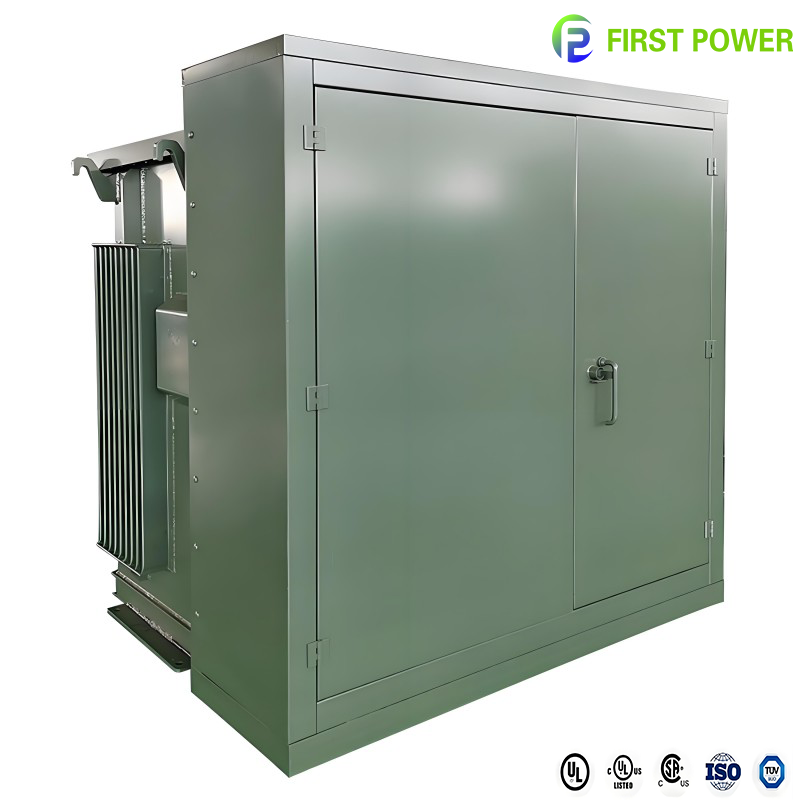
C CE 50/60HZ 10KV 20KV 35KV 75KVA 100KVA 200KVA 300KVA 400KVA 3 Phase Oil Type Pad Mounted Transformer for Power Generation
For commercial campuses, underground loops and power-generation interconnections where tamper-resistant pad-mounted construction is preferred.
View product details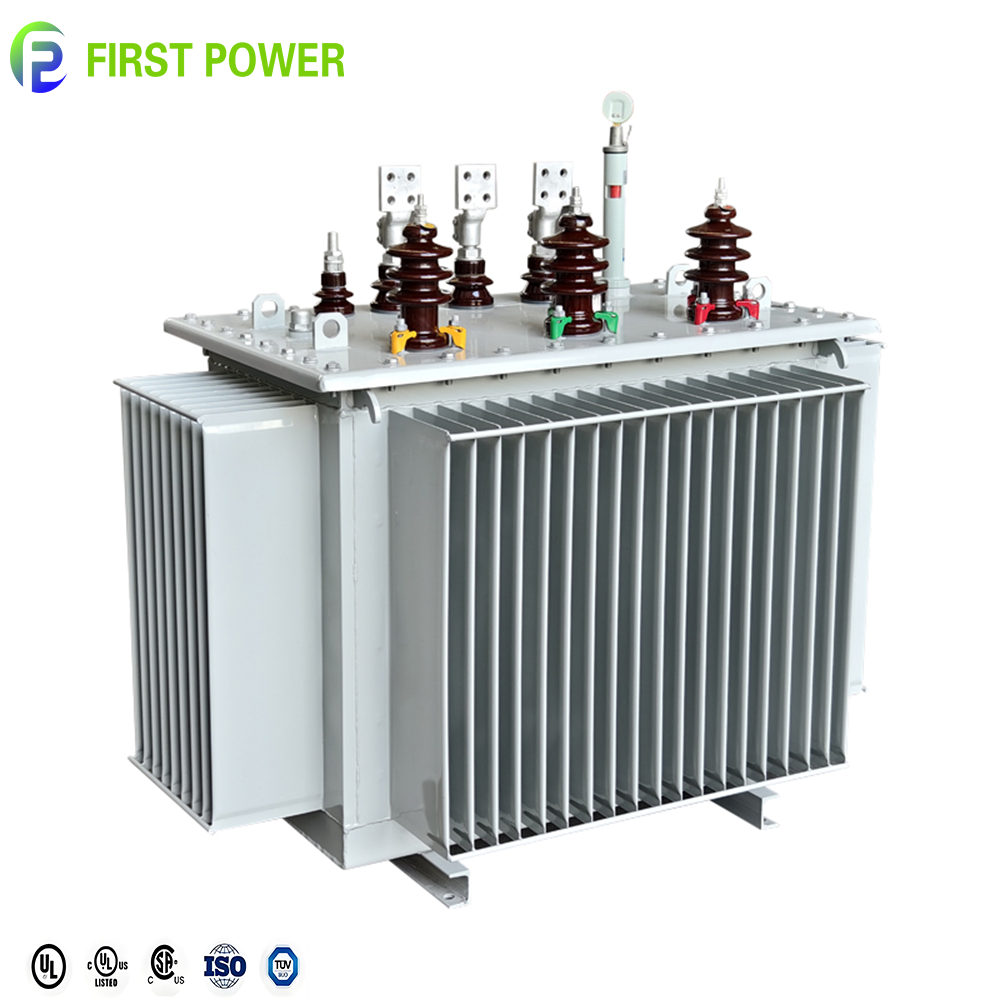
C CE 50/60HZ 6KV 10KV 15KV 20KV 35KV 100KVA 200KVA 300KVA 500KVA 220V Output Voltage Step up Oil Transformer for Industrial
Oil-immersed voltage conversion for industrial test lines, generator interfaces, plant interconnections and equipment requiring a 220 V interface.
View product details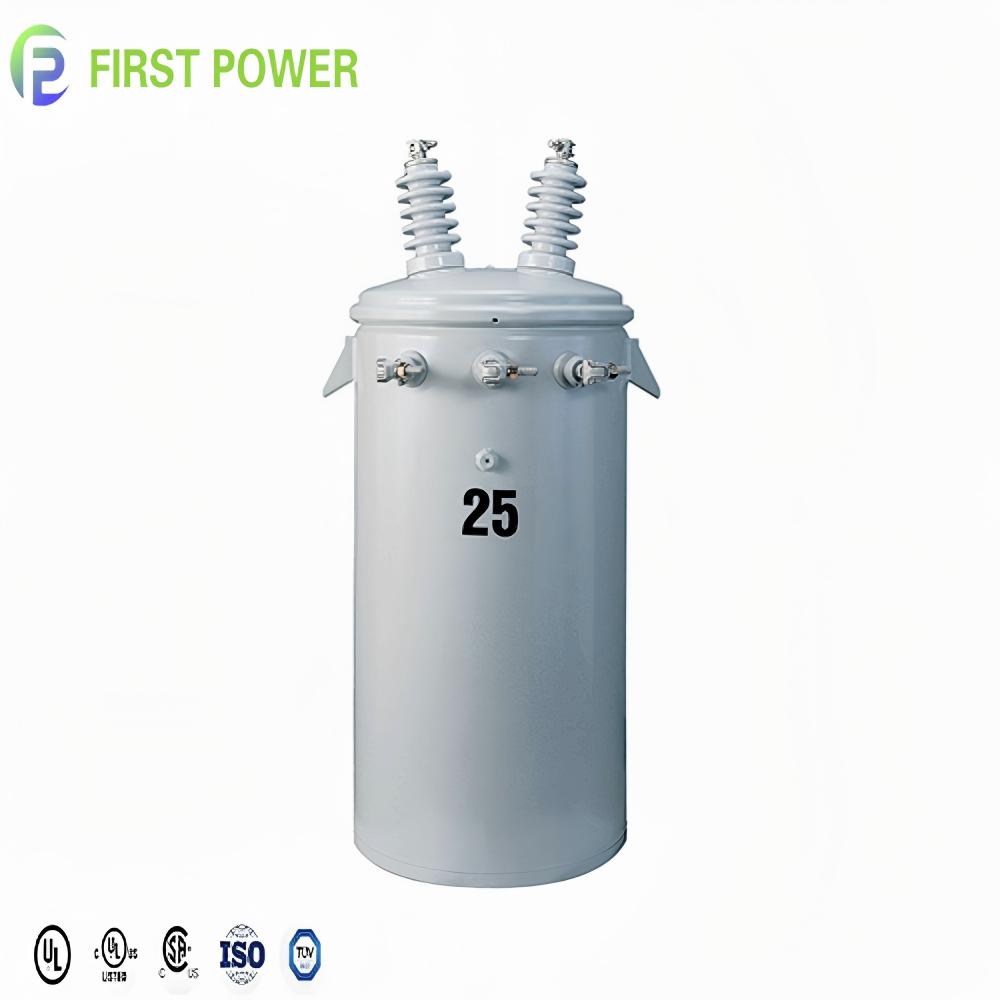
C CE Certification MV&HV 50/60HZ 6KV 10KV 20KV 35KV 25KVA Single Phase Transformer Price for Electric Power Distribution
A compact single-phase distribution solution for auxiliary loads, wayside systems and space-limited power distribution projects.
View product details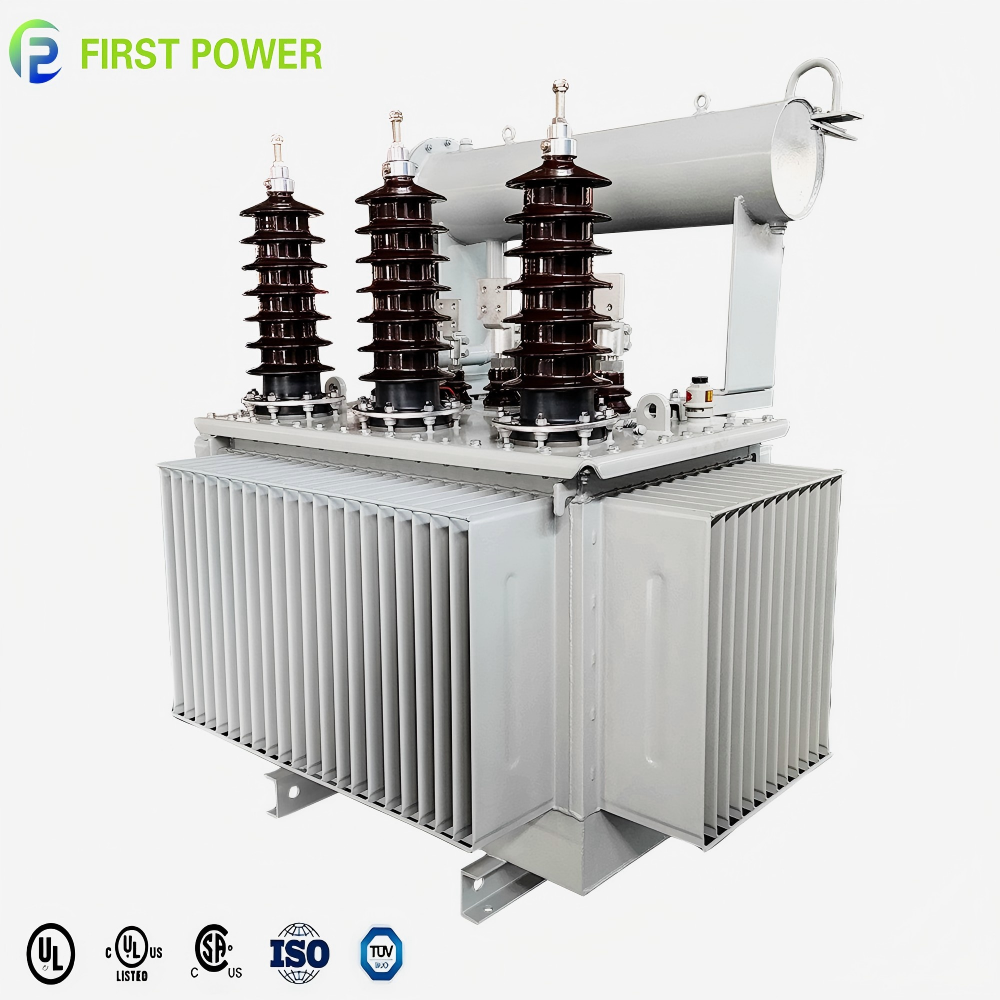
C CE Certification IEEE Standard 50/60HZ S11 Three Phase 33KV Oil Immersed Power High Voltage Transformer for Industrial
High-voltage industrial power transformer for plant distribution and utility interface projects requiring robust oil-immersed construction.
View product details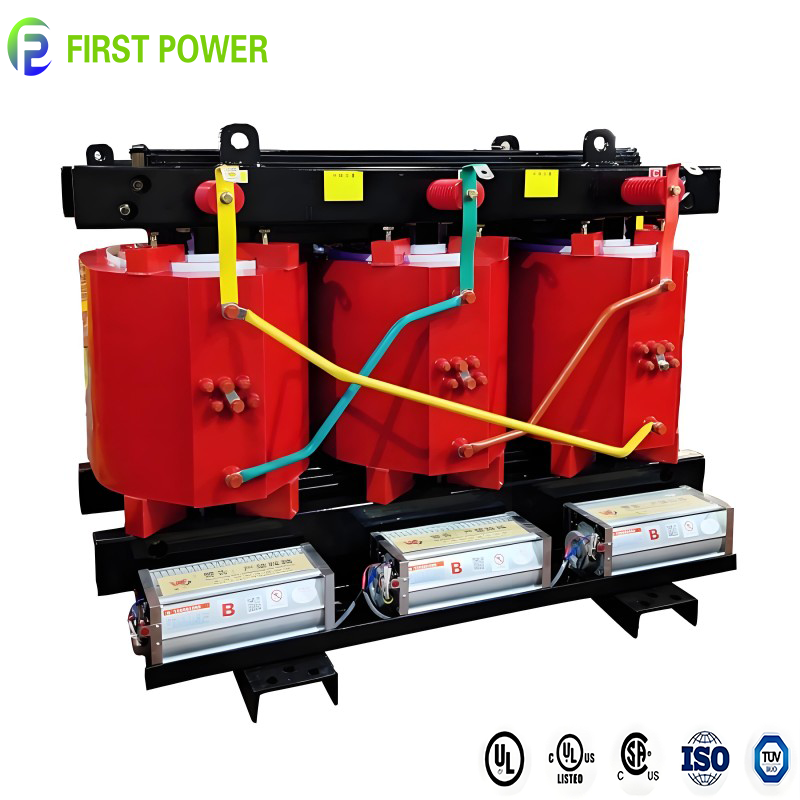
C CE Certification IEEE Standard 50/60HZ 5MVA 6MVA 6KV 35KV 3 Phase Dry Type Transformer for Electric Power Distribution
Oil-free dry-type distribution for data centres, electronics plants, cleanrooms and fire-sensitive indoor locations.
View product details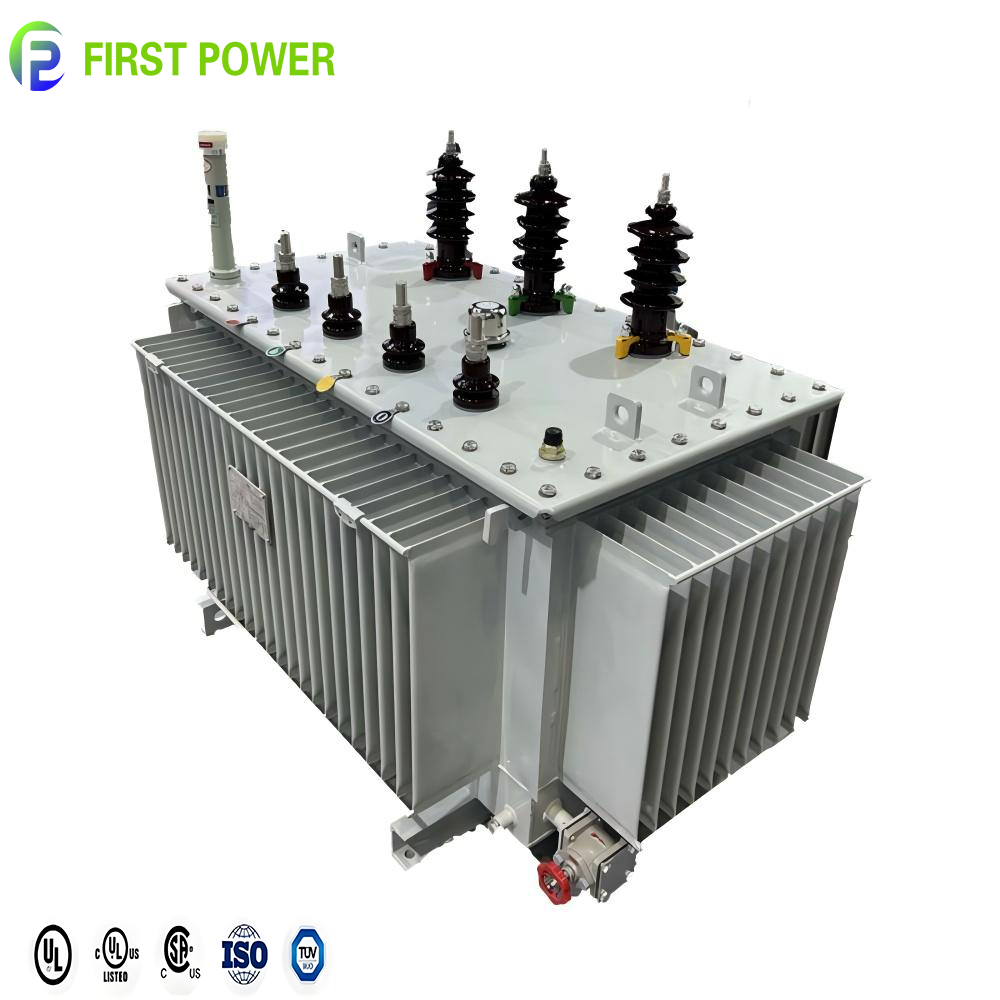
C CE 50/60HZ S11 10KV 20KV 35KV 50KVA 100KVA 200KVA 3 Phase Electrical Oil Immersed Transformer for Distribution System
Loss-controlled oil-immersed distribution transformer for factory networks, commercial buildings and medium-voltage step-down duty.
View product details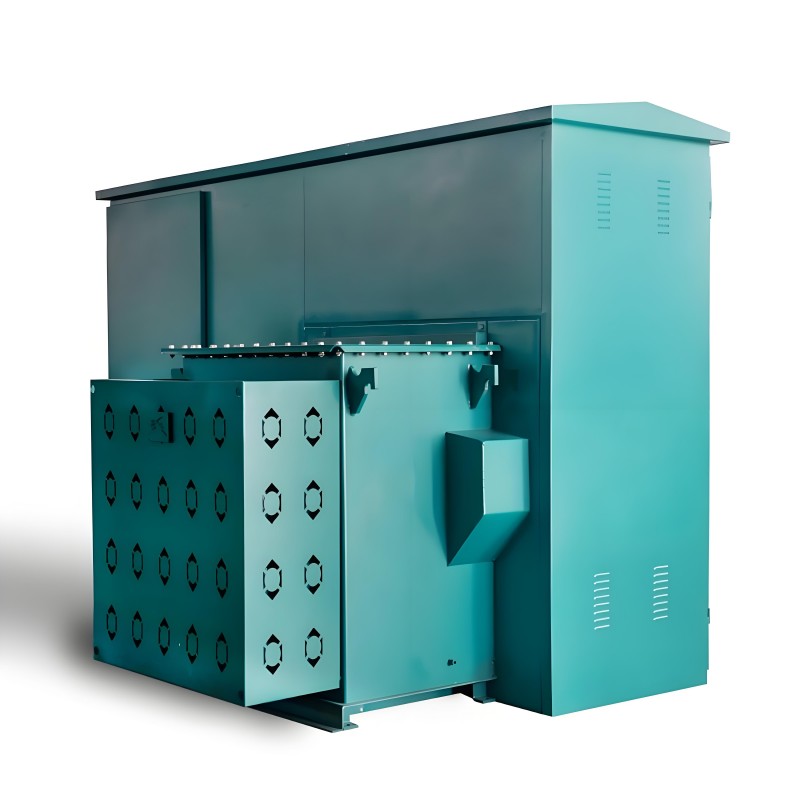
C Certified Oil-Type Cooper 75-2500kva Pad Mounted Transformer 6kv-34.5kv 50/60hz Dead Front Three Phases
Dead-front oil-type pad-mounted transformer for underground loops, port logistics, EV charging hubs and heavy-load commercial sites.
View product details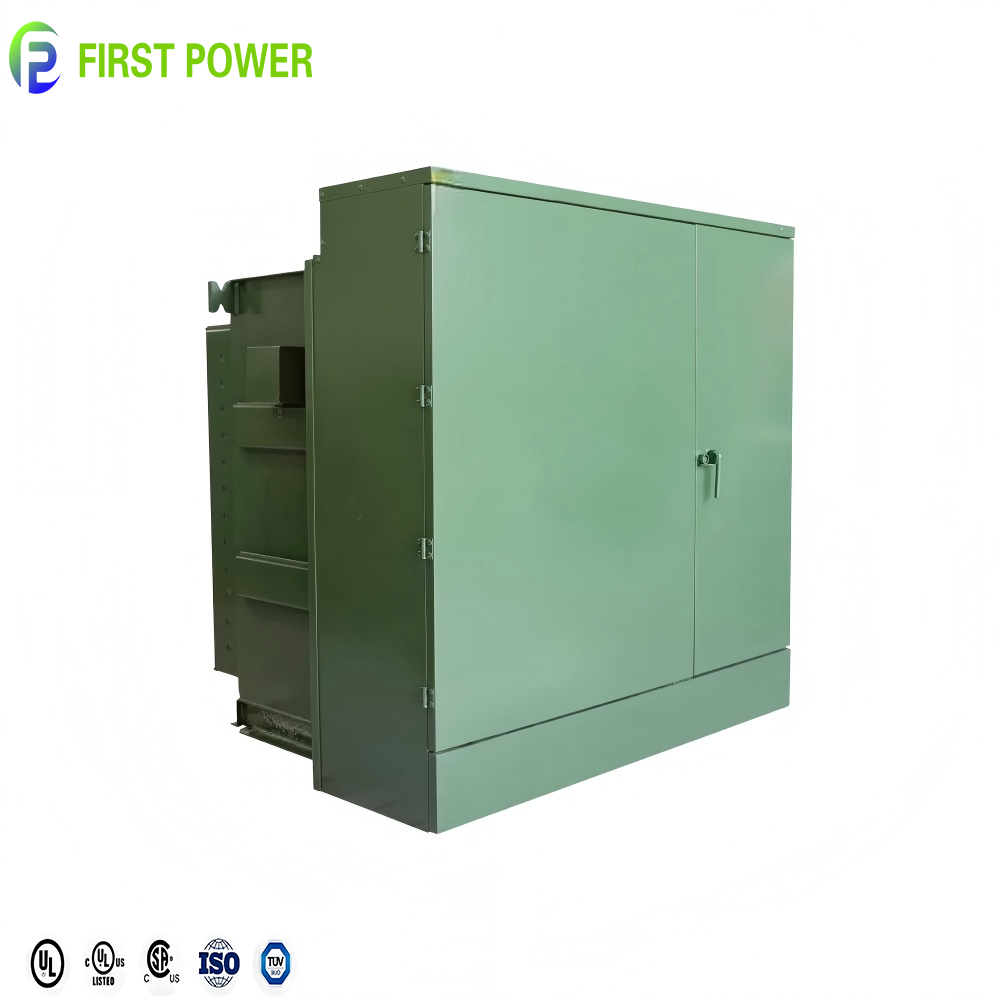
C CE 50/60HZ 10KV 20KV 35KV 300KVA 500KVA 630KVA 750KVA Three Phase Pad Mounted Transformer for Electric Power Distribution
Three-phase pad-mounted distribution for logistics parks, commercial facilities, manufacturing sites and local power distribution.
View product detailsShare kVA, primary and secondary voltage, 60 Hz requirement, vector group and site conditions for an engineering response.
Local Engineering Context
Why Nagoya Buyers Specify CE Certified Isolation Step-Up and Step-Down Transformers
Nagoya is one of Japan’s most concentrated advanced-manufacturing regions. Aichi Prefecture supports automotive assembly, EV and battery supply chains, aerospace, robotics, machine tools, ceramics and port logistics. The local grid is 60 Hz, not 50 Hz, and industrial facilities commonly use 200 V or 400 V secondary systems behind 6.6 kV, 22 kV or 33 kV incoming distribution. A transformer quotation that ignores these details is only a price estimate; a useful quotation is an engineering review.
An isolation transformer creates galvanic separation between primary and secondary windings. In step-up duty it raises voltage for generator interfaces, test benches, renewable interconnection or long feeders. In step-down duty it supplies machinery, rectifiers, control systems, EV chargers or building loads from a medium-voltage source. The separation can reduce common-mode noise, limit fault propagation, create a separately derived system when the earthing arrangement is designed correctly, and improve maintenance safety. For Nagoya’s precision environment, benefits also include voltage matching, harmonic isolation and stable power quality for sensitive production lines.
CE certification adds value where the transformer is integrated into equipment for European markets or where an OEM or EPC contractor has standardized on CE-certified components. It does not, by itself, replace Japanese technical requirements, utility approvals or project-specific seismic, fire-safety and environmental specifications. Wisegj therefore treats CE, IEC and IEEE design references as a starting point and reviews each Nagoya project against the buyer’s drawings, earthing philosophy and installation method.
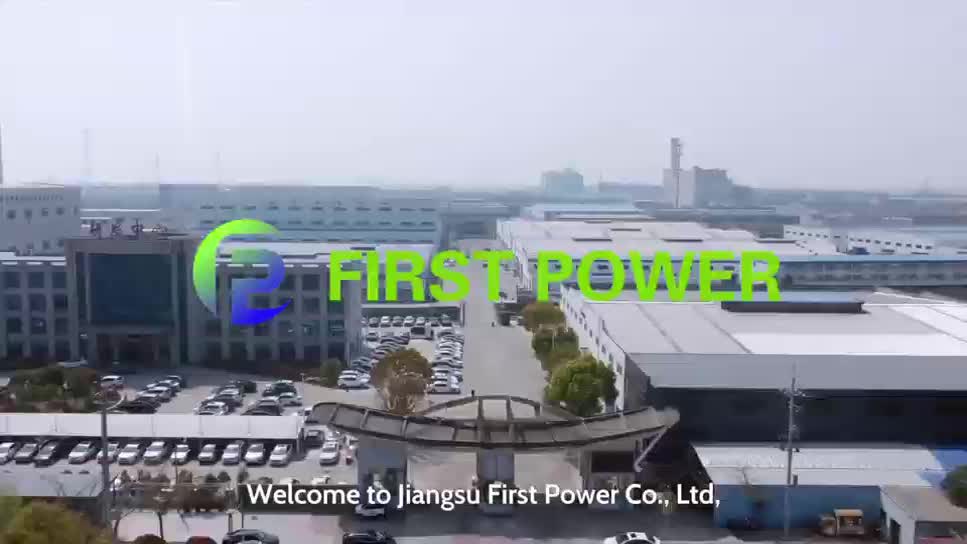
Engineering review, controlled production and routine testing are documented before export packing.
Application Scenarios
Isolation Transformer Applications in Nagoya and the Chubu Region
The same transformer family can be correct in one plant and unsuitable in another. These are the application patterns our engineers review most often for Nagoya-area manufacturers, EPC contractors and facility owners.
Automotive and EV production lines
Welding, paint, battery and assembly cells need stable voltage and galvanic isolation. A 6.6 kV or 22 kV step-down transformer with 200 V or 400 V secondary can feed process equipment while limiting disturbances from rectifiers, inverters and welding loads.
Robotics, machine tools and electronics
Servo drives and CNC equipment are sensitive to common-mode noise. Dry-type or shielded isolation transformers support clean power, low acoustic noise and indoor installation. A genuine 60 Hz design avoids relabelled 50 Hz units that may not match impedance and loss assumptions.
Data centres and clean manufacturing
Indoor dry-type transformers offer oil-free fire safety. For high-density sites, a 5–6 MVA dry-type unit or compact substation can reduce civil works and commissioning time while keeping maintenance access clear.
Port of Nagoya and logistics hubs
Coastal humidity, seismic restraint, salt exposure and vehicle impact require robust enclosures. Dead-front pad-mounted transformers support underground loop distribution, EV charging, cold storage and container-yard power.
Technical Deep Dive
CE Certification, 60 Hz Design and Japanese Grid Compatibility
Frequency is not a nameplate detail to be added at the end of the quotation. It changes the magnetic design, impedance, loss performance, temperature rise and sound level of a transformer.
A transformer designed for 60 Hz should be optimized at 60 Hz because core flux, magnetizing current, reactance, eddy-current loss and audible noise change with frequency. A 50 Hz unit may run at 60 Hz under some conditions, but applying a 50 Hz design to a 60 Hz Nagoya project without review can alter losses, impedance and temperature rise. For a reliable RFQ, state 60 Hz explicitly and ask the manufacturer to confirm the design basis, guaranteed losses and test frequency.
CE certificates held by Wisegj include product-family documentation for oil-immersed power transformers, oil-immersed transformers, dry-type transformers and compact substations. Certificate scope should be checked against the exact product type and voltage class. Production runs under ISO 9001, ISO 14001 and ISO 45001 management systems, and the TÜV Rheinland verification covers floorspace, production capability and quality inspection. For Japanese projects, we coordinate the design review with the buyer’s engineers, including vector group, impedance, tap range, insulation level, earthing, seismic bracing, leakage containment and nameplate language.
Routine tests are documented for every serial number: winding resistance, voltage ratio and vector group, impedance and load loss, no-load loss and current, applied and induced voltage withstand, plus oil dielectric strength for liquid-filled units. Type-test reports can be reviewed during quotation, and third-party witness inspection is welcome. For medium-voltage and high-voltage units, the purchase specification can also include painting, oil containment, lifting points, packing and transport impact recording.

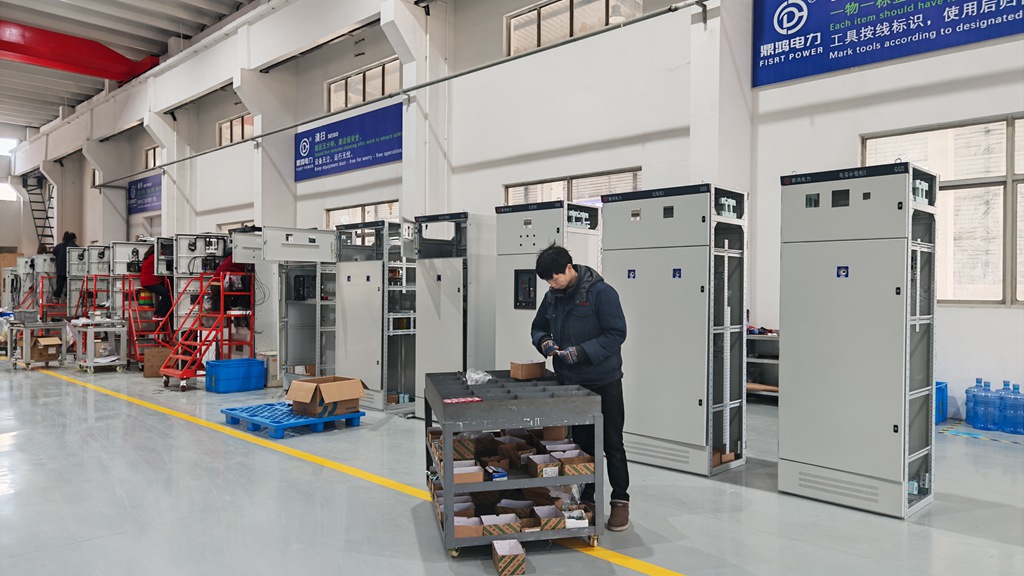
Documented work instructions and in-process inspection support repeatable transformer quality.
Selection Matrix
How to Choose the Right Transformer Type for a Nagoya Project
Use this comparison as a screening tool, then confirm the final design against fault level, duty cycle, ambient conditions, utility requirements and building fire strategy.
| Transformer solution | Best Nagoya fit | Typical scope | Procurement note |
|---|---|---|---|
| Three-phase pad-mounted transformer | Commercial campuses, EV hubs, port logistics and utility loops | 45–5,000 kVA; up to 34.5 kV; 50/60 Hz | Dead-front, tamper-resistant and suitable for underground feed arrangements |
| Single-phase pad-mounted transformer | Residential, auxiliary and light commercial loads | 10–250 kVA; compact footprint | Useful where phase isolation and space-saving installation matter |
| Oil-immersed step-up or step-down transformer | Industrial test benches, generator interfaces and plant interconnection | 100–500 kVA; 6–35 kV; 220 V output options | Review loss curve, oil containment, fire separation and maintenance access |
| Dry-type transformer | Indoor production, data centres, hospitals and precision lines | 30 kVA–6 MVA; up to 35 kV | Oil-free fire safety, low noise and fan cooling can be evaluated |
| Power transformer | Utility interface, large plant substations and generation step-up | 35–500 kV class | Vector group, OLTC/NLTC, cooling, seismic review and transport planning are critical |
| Compact substation | Fast-track projects, renewables and urban networks | 100–2,500 kVA; 10–35 kV | Factory integration reduces site civil works and commissioning time |
Ratings outside these ranges can be engineered on request. Japanese utility approvals and project-specific requirements remain subject to the buyer’s specification and local authority review.
Recommended Configurations
Suggested Isolation Transformer Setups for Common Nagoya Briefs
These configurations help procurement teams frame the technical discussion before a formal drawing review.
For a 22 kV factory incoming feeder
Use an oil-immersed S11 three-phase distribution transformer in the 10–35 kV class, sized to the plant load, with 60 Hz design, 400 V or 200 V secondary, Dyn11 vector group and guaranteed loss limits. Add a dry-type unit indoors at the point of use when fire strategy requires oil-free equipment.
For an OEM machine built in Aichi
Specify a CE-certified step-up or step-down isolation transformer with a 200 V or 400 V interface, shielded winding where required, 50/60 Hz nameplate and export documentation. Confirm that the CE certificate scope covers the exact product family and rating to avoid a compliance mismatch.
For a data centre or cleanroom
Evaluate a cast-resin dry-type transformer in the 5–6 MVA class or smaller modular units, with forced-air cooling options, low-noise design and indoor installation. Verify short-circuit withstand, temperature rise, seismic anchoring and maintenance clearance.
For Port of Nagoya or an outdoor yard
Select a dead-front pad-mounted transformer, 75–2,500 kVA, 6–34.5 kV, with tamper-resistant enclosure, corrosion protection and lifting provisions. Include loop-feed arrangement, fault-current coordination and coastal humidity protection in the technical annex.
Local Trends
Trends Reshaping Transformer Procurement in Nagoya
Nagoya’s industrial base is changing in ways that affect transformer specification, lead-time planning and lifecycle cost analysis.
60 Hz power quality as factories digitalize
More sensors, servo systems, inverters and high-speed communication mean more sensitivity to harmonics and common-mode noise. Buyers increasingly request isolation, impedance and loss data before comparing prices.
Rooftop solar, EV charging and interconnection
Aichi manufacturers are adding rooftop PV, battery storage and EV charging. Step-up transformers connect generation or storage to medium voltage, while step-down units feed chargers and building loads. Both need 60 Hz design and coordinated protection.
Space constraints and indoor fire safety
Urban Nagoya sites and high-value cleanrooms often cannot accommodate oil-filled equipment indoors. Dry-type transformers and compact substations reduce fire risk, simplify civil works and shorten commissioning.
Lifecycle cost and verified documentation
Procurement teams now evaluate no-load and load losses, maintenance access, spare-part availability and documentation quality. A lower first price can be outweighed by higher energy losses or unclear test evidence.
Manufacturer Advantages
Auditable Manufacturer Advantages Behind a Wisegj Quotation
Jiangsu Wisegj Power Co., Ltd. combines a verified production base, engineering depth and export documentation discipline. The advantages below are the ones procurement teams can check during due diligence.
Verified factory capacity
6,847 m² of inspected production floorspace with dedicated winding, core assembly, drying, tanking, testing and packing areas, verified by TÜV Rheinland.
20+ years and 50+ engineers
A technical team with more than 20 years of transformer experience supports specification review, drawings, testing and after-sales response.
ISO and CE systems
ISO 9001, ISO 14001 and ISO 45001 management systems, plus CE certification for oil-immersed, dry-type and compact substation product families.
In-house routine testing
Ratio, resistance, loss, impedance, dielectric and oil BDV tests are documented per serial number, with third-party witness inspection available.
OEM / ODM customization
Ratings, vector group, impedance, tap range, bushings, cooling method, insulating fluid, enclosure colour and nameplate language can be customized.
Export documentation
GA drawings, nameplate drafts, test reports, packing lists and English O&M manuals are prepared for smooth customs and site acceptance.
Stable supply chain and track record
211 qualified supply-chain partners support material availability. Wisegj is a supplier to Fortune 500 companies and reports a 4.9/5 average buyer rating.
24-hour pre-sale and after-sale response
Technical questions, quotation clarifications and after-sales issues receive a qualified response within one working day.
Quality Evidence
Evidence a Nagoya Buyer Can Verify Before Order
Procurement teams rarely need another catalogue. They need evidence: certificate numbers, test reports, drawings, packing records and a clear route to technical answers.

Production capability, floorspace and quality inspection have been assessed onsite by TÜV Rheinland. Certificate copies, GA drawings, nameplate drafts, routine test formats and third-party inspection arrangements can be shared during due diligence.

Company and facility overview
Production base, engineering support and export project experience.
Assembly workshop
Controlled core, coil, tanking and assembly workflows with inspection checkpoints.

Testing laboratory
Routine electrical tests and oil dielectric checks with serial-number traceability.
Export packing and loading
Seaworthy packing, shipping marks and documentation prepared for Nagoya delivery.
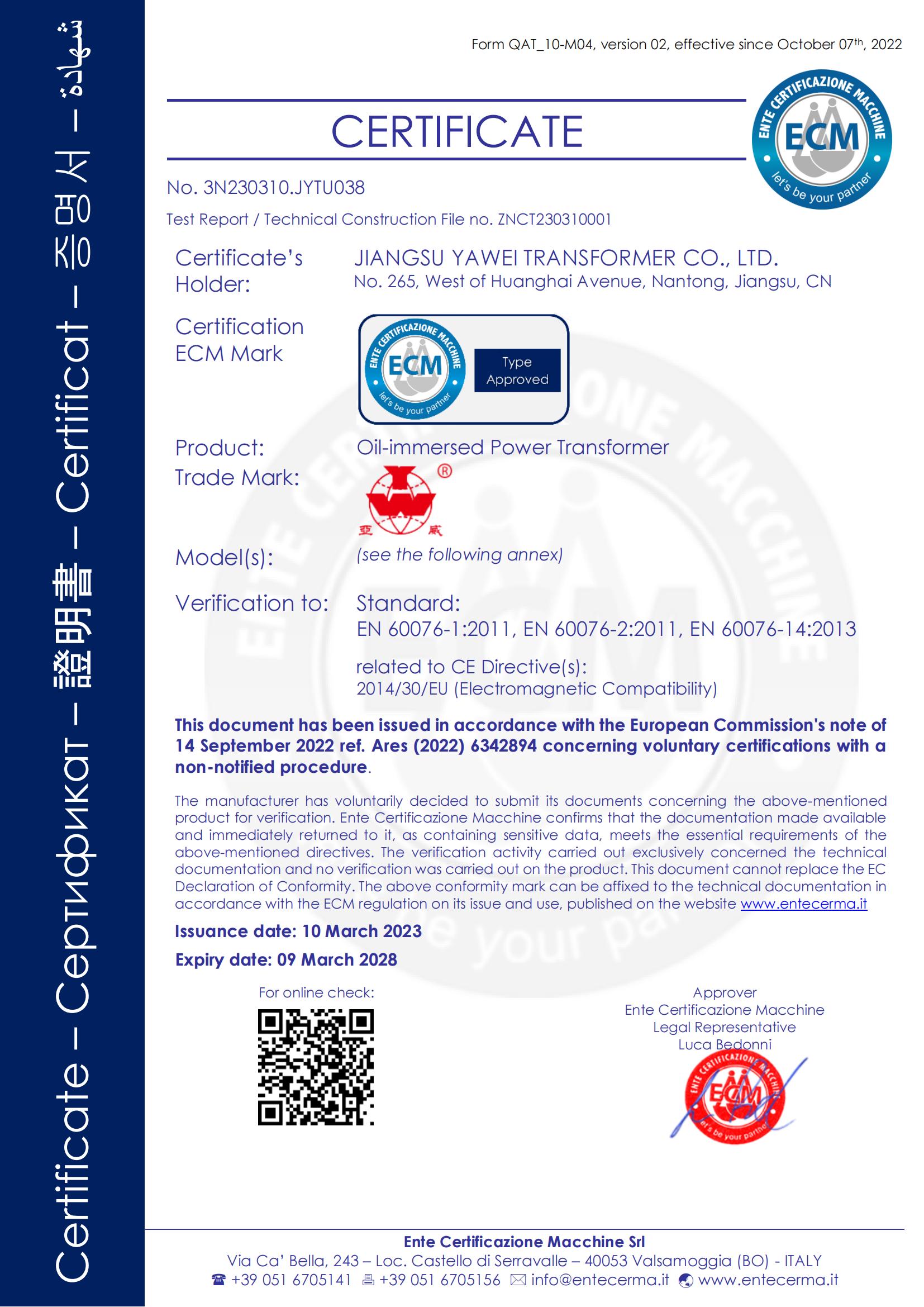
CE · Power transformer
Oil-immersed power transformer certificate family, No. 3N230310.JYTU038.
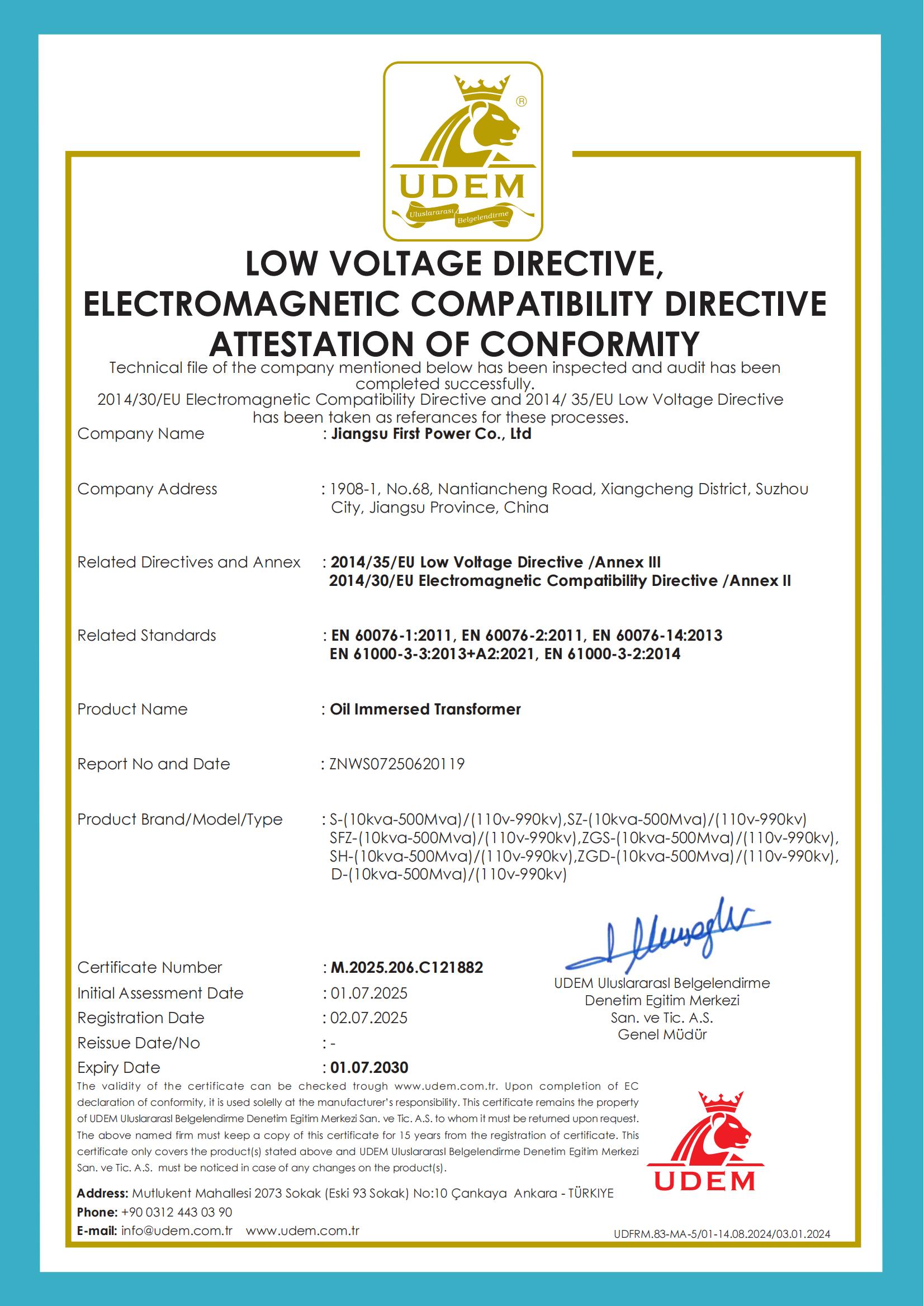
CE · Oil immersed
Oil-immersed transformer certificate No. M.2025.206.C121882.
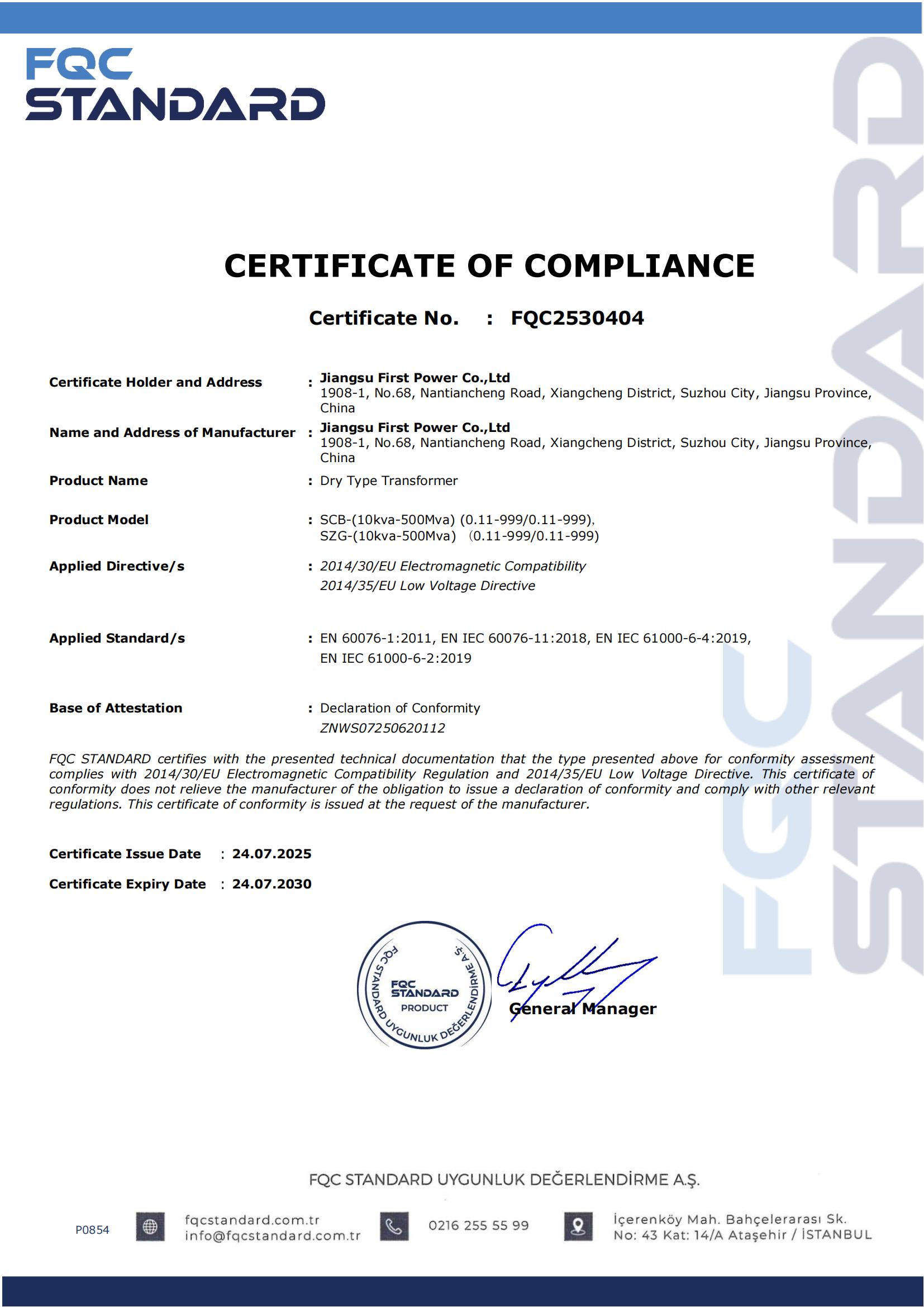
CE · Dry type
Dry-type transformer certificate No. FQC2530404.
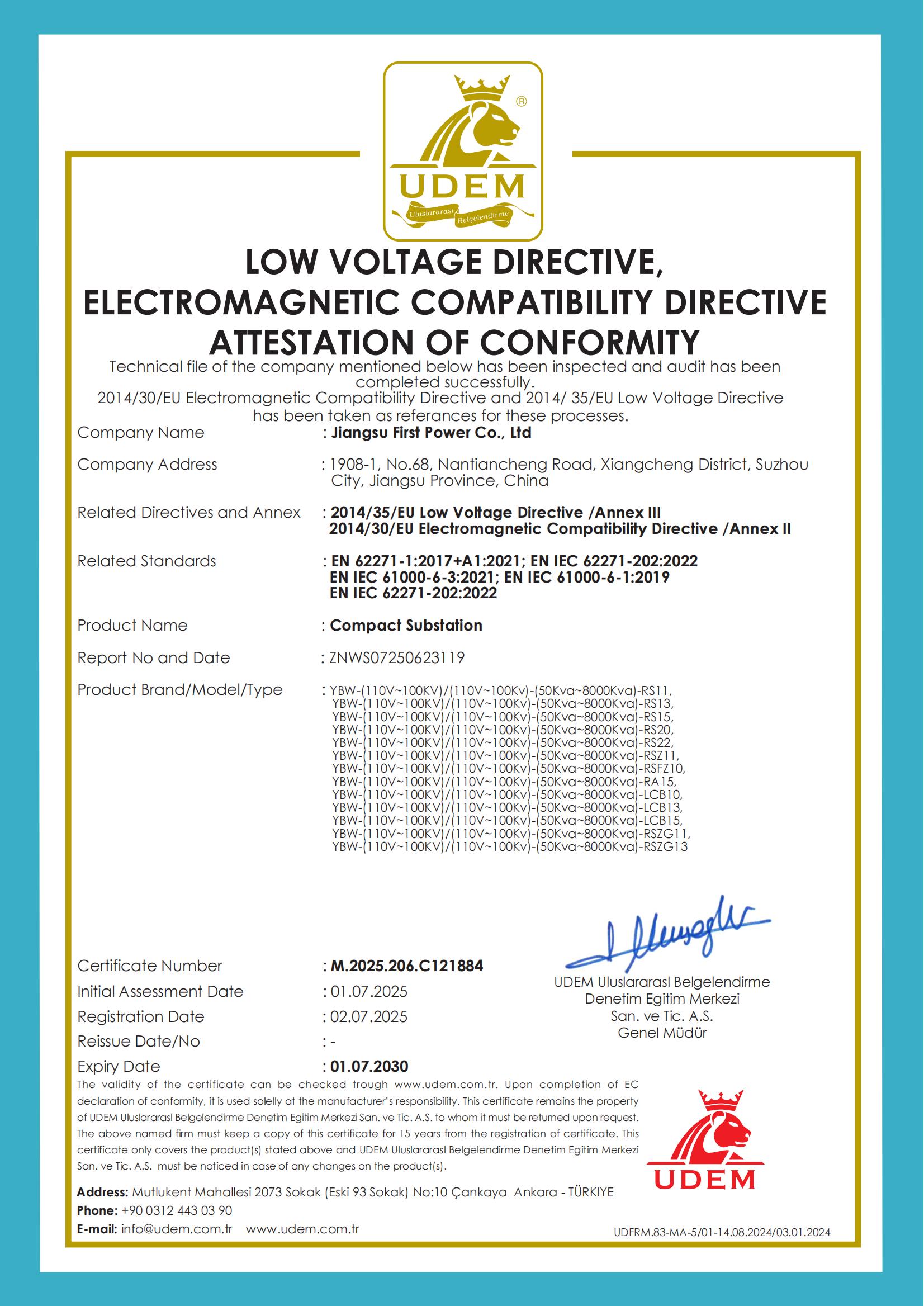
CE · Compact substation
Compact substation certificate No. M.2025.206.C121884.
ISO 9001 No. 62824Q6052R0S · ISO 14001 No. 62824E6053R0S · ISO 45001 No. 62824S6054R0S. Certificate scope and validity should be confirmed for the exact product and destination.
Nagoya Buyer FAQ
Common Questions About CE Certification, 60 Hz and Local Procurement
Direct answers for purchasing teams, EPC contractors and facility engineers comparing isolation step-up and step-down transformer suppliers.
Can a CE-certified transformer be used in Nagoya, Japan?
Yes, a CE-certified transformer can be supplied for a Nagoya project, but CE is an EU conformity marking rather than a Japanese mandatory approval. For Japan, the equipment must still satisfy the buyer’s specification, utility requirements, installation rules and any applicable Japanese standards or project-specific approvals. CE certification is especially useful where the transformer is part of a machine or system exported to Europe or where the OEM has standardized on CE-certified components.
How do you optimize a step-up or step-down transformer for Nagoya’s 60 Hz grid?
We design and test the transformer at 60 Hz when 60 Hz is specified, rather than merely relabelling a 50 Hz unit. The quotation review covers primary and secondary voltage, kVA or MVA, impedance, vector group, tap range, cooling, ambient temperature, altitude, loss limits, sound level and installation method. For Nagoya, common design targets include 6.6 kV, 22 kV or 33 kV primary systems and 200 V or 400 V secondary supplies for industrial equipment.
Is oil-immersed or dry-type better for a Nagoya factory?
Dry-type transformers are often preferred indoors where fire safety, oil containment or cleanroom conditions matter. Oil-immersed transformers are commonly used outdoors or in dedicated substations where high capacity, efficient cooling and proven utility practice are priorities. The decision should be made with the building fire strategy, insurance requirements, acoustic limits, ambient temperature, maintenance access and total lifecycle cost in view.
Which voltages should we state in an RFQ for a Nagoya project?
State the exact primary and secondary voltages instead of a generic class. Typical project data may include 6.6 kV, 22 kV or 33 kV on the primary side and 200 V or 400 V on the secondary side, with 60 Hz frequency. Also confirm whether the transformer is step-up, step-down or isolation duty, and include the vector group, impedance, tap range and neutral/earthing arrangement required by the facility design.
What documents should accompany a transformer shipment to Nagoya?
Depending on the contract, the document set can include GA drawings, approved nameplate drawing, routine test reports, CE certificate copies where applicable, ISO certificates, oil test reports for liquid-filled units, packing list, shipping marks, installation and maintenance manuals, and material or country-of-origin declarations. For customs and site acceptance, the exact document list should be agreed before shipment to the Port of Nagoya or another Japanese port.
How are loss performance and lifecycle cost evaluated?
Ask for guaranteed no-load loss and load loss at the specified rating, reference temperature and frequency. Many Japanese buyers use a capitalization formula that assigns a monetary value to each watt of no-load and load loss, then compares that capitalized loss cost with the initial price. A transformer with a lower purchase price can be more expensive over its service life if losses are high or if the documentation is insufficient for asset management.
Can Wisegj customize the transformer and support witness testing?
Yes. OEM, ODM, design-based and sample-based customization are available, covering ratings, vector group, impedance, taps, bushings, cooling, insulating fluid, enclosure colour and nameplate language. Third-party witness inspection at factory testing can be arranged during the project. Please notify us at the quotation stage so that the inspection scope, test schedule and documentation requirements can be included in the contract.
What shipping and payment terms are available for Nagoya delivery?
Common shipping terms include FOB, CFR, CIF, EXW, FCA, CIP, CPT and DDP, subject to the negotiated contract. Payment methods can include T/T, L/C, D/P and D/A among other secure options. For Nagoya, the most suitable port, Incoterm, packing method and document set should be confirmed before the purchase order because transformer weight, dimensions and transport route affect logistics planning.
RFQ Checklist
Information Needed for an Accurate Nagoya Transformer Quotation
A complete technical brief reduces clarification rounds and helps the factory guarantee the correct losses, impedance and documentation.
Rated power (kVA / MVA)Include future expansion and duty cycle if known.
Primary and secondary voltageFor example 22 kV to 400 V, or 6.6 kV to 200 V.
Frequency (60 Hz for Nagoya)Confirm whether the project also requires 50 Hz compatibility.
Vector group and impedanceMatch upstream protection and downstream fault coordination.
Tap changer type and rangeOLTC, NLTC or off-circuit taps according to operating profile.
Cooling method and insulating fluidONAN, ONAF, dry-type, mineral oil or natural ester.
Site conditions and installationIndoor/outdoor, ambient, humidity, seismic and enclosure requirements.
Standards, losses and documentsIEC/IEEE reference, loss limits, CE scope, test reports and nameplate language.
Nagoya Project Review
Request a 60 Hz Isolation Step-Up or Step-Down Transformer Review
Send your datasheet, single-line diagram or tender document. Our engineers will review the 60 Hz design basis, medium-voltage interface, 200 V or 400 V secondary requirements, CE documentation scope and export packing route before your team compares quotations.
Send an Inquiry