Why Tanzania Projects Need a Grid Transformer Partner With Auditable CE Documentation
Tanzania's power sector is expanding across urban distribution, rural electrification, industrial parks, mining loads and renewable energy interconnection. For procurement teams, the transformer is not a commodity purchase: it affects voltage regulation, losses, outage risk, site safety, spare-parts planning and total cost of ownership over a 20-to-30-year service life. Jiangsu Wisegj Power Co., Ltd. supports Tanzania-focused buyers with pad mounted transformers, oil immersed distribution transformers, power transformers, dry type transformers and compact substations engineered from 220 V to 500 kV.
Our production model combines CE-certified product lines, ISO 9001, ISO 14001 and ISO 45001 management systems, routine testing for every unit and export documentation suitable for EPC contractors, utilities, consultants and industrial buyers. The factory operates with more than 20 years of team experience, 6,847 m² of verified production floorspace, 50+ engineers and 211 qualified supply-chain partners. Our transformer families are commonly specified for 50 Hz networks, 11 kV or 33 kV distribution, 400/230 V LV systems and renewable or industrial interconnection projects. Final voltage ratios, impedance, vector group, tap range, cooling class and losses should always be confirmed against the utility or project specification.
Information gain for Tanzania buyers: CE marking supports product compliance and export acceptance, but it does not replace local utility approval or project-specific type-test review. A practical enquiry should therefore include the destination city or site, 50 Hz confirmation, primary and secondary voltages, altitude, ambient temperature, humidity and dust exposure, loss target, applicable IEC or IEEE standard, and the required test-report package. This allows the manufacturer to return a design with guaranteed losses, drawings and inspection documents instead of a generic price.
CE-Certified Transformer Products for Tanzania Grid and Industrial Applications
Eight product directions cover typical Tanzanian distribution, utility, industrial, mining, commercial and renewable project requirements. Product links and images are preserved from the source product range so buyers can review detailed specifications.
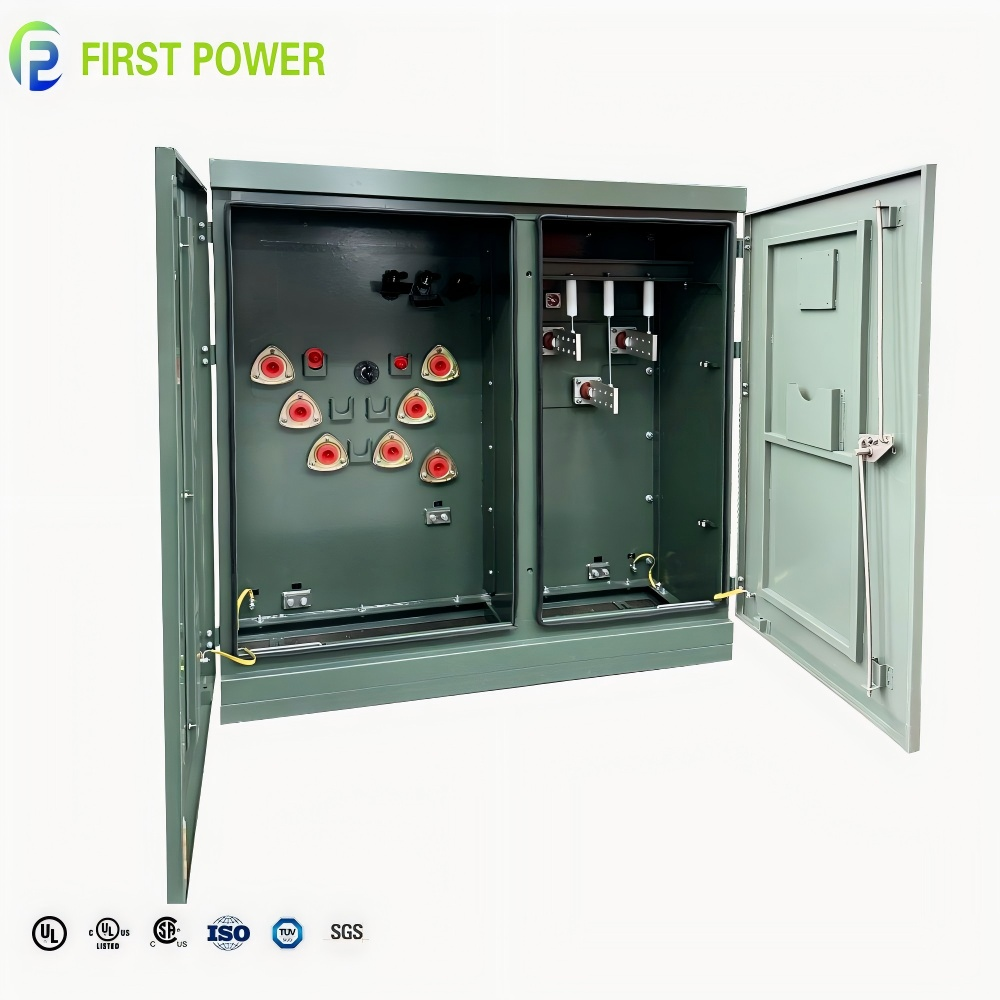
C CE Certification 50/60HZ 10KV 20KV 35KV 3 Phase Loop Feed Pad Mounted 750KVA Transformer for Electric Power Distribution
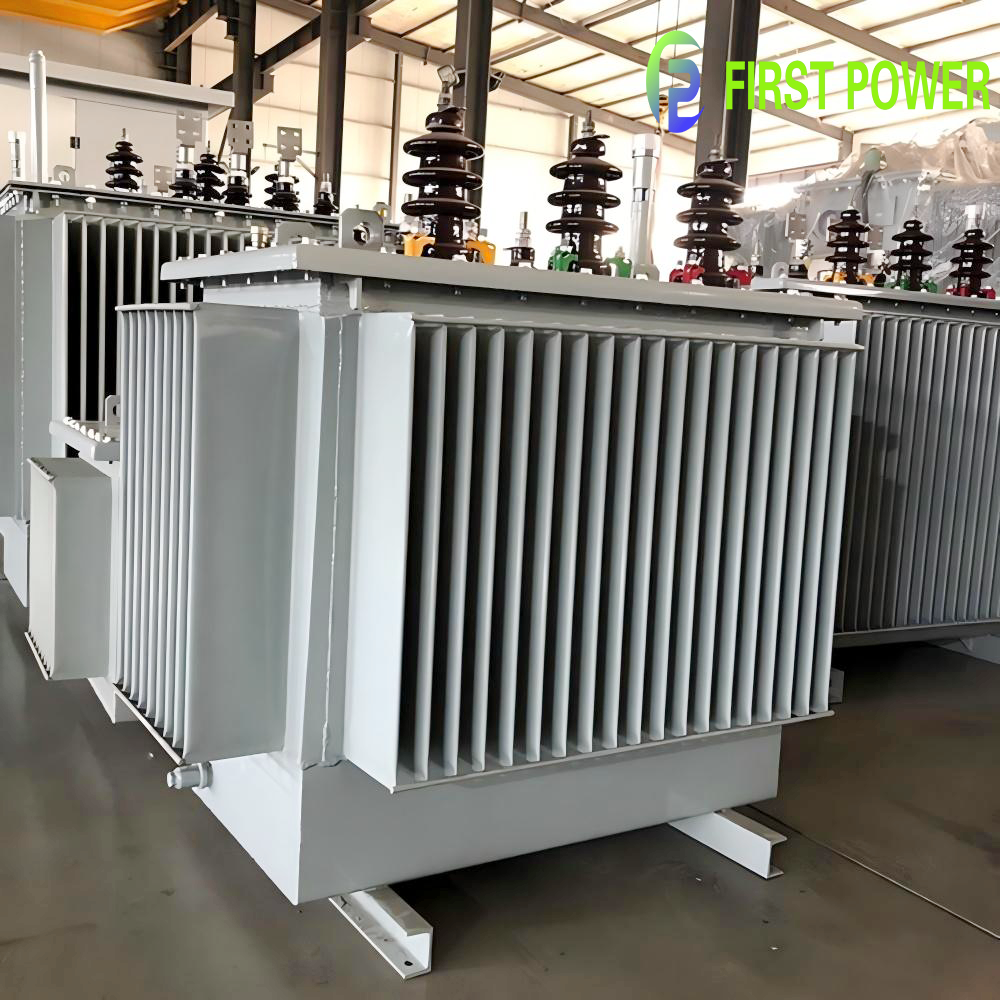
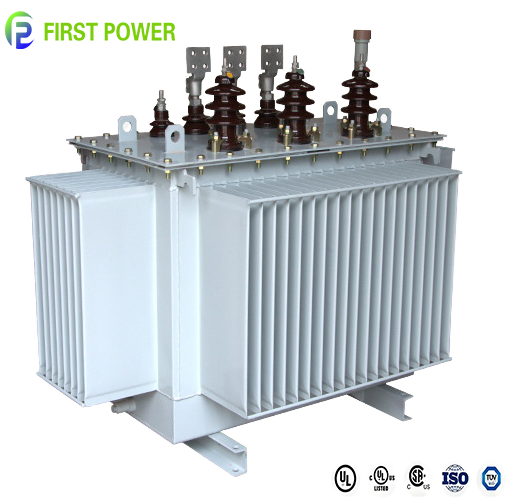
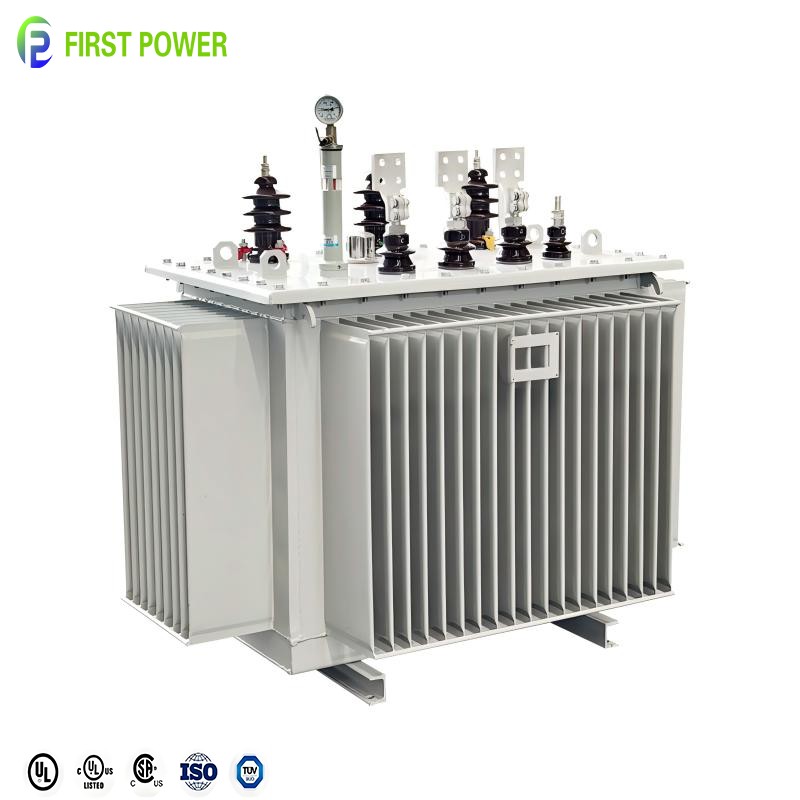
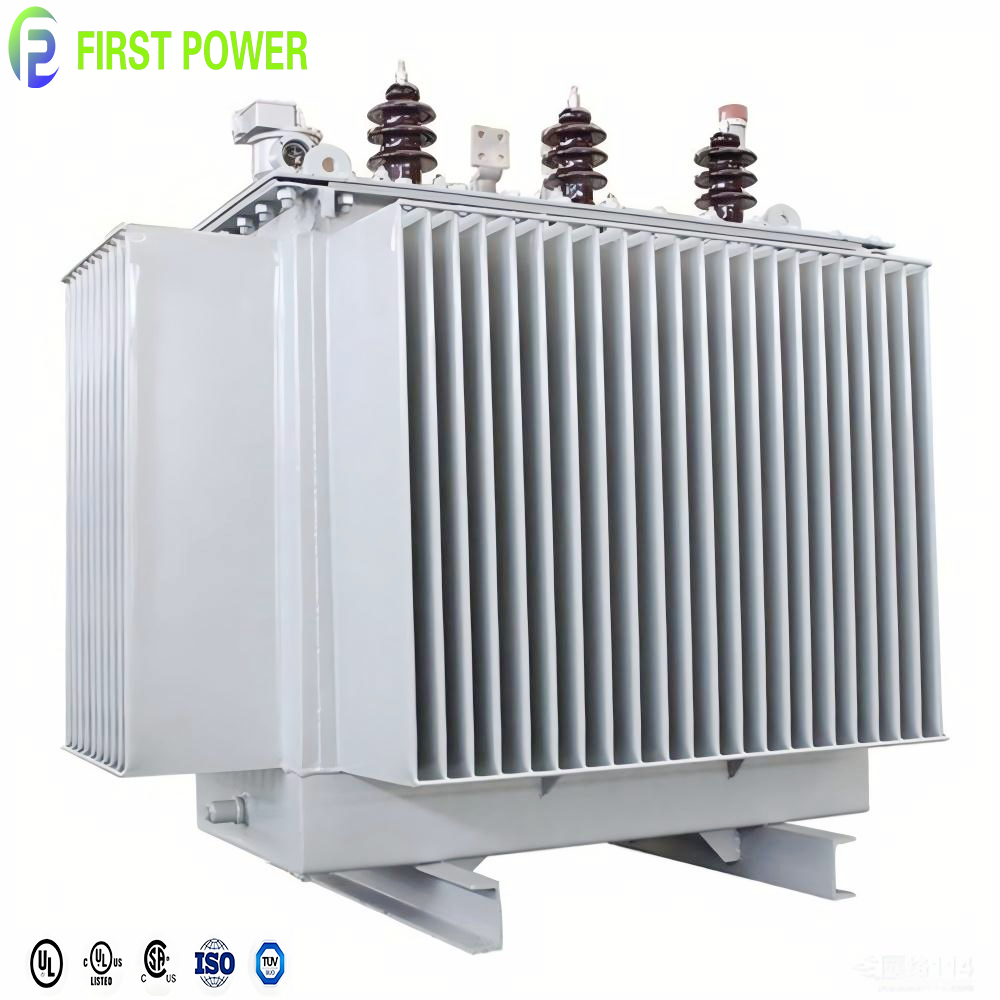
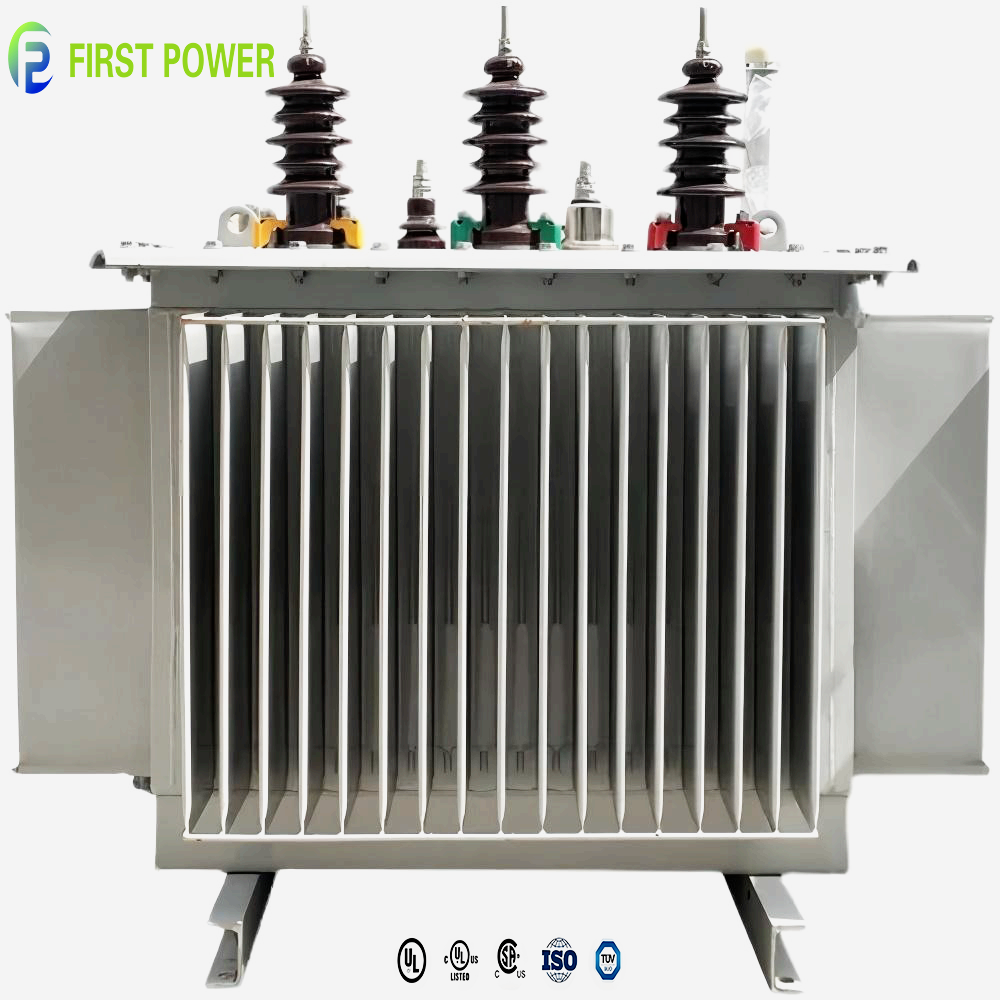
C CE 50/60HZ S11 10KV 15KV 20KV 35KV 100KVA 300KVA 500KVA 630KVA Three Phase Oil Transformer Price for Distribution System
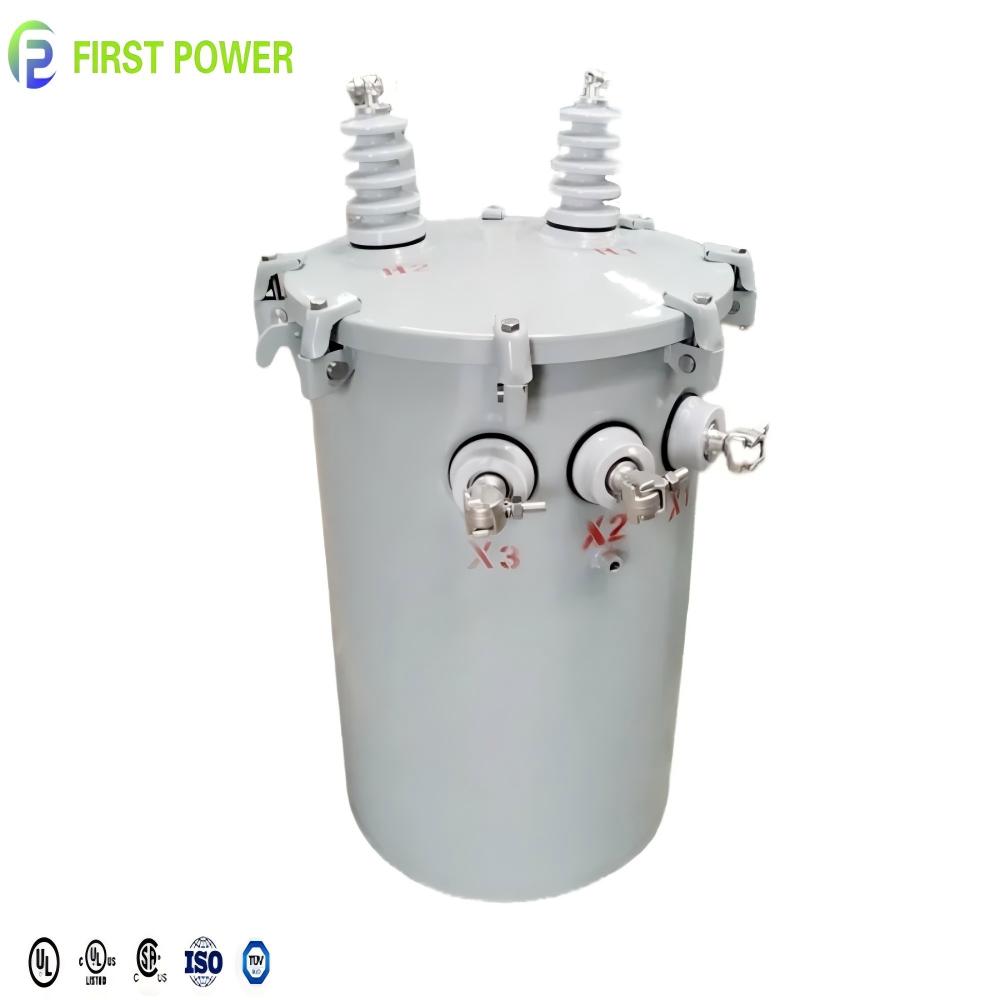
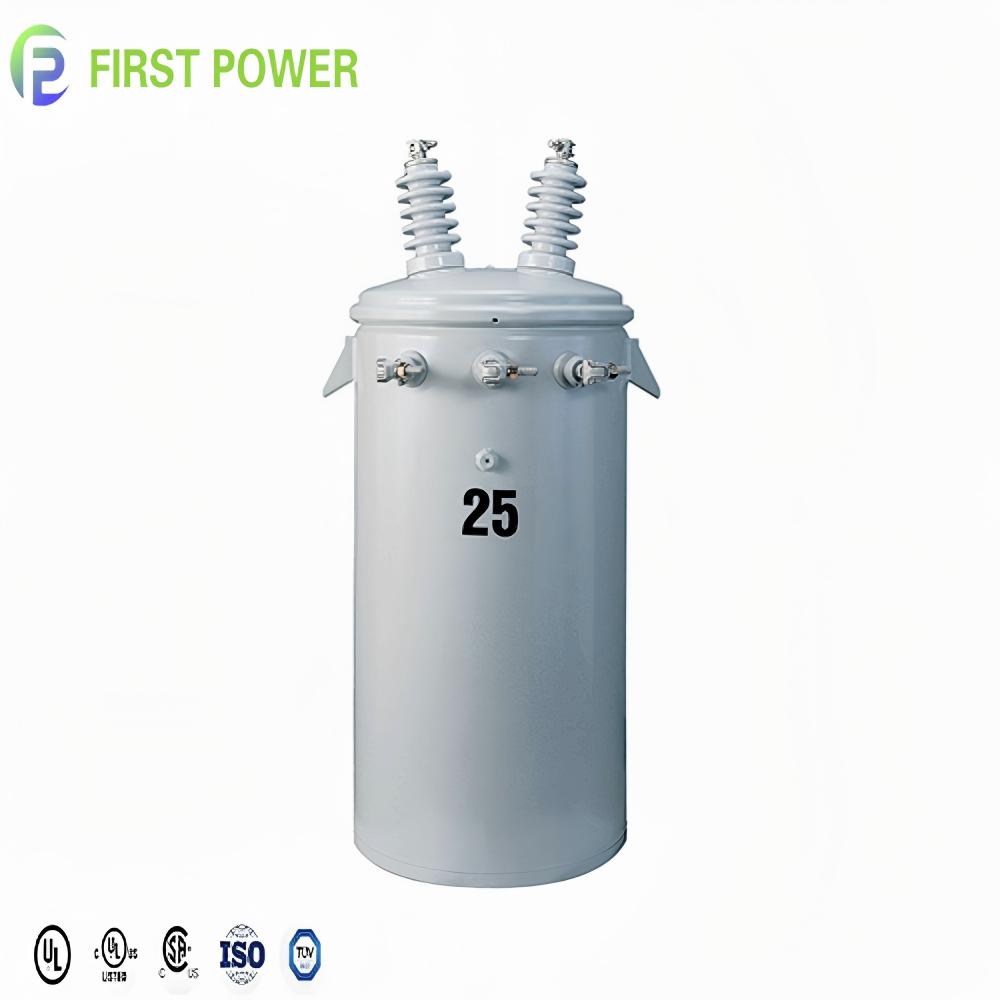
ANSI 50/60HZ 6KV 10KV 15KV 20KV 35KV 15KVA 25KVA 50KVA 100KVA Single Phase Pole Mounted Transformers for Industrial Power Supply
Tanzania Application Scenarios for CE-Certified Grid Transformers
The same transformer family can perform very differently depending on ambient temperature, humidity, dust, loading profile, protection coordination and site access. These scenarios reflect common project patterns in Tanzania.
Urban distribution in Dar es Salaam, Dodoma and Mwanza
Three phase pad mounted transformers and compact substations are suitable where space is limited and underground cable networks are preferred. Typical projects require 11 kV or 33 kV primary, 400/230 V secondary, 50 Hz operation, tamper-resistant enclosures and coordinated LV distribution. For commercial buildings and city-centre loads, compact substations reduce site civil work and commissioning time.
Rural electrification and last-mile extension
Single phase pole mounted, small oil immersed and low-loss distribution transformers are often used for rural feeders, villages and agricultural loads. Buyers frequently prioritize theft resistance, low no-load loss, simple maintenance, standard fuses and reliable sealing. Requests may include 25 kVA, 50 kVA, 100 kVA and larger ratings, with voltage ratios confirmed against the local utility design.
Solar, hydro and hybrid renewable projects
Renewable IPPs and mini-grid developers need step-up transformers, compact substations and distribution transformers that match inverter, turbine or hydro generator output. Important specification points include 50 Hz frequency, grid-code voltage, impedance, harmonic performance, cooling margin and protection interface. CE documentation and routine test reports help consultants review equipment before shipment.
Mining, cement and heavy industrial loads
Mining operations and heavy industry often require oil immersed power transformers, industrial distribution transformers and compact substations designed for high ambient temperature, dust, motor-starting loads and remote maintenance conditions. A robust enquiry should state the duty cycle, altitude, expected overload, cooling method and preferred protection scheme, not only the kVA rating.
Hospitals, data centres, airports and commercial buildings
Indoor and fire-sensitive sites often prefer cast resin dry type transformers or compact substations with dry type transformers. These reduce oil-related fire risk and simplify indoor installation. For data centres and hospitals, voltage regulation, low partial discharge, overload capability, noise level and maintainability are often more important than initial price alone.
Industrial parks, ports and logistics hubs
Industrial parks and port developments usually require a coordinated mix of MV switchgear, distribution transformers, LV panels and compact substations. A single-source transformer manufacturer can align drawings, test reports, nameplate data and delivery schedules, which reduces interface risk between civil, electrical and commissioning contractors.
Typical transformer capacity bands discussed for Tanzania projects
Indicative planning ranges only. Actual rating must be confirmed by load calculation, utility requirements, redundancy and future expansion.
Grid, Energy and Procurement Trends Shaping Transformer Demand in Tanzania
Transformer specifications are increasingly influenced by loss reduction, renewable integration, rural access, industrial growth and stricter documentation requirements.
50 Hz grid discipline and voltage standardization
Tanzania operates on a 50 Hz system. Project specifications commonly involve 11 kV or 33 kV distribution and 400/230 V utilization voltage, but the exact ratio, vector group, impedance and tap range must follow the utility or consultant design. A supplier that reviews these parameters before quotation reduces rework and site delays.
Rural electrification and last-mile access
Rural electrification programs continue to create demand for pole mounted, single phase and small oil immersed transformers. Buyers in Tanzania often value weather-resistant enclosures, reliable sealing, low maintenance and documented losses because sites may be far from service centres.
Renewables and hybrid mini-grids
Solar, hydro and hybrid projects require transformers that coordinate with inverter and generator behaviour. Harmonic distortion, reverse power flow, protection settings and cooling margin deserve attention. Compact substations are often attractive for fast deployment and factory-assembled quality control.
Total owning cost and loss evaluation
Procurement is moving beyond lowest purchase price. No-load loss and load loss can materially affect operating cost over decades. Buyers increasingly request guaranteed losses, routine test reports, loss evaluation formulas and third-party witness inspection before shipment.
Four Tanzania-Specific Engineering Notes Buyers Often Overlook
These details improve quotation accuracy and reduce commissioning risk in coastal, upcountry and industrial environments.
Ambient temperature and derating
High ambient temperature reduces cooling margin. Specify the maximum site temperature, altitude, installation indoor/outdoor condition and required temperature rise. For coastal sites, humidity and salt spray also influence painting, enclosure protection and terminal treatment.
Lightning, surge and protection coordination
Tanzania has regions with significant lightning activity. Transformer BIL, surge arrester selection, MV fuse coordination, earthing design and LV protection should be aligned with the site exposure. The transformer cannot compensate for an incomplete protection study.
Port-to-site transport and handling
Most imports arrive via Dar es Salaam and may travel long distances inland. Package dimensions, lifting points, oil filling method, shock indicators, road clearance and unloading equipment should be confirmed early. Seaworthy export packing and complete shipping documents reduce demurrage and site-handling delays.
Utility approval and document package
Provide the project standard, single-line diagram, nameplate language, test requirements and approval workflow. CE certificates, ISO certificates, routine test reports, GA drawings and O&M manuals should be ready for the consultant, utility and customs reviewers. Third-party witness inspection can be included when required.
Manufacturer Advantages That Support Tanzania Transformer Procurement
Jiangsu Wisegj Power Co., Ltd. combines engineering review, controlled production, verified certificates and export experience so buyers can compare technical compliance rather than marketing claims.
20+ years of team experience
Engineering and technical team experience covering distribution transformers, power transformers, pad mounted units, dry type transformers and compact substations.
Verified 6,847 m² production base
Dedicated winding, core assembly, drying, tanking, assembly, testing and packing areas, with production capability verified through third-party assessment.
50+ R&D and technical engineers
Specification review, drawings, loss calculation, nameplate preparation and test-report coordination before production and shipment.
211 qualified supply-chain partners
Stable access to silicon steel, copper, bushings, tap changers, oil, gaskets and accessories supports repeatable lead times and material traceability.
In-house routine testing
Winding resistance, ratio and vector group, impedance and load loss, no-load loss and current, applied voltage, induced voltage and oil dielectric tests for liquid-filled units.
CE and ISO certification records
CE certificates for oil immersed power transformers, oil immersed transformers, dry type transformers, compact substations and switchgear, plus ISO 9001, ISO 14001 and ISO 45001.
OEM, ODM and design customization
Ratings, vector group, impedance, tap range, bushing configuration, cooling method, insulating fluid, enclosure colour, nameplate language and document package can be adapted to project requirements.
Export logistics and 24-hour response
Seaworthy packing, impact recorders, Incoterms coverage, export documentation and technical response within one working day for pre-sale and after-sale questions.
Certificates and Management Systems Buyers Can Check
Certificate numbers are shown so compliance teams can verify them directly with issuing bodies. Images are displayed completely without cropping.
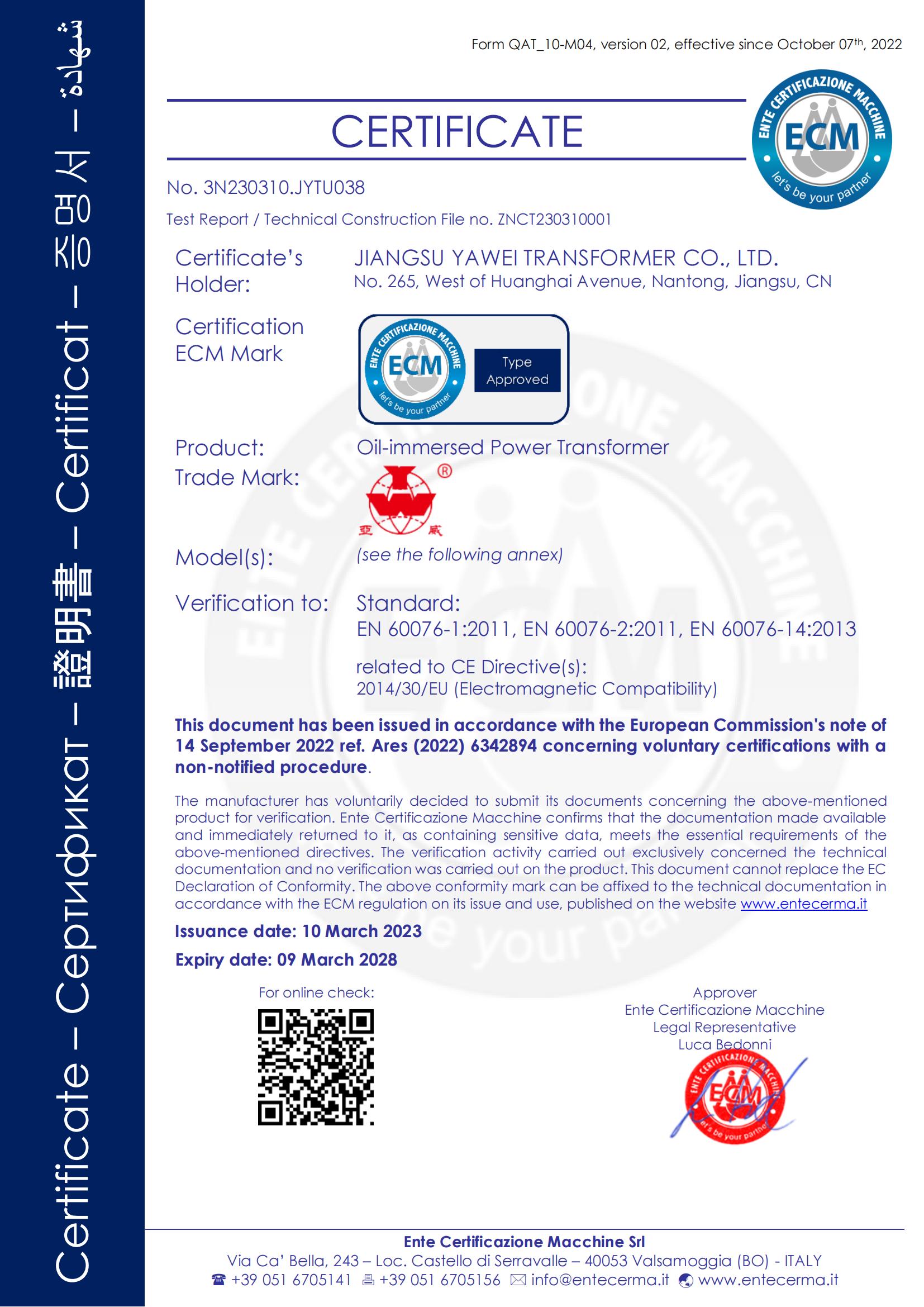
CE · Power Transformer
Oil-immersed power transformer · No. 3N230310.JYTU038 · 2023–2028
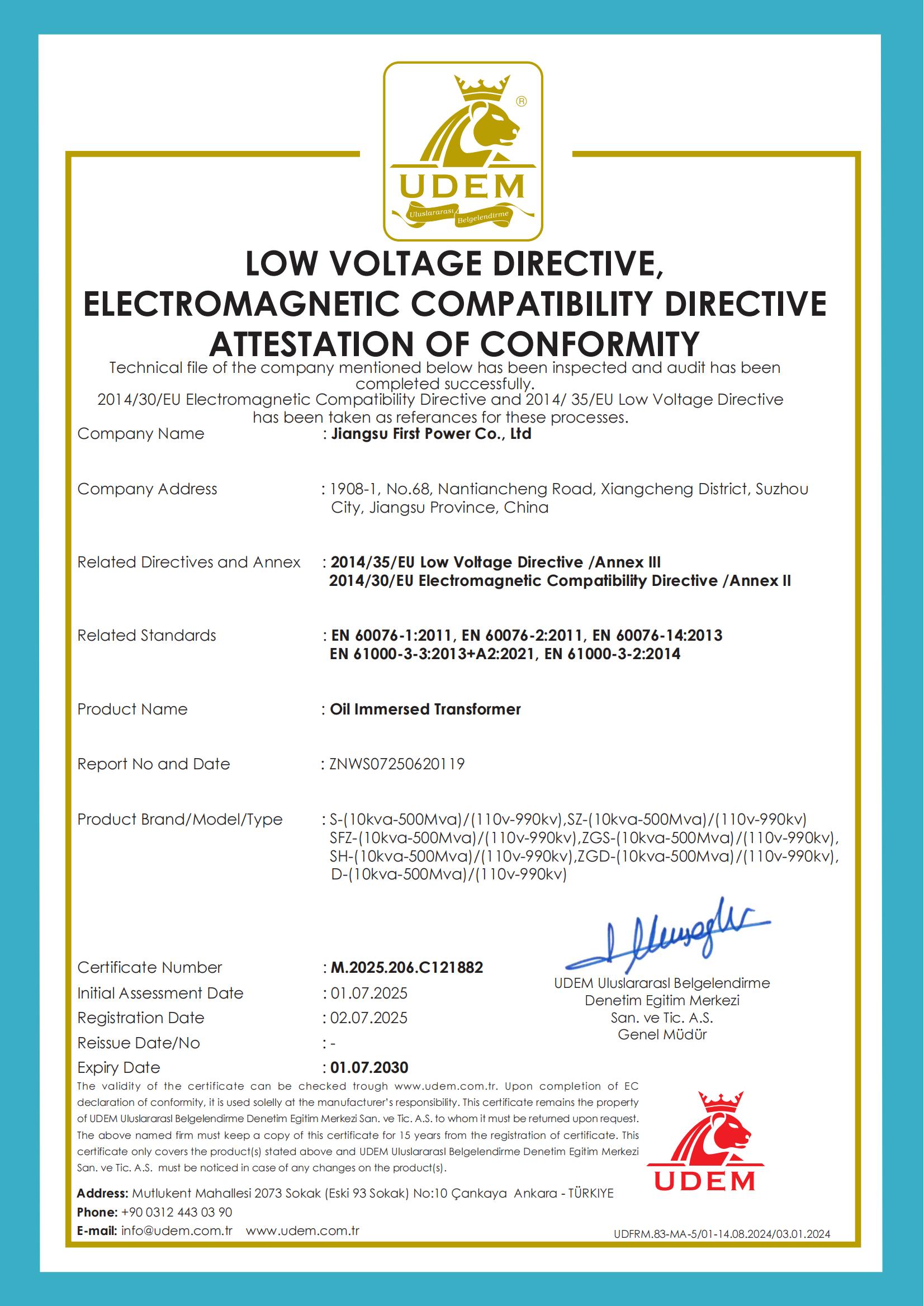
CE · Oil Immersed
Oil immersed transformer · No. M.2025.206.C121882 · 2025–2030
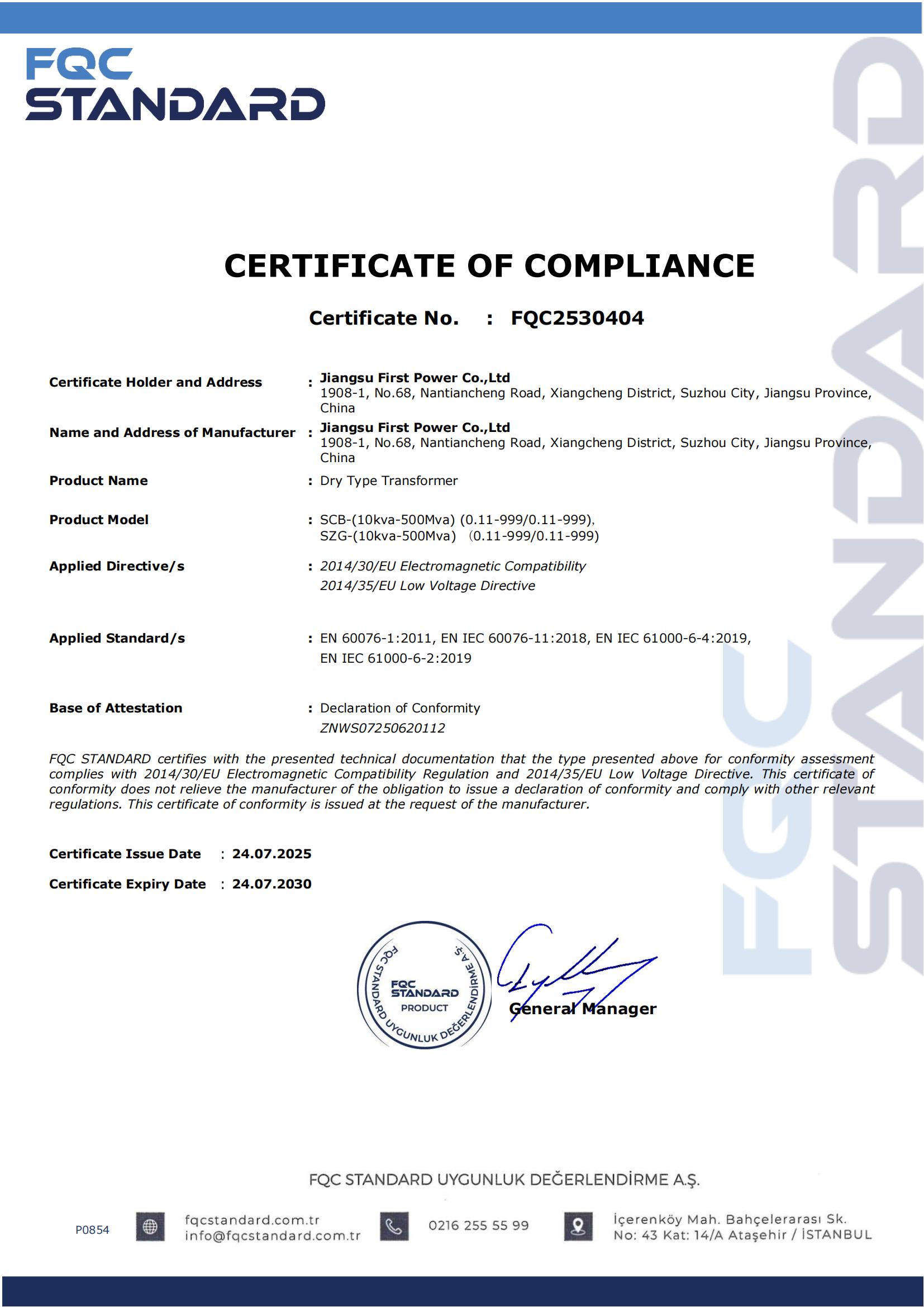
CE · Dry Type
Dry type transformer · No. FQC2530404 · 2025–2030
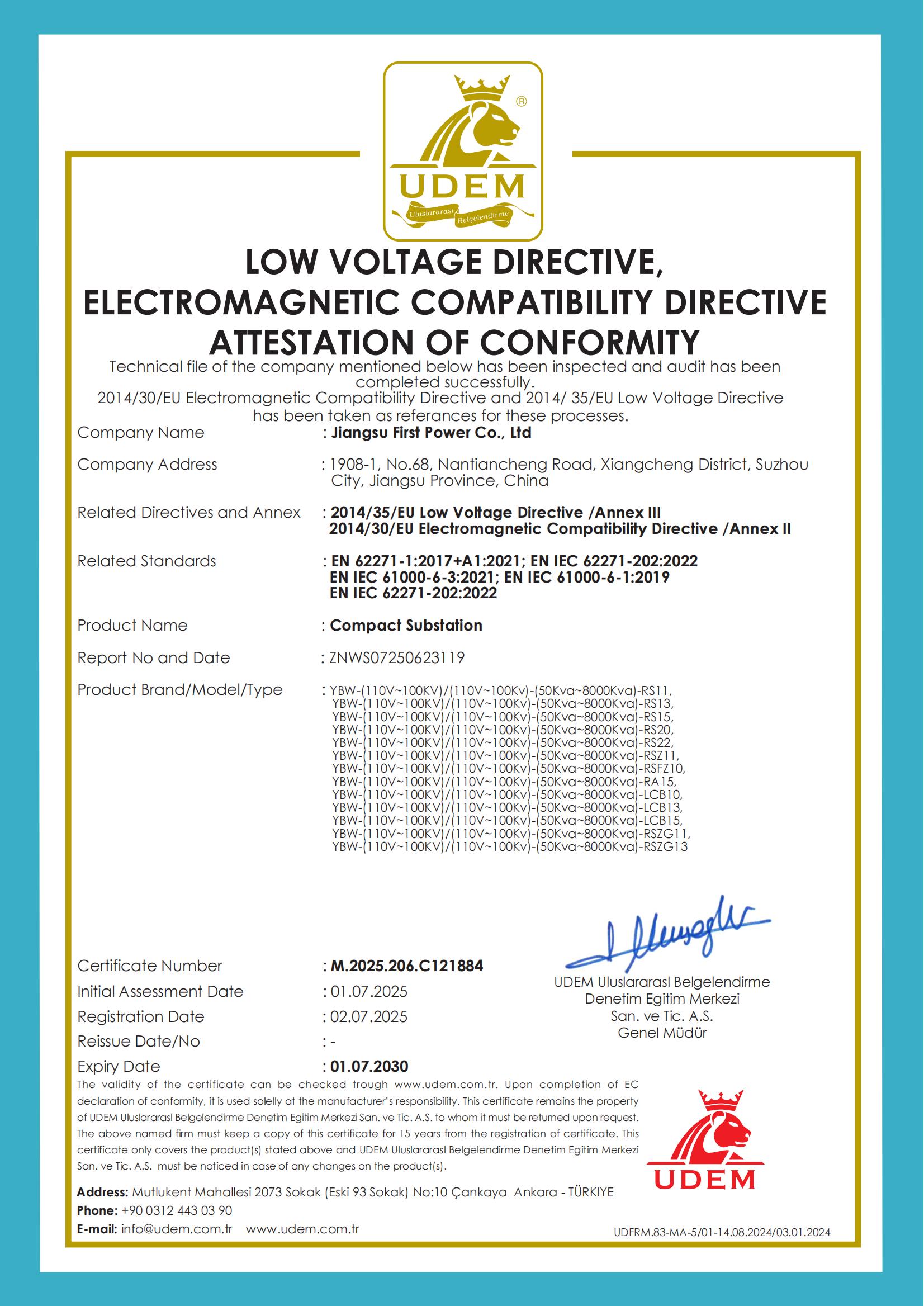
CE · Compact Substation
Compact substation · No. M.2025.206.C121884 · 2025–2030
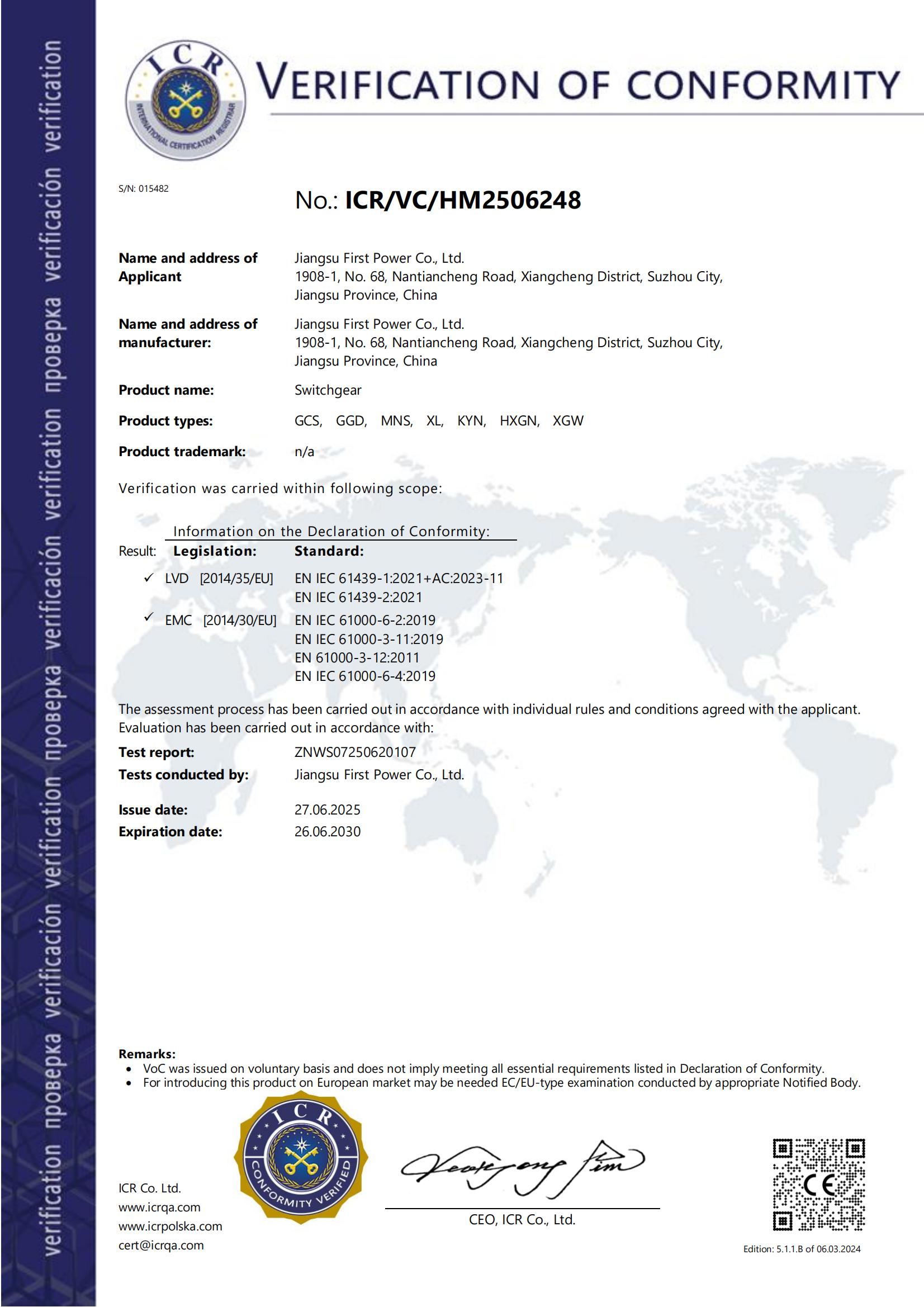
CE · Switchgear
Switchgear · No. ICR/VC/HM2506248 · 2025–2030
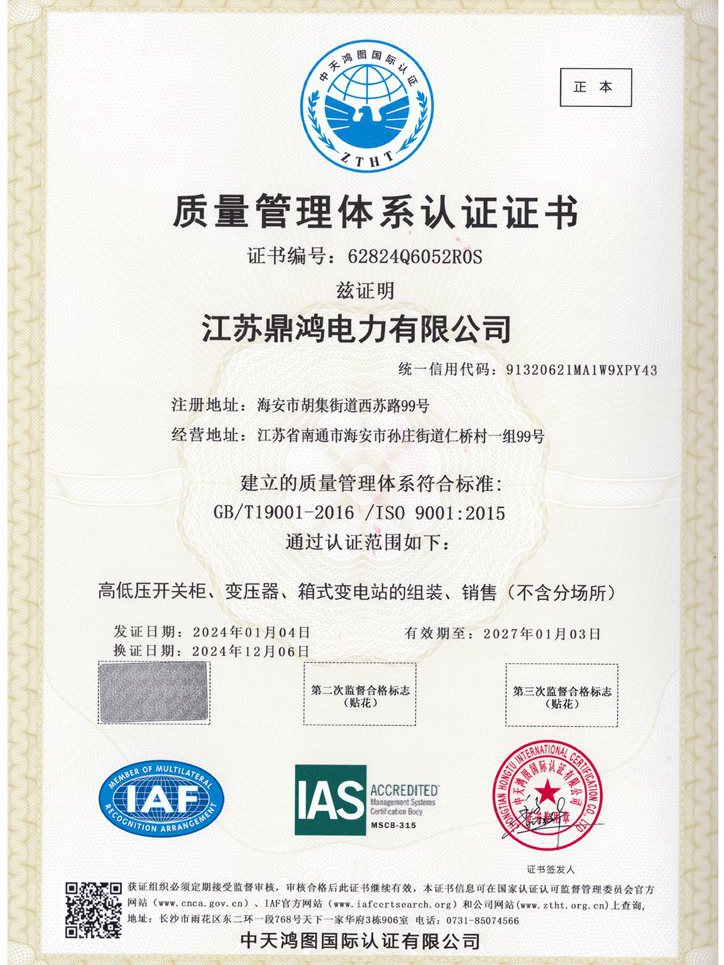
ISO 9001
Quality management · No. 62824Q6052R0S · 2024–2027
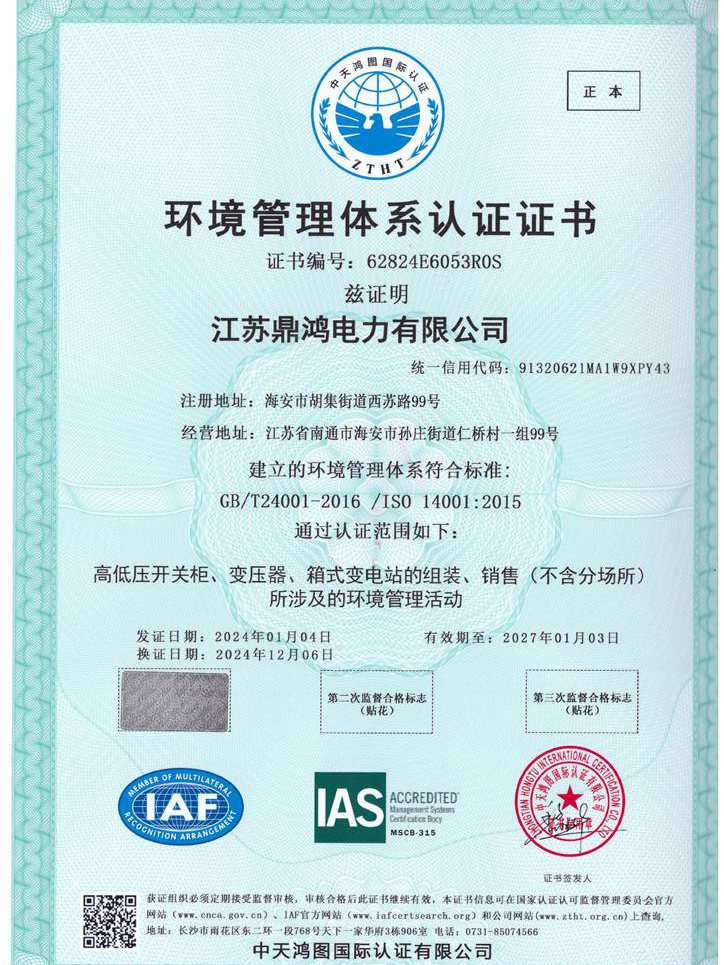
ISO 14001
Environmental management · No. 62824E6053R0S · 2024–2027
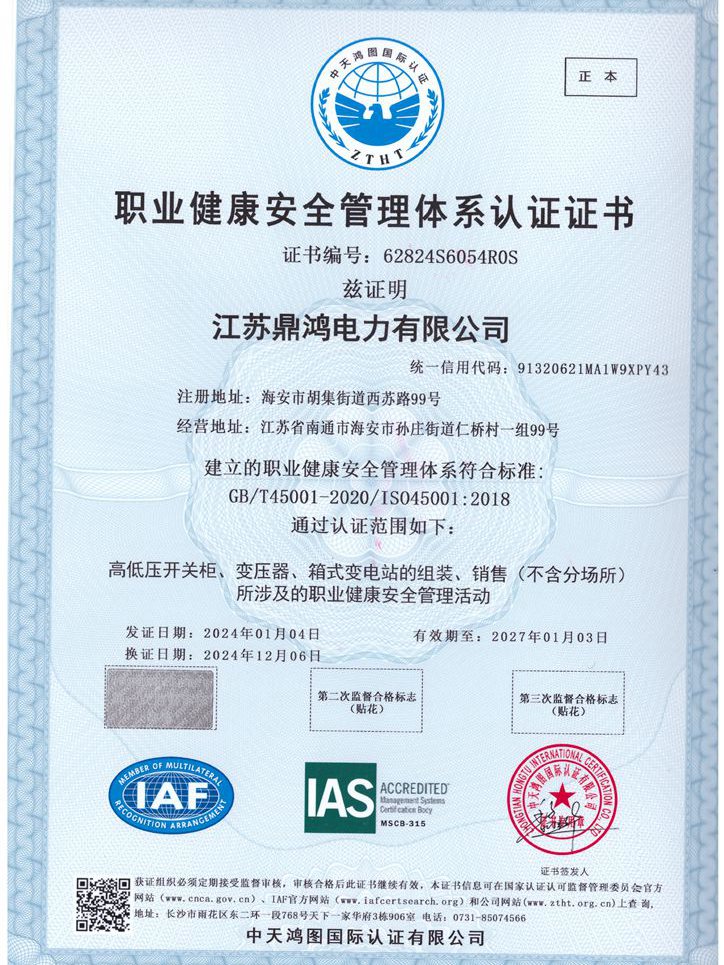
ISO 45001
Health & safety management · No. 62824S6054R0S · 2024–2027
Inside the Production and Testing Environment
Production images from the original website are included as complete images with captions, supporting the experience and reliability signals expected by technical buyers.
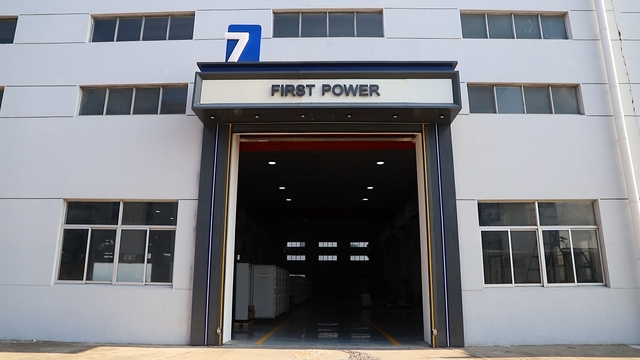
Company and facility overview

Assembly workshop
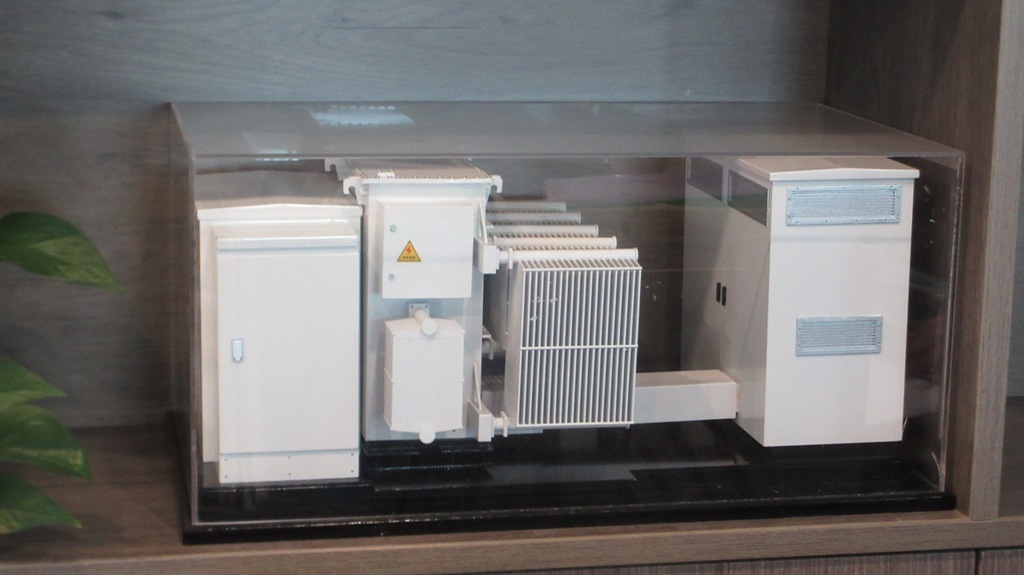
Core and coil assembly

Precision winding
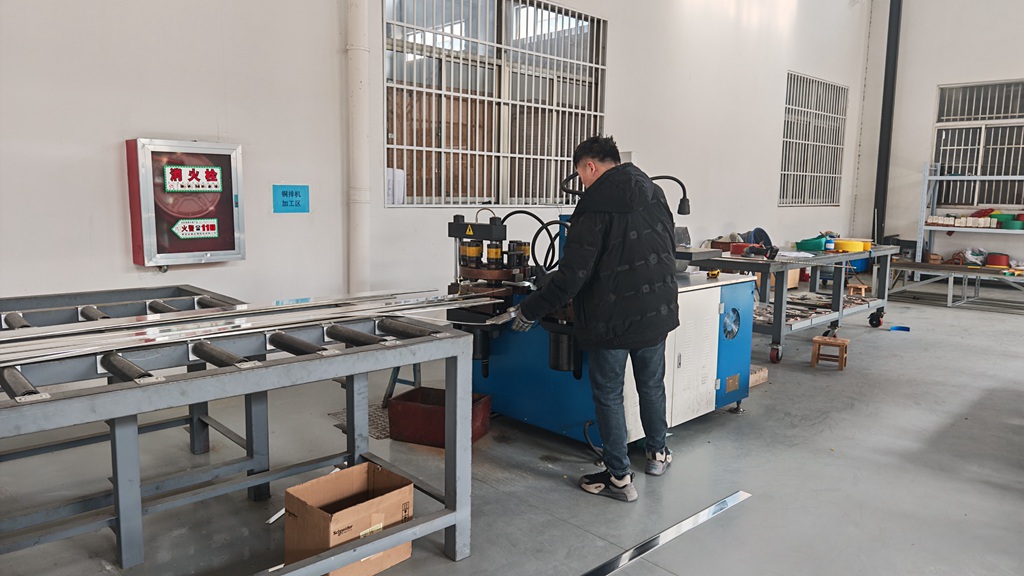
Testing laboratory
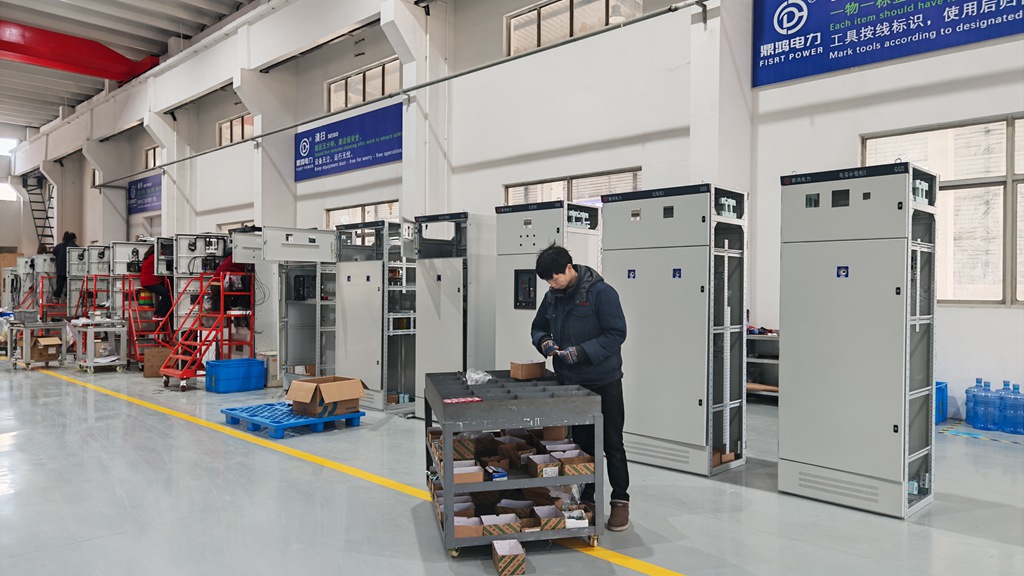
Export packing and loading
Transformer Selection Guide for Tanzania Projects
Use this comparison to shortlist equipment before requesting a project-specific quotation. Final selection must follow load-flow, short-circuit, protection and utility review.
| Tanzania application | Recommended transformer type | Typical rating | Specification focus |
|---|---|---|---|
| Urban underground distribution | Three phase pad mounted transformer or compact substation | 500–2,500 kVA | 11 kV or 33 kV primary, 400/230 V secondary, 50 Hz, tamper-resistant enclosure, loop or radial feed, cable termination |
| Rural electrification and village feeders | Single phase pole mounted or small oil immersed distribution transformer | 10–250 kVA | Low no-load loss, theft-resistant accessories, reliable sealing, simple fuse protection, low maintenance |
| Industrial park and commercial distribution | S11 three phase oil immersed distribution transformer | 100–2,500 kVA | Dyn11 vector group option, impedance, ONAN cooling, tap range, loss limits, 50 Hz design |
| Mining, cement and heavy industry | Oil immersed power transformer or industrial distribution transformer | 5–50 MVA or project-specific | High ambient, dust, overload margin, cooling method, protection interface, remote-site maintainability |
| Solar, hydro and hybrid interconnection | Step-up power transformer or compact substation | 1–100 MVA or project-specific | Grid-code voltage, impedance, harmonic performance, cooling margin, OLTC or NLTC, renewable integration study |
| Hospital, data centre, airport and indoor site | Cast resin dry type transformer or dry type compact substation | 100–2,500 kVA | Fire safety, low partial discharge, noise, Class F or H insulation, indoor ventilation, overload capability |
The ranges above are typical production references. Ratings outside these values can be engineered on request. For utility-connected projects, confirm voltage, frequency, vector group, impedance and test requirements with TANESCO, REA, the project consultant or the responsible utility engineer before order.
Frequently Asked Questions From Tanzanian Transformer Buyers
These answers reflect common technical and commercial questions from EPCs, utilities, industrial buyers and renewable developers.
Which transformer is best for a 50 Hz project in Tanzania?
There is no single “best” type without the application. For urban underground distribution, three phase pad mounted transformers or compact substations are compact and tamper-resistant. For rural feeders, single phase pole mounted or small oil immersed transformers are common. For industrial loads, S11 oil immersed distribution transformers are widely considered. For indoor fire-sensitive sites, cast resin dry type transformers are preferred. All designs should be confirmed for 50 Hz operation, site ambient, altitude, load profile and utility requirements.
Can CE-certified transformers be supplied for TANESCO or REA-funded projects?
We manufacture to the project specification and can provide CE certificates, IEC design references, ISO management certificates, routine test reports, drawings and nameplate data for review. CE marking is a product compliance signal and should not be treated as an automatic substitute for local utility approval. The buyer should confirm the final acceptance route with TANESCO, REA, the project consultant or the relevant authority before shipment.
What voltages are commonly requested for Tanzania?
Many distribution projects use 11 kV or 33 kV on the MV side and 400/230 V on the LV side at 50 Hz design. Other projects may specify 6 kV, 6.6 kV, 10 kV, 15 kV, 20 kV or 35 kV classes depending on the network. The transformer nameplate ratio, tap range, vector group and impedance must be taken from the project single-line diagram and utility specification.
How do you design for high ambient temperature, humidity and dust?
We review maximum ambient temperature, altitude, indoor or outdoor installation, humidity, dust, solar exposure and loading profile before finalizing the thermal design. The quotation can include appropriate temperature rise, cooling class, painting system, enclosure protection, sealing, breathing arrangement and terminal treatment. For coastal or dusty sites, buyers should state the environment clearly rather than relying on a standard catalogue rating.
Which factory tests are performed before shipment?
Routine tests typically include winding resistance, voltage ratio and vector group, impedance and load loss, no-load loss and current, applied voltage withstand, induced voltage withstand and oil dielectric strength for liquid-filled transformers. Additional tests, type-test reports or third-party witness inspection can be arranged when specified. A test report is prepared for each serial number.
How are transformers packed and shipped to Dar es Salaam or Zanzibar?
Export packing is designed for sea transport and inland handling, with protection against moisture, impact and corrosion. Depending on the unit, packing may include seaworthy crating, shock indicators, lifting marks, oil filling instructions and accessory boxes. We can quote under EXW, FOB, CFR, CIF or DDP terms and prepare commercial documents, packing lists and test reports for customs and project review.
What information is needed for a fast and accurate quotation?
Please provide rated power, primary and secondary voltage, frequency, phase, vector group, impedance, tap range, cooling method, applicable standard, altitude, ambient temperature, installation location, loss target, test requirements, delivery port or site and required documentation. If you already have a tender specification or single-line diagram, send it with the enquiry so our engineers can review the actual requirements.
What payment terms and lead times are typical?
Trade terms can include FOB, CFR, CIF, EXW, FCA, CIP, CPT and DDP, with payment methods such as T/T, L/C, D/P or D/A discussed per contract. Lead time depends on the transformer type, rating, materials, testing, drawing approval and shipping schedule. Standard distribution transformer schedules are confirmed at quotation; larger power transformers and compact substations usually require a longer engineering and production window.
Technical data checklist for a Tanzania-specific transformer enquiry
Sharing these details helps our engineers return a compliant design with guaranteed losses and a clear document package.
Request a Tanzania-Specific Transformer Quotation
Send your tender specification, single-line diagram or datasheet. Our engineering team will review voltage, frequency, losses, cooling, test reports, export packing and documentation requirements before quotation. For buyers comparing CE-certified factories for Tanzania, the fastest route is to share the actual project data rather than a generic kVA request.