8 Transformer Products Supplied for Kyoto Procurement
The eight product lines below are part of our export catalogue and can be reviewed for Kyoto projects with 60 Hz confirmation, English documentation and Osaka/Kobe logistics. Where a project requires an oil-free indoor solution, begin with a cast resin dry type specification and use these adjacent oil-immersed and pad-mounted lines where outdoor utility distribution or higher capacity is the better engineering fit.
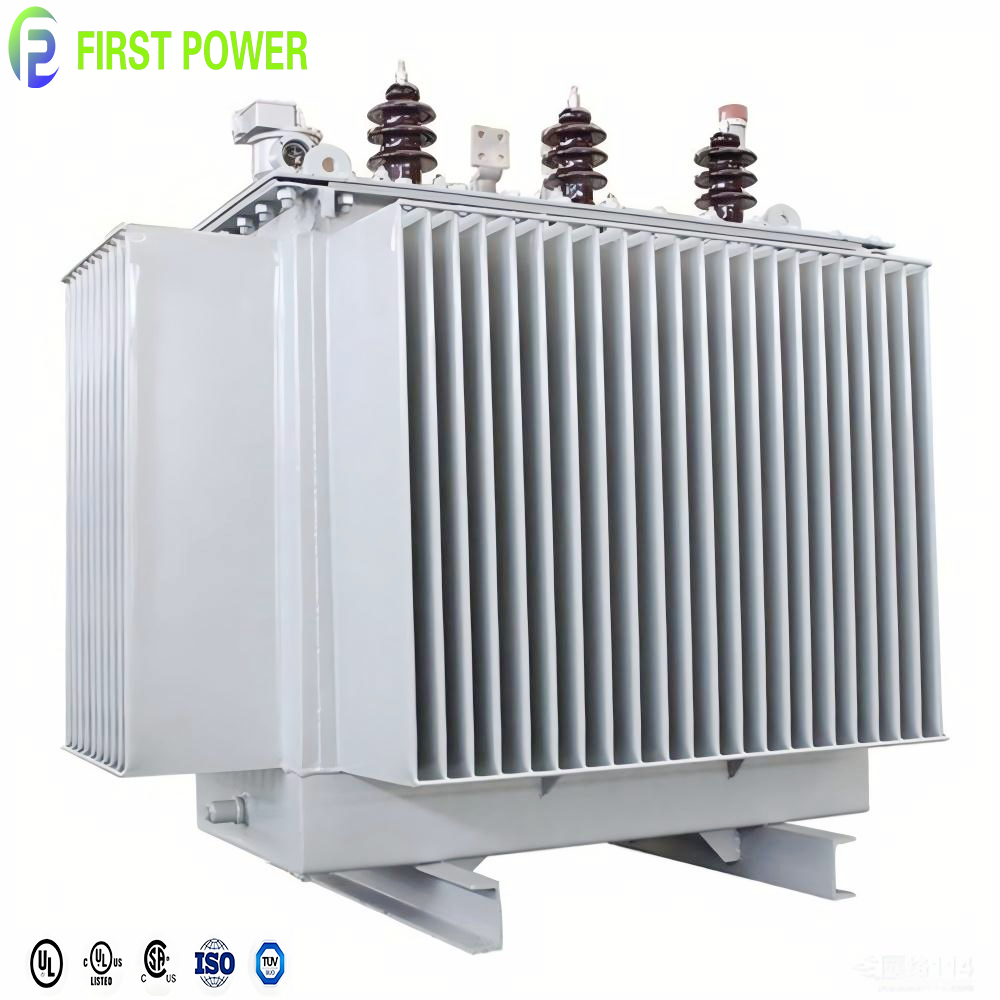 10–50,000 kVA
S11 Three-Phase Oil Transformer for Power Distribution
Medium and high-voltage distribution family for utility networks, industrial plants and project substations.
- 10 kV / 15 kV / 20 kV / 35 kV class
- 50 / 60 Hz compatible design review
- CE-backed export configuration
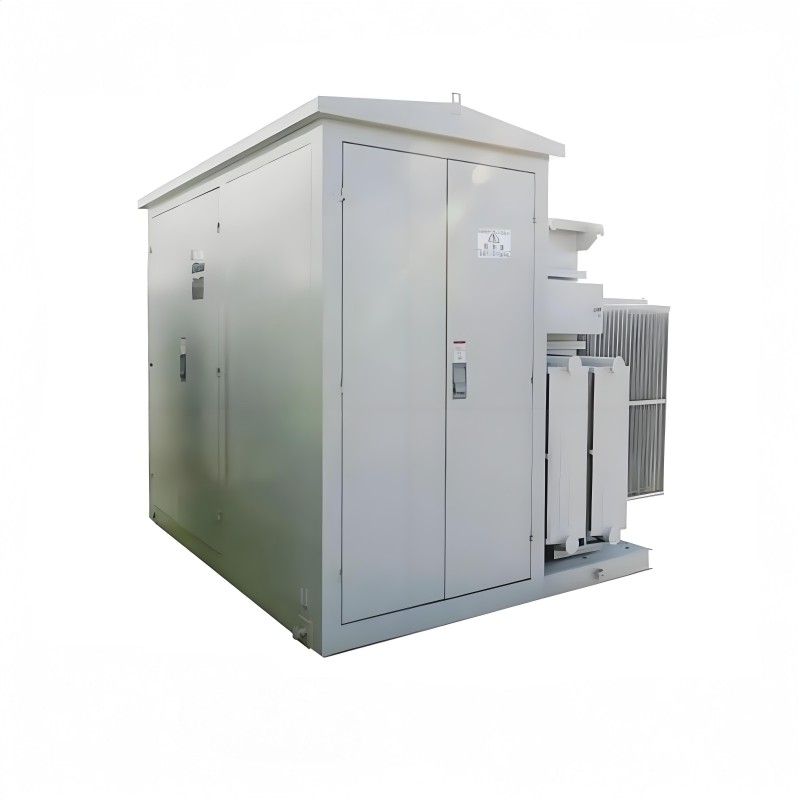 Pad-mounted
American-Standard 3,000 kVA Oil Pad-Mounted Transformer
Outdoor pad-mounted platform for underground distribution, commercial campuses and renewable interconnections.
- 34.5 kV / 480 V class configuration
- 60 Hz export option
- Tamper-resistant enclosure concept
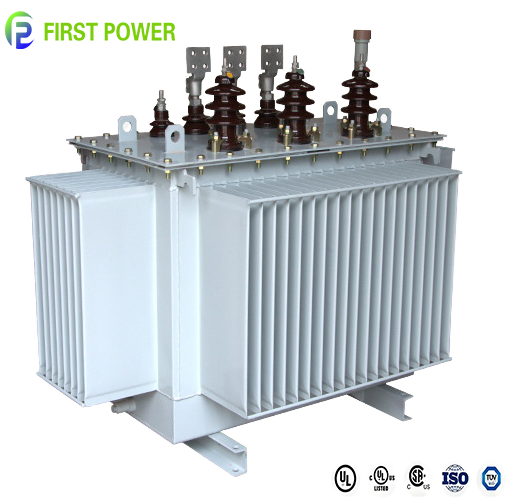 100–630 kVA
S11 Three-Phase Distribution Transformer, 100–630 kVA
Low-loss distribution transformer family for commercial buildings, light industry and public infrastructure.
- 10 kV to 35 kV primary options
- Dyn11 vector group configuration
- Routine test report per unit
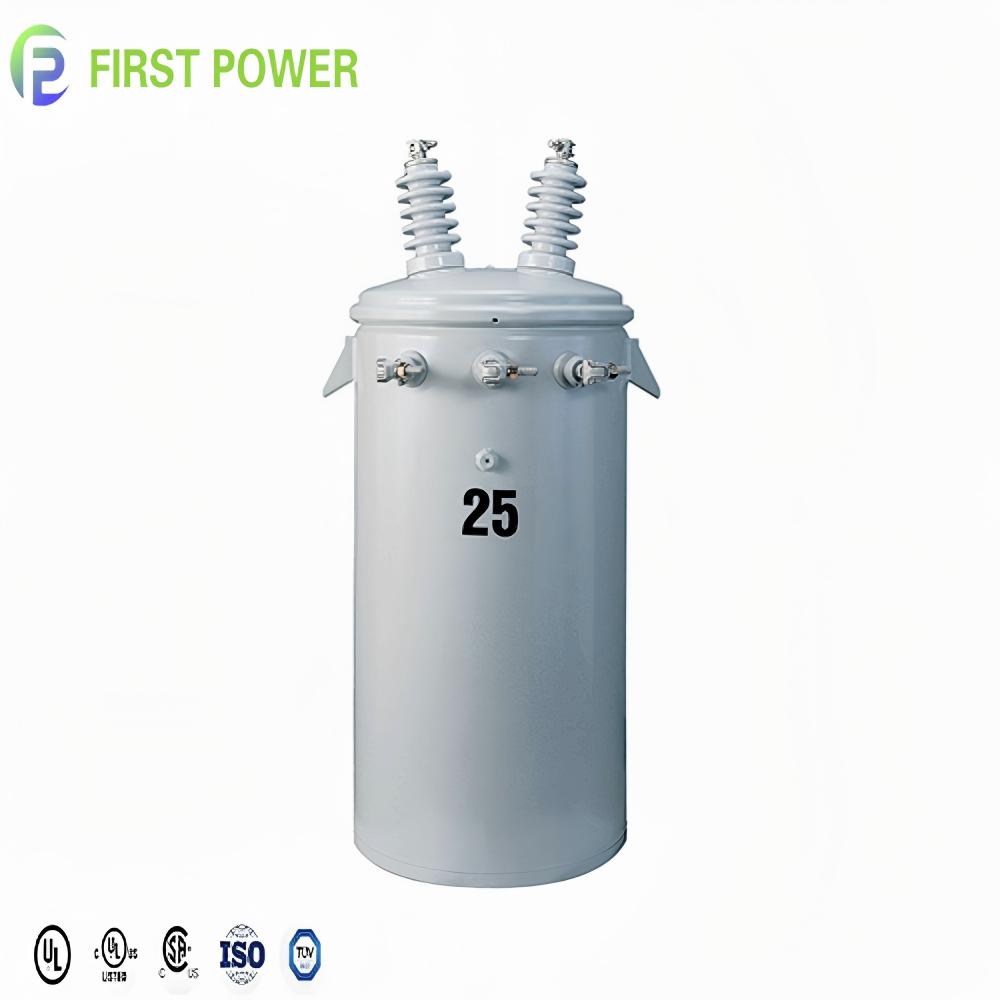 Single-phase
MV/HV Single-Phase Transformer for Distribution
Single-phase MV and HV units for rural feeders, pole or platform installation and dedicated distribution points.
- 6 kV / 10 kV / 20 kV / 35 kV class
- 25 kVA class configuration example
- CE export documentation
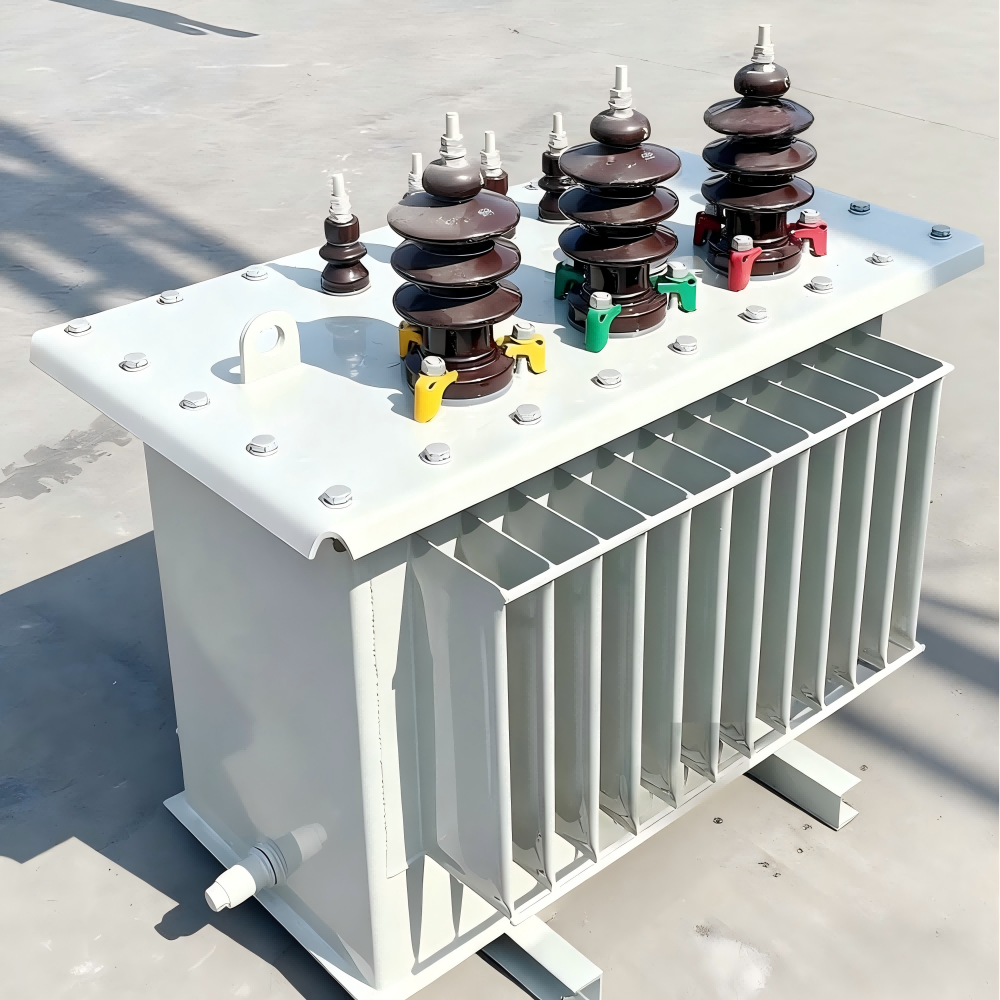 30–31,500 kVA
S11 Three-Phase Oil Transformer, 30–31,500 kVA
Scalable distribution and power transformer platform for project substations and industrial networks.
- 6 kV to 35 kV class
- Distribution and power duty
- Custom loss and impedance review
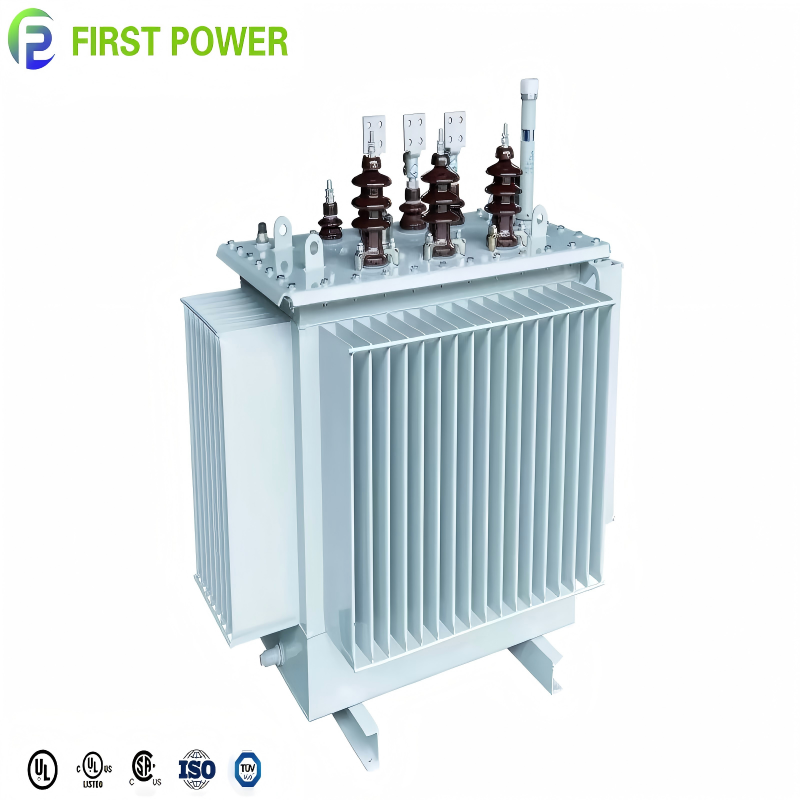 Compact duty
S11 Three-Phase Oil-Immersed Transformer, 50–300 kVA
Compact distribution transformer family for utility feeders, buildings and small industrial installations.
- 6 kV to 35 kV primary range
- 50 / 60 Hz design options
- Distribution-system configuration
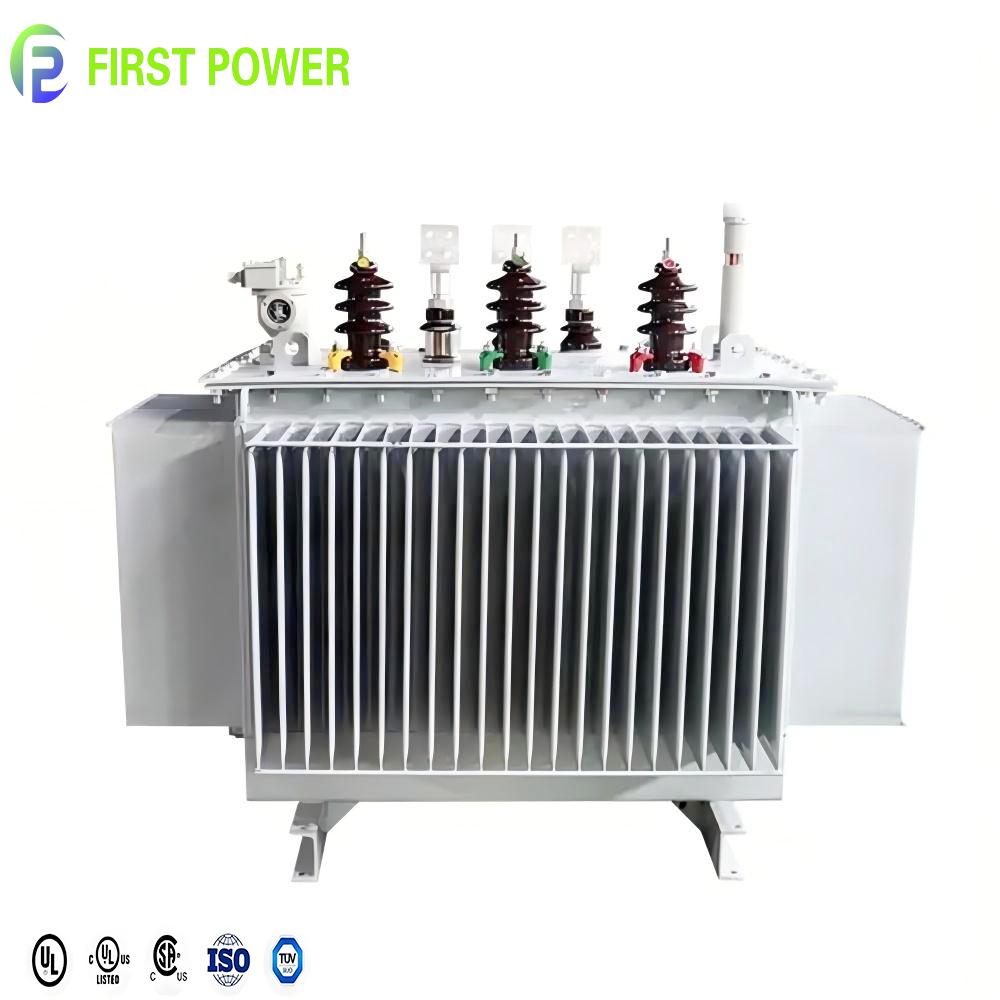 50–250 kVA
S11 10–35 kV Oil-Immersed Transformer, 50–250 kVA
Small-to-medium distribution transformer range for commercial, institutional and public works projects.
- 50 kVA to 250 kVA examples
- Three-phase oil-immersed design
- IEC-style documentation route
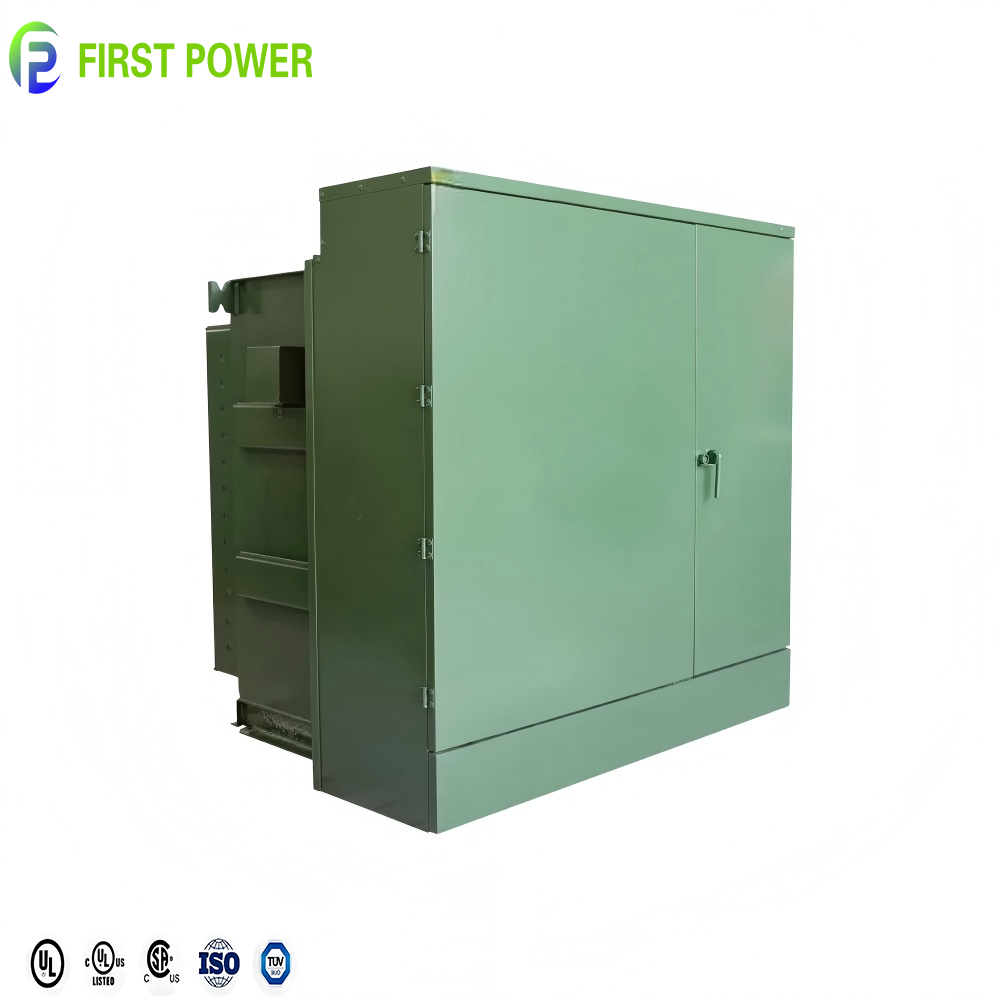 300–750 kVA
Three-Phase Pad-Mounted Transformer, 300–750 kVA
Outdoor pad-mounted distribution platform for loop or radial networks and space-constrained sites.
- 10 kV to 35 kV class options
- Pad-mounted enclosure format
- Utility distribution application
For an oil-free indoor application in Kyoto, ask our engineering team to quote a cast resin dry type transformer against your single-line diagram. Send an Inquiry
Executive Summary: What “Supplier or Wholesaler Serving Kyoto” Must Prove
When a consultant, MEP contractor, EPC buyer, hotel engineering team or utility procurement group searches for cast resin dry type transformer suppliers and wholesalers serving Kyoto, the intent is rarely limited to a price per kVA. The buyer is trying to de-risk a project. Kyoto is in the 60 Hz Kansai network, has a dense built environment with heritage-area delivery constraints, experiences humid summers and has a strong seismic design culture. A dry-type transformer can be an excellent fit because it removes liquid oil from the building envelope, lowers fire load and allows the unit to be installed close to the load. But that advantage only holds when the supplier can prove the design detail, documentation and delivery route.
A credible Kyoto-facing offer has to answer five questions before it can be shortlisted. First, is the transformer genuinely designed and tested for 60 Hz operation rather than simply relabelled from a 50 Hz catalogue? Second, does the cast resin system meet the intended IEC 60076-11 requirements, including partial-discharge control, insulation class, temperature rise and sound level? Third, can the unit integrate with the project’s MV switchgear, low-voltage distribution, protection settings and neutral arrangement? Fourth, can it be delivered, offloaded and moved into a constrained Kyoto site without damage? Fifth, can the buyer audit certificates, routine test reports, drawings and component traceability before shipment?
Wisegj is not a Kyoto shopfront stockist. We are a China-based transformer manufacturer serving Kyoto buyers as a manufacturer-direct supplier and wholesale partner, with export coordination through Osaka and Kobe. That distinction matters. A local distributor may offer convenience, but a manufacturer-direct route gives the project team direct access to design engineers, drawing approvals, loss guarantees, test witnesses and customisation. For buyers comparing suppliers and wholesalers serving Kyoto, the practical test is not whether the company has a local signboard; it is whether the company can control the transformer design, factory tests and shipment documents end to end.
Why Cast Resin Dry Type Transformers Fit Kyoto’s Urban Grid
Kyoto’s project reality is different from a greenfield substation. Many loads sit inside or close to occupied buildings: hospitals, university laboratories, hotels, retail complexes, data rooms, transit facilities and mixed-use developments. In these settings, a cast resin dry type transformer offers a clean, oil-free installation that reduces fire load and eliminates the need for oil containment around the transformer. It also allows maintenance teams to work in indoor plant rooms without managing liquid dielectric, oil testing or bunded areas.
That does not make dry type automatically compliant. The resin cast must be vacuum-processed to limit voids and partial discharge. The insulation class and temperature rise must match the duty cycle. The enclosure must suit the plant-room environment, and the design should include anti-condensation heaters, adequate clearances and a ventilation plan. In Kyoto’s humid summer conditions, moisture management is not a minor accessory; it is part of reliability. In seismic design, anchorage details, base-frame stiffness and equipment qualification evidence need to be coordinated with the building’s structural engineer.
Noise is another Kyoto-sensitive factor. Hospitality, healthcare, education and residential mixed-use projects often impose strict sound limits at the property boundary or inside occupied rooms. Low sound pressure levels can be achieved through core flux selection, clamp design, enclosure treatment and fan control strategy. Losses matter as well: Japanese procurement teams increasingly evaluate total owning cost across the life of the asset, not only the purchase price. A slightly higher-efficiency unit can justify itself when no-load and load losses are capitalised over ten to twenty years.
Illustrative Kyoto Specification Priorities
Indicative weighting for an indoor commercial or institutional dry-type project. Final weighting must follow the actual building brief and authority requirements.
Where Kyoto Projects Specify Cast Resin Dry Type Transformers
Dry-type units are most valuable when fire safety, indoor installation, low maintenance or limited oil containment outweighs the higher capacity density of oil-immersed equipment.
Hospitals & Healthcare
Operating theatres, imaging suites and inpatient wards need low fire load, stable voltage and quiet operation. Cast resin units can sit in indoor electrical rooms close to critical loads, with low partial discharge and fan cooling sized for peak clinical demand.
Data Rooms & Telecom
Edge data centres, telecom rooms and building IT hubs benefit from dry-type transformers with low sound, high reliability and clear thermal documentation. Request loss guarantees and temperature-rise data for continuous duty.
Transit & Underground Spaces
Subway ancillary rooms, tunnels and enclosed transport facilities favour oil-free equipment because fire and smoke management are central design criteria. Compact footprints and forced ventilation must be coordinated early.
Hotels, Ryokan & Mixed-Use
Guest comfort depends on acoustic performance. Place the transformer away from sensitive rooms, specify sound limits and use low-noise cooling control. Dry-type installation also simplifies indoor plant-room planning.
Universities & Laboratories
Research buildings often combine sensitive instruments, harmonic-rich loads and phased expansion. Specify impedance, neutral arrangement and future capacity so the dry-type transformer supports clean, resilient power.
Solar, BESS & EV Charging
Public buildings, car parks and distributed-energy schemes need compact transformer solutions for 60 Hz interconnection. Dry-type units can be integrated into prefabricated electrical rooms or compact substations.
Kyoto Procurement Trends Shaping Dry-Type Transformer Selection
The market is moving from “buy a transformer” to “buy a documented, life-cycle asset that fits the building, the grid and the authority approval path.”
60 Hz and Grid Compliance
Kyoto buyers increasingly ask for evidence of 60 Hz design review, not just a nameplate change. Frequency affects core flux, losses, sound and temperature rise, so drawings and test conditions must be checked.
Fire-Safe, Oil-Free Design
For occupied buildings and heritage-sensitive districts, reducing liquid oil and fire load is a design advantage. Buyers still confirm the final fire strategy with the local authority and fire consultant.
Seismic and Humidity Engineering
Anchorage details, base-frame design, anti-condensation heaters, IP rating and insulation drying are becoming normal technical submittal items rather than optional extras.
Efficiency and Total Owning Cost
No-load and load losses are increasingly capitalised. A low-loss cast resin transformer may cost more initially, but the life-cycle case can be stronger when energy prices and ESG targets are included.
Low Noise and Compact Footprint
Urban plant rooms are tight. Buyers compare enclosure dimensions, clearances, cooling fans and sound pressure levels before deciding whether a dry-type or compact substation layout is feasible.
Documentation and Lifecycle Data
Japanese project teams expect clear drawings, test reports, nameplate data, O&M instructions and maintenance guidance. Digital submittal packages reduce approval delays.
Matching Cast Resin Dry Type Transformers to Kyoto Loads
Use this comparison to structure the technical brief before requesting quotations. It is not a substitute for project-specific engineering or local authority approval.
| Design decision | Why it matters in Kyoto | Recommended dry-type approach |
|---|---|---|
| Frequency and voltage | Kyoto is served in the 60 Hz Kansai network; voltage class and neutral arrangement must match the project single-line diagram. | Confirm 60 Hz at design and routine test stage; specify 6.6 kV, 22 kV or 33 kV class where applicable, with taps and vector group agreed before drawing release. |
| Insulation and temperature rise | Long duty cycles and high ambient plant rooms reduce thermal margin if the unit is undersized. | Use vacuum-cast epoxy resin coils, Class F or H insulation as required, partial-discharge control and AN/AF cooling sized for the load profile. |
| Indoor environmental protection | Kyoto’s humid season and shoulder-season condensation can challenge insulation if the plant room is not managed. | Specify IP rating, anti-condensation heaters, ventilation coordination and terminal-box protection suitable for the actual room conditions. |
| Seismic and mounting | Building approval and equipment qualification require anchorage evidence and coordination with structural design. | Provide anchor layouts, base-frame details and project-specific structural information; final structural sign-off sits with the engineer of record. |
| Sound and losses | Hotels, hospitals and residential mixed-use sites often impose boundary or room noise limits, while energy costs favour low losses. | Set explicit sound-pressure limits, loss guarantees and measurement conditions; evaluate total owning cost rather than purchase price alone. |
| Testing and documentation | Procurement teams need evidence before shipment and a clean handover to facility maintenance. | Require routine tests, partial-discharge measurement where specified, routine test reports, GA drawings, nameplate drafts and English O&M documentation; witness testing can be discussed. |
Three Cast Resin Configurations to Request for Kyoto Projects
Standard Epoxy Cast-Coil Distribution Unit
Typical indoor distribution duty for commercial buildings and public facilities. Ask for 60 Hz design, Class F insulation, natural or forced cooling, IP20/IP23 enclosure options and a clearly stated loss and sound guarantee.
Low-Noise Healthcare & Data Duty
For hospitals, laboratories and data rooms, tighten the sound limit and review partial-discharge criteria, temperature-rise margins and fan-control strategy. Request test data that matches the specified operating condition.
Dry-Type Compact Substation Integration
Where the plant room must arrive as a coordinated package, combine the dry-type transformer with MV switchgear, LV distribution and protection in a prefabricated enclosure. Confirm access, ventilation and maintenance clearances.
Need a 60 Hz dry-type design review for a Kyoto building or EPC package? Send an Inquiry
Company Advantages Behind Wisegj’s Kyoto Supply Capability
Jiangsu Wisegj Power Co., Ltd. designs, assembles and exports medium and high-voltage equipment from 220 V up to 500 kV, including dry type transformers, oil immersed transformers, pad mounted transformers, power transformers, compact substations and switchgear. Our team has more than 20 years of hands-on transformer experience, and every project is reviewed by engineers before quotation.
Years of team experience in transformer engineering and export projects.
Verified production floorspace with dedicated manufacturing and test areas.
R&D and technical engineers supporting design, drawings and test review.
Qualified supply-chain partners supporting material traceability and lead time.
Verified Factory Capacity
Winding, core assembly, drying, tanking, assembly and test functions are controlled through documented work instructions and inspection checkpoints.
In-House Testing
Routine electrical tests are documented per serial number. For dry type units, specify partial-discharge measurement, dielectric tests and loss measurements in the purchase specification.
Design Customisation
OEM, ODM, design-based and sample-based customisation covers ratings, vector group, impedance, taps, bushings, cooling, enclosure colour, IP rating and nameplate language.
Export Logistics
Seaworthy packing, shock indicators, shipping documents and Incoterms support from EXW to DDP. Kyoto delivery is coordinated through Osaka or Kobe with local forwarders.
Certified Systems
ISO 9001 certificate No. 62824Q6052R0S, ISO 14001 No. 62824E6053R0S and ISO 45001 No. 62824S6054R0S. CE dry type transformer certificate No. FQC2530404 is listed in our source documents.
Complete Documentation
GA drawings, nameplate drafts, test reports, packing lists and English O&M manuals support smooth approval and facility handover.
Qualified Supply Partners
A network of qualified sources for silicon steel, copper, resin systems, bushings and accessories supports stable lead times and traceable material selection.
24-Hour Engineer Response
Technical questions, drawing reviews and after-sales issues receive a qualified response within one working day, subject to time-zone coordination.
 Company & Facility Overview
 Testing Laboratory
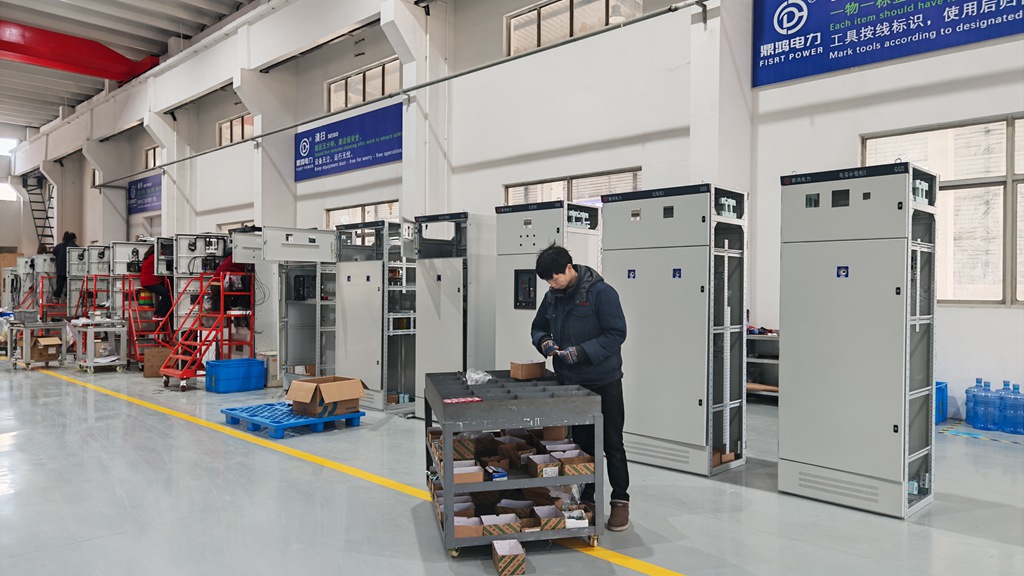 Export Packing & Loading
Questions Kyoto Buyers Ask About Cast Resin Dry Type Transformers
Practical answers for consultants, contractors, facility owners and procurement teams comparing suppliers and wholesalers serving Kyoto.
Is Kyoto a 60 Hz market, and can the transformer be designed for it?
Kyoto is within the Kansai 60 Hz network. A dry-type transformer for Kyoto should be designed and tested for 60 Hz operating conditions. Frequency affects flux density, no-load loss, sound and temperature rise, so the design review must happen before quotation, not after shipment.
Do I need a local Kyoto stockist to buy from a China-based manufacturer?
Not necessarily. Many Kyoto projects use manufacturer-direct procurement with a local forwarder, EPC or trading partner. The important checks are technical compliance, factory test evidence, packing, Incoterms, delivery to site and warranty response. Wisegj serves Kyoto as a manufacturer-direct supplier and wholesale partner, not as a local stockist.
Do cast resin dry type transformers remove all fire-protection requirements?
No. Dry-type transformers remove liquid oil from the transformer, which reduces fire load and simplifies oil containment. The final fire strategy, clearances, detection, ventilation and compartmentation must still be approved by the local authority and fire consultant for the actual building.
How do you address Kyoto humidity and condensation risk?
Specify a cast resin system with controlled partial discharge, appropriate IP rating, anti-condensation heaters, terminal-box protection and a plant-room ventilation plan. During commissioning and long shutdowns, the maintenance procedure should include insulation resistance checks and heater operation.
What seismic information can be provided for building approval?
We can provide equipment drawings, weight data, base-frame details and anchor layouts for the project’s structural engineer. Seismic qualification and final anchorage approval remain the responsibility of the engineer of record and the local authority having jurisdiction.
Which factory tests should be requested for a cast resin dry type unit?
Depending on the specification, request winding resistance, voltage ratio and vector group, no-load loss and current, load loss and impedance, applied and induced voltage tests, partial-discharge measurement and a routine test report. Third-party witness inspection can be discussed before order.
Can you match Japanese voltage, vector group and low-voltage arrangements?
Yes, subject to the project specification. Provide the single-line diagram, primary and secondary voltages, frequency, vector group, impedance, tap range, neutral arrangement, protection scheme and interface details. Our engineers will confirm the feasible design before quotation.
How are transformers shipped and delivered to Kyoto?
Typical routes use ocean freight to Osaka or Kobe followed by truck delivery to the Kyoto site. We can quote EXW, FOB, CFR, CIF, CIP, CPT or DDP terms depending on the buyer’s preference and the freight forwarder arrangement. Packing, lifting points and site access should be reviewed early.
What is the fastest way to receive an accurate quotation?
Send the rated capacity, primary and secondary voltage, frequency, vector group, impedance, tap range, cooling method, IP rating, sound limit, altitude, ambient conditions, applicable standard and delivery site. A complete technical brief avoids multiple clarification rounds and produces a more reliable offer.
Send Your Kyoto Dry-Type Transformer Brief to an Engineer
Share your single-line diagram, tender document or load schedule. We will review the application and respond with a compliant design route, required clarifications and a quotation path for a 60 Hz cast resin dry type transformer or an integrated compact substation.
- Rated power and duty cycle
- Primary and secondary voltage
- 60 Hz, vector group and impedance
- Cooling, IP rating and ambient conditions
- Sound limit and loss target
- Seismic, delivery and approval requirements
What Happens Next
1. Engineer reviews the specification and interface points.
2. We confirm feasible ratings, standards and documentation.
3. You receive a technical-commercial offer with drawing and test scope.
4. Drawing approval, production, routine testing and export packing follow in sequence.