Eight Oil-Immersed and Pad-Mounted Transformer Models for Global Procurement
Oil-immersed transformers are not commodity boxes. In export and wholesale procurement, the specification, loss guarantee, routine test record and documentation package determine whether a unit can be energised without rework. The models below are drawn from Jiangsu Wisegj Power Co., Ltd.’s oil-immersed and pad-mounted range, covering 50 kVA to 50,000 kVA, 6 kV to 35 kV in this selection, and 50/60 Hz configurations for utilities, EPCs, industrial plants and renewable projects.
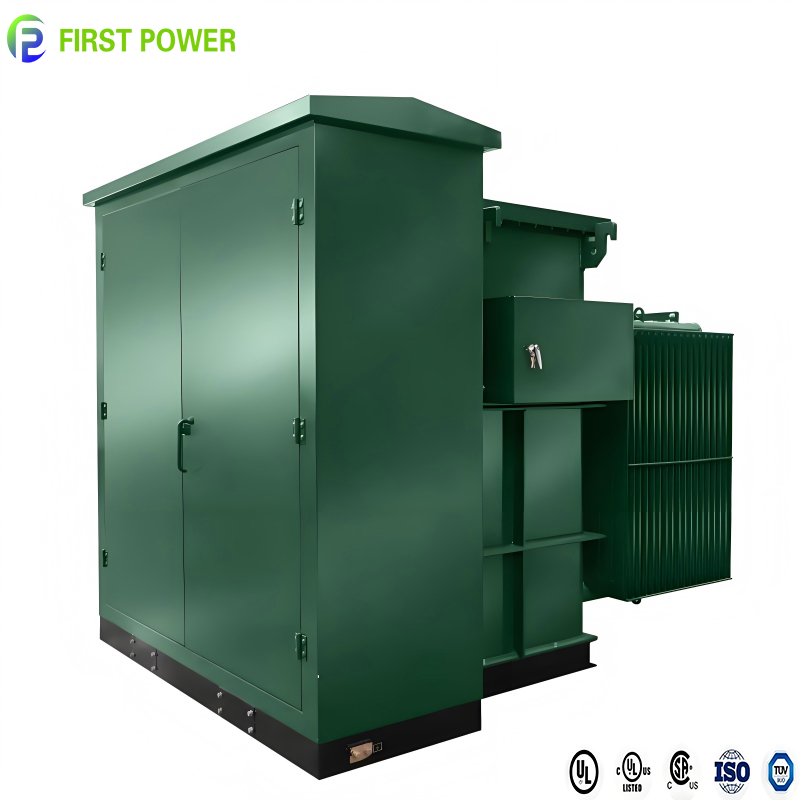
CE 3-Phase Pad-Mounted Pedestal Transformer, 6–35 kV, 100–630 kVA
A secure outdoor platform for industrial distribution where the buyer needs a three-phase pad-mounted pedestal format and a specification reviewed against project standards.
- Primary6–35 kV
- Capacity100–630 kVA
- Frequency50/60 Hz
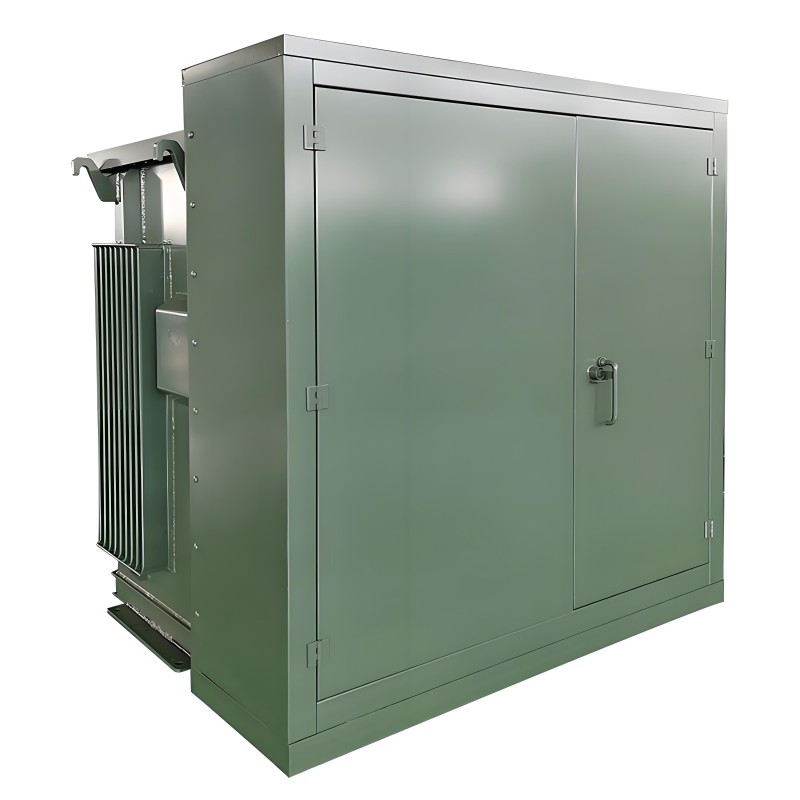
CE 75–2,500 kVA Oil-Type Three-Phase Pad-Mounted Transformer, 35 kV / 480 V
A practical shortlist option for commercial and industrial distribution schemes that require a 480 V secondary and a liquid-filled pad-mounted configuration.
- Input35 kV
- Output480 V
- Capacity75–2,500 kVA
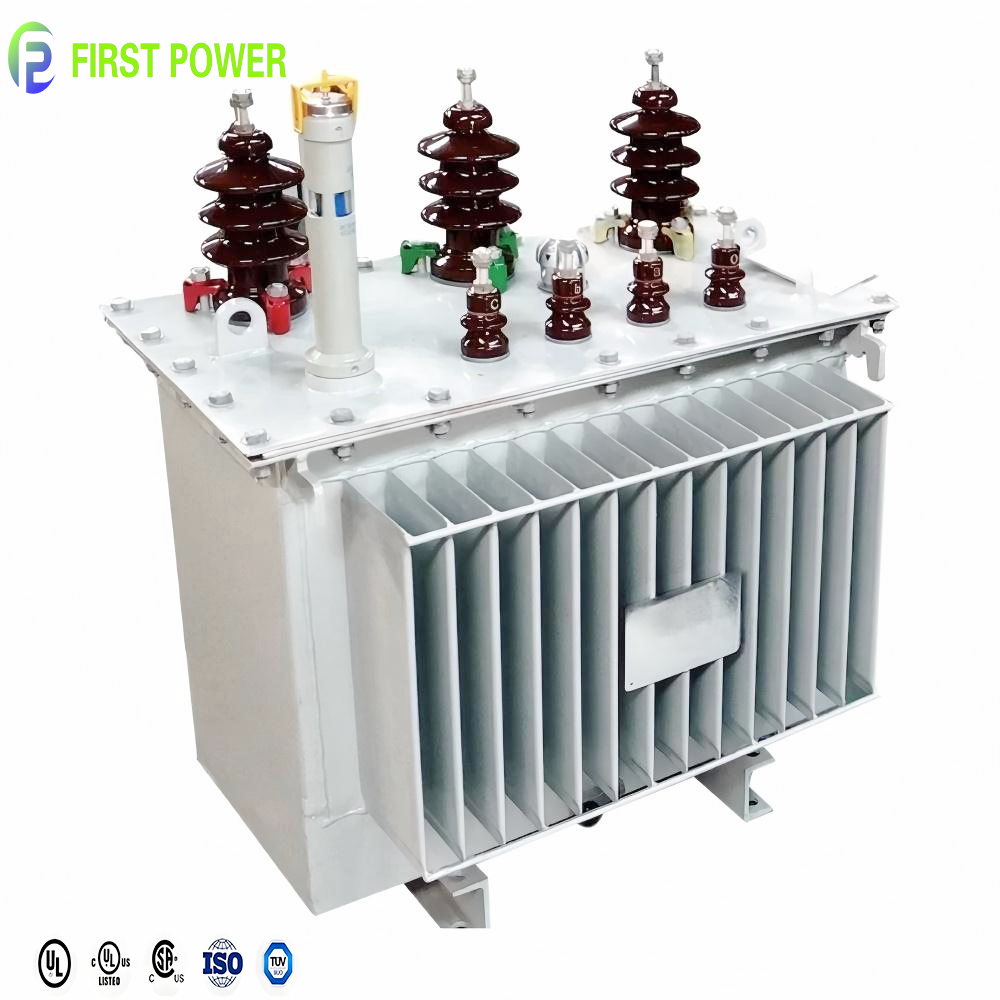
CE 10–35 kV Oil-Immersed Transformer, 50–500 kVA, Industrial Power Supply
A focused oil-immersed range for factories, plants and compact distribution rooms where a conventional liquid-filled unit is preferred over a dry-type alternative.
- Primary10–35 kV
- Capacity50–500 kVA
- ApplicationIndustrial
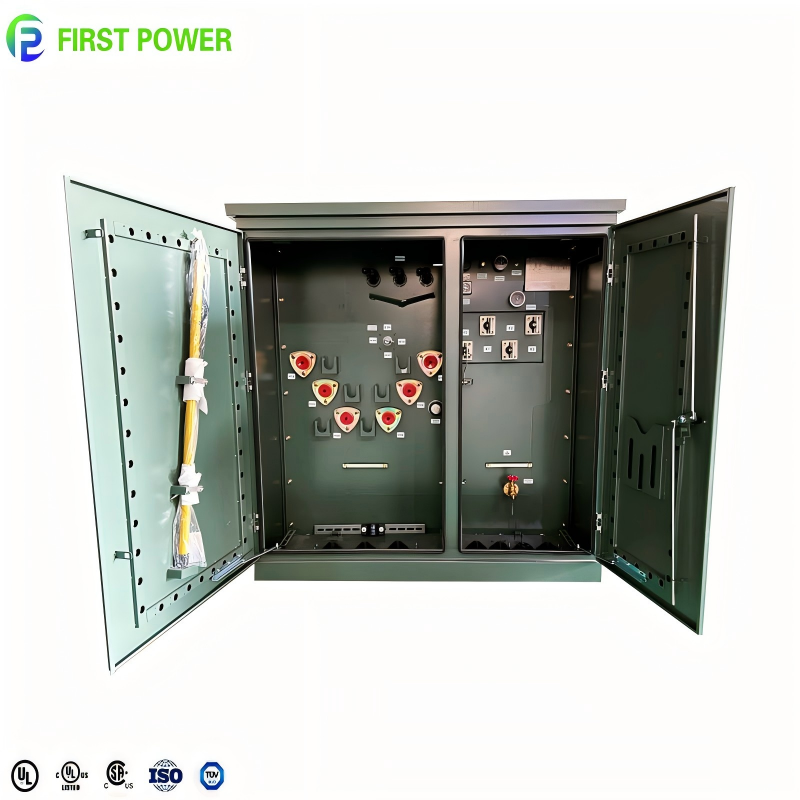
ZGS11 75 kVA–50 MVA Three-Phase Pad-Mounted Distribution Transformer, 6–35 kV
A broad-range pad-mounted platform for utilities and EPCs that want to standardise equipment families across multiple distribution sites and voltage classes.
- Capacity75 kVA–50 MVA
- Voltage6–35 kV
- FormatPad-mounted
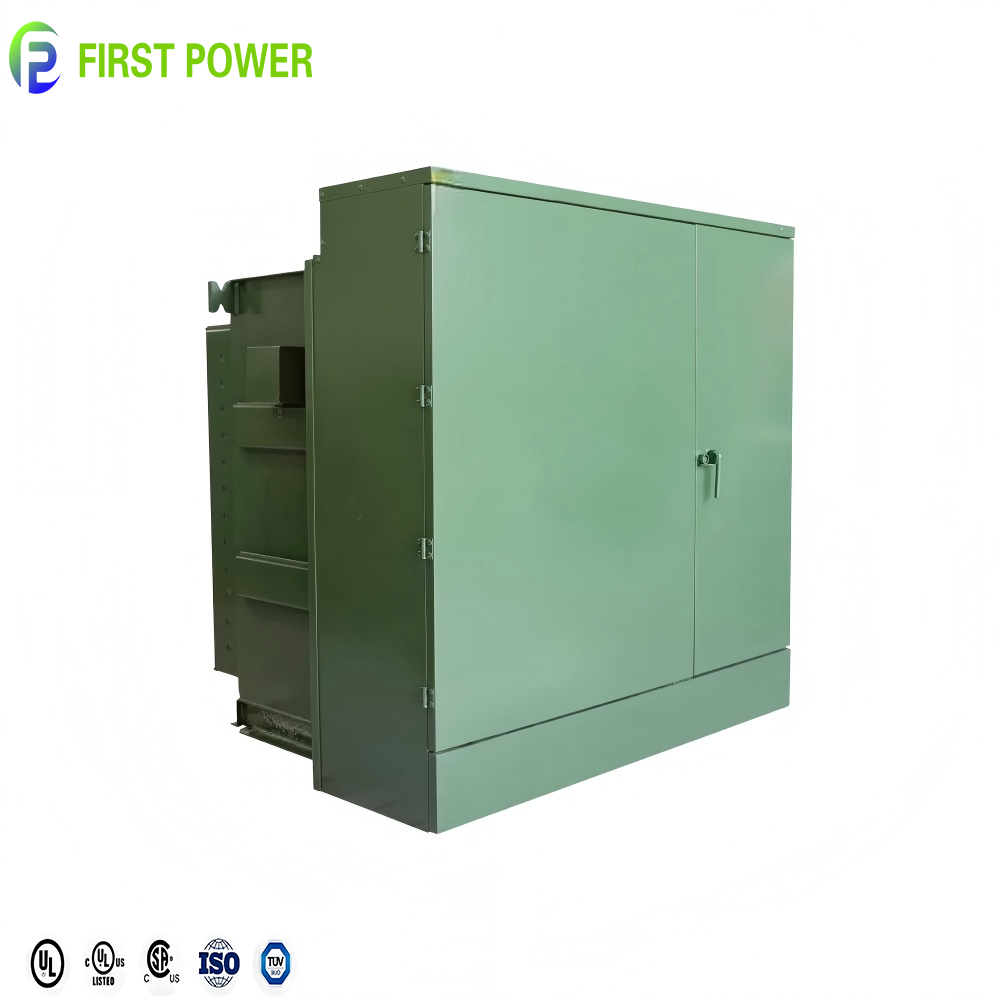
CE 300–750 kVA Three-Phase Pad-Mounted Distribution Transformer, 10–35 kV
Positioned for commercial developments, campuses and utility feeders that need a compact outdoor installation with a defined distribution transformer rating.
- Capacity300–750 kVA
- Voltage10–35 kV
- UseDistribution
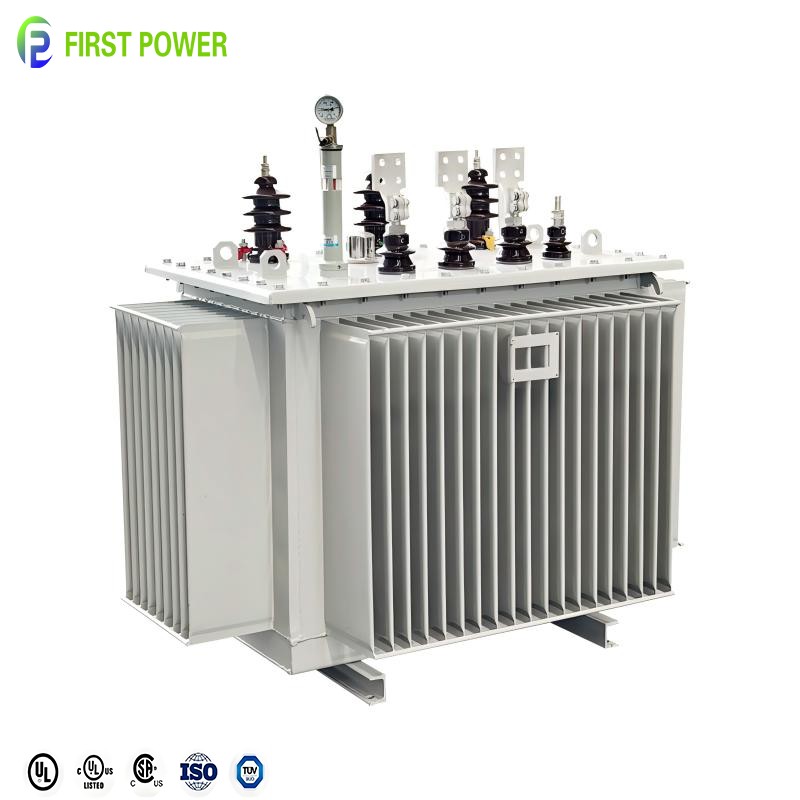
CE 100–1,000 kVA Three-Phase Oil-Immersed Power Transformer, 10–35 kV
Targets industrial power supplies and distribution schemes where a sealed liquid-filled design, defined losses and a clear test dossier are part of the award criteria.
- Capacity100–1,000 kVA
- Voltage10–35 kV
- TypeOil-immersed
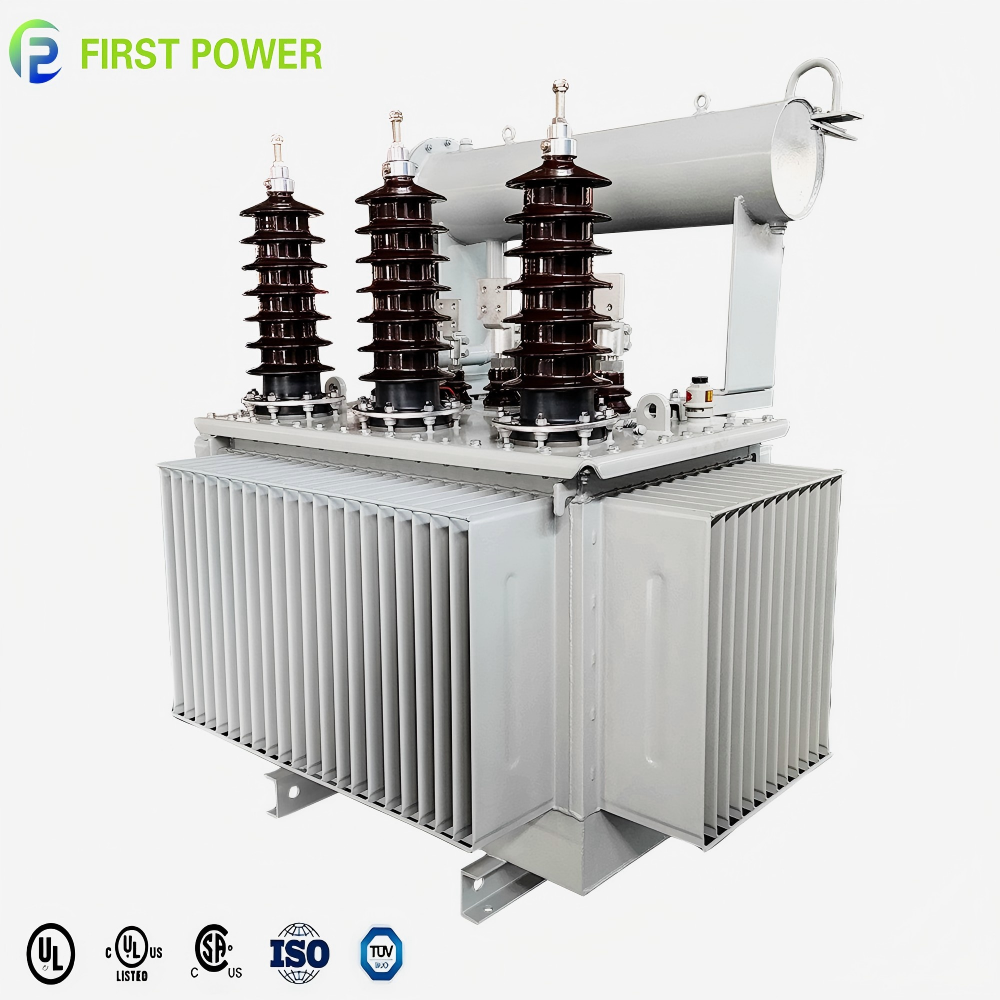
CE / IEEE S11 33 kV Three-Phase Oil-Immersed Power Transformer
A strong fit for industrial projects that reference IEEE practice while requiring CE documentation and an S11 oil-immersed platform for high-voltage distribution.
- Voltage33 kV
- SeriesS11
- StandardIEEE / CE
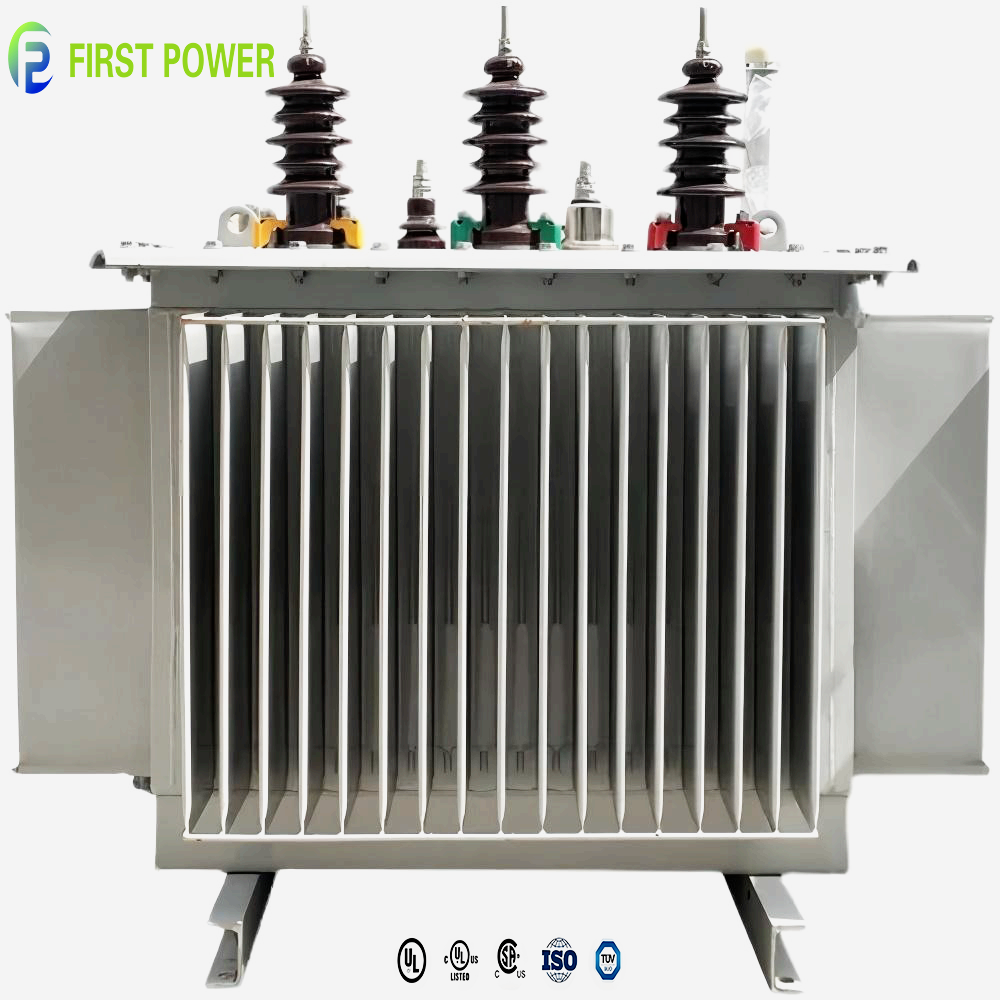
CE S11 500 kVA Oil-Immersed Transformer, 22 kV / 0.4 kV, 50/60 Hz
A focused option for distribution networks that need a defined voltage ratio, an S11 oil-immersed platform and a routine test report before dispatch.
- Ratio22 / 0.4 kV
- Capacity500 kVA
- Frequency50/60 Hz
Need a rating outside these models? Send an Inquiry with the voltage ratio, capacity, vector group, loss target and destination port. Shortlisting does not replace a design review: confirm altitude, ambient temperature, impedance, tap range, bushing arrangement, cooling class, fluid type and applicable standard edition before award.
What “Trusted Exporter and Wholesaler” Should Mean in an Oil-Immersed Transformer RFQ
Buyers searching for oil immersed transformer exporters and wholesalers are usually not looking for another catalogue. They are trying to reduce technical risk, schedule risk and documentary risk at the same time. A credible supplier should make those risks visible and auditable.
Three questions that separate a manufacturer from a reseller
First, ask where the core stacking, winding, drying, tanking and routine testing take place. Second, ask for a sample routine test report with the same serial-number discipline that will be used on your order. Third, ask who reviews the specification before quotation. A wholesale price is only meaningful when the technical scope, test evidence and documentation package are comparable. A low bid with unclear loss guarantees can cost more over the transformer’s service life than a transparent higher bid.
What procurement teams should place beside the price sheet
Compare guaranteed no-load loss, load loss, impedance, temperature rise, tap range, vector group, cooling class, fluid type, enclosure finish, test standard and document language. For export orders, add packing method, shock and tilt indicators, oil-filling strategy, spare bushings, nameplate approval and Incoterms. These details belong in the technical comparison, not in a post-award clarification chain. Wisegj’s engineering review is structured to close those gaps before production begins.
Why Wisegj Is Shortlisted by Utilities, EPCs and Wholesale Buyers
Jiangsu Wisegj Power Co., Ltd. is a specialist transformer supplier based in Suzhou, China, serving buyers from 220 V to 500 kV with power transformers, distribution transformers, pad-mounted transformers, dry-type transformers, compact substations, switchgear, distribution boxes and voltage stabilisers.
Own Production Base, Not a Catalogue Pass-Through
Verified production floorspace of 6,847 m² includes winding, core assembly, drying, tanking and testing areas. This matters when a buyer needs design changes, witness testing or a fast answer on manufacturing feasibility.
More Than 20 Years of Transformer Team Experience
The engineering team brings over two decades of hands-on experience. That experience is applied before quotation, when ratings, voltage ratio, impedance, cooling and standards are checked against the real duty.
50+ R&D and Technical Engineers
A dedicated technical team supports design customisation, drawing approval, nameplate review and after-sales troubleshooting. For wholesale buyers, this reduces the risk of repeating the same clarification cycle across multiple SKUs.
In-House Routine Testing and Serialised Records
Winding resistance, voltage ratio and vector group, impedance and load loss, no-load loss and current, applied and induced voltage withstand, plus oil dielectric strength for liquid-filled units are documented for each serial number.
CE, ISO 9001, ISO 14001 and ISO 45001 Systems
Management systems cover quality, environment and occupational health and safety. CE certificates are available for key product lines, and certificate numbers can be checked by the buyer’s compliance team before order.
OEM, ODM and Design-Based Customisation
Ratings, vector group, impedance, tap range, bushing configuration, cooling method, insulating fluid, enclosure colour and nameplate language can be adapted to utility or EPC specifications.
211 Qualified Supply Partners
Qualified sources for silicon steel, copper, bushings, oil and accessories support more stable lead times. This is especially relevant when wholesale buyers need repeat batches rather than a single prototype unit.
Export Packing and Incoterms Coverage
Seaworthy packing, shock indicators and complete shipping documents support transport from EXW to DDP. Trade terms include FOB, CFR, CIF, FCA, CIP, CPT, DDP and DDU, with T/T, L/C, D/P and D/A among the payment options.
24-Hour Engineer Response and Fortune 500 Supply Experience
The company reports 24-hour pre-sale and after-sale response, finished-product inspection on every unit, and experience as a supplier to Fortune 500 companies. For buyers, that means a technical contact rather than an automated sales script.
Oil-Immersed Transformer Trends That Will Shape Specifications
Transformer development is moving on several fronts at once: efficiency regulation, fire and environmental performance, digital documentation, compact integration and lifecycle carbon data. The practical question is not whether these trends are interesting, but which ones belong in the next RFQ.
Efficiency Regulation and Loss Capitalisation
More markets now evaluate no-load and load losses instead of purchase price alone. Buyers are asking for guaranteed loss values, tolerance positions and test evidence that can be compared across bidders. A transformer with a slightly higher price but lower evaluated losses can win on total cost of ownership.
Natural Ester and Fire-Sensitive Locations
Natural ester fluids are increasingly considered for environmentally sensitive sites, indoor or public-adjacent installations, and projects where fire risk affects insurance or permitting. The trade-off is not only price: viscosity, cooling performance, sealing compatibility and maintenance practice must be reviewed.
Amorphous Metal and High-Grade CRGO Cores
Core material selection remains one of the clearest levers for no-load loss. Amorphous metal and high-grade CRGO options are being evaluated where annual energy cost is high or where a utility applies a strong loss capitalisation factor. The right choice depends on load profile, not just nameplate efficiency.
Digital Nameplates and Monitoring Readiness
QR-linked nameplates, digital test dossiers and sensor-ready designs are becoming more common. Dissolved gas analysis, temperature and load monitoring can support condition-based maintenance, but only when the buyer defines data ownership, communication protocol and cybersecurity responsibility.
Compact and Prefabricated Integration
Pad-mounted transformers and compact substations continue to displace separate outdoor arrangements where footprint, installation speed and urban aesthetics matter. Procurement teams are increasingly buying a coordinated package of transformer, switchgear and enclosure rather than separate components.
Circularity and Lifecycle Documentation
Buyers are asking for material declarations, fluid handling guidance, recyclability information and end-of-life procedures. These documents are not yet universal, but they are becoming part of supplier qualification in markets with stricter environmental reporting and public procurement rules.
A Practical TCO Formula for Oil-Immersed Transformers
Losses are paid every year for the life of the asset. A defensible comparison should convert them into present value using the buyer’s energy price, load profile and discount rate.
For a wholesale programme, run the same model across the repeat order quantity and add inventory carrying cost, spare-unit strategy and lead-time exposure. The result is a more honest basis for supplier selection than price per kVA.
What the Next Procurement Cycle Will Reward
Wholesale and project buyers are becoming more demanding in ways that favour suppliers with verifiable systems. The following trends are already visible in tender documents, factory acceptance testing scopes and supplier qualification questionnaires.
Third-Party Witness Testing as Standard Practice
More buyers are appointing SGS, BV, TÜV, Intertek or their own inspectors to witness routine tests, packing and document review. Suppliers should be able to host witness testing without disrupting the production schedule and provide a clear FAT agenda.
Digital Quality Dossiers
PDF test reports are still common, but buyers increasingly expect serialised records that can be linked to a nameplate, drawing and packing list. A clean digital dossier reduces commissioning delays and makes future maintenance more traceable.
Total Cost of Ownership in Award Decisions
Public utilities and large industrial buyers are under pressure to justify energy performance over the asset life. Procurement teams that can compare capitalised losses, maintenance and outage risk will make better decisions than teams comparing only initial price.
Lead-Time Hedging and Multi-Source Qualification
Long lead times for core steel, bushings and specialised labour have made single-source assumptions risky. Buyers are qualifying more than one supplier or agreeing frame agreements with staged call-offs, while keeping technical specifications standardised across sources.
Sustainability Evidence in Supplier Qualification
Fluid type, recyclability, material declarations and factory environmental management are moving from marketing questions to procurement criteria. ISO 14001 certification and clear fluid-handling guidance are useful evidence, but project-specific declarations may still be required.
Early Supplier Involvement and Design Freeze
Buyers are involving transformer engineers earlier to avoid late changes to impedance, tap range, bushing orientation or enclosure dimensions. A disciplined design freeze before production protects both schedule and price, especially for pad-mounted and compact substation packages.
How to Match an Oil-Immersed Transformer to the Duty
Use the application brief, not just the capacity, to shortlist the platform. The same kVA rating can require different impedance, cooling, enclosure and testing requirements depending on the site and grid code.
| Procurement brief | Representative platform | Why it fits | What to verify before award |
|---|---|---|---|
| Industrial distribution with a secure outdoor footprint | CE three-phase pad-mounted pedestal, 6–35 kV, 100–630 kVA | Combines a pad-mounted format with an oil-immersed transformer for factories, plants and industrial sites. | Enclosure arrangement, compartment access, bushing configuration, fluid type, loss limits and applicable standard. |
| North American-style 480 V secondary distribution | Oil-type three-phase pad-mounted, 75–2,500 kVA, 35 kV / 480 V | Matches projects that require a defined 480 V output and a liquid-filled pad-mounted unit. | Utility-specific approval, IEEE reference edition, neutral arrangement, impedance, tap range and enclosure finish. |
| Factory or plant power supply with a conventional liquid-filled unit | CE oil-immersed, 10–35 kV, 50–500 kVA | A practical range for industrial power supplies where a dry-type transformer is not required. | Altitude, ambient temperature, motor-starting duty, harmonic loading, vector group and protection coordination. |
| Multi-site distribution standardisation | ZGS11 pad-mounted, 75 kVA–50 MVA, 6–35 kV | Broad capacity band for utilities and EPCs seeking a repeatable pad-mounted equipment family. | Vector group, impedance, tap range, test standard, spare-parts strategy and drawing approval process. |
| 33 kV industrial project referencing IEEE practice | CE / IEEE S11 oil-immersed, 33 kV | Offers an S11 platform with CE documentation for buyers working across export and European compliance requirements. | Standard edition, impulse level, clearances, nameplate language, test report format and third-party inspection scope. |
| Distribution network with 22 kV / 0.4 kV ratio | CE S11 oil-immersed, 500 kVA, 22 kV / 0.4 kV, 50/60 Hz | Defined voltage ratio for distribution schemes that need a focused, testable transformer specification. | Ratio tolerance, vector group, no-load loss, load loss, impedance, fluid type and shipping configuration. |
Specification checklist for a faster, comparable offer
- Rated power, continuous overload requirement and future expansion allowance.
- Primary and secondary voltage, frequency, vector group and impedance.
- Tap changer type and range, plus whether off-circuit or on-load operation is required.
- Cooling class, temperature rise, ambient temperature and site altitude.
- Fluid type: mineral oil or natural ester, with fire and environmental requirements.
- Applicable standard edition, loss limits and any national grid-code deviation.
- Bushing configuration, cable box, surge arresters and protection accessories.
- Enclosure material, finish, colour, padlock scheme and nameplate language.
- Routine test scope, third-party witness requirement and document language.
- Packing method, Incoterms, destination port and required delivery window.
Information gain: ask for the loss guarantee in writing
A transformer quotation that does not state guaranteed losses is incomplete. Ask for no-load loss, load loss, impedance and tolerance in the technical offer, then compare those values using your own capitalisation factors. The lowest first cost may not be the lowest evaluated cost.
For repeat wholesale orders, keep the loss values and test scope identical between batches so that annual comparisons remain meaningful.
Factory Evidence, Certificates and Documentation
Because liquid-filled transformers are safety-critical assets, evidence matters more than adjectives. Wisegj’s production is organised around documented work instructions and inspection checkpoints from winding to tanking to final test.
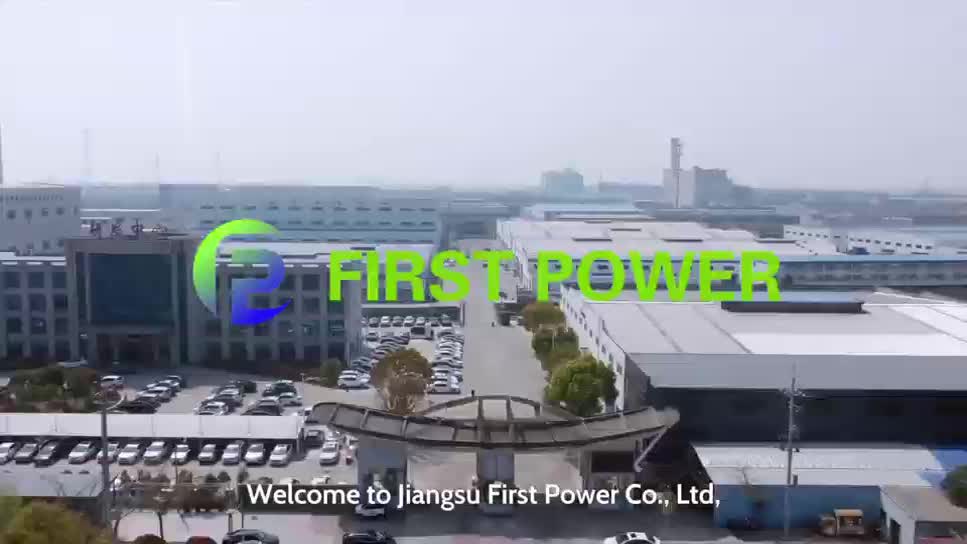 Factory Video Tour
The company’s verified profile states 6,847 m² of production floorspace with dedicated winding, core assembly, drying, tanking and test areas. Production capability, floorspace and quality inspection have been verified onsite by TÜV Rheinland, an independent third-party inspection body.
ISO 9001, ISO 14001 and ISO 45001 certificates are listed as valid through 2027. CE certificates cover key product lines, including oil-immersed power transformers, dry-type transformers and compact substations. Buyers should still confirm that the certificate scope matches the exact product, rating and destination market.

Independent onsite verification supports the factory capability and inspection claims used in this guide.

Company & Facility Overview

Assembly Workshop

Testing Laboratory
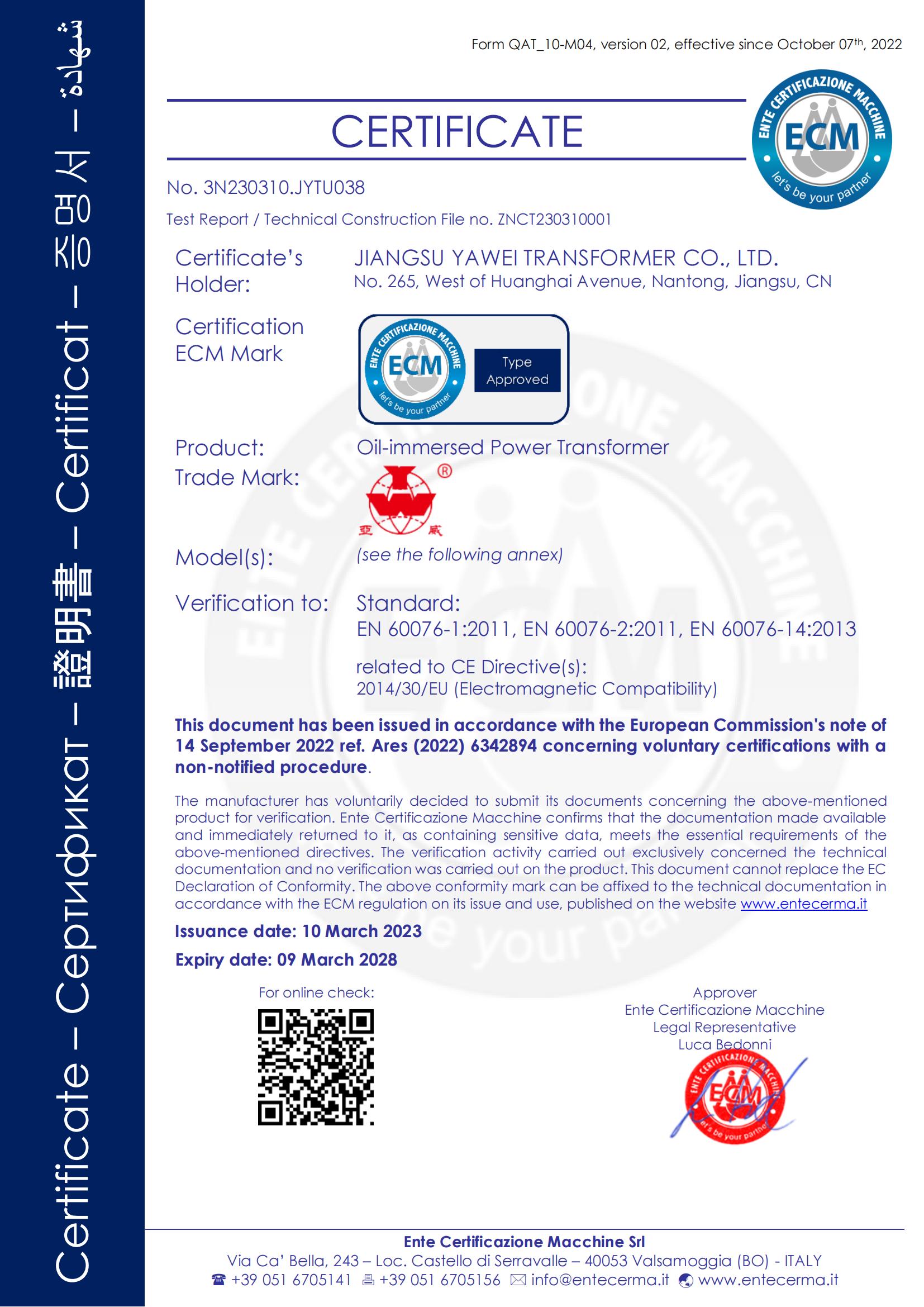
CE · Oil-Immersed Power Transformer
No. 3N230310.JYTU038 · listed validity 2023–2028
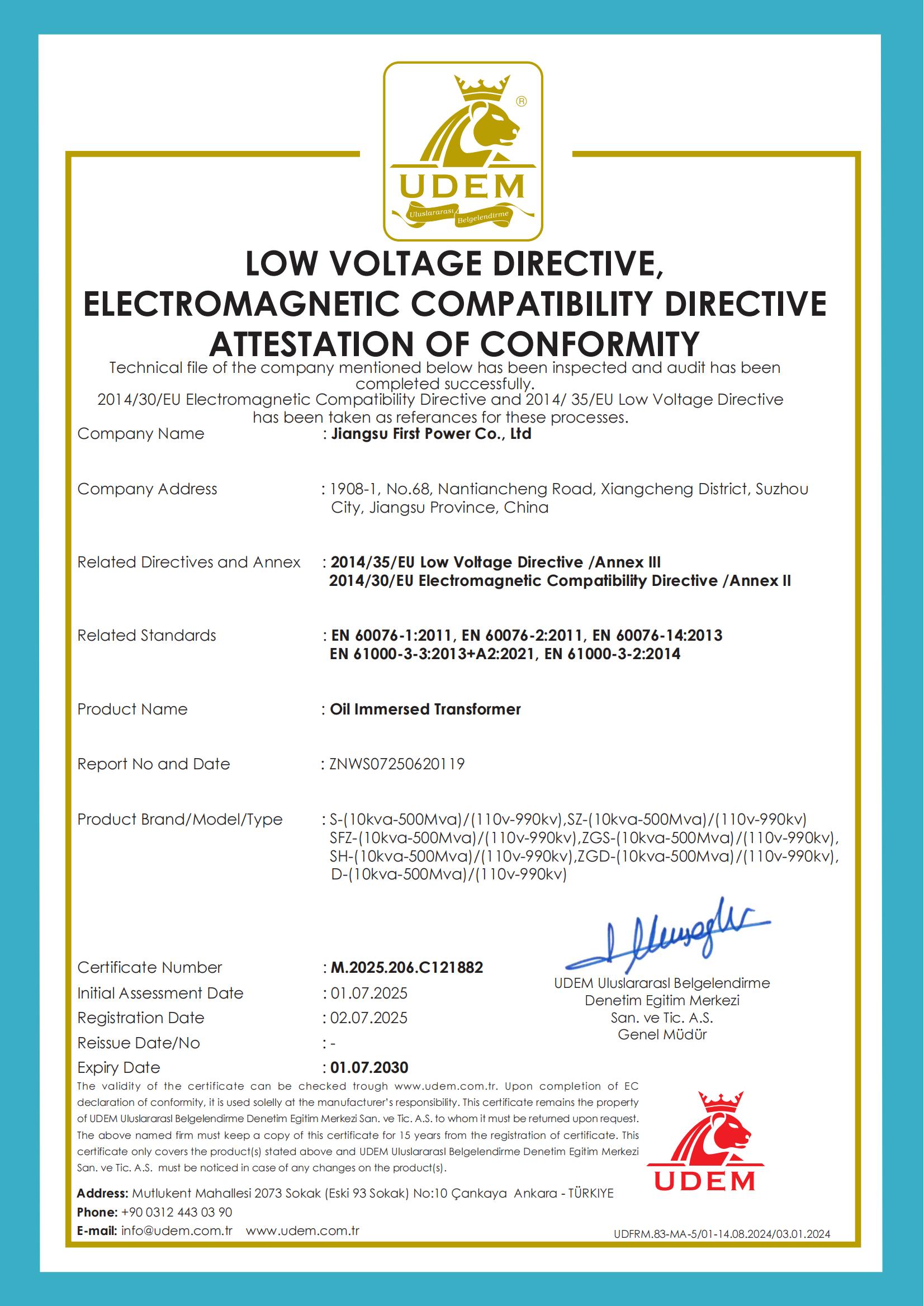
CE · Oil Immersed Transformer
No. M.2025.206.C121882 · listed validity 2025–2030
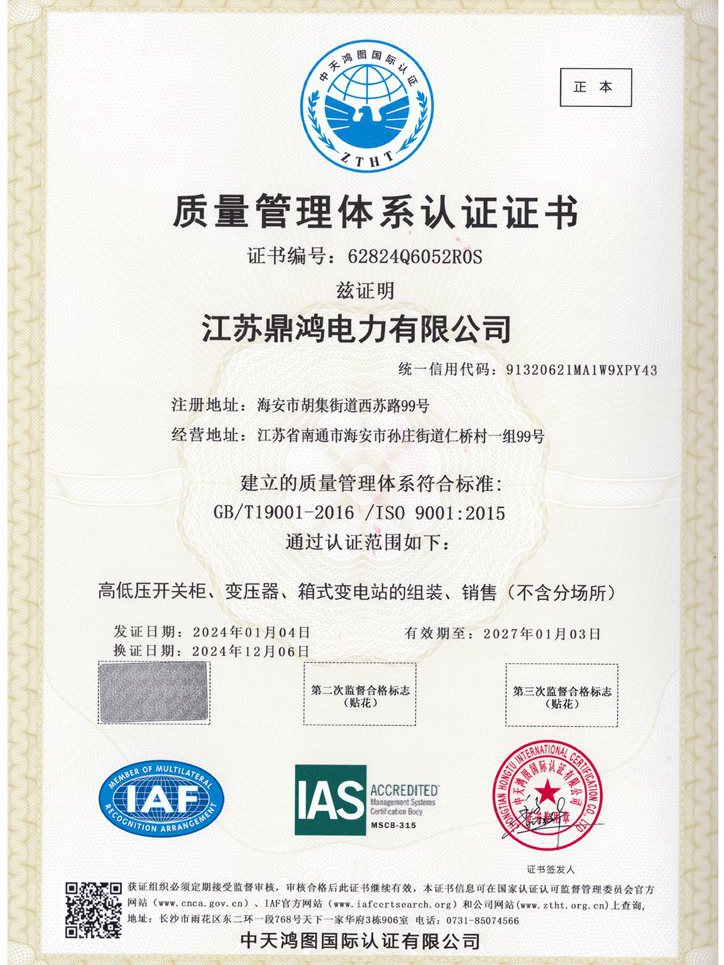
ISO 9001
Quality management · No. 62824Q6052R0S · 2024–2027
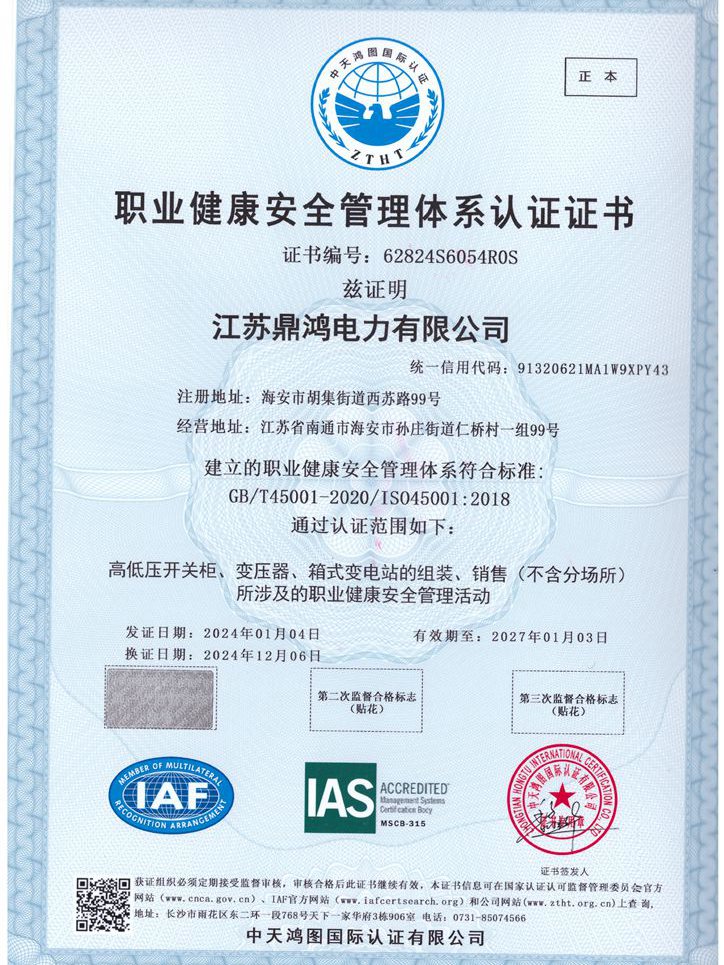
ISO 45001
Health & safety management · No. 62824S6054R0S · 2024–2027
Oil-Immersed Transformer Export & Wholesale FAQ
Direct answers to the questions most often raised by procurement, engineering and compliance teams before an order.
Which standards do Wisegj oil-immersed transformers comply with?
What capacity and voltage range can Wisegj supply for oil-immersed transformers?
Are the transformers suitable for both 50 Hz and 60 Hz markets?
Which factory tests are performed before shipment?
Can you customise vector group, impedance, tap range, bushings and oil type?
How should a buyer choose between mineral oil and natural ester?
How are oil-immersed transformers protected during export shipping?
What Incoterms and payment terms are accepted?
Can the buyer appoint a third-party inspector?
What documentation is supplied with each transformer?
Send the specification, not just a capacity
For a faster and more comparable offer, include the voltage ratio, capacity, frequency, vector group, impedance, tap range, cooling class, fluid type, loss target, applicable standard, site altitude, ambient temperature, destination port and required delivery date. A transformer engineer will review the data and respond within one working day.