Top China Mineral Oil Transformer Factories & Supplier
A procurement white paper for utilities, EPCs and industrial buyers sourcing IEC and IEEE pad-mounted, oil-immersed, dry-type and power transformers from verified Chinese factories.
8 Transformer & Power Equipment Products for Global Buyers
This shortlist follows the supplier’s published product range. For mineral-oil-first projects, the oil-immersed distribution, step-up, power and pad-mounted units below are directly relevant; dry-type and supporting mechanical items are included for buyers consolidating multiple equipment categories with one qualified factory.
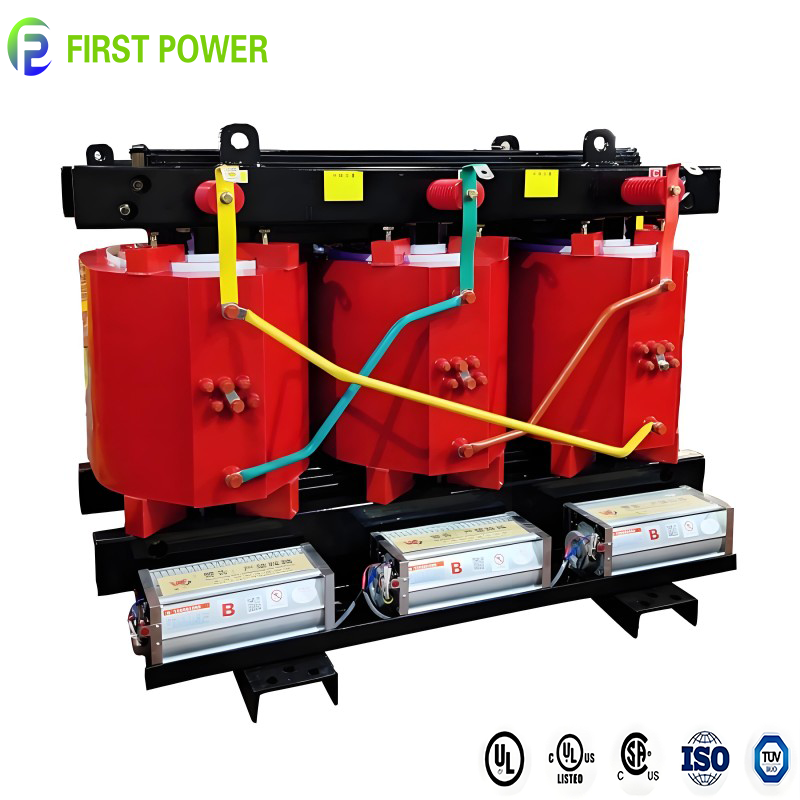
C CE Certification IEEE Standard 50/60HZ 5MVA 6MVA 6KV 35KV 3 Phase Dry Type Transformer for Electric Power Distribution
Dry-type distribution solution for projects that require CE/IEEE alignment, clean indoor installation and reduced fire risk.
View Product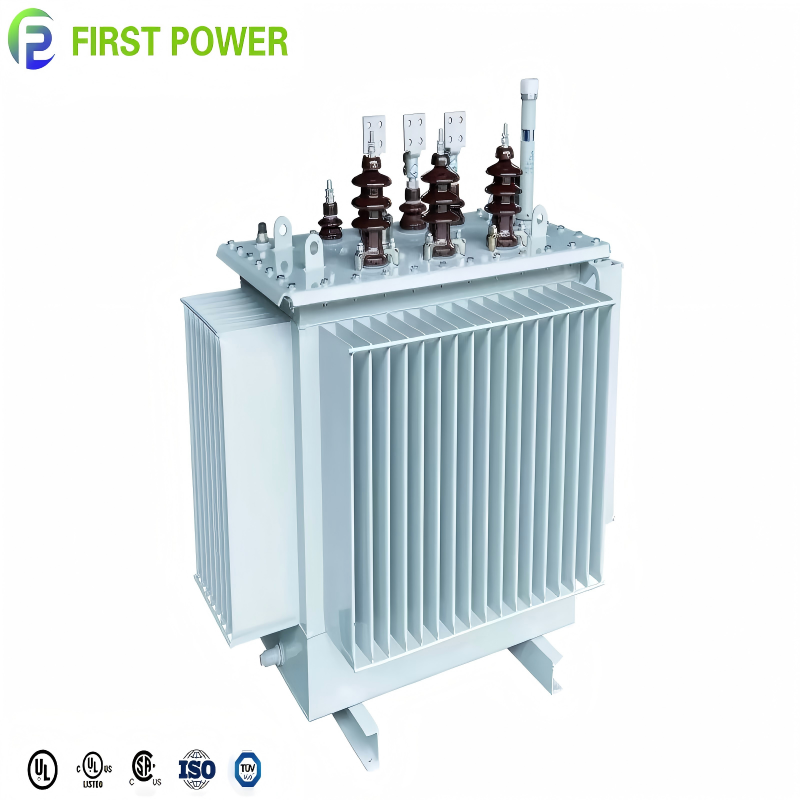
C CE S11 50/60HZ 6KV 10KV 15KV 20KV 35KV 100KVA 300KVA 3 Phase Oil Immersed Transformer 50KVA 33KV for Distribution System
S11 oil-immersed distribution transformer for 6–35 kV networks, compact sites and utility distribution programs.
View Product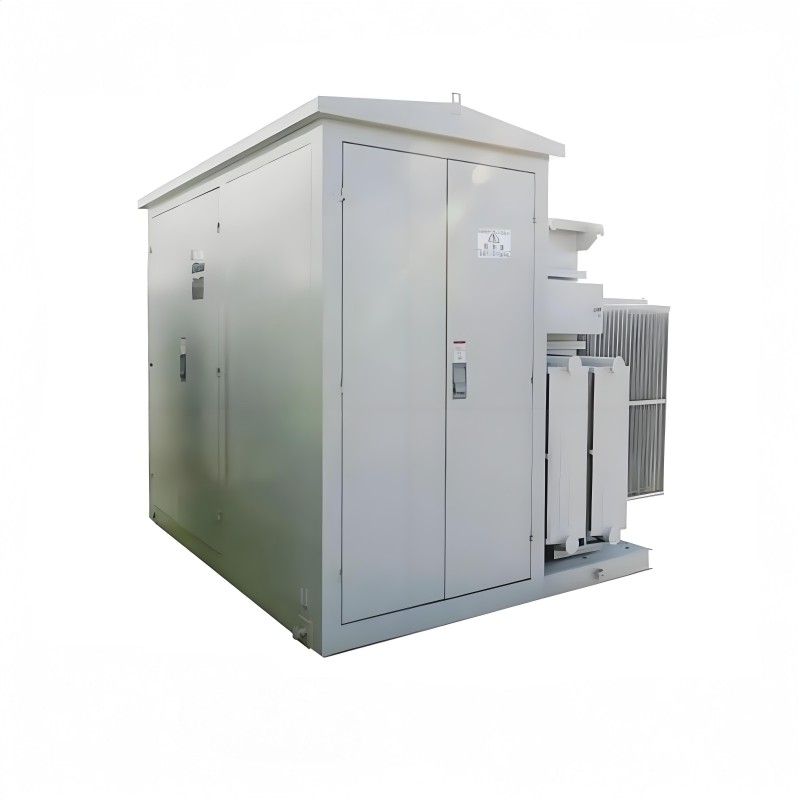
American Standard /C Certified 3000kva 34.5kv/480v Oil Type Pad Mounted Transformer 60 Hz 10kv Input 380v 440v Output
American-standard pad-mounted oil transformer for 60 Hz distribution, commercial and industrial projects.
View Product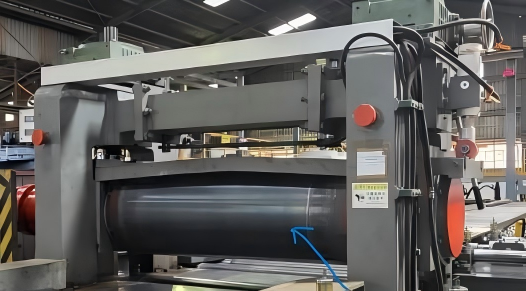
MAIN ROLLER D
Supporting industrial component listed in the supplier’s export range. Confirm drawing, material and application compatibility before ordering.
View Product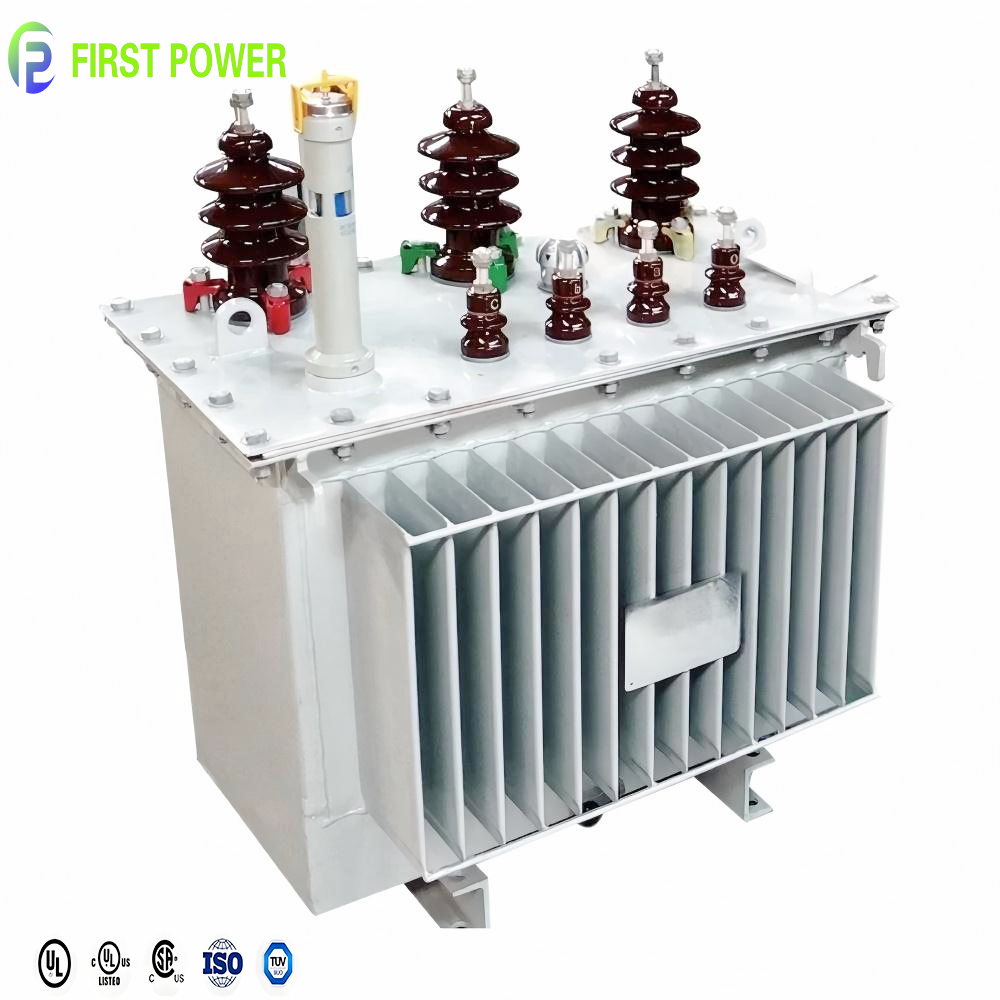
C CE 10KV 20KV 35KV 50KVA 100KVA 200KVA 300KVA 400KVA 500KVA Electric Oil Immersed Transformer for Industrial Power Supply
Oil-immersed transformer for industrial power supply, with ratings and voltage combinations suited to plant distribution.
View Product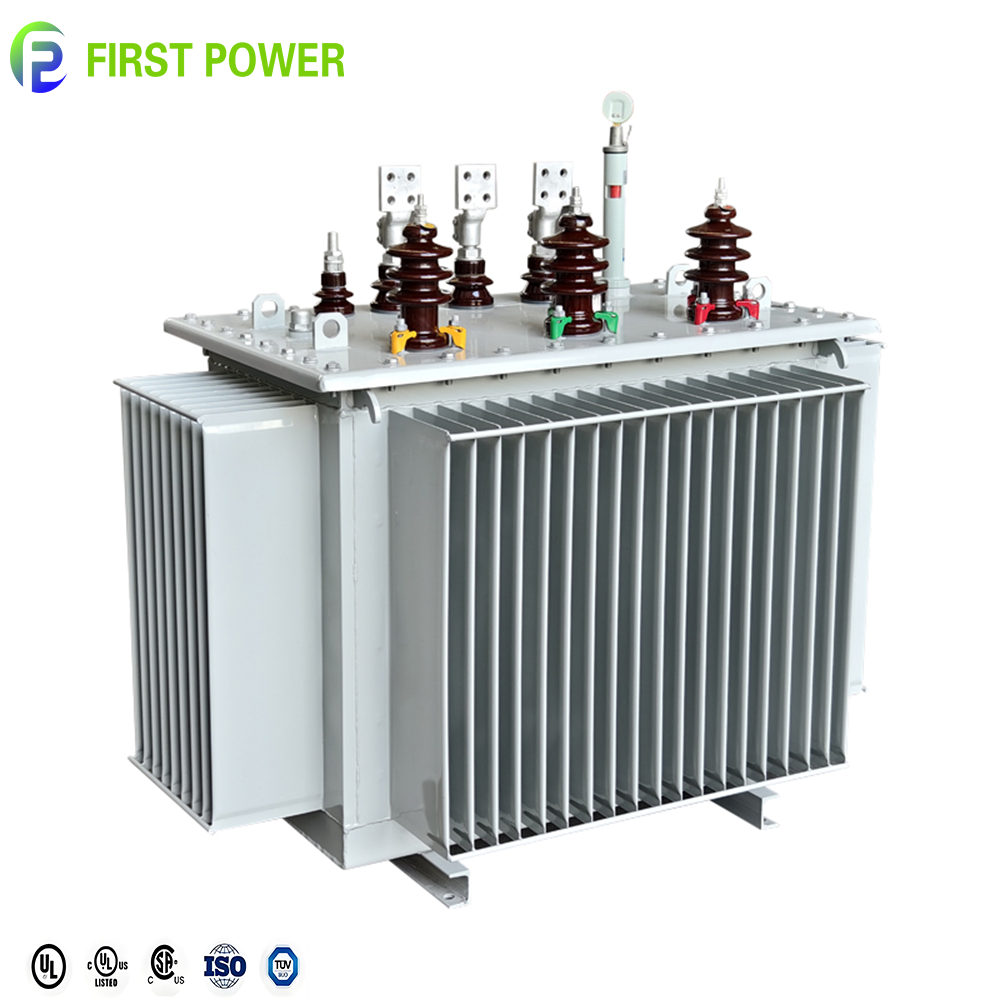
C CE 50/60HZ 6KV 10KV 15KV 20KV 35KV 100KVA 200KVA 300KVA 500KVA 220V Output Voltage Step up Oil Transformer for Industrial
Step-up oil transformer for industrial processes, special loads and projects requiring 220 V output configuration.
View Product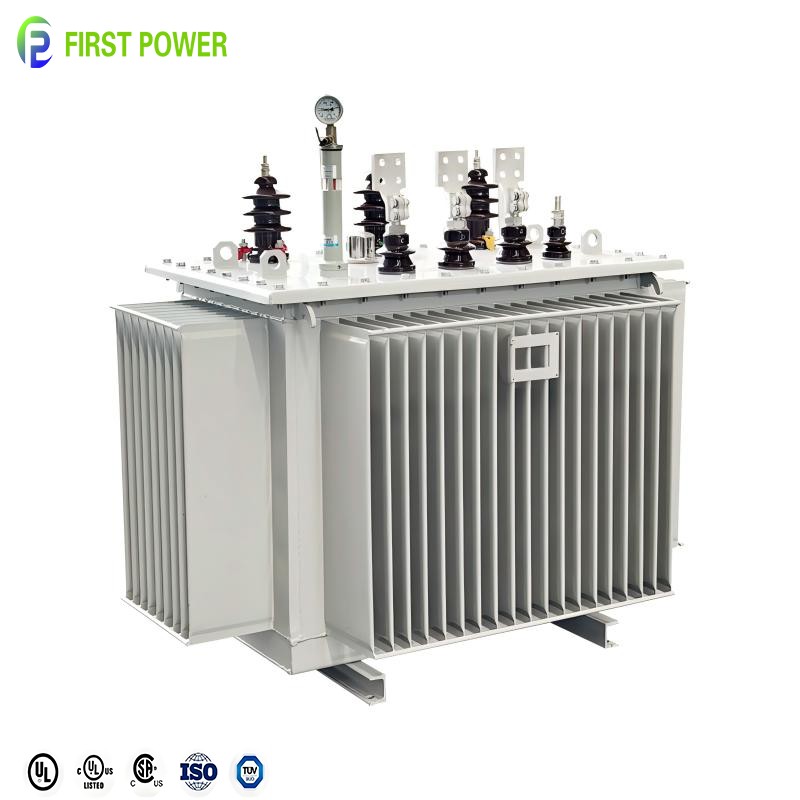
C CE 50/60HZ 100KVA 300KVA 500KVA 630KVA 1000KVA 10KV 20KV 35KV 3 Phase Oil Immersed Power Transformer for Power Supplies
Three-phase oil-immersed power transformer for distribution substations, industrial facilities and infrastructure projects.
View Product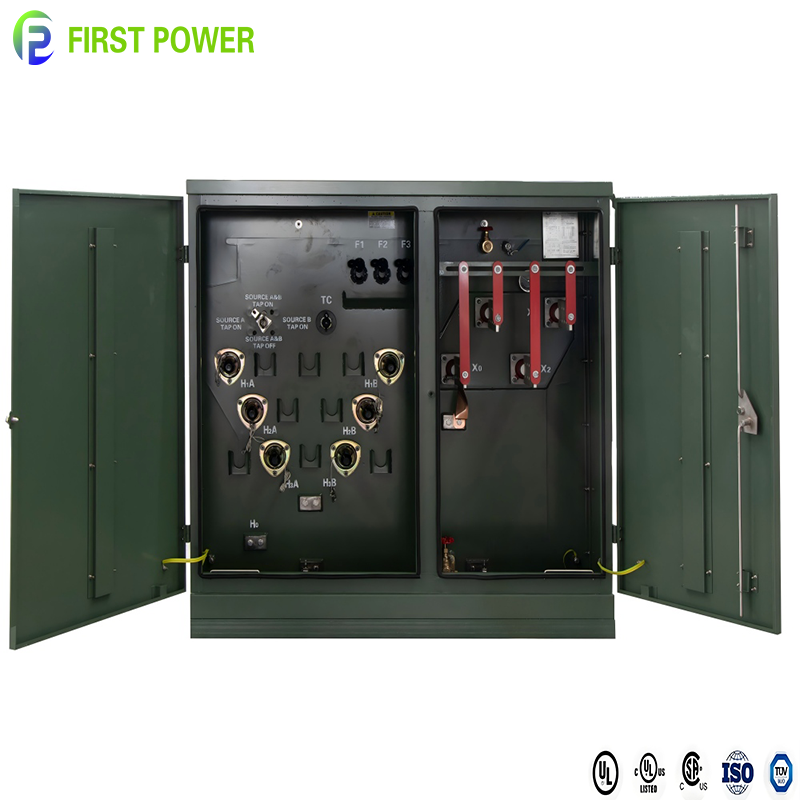
Listed C CE MV&HV 50/60HZ 6KV 10KV 15KV 20KV 35KV 3 Phase Pad Mounted Transformer Electrical for Industrial Power Supply
MV/HV three-phase pad-mounted transformer for industrial power supply, underground distribution and compact sites.
View ProductWhy China Mineral Oil Transformer Factories Remain Central to Global Procurement
China’s mineral-oil transformer sector is no longer a low-cost alternative to established regional manufacturers. It is a mature, standards-driven manufacturing ecosystem with deep experience in core processing, copper winding, vacuum oil filling, tank fabrication, routine testing and export documentation. For utilities, EPC contractors, data-centre developers and industrial buyers, the question is not whether Chinese factories can build to specification. The question is how to identify the factories that can prove it consistently, lot after lot.
Mineral-oil transformers remain the backbone of distribution and power networks because they combine proven dielectric strength, strong thermal performance, mature IEC and IEEE standards, and favourable cost per kVA. The most reliable suppliers combine design review, in-house testing and traceable documentation, not merely a catalogue of ratings. A factory that can explain loss guarantees, vector groups, tap ranges, oil testing, sealing methods and third-party witness inspection is more valuable than a supplier that competes only on price.
This white paper is structured for procurement teams that need an auditable view of supplier capability. It covers product fit, factory due diligence, future procurement trends, product development direction, enterprise advantages and common buyer questions. The objective is information gain: giving engineering and purchasing teams the practical detail needed to compare Chinese mineral oil transformer factories with confidence.
What Defines a Reliable Mineral Oil Transformer?
A transformer is a long-life asset. The visible tank is only one part of the value proposition; the design decisions inside the unit determine losses, temperature rise, service life and maintenance cost.
Core and Winding Discipline
Core stacking, step-lap configuration, winding tension and insulation clearances directly influence no-load loss, load loss and dielectric reliability. Buyers should ask for the core material grade, copper specification, winding method and loss guarantee in writing.
Sealed Oil System and Thermal Design
Mineral oil is highly effective when the tank, gaskets, bushings and oil preservation system are designed as one thermal and sealing system. Leak paths, oil expansion space, cooling surfaces and paint protection should be reviewed for the destination climate.
Factory Test Evidence
Routine tests should include winding resistance, ratio and vector group, impedance and load loss, no-load loss and current, applied voltage and induced voltage withstand, plus oil dielectric strength for liquid-filled units. Serial-number-linked reports are essential.
How to Vet a China Mineral Oil Transformer Factory
Use a structured scorecard before approving samples or releasing a purchase order. The checks below reflect the practical questions utility QA teams and EPC procurement managers ask during factory audits.
Factory Identity and Capacity
- Verify production floorspace, winding stations, drying ovens, oil processing and test bay.
- Check whether the supplier is a manufacturer, an integrated group or a trading intermediary.
- Confirm the rated capacity and delivery schedule against your project timeline.
- Review third-party audit reports, such as TÜV Rheinland verification, where available.
Standards and Certification
- Match the design to IEC 60076 or ANSI/IEEE C57.12 series standards for the destination market.
- Request valid CE certificates, ISO 9001, ISO 14001 and ISO 45001 documentation.
- Check certificate scope, certificate numbers and validity dates against the product being purchased.
- Ask for type test reports where the project requires proven short-circuit or temperature-rise performance.
Documentation and After-Sales
- Require GA drawings, nameplate drafts, routine test reports, packing lists and O&M manuals in English.
- Confirm who reviews technical queries, who approves drawings and how after-sales issues are escalated.
- Clarify Incoterms, seaworthy packing, shock indicators, port handling and spare-parts availability.
- Ask for a named engineering contact and a response-time commitment before placing the order.
Future Procurement Trends for Mineral Oil Transformers
Buyers are shifting from single-unit price comparison to lifecycle cost, traceability and supply resilience. These four trends are shaping supplier shortlists for 2025 and beyond.
Total Cost of Ownership
Efficiency, no-load loss and load loss now carry more weight in tender evaluation. A lower-priced transformer with poor loss performance can cost more over its service life than a higher-efficiency unit.
Digital Traceability
Procurement teams increasingly expect serial-number-linked test data, drawing revisions, material records and inspection reports. Documentation quality is now part of product quality.
Local Grid-Code Fit
Chinese factories are being evaluated on how well they adapt to local frequency, voltage, altitude, ambient temperature, vector group and utility naming conventions, not just on generic export capability.
Lead-Time Resilience
Buyers are moving toward suppliers with qualified component inventories, multiple production shifts and clear production planning. Stable lead times are becoming as important as unit price.
Product Development Trends in Mineral Oil Transformers
The mineral oil transformer is a mature product, but it is still evolving. Factory engineering teams are improving efficiency, sealing, monitoring and integration to meet modern grid and industrial requirements.
Low-Loss Core Technology
High-grade CRGO and amorphous core options are being applied to reduce no-load loss. Step-lap core construction and optimized flux distribution help meet stricter efficiency targets.
Improved Tank and Sealing Design
Corrugated tanks, laser-cut components, advanced gaskets and corrosion-resistant coatings are extending service life in coastal, humid and high-temperature environments.
Digital Monitoring Readiness
Temperature sensors, oil-level monitoring and condition-based maintenance interfaces are moving from special requests to standard options for critical transformers.
Compact and Integrated Solutions
Prefabricated compact substations, pad-mounted packages and integrated distribution solutions reduce site labor, commissioning time and interface risk for renewable and urban projects.
Why Global Buyers Shortlist This China Mineral Oil Transformer Supplier
Jiangsu Wisegj Power Co., Ltd. combines transformer manufacturing, engineering review and export support for buyers who require documented quality rather than catalogue promises.
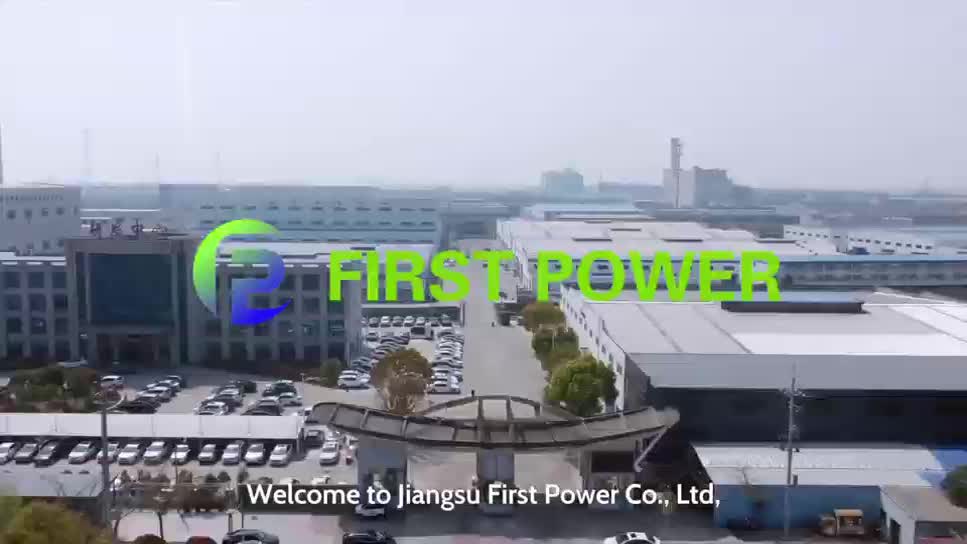
20+ Years of Team Experience
Long-term hands-on experience in transformer design, production, testing and export projects supports faster technical review.
6,847 m² Verified Production Base
Production floorspace, capability and inspection processes have been verified through independent third-party assessment.
50+ R&D and Technical Engineers
Engineering support covers specification review, drawings, loss guarantees, nameplate data and technical clarifications.
211 Qualified Supply Partners
A broad qualified supplier network supports stable access to silicon steel, copper, bushings, oil, accessories and packaging.
ISO and CE Certification
ISO 9001, ISO 14001 and ISO 45001 management systems, plus CE certification for transformer and substation product lines.
OEM and ODM Customization
Ratings, vector groups, impedance, tap range, bushings, cooling, insulating fluid, enclosure colour and nameplate language can be adapted.
Export Logistics Coverage
Seaworthy packing, shock indicators and Incoterms from EXW to DDP support delivery to the Americas, Europe, Africa, the Middle East and Asia.
Inspection and Buyer Rating
Finished-product inspection on every unit, with an average buyer rating of 4.9/5 and supplier experience serving Fortune 500 companies.
Verifiable Compliance Data for Procurement Files
ISO 9001: 62824Q6052R0S · ISO 14001: 62824E6053R0S · ISO 45001: 62824S6054R0S.
CE — Oil-immersed Power Transformer: 3N230310.JYTU038 · CE — Dry Type Transformer: FQC2530404 · CE — Compact Substation: M.2025.206.C121884.
These certificate numbers allow compliance teams to verify scope and validity with issuing bodies. The supplier also welcomes third-party witness inspection and buyer audit before shipment.
Frequently Asked Questions About China Mineral Oil Transformer Suppliers
Direct answers from the engineering and export process used for utility, EPC and industrial transformer sourcing.
What is a mineral oil transformer, and why is it still widely specified?
How can I verify that a Chinese mineral oil transformer factory is reliable?
Should the transformer be designed to IEC 60076 or IEEE C57.12?
Which factory tests should be performed before shipment?
Can mineral oil transformers be customized for a specific project?
How does mineral oil compare with natural ester or dry-type insulation?
What trade terms, payment methods and lead times are typical?
How do I request a catalogue, drawing or quotation?
Have a Mineral Oil Transformer Specification Ready for Review?
Send your datasheet, tender document or single-line diagram. A transformer engineer can review the rating, standards, losses, drawing requirements and delivery plan, then return a technically compliant quotation.