8 Oil-Cooled Transformer Products for Distribution, Solar, Industrial and Utility Projects
These eight product families cover common buyer intents behind the query oil cooled transformer factories: distribution transformers, ANSI/IEEE pad-mounted units, industrial high-voltage transformers, solar PV transformers, and on-load tap changer designs. Product URLs are preserved so engineers can review detailed specifications before requesting a quotation.
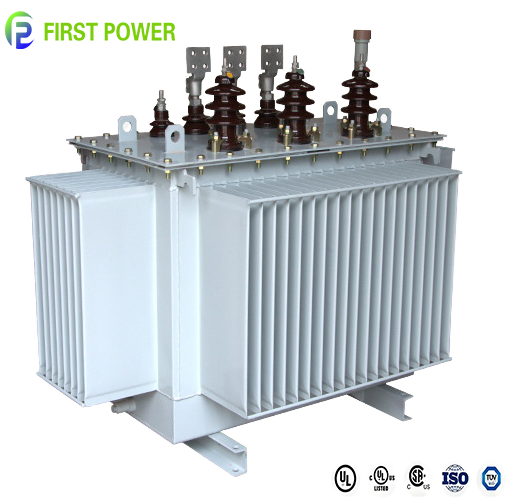
C CE 50/60HZ S11 10KV 15KV 20KV 35KV 100KVA 300KVA 500KVA 630KVA Three Phase Oil Transformer Price for Distribution System
A practical shortlist option for 10–35 kV distribution networks, commercial buildings, and utility feeders where low loss and routine-tested reliability matter.
View product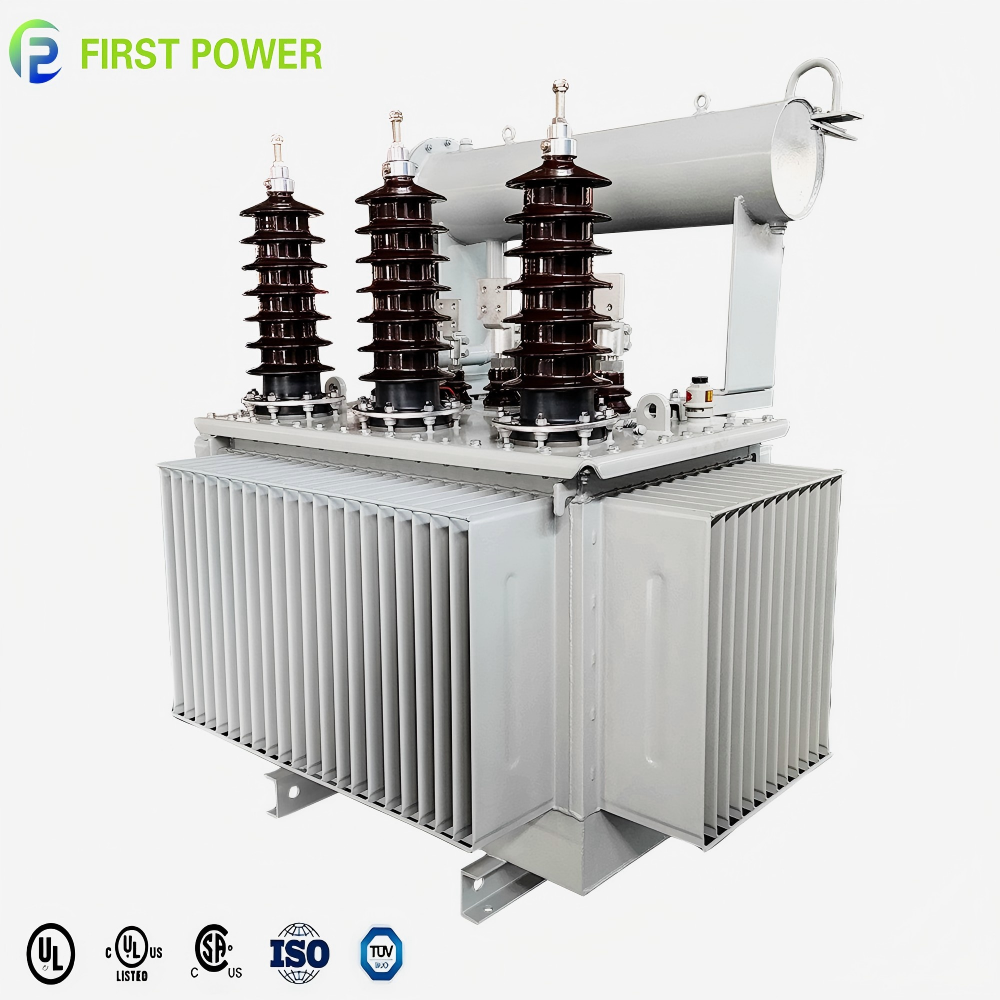
C CE Certification IEEE Standard 50/60HZ S11 Three Phase 33KV Oil Immersed Power High Voltage Transformer for Industrial
Designed for industrial power supply and 33 kV applications where IEEE-standard documentation, impedance control, and factory testing are central.
View product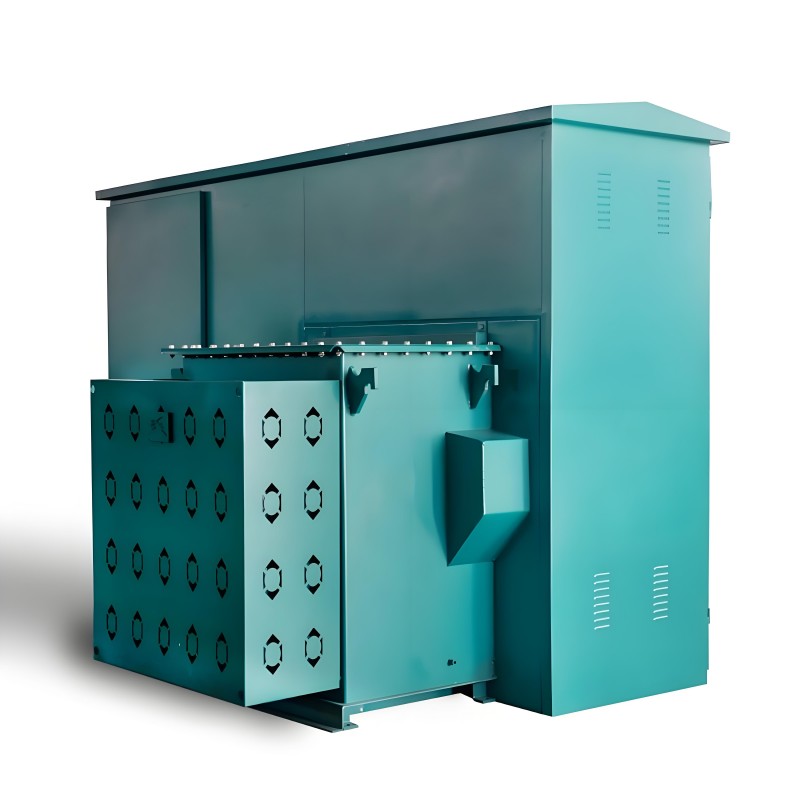
C Certified Oil-Type Cooper 75-2500kva Pad Mounted Transformer 6kv-34.5kv 50/60hz Dead Front Three Phases
A pad-mounted oil transformer family for underground distribution, loop-feed systems, commercial campuses, and residential developments.
View product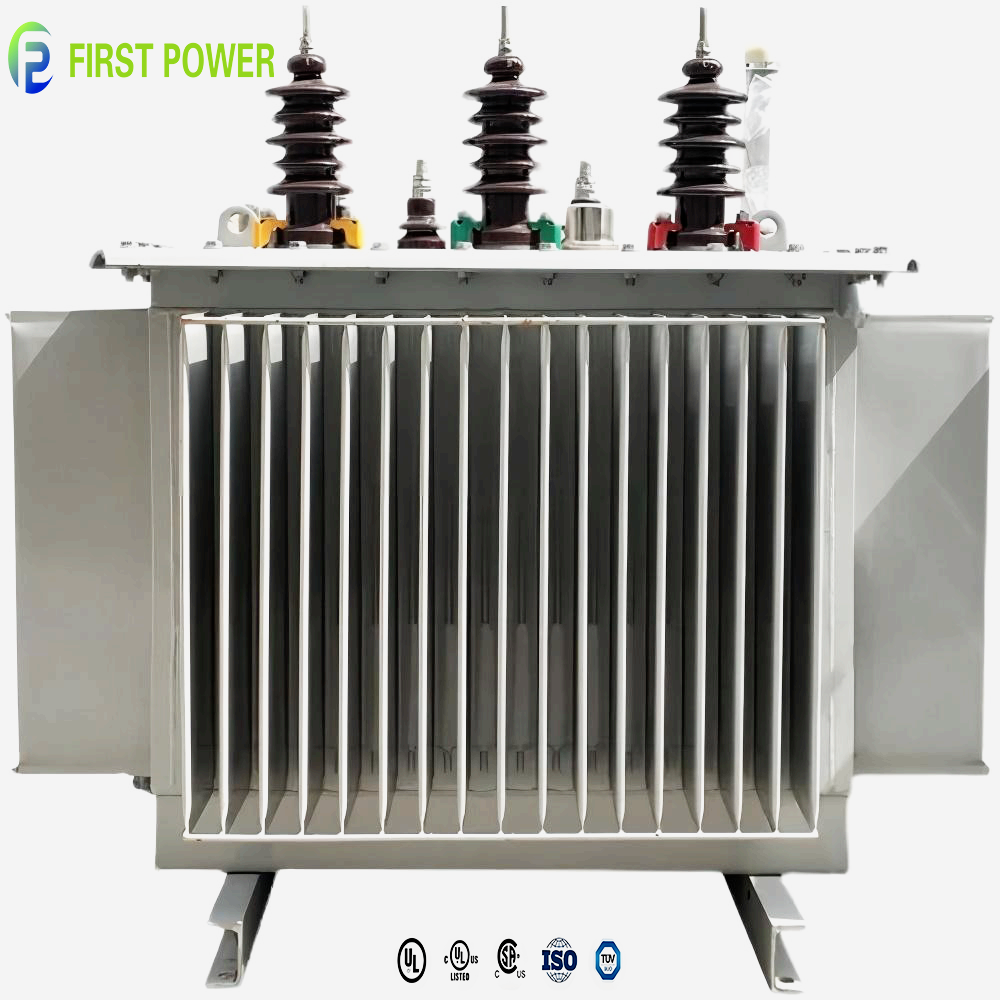
C Certification 60HZ S11 Three Phase 10KV 35KV 500 KVA 22KV/0.4KV 50HZ Electric Oil Immersed Transformer for Power Supplies
A fit for 60 Hz markets and power-supply projects requiring voltage flexibility, standard loss performance, and export-ready documentation.
View product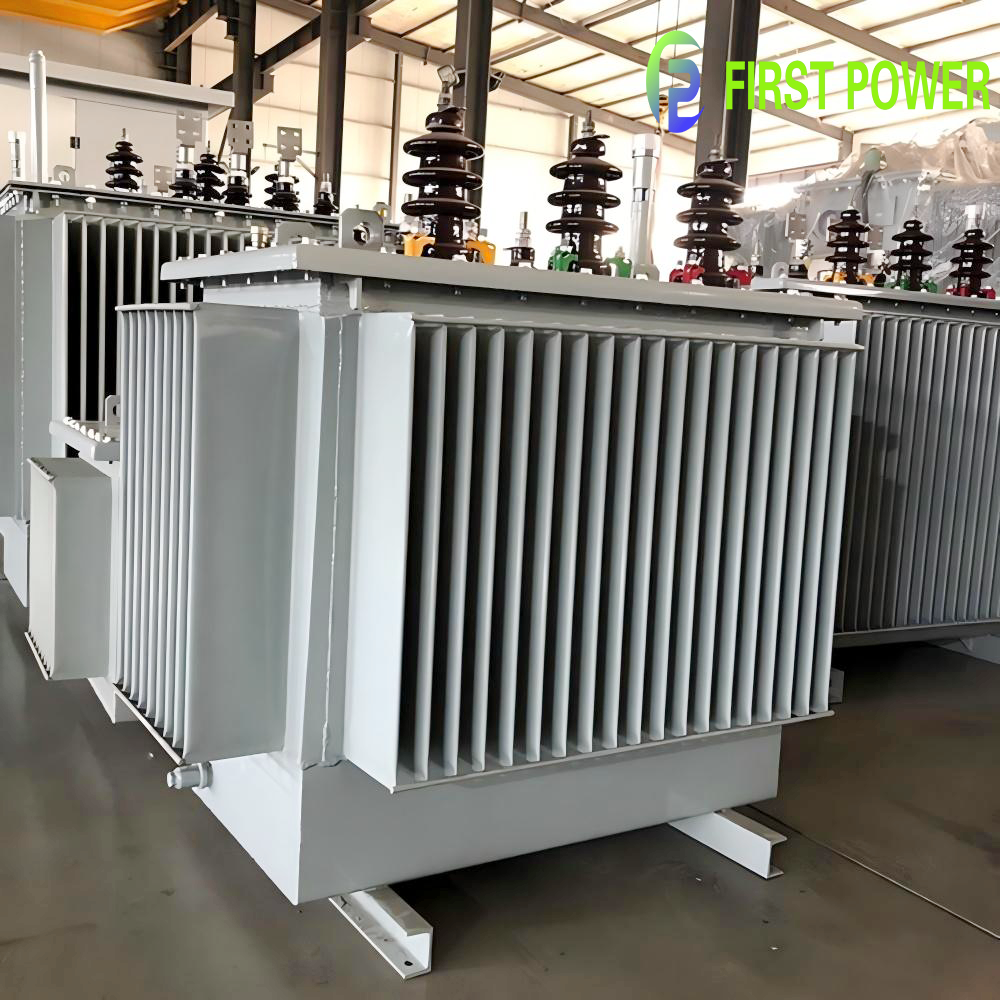
C CE MV&HV S11 50/60HZ 10KV 20KV 35KV Three Phase Oil Immersed 50KVA Transformer for Electric Power Distribution
A compact distribution transformer option for smaller loads, rural electrification, and projects requiring 10–35 kV primary voltage options.
View product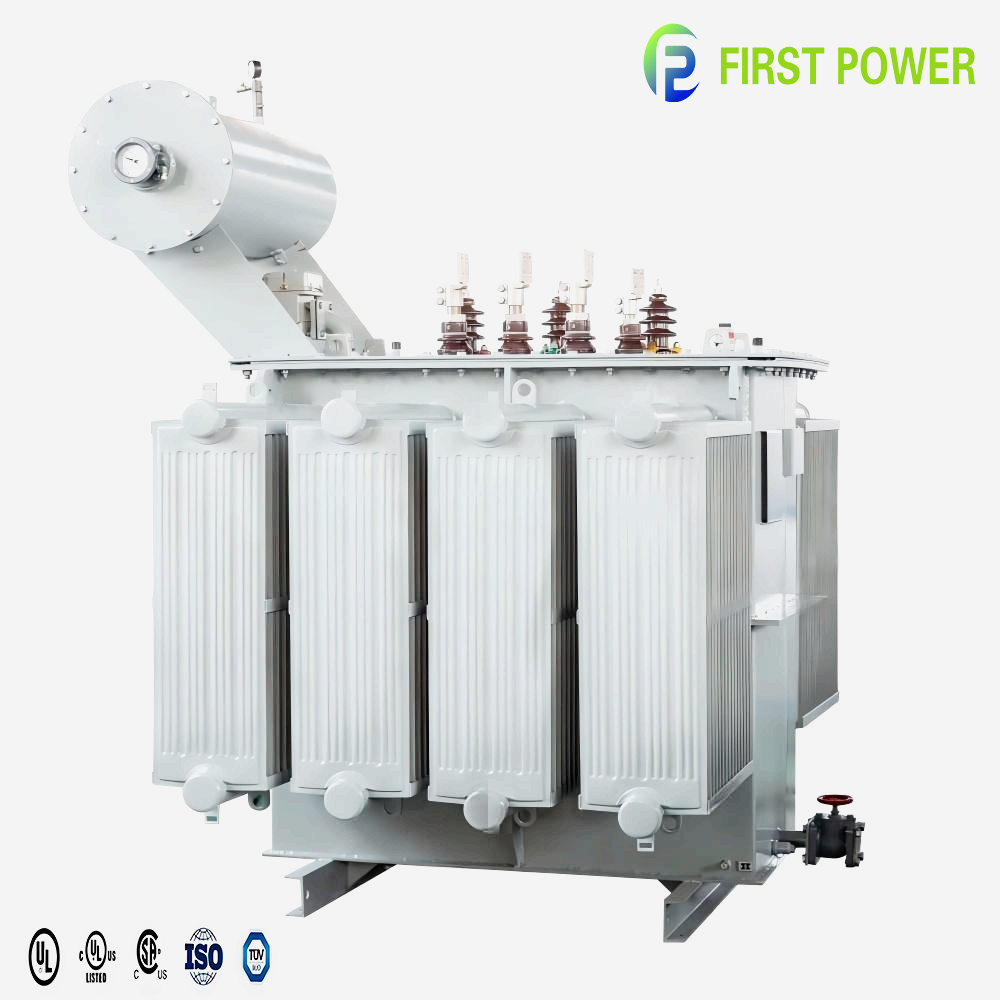
C Certification 50/60HZ 6KV 10KV 20KV 35KV Three Phase 1000KVA 1MW Solar PV Transformers Oil Immersed for Power Generation
A renewable-energy transformer option for solar farms and generation projects where 1 MW blocks, 6–35 kV collection systems, and thermal performance matter.
View product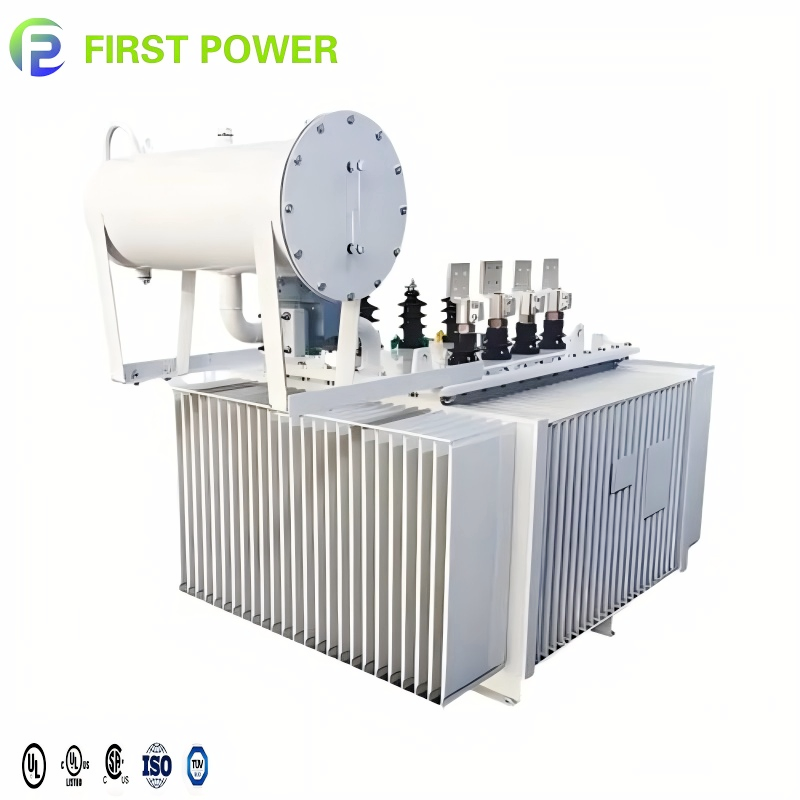
C CE 10KV 20KV 35KV 1000KVA 2000KVA 2500KVA 3 Phase Oil Type on Load Tap Changer Transformer for Industrial Power Supply
High-capacity industrial transformer solution with on-load tap changing, suitable for plants with fluctuating load profiles and voltage-control requirements.
View product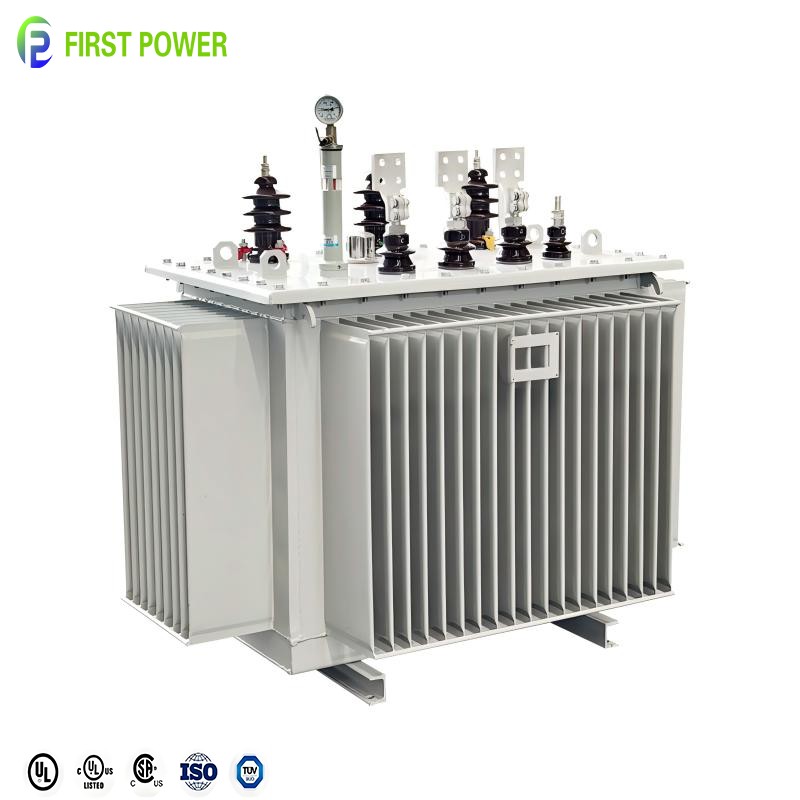
C CE 50/60HZ 100KVA 300KVA 500KVA 630KVA 1000KVA 10KV 20KV 35KV 3 Phase Oil Immersed Power Transformer for Power Supplies
A broad three-phase oil-immersed power transformer range for factories, commercial buildings, utilities, and project power-supply packages.
View productWhy the Top 10 Oil Cooled Transformer Factories Search Needs More Than a Price List
Buyers searching for an oil cooled transformer factory usually have five overlapping intents: find a manufacturer, verify standards, compare total cost of ownership, confirm lead time, and reduce technical risk. A useful factory shortlist must therefore answer engineering questions, not only display a catalogue.
What procurement teams actually compare
Experienced buyers do not award a contract on kVA price alone. They compare guaranteed losses, impedance tolerances, temperature rise, vector group, tap range, test reports, certification, packing method, and the factory’s ability to answer technical queries before the order. The strongest shortlist is the one that makes these differences visible.
What “factory” should mean in this niche
An oil-cooled transformer factory should control or verify core stacking, winding, drying, oil filling, tank fabrication, routine testing, and documentation. A trading office may quote quickly, but a factory-level partner can provide drawings, test data, material traceability, and third-party inspection support.
Eight Checks That Separate a Reliable Oil Transformer Factory from a Catalogue Seller
Use the same scorecard when you compare top 10 oil cooled transformer factories, request quotations, or audit a new supplier. A factory should be willing to prove each point with documents.
Engineering and Drawings
Look for GA drawings, nameplate drafts, loss calculations, vector group confirmation, and a technical contact who can answer design questions before purchase.
Standards and Certification
IEC 60076 and ANSI/IEEE C57.12 compliance should be matched by CE certificates, ISO management system records, and product-specific test reports.
In-House Testing
Routine tests should include winding resistance, ratio and vector group, impedance and load loss, no-load loss and current, applied voltage, induced voltage, and oil dielectric strength.
Loss and Efficiency Validation
For long-life utility and industrial assets, guaranteed loss values affect operating cost. Request test data against the quoted no-load and load-loss limits.
Material Traceability
Ask how the factory tracks CRGO or amorphous core steel, copper conductor, insulating oil, bushings, tap changers, and gaskets through production.
Customization and OLTC
Top factories adapt ratings, impedance, tap range, cooling method, enclosure colour, fluid type, protection accessories, and nameplate language to project requirements.
Export Packing and Logistics
Seaworthy packing, shock indicators, lifting points, oil preservation, and Incoterm flexibility reduce transit risk and installation delay.
After-Sales Response
Documentation, commissioning guidance, spare parts, and a qualified response within one working day matter more than a sales promise after shipment.
Top 10 Oil Cooled Transformer Factories & Factory Profiles to Benchmark
The ten profiles below reflect common factory capability patterns seen in international transformer procurement. The first profile, Jiangsu Wisegj Power Co., Ltd., is supported by verifiable certificate numbers and audited factory data in this article; the remaining nine are specialist factory types that should be validated against the same evidence checklist.
Jiangsu Wisegj Power Co., Ltd.
Integrated China-based supplier of oil-immersed, pad-mounted, dry-type and power transformers from 220 V to 500 kV, with 6,847 m² verified floorspace, 50+ engineers, CE certificates and ISO systems.
IEC Distribution Transformer Factory
Focuses on IEC 60076 distribution units, low loss, Dyn11 vector groups, and 6–35 kV networks for utilities and industrial plants.
ANSI/IEEE Pad-Mounted Factory
Specialises in dead-front, loop-feed, tamper-resistant pad-mounted transformers for North American and underground distribution projects.
Solar PV and Renewable Factory
Builds oil-cooled transformers for solar farms, wind collection systems, and inverter-based generation with elevated harmonic and thermal considerations.
High-Voltage Power Transformer Plant
Provides larger power transformers, ONAN/ONAF cooling, OLTC or NLTC designs, and substation-class testing for grid interconnection.
Industrial OLTC Transformer Factory
Serves steel, cement, mining, data centers and process plants needing voltage regulation, high load cycles, and customized protection.
High-Ambient Tropical Factory
Adapts cooling, insulation, anti-corrosion coating and enclosure design for hot, humid, coastal or desert installation conditions.
Compact Substation Integrator
Combines MV switchgear, oil transformer and LV distribution in a prefabricated enclosure for faster site commissioning.
Mining and Utility Mobile Factory
Supplies rugged oil-immersed units, skid or trailer configurations, and fast-maintenance designs for remote infrastructure.
ODM/OEM Export Factory
Offers private label, design-based customization, sample-based development, export packing and multi-currency trade terms for distributors.
Oil-Cooled Transformer Procurement Trends Reshaping Factory Selection
From 2025 onward, buyers are shifting from “lowest first price” to “verified lifecycle value.” These six trends should shape your supplier shortlist and RFQ questions.
Total Cost of Ownership Wins
Efficiency, no-load loss, load loss, maintenance access, and expected service life are now evaluated alongside the initial quote. Loss capitalization can change the ranking of two apparently similar factories.
Digital Test Packets
Buyers expect editable drawings, serial-number-linked routine test reports, oil test data, and inspection records before shipment. A factory that can share these quickly reduces approval risk.
Local Grid Code Flexibility
Projects increasingly need 50 Hz or 60 Hz designs, IEC or IEEE compliance, and voltage classes aligned to local utility practice. Factory flexibility matters more than a single standard catalogue.
Renewable and Data-Center Loads
Solar, wind, battery storage and data-center projects require attention to harmonic content, cyclic loading, high ambient temperature, and compact installation footprints.
Supply-Chain Resilience
Utilities and EPCs are securing longer-term agreements, booking production slots, and requesting material origin and lead-time transparency to protect project schedules.
Sustainability and Fire Safety
Natural ester fluids, recyclable materials, low-loss cores, and safer oil containment are moving from optional features to tender requirements in sensitive locations.
How Oil-Cooled Transformer Products Are Evolving
Transformer factories that invest in these design directions are usually better prepared for future utility, industrial and renewable tenders.
Low-Loss Core Technology
CRGO and amorphous core options continue to improve no-load loss performance. Buyers should ask for test evidence rather than relying on catalogue statements.
OLTC and Smart Voltage Control
On-load tap changers, motor-drive mechanisms, and remote monitoring help industrial plants and utilities maintain voltage quality under changing load.
Natural Ester and Fire-Sensitive Sites
For hospitals, tunnels, high-rise buildings and dense urban areas, natural ester fluids and enhanced containment can improve fire and environmental performance.
Digital Monitoring Interfaces
Temperature, dissolved gas, oil level, and tap-position signals are increasingly requested for condition-based maintenance and asset-management platforms.
Prefabricated and Compact Designs
Oil transformers are increasingly integrated into compact substations, reducing civil work, site labour, commissioning time and footprint.
Renewable-Ready Configurations
Solar and wind projects demand designs that tolerate cyclic loading, harmonics, high ambient conditions, and flexible MV collection voltages.
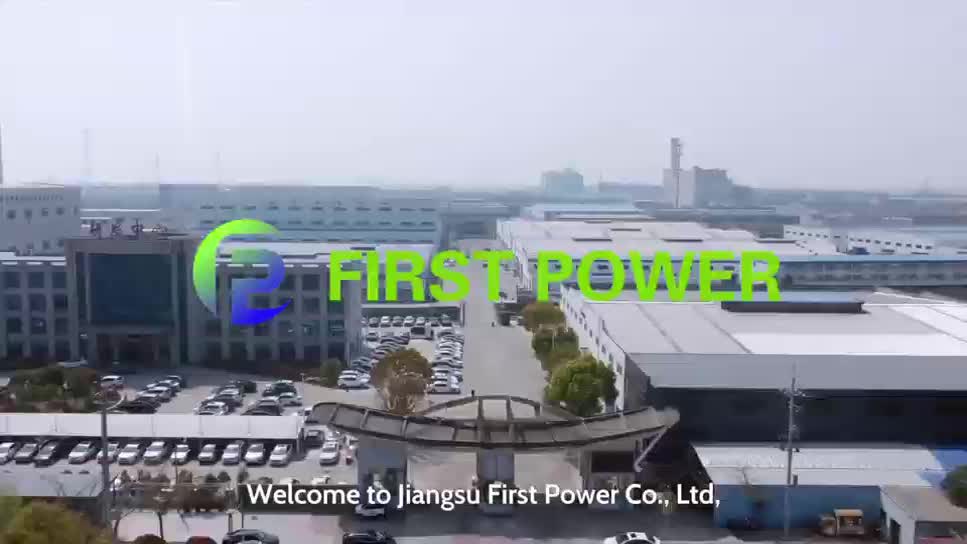
A Specialist Transformer Supplier Based in Suzhou, China
Jiangsu Wisegj Power Co., Ltd. designs, assembles and exports medium and high voltage equipment from 220 V up to 500 kV, including power transformers, distribution transformers, pad mounted transformers, dry type transformers, compact substations, switchgear, distribution boxes and voltage stabilizers. The company is a practical benchmark for buyers comparing oil cooled transformer factories because its capabilities, certificates and factory data can be verified.
Its engineering team brings more than 20 years of hands-on transformer experience. Every project is reviewed by engineers before quotation, produced under ISO 9001 quality control, and shipped with routine test reports. That workflow helps procurement teams receive equipment that matches the utility specification the first time.
Own Production Base
A 6,847 m² verified production floor supports winding, core assembly, drying, tanking, testing and export packing.
Full Industry Certificates
ISO 9001, ISO 14001, ISO 45001 and CE certificates are supported by TÜV Rheinland third-party verification.
50+ Engineers
R&D and technical support teams review drawings, losses, impedance, taps, cooling and documentation.
Fortune 500 Supplier
The export profile includes experience serving demanding industrial and utility supply chains.
OEM / ODM Customization
Ratings, vector groups, enclosure colour, fluid, bushings, nameplate language and packaging can be adapted.
24-Hour Response
Pre-sale and after-sale engineering questions are handled with a target response within one working day.
Finished Product Inspection
Routine tests are documented per serial number, and third-party witness inspection is welcomed.
211 Supply Partners
Qualified sourcing for silicon steel, copper, bushings and accessories supports stable lead times.
Verifiable Certificates for Oil-Cooled Transformer Factory Due Diligence
Published certificate numbers allow compliance teams to verify product scope and validity with issuing bodies instead of relying on unverifiable claims.
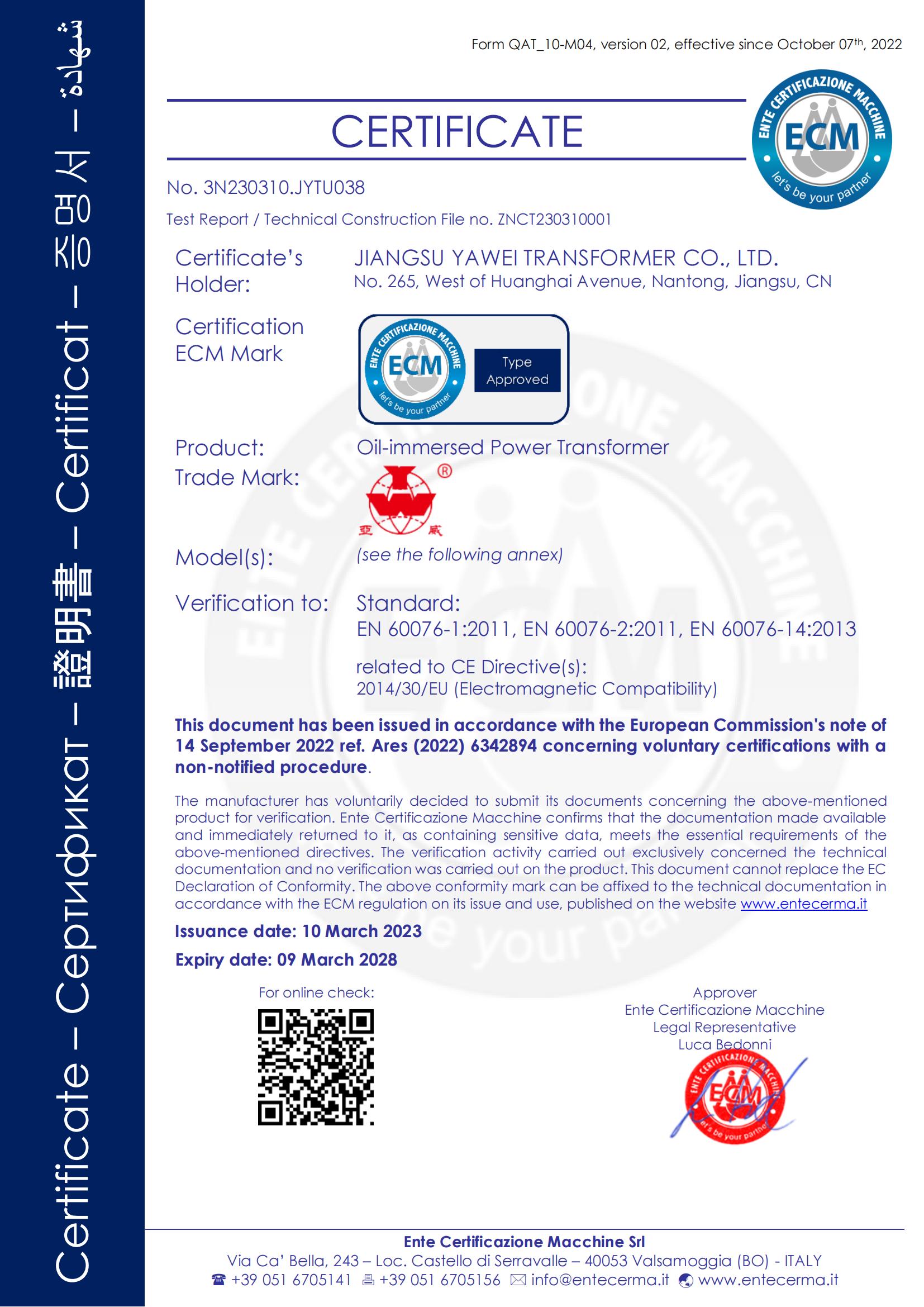
CE · Power Transformer
Oil-immersed power transformer · No. 3N230310.JYTU038 · 2023–2028
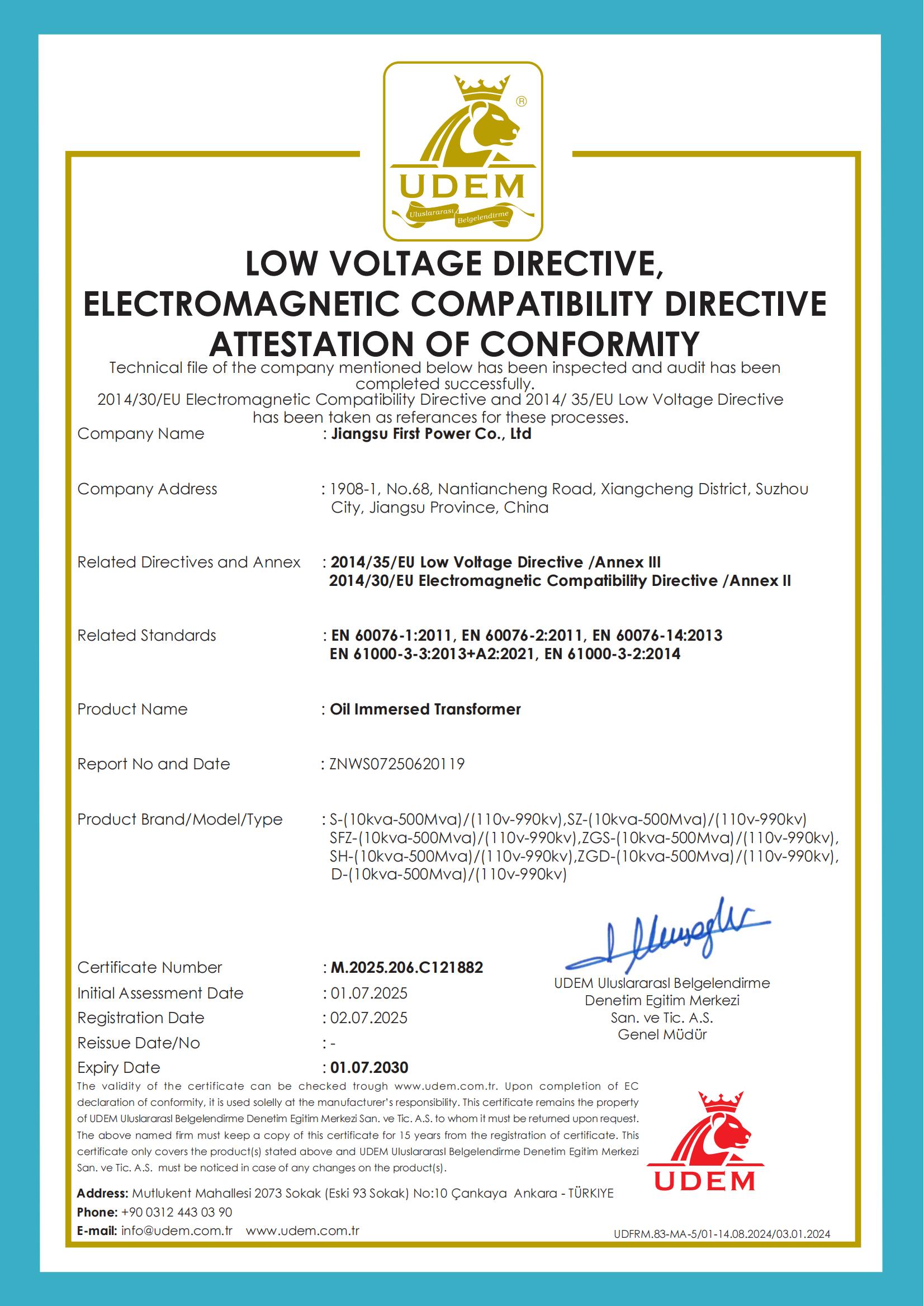
CE · Oil Immersed
Oil immersed transformer · No. M.2025.206.C121882 · 2025–2030
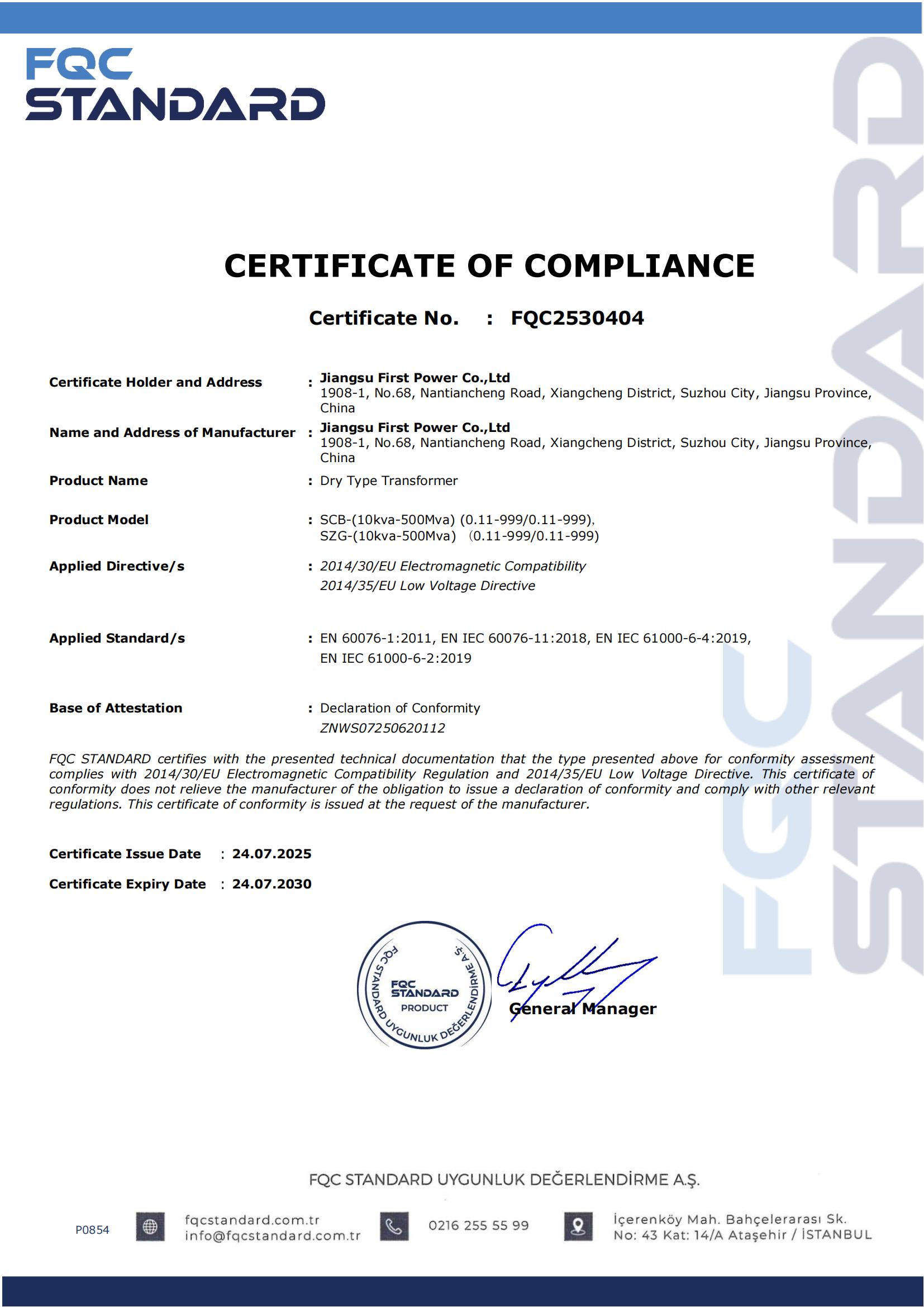
CE · Dry Type
Dry type transformer · No. FQC2530404 · 2025–2030
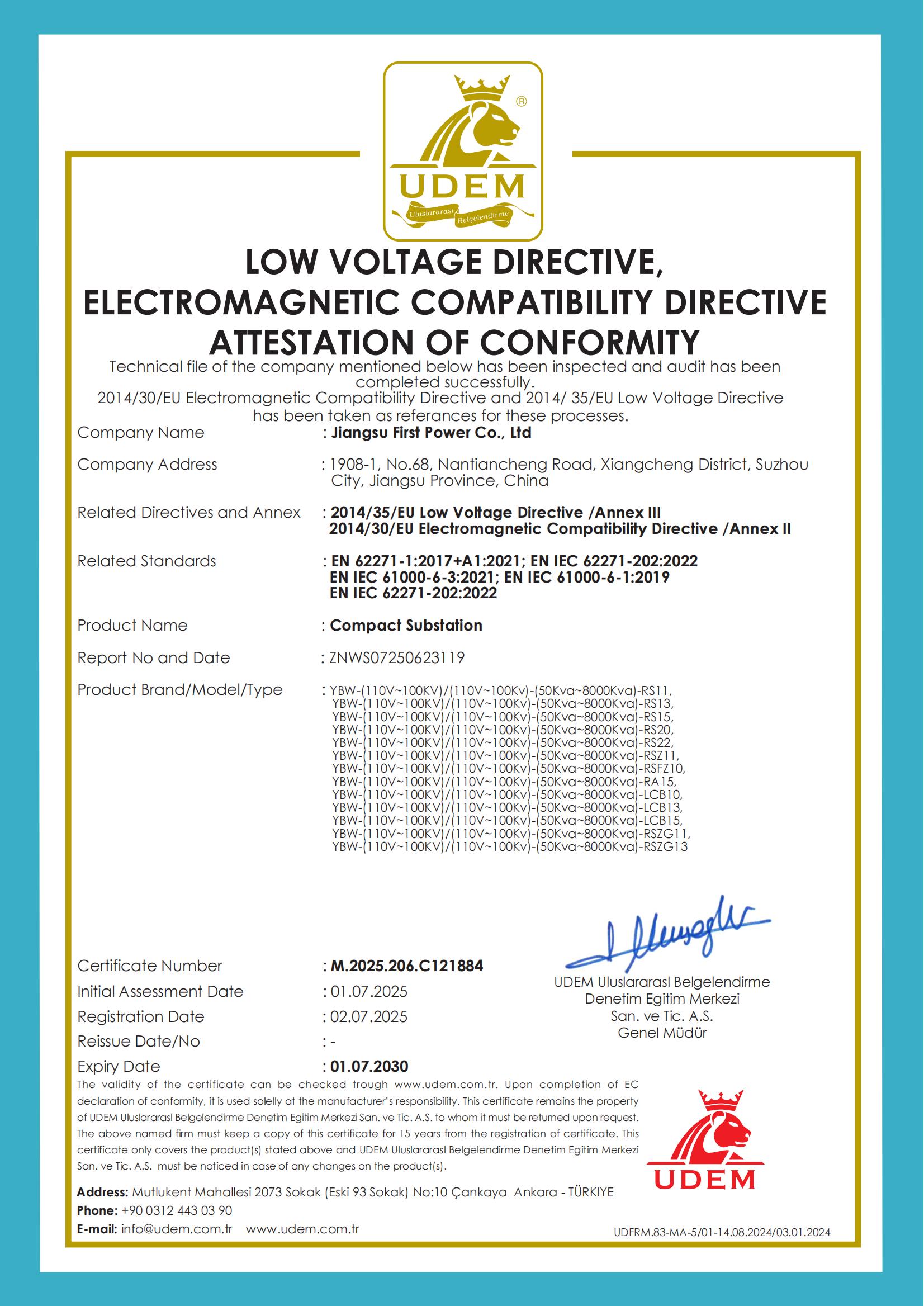
CE · Compact Substation
Compact substation · No. M.2025.206.C121884 · 2025–2030
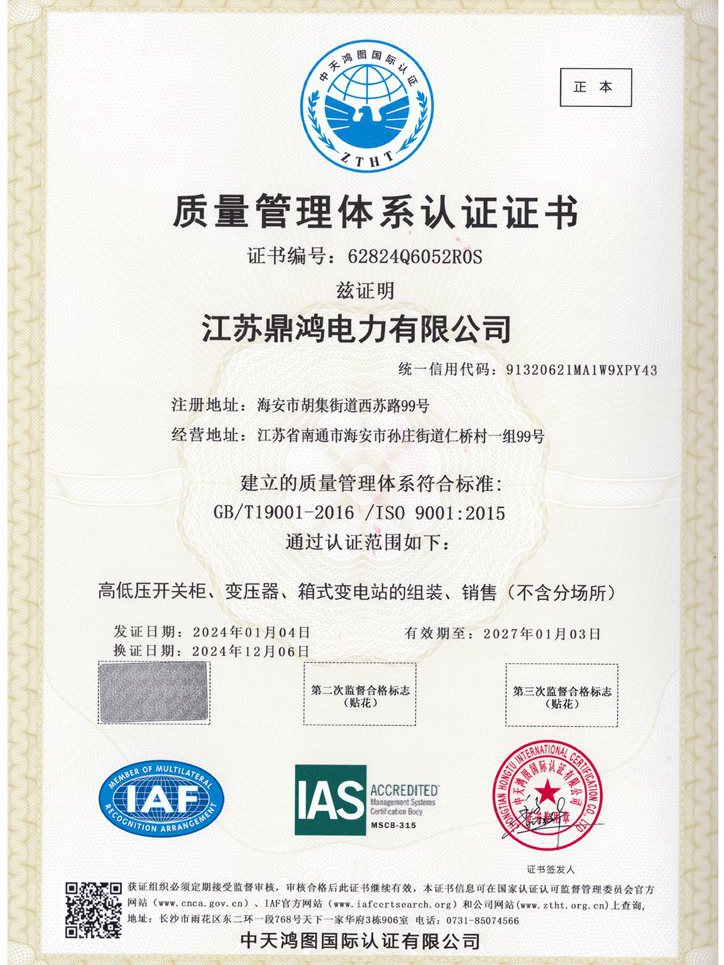
ISO 9001
Quality management system · No. 62824Q6052R0S · 2024–2027
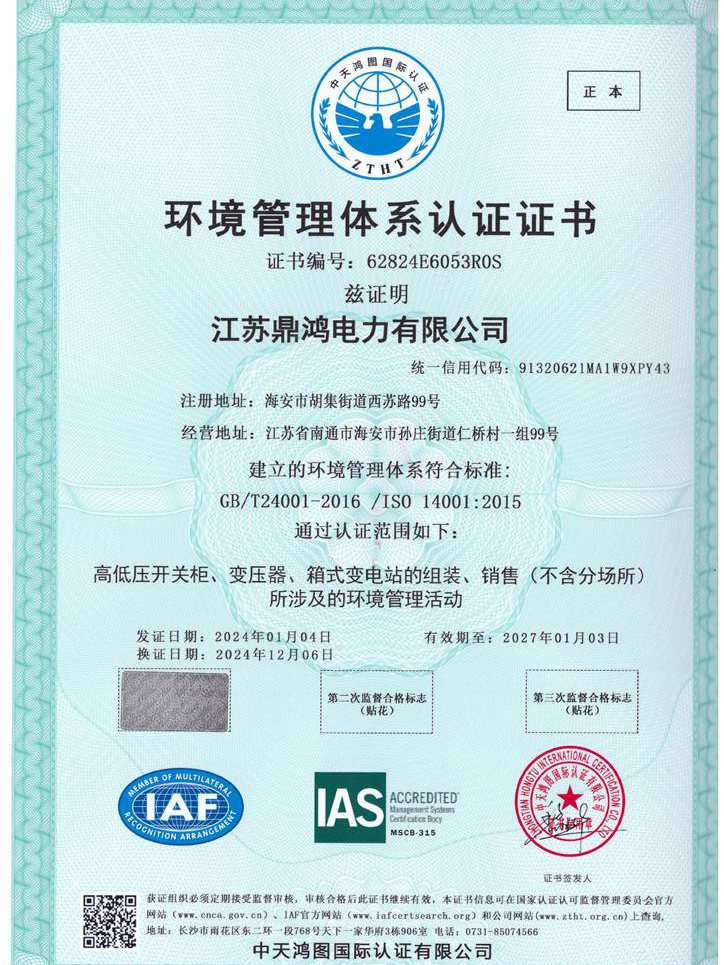
ISO 14001
Environmental management system · No. 62824E6053R0S · 2024–2027
Additional system coverage: ISO 45001 Occupational Health and Safety Management System, certificate No. 62824S6054R0S, valid 2024–2027.
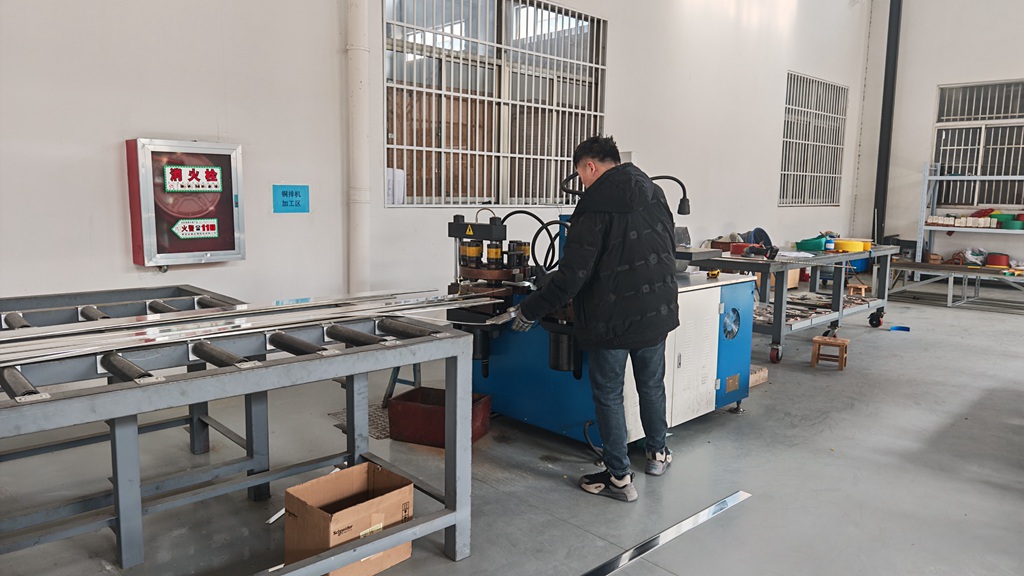
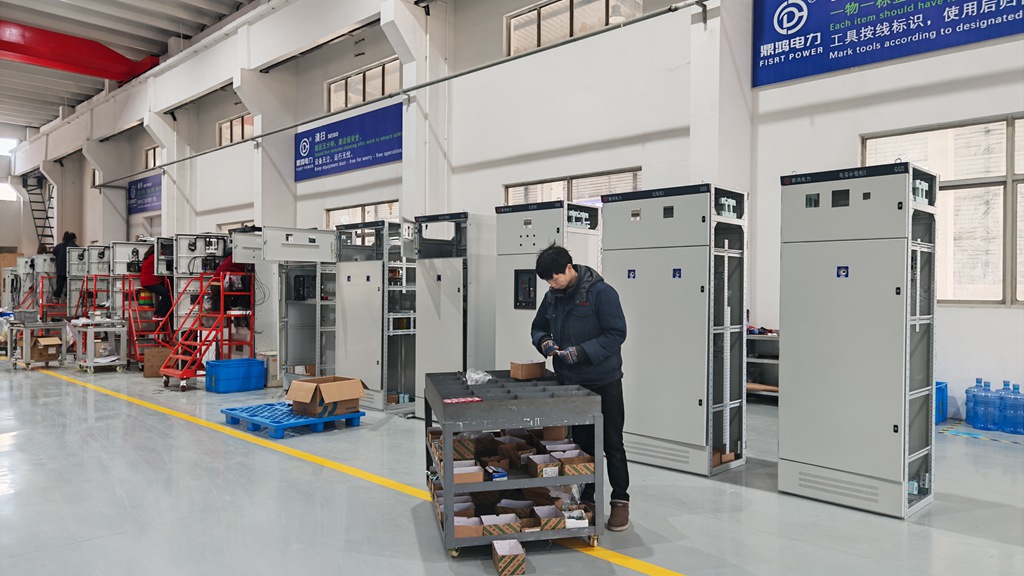
Inside the Factory: Process Controls That Support Better Procurement Decisions
Visual evidence helps a buyer understand whether the factory has the workflow to support drawings, production records, testing and export delivery.


How to Compare Oil-Cooled Transformer Types Before Shortlisting a Factory
Different transformer families solve different project problems. Match the application first, then compare factory evidence and total lifecycle cost.
| Transformer Family | Typical Rating | Installation and Application | Key Standards | Procurement Note |
|---|---|---|---|---|
| Three-Phase Oil-Immersed Distribution | 30–2,500 kVA, 6–35 kV | Utility distribution, factories, commercial buildings, mines | IEC 60076-1/-2/-3 | Confirm vector group, loss limits, tap range and corrosion class. |
| Pad-Mounted Oil Transformer | 45–5,000 kVA, up to 34.5 kV | Underground loops, campuses, solar farms, residential areas | IEEE C57.12.34 / C57.12.38 | Review dead-front configuration, fusing, loop feed and enclosure security. |
| Solar PV Oil Transformer | 500–2,500 kVA, 6–35 kV | Solar farms, inverter blocks, renewable generation | IEC 60076 / project grid code | Check harmonic loading, temperature rise, cyclic load, and MV collection voltage. |
| Industrial OLTC Transformer | 1,000–10,000 kVA class | Steel, cement, data centers, process plants | IEC 60076 / IEEE C57 | Confirm tap changer brand, control interface, protection and maintenance access. |
| High-Voltage Power Transformer | 35–500 kV class | Transmission, generation step-up, grid interconnection | IEC 60076 / IEEE C57.12.00 | Request guaranteed losses, impedance, cooling class, and third-party witness testing. |
| Compact Substation Integration | 100–2,500 kVA, 10–35 kV | Renewables, urban networks, temporary or fast-track projects | IEC 62271-202 | Check factory assembly, enclosure rating, ventilation, and site commissioning scope. |
Factory Award Weighting: a Practical Model
Illustrative weighting for early-stage factory comparison; adjust by project risk, utility requirements and expected asset life.
Questions to Send with Your RFQ
- Rated power, primary and secondary voltage, frequency and vector group.
- Impedance, tap range, cooling method, insulating fluid and altitude/ambient conditions.
- Applicable standard: IEC 60076, IEEE C57.12, or local utility specification.
- Required routine test reports, third-party inspection and documentation language.
- Packing method, shipping destination, Incoterm, and expected project schedule.
- Required certificates, nameplate data, and completion date for drawings.
Frequently Asked Questions About Oil-Cooled Transformer Factories
Direct answers for procurement teams comparing factories, products, standards, testing and delivery.
What is an oil-cooled transformer factory and how is it different from a trading company?
How can I verify that a factory is suitable for my project?
Which standards are commonly used for oil-cooled transformers?
Can transformers be customized for voltage, frequency and installation conditions?
Which tests should be performed before shipment?
What information is needed for an accurate quotation?
What are common trade terms and payment methods?
How should buyers compare prices from different oil transformer factories?
How long does production usually take?
How do I start an inquiry with an oil-cooled transformer manufacturer?
Ready to Compare Oil-Cooled Transformer Factory Quotes?
Send your datasheet, tender drawing, or project specification to an engineer rather than a generic sales inbox. Include rated power, voltages, frequency, vector group, standard, cooling, destination market and delivery target so the reply can cover technical compliance, test evidence and lead time in one round.