Eight Grid Transformer & Wholesale Configurations Buyers Request Most
These listings reflect common high-intent procurement paths: loop-feed pad mounted distribution, oil immersed power distribution, single-phase residential systems, dry type indoor distribution and compact transformer packages. Every product link below is preserved from the original catalogue so buyers can verify ratings, drawings and configuration details.
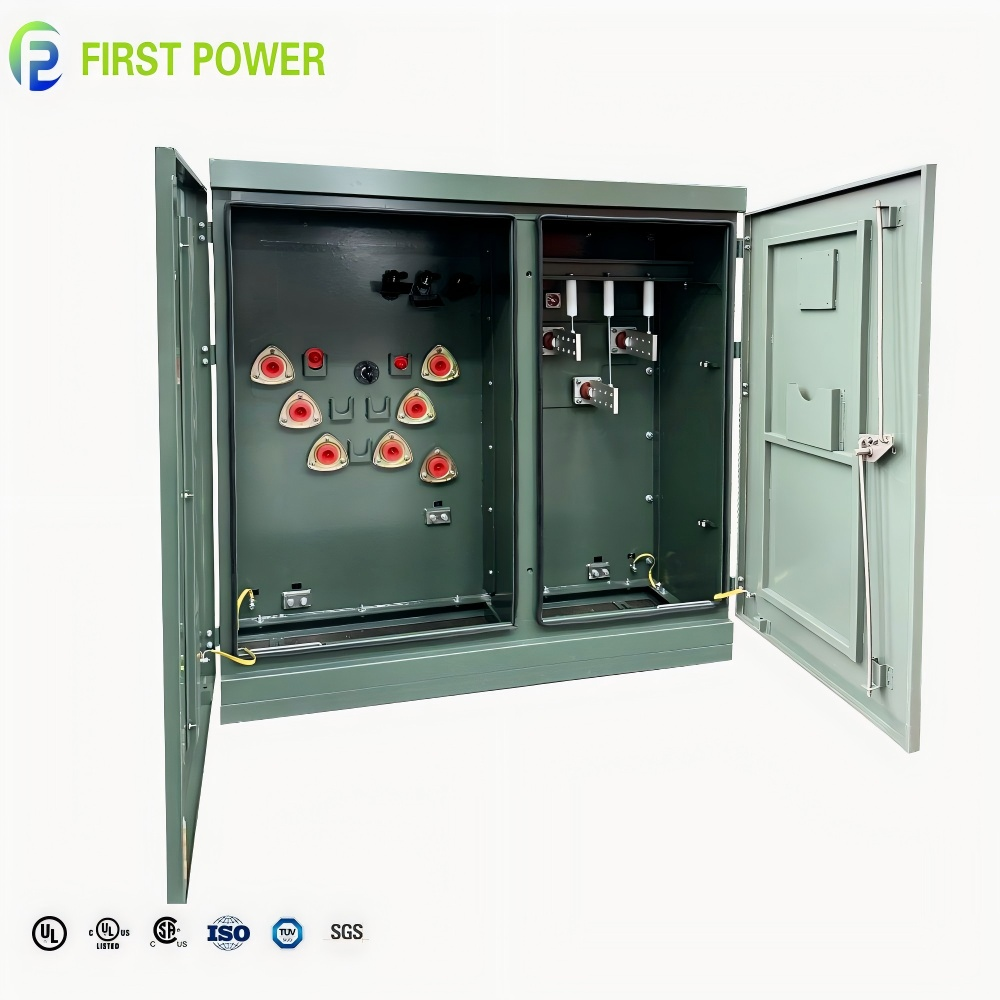
C CE Certification 50/60HZ 10KV 20KV 35KV 3 Phase Loop Feed Pad Mounted 750KVA Transformer for Electric Power Distribution
For underground commercial distribution, campus networks and renewable interconnections where tamper-resistant enclosures and loop-feed switching are required.
View product details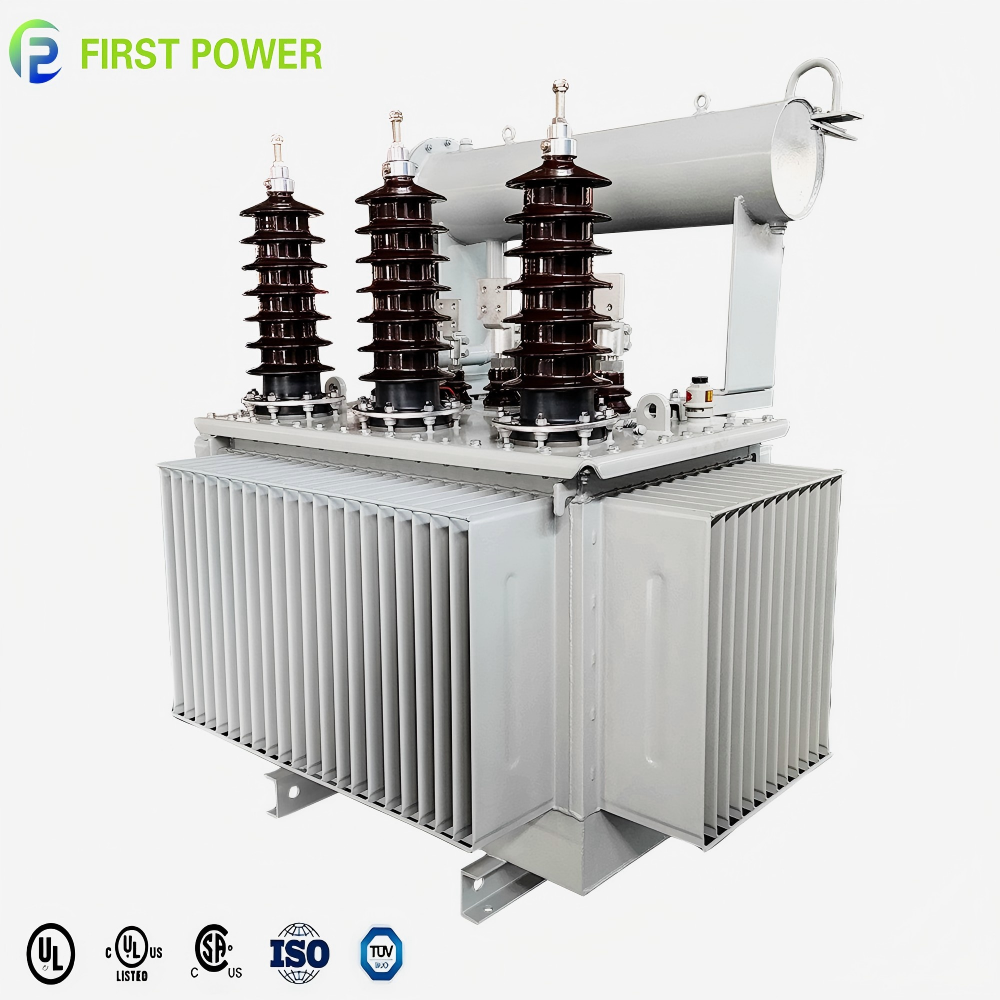
C CE Certification IEEE Standard 50/60HZ S11 Three Phase 33KV Oil Immersed Power High Voltage Transformer for Industrial
Industrial-grade oil immersed design for plants, substations and utility feeders that require IEEE-oriented documentation and low-loss operation.
View product details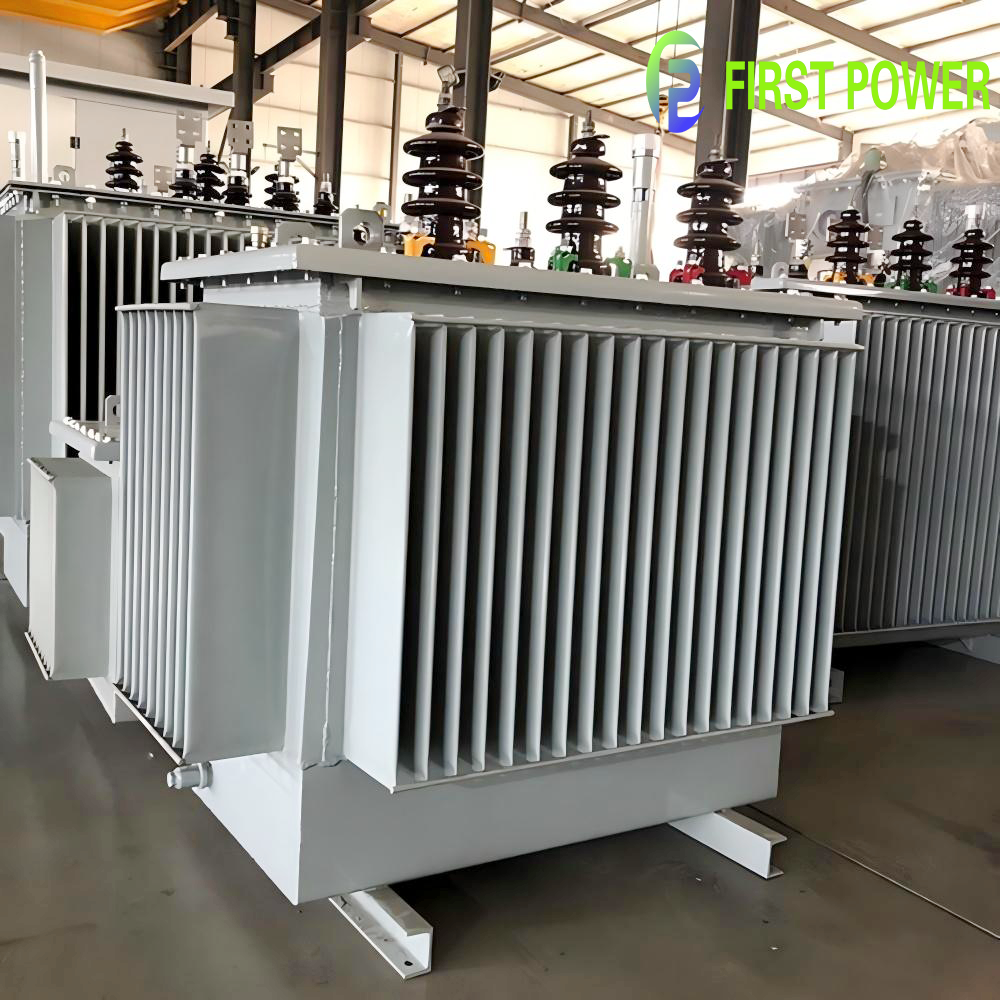
C CE MV&HV S11 50/60HZ 10KV 20KV 35KV Three Phase Oil Immersed 50KVA Transformer for Electric Power Distribution
Small-to-medium distribution transformer for public utilities, light industry and regional grid reinforcement programs with flexible MV input.
View product details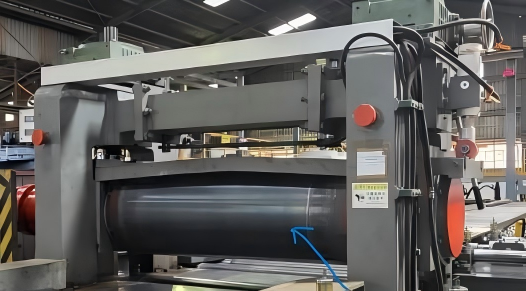
MAIN ROLLER D
An industrial main roller assembly listed for buyers consolidating transformer-plant MRO and fabricated equipment purchases. Confirm drawing, material and tolerance requirements before quotation.
View product details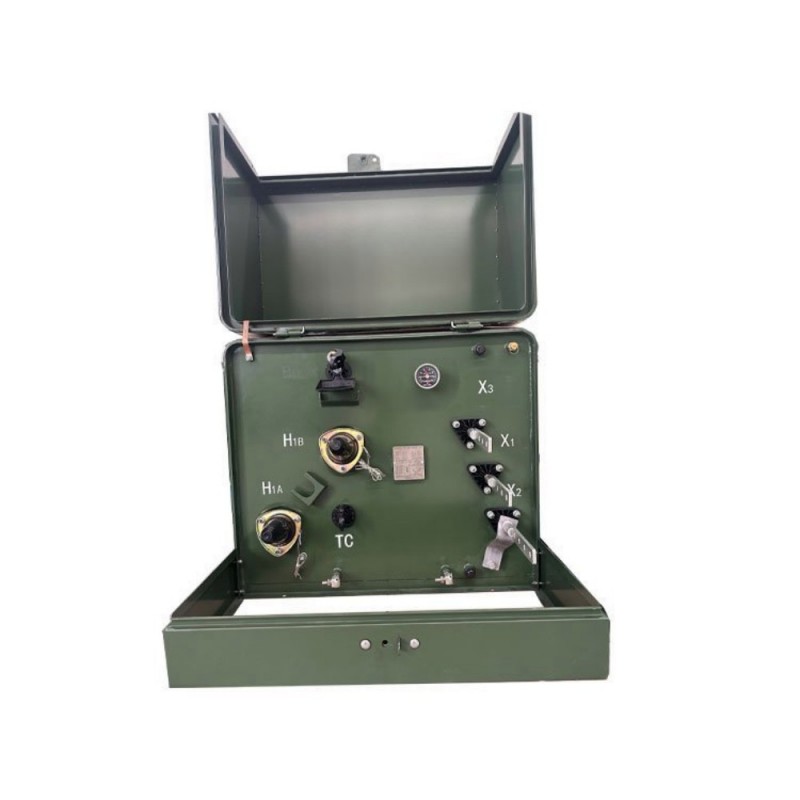
/C Certification 6KV 10KV 13KV 20KV 34.5KV 50/60HZ Oil Type Single Phase 75KVA Pad Mounted Transformers
Residential and light-commercial pad mounted solution for underground distribution projects where low profile and single-phase loading are preferred.
View product details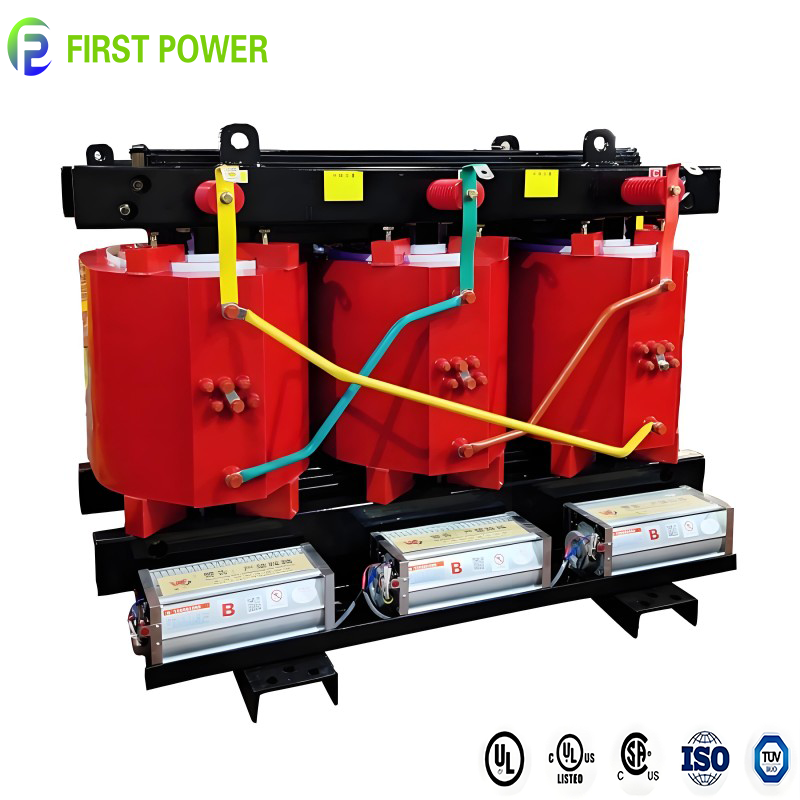
C CE Certification IEEE Standard 50/60HZ 5MVA 6MVA 6KV 35KV 3 Phase Dry Type Transformer for Electric Power Distribution
Oil-free transformer platform for indoor substations, hospitals, tunnels, commercial towers and fire-sensitive environments requiring clean installation.
View product details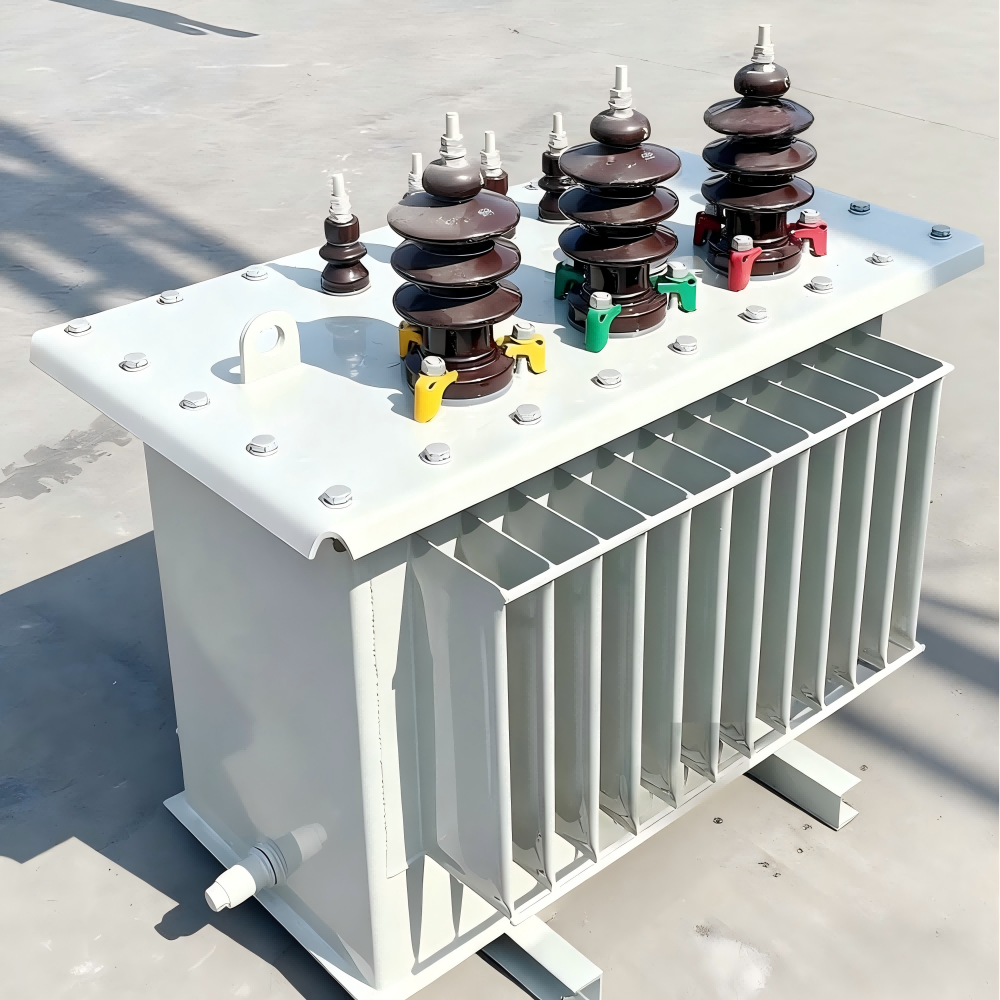
C CE MV&HV 30-31500KVA 6KV 10KV 15KV 20KV 35KV S11 Three Phase Oil Transformer for Electric Power Distribution
Broad-capacity oil transformer range for utility distribution, industrial power systems and project-based procurement with customized ratios and taps.
View product details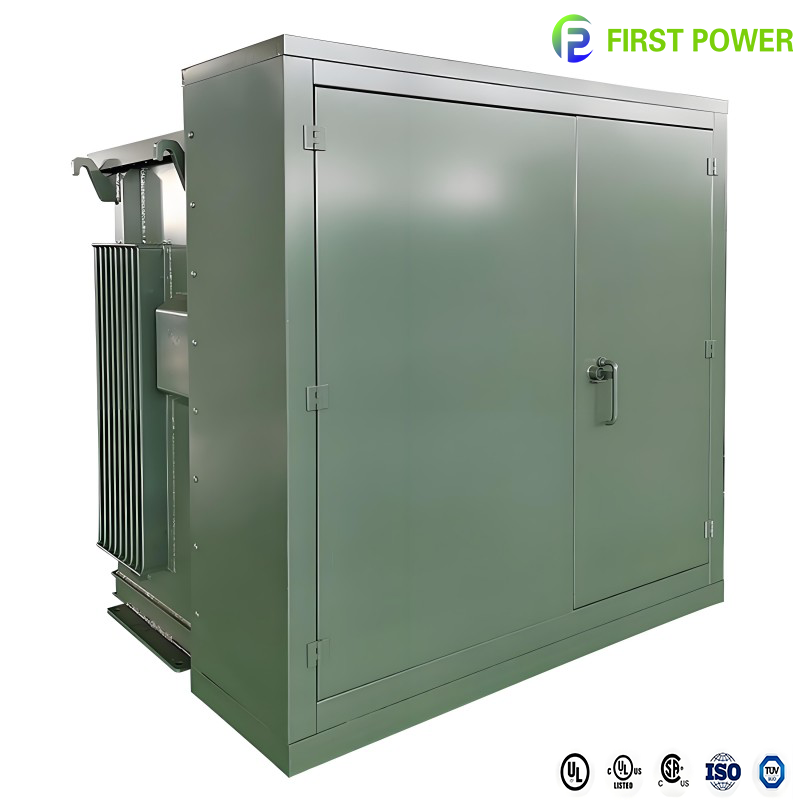
C CE MV&HV ZGS11 75-2500KVA 10KV 20KV 35KV Pad Mounted Three Phase Transformer for Electric Power Distribution
Prefabricated pad mounted distribution transformer for urban networks, industrial parks, renewable projects and fast deployment programs.
View product detailsWhat Separates a Qualified Grid Transformer Wholesaler from a Catalogue Reseller
Grid power transformers are high-capital, long-life assets. A credible manufacturer or wholesaler should be able to prove design capability, test evidence, documentation discipline, export packaging and after-sales responsiveness before an order is placed.
Top 10 Grid Power Transformer Manufacturers & Wholesaler: A Shortlist Methodology
The query “top 10 grid power transformer manufacturers and wholesaler” has strong commercial intent, but there is no universal ranking that fits every project. The right shortlist depends on voltage class, destination grid code, loss evaluation, delivery schedule, testing requirements and documentation standards. The ten lenses below are the ones our application engineers use when benchmarking a supplier against a live RFQ.
Grid-Code Fit
Check voltage ratio, vector group, impedance, tap range, frequency, BIL, altitude, ambient and enclosure class against the actual site and utility requirements.
Standards Coverage
Confirm whether the design follows IEC 60076, IEEE C57.12, local utility rules or a combined specification, and whether the nameplate and test plan match it.
Routine Test Evidence
Ask for winding resistance, ratio, vector group, no-load loss, load loss, impedance, applied voltage, induced voltage and oil dielectric test records.
Loss Capitalization
Evaluate total cost of ownership, not sticker price. No-load and load losses compound over decades and should be capitalized in the bid comparison.
Customization Depth
Verify ability to adjust bushings, protection, cooling, insulating fluid, corrosion class, cable boxes, nameplate language and third-party witness testing.
Lead-Time Certainty
Review verified floorspace, core and copper sourcing, production scheduling, inspection milestones and whether drawings are approved before material release.
Export Packaging
Seaworthy packing, shock indicators, moisture protection, lifting points and loading plans reduce transit damage and insurance disputes.
Documentation Quality
GA drawings, nameplate drafts, test reports, O&M manuals, packing lists and compliance certificates should be issued in clear English.
Commercial Flexibility
Evaluate Incoterms, payment methods, currencies, warranty terms, spare-parts support and responsiveness to tender-specific contract conditions.
Third-Party Verification
Prefer suppliers with audited factory capability, traceable certificate numbers, references and willingness to host buyer or third-party inspection.
Why Jiangsu Wisegj Power Co., Ltd. Belongs in a Qualified Vendor Pool
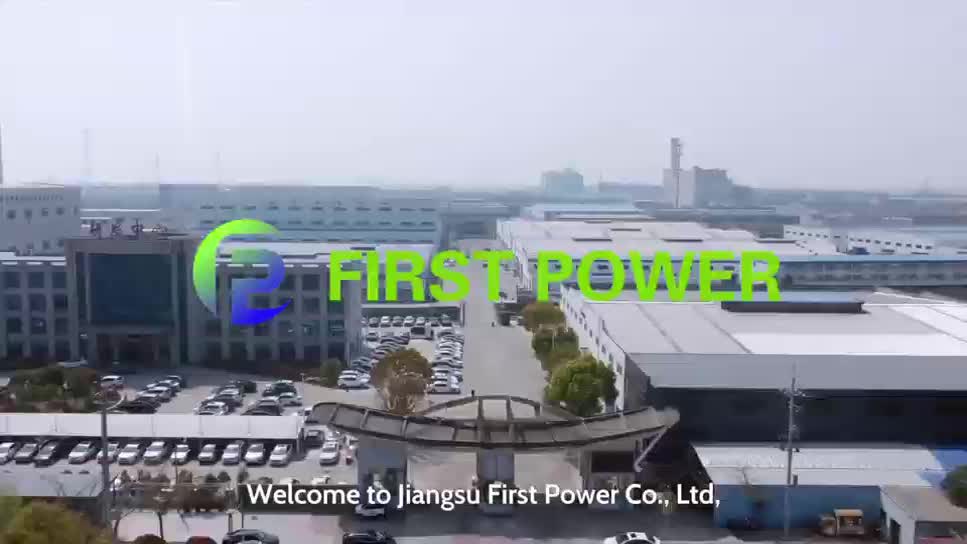
Jiangsu Wisegj Power Co., Ltd. is a Suzhou-based manufacturer and wholesaler of medium and high voltage power equipment, covering pad mounted transformers, oil immersed transformers, dry type transformers, power transformers, compact substations, switchgear, distribution boxes and related grid products. The product portfolio spans 220 V to 500 kV, allowing procurement teams to consolidate multiple equipment packages with one technically accountable supplier.
The company combines 20+ years of team experience, a verified production base, 50+ R&D and technical engineers, 211 qualified supply-chain partners and a 24-hour pre-sale and after-sale response workflow. For buyers, that means fewer clarification loops, faster drawing review and a clearer route from specification to routine-tested equipment.
- ISO 9001, ISO 14001 and ISO 45001 management systems
- CE certificates for oil immersed, dry type and compact substation lines
- Production capability verified onsite by TÜV Rheinland
- OEM, ODM, design-based and sample-based customization
- Finished-product inspection and routine test reports per unit
- Supplier experience with Fortune 500 companies and export projects

Audit-ready evidence: ISO certificate numbers, CE certificate numbers, factory inspection details and test documentation can be shared with your QA team before purchase.
For procurement teams, the practical advantage is not simply a price list. It is the ability to receive a specification review, drawing package, compliant bill of materials, test plan and export packing plan in one controlled workflow. That is the difference between buying a transformer and securing a grid asset that can be commissioned, inspected and maintained with confidence.
Transformer Product Trends Shaping the Next Grid Generation
Transformer development is being driven by renewable integration, efficiency regulation, fire safety, digital monitoring and climate resilience. These trends should be discussed at the specification stage, because they affect losses, footprint, cooling, protection, documentation and long-term maintenance cost.
High-Efficiency Cores and Low-Loss Designs
Low-loss CRGO, amorphous cores, step-lap core construction and optimized winding geometry are increasingly specified to reduce no-load and load losses over a 25–40 year service life.
Renewable-Ready and Inverter-Duty Service
Solar, wind, storage and data-center projects require transformers that handle harmonics, cyclic loading, bi-directional power flow and high ambient conditions without compromising reliability.
Dry Type and Fire-Safe Insulation
Cast resin dry type transformers and natural ester fluids are gaining ground in hospitals, tunnels, high-rise buildings, marine environments and urban substations where fire risk must be minimized.
Digital Monitoring and Condition Data
Temperature sensors, partial-discharge monitoring, dissolved-gas analysis interfaces and digital nameplates help asset teams move from reactive maintenance to condition-based planning.
Compact Substations and Modular Packages
Factory-assembled substations combine MV switchgear, transformer and LV distribution in one enclosure, reducing site civil work, commissioning time and interface risk for EPC projects.
Climate-Resilient and Corrosion-Resistant Design
High-ambient cooling, coastal corrosion protection, seismic detailing, altitude correction and vermin-resistant enclosures are becoming standard requirements in many export markets.
How Grid Power Transformer Procurement Is Changing
Buyers are moving away from lowest-price purchasing toward evidence-based supplier qualification. The most competitive RFQs now compare total owning cost, test transparency, delivery certainty and documentation quality alongside the transformer nameplate.
Total Cost of Ownership Becomes the Default
Loss capitalization, maintenance access, spare-parts availability and outage risk are increasingly included in bid evaluation, especially for utility and data-center projects.
Dual Qualification and Localized Supply
EPCs are qualifying more than one factory and requesting localized documentation, spare-parts plans and regional service support to reduce single-source exposure.
Witness Testing and Remote Audits
Buyers increasingly require third-party witness testing, photo and video inspection records, digital test reports and factory audit documentation before shipment release.
Digital RFQ Data and Traceability
Structured technical data, serial-number traceability and digital O&M manuals reduce commissioning delays and improve long-term asset management.
Illustrative Buyer-Weighting Model
This visual is an illustrative qualification model, not a market statistic. It shows how many procurement teams now balance technical and commercial factors during shortlisting.
How to Choose the Right Transformer Type for a Grid Project
Use this comparison as a starting point, then confirm final ratings, losses, impedance, cooling, protection and testing with an application engineer. Ratings outside the typical ranges can usually be engineered on request.
| Transformer Family | Typical Rating | Installation Context | Best Application | Procurement Check |
|---|---|---|---|---|
| Three Phase Pad Mounted | 45–5,000 kVA, up to 34.5 kV | Outdoor ground pad, underground cable feed | Commercial sites, solar farms, data centers, campuses | Loop/radial feed, dead-front compartments, IEEE C57.12.34 |
| Single Phase Pad Mounted | 10–250 kVA | Residential easements and underground loops | Housing developments, rural underground distribution | Secondary voltage, fuse configuration, tamper resistance |
| Oil Immersed Distribution | 30–2,500 kVA, 6–35 kV | Outdoor platform, pole or substation | Utility distribution, industrial plants, mines | Loss limits, vector group, tank finish, oil type |
| Dry Type Distribution | 30–2,500 kVA, up to 35 kV | Indoor, close to load | Hospitals, high-rises, tunnels, fire-sensitive areas | Insulation class, IP rating, temperature rise, fan cooling |
| Power Transformer | 35–500 kV class | Outdoor substation | Transmission, generation step-up, grid interconnection | Impedance, OLTC/NLTC, cooling, short-circuit withstand |
| Compact Substation | 100–2,500 kVA, 10–35 kV | Prefabricated outdoor enclosure | Renewables, urban networks, fast-track projects | Switchgear interface, enclosure class, protection coordination |
For a faster quotation, provide rated power, primary and secondary voltage, frequency, vector group, impedance, tap range, cooling method, insulating fluid, site altitude, ambient temperature, applicable standard and loss target. Our application team can then return a compliant design and test plan. Review the company profile or request the current catalogue.
Production, Testing and Export Controls That Reduce Procurement Risk
The strongest supplier is the one that can prove what happens after the PO is issued. From drawing approval to routine testing and export packing, each stage should generate records your QA team can review.

Assembly workshop: controlled production flow for core, coil, tanking and accessory installation.

Testing laboratory: routine electrical tests, dielectric checks and documentable test reports.
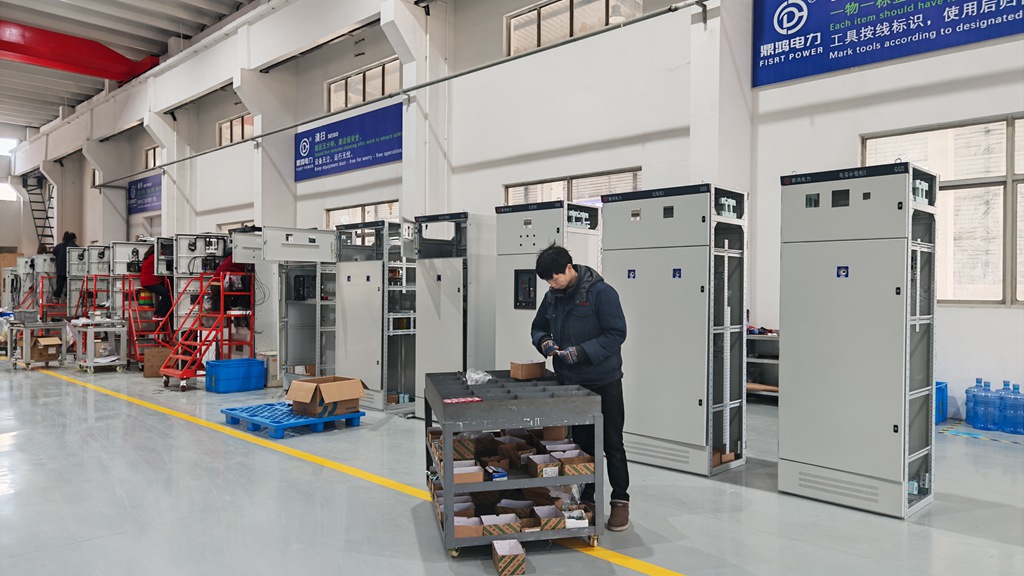
Export packing: seaworthy protection, handling marks and loading preparation for international delivery.
For compliance teams, Jiangsu Wisegj Power maintains ISO 9001 (Certificate No. 62824Q6052R0S), ISO 14001 (No. 62824E6053R0S) and ISO 45001 (No. 62824S6054R0S). CE documentation includes oil-immersed power transformer certificate No. 3N230310.JYTU038, dry type transformer certificate No. FQC2530404 and compact substation certificate No. M.2025.206.C121884. Product-specific certificates should always be checked against the exact model and destination market before ordering.
Third-party inspection is welcome. Buyers can request witness testing, pre-shipment photographs, packing checks and document review. For projects in North America, Europe, the Middle East, Africa, Southeast Asia and South America, the company supports FOB, CFR, CIF, EXW, FCA, CIP, CPT and DDP terms, with payment options including T/T, L/C, D/P and D/A subject to contract. This commercial flexibility is useful for EPCs that need to align transformer delivery with civil works, switchgear arrival and commissioning schedules.
Grid Power Transformer Buying Questions Procurement Teams Ask
These are the practical questions that determine whether a quotation is truly comparable. Ask every shortlisted manufacturer or wholesaler to answer them in writing.
What does “grid power transformer” include in this buying guide?
How do I choose between oil immersed and dry type transformers?
Which standards should a transformer quotation reference?
Which factory tests should be performed before shipment?
Can transformers be customized for my project specification?
What is a realistic lead time for grid power transformers?
How can I verify certificates and factory capability?
What commercial terms are common for transformer wholesale orders?
Have a Transformer Specification or Tender Ready for Review?
Share your datasheet, single-line diagram, site conditions or tender documents. Jiangsu Wisegj Power can review the requirement, recommend the most suitable pad mounted, oil immersed, dry type, power transformer or compact substation configuration, and prepare a catalogue-based quotation for your procurement team.