Eight Transformer Lines for Custom Procurement
For buyers comparing a custom OEM energy-efficient transformer manufacturer and factory, the most useful shortlist is not a catalogue page—it is a set of platforms that can be engineered around a real load profile. The eight products below cover pad-mounted distribution, single-phase distribution, oil-immersed power transformers and large S11 platforms with CE certification, IEC/IEEE design logic and factory routine testing.
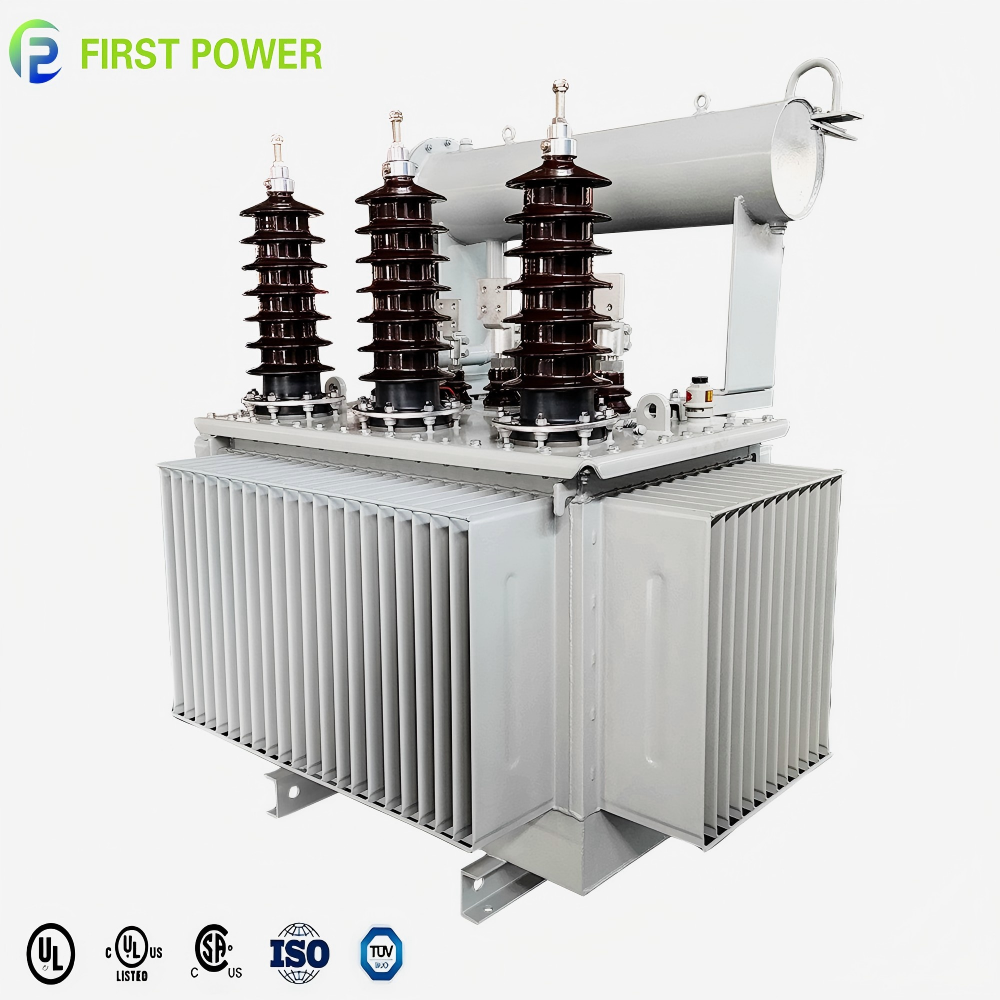
CE IEEE 33kV S11 Three-Phase Oil-Immersed Power Transformer
An IEEE-style oil-immersed platform for industrial substations and utility interconnection. Recommended when the tender requires 33kV class insulation, low-loss S11 performance, custom vector group and documented CE/IEEE compliance.
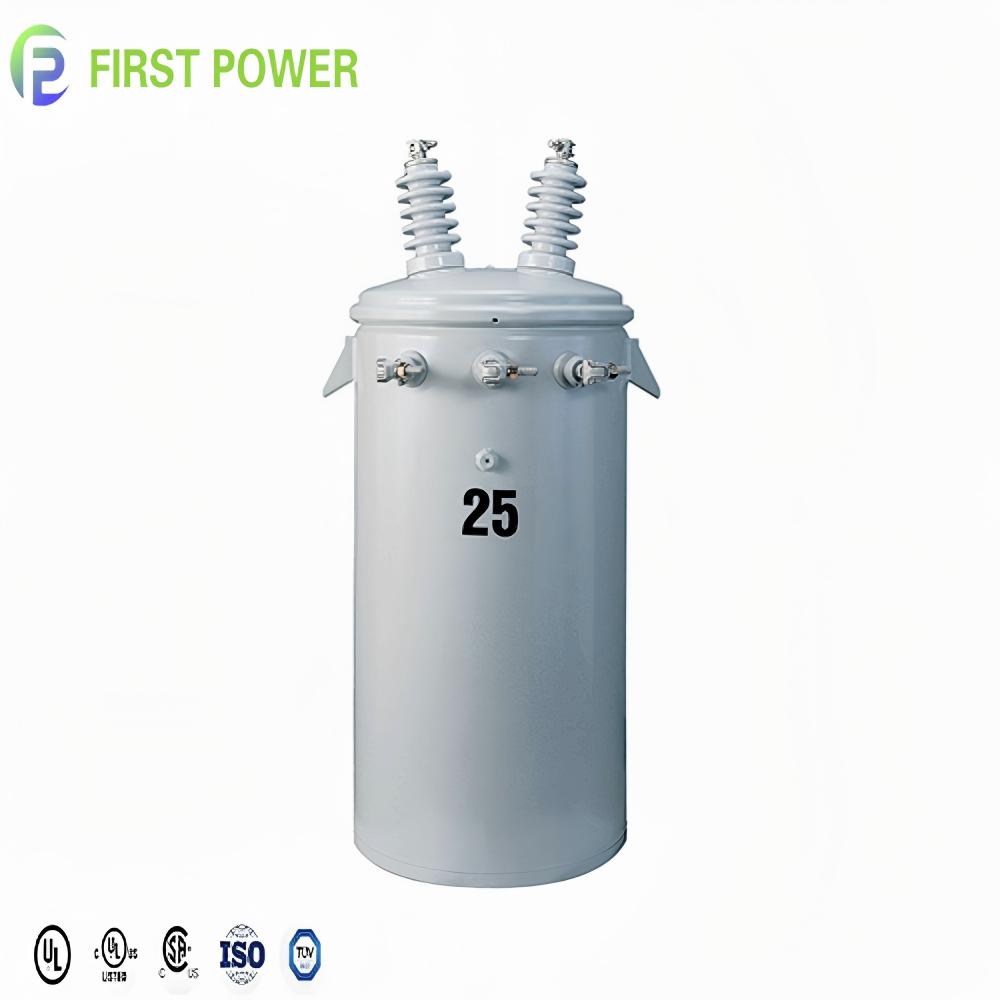
CE Certified MV/HV Single-Phase Transformer for Power Distribution
Designed for 6–35kV distribution projects, rural electrification and OEM programmes requiring flexible ratios and export-ready CE documentation. A practical option where single-phase loads must be served from medium-voltage networks.
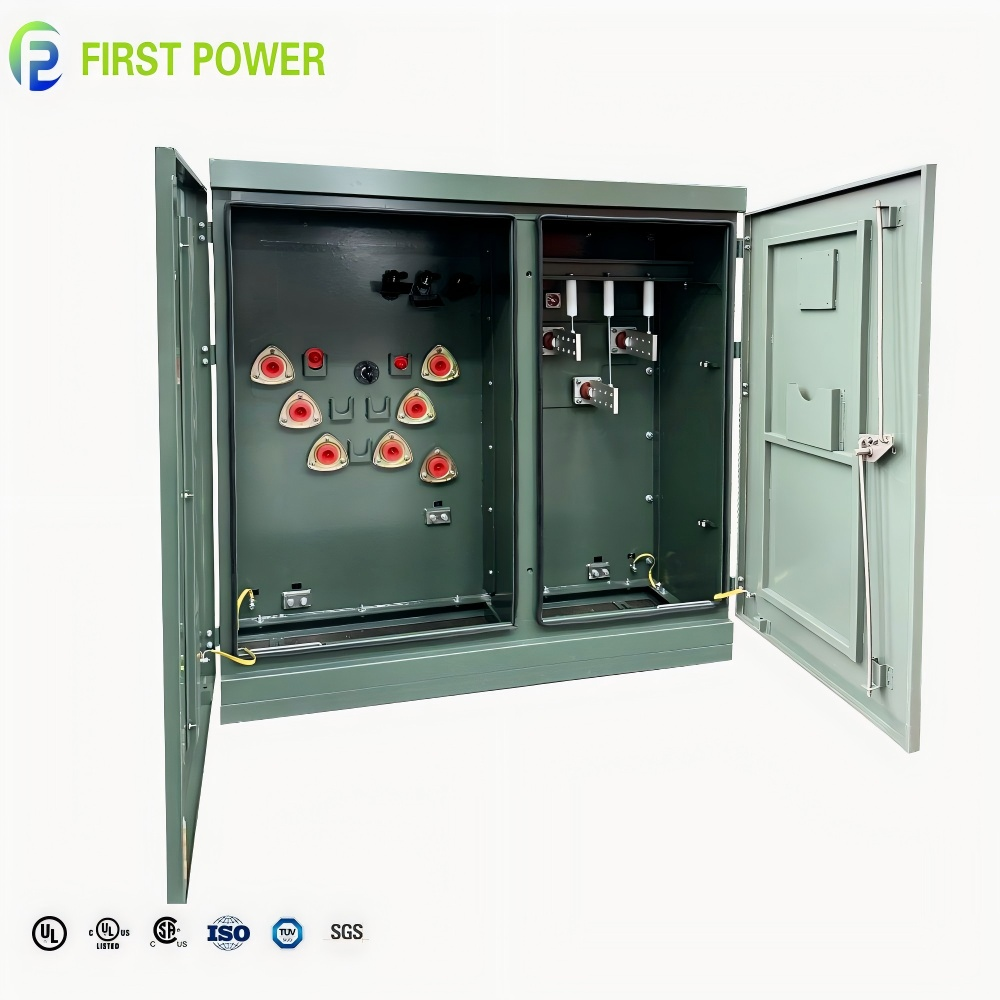
CE 750kVA 10–35kV Three-Phase Loop-Feed Pad-Mounted Transformer
A loop-feed pad-mounted design for underground commercial and utility networks. Strong fit for projects specifying tamper-resistant enclosures, dead-front accessories, compact footprints and 10–35kV three-phase distribution.
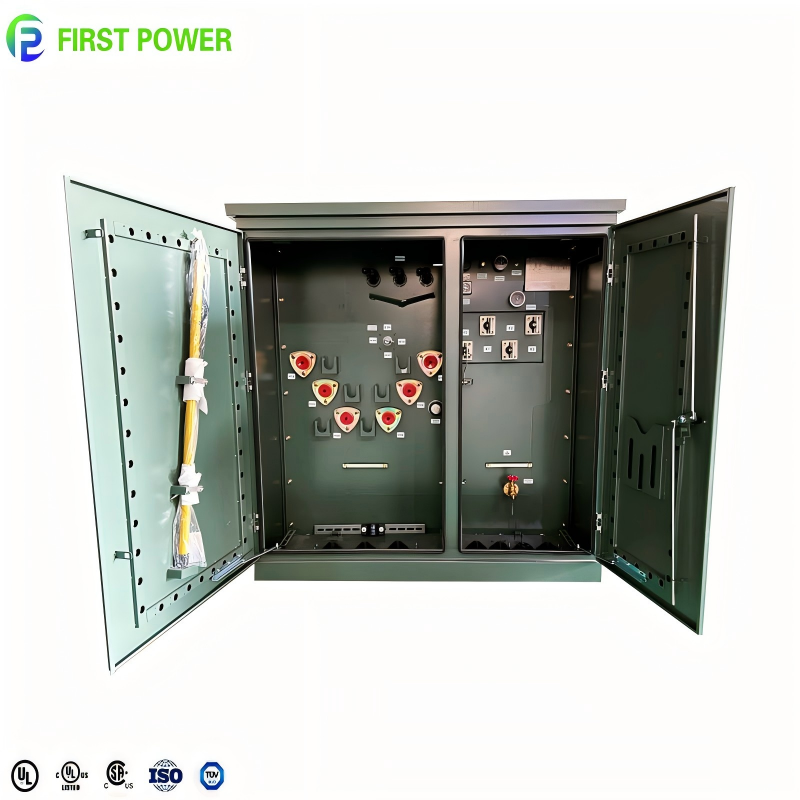
ZGS11 50/60Hz 75kVA–50MVA Three-Phase Pad-Mounted Transformer
A broad ZGS11 pad-mounted platform covering residential, commercial, renewable and utility distribution ratings. Recommended for EPC buyers who want one qualified OEM source across multiple kVA classes and voltage combinations.
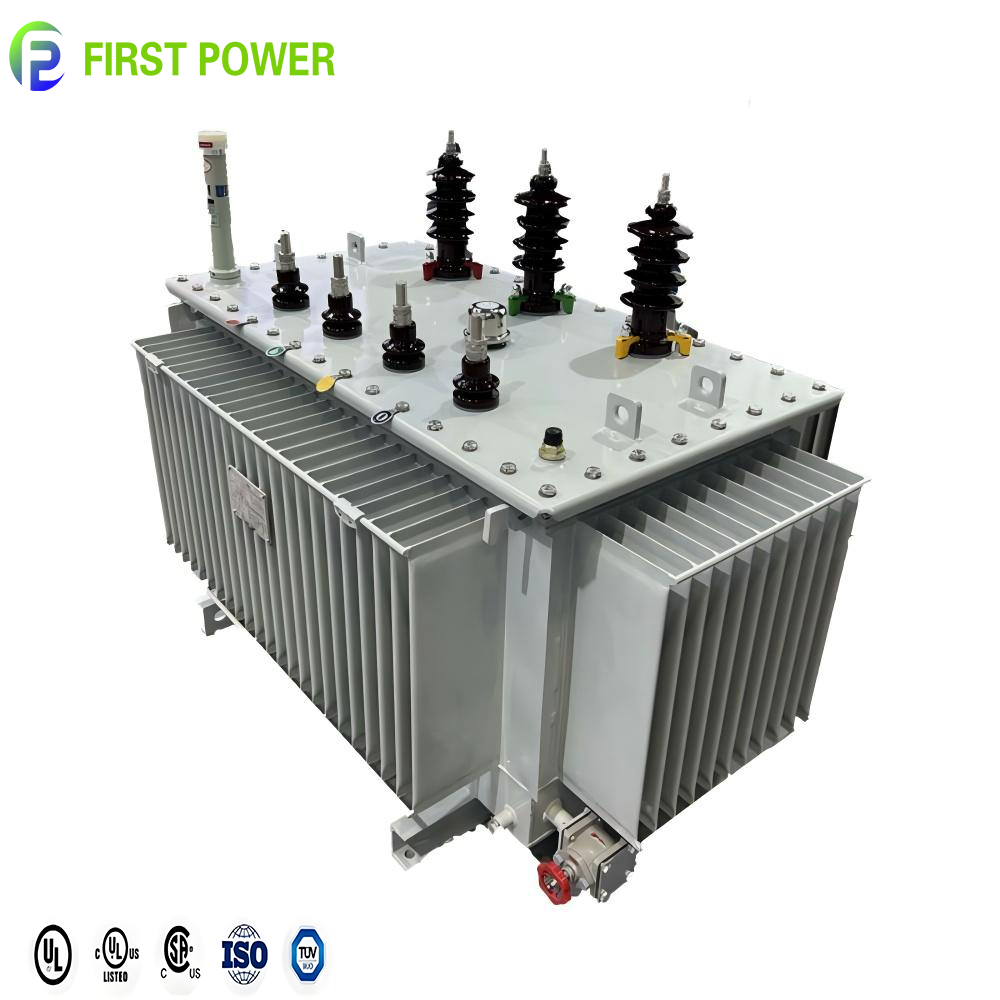
CE S11 10–35kV Three-Phase Oil-Immersed Distribution Transformer
An oil-immersed S11 distribution transformer for 50–200kVA loads. A practical choice for industrial plants, commercial buildings and utility distribution where low no-load loss, compact tank design and dependable thermal performance matter.
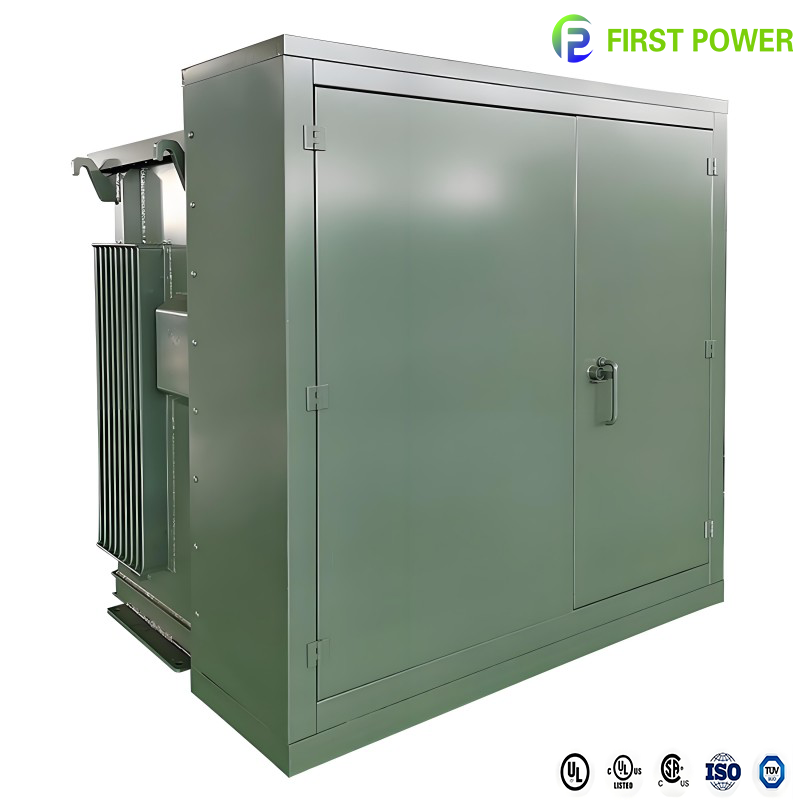
CE MV/HV ZGS11 75–2500kVA Pad-Mounted Transformer
An MV/HV pad-mounted three-phase transformer for underground distribution, solar farms, campuses and data centres. Recommended for buyers needing dead-front design, loop or radial feed, export packing and full factory routine test records.
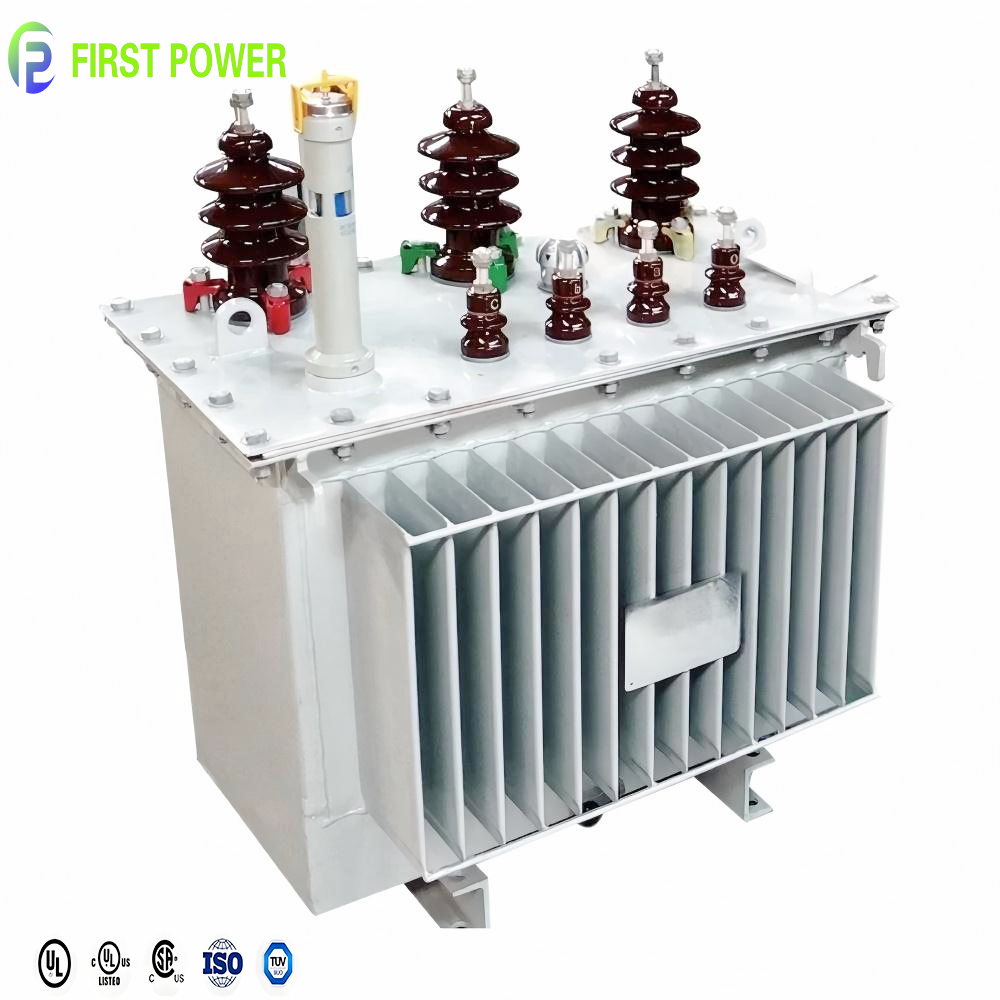
CE 10–35kV 50–500kVA Oil-Immersed Transformer for Industrial Power Supply
An industrial oil-immersed distribution transformer with 10–35kV input and 50–500kVA ratings. Best for plants that require robust thermal design, flexible tap ranges, customized bushings and a certified factory test report with every unit.
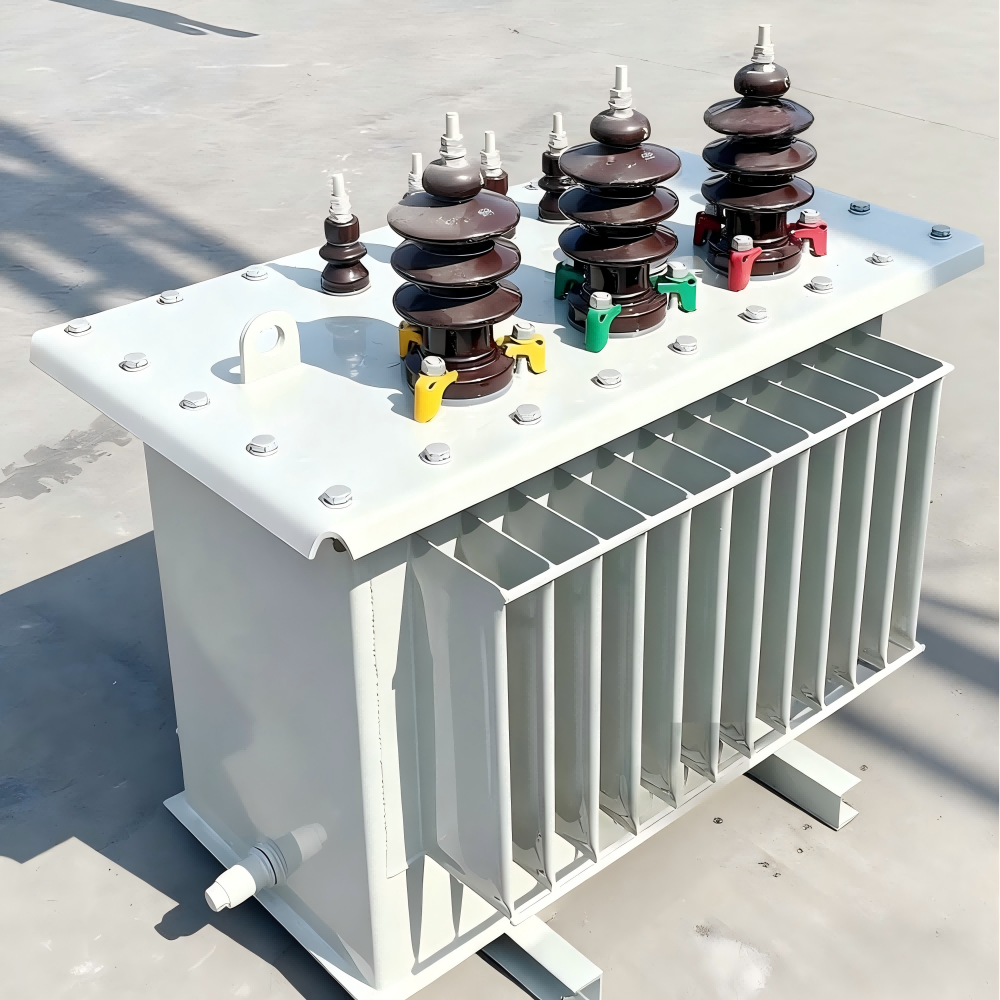
CE MV/HV 6–35kV S11 30–31,500kVA Three-Phase Oil Transformer
A wide-range S11 oil transformer for power distribution, generation step-up or step-down and EPC packages. Suited to engineered-to-order losses, cooling methods, tap changers, accessories and site-specific ambient conditions.
How to Match Transformer Type to Project Intent
Semantic search behaviour shows that serious transformer buyers rarely search only for a product name. They compare installation environment, voltage class, loss limits, standards, documentation and delivery terms. Use this procurement map to align the technical brief before requesting a quotation.
Three-Phase Pad-Mounted
Choose when the site needs an outdoor ground-level unit with tamper-resistant enclosure and underground cable feed. Common in commercial developments, solar farms, data centres and campus networks. Confirm loop or radial feed, dead-front configuration and enclosure finish.
Single-Phase Distribution
Best for residential subdivisions, rural electrification and light commercial loads. The key buying criteria are secondary voltage, bayonet or weak-link protection, mounting style and whether the utility requires a specific enclosure or nameplate format.
Oil-Immersed Distribution
Recommended for utility distribution, industrial plants, mines and commercial substations. Specify guaranteed no-load and load losses, impedance, tap range, vector group, cooling method, insulating fluid and any local grid-code requirements.
Cast-Resin Dry Type
Use where fire safety, indoor installation or oil-free operation is essential: hospitals, high-rise buildings, tunnels, transport infrastructure and sensitive facilities. Confirm insulation class, enclosure IP rating, fan cooling and noise limits.
Power Transformer
For transmission, generation step-up, grid interconnection and large industrial loads. This category demands a full technical review of voltage class, short-circuit withstand, cooling stage, tap changer, transport limits and type-test evidence.
Compact Substation
Best for fast-track renewable, urban and temporary projects where MV switchgear, transformer and LV distribution are factory assembled. Validate enclosure rating, ventilation, protection scheme, transport dimensions and commissioning scope.
What “Energy Efficient” Should Mean in an OEM Tender
Energy efficiency is not a single label. For a custom transformer, it is the combination of guaranteed losses, actual load profile, cooling design, harmonic conditions and the buyer’s loss-capitalization formula. A lower purchase price can be offset by higher no-load loss over a 20–30 year service life, especially in renewable, data-centre and continuously energised distribution applications.
Best practice: send your loss limits or efficiency target together with the load profile, ambient temperature, altitude, harmonic data and evaluation formula. Our engineers can then propose a design that is competitive on total owning cost rather than unit price alone.
For CE-marked projects, request the applicable certificate scope, routine test plan, nameplate draft, GA drawing and packing specification before purchase order. This reduces approval delays and protects the project schedule.
Send an InquiryWhat Buyers Will Expect from Transformer Factories
Procurement is shifting from transactional equipment buying to lifecycle risk management. The following trends are already visible in utility tenders, EPC specifications and OEM framework agreements.
Loss Capitalization Moves Into Award Models
More buyers evaluate no-load and load losses using a capitalization formula instead of comparing unit prices alone. Suppliers must document guaranteed losses, tolerances and test methods clearly, because the awarded design may be judged on total owning cost over decades.
Efficiency Regulation Keeps Tightening
EU Ecodesign requirements, US DOE rules and IEC 60076-20/21 efficiency frameworks continue to influence specification. Export buyers increasingly ask for loss data, type-test references and compliant nameplate information before shipment.
Supply Security Beats Lowest Price
Long lead times and grid expansion cycles make delivery reliability a board-level issue. Buyers are qualifying multiple approved designs, reserving production slots earlier and asking for transparency on core, copper, bushing and tap-changer sourcing.
Documentation Is Part of the Product
GA drawings, nameplate drafts, routine test reports, oil test certificates, packing lists and O&M manuals are now evaluated as part of supplier quality. Incomplete documentation can delay customs clearance, site commissioning and utility acceptance.
Localization and Commercial Flexibility
Projects increasingly require FOB, CIF, DDP or other Incoterms, multi-currency quotations and local technical support. OEM factories must align nameplate language, enclosure colour, drawing conventions and documentation with the destination market.
ESG and Fire-Safety Preferences Grow
Natural ester fluids, recyclable materials, lower loss designs and indoor dry-type solutions are being written into specifications for urban, renewable and fire-sensitive sites. Buyers now ask for material declarations and end-of-life considerations.
Transformer Design Trends That Affect Custom OEM Projects
Energy-efficient transformers are becoming more application-specific. The factory that wins future projects will be the one that can translate design intent into verified manufacturing data.
Low-Loss Cores and Precision Winding
High-grade CRGO, amorphous options, optimized core geometry and controlled winding tension help reduce no-load loss and improve short-circuit strength. Buyers should ask how core cutting, stacking and winding tolerances are controlled.
Natural Ester and Fire-Safe Fluids
Ester-filled transformers can be attractive for environmentally sensitive, indoor or fire-risk locations. The design change affects insulation coordination, cooling, sealing materials and testing, so fluid selection should be made during the technical review—not after order.
Dry-Type Growth in Urban Indoor Projects
Cast-resin dry-type transformers are increasingly specified for hospitals, tunnels, high-rise buildings and transport infrastructure. Noise, enclosure rating, insulation class and fan-cooling strategy are the critical design parameters.
Condition Monitoring as an Option
Temperature sensors, oil-level indicators, pressure-relief devices and partial-discharge monitoring can be integrated into custom units. These options are most useful where downtime is costly, such as data centres, renewable plants and critical industrial processes.
Prefabricated Compact Substations
Factory-assembled substations reduce site civil work and commissioning time. For renewable and fast-track projects, the winning design often combines MV switchgear, transformer, LV distribution, protection and auxiliary systems in one tested enclosure.
Drawing-First Customization
Instead of choosing from a fixed catalogue, buyers increasingly submit drawings, load profiles and local grid-code clauses. A capable OEM factory responds with a design review, GA drawing, loss guarantee and test plan before production begins.
Why a Capable Factory Matters in Custom Transformer Procurement
For custom energy-efficient transformer projects, supplier capability must be evidenced rather than assumed. The following figures and controls are drawn from the manufacturer’s inspected production and quality system data.
Verified Factory Capacity
The production base has 6,847 m² of inspected floorspace with dedicated areas for winding, core assembly, drying, tanking and testing. The assessment was verified onsite by TÜV Rheinland, giving procurement teams a third-party reference before audit.
In-House Routine Testing
Routine tests are documented per serial number, including winding resistance, ratio, vector group, impedance, load loss, no-load loss and dielectric tests. Oil dielectric strength is checked for liquid-filled units, and third-party witness inspection is welcome.
OEM / ODM Customization
Customization covers ratings, vector group, impedance, tap range, bushing configuration, cooling method, insulating fluid, enclosure colour and nameplate language. OEM, ODM, design-based and sample-based customization are supported.
Standards and Certification
Transformers are designed and tested to IEC 60076 or ANSI/IEEE C57.12 series standards depending on destination. Product lines hold CE certificates, while production runs under ISO 9001, ISO 14001 and ISO 45001 management systems.
Export Logistics Support
Seaworthy packing, shipping marks and full Incoterms coverage help reduce transport risk. The team supports FOB, CFR, CIF, EXW, FCA, CIP, CPT and DDP arrangements, with documentation prepared for customs and site acceptance.
Supply-Chain Stability
211 qualified supply-chain partners support availability of silicon steel, copper, bushings, tap changers and accessories. For repeat OEM programmes, this helps stabilize lead times and maintain consistent bill-of-material quality.
24-Hour Engineer Response
Pre-sale technical questions and after-sale issues are routed to qualified staff, with a target response within one working day. For urgent tenders, sending the full specification pack at first contact reduces clarification cycles.
Complete Documentation Pack
GA drawings, nameplate drafts, guaranteed losses, routine test reports, packing lists and O&M manuals are supplied in English. For CE projects, certificate numbers and scope are shared so compliance teams can verify records directly.
Audit-Ready Manufacturing Evidence
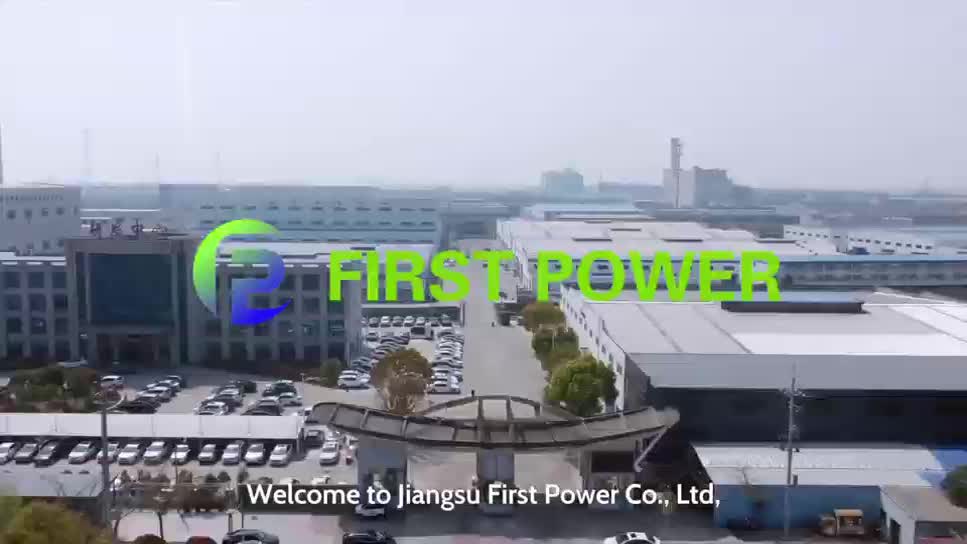
Jiangsu Wisegj Power Co., Ltd. is a Suzhou-based manufacturer and exporter of pad-mounted, oil-immersed, dry-type and power transformers, compact substations and high/low voltage switchgear. The company states a 20+ year team background, 50+ engineers and a verified production base—claims that matter when a buyer must justify supplier approval internally.
For custom projects, the engineering team reviews the specification before quotation, checks standards and site conditions, then prepares drawings and test documentation for approval. This is the practical difference between sourcing a box and sourcing a traceable, testable transformer asset.
 Production capability, floorspace and quality inspection verified onsite by TÜV Rheinland.
Documents Buyers Can Verify
Certificate numbers are listed for third-party verification. The scope should always be checked against the specific product, rating and destination market before purchase order.
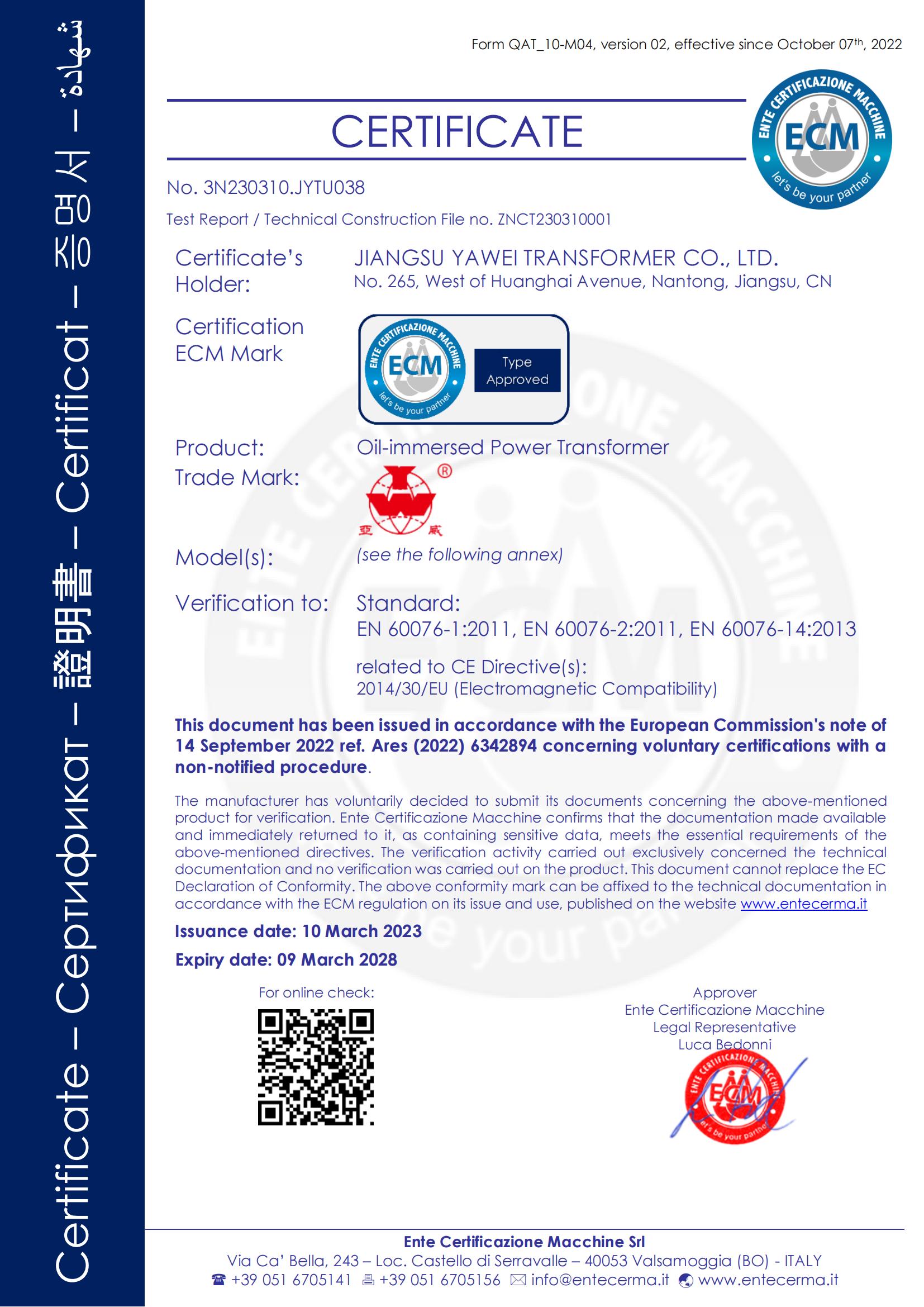
CE · Power Transformer
Oil-immersed power transformer · No. 3N230310.JYTU038
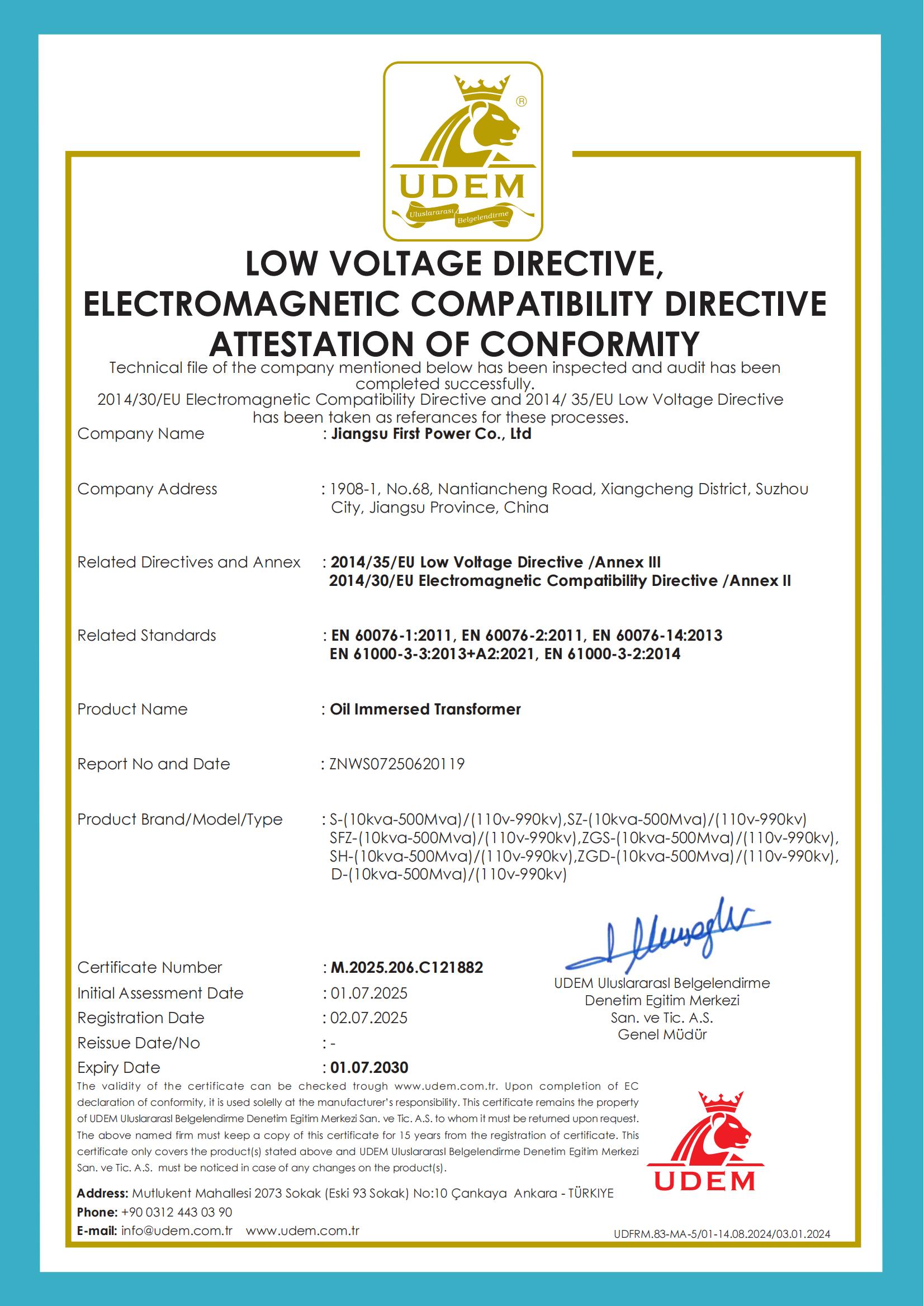
CE · Oil Immersed
Oil-immersed transformer · No. M.2025.206.C121882
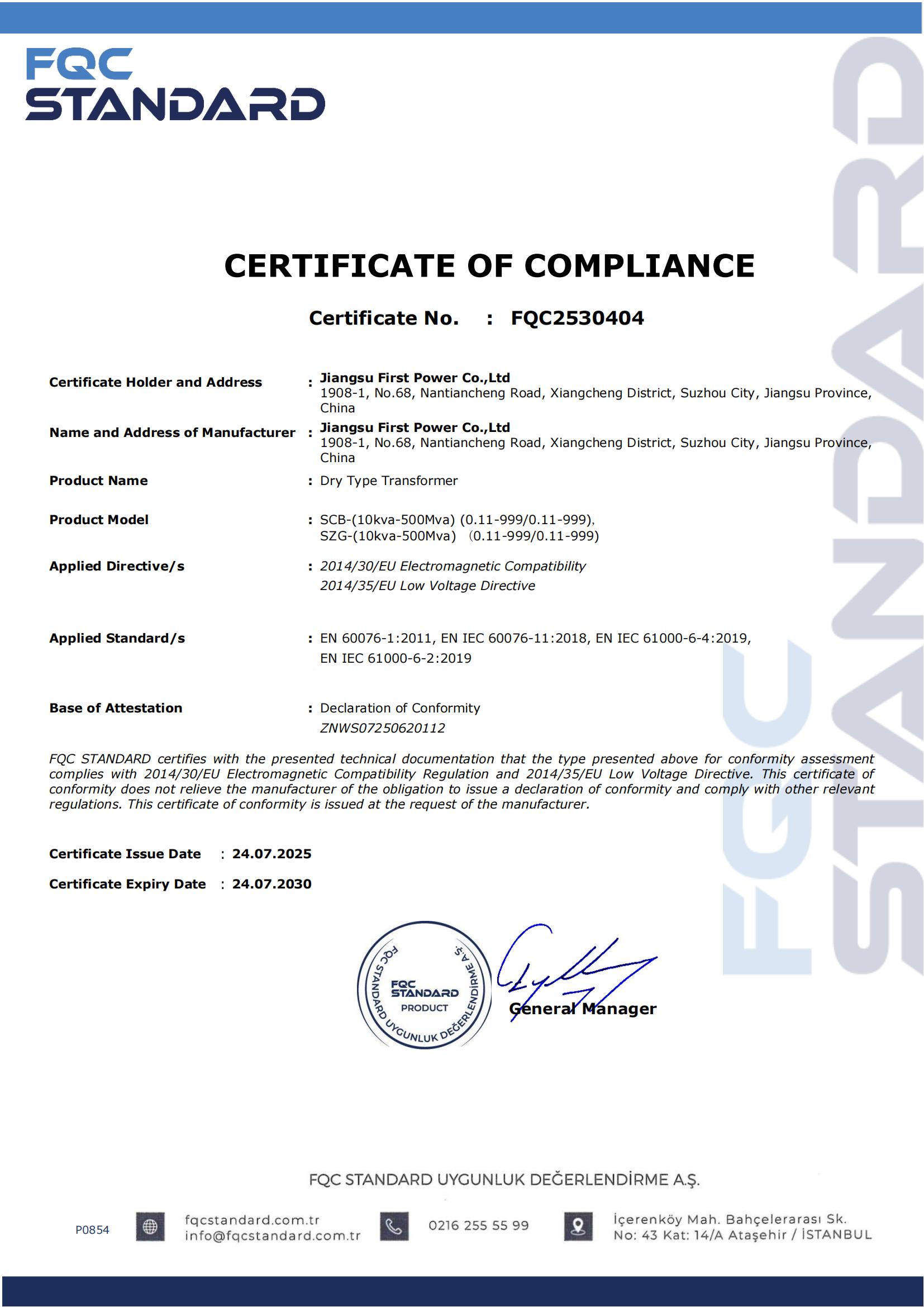
CE · Dry Type
Dry-type transformer · No. FQC2530404
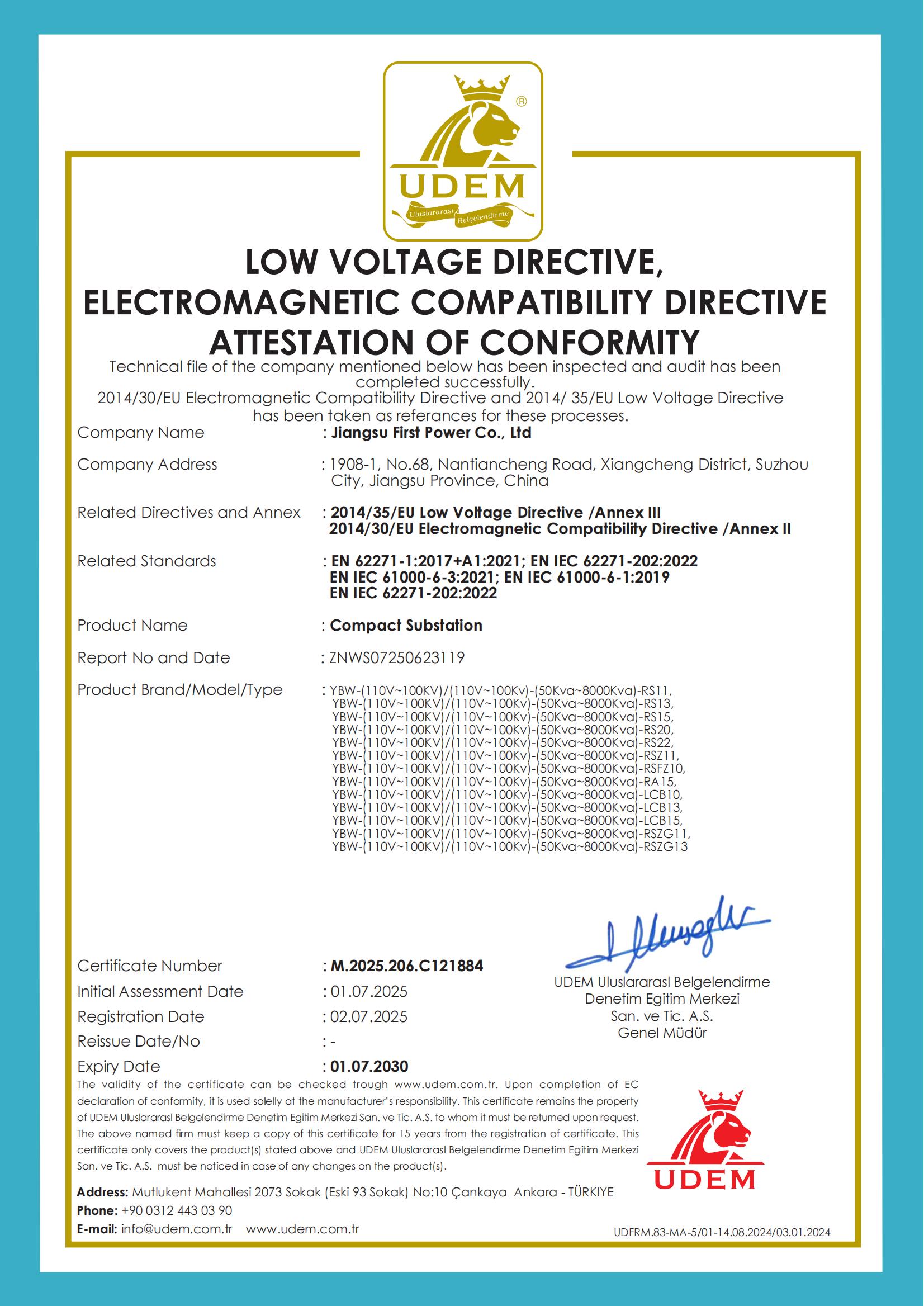
CE · Compact Substation
Compact substation · No. M.2025.206.C121884
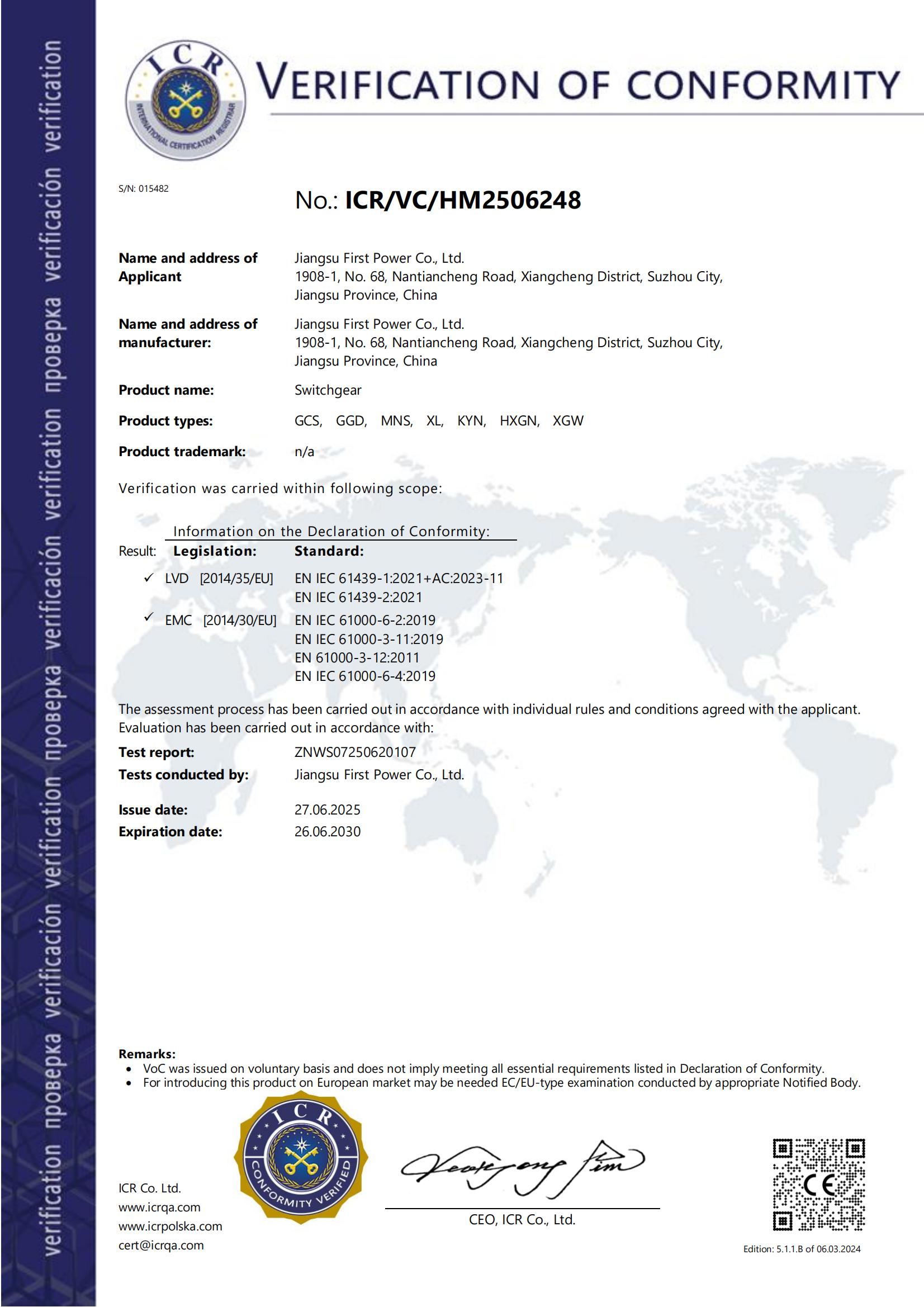
CE · Switchgear
Switchgear · No. ICR/VC/HM2506248
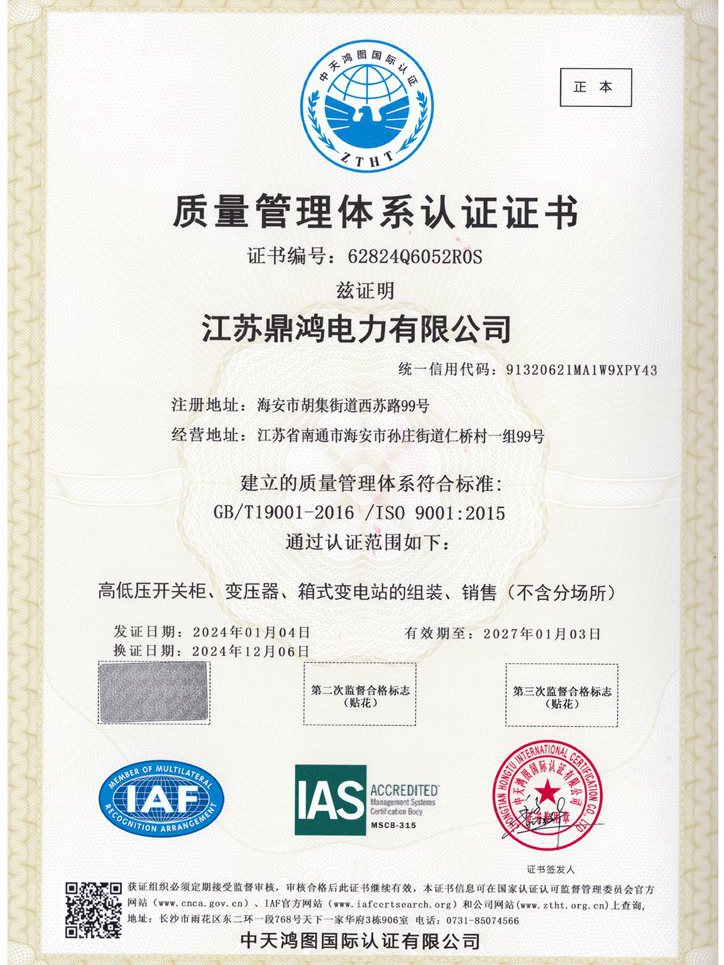
ISO 9001
Quality management · No. 62824Q6052R0S
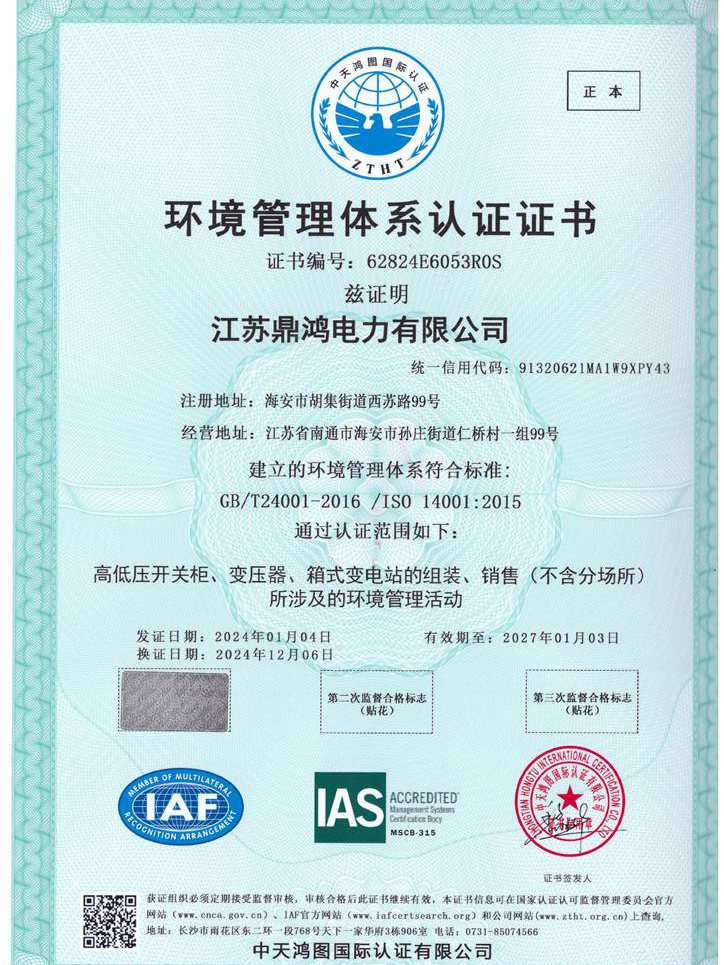
ISO 14001
Environmental management · No. 62824E6053R0S
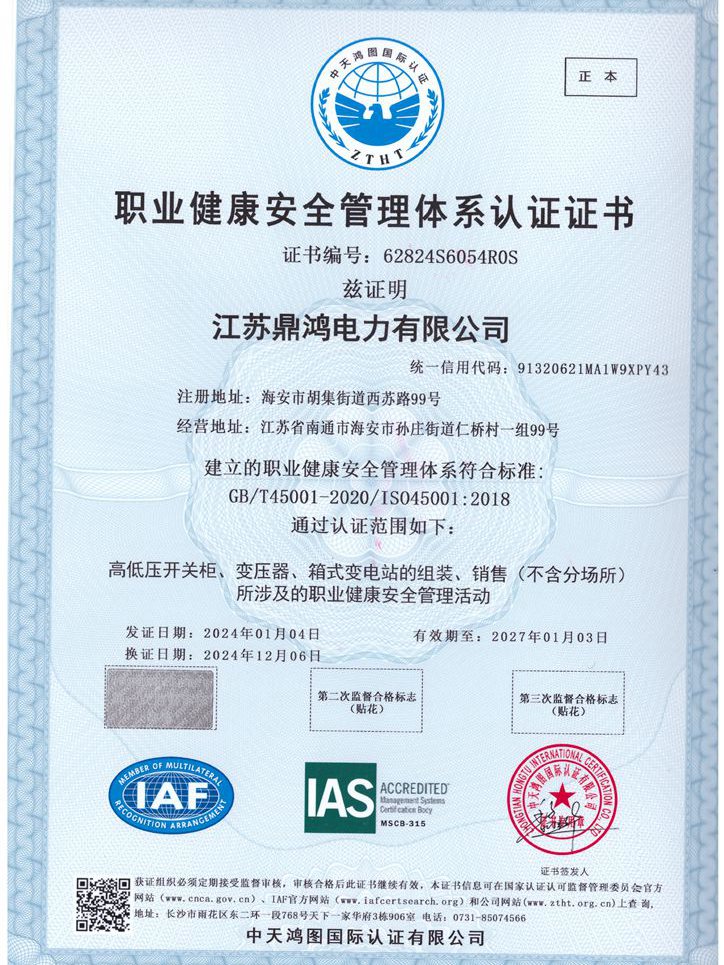
ISO 45001
Health & safety management · No. 62824S6054R0S
From Specification Review to Shipment
Custom transformer quality is built through controlled steps. Each stage produces records that can be reviewed by the buyer, consultant or third-party inspector.
Specification Review
Engineers check ratings, standards, altitude, ambient temperature, cooling, vector group, impedance, taps and installation conditions before quotation.
Design & Drawing Approval
GA drawing, nameplate draft, guaranteed losses, accessory list and test plan are aligned with the buyer before production release.
Manufacturing & Routine Test
Core, winding, drying, tanking and assembly follow documented work instructions. Routine tests are recorded against the serial number.
Packing & Delivery
Export packing, shock indicators where required, shipping documents and final inspection support safe delivery and site acceptance.
Test scope depends on product type and contract. Type-test reports, third-party witness testing and customized inspection plans can be discussed during quotation.
Common Questions from Transformer Buyers
These answers reflect the technical and commercial questions that most often determine whether a custom OEM transformer quotation is usable.
What makes a transformer “energy efficient” in an OEM tender?
Energy efficiency should be assessed through guaranteed no-load and load losses, the project load profile, cooling design and the buyer’s loss-capitalization formula. Two transformers with the same kVA rating can have very different lifecycle costs if one has lower no-load loss but higher load loss, or if the installation runs near full load for long periods.
For a defensible tender, specify the applicable standard, loss limits or efficiency target, temperature rise, ambient conditions, harmonic profile and test method. The offer should then state guaranteed losses and tolerances clearly.
Which standards and certifications can be supplied?
Units can be designed and tested to IEC 60076 or ANSI/IEEE C57.12 series standards depending on the destination market. Compact substations are typically reviewed against IEC 62271-202 where applicable. The manufacturer holds CE certificates for oil-immersed power transformers, oil-immersed transformers, dry-type transformers, compact substations and switchgear, and operates ISO 9001, ISO 14001 and ISO 45001 management systems.
Certificate numbers are listed on this page so compliance teams can verify scope and validity directly with the issuing bodies.
Can you customize to our drawings, nameplate or local grid code?
Yes. OEM, ODM, design-based and sample-based customization are available. Typical custom items include rated power, primary and secondary voltage, vector group, impedance, tap range, cooling method, insulating fluid, bushing configuration, enclosure colour, cable box arrangement and nameplate language.
For the fastest review, send the single-line diagram, technical specification, local grid-code clauses, site altitude, ambient temperature and any preferred drawing format.
Which factory tests are performed before shipment?
Routine tests generally include winding resistance, voltage ratio and vector group, impedance and load loss, no-load loss and current, applied voltage withstand and induced voltage withstand. Liquid-filled units also receive oil dielectric strength testing. Visual, dimensional and nameplate checks are completed before packing.
Type-test reports can be supplied where available, and third-party witness inspection is welcome. The final test scope should always be confirmed against the purchase specification.
What information is needed for a fast, accurate quotation?
Please provide rated power, primary and secondary voltage, frequency, vector group, impedance, tap changer type and range, cooling method, insulating fluid, applicable standard, site altitude, ambient temperature range, loss limits or efficiency target and delivery destination.
If available, attach the tender drawing, single-line diagram, nameplate requirement, enclosure preference and required documentation language. With these details, the engineering team can review the design and return a compliant offer with fewer clarification rounds.
What trade terms, payment options and documentation are supported?
Trade terms include FOB, CFR, CIF, EXW, FCA, CIP, CPT, DDP and other arrangements agreed per project. Payment options include T/T, L/C, D/P and D/A among other secure methods, with quotations available in USD, EUR, GBP, CAD, AUD and other major currencies.
Export documentation can include packing list, commercial invoice, bill of lading or airway bill, certificate of origin where applicable, test reports, GA drawings and O&M manuals. The exact document pack is confirmed in the contract.
Send Your Transformer Specification for Engineering Review
Share your kVA, voltages, frequency, vector group, loss target, standards, site conditions and delivery destination. A transformer engineer can review the brief and help convert it into a custom OEM design, drawing package and test plan.