China Wholesale Electric Transformer Supplier & Exporter
Utility-grade pad mounted, oil immersed, dry type and power transformers from 220 V to 500 kV, engineered to IEC 60076 and ANSI/IEEE C57.12 standards for utilities, EPCs, renewable developers and industrial buyers.
Inquire NowEight Wholesale Transformer Configurations for Global Projects
Buyers evaluating a China wholesale electric transformer supplier and exporter usually arrive with a technical brief, a destination standard and a delivery window. These eight units are practical starting points for that conversation, not isolated catalogue items. Each can be reviewed against your single-line diagram, ambient conditions, altitude, fault level, efficiency target and utility interconnection requirements.
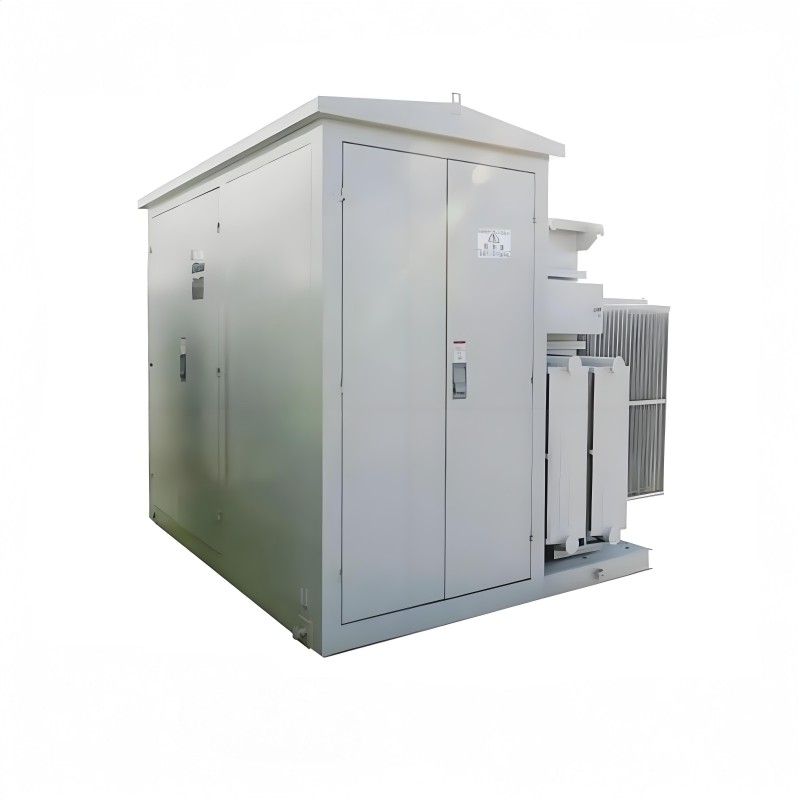
American Standard /C Certified 3000kva 34.5kv/480v Oil Type Pad Mounted Transformer 60 Hz 10kv Input 380v 440v Output
A 3,000 kVA-class oil type pad mounted platform for 60 Hz projects, suited to commercial and utility underground distribution where a tamper-resistant, space-saving footprint matters. Confirm primary and secondary voltage, loop or radial feed, fluid type and loss limits during quotation.
- Oil type
- Pad mounted
- Utility distribution
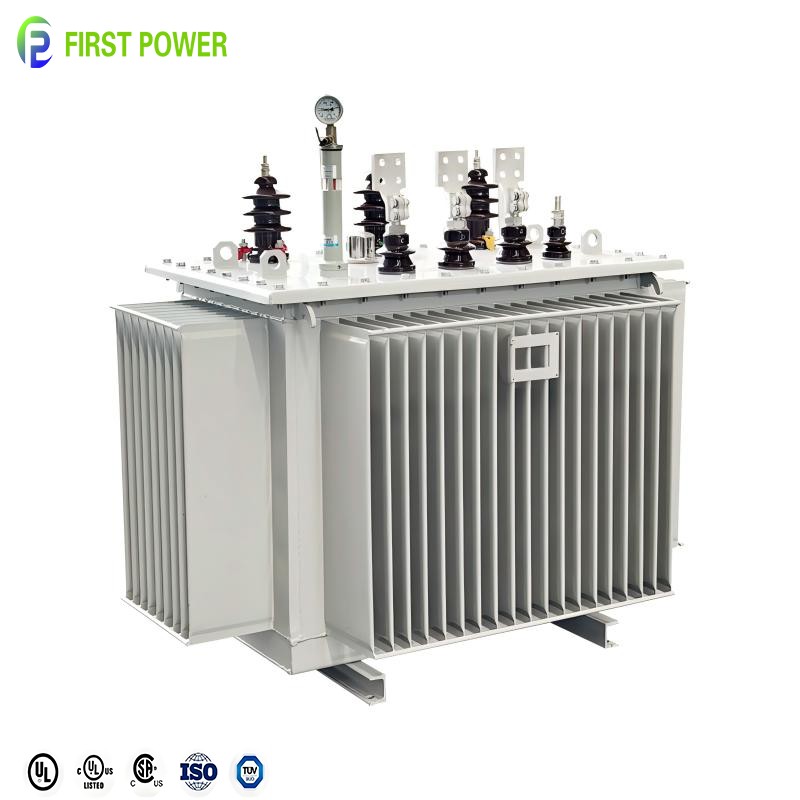
C CE 50/60HZ 100KVA 300KVA 500KVA 630KVA 1000KVA 10KV 20KV 35KV 3 Phase Oil Immersed Power Transformer for Power Supplies
A three-phase oil immersed distribution range for 10–35 kV networks. The platform gives wholesale buyers a practical route to 100–1,000 kVA power supplies with routine-tested losses, flexible vector groups and export-ready documentation.
- 100–1,000 kVA
- Oil immersed
- 50/60 Hz
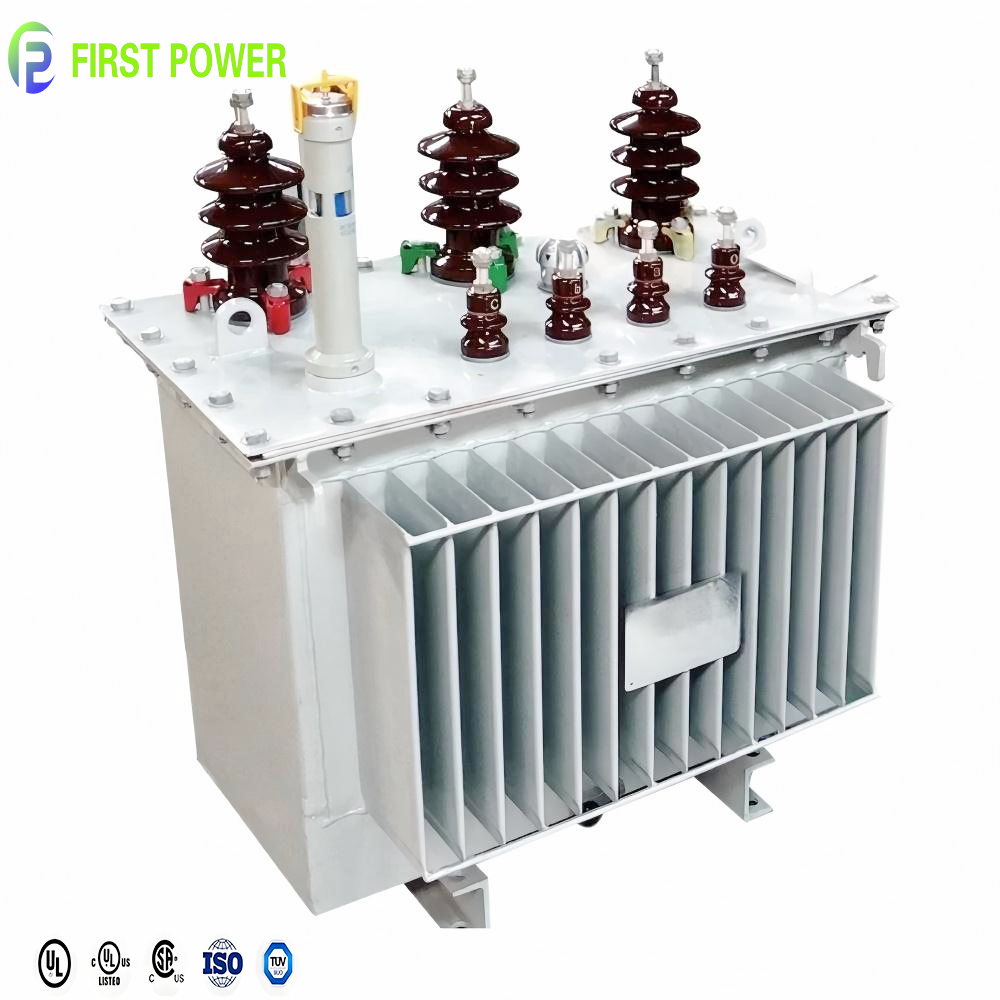
C CE 10KV 20KV 35KV 50KVA 100KVA 200KVA 300KVA 400KVA 500KVA Electric Oil Immersed Transformer for Industrial Power Supply
A 50–500 kVA industrial oil immersed range for factories, mines and commercial power supplies. Choose this family when the site needs robust short-circuit performance, low maintenance and proven IEC routine testing.
- 50–500 kVA
- Industrial
- IEC routines
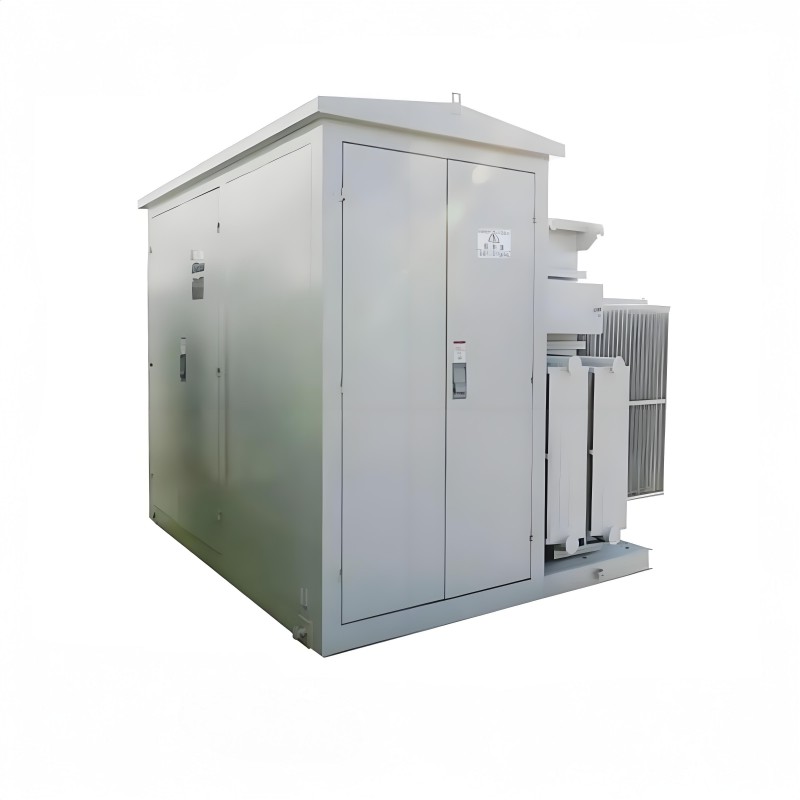
American Standard /C Certification 75-2500KVA Oil Type Three Phase 13.8KV Pad Mount Transformers for Power Generation
An American-standard 75–2,500 kVA pad mounted transformer for generation and distribution projects. The 13.8 kV class design is relevant where IEEE-style enclosures, tamper resistance and utility interconnection practice apply.
- 75–2,500 kVA
- 13.8 kV
- IEEE style
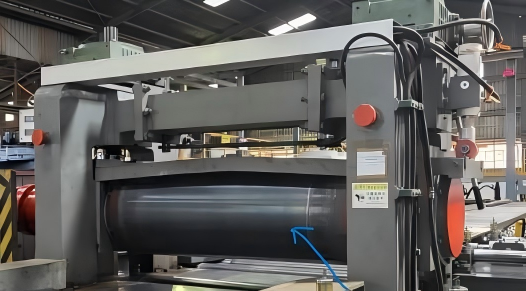
MAIN ROLLER D
MAIN ROLLER D is an assembly and production support item shown within this product series. Its role should be confirmed against the current drawing set and transformer platform before ordering; our engineers can verify compatibility, finish and dimensional fit.
- Drawing based
- OEM support
- Project verified
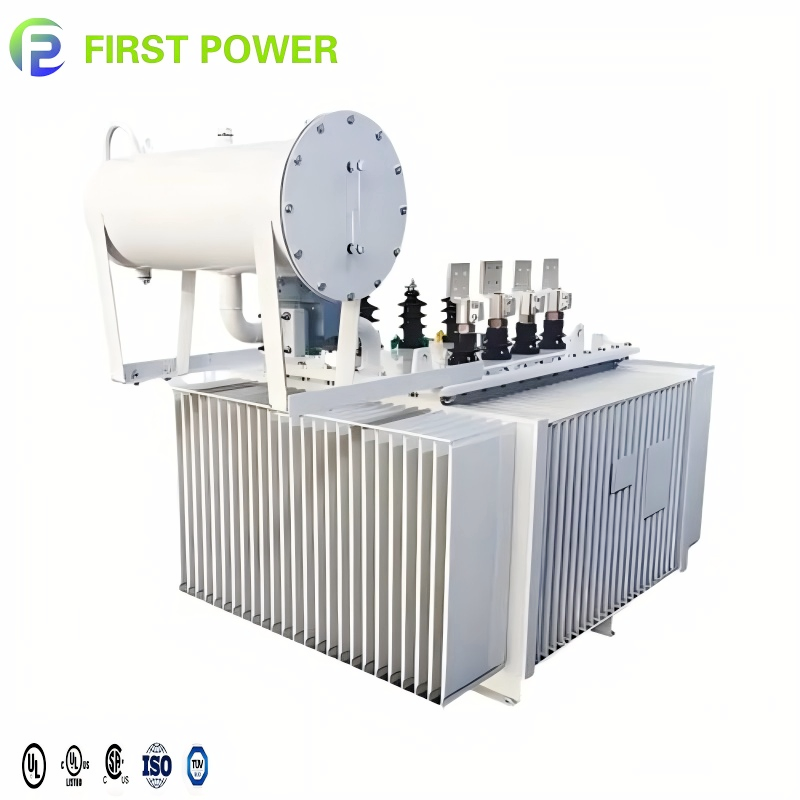
C CE 10KV 20KV 35KV 1000KVA 2000KVA 2500KVA 3 Phase Oil Type on Load Tap Changer Transformer for Industrial Power Supply
On-load tap changer oil type transformer for 1,000–2,500 kVA industrial supplies. OLTC designs support voltage regulation under changing load, making them relevant to plants with motor-heavy duty or weak-grid conditions.
- 1,000–2,500 kVA
- OLTC
- Industrial
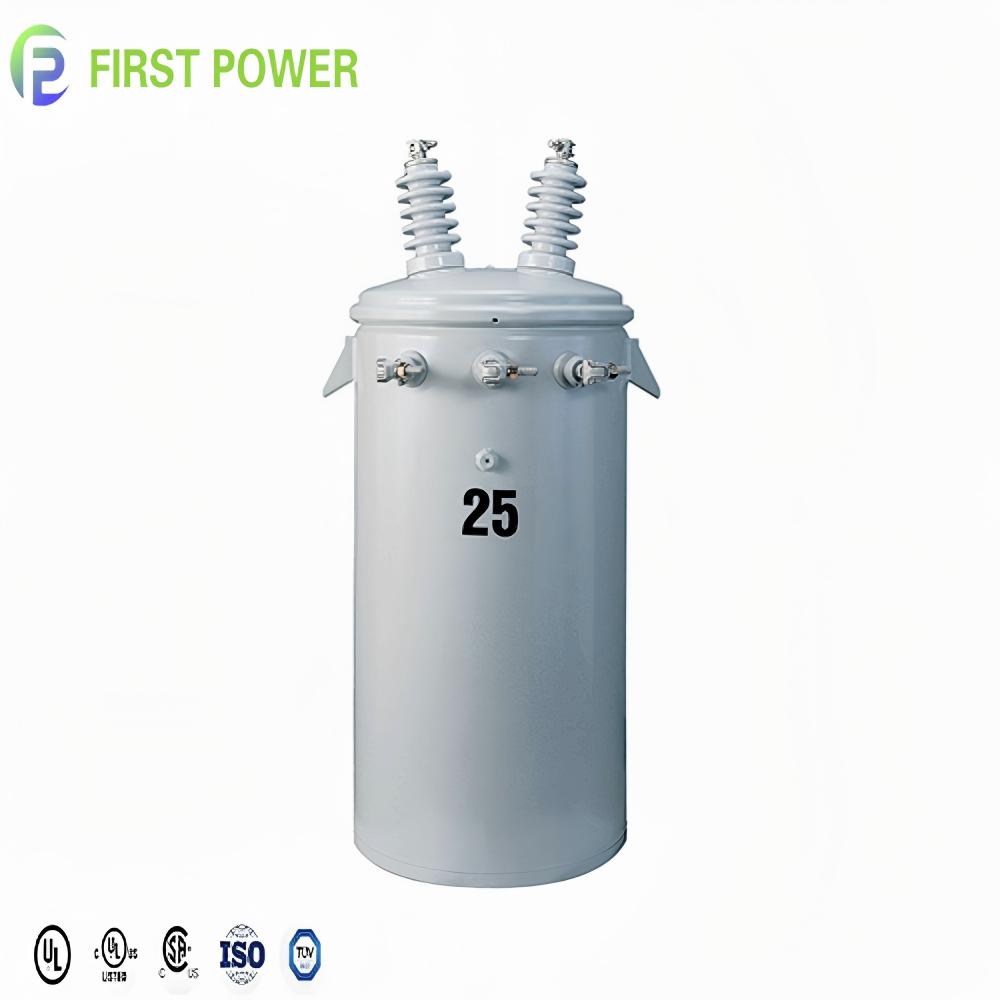
C CE Certification MV&HV 50/60HZ 6KV 10KV 20KV 35KV 25KVA Single Phase Transformer Price for Electric Power Distribution
MV/HV single-phase transformer from 6 kV to 35 kV class for distribution applications. Single-phase platforms are valuable for rural feeders, phased upgrades and compact distribution points where three-phase capacity is not yet justified.
- 25 kVA class
- 6–35 kV
- Single phase
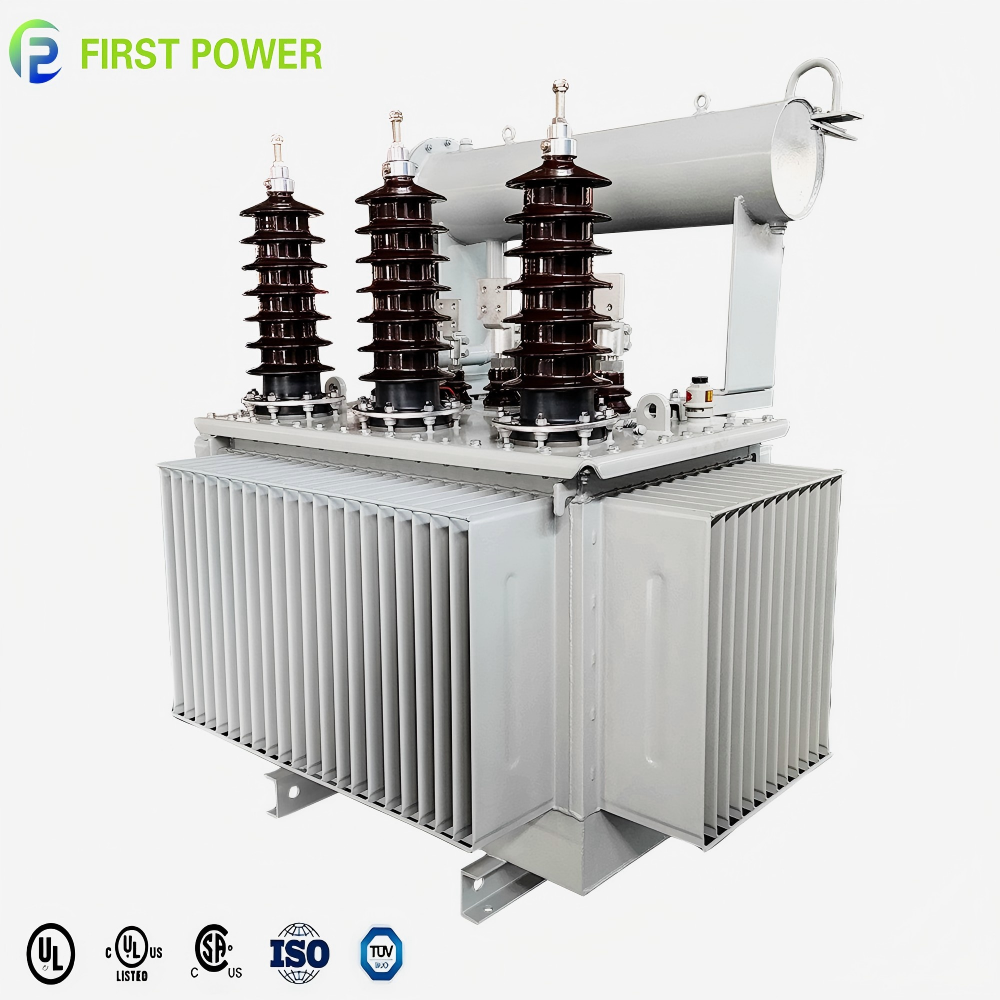
C CE Certification IEEE Standard 50/60HZ S11 Three Phase 33KV Oil Immersed Power High Voltage Transformer for Industrial
IEEE-style S11 three-phase 33 kV oil immersed transformer for industrial high-voltage supplies. This class of unit is commonly evaluated for efficiency, impedance, thermal performance and routine test evidence before approval.
- S11
- 33 kV
- IEEE standard
Why Transformer Buyers Now Purchase Evidence, Not Just kVA
The wholesale transformer market has moved beyond simple unit-price comparison. Grid investment, renewable interconnection, data-centre load growth and electrification are increasing demand for equipment whose performance can be verified before it leaves the factory.
A credible China wholesale electric transformer supplier and exporter must behave as an engineering gatekeeper, not only a trading channel. Procurement teams increasingly ask for guaranteed losses, impedance, temperature rise, sound level, test plans, drawing approval, export packing and after-sales traceability. A low bid that lacks these documents is rarely a low-cost project outcome.
For utilities and EPC contractors, the real risk sits between specification and energisation: voltage class mismatches, unapproved nameplates, delayed third-party witness tests, or shipping damage that is difficult to resolve across borders. The better approach is to select the transformer family first, document the guaranteed values second, and then compare commercial offers on the same technical basis.
Loss capitalisation
No-load and load-loss values should be evaluated over the project life, not treated as minor technical data. A slightly higher initial price can be justified when annual energy savings and thermal margin are assessed properly.
Standards localisation
IEC 60076 and ANSI/IEEE C57.12 families are not interchangeable in every detail. Buyers should confirm vector group, tap range, impedance, enclosure style and nameplate language for the destination market.
Test evidence
Routine test reports should be reviewed before dispatch and matched to the serial number. Witness testing, oil dielectric strength records and packing inspection reduce the risk of disputes after arrival.
What Wholesale Transformer Buyers Will Prioritise Next
The sourcing decision is becoming more data-driven, more standards-specific and more sensitive to delivery risk. These six trends are already visible in utility tenders, renewable projects and industrial expansion programmes.
Total cost of ownership
Buyers increasingly evaluate loss capitalisation, maintenance access, spare-part availability and expected service life alongside the quotation price. High-efficiency designs and documented loss values are becoming procurement scoring items rather than technical footnotes.
Verified suppliers
Factory audits, third-party inspection reports and certificate numbers are being checked before commercial negotiation. A supplier that can organise drawings, test reports and packing evidence quickly has a measurable advantage in tender response.
Multi-standard sourcing
Projects in the Americas, Europe, the Middle East and Asia often require different standards in the same supply programme. Suppliers with IEC and IEEE experience can reduce clarification cycles and avoid redesign after award.
Renewable-ready duty
Solar, wind storage and data-centre loads introduce cycling, harmonics and tighter voltage-control requirements. Buyers are asking for transformers that match real operating profiles, not only nameplate capacity.
Lead-time transparency
Procurement teams now request milestone schedules covering drawing approval, core and winding, tanking, testing, packing and shipment. Transparent production milestones help EPC contractors protect installation windows.
Digital documentation
GA drawings, nameplate drafts, routine test reports, packing lists and O&M manuals are expected in English and linked to the serial number. Digital traceability is becoming part of the factory acceptance package.
Where Transformer Technology Is Moving
Transformer design is advancing on several fronts at once: loss reduction, fire safety, voltage regulation, modular installation and data readiness. The right configuration depends on the project's operating profile and local grid code.
Low-loss magnetic cores
Higher-grade CRGO and amorphous core options are being evaluated to reduce no-load losses. Buyers should compare guaranteed loss values and test methods, because efficiency claims are only useful when they can be verified.
Natural ester fluids
For sites where fire risk and environmental sensitivity matter, ester-filled transformers are gaining attention. The procurement question is not only fluid type, but also thermal rating, sealing, maintenance practice and local acceptance.
Dry-type growth indoors
Cast resin dry-type transformers are increasingly relevant for hospitals, high-rise buildings, tunnels and fire-sensitive areas where oil-free operation and indoor installation are preferred.
Compact substations
Factory-assembled substations are reducing site work by combining MV switchgear, transformer and LV distribution in one enclosure. This suits renewable projects, urban networks and fast-track installations.
On-load voltage regulation
OLTC transformers are being specified where load changes or weak-grid conditions require voltage control during operation. The key is to match tap range and control strategy to the actual duty cycle.
Monitoring-ready designs
Temperature, moisture and partial-discharge monitoring can be integrated or prepared for future retrofit. Buyers are asking for sensor provisions and documentation that support condition-based maintenance.
Recommended Configurations by Application
Use these starting points to narrow the product family before requesting detailed drawings. The final selection should always be confirmed against site conditions, local standards and the utility's interconnection requirements.
Pad mounted transformers
Best suited to commercial sites, residential subdivisions, solar farms and data centres where tamper-resistant enclosures and underground cable feed are required. Verify loop or radial feed, dead-front configuration and enclosure finish.
Oil immersed transformers
Appropriate for factories, mines and heavy-load plants that need robust short-circuit performance, thermal margin and proven IEC routines. Consider OLTC when voltage regulation is needed under changing load.
Low-loss compact solutions
For inverter-based generation, storage and digital infrastructure, evaluate loss capitalisation, harmonic duty, cooling method and prefabricated substation options to reduce site labour and commissioning time.
Dry-type transformers
Useful for hospitals, high-rise buildings, tunnels and indoor electrical rooms where oil-free insulation and reduced fire risk are preferred. Confirm insulation class, IP rating and cooling arrangements.
Why Jiangsu Wisegj Power Co., Ltd. Is a Defensible Wholesale Partner
Jiangsu Wisegj Power Co., Ltd. designs, assembles and exports medium and high voltage equipment from 220 V up to 500 kV, including power transformers, distribution transformers, pad mounted transformers, dry type transformers, compact substations, switchgear, distribution boxes and voltage stabilisers.
Engineering-led quotation
Every project is reviewed by engineers before quotation. Ratings, vector group, impedance, taps, cooling and enclosure details are checked against the buyer's specification to reduce clarification loops.
Verified factory capacity
A 6,847 m² inspected production floor space supports winding, core assembly, drying, tanking and testing. Production capability and floorspace have been verified onsite by TÜV Rheinland.
In-house routine testing
Winding resistance, ratio and vector group, impedance and load loss, no-load loss and current, applied and induced voltage tests, plus oil dielectric testing for liquid-filled units are documented per serial number.
ISO and CE documentation
Production runs under ISO 9001, ISO 14001 and ISO 45001 management systems. CE certificates cover oil-immersed power transformers, dry type transformers and compact substations, with numbers available for verification.
OEM and ODM customisation
OEM, ODM, design-based and sample-based customisation is available, covering ratings, vector group, impedance, tap range, bushings, cooling, fluid, enclosure colour and nameplate language.
Export logistics support
Seaworthy packing, shock indicators, complete shipping documents and Incoterms coverage from EXW to DDP help buyers manage freight, customs and site delivery more predictably.
24-hour engineer response
Technical questions and after-sales issues receive a qualified response within one working day. The team supports drawing review, test report interpretation and documentation clarification.
Supply-chain depth
211 qualified supply-chain partners support stable lead times for silicon steel, copper, bushings and accessories. The company is also a supplier to Fortune 500 companies and holds a 4.9/5 average buyer rating.
How Quality Is Controlled from Drawing to Shipment
Each transformer is treated as an engineered project with documented checkpoints. The workflow below reflects the control points buyers should expect from a wholesale electric transformer supplier and exporter.
Specification review
Engineers check ratings, standards, altitude, ambient temperature, cooling and site conditions before quotation.
Drawing approval
GA drawing, nameplate draft and guaranteed losses are confirmed with the buyer before production release.
Controlled production
Core stacking, winding, drying and tanking follow documented work instructions and in-process inspection records.
Routine testing
Each unit receives routine tests, and third-party witness inspection can be arranged before dispatch.
Packing & shipping
Export crating, impact recorders, packing lists and shipping documents are prepared for the destination.
ISO 9001
Quality management system. Certificate No. 62824Q6052R0S, valid 2024–2027.
ISO 14001
Environmental management system. Certificate No. 62824E6053R0S, valid 2024–2027.
ISO 45001
Occupational health and safety system. Certificate No. 62824S6054R0S, valid 2024–2027.
CE family
CE documentation covers oil-immersed power transformers, dry type transformers and compact substations, with verifiable certificate numbers.
TÜV Rheinland
Production capability, floorspace and quality inspection verified onsite by an independent third-party inspection body.
Serving Utilities and EPCs Across Five Continents
Equipment is configured for local grid codes, frequency, climate and installation practice. Buyers can request 50 Hz or 60 Hz designs, high-ambient cooling, altitude correction, enclosure colour and nameplate language.
North America
ANSI/IEEE pad mounted and pole mounted transformer discussions for utilities, solar and commercial projects.
South America
Distribution and power transformers for mining, utilities and high-altitude installations.
Western Europe
CE-certified IEC equipment, dry type transformers and compact substations for fire-sensitive and urban sites.
Middle East
High-ambient designs with enhanced cooling for desert and coastal environments.
Southeast & Central Asia
Utility distribution, industrial parks and grid expansion programmes with standard IEC configurations.
Africa
Rural electrification, mining and compact substations for fast deployment in challenging environments.
Delivery terms
FOB, CFR, CIF, EXW, FAS, FCA, CPT, CIP, DDP and DDU can be discussed according to project logistics.
Payment methods
T/T, L/C, D/P and D/A are among the payment options, subject to contract terms and commercial review.
Currencies
USD, EUR, GBP, CAD, AUD, JPY, HKD, CHF and CNY can be considered for quotation and settlement.
Frequently Asked Questions from Wholesale Transformer Buyers
These answers reflect the questions most often raised by utility procurement teams, EPC buyers and industrial project owners when evaluating a China transformer supplier.
What is the minimum order quantity for wholesale transformers?
MOQ is project-dependent. A single replacement or prototype unit can be reviewed for some distribution ratings, while wholesale programmes typically start at 2–5 units per rating to support efficient testing, packing and production planning. Mixed orders can combine pad mounted, oil immersed and dry type families.
Which standards can you manufacture to?
Units can be designed and tested to IEC 60076 or ANSI/IEEE C57.12 series requirements depending on the destination market. CE certificates are available for relevant product lines, and production runs under ISO 9001, ISO 14001 and ISO 45001 management systems.
How are transformer losses verified?
No-load loss, load loss, impedance and related values are checked during routine testing and recorded against the serial number. Buyers can compare guaranteed values, test methods and loss capitalisation assumptions before placing an order.
Which factory tests are performed before shipment?
Routine tests include winding resistance, voltage ratio and vector group, impedance and load loss, no-load loss and current, applied voltage and induced voltage tests. Liquid-filled units also receive oil dielectric strength checks. Third-party witness inspection can be arranged.
Can transformers be customised for my project?
Yes. OEM, ODM, design-based and sample-based customisation can cover ratings, vector group, impedance, tap range, bushing configuration, cooling method, insulating fluid, enclosure colour and nameplate language.
What information is needed for a fast quotation?
Provide rated power, primary and secondary voltage, frequency, vector group, impedance, tap range, cooling method, applicable standard, altitude, ambient conditions and any loss or efficiency target. A single-line diagram and project schedule also help.
What are typical lead times?
Lead time depends on rating, quantity, customisation and raw-material availability. After drawing approval, the factory can provide a milestone schedule covering core and winding, tanking, routine testing, packing and shipment preparation.
How are transformers packed for export?
Units are prepared with seaworthy packing, moisture protection, shock indicators where appropriate, and complete shipping marks. Packing lists, drawings and test documents are prepared in English for customs and site acceptance.
What trade and payment terms are accepted?
FOB, CFR, CIF, EXW, FCA, CIP, CPT and DDP can be discussed, along with T/T, L/C, D/P and D/A options. Currency and payment structure are confirmed in the commercial contract.
What after-sales support is available?
The team provides drawing clarification, test report interpretation, installation guidance and documentation support. Technical questions typically receive a qualified response within one working day.
What documentation is supplied with each unit?
Documentation can include GA drawings, nameplate drafts, routine test reports, packing lists, O&M manuals and certificate copies. Serial-number traceability helps the buyer match equipment to project records.
Can you support installation and spare parts?
Basic installation guidance and spare-parts planning can be discussed during project execution. For complex sites, the buyer's contractor should coordinate site work while the factory supports technical clarification and documentation.
Request a Specification Review and Wholesale Quotation
Share your transformer datasheet, single-line diagram or tender documents. Jiangsu Wisegj Power Co., Ltd. will review the application and respond with a technical route, key guarantees and commercial terms. For project enquiries, include voltage class, rating, frequency, standard, destination and required delivery date.