How to Evaluate a China Utility Transformer Supplier Without Compromising Grid Reliability
China is not a single supplier market. It is a dense ecosystem of winding workshops, core suppliers, oil laboratories, tank fabricators and export teams. For utilities, EPC contractors, data-center developers and renewable-energy investors, the real question is not simply “who sells the lowest price?” but who can prove design compliance, loss performance and test traceability before shipment.
A qualified utility transformer manufacturer should be assessed through four evidence layers: engineering review before quotation, manufacturing control during production, routine testing on every serial number, and export documentation that allows the buyer to clear customs, install and maintain the unit without guesswork. This is where E-E-A-T becomes practical. Experience is visible in the product range; expertise is visible in standards and drawings; authority is visible in certificates and third-party inspection; trust is visible in complete test reports, nameplate accuracy and responsive technical support.
Jiangsu Wisegj Power Co., Ltd. operates from Suzhou, Jiangsu, China, and supplies power transformers, distribution transformers, pad-mounted transformers, oil-immersed transformers, dry-type transformers, compact substations, switchgear, distribution boxes and voltage stabilizers. The published range covers 220 V to 500 kV, with design and testing aligned to IEC 60076 or ANSI/IEEE C57.12 series standards depending on destination market requirements.
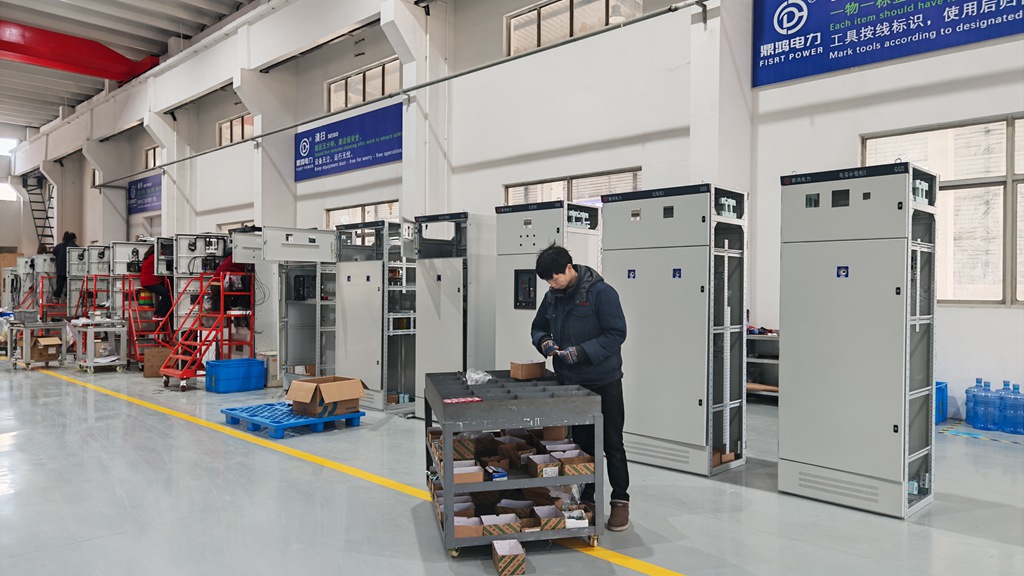
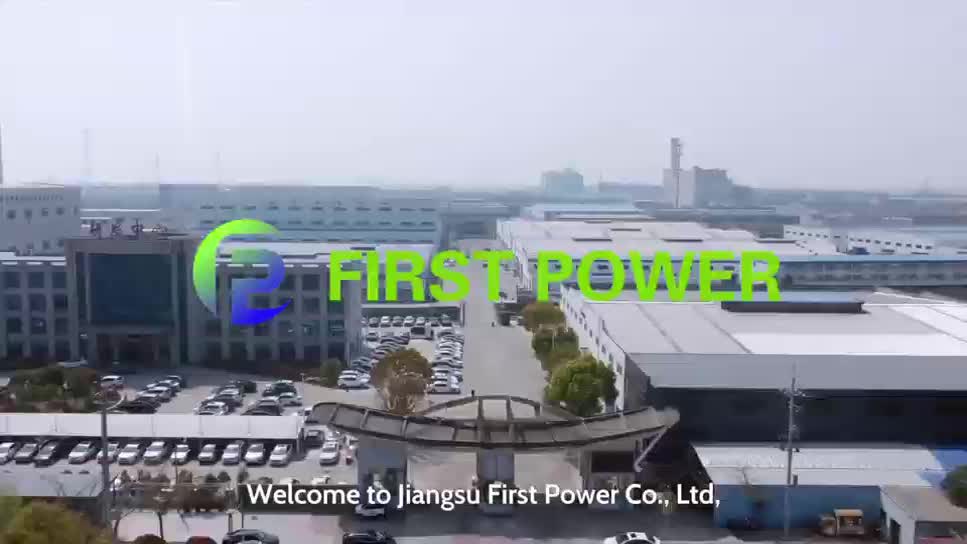 Factory tour · engineering review · export support
8 Utility Transformer Products Recommended for Global Projects
These product families cover distribution feeders, industrial supply, loop-feed underground networks, step-up duty and North American pad-mounted applications. Product URLs are preserved exactly for direct specification review.
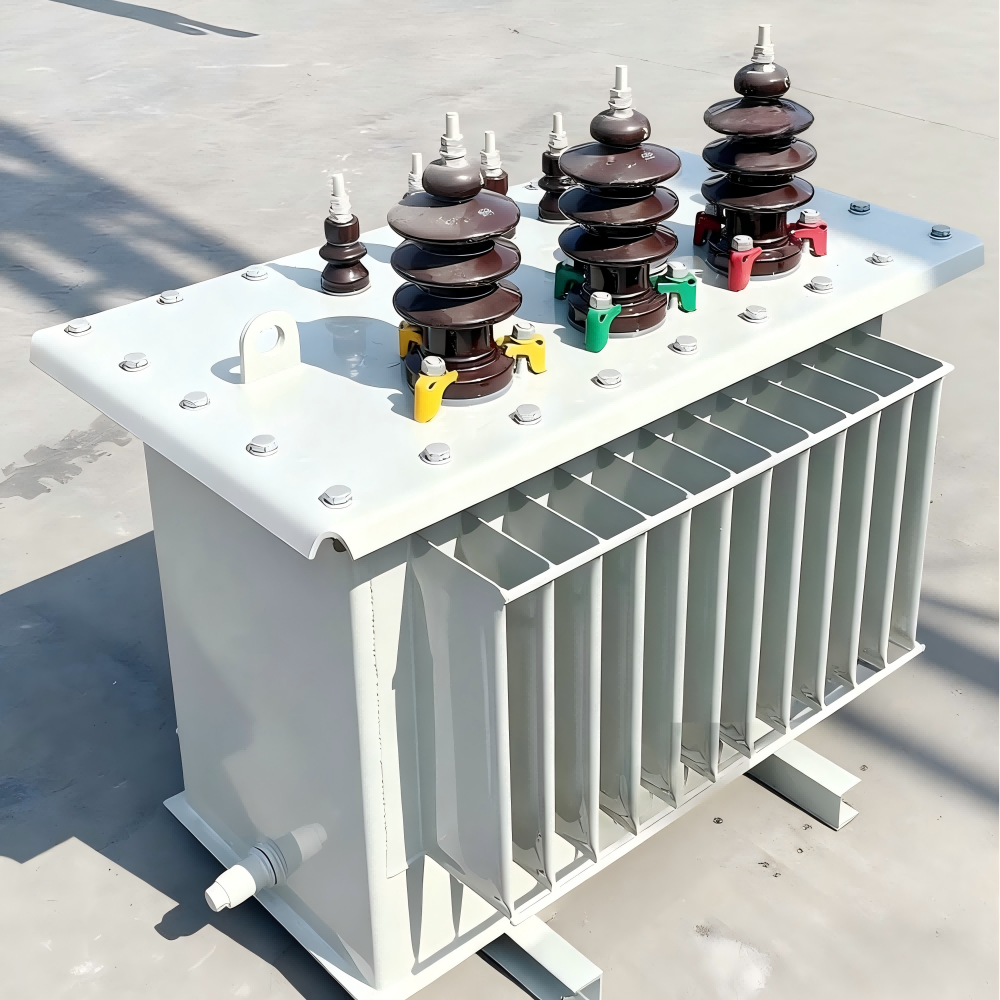
C CE MV&HV 30-31500KVA 6KV 10KV 15KV 20KV 35KV S11 Three Phase Oil Transformer for Electric Power Distribution
A broad-range oil transformer for utility distribution and industrial power supply where low loss and proven S11 construction matter.
- 30–31,500 kVA, 6–35 kV class
- Oil-immersed, low-loss core options
- Utility feeders, plants, renewable collection
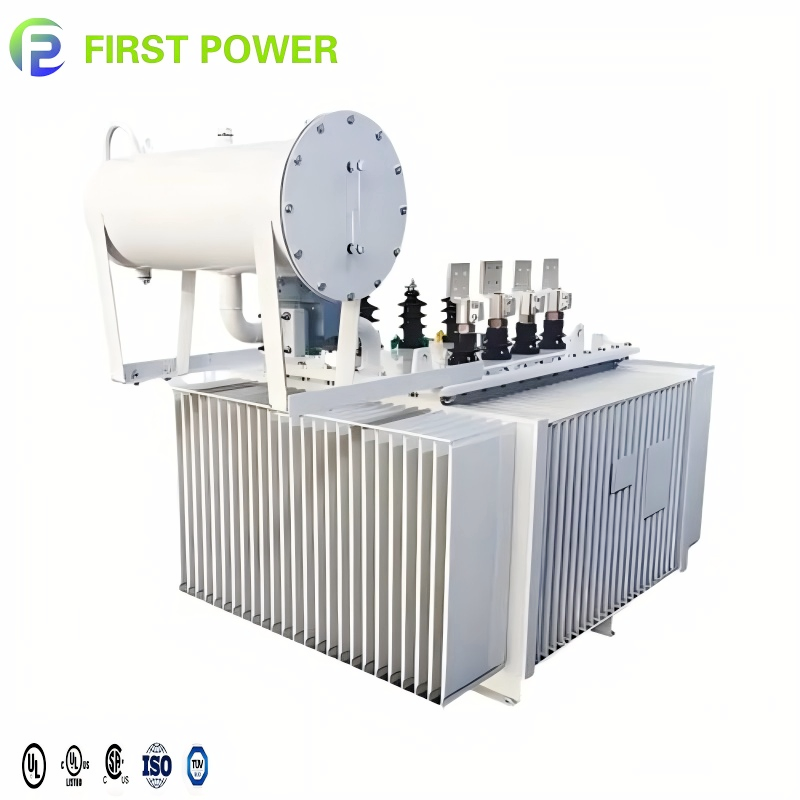
C CE 10KV 20KV 35KV 1000KVA 2000KVA 2500KVA 3 Phase Oil Type on Load Tap Changer Transformer for Industrial Power Supply
On-load tap changing is useful where plant load fluctuates and secondary voltage must remain stable without de-energizing the transformer.
- 1,000–2,500 kVA class
- OLTC for industrial power supply
- Drawings and tap range reviewed before quotation
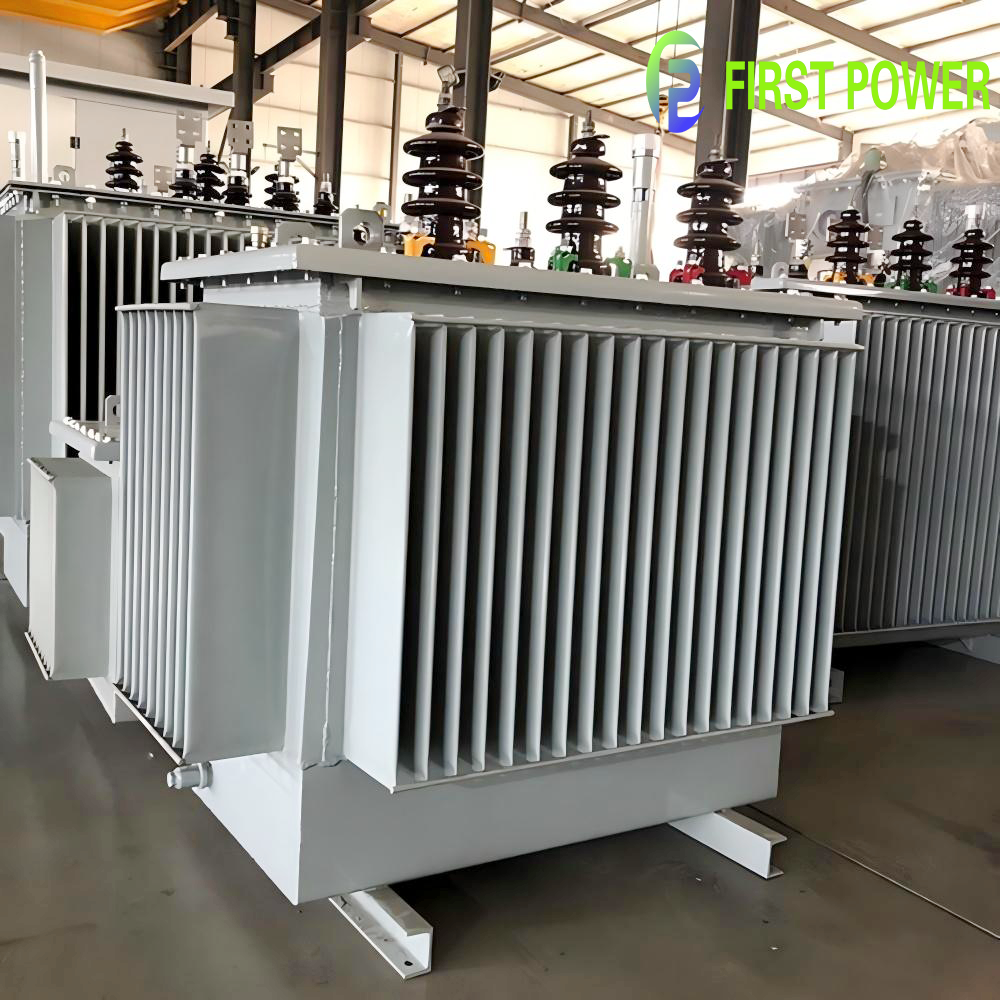
C CE MV&HV S11 50/60HZ 10KV 20KV 35KV Three Phase Oil Immersed 50KVA Transformer for Electric Power Distribution
An economical three-phase oil-immersed solution for smaller distribution loads, auxiliary buildings and localized network reinforcement.
- 50 kVA class, 10–35 kV
- 50/60 Hz configurations
- Residential, commercial and light industrial
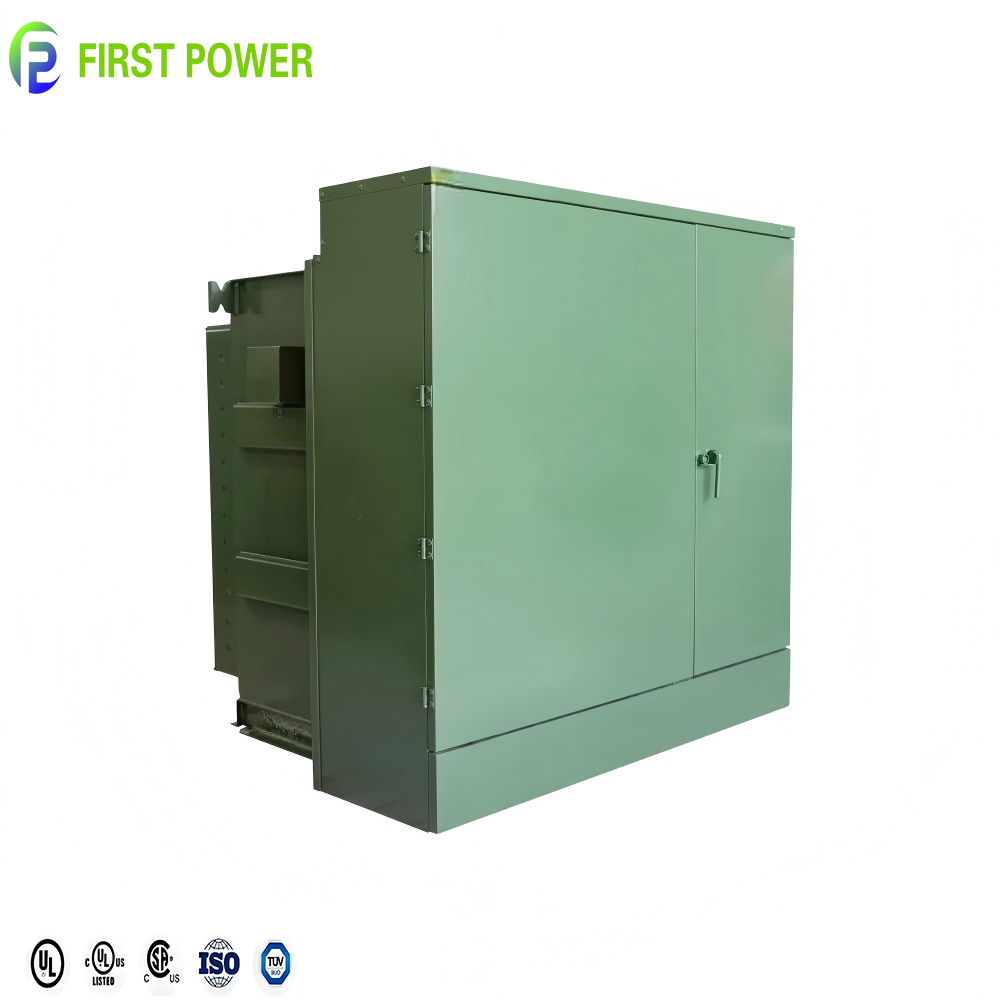
C CE MV&HV 50/60HZ 750KVA 1250KVA 1500KVA 2000KVA 2500KVA 3 Phase Pad Mounted Transformer for Industrial Power Supply
For underground distribution and industrial sites where a tamper-resistant, space-saving outdoor transformer is preferred.
- 750–2,500 kVA class
- Pad-mounted enclosure, loop or radial feed
- Commercial, industrial and renewable projects
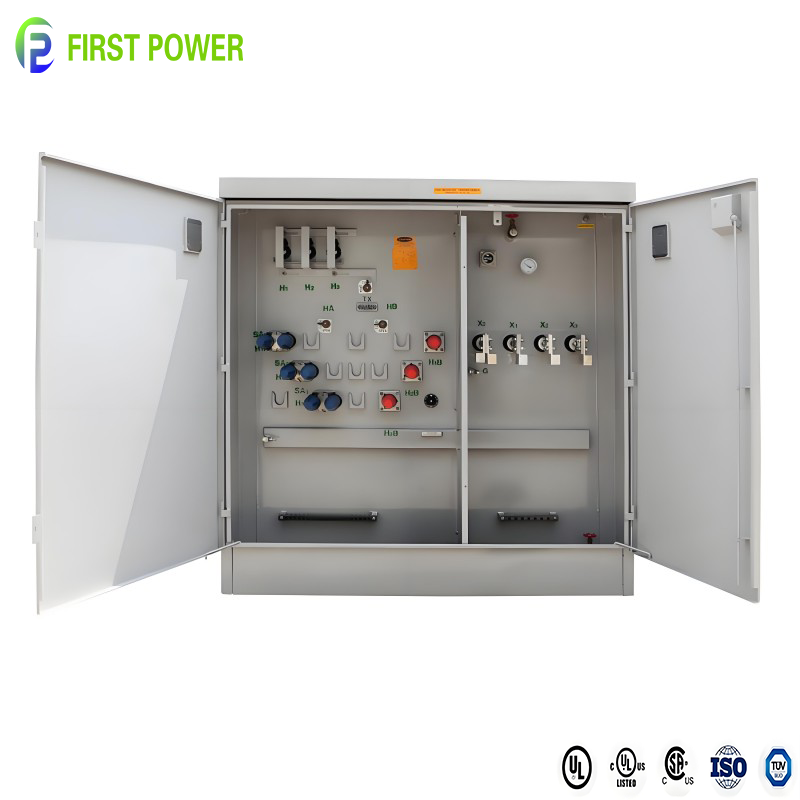
C CE MV&HV 50/60HZ 300KVA 500KVA 630KVA 700KVA 10KV 15KV 20KV 35KV 3 Phase Loop Feed Pad Mounted Transformer for Industrial
A loop-feed pad-mounted family that supports network redundancy and reduces outage scope during cable maintenance.
- 300–700 kVA class
- Loop-feed underground network design
- Industrial parks, campuses and commercial sites
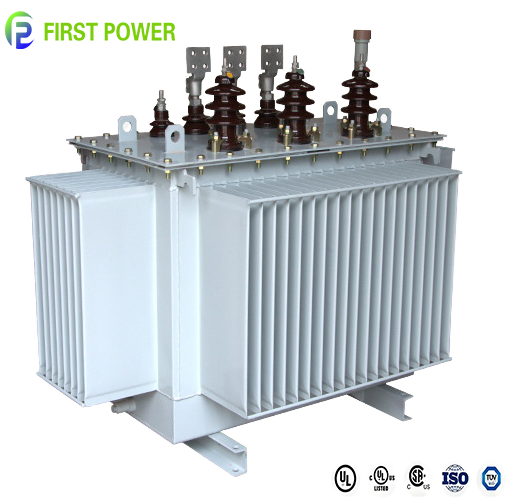
C CE 50/60HZ S11 10KV 15KV 20KV 35KV 100KVA 300KVA 500KVA 630KVA Three Phase Oil Transformer Price for Distribution System
A practical distribution transformer range for buyers comparing initial cost with loss evaluation and routine-test documentation.
- 100–630 kVA class
- S11 oil-immersed platform
- Distribution systems and public utilities
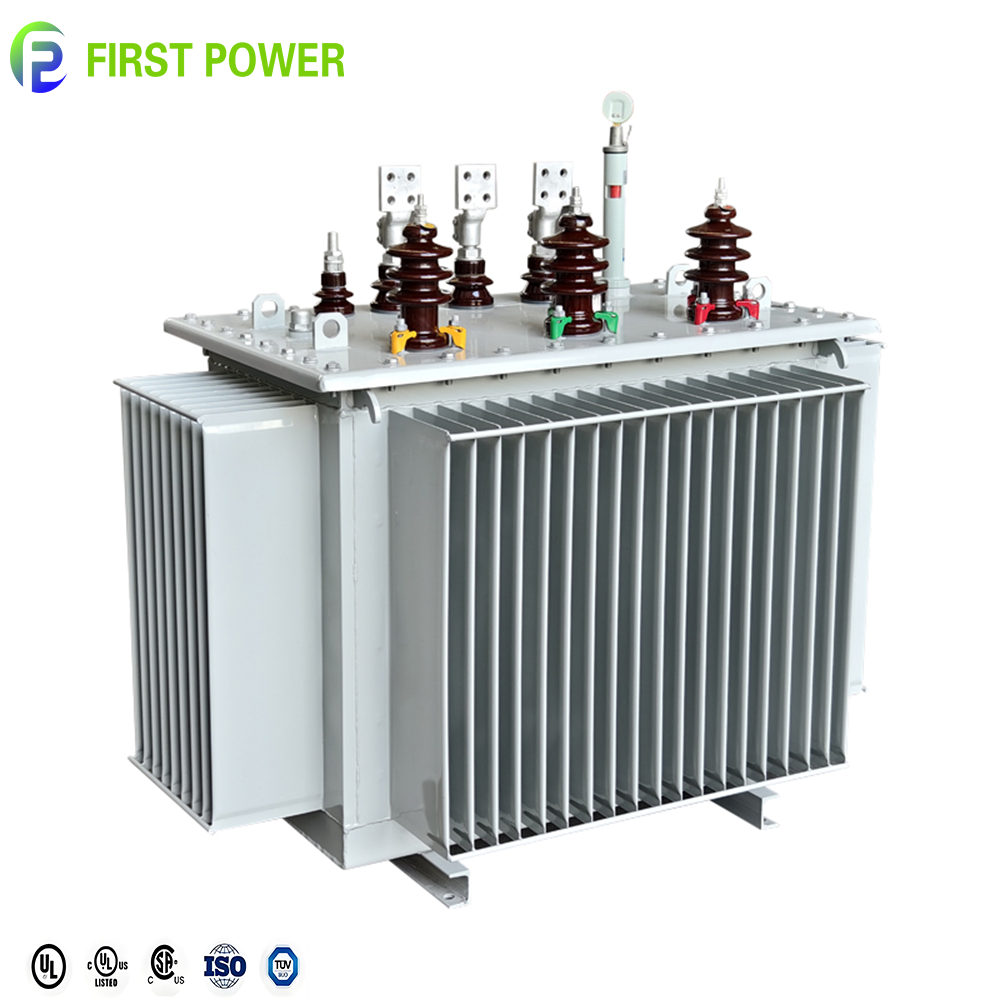
C CE 50/60HZ 6KV 10KV 15KV 20KV 35KV 100KVA 200KVA 300KVA 500KVA 220V Output Voltage Step up Oil Transformer for Industrial
For industrial systems that require step-up transformation from a low-voltage source to a medium-voltage distribution level.
- 100–500 kVA class
- 220 V output configuration referenced
- Industrial power and auxiliary systems
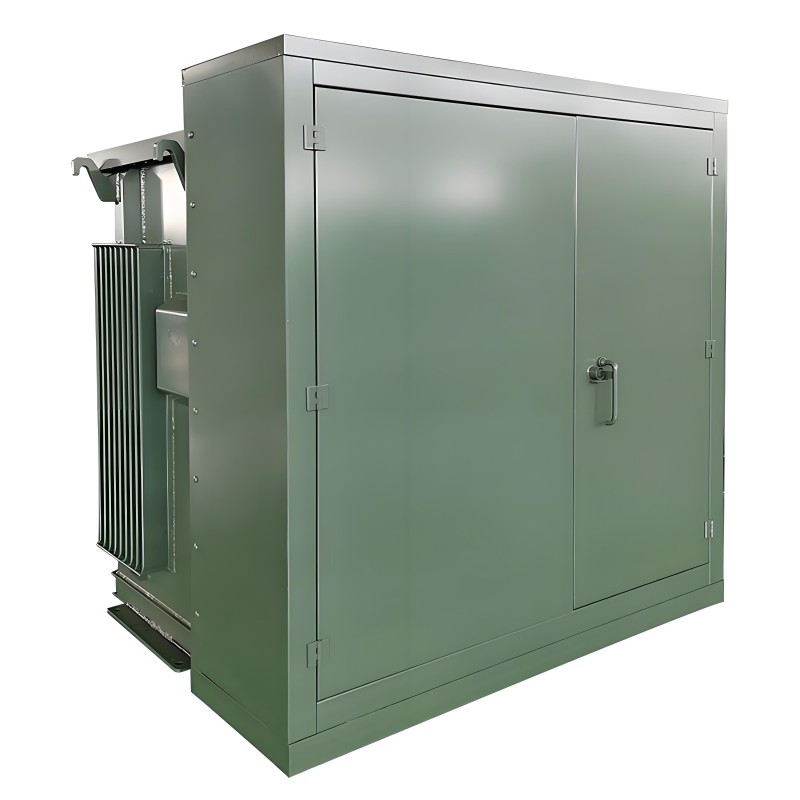
C Certified 75-2500KVA Oil Type Three-Phase Pad-Mounted Transformer 480V Output Voltage 35KV Input Voltage 50/60HZ
A C-certified oil-type pad-mounted option for projects requiring 480 V output, 35 kV input and North American installation practice.
- 75–2,500 kVA class
- 480 V output, 35 kV input
- 50/60 Hz project configurations
Compare Utility Transformer Types by Rating, Application and Procurement Focus
Use this matrix to align the technical specification with the commercial evaluation. Final design, losses, impedance and accessories should always be confirmed on the approved data sheet and GA drawing.
| Product Family | Typical Range | Best-Fit Application | Procurement Focus |
|---|---|---|---|
| S11 Oil Transformer | 30–31,500 kVA; 6–35 kV | Utility distribution, industrial plants, renewable collection | Guaranteed losses, impedance, vector group, oil test report |
| On-Load Tap Changer Transformer | 1,000–2,500 kVA; 10–35 kV | Industrial supply with variable load and voltage regulation need | OLTC brand, tap range, control interface, maintenance access |
| Small Oil-Immersed Distribution | 50 kVA; 10–35 kV | Residential, commercial and light industrial reinforcement | Loss evaluation, enclosure finish, delivery quantity, spare units |
| Pad-Mounted Transformer | 750–2,500 kVA; 50/60 Hz | Underground distribution, industrial parks, data centers | Enclosure security, cable entry, loop/radial feed, fluid choice |
| Loop-Feed Pad-Mounted | 300–700 kVA; 10–35 kV | Loop networks requiring redundancy and confined footprint | Feed configuration, switching arrangement, tamper resistance |
| Step-Up Oil Transformer | 100–500 kVA; 6–35 kV | Industrial step-up duty and auxiliary power systems | Voltage ratio, vector group, temperature rise, protection coordination |
| C Certified Pad-Mounted | 75–2,500 kVA; 35 kV input | 480 V output projects following North American practice | Certification file, 480 V configuration, test witness, lead time |
Ratings shown reflect published product information and typical configurations. Custom voltage ratios, loss limits, cooling classes, insulating fluids, bushings and enclosures can be engineered after technical review.
What Utility Buyers Will Expect From Transformer Suppliers
Procurement is moving from transactional purchasing toward evidence-based lifecycle sourcing. The suppliers who win repeat orders will be the ones who make technical risk visible and controllable.
Total Cost of Ownership Replaces Lowest Price
Buyers increasingly evaluate no-load and load losses, maintenance intervals, outage risk and spare-part availability. A slightly higher initial price can be justified when the loss evaluation and lifecycle cost are transparent.
Efficiency and Loss Values Become Contractual
Guaranteed no-load loss, load loss and impedance should be stated in the technical offer, then verified in routine test reports. This is especially important for utilities with efficiency standards and carbon-reduction targets.
Standards Localization and Grid-Code Compliance
IEC 60076 and ANSI/IEEE C57.12 requirements are not interchangeable in every detail. Procurement teams now ask for destination-market compliance, frequency, vector group, enclosure practice and nameplate language to be confirmed early.
Traceable Test Evidence and Witness Inspection
Routine test reports per serial number, oil dielectric strength results and third-party witness inspection are becoming normal buyer expectations rather than premium options. Documentation quality is part of product quality.
Lead-Time Visibility and Supply Resilience
Core steel, copper, bushings and tap changers can affect delivery. Strong suppliers maintain qualified component partners and communicate drawing approval, material readiness, test dates and shipment milestones.
Sustainability and Fire-Safety Preferences
Natural ester fluids, recyclable materials, low-loss cores and dry-type solutions are being specified where fire risk, environmental impact or indoor installation constraints influence the decision.
Example Procurement Scorecard
Many utility and EPC buyers now weight technical evidence alongside price. The example below illustrates how a scorecard can make supplier comparison more objective. Actual weights should follow project risk, grid code and lifecycle priorities.
How Utility Transformers Are Evolving for Modern Grids
Transformer design is responding to renewable integration, urban density, data-center load growth and stricter efficiency expectations. The most practical innovations are those that reduce losses, installation time and maintenance uncertainty.
Low-Loss Cores and Optimized Winding
Amorphous metal and high-grade CRGO cores are used where loss evaluation justifies the initial cost. Winding geometry, cooling ducts and clamping design are optimized together to control temperature rise and short-circuit strength.
Natural Ester and Fire-Safe Fluid Options
Natural ester fluids offer higher fire points and biodegradability compared with conventional mineral oil in selected applications. They are increasingly considered for sensitive sites, renewable projects and locations where spill risk matters.
Dry-Type and Compact Urban Solutions
Cast-resin dry-type transformers and prefabricated compact substations reduce fire risk and installation footprint in hospitals, tunnels, high-rise buildings, metro systems and dense commercial districts.
Smart Monitoring and Condition Data
Temperature sensors, oil-level indicators, moisture monitoring and partial-discharge detection are being integrated into specifications. The goal is not gadgetry, but earlier warning of overload, insulation aging or cooling failure.
Prefabricated Substations for Faster Commissioning
Factory-assembled MV switchgear, transformer and LV distribution reduce site labor, interface risk and weather-dependent installation. This trend is strong in renewable plants, temporary power and fast-track infrastructure.
Renewable and Data-Center Integration
Solar, wind, battery storage and data centers demand transformers with well-defined harmonic performance, cooling margin, step-up or step-down ratios, and coordination with inverters, switchgear and protection systems.
Why Jiangsu Wisegj Power Co., Ltd. Is a Credible China Transformer Supplier
Jiangsu Wisegj Power Co., Ltd. is based in Suzhou, Jiangsu, China, and serves utilities, EPC contractors, industrial buyers and renewable-energy developers across North America, South America, Western Europe, Southeast Asia, the Middle East and Africa. The company publishes a practical advantage set that procurement teams can audit: verified production floorspace, documented management systems, CE-certified product lines, third-party inspection evidence and a broad engineering support team.
For buyers, the strongest signal is not a slogan but repeatable documentation and technical responsiveness. Wisegj’s published profile includes ISO 9001, ISO 14001 and ISO 45001 management systems, CE certificates for oil-immersed power transformers, oil-immersed transformers, dry-type transformers, compact substations and switchgear, plus TÜV Rheinland verification of production capability and inspection processes. The team also reports 20+ years of transformer experience, 50+ R&D and technical engineers, 211 qualified supply-chain partners and a 4.9/5 average buyer rating.
- Own production base with published industry certificates
- 50+ engineers in R&D and technical support
- Supplier to Fortune 500 companies, per company profile
- 24-hour pre-sale and after-sale response target
- OEM, ODM, design-based and sample-based customization
- Finished-product inspection on every unit
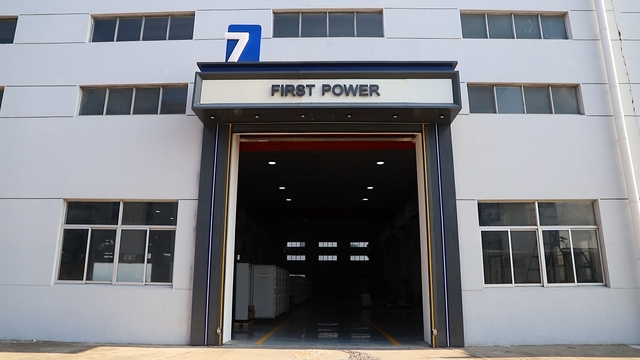 Verified production base · Suzhou, Jiangsu, China
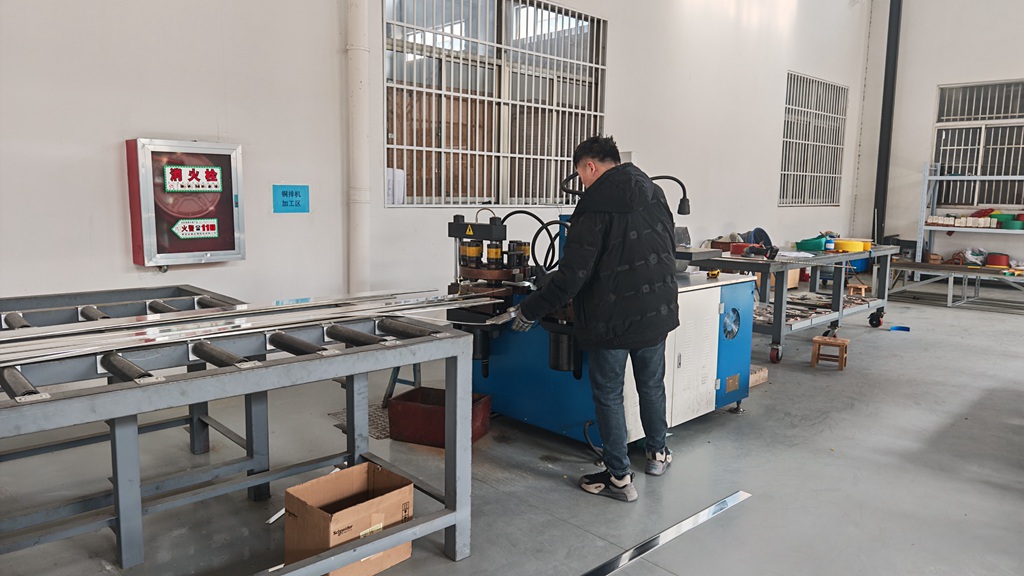
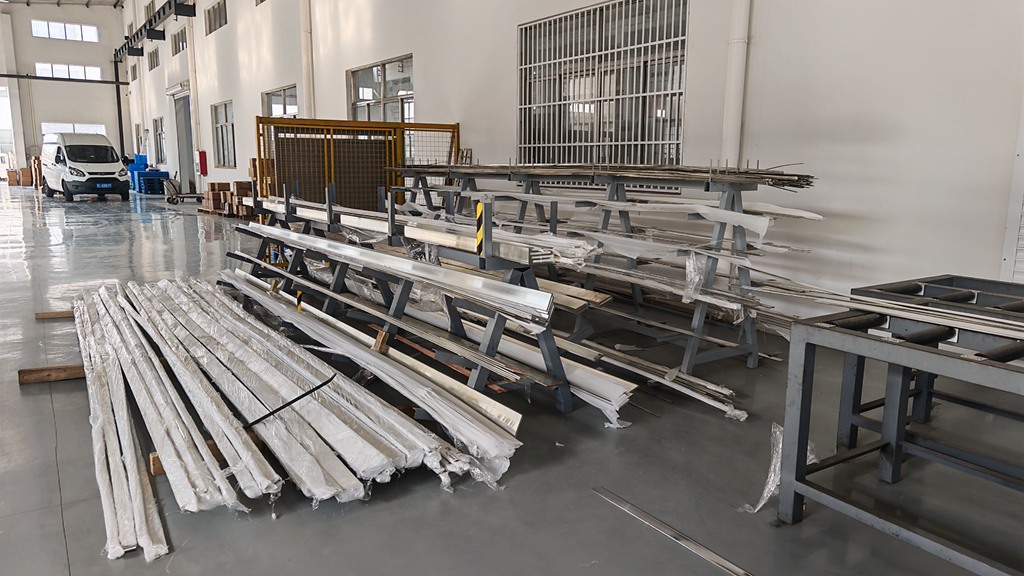
Verified Factory Capacity
6,847 m² inspected floorspace with dedicated winding, core assembly, drying, tanking and test areas.
In-House Testing Discipline
Ratio, resistance, loss, impedance, dielectric and oil BDV tests are documented for each serial number.
Design Customization
Ratings, vector group, impedance, taps, bushings, cooling and enclosure are adapted to utility specifications.
Export Logistics Coverage
Seaworthy packing, shock indicators and Incoterms coverage from EXW to DDP for global projects.
Certified Management Systems
ISO 9001, ISO 14001 and ISO 45001 systems are published with certificate numbers for buyer verification.
Complete Documentation
GA drawings, nameplate drafts, test reports and O&M manuals can be supplied in English for review.
Qualified Supply Partners
211 qualified sources for silicon steel, copper, bushings and accessories support stable lead-time planning.
24-Hour Engineer Response
Technical questions and after-sales issues receive a qualified reply target within one working day.

Questions Utility Buyers Ask Before Ordering Transformers From China
Clear answers reduce quotation cycles and help technical teams compare offers on the same basis.
Which standards do Wisegj transformers comply with?
Units are designed and tested to IEC 60076 or ANSI/IEEE C57.12 series standards depending on the destination market. Product lines hold CE certificates, and production runs under ISO 9001, ISO 14001 and ISO 45001 management systems. Always confirm the exact standard edition, grid code and customer specification in the approved technical data sheet.
What voltage and capacity range can be supplied?
The published portfolio covers 220 V to 500 kV, from small single-phase or three-phase distribution transformers to oil-immersed power transformers and compact substations. Typical ratings in this guide range from 50 kVA distribution units to 31,500 kVA class oil transformers, with project-specific designs available after review.
Which factory tests are performed before shipment?
Every unit receives routine tests such as winding resistance, voltage ratio and vector group, impedance and load loss, no-load loss and current, applied voltage and induced voltage withstand, plus oil dielectric strength testing for liquid-filled units. Type test reports can be provided, and third-party witness inspection is welcome when agreed before production.
Can transformers be customized for a project?
Yes. OEM, ODM, design-based and sample-based customization can cover ratings, vector group, impedance, tap range, bushing configuration, cooling method, insulating fluid, enclosure color, cable entry arrangement, protection accessories and nameplate language. Customization should be documented on the GA drawing and approved before manufacturing.
What trade and payment terms are available?
Common Incoterms include FOB, CFR, CIF, EXW, FCA, CIP, CPT and DDP. Payment methods can include T/T, L/C, D/P and D/A depending on the order value, destination and commercial agreement. Currencies commonly referenced include USD, EUR, GBP, CAD, AUD and other major currencies.
How should I compare transformer quotations fairly?
Compare guaranteed losses, impedance tolerance, temperature rise, tap range, vector group, cooling class, insulating fluid, enclosure treatment, protection accessories, test scope, documentation language, packing and lead time. A lower price may hide higher losses, reduced accessories or unclear warranty terms. Use a weighted scorecard linked to project priorities.
What information is needed for a fast and accurate offer?
Provide rated power in kVA, primary and secondary voltage, frequency, vector group, impedance, tap changer type and range, cooling method, insulating fluid, applicable standard, site altitude, ambient temperature, loss limits, enclosure requirements, delivery port and required documentation. A single-line diagram or tender specification also helps.
How are warranty and after-sales support handled?
Warranty terms are defined in the contract and usually depend on product type, application and operating conditions. Buyers should receive O&M manuals, test reports and drawings for maintenance planning. Technical support and spare-part coordination can be handled through the supplier’s engineer response process, with a published 24-hour response target for pre-sale and after-sale questions.
Have a Utility Transformer Specification Ready for Review?
Share your data sheet, single-line diagram or tender document. A transformer engineer can review the voltage ratio, kVA, losses, impedance, cooling method, standard, site conditions and delivery requirements before an offer is prepared.
- Send kVA, primary and secondary voltage, frequency and vector group
- Confirm IEC or ANSI/IEEE standard, tap range and impedance
- State site altitude, ambient temperature, enclosure and fluid preference
- Ask for test reports, drawings, packing details and delivery schedule
Tell us what the project needs. The inquiry button opens the supplier’s third-party live chat workflow without any extra redirect added here.
Inquire Now Recommended details: kVA · voltage ratio · frequency · standard · destination port