China Top Electrical Transformer Factory & Supplier
Utility-grade oil-immersed, pad-mounted and distribution transformers from 10 kVA to 50 MVA — engineered to IEC 60076 and ANSI/IEEE C57.12, CE certified and routine-tested before shipment.
8 Transformer Products Recommended for Utility, Industrial and Renewable Projects
This shortlist reflects configurations commonly requested from a China electrical transformer factory for export projects. Product URLs are preserved for direct technical review; final ratings, losses and accessories are confirmed against your datasheet before quotation.
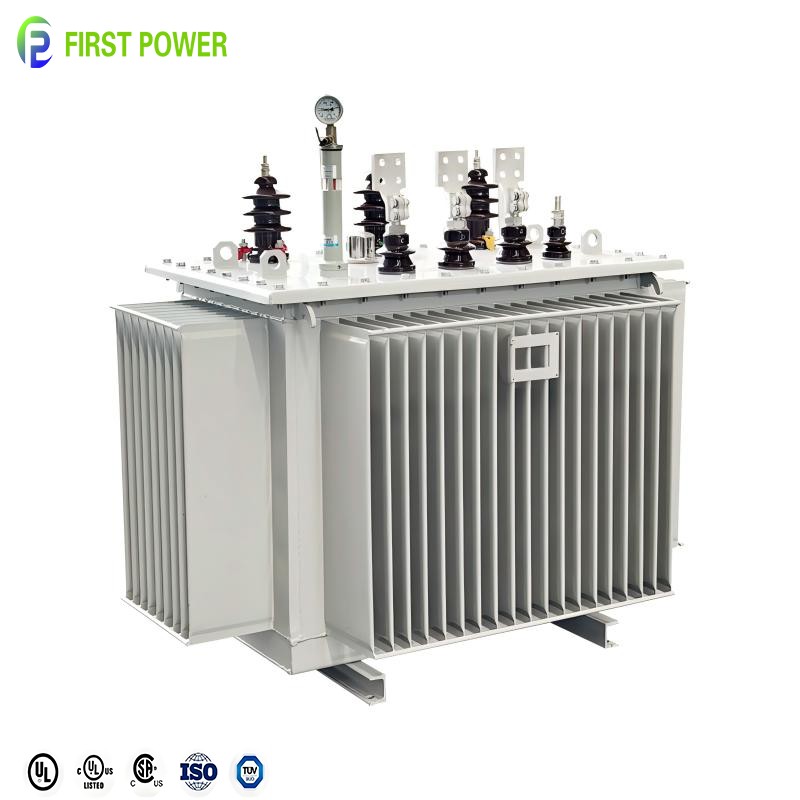
C CE 50/60HZ 100KVA 300KVA 500KVA 630KVA 1000KVA 10KV 20KV 35KV 3 Phase Oil Immersed Power Transformer for Power Supplies
Built for stable power supplies where loss performance, thermal margin and oil tightness matter. Suitable for industrial plants, commercial substations and distribution networks.
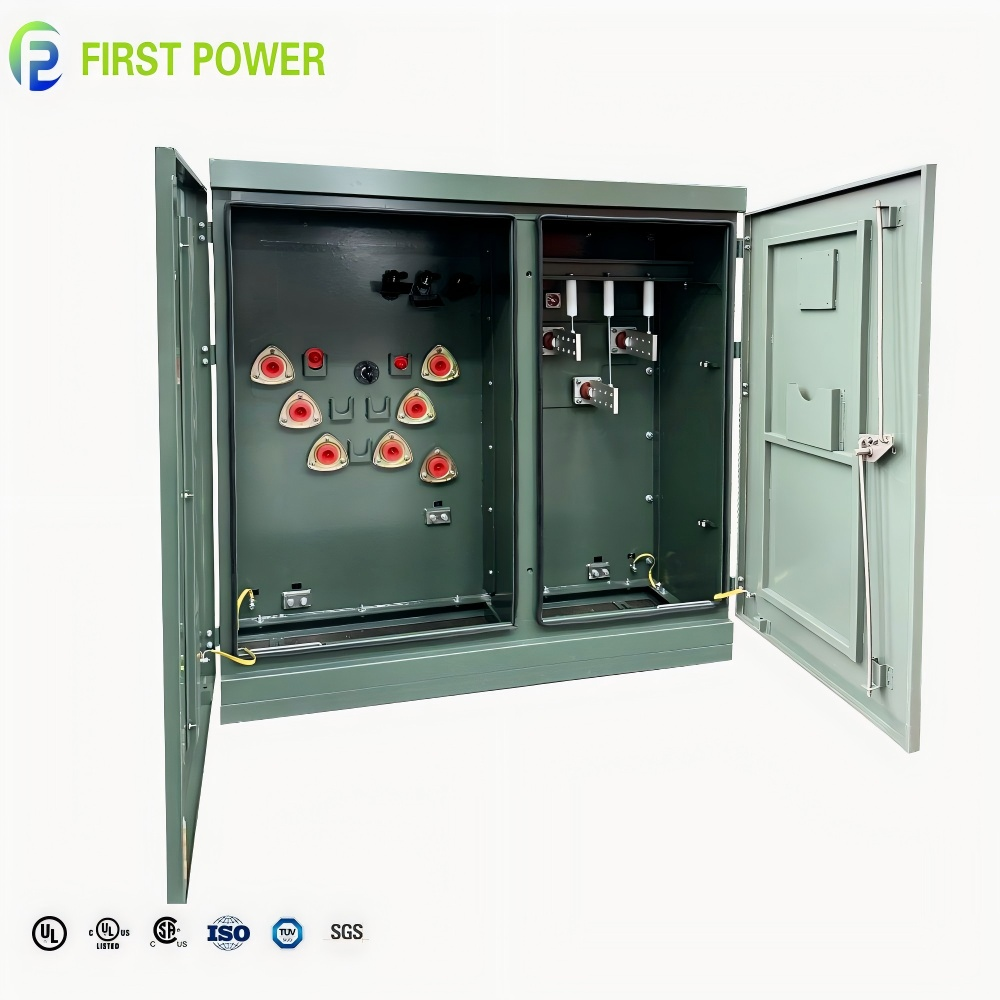
C CE Certification 50/60HZ 10KV 20KV 35KV 3 Phase Loop Feed Pad Mounted 750KVA Transformer for Electric Power Distribution
Loop-feed pad-mounted design for underground distribution, commercial sites and renewable interconnections. Tamper-resistant enclosure and dead-front options support utility practice.
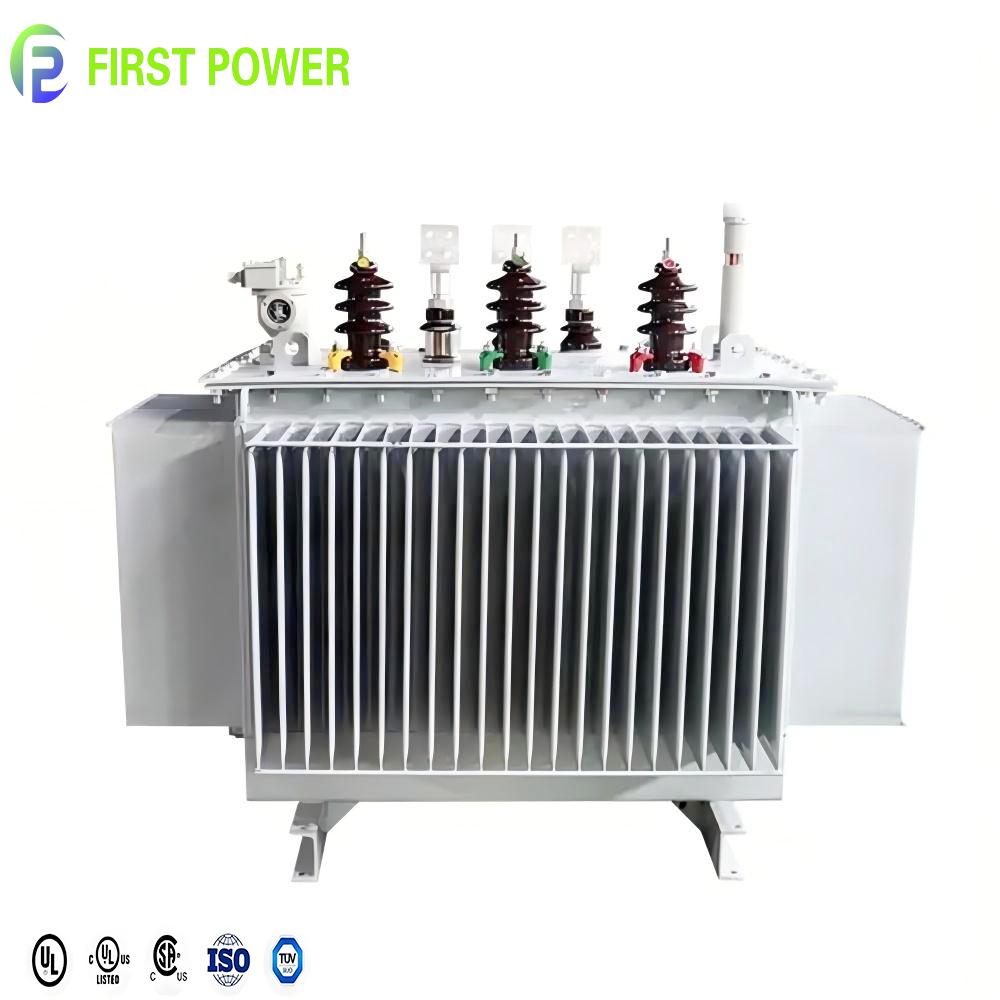
C CE S11 10KV 20KV 35KV 50KVA 100KVA 150KVA 200KVA 250KVA 3 Phase Oil-Immersed Transformer for Electric Power Distribution
S11 low-loss platform for distribution feeders, commercial buildings and small industrial loads. Sealed-tank construction and routine testing support dependable network operation.
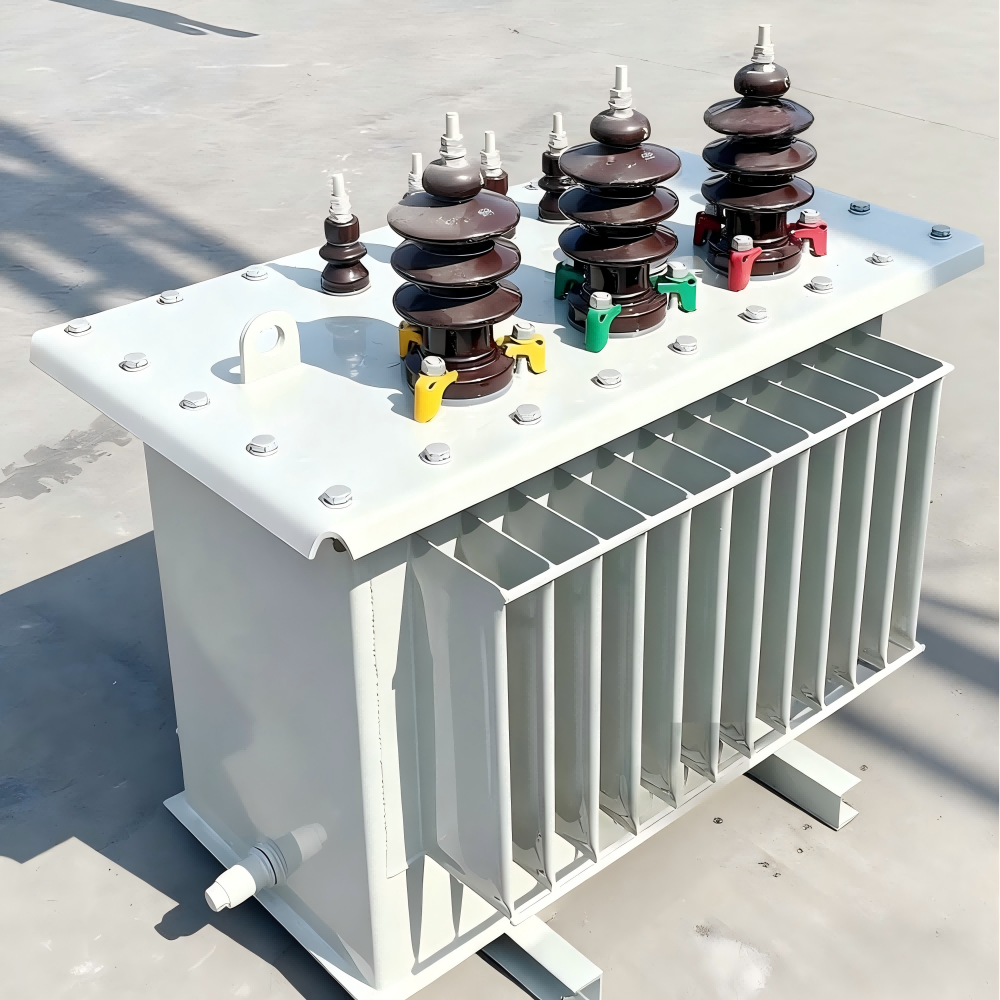
C CE MV&HV 30-31500KVA 6KV 10KV 15KV 20KV 35KV S11 Three Phase Oil Transformer for Electric Power Distribution
Wide-range S11 oil transformer for utility distribution and industrial substations. Engineering review covers impedance, tap range, cooling and vector group for grid compatibility.
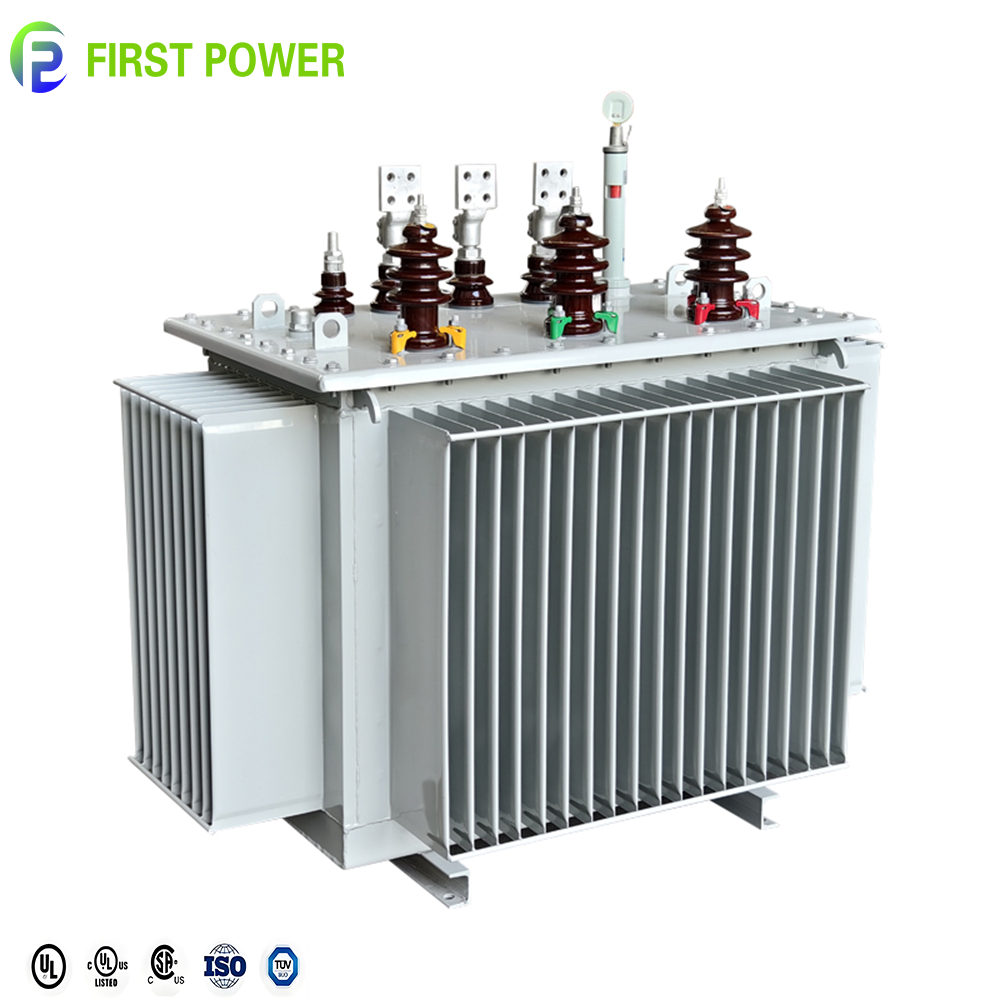
C CE 50/60HZ 6KV 10KV 15KV 20KV 35KV 100KVA 200KVA 300KVA 500KVA 220V Output Voltage Step up Oil Transformer for Industrial
Industrial step-up configuration for plant power distribution and process interfaces. Custom ratios, vector groups and tap ranges are confirmed during drawing approval.
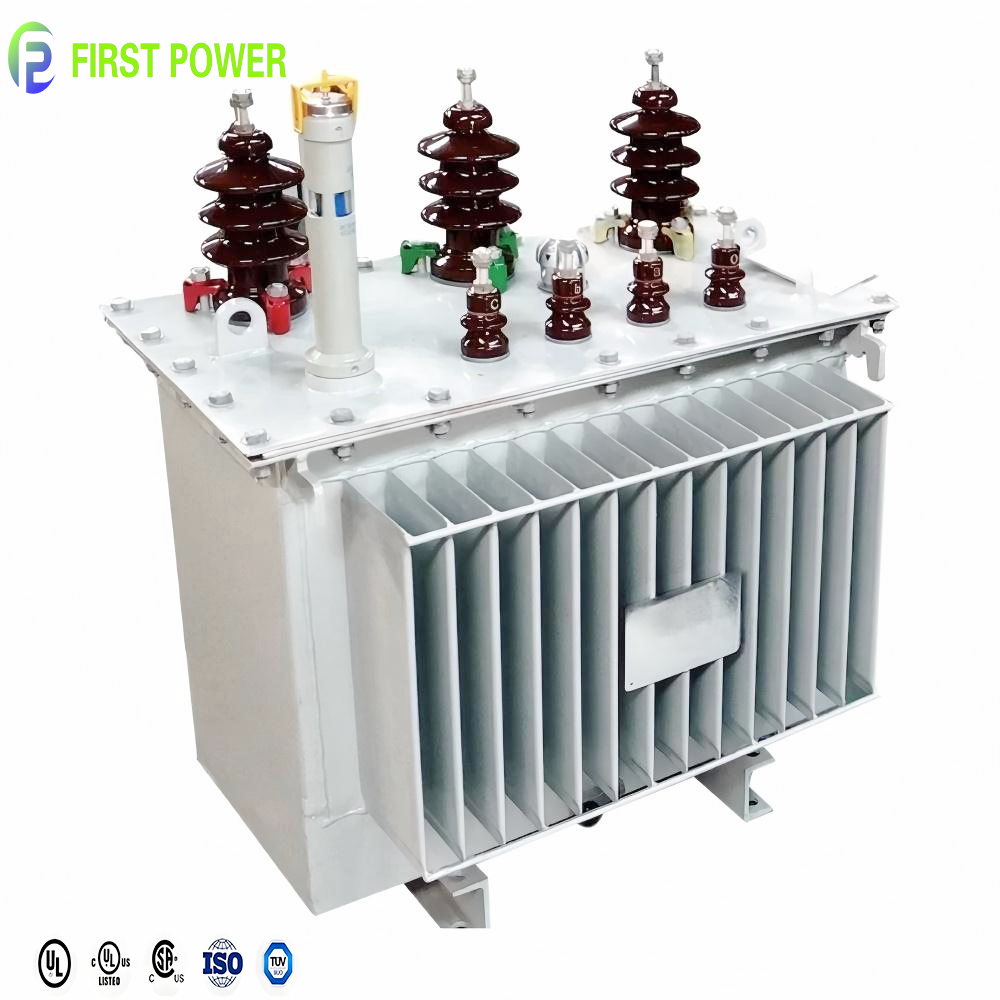
C CE 10KV 20KV 35KV 50KVA 100KVA 200KVA 300KVA 400KVA 500KVA Electric Oil Immersed Transformer for Industrial Power Supply
Oil-immersed transformer for factories, mines and process plants. Designed around load profile, ambient temperature, altitude and required impedance to reduce project uncertainty.
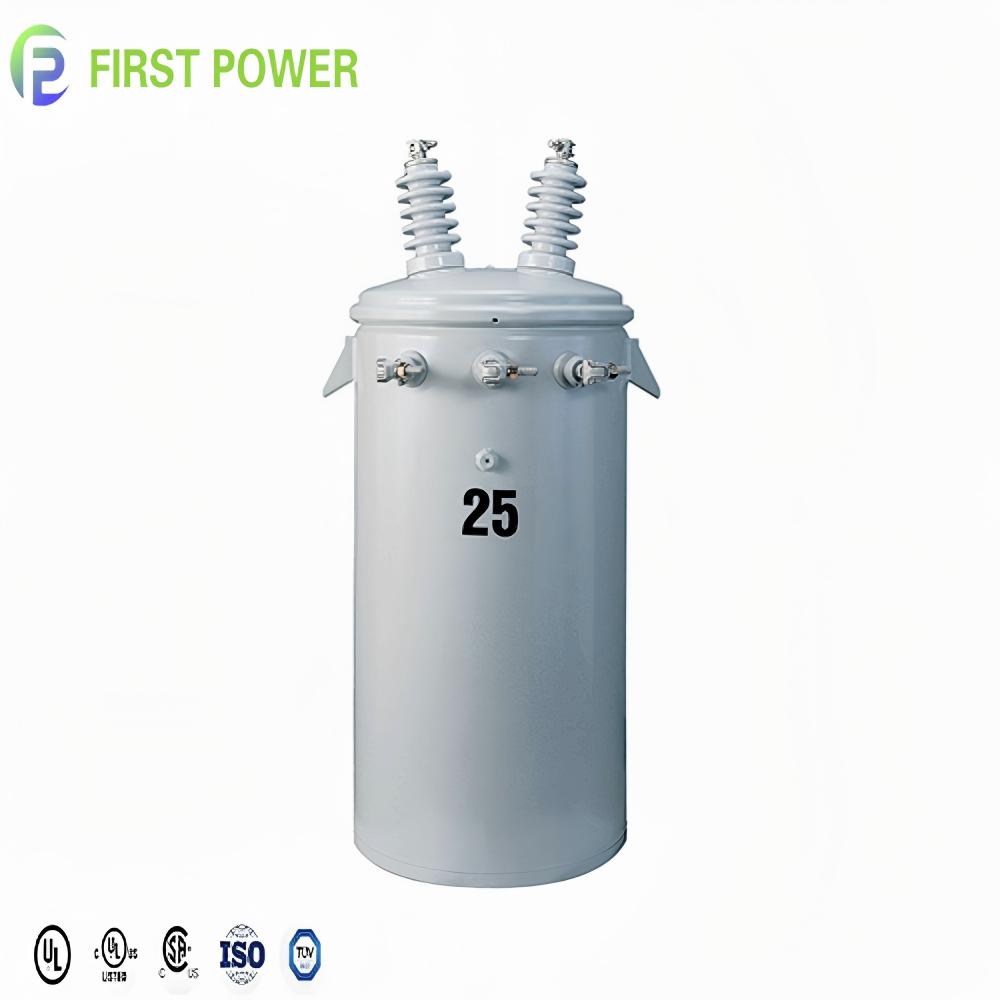
C CE Certification MV&HV 50/60HZ 6KV 10KV 20KV 35KV 25KVA Single Phase Transformer Price for Electric Power Distribution
Single-phase MV/HV distribution transformer for rural feeders and light-load networks. Compact ratings and CE documentation help simplify import compliance checks.
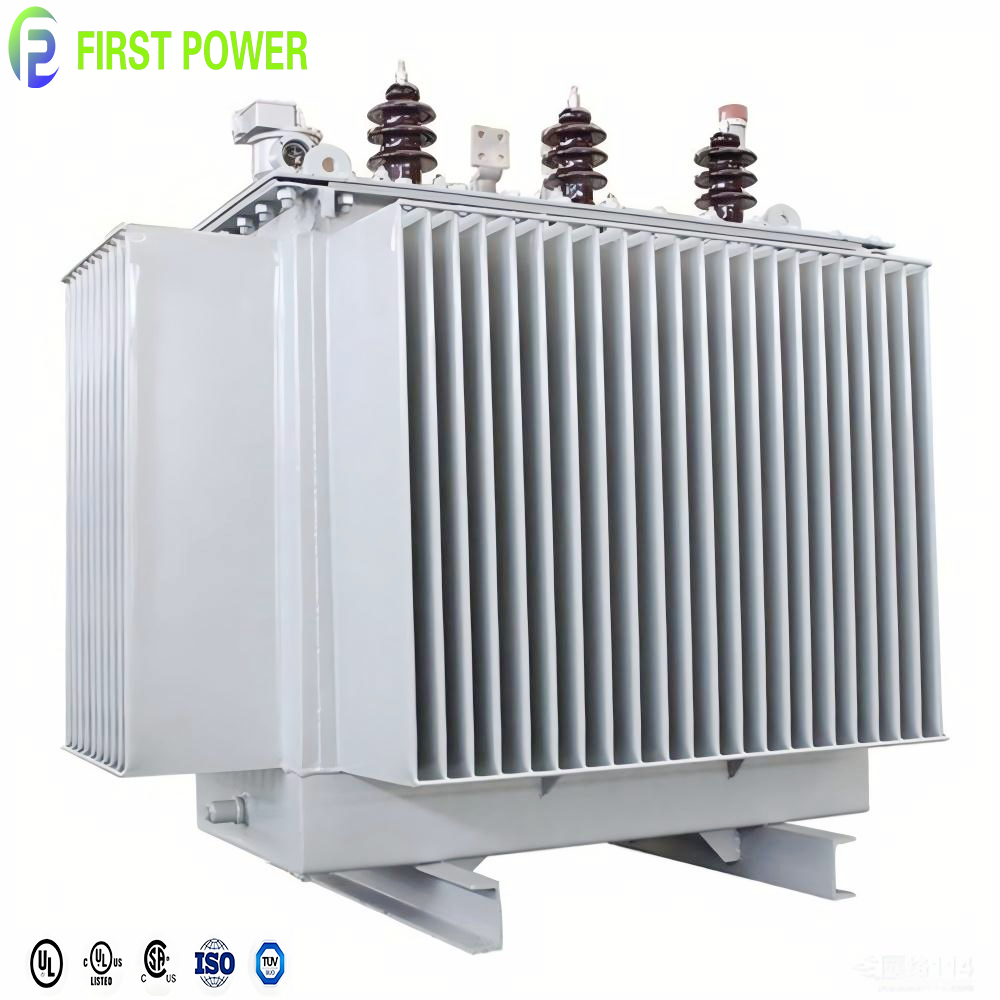
C CE MH&HV 50/60HZ 10KVA-50000KVA 10KV 15KV 20KV 35KV Three Phase S11 Oil Transformer for Electric Power Distribution
Broad S11 range from small distribution duty to 50 MVA project requirements. Suitable for utilities, EPC packages and industrial power distribution with customized losses.
What Separates a Top Transformer Factory from a Low-Cost Supplier?
Price is visible at quotation stage; loss performance, dielectric margin, documentation quality and delivery risk become visible only after energisation. A factory that engineers to your grid code and accepts third-party witness testing usually reduces total project risk more than a supplier that competes only on first cost.
For buyers sourcing from China, the practical test is not whether a supplier can quote a kVA figure. It is whether the supplier can prove material control, winding quality, oil processing, routine test records, export packing and after-sales response. Jiangsu Wisegj Power Co., Ltd. supports that proof with a verified 6,847 m² production footprint, more than 50 technical engineers, ISO 9001 / ISO 14001 / ISO 45001 systems and CE certification for core transformer families.
Use the product shortlist and selection matrix below as a first filter. Then ask for GA drawings, guaranteed losses, routine test scope, certificate numbers and the Incoterms that match your project schedule.
Factory Metrics Buyers Can Audit
These figures reflect the production and engineering capability described in the company profile and third-party assessment materials.
Years of team experience in transformer engineering
Maximum voltage class supplied across the portfolio
Verified production floorspace for winding, assembly and testing
R&D and technical engineers supporting customization
Qualified supply-chain partners for stable material supply
Average buyer rating from the verified company profile
Why Wisegj Is Shortlisted by Utilities and EPC Contractors
A transformer factory earns repeat orders through engineering discipline, not catalogue breadth alone. These advantages matter most when a project has a fixed energisation date.
Specialist Factory, Not a Trading Shell
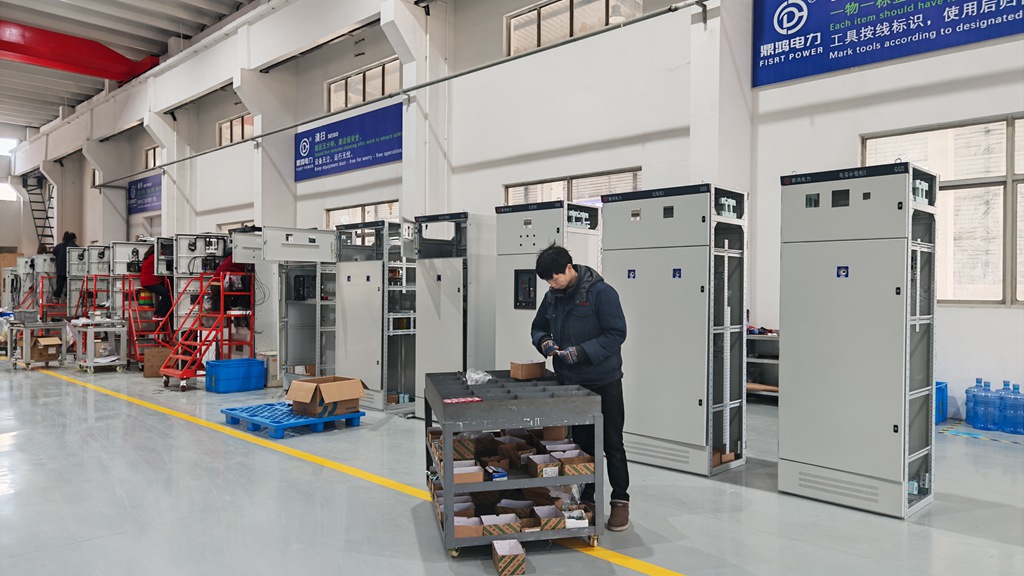
Verified 6,847 m² production floorspace with dedicated winding, core assembly, drying, tanking and test areas. Buyers can review production capability before placing an order.
Engineering Review Before Price
More than 50 engineers review rating, vector group, impedance, tap range, altitude, ambient temperature and cooling method so the quotation reflects a buildable design.
Routine Test Report per Serial Number
Winding resistance, ratio and vector group, impedance and load loss, no-load loss and current, applied and induced voltage, plus oil dielectric strength for liquid-filled units.
Certified Management and Product Compliance
ISO 9001, ISO 14001 and ISO 45001 systems, CE certificates for oil-immersed, dry type and compact substation families, plus TÜV Rheinland verified production capability.
Customization With Documented Accountability
OEM, ODM, design-based and sample-based customization covering ratings, bushings, cooling, insulating fluid, enclosure color, finish and nameplate language.
Export Execution and 24-Hour Response
Seaworthy packing, shock indicators, full Incoterms coverage and English documentation. Technical questions and after-sales issues receive a qualified reply within one working day.
Quality Control Before the Transformer Leaves the Factory
Quality is not a certificate on a wall. It is the ability to trace a serial number from core lamination to oil filling, routine test and packing.
From Material Receipt to Final Documentation
Wisegj organises production around documented checkpoints: incoming material verification, winding tension and dimension checks, core stacking inspection, vacuum drying records, tanking and leak testing, routine electrical tests and final documentation review. Third-party witness inspection is welcome, and buyers can request GA drawings, nameplate drafts, guaranteed losses and O&M manuals before shipment.

Company & Facility Overview
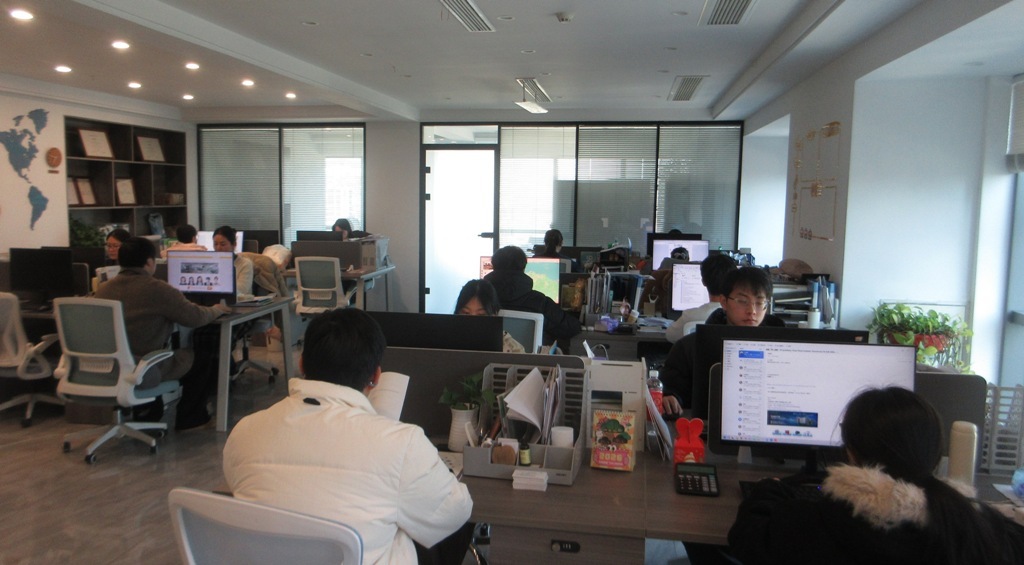
Assembly Workshop

Testing Laboratory
Export Packing & Loading
Certificate Numbers Your Compliance Team Can Verify
Core certificates are listed with numbers and validity periods. Additional ISO 14001, ISO 45001, CE switchgear and CE oil-immersed transformer documents are available during supplier qualification.
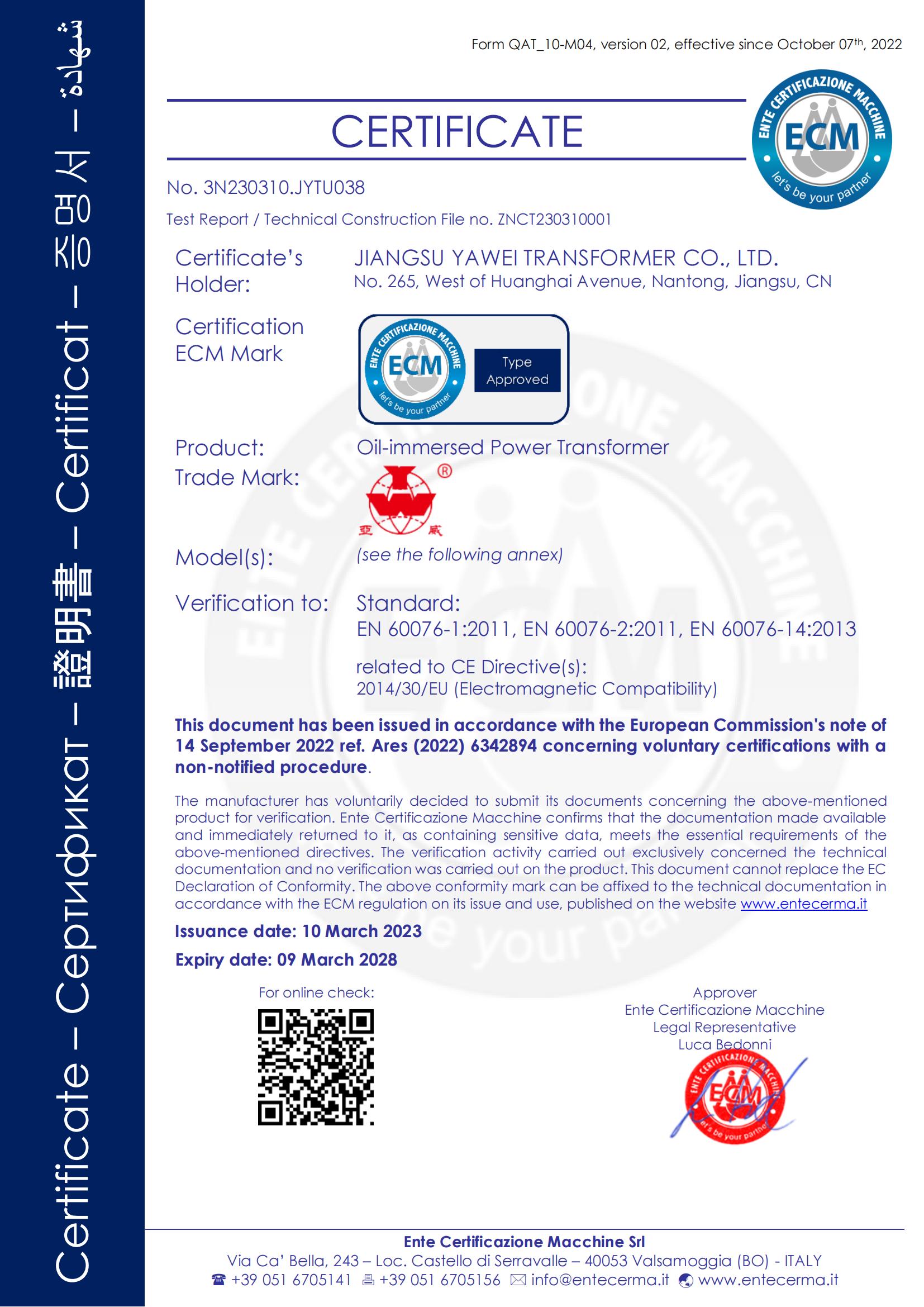
CE · Oil-Immersed Power Transformer
No. 3N230310.JYTU038 · 2023–2028
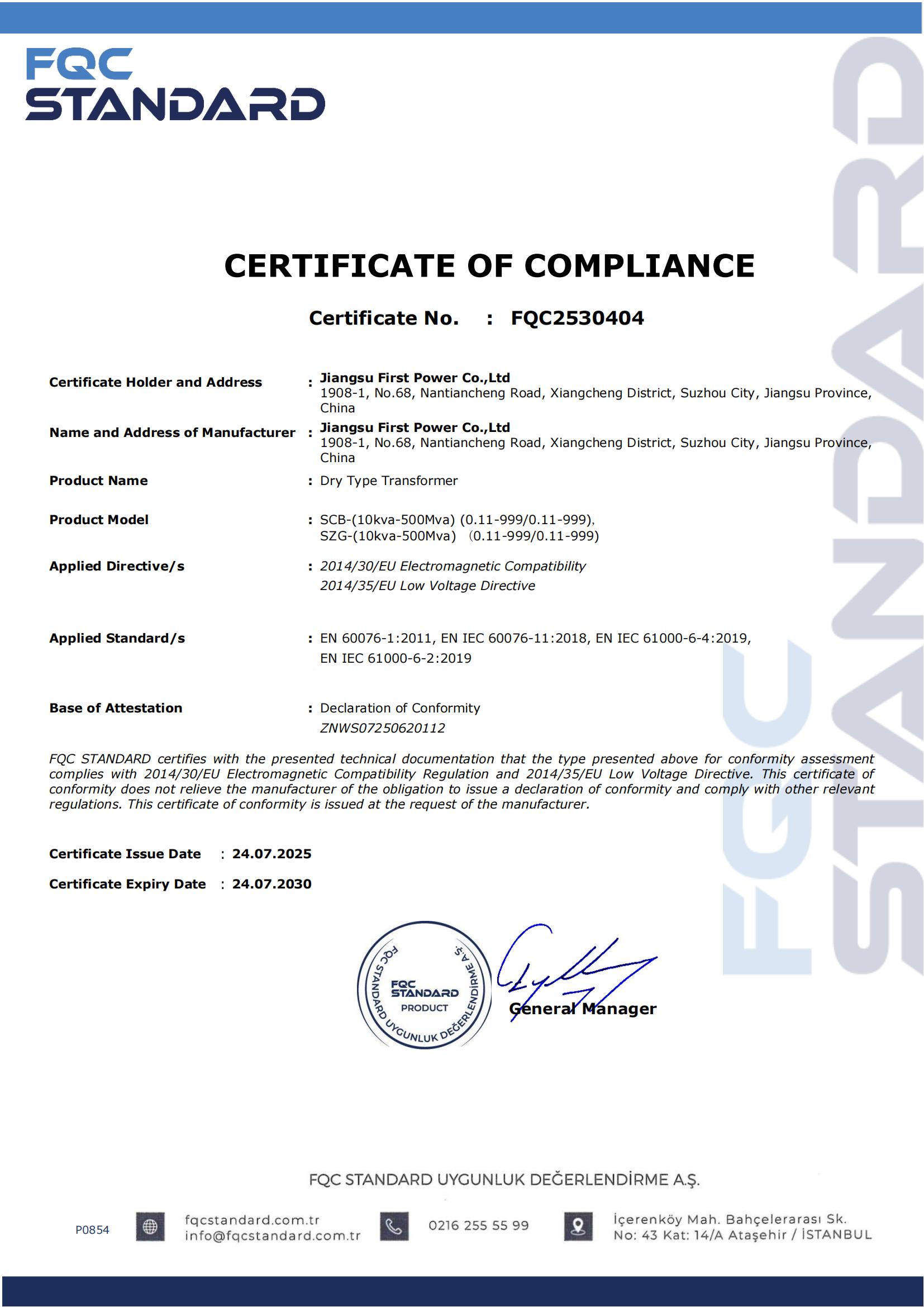
CE · Dry Type Transformer
No. FQC2530404 · 2025–2030
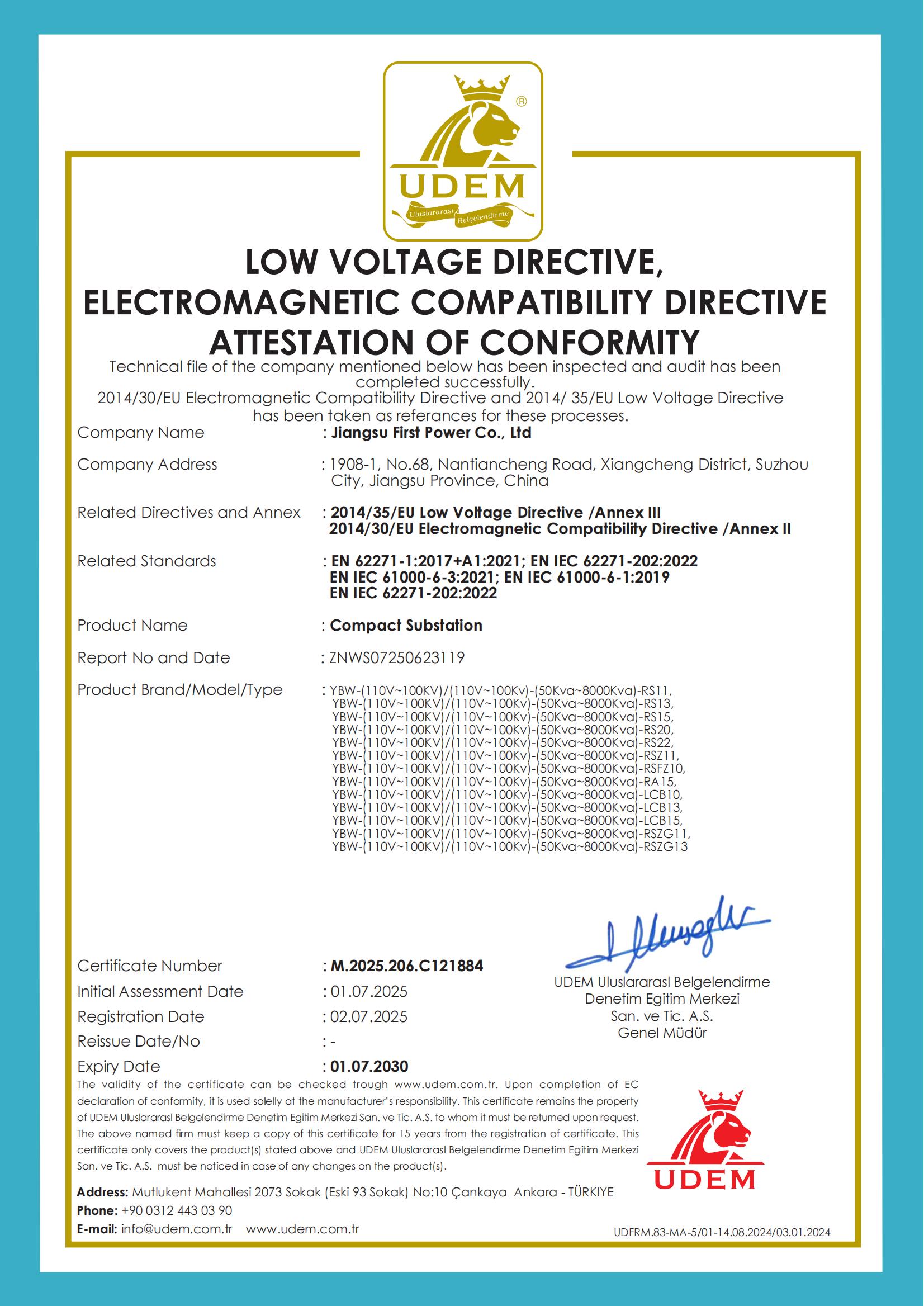
CE · Compact Substation
No. M.2025.206.C121884 · 2025–2030
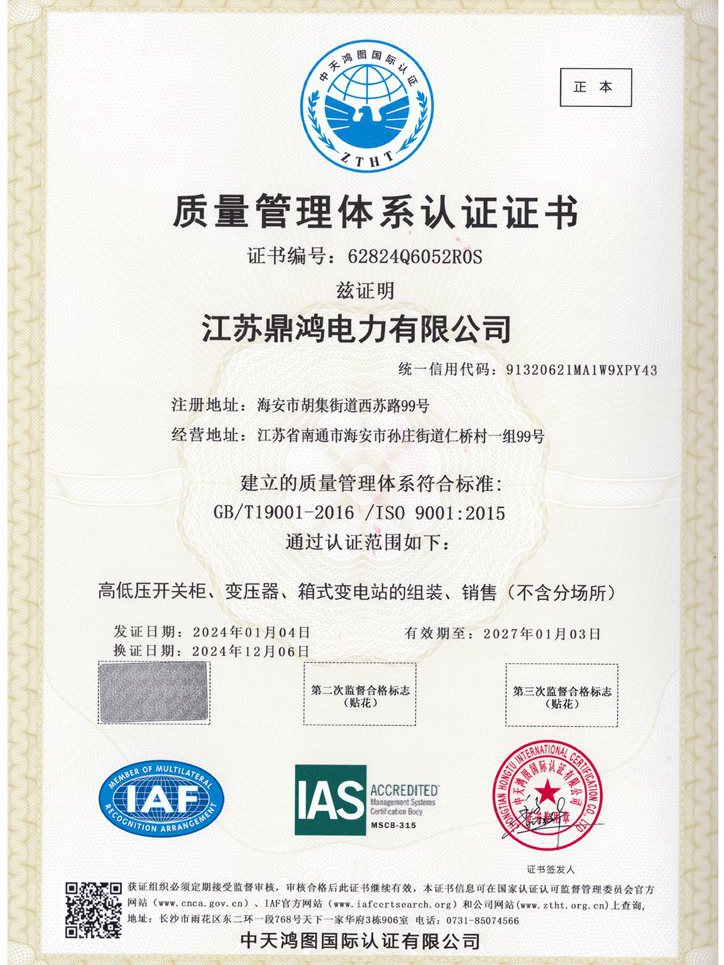
ISO 9001
Quality management · No. 62824Q6052R0S · 2024–2027
What Utility and EPC Buyers Will Expect from Transformer Suppliers
Procurement is moving from lowest unit price toward verified lifecycle value, documentation quality and delivery certainty.
Total Cost of Ownership Beats Unit Price
No-load and load losses, efficiency, maintenance access and outage risk are increasingly evaluated with a loss-capitalisation formula. Buyers should request guaranteed losses and the calculation basis before award.
Standards and Witness Testing Move into the Contract
IEC and ANSI/IEEE compliance is expected, but the stronger signal is acceptance of third-party witness testing, type-test evidence and complete routine test reports for each serial number.
Supply-Chain Resilience and Auditability
Utility and EPC teams want visibility of qualified material suppliers, production milestones, tanking records and export packing. A factory that can document these steps reduces schedule risk.
Faster Technical Clarification and Digital Documents
GA drawings, nameplate drafts, test reports, O&M manuals and packing lists are now part of the evaluation package. Clear English documentation shortens approval cycles across time zones.
Where Electrical Transformer Design Is Moving Next
These trends influence specification choices for projects planned for 2025–2030, especially where efficiency, fire safety and renewable interconnection are priorities.
Low-Loss Cores and High-Efficiency Designs
CRGO and amorphous-core options are evaluated against loss capitalisation and local efficiency rules. The right answer depends on load profile, not catalogue defaults.
Pad-Mounted and Compact Substations Continue to Grow
Underground distribution, urban redevelopment, solar farms and data centers favor factory-assembled, space-saving equipment with tamper-resistant enclosures.
Fire-Safe Dry Type and Ester-Fluid Choices
Hospitals, tunnels, high-rise buildings and fire-sensitive sites increasingly specify cast-resin dry type units or natural-ester insulating fluids to reduce fire and environmental risk.
Renewable Interconnection and Monitoring-Ready Designs
Solar and wind projects require step-up transformers and compact substations designed around harmonic, thermal and cycling duty. Temperature and condition-monitoring provisions are easier to specify at design stage.
Transformer Selection Guide: Match the Unit to the Load
Use this matrix to shortlist the right family before requesting drawings. Final ratings, standards and accessories are confirmed by the factory engineer against your datasheet.
Three-Phase Pad-Mounted Transformer
Underground distribution for commercial sites, solar farms, data centers and campuses.
Single-Phase Pad-Mounted Transformer
Residential subdivisions, rural underground loops and light commercial loads.
Oil-Immersed Distribution Transformer
Utility distribution, industrial plants and mines where oil-filled equipment is accepted.
Cast-Resin Dry Type Transformer
Indoor installation close to the load, including hospitals, high-rises and tunnels.
Power Transformer
Transmission, generation step-up and renewable grid interconnection substations.
Compact Substation
Fast-track renewables, urban networks and temporary power where prefabrication saves site time.
Specification Checklist for a Faster, More Accurate Offer
Sharing these parameters lets the engineering team return a compliant design and guaranteed losses without unnecessary clarification rounds.
Include destination port, target delivery date and any witness-inspection requirement to shorten the quotation cycle.
Questions Buyers Ask a China Electrical Transformer Factory
Direct answers from the engineering and export teams help procurement teams compare suppliers on substance rather than slogan.
Are you a transformer factory or a trading company?
Jiangsu Wisegj Power Co., Ltd. is a manufacturer and exporter based in Suzhou, China, with verified production floorspace, in-house engineering and CE/ISO documentation. OEM, ODM, design-based and sample-based customization are available.
Which standards can your transformers be built to?
Units are designed and tested to IEC 60076 or ANSI/IEEE C57.12 series standards depending on the destination market. CE certificates cover core transformer families, and production runs under ISO 9001, ISO 14001 and ISO 45001 systems.
Which factory tests are performed before shipment?
Every unit receives routine tests including winding resistance, ratio and vector group, impedance and load loss, no-load loss and current, applied and induced voltage, plus oil dielectric strength for liquid-filled units. Third-party witness inspection is welcome.
Can you customize rating, vector group and enclosure?
Yes. Customization covers rated power, voltage ratio, vector group, impedance, tap range, bushing configuration, cooling method, insulating fluid, enclosure color, finish and nameplate language. Drawings are approved before production.
What trade terms and payment methods are accepted?
FOB, CFR, CIF, EXW, FCA, CIP, CPT and DDP terms are available. Payment options include T/T, L/C, D/P and D/A, with USD, EUR, GBP, CAD, AUD and other major currencies agreed per contract.
How do we verify factory capability before ordering?
Request the company profile, TÜV Rheinland assessment report, certificate numbers, factory video, GA drawing sample and routine test report sample. Buyers may also arrange a factory audit or third-party pre-shipment inspection.
Send Your Transformer Specification to a Factory Engineer
Share rated power, primary and secondary voltage, frequency, vector group, impedance, tap range, cooling method, site altitude and target delivery. The engineering team will review the data and respond within one working day.
Email: [email protected] · Suzhou, Jiangsu, China