China Best Three Phase Oil Transformer Supplier & Wholesalers
Oil-immersed distribution and power transformers engineered for 6–35 kV networks and up to 500 kV class systems, with IEC 60076 and ANSI/IEEE C57.12 options, CE certification lines, ISO management systems, and TÜV Rheinland verified production capability.
8 Oil Transformer Products for Three-Phase Power, Distribution and Pad-Mounted Projects
These product lines are drawn from the original Wisegj oil transformer catalogue and are presented with procurement context rather than a simple price list. Six are three-phase oil transformer families; two are single-phase oil transformer companions often included in mixed utility and industrial packages.
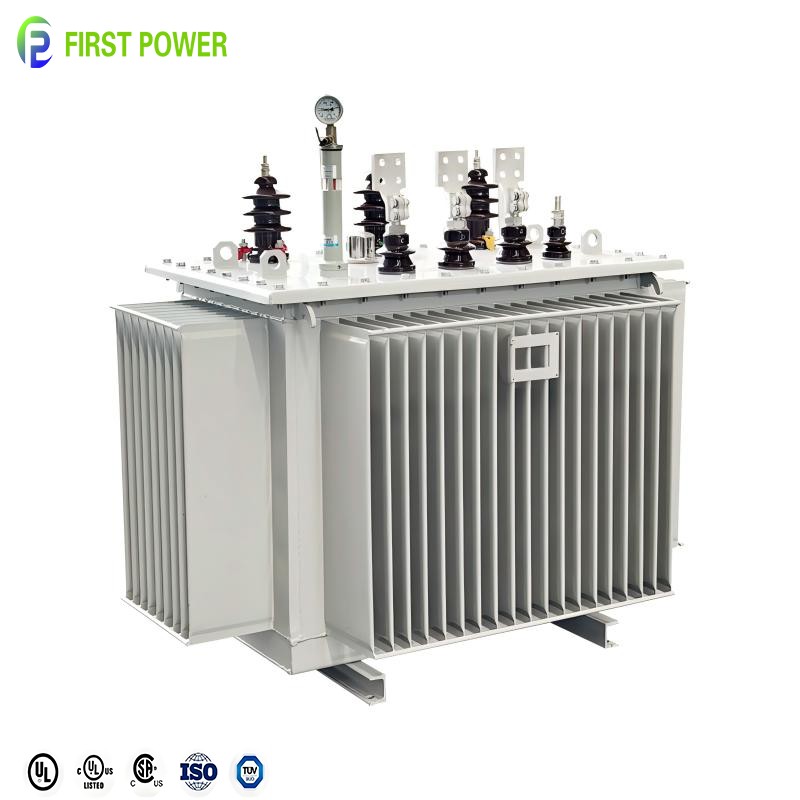 Power Supply
CE 50/60 Hz 100–1,000 kVA 10–35 kV Three-Phase Oil-Immersed Power Transformer
A broad-range oil transformer for power supplies, industrial substations and export projects where stable temperature rise, full routine testing and documented losses matter.
- Rating100–1,000 kVA
- Voltage10–35 kV
- StandardIEC 60076 / CE
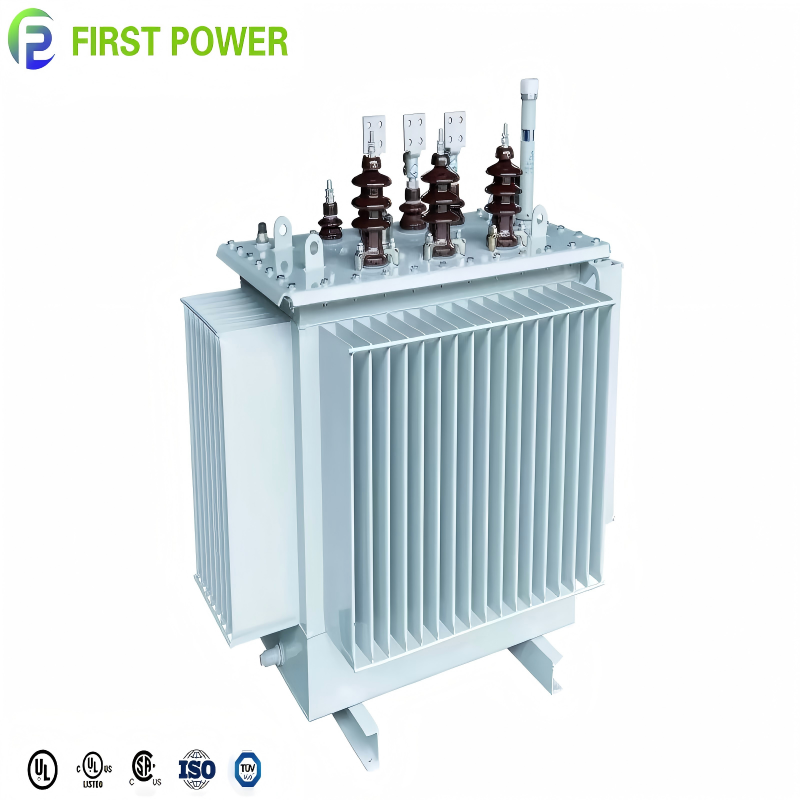 Distribution
CE S11 50/60 Hz 6–35 kV Three-Phase Oil-Immersed Distribution Transformer, 50–300 kVA
An S11 low-loss distribution platform for public networks, commercial complexes and renewable interconnection points, available with multiple primary voltage configurations.
- Rating50–300 kVA
- Primary6–35 kV
- ApplicationDistribution
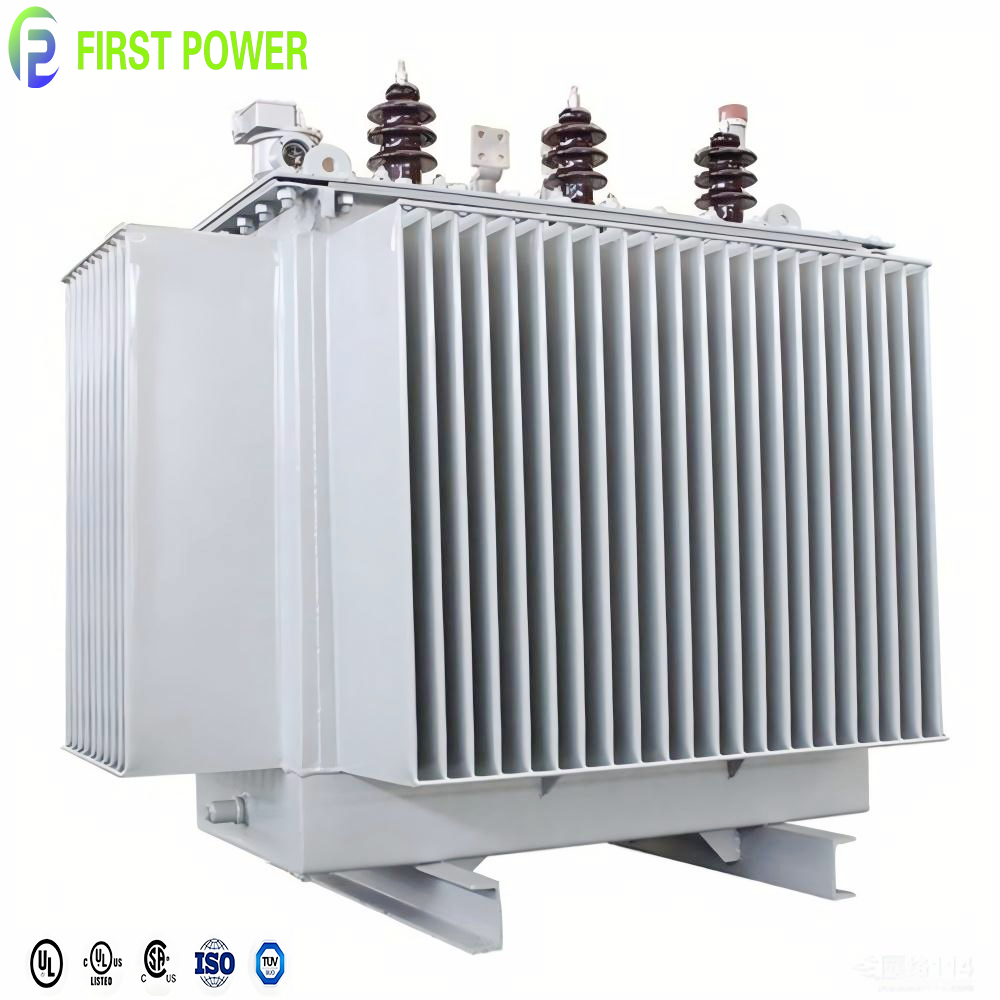 Wide Range
CE MH/HV 50/60 Hz 10 kVA–50 MVA Three-Phase S11 Oil Transformer for Power Distribution
A project-by-project oil transformer line for buyers seeking one technical partner across distribution, industrial and small power applications.
- Range10 kVA–50 MVA
- Voltage10–35 kV
- StandardIEC / ANSI on request
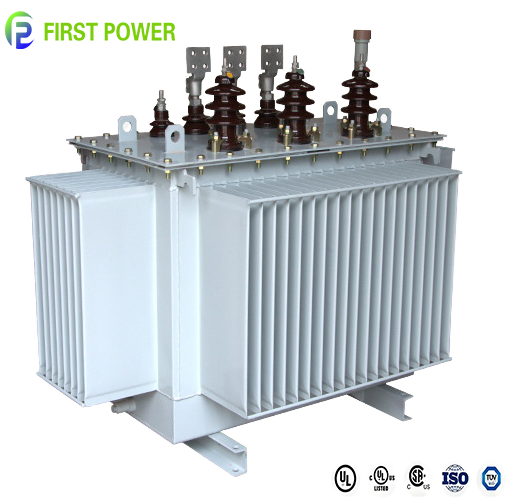 Price / TCO
CE 50/60 Hz S11 10–35 kV 100–630 kVA Three-Phase Oil Transformer for Distribution Systems
A specification-led price platform for procurement teams comparing no-load loss, load loss, impedance and delivery performance rather than headline cost alone.
- Rating100–630 kVA
- Voltage10–35 kV
- FocusLow-loss TCO
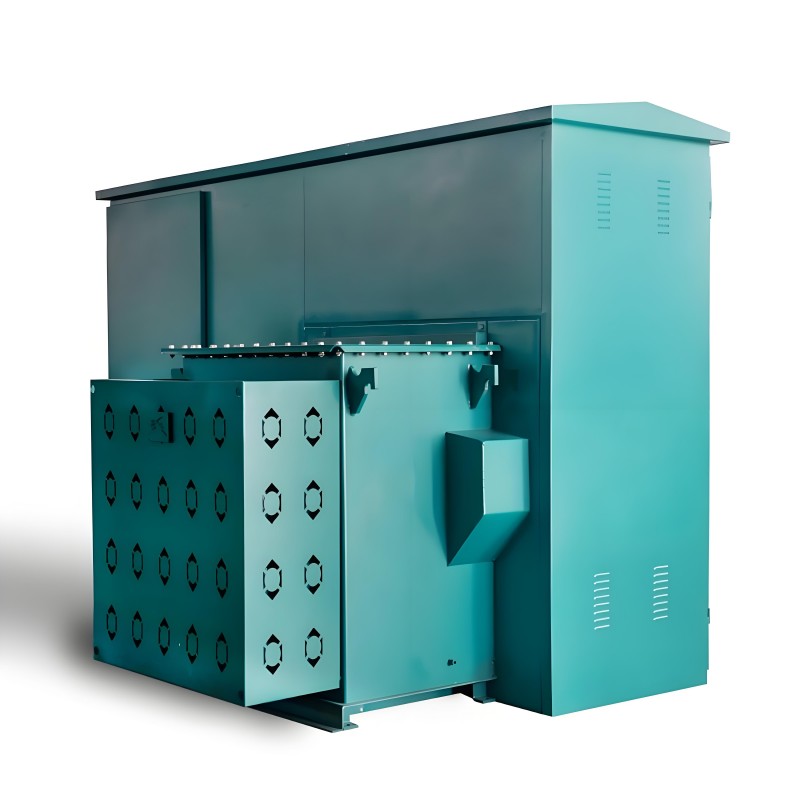 Pad-Mounted
C Certified Oil-Type Cooper 75–2,500 kVA Pad-Mounted Transformer, 6–34.5 kV, 50/60 Hz Dead-Front Three-Phase
Dead-front pad-mounted design for underground distribution, commercial campuses and utility projects requiring tamper-resistant enclosures.
- Rating75–2,500 kVA
- Voltage6–34.5 kV
- StandardIEEE / CE line
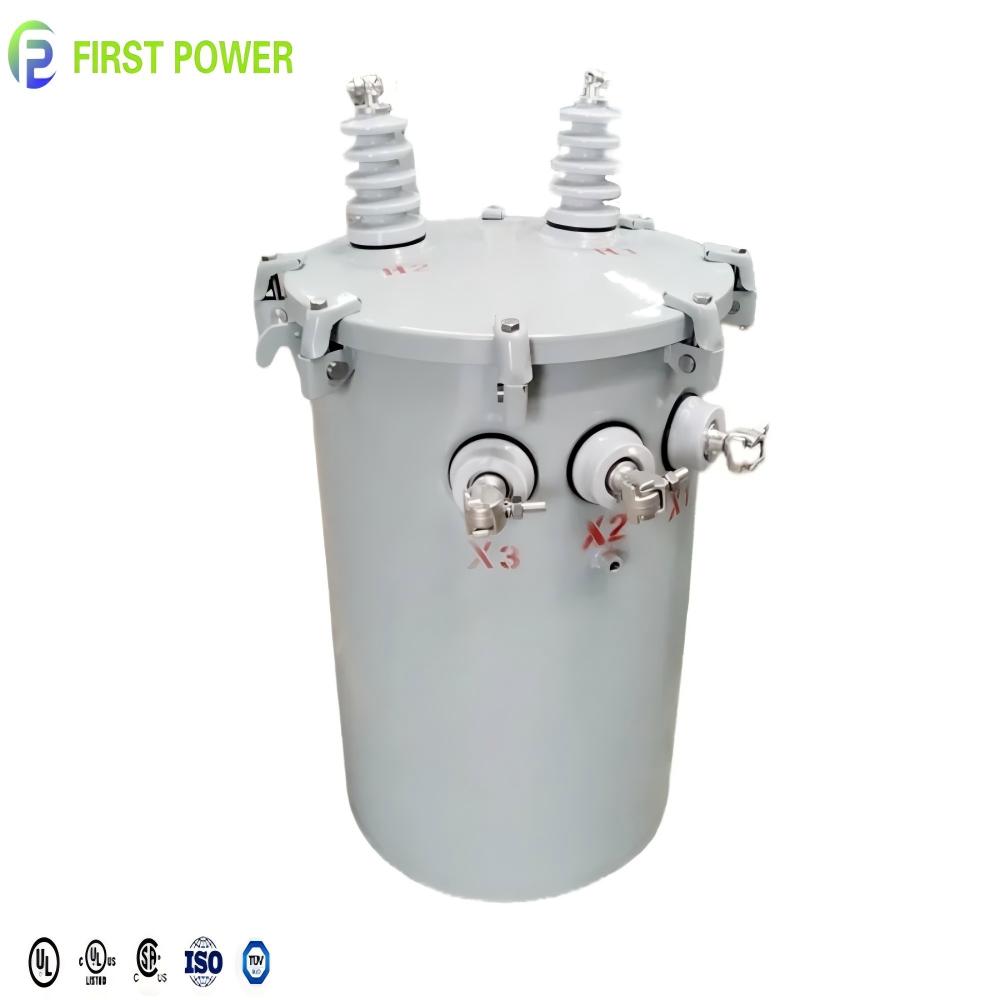 Single-Phase
ANSI 50/60 Hz 6–35 kV 15–100 kVA Single-Phase Pole-Mounted Transformers for Industrial Power Supply
A complementary single-phase oil transformer line for rural feeders, industrial loads and mixed equipment packages that require ANSI-style construction.
- Rating15–100 kVA
- StandardANSI
- MountingPole-mounted
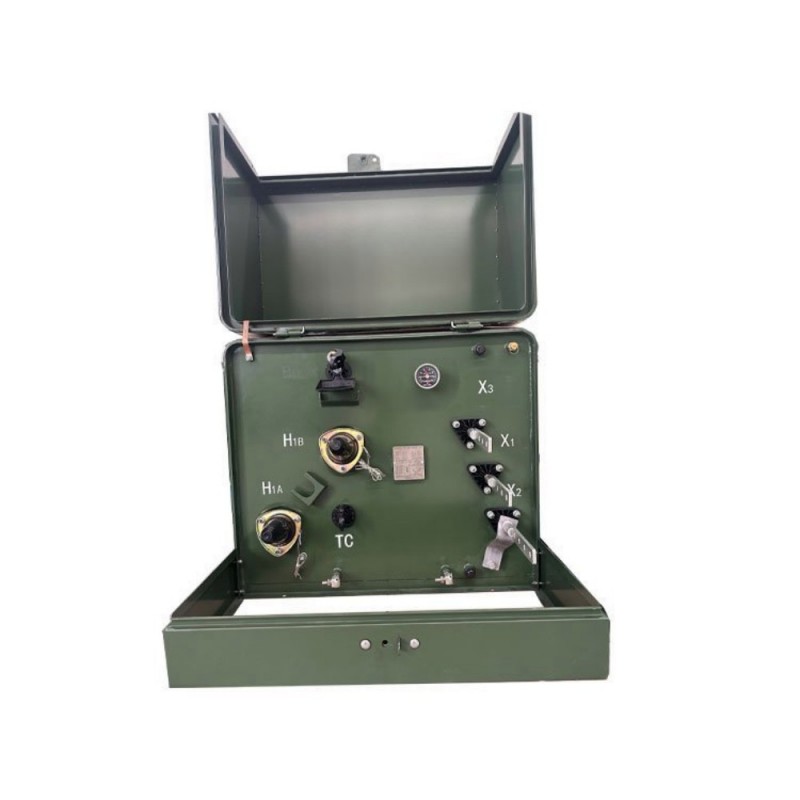 Single-Phase Pad
C Certification 6–34.5 kV 50/60 Hz Oil-Type Single-Phase 75 kVA Pad-Mounted Transformer
Compact pad-mounted single-phase oil transformer for residential underground systems, distributed loads and mixed phase projects.
- Rating75 kVA
- Voltage6–34.5 kV
- MountingPad-mounted
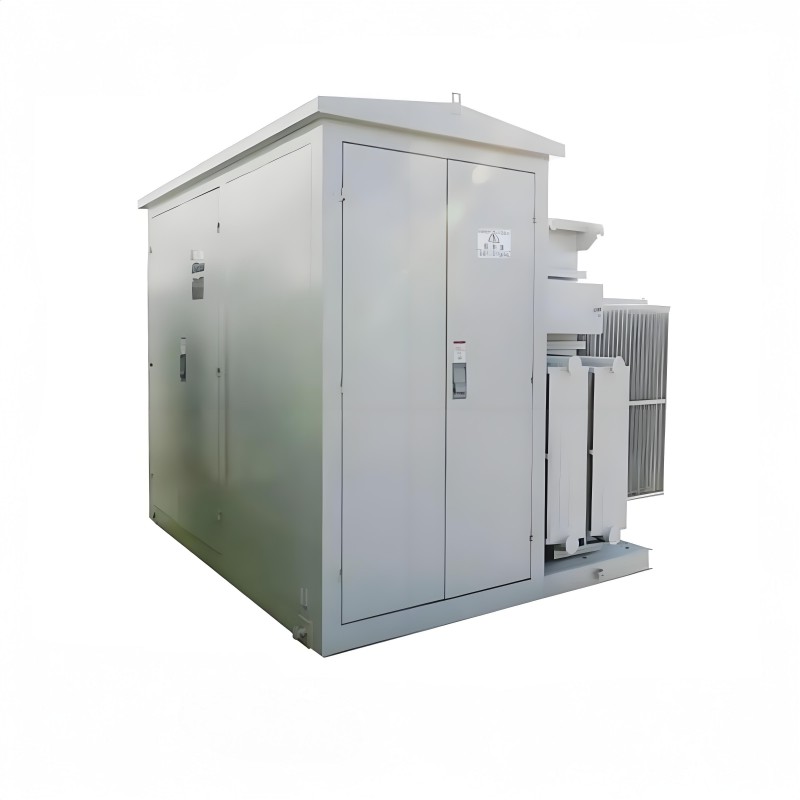 13.8 kV
American Standard C Certification 75–2,500 kVA Oil-Type Three-Phase 13.8 kV Pad-Mount Transformer for Power Generation
American-standard pad-mount platform for power generation, data centres and commercial projects using 13.8 kV distribution networks.
- Rating75–2,500 kVA
- Voltage13.8 kV
- StandardANSI / C
Not sure which oil transformer line fits your tender? Send the rated power, primary and secondary voltage, frequency, vector group, impedance, cooling method and applicable standard. Our engineers will match the closest platform and prepare a compliant quotation.
Get a QuoteChina Transformer Supplier Capability at a Glance
For wholesalers, utilities and EPC buyers, supplier capability must be auditable. The figures below summarise the company information published by Jiangsu Wisegj Power Co., Ltd. and the production and compliance evidence available for review.
Years of team experience in transformer design and export projects
Maximum voltage class represented in the company portfolio
Production floorspace referenced in verification materials
R&D and technical engineers supporting specification review
Qualified supply-chain partners for materials and accessories
Average buyer rating shown in the company’s published profile
What “Best” Should Mean When You Compare China Three-Phase Oil Transformer Suppliers
A buyer searching for a China three phase oil transformer supplier or wholesaler is rarely looking for one catalogue page. The real intent is usually a comparison between technical compliance, loss performance, delivery reliability, documentation quality and post-order engineering support.
For utility distribution, industrial power supply and renewable projects, the lowest quoted price can become the highest lifecycle cost if no-load loss and load loss are not evaluated, if the vector group does not match the network, or if routine test reports are incomplete. The strongest supplier is the one that reduces specification risk before the purchase order is issued.
Wisegj approaches oil transformer enquiries as engineering packages: ratings, impedance, tap range, cooling, insulating fluid, bushings, protection accessories, nameplate language and test documentation are reviewed together. For wholesalers, this same discipline supports repeatable product configurations, stable labelling and export-ready packing.
- Compare guaranteed no-load loss and load loss, not only kVA price.
- Confirm IEC 60076 or ANSI/IEEE C57.12 compliance for the destination market.
- Request routine test reports and third-party witness inspection options.
- Check CE certificate scope, ISO certificate validity and TÜV verification evidence.
- Review lead time, Incoterms, packing and spare-parts support before award.
Illustrative Procurement Weighting for Oil Transformers
Use this framework to align technical and commercial stakeholders during tender evaluation. The percentages are illustrative; project-specific loss capitalisation and risk rules should always prevail.
Information gain for buyers: a low-loss transformer can justify a higher initial price when evaluated over 20 to 30 years, especially in high-load-factor networks.
Product Recommendations by Application and Search Intent
Different procurement teams search with different words: “three phase oil transformer price”, “S11 oil immersed distribution transformer”, “pad mounted transformer supplier China” or “ANSI oil transformer wholesaler”. The recommendation should follow the project risk, not the keyword alone.
Utility Distribution Networks
Recommend the CE S11 6–35 kV 50–300 kVA or 100–630 kVA oil-immersed distribution platform when the buyer needs predictable losses, common vector groups and straightforward substation integration.
View recommended line →Commercial and Industrial Power Supply
Use the 100–1,000 kVA three-phase oil-immersed power transformer line for factories, campuses and industrial substations where thermal margin and test documentation are central.
View recommended line →Renewable and Infrastructure Projects
The 10 kVA–50 MVA S11 oil transformer platform gives EPC teams a single technical route across distribution, collector and small power applications where lead time and customisation matter.
View recommended line →ANSI Underground Distribution
Select dead-front pad-mounted three-phase oil transformers from 75 to 2,500 kVA for North American-style underground networks, commercial sites and data-centre infrastructure.
View recommended line →Future Procurement Trends for Three-Phase Oil Transformers, 2026–2030
Procurement is moving from transactional buying to risk-adjusted sourcing. The following trends are especially relevant to utilities, EPC contractors, industrial buyers and wholesalers building repeatable oil transformer programmes.
From Price per kVA to Loss-Adjusted TCO
Buyers will increasingly capitalise no-load loss and load loss in tender evaluation. A transformer with lower losses can be the rational choice even when the initial quote is higher, particularly for high-load-factor utility and industrial networks.
From Paper Certificates to Digital Evidence
Procurement teams will expect searchable test reports, nameplate drafts, GA drawings, material declarations and certificate numbers. Suppliers that can provide a clean digital documentation pack will reduce buyer review time and inspection risk.
From Single-Source to Resilient Dual Sourcing
Grid investment cycles and logistics volatility will encourage qualified dual sourcing. Wholesalers and utilities will value suppliers with stable material partners, seaworthy packing discipline and flexibility across IEC and ANSI configurations.
From Mineral Oil Default to Fluid Strategy
Natural ester and other fire-safer insulating fluids will be evaluated more often for sensitive sites, renewables and urban distribution. The decision will depend on fire risk, biodegradability, loading profile, cost and compatibility with project standards.
Product Development Trends Reshaping Oil-Immersed Transformer Design
The next generation of oil-immersed distribution and power transformers will be judged on efficiency, documentation transparency, installation speed and whole-life serviceability.
Low-Loss Cores and Higher Efficiency
CRGO and amorphous-core designs are being optimised to meet stricter efficiency expectations. For buyers, the practical effect is that loss evaluation and guaranteed technical parameters become central to the purchase decision.
Ester Oil and Fire-Safer Options
Natural ester fluids are increasingly considered where oil transformers are installed near occupied buildings, renewable assets or environmentally sensitive areas. Design review must cover fluid compatibility, cooling and protection accessories.
Monitoring-Ready Transformer Designs
Temperature, oil level, pressure and partial-discharge monitoring interfaces are becoming easier to specify. The goal is not extra complexity, but better condition visibility and planned maintenance for critical transformers.
Modular and Pre-Engineered Integration
Oil transformers are increasingly supplied with compatible switchgear, protection and compact substation interfaces. Factory-assembled modules can shorten site commissioning and reduce interface risk between multiple vendors.
Oil-Immersed vs. Dry-Type vs. Pad-Mounted Transformers
Use this comparison to separate product types before entering a detailed quotation cycle. The right choice depends on installation environment, fire strategy, utility standards and maintenance access.
| Transformer Type | Best-Fit Projects | Typical Range | Installation Profile | Procurement Focus |
|---|---|---|---|---|
| Three-Phase Oil-Immersed Distribution | Utility distribution, industrial plants, commercial power supply and renewable interconnection | 30–2,500 kVA, 6–35 kV | Outdoor platform, pole, pad or substation room depending on design | Loss performance, vector group, impedance, oil type and routine test reports |
| Three-Phase Pad-Mounted Oil Transformer | Underground distribution, campuses, data centres, solar farms and commercial developments | 45–5,000 kVA, up to 34.5 kV | Ground pad with underground cable feed and tamper-resistant enclosure | Dead-front configuration, loop or radial feed, enclosure finish and IEEE compliance |
| Cast-Resin Dry-Type Transformer | Hospitals, high-rise buildings, tunnels, indoor rooms and fire-sensitive areas | 30–2,500 kVA, up to 35 kV | Indoor installation close to the load, with no liquid insulating oil | Fire safety, insulation class, acoustic performance and indoor ventilation |
| Oil-Immersed Power Transformer | Transmission, generation step-up, grid interconnection and large industrial substations | 35–500 kV class | Outdoor substation with cooling radiators, protection and tap-changing equipment | Loss capitalisation, impedance, cooling, OLTC/NLTC, dielectric design and witness testing |
Information gain for procurement teams: pad-mounted transformers are not simply “oil transformers in a box”. They combine enclosure safety, cable termination practice, loop-feed configuration and utility standards into one specification.
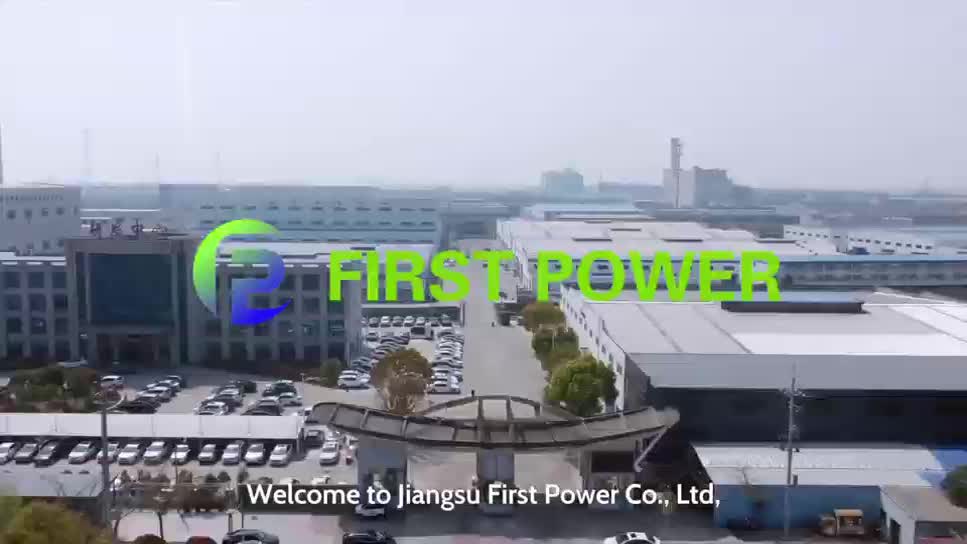
Why Jiangsu Wisegj Power Is a Lower-Risk China Supplier for Three-Phase Oil Transformers
Jiangsu Wisegj Power Co., Ltd. designs, assembles and exports transformers and substation equipment from 220 V to 500 kV, including oil-immersed distribution transformers, three-phase pad-mounted transformers, power transformers, dry-type transformers, compact substations and switchgear. The company is based in Suzhou, Jiangsu, China.
The engineering team brings more than 20 years of transformer experience. Production capability, floorspace and quality inspection have been verified onsite by TÜV Rheinland, and the company publishes ISO 9001, ISO 14001 and ISO 45001 management system certificates, CE certificates for relevant product lines, a 6,847 m² production footprint and a network of 211 qualified supply-chain partners.

Third-party verification supports procurement due diligence. Buyers can request the assessment report, certificate copies and product-specific test documentation.
- ISO 9001 No. 62824Q6052R0S, ISO 14001 No. 62824E6053R0S and ISO 45001 No. 62824S6054R0S are published for verification.
- CE certificates cover relevant oil-immersed power transformer, dry-type transformer and compact substation lines.
- OEM, ODM, design-based and sample-based customisation are available for wholesalers and project buyers.
- Finished-product inspection, export packing and English documentation are managed before shipment.
Eight Supplier Advantages That Matter After the Purchase Order
Supplier selection should be based on what happens after winning the order: design clarification, production control, testing, packing and technical response.
Verified Factory Capacity
6,847 m² of referenced production floorspace with winding, core assembly, drying, tanking and testing functions aligned to oil transformer manufacturing.
In-House Routine Testing
Winding resistance, ratio and vector group, impedance and load loss, no-load loss and current, applied and induced voltage tests, plus oil dielectric tests for liquid-filled units.
Design Customisation
OEM and ODM support covering ratings, vector group, impedance, tap range, bushing configuration, cooling method, insulating fluid and enclosure finish.
Export Logistics Coverage
Seaworthy packing, shock and impact indicators where required, and Incoterms support including FOB, CFR, CIF, EXW, FCA, CIP, CPT and DDP.
Certified Management Systems
ISO 9001, ISO 14001 and ISO 45001 systems are published alongside CE certificates for relevant product lines, supporting tender compliance review.
Complete Documentation
GA drawings, nameplate drafts, guaranteed technical parameters, routine test reports and O&M manuals can be supplied in English for project files.
Qualified Supply Chain
211 qualified supply-chain partners support access to silicon steel, copper, bushings, insulation materials and protection accessories with controlled lead times.
24-Hour Engineer Response
Pre-sale and after-sale questions are routed to technical staff, not a generic script. That shortens specification clarification and reduces quotation cycles.
Manufacturing and Test Evidence Buyers Can Audit
Oil transformer quality is created before final inspection. Documented work instructions and in-process checkpoints at winding, core assembly, drying, tanking and testing are more valuable than a generic quality statement.

Facility and production overview

Testing laboratory and routine test area
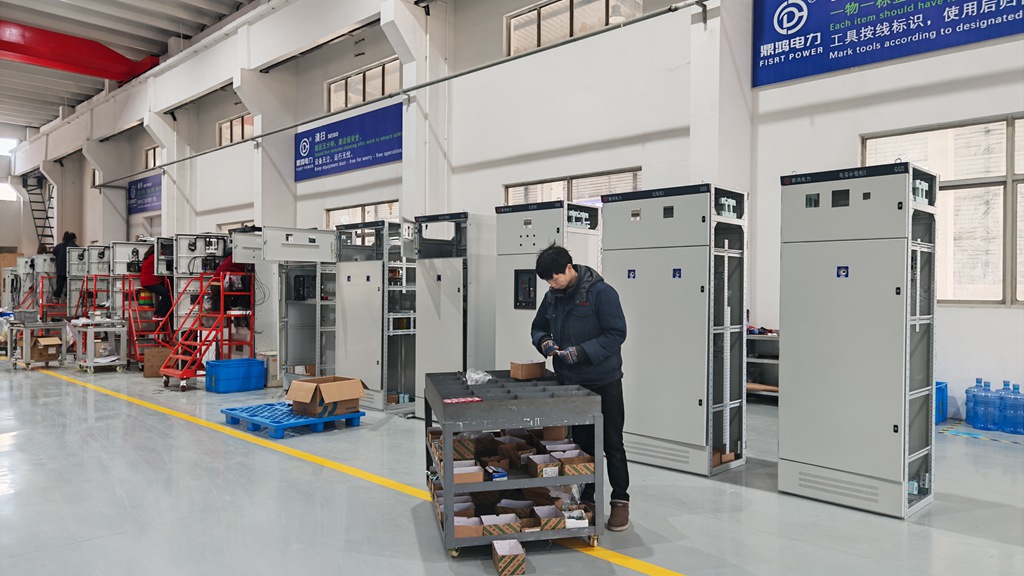
Export packing and loading preparation
Specification Review
Engineers check ratings, standards, site altitude, ambient temperature, cooling method and loss targets before quotation.
Controlled Production
Core stacking, winding, drying, oil filling and tanking follow documented in-process inspection checkpoints.
Routine Testing
Each unit receives routine electrical tests and oil dielectric checks where applicable; third-party witness testing can be arranged.
Packing and Shipping
Export crating, protection against moisture and impact, nameplate verification and shipping documents are prepared before dispatch.
Support for Utilities, EPCs and Wholesalers Across Major Markets
Oil transformer configurations must match local frequency, grid code, climate and installation practice. The company supports 50 Hz and 60 Hz projects across IEC and ANSI/IEEE markets.
North America
ANSI/IEEE pad-mounted, pole-mounted and distribution transformers for utilities, solar projects, commercial developments and data centres.
South America
Distribution and power transformers for mining, utility networks and high-altitude installations requiring climate-adjusted design review.
Western Europe
CE-certified IEC equipment, oil-immersed distribution transformers, dry-type transformers and compact substations for indoor and outdoor projects.
Middle East
High-ambient designs with enhanced cooling review for desert, coastal and high-temperature operating conditions.
Southeast and Central Asia
Utility distribution, industrial park power supply and grid expansion programmes using IEC-oriented oil transformer configurations.
Africa
Rural electrification, mining, industrial parks and compact substations where fast deployment and spare-parts planning are important.
Delivery Terms
FOB, CFR, CIF, EXW, FAS, FCA, CPT, CIP, DDP and DDU options can be discussed according to project logistics and buyer preference.
Payment Methods
T/T, L/C, D/P, D/A and other secure options can be agreed per contract, depending on order value and buyer relationship.
Currencies
USD, EUR, GBP, CAD, AUD, JPY, HKD, CHF and CNY can be considered for international oil transformer contracts.
Frequently Asked Questions About Three-Phase Oil Transformer Procurement
These answers reflect the technical, commercial and documentation questions most often raised by utilities, EPC contractors, industrial buyers and wholesalers.
Are you a transformer manufacturer or a trading company?
Which standards can the transformers comply with?
What voltage and capacity range can be supplied?
What routine tests should be included before shipment?
Can vector group, impedance, taps, bushings and oil type be customised?
How should buyers evaluate price and loss performance?
What trade terms and payment methods are accepted?
What information is needed for a fast and accurate oil transformer quote?
Have a Three-Phase Oil Transformer Specification Ready for Review?
Send the technical datasheet, tender document or single-line diagram. A transformer engineer will review the rating, losses, impedance, cooling, fluid, standard and documentation requirements, then respond with a compliant quotation direction within one working day.
- Rated power in kVA or MVA
- Primary and secondary voltage
- Frequency: 50 Hz or 60 Hz
- Vector group and impedance
- Tap changer type and range
- Cooling method and oil type
- Applicable IEC or ANSI standard
- Site altitude, ambient and loss limits
For wholesalers and project distributors, include target markets, annual volumes, preferred standards and labelling requirements so the team can propose a repeatable product programme rather than a single unit quotation.