Recommended Product Portfolio
8 Step-Down Transformer Models for Wholesale & Project Procurement
The phrase “China best” should never replace a technical dossier. The eight models below are our most requested export platforms for distribution networks, industrial power supplies, underground projects and OEM wholesale programs. Every image is displayed in full proportion, and each model can be engineered against your grid code, loss target and site conditions.
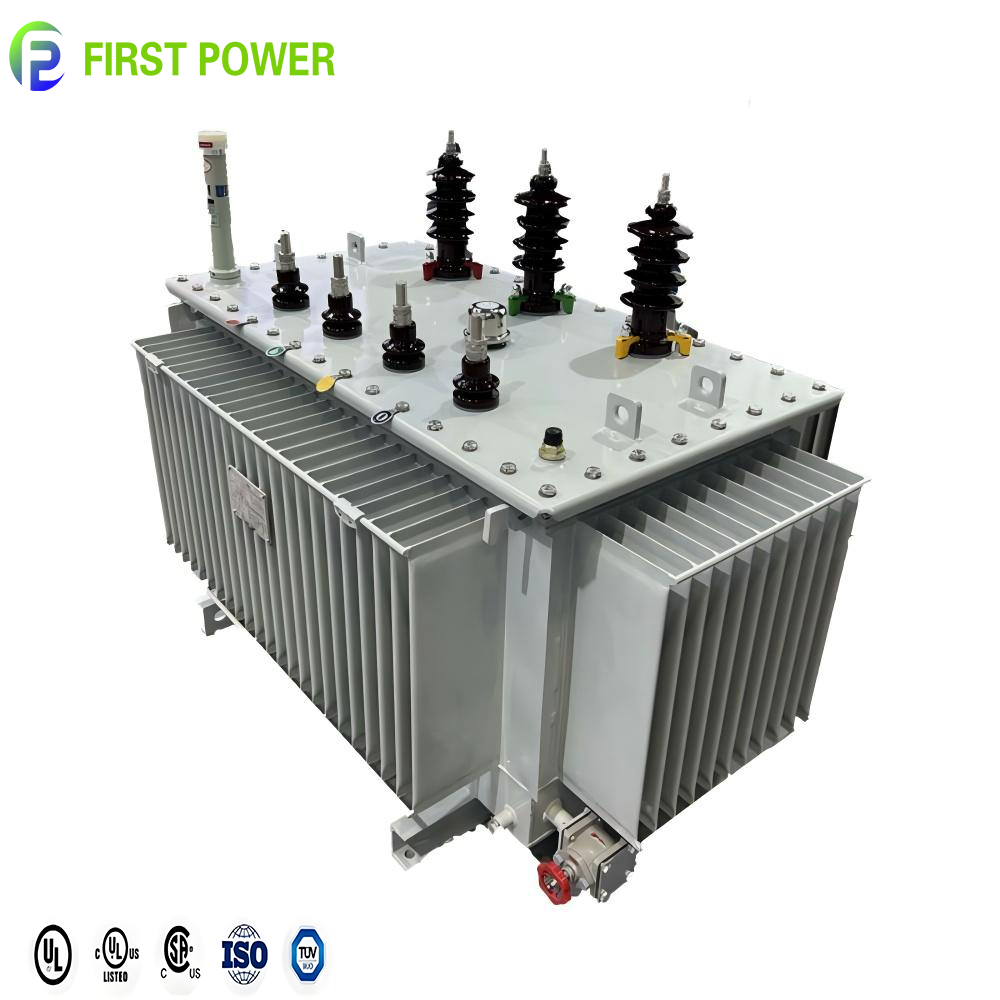 S11 · Oil Immersed
S11 10–35 kV Three-Phase Oil-Immersed Distribution Transformer
A proven step-down distribution platform for 50/60 Hz networks, typically engineered from 50 kVA to 200 kVA and scalable for residential, commercial and light industrial feeders.
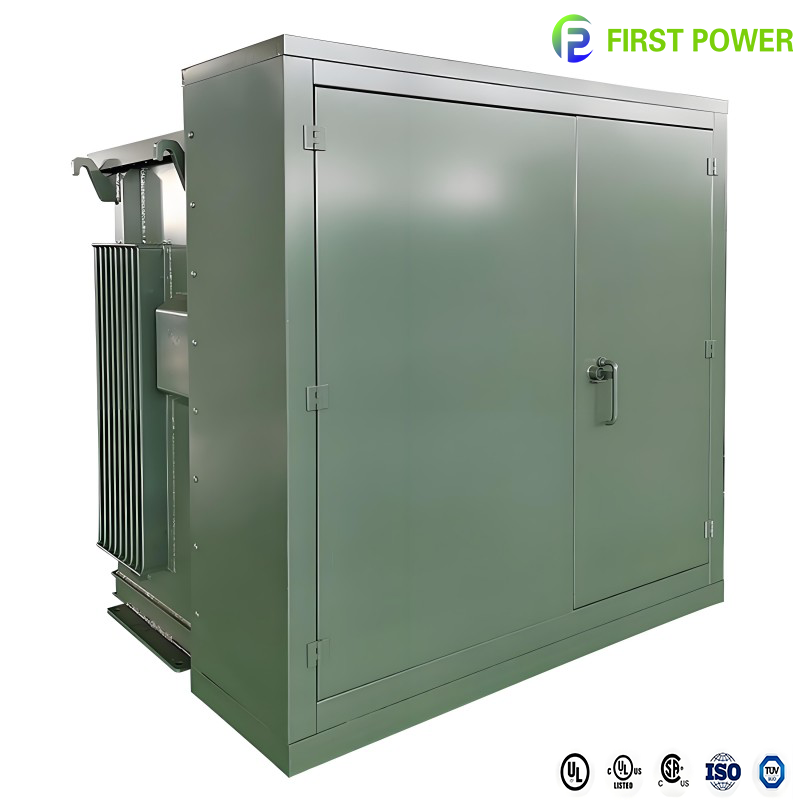 ZGS11 · Pad Mounted
ZGS11 75–2500 kVA Pad-Mounted Three-Phase Transformer
A compact, tamper-resistant step-down solution for underground distribution, commercial campuses, renewable collectors and locations where overhead equipment is unsuitable.
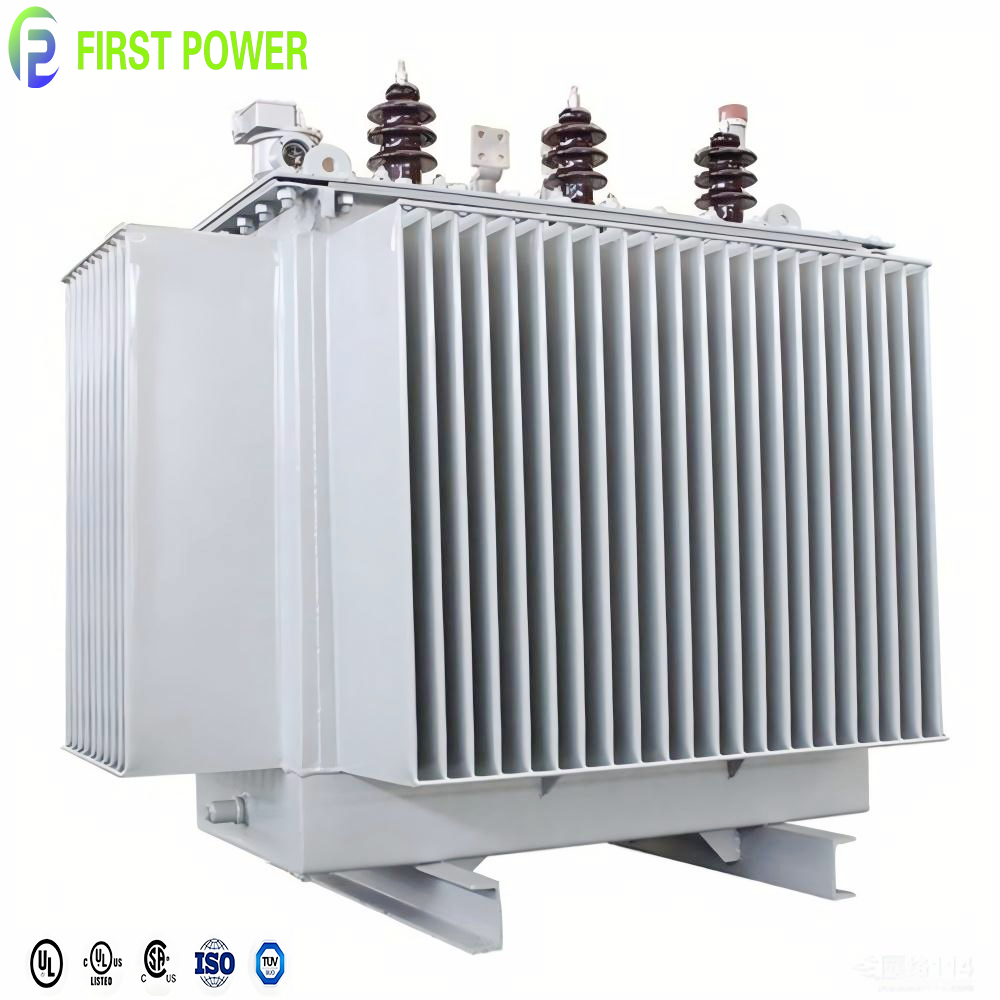 Wide Capacity
S11 10 kVA–50 MVA Three-Phase Oil Transformer for Distribution
A flexible family for utilities and EPC contractors that need customized impedance, tap range, cooling class and vector group for medium-voltage step-down duty.
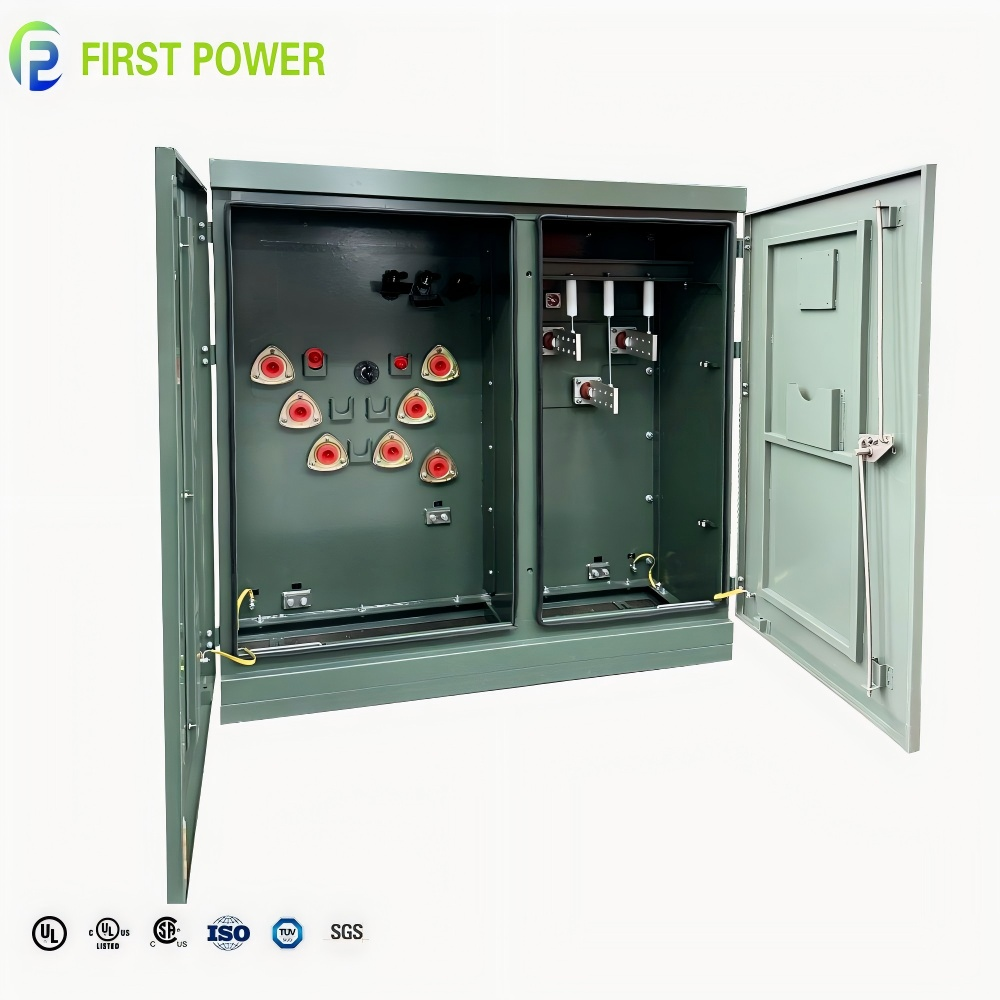 CE · Loop Feed
CE 750 kVA 10/35 kV Loop-Feed Pad-Mounted Transformer
A 750 kVA class pad-mounted transformer for critical commercial, industrial park and data-center projects that require loop-feed switching, dead-front construction and CE documentation.
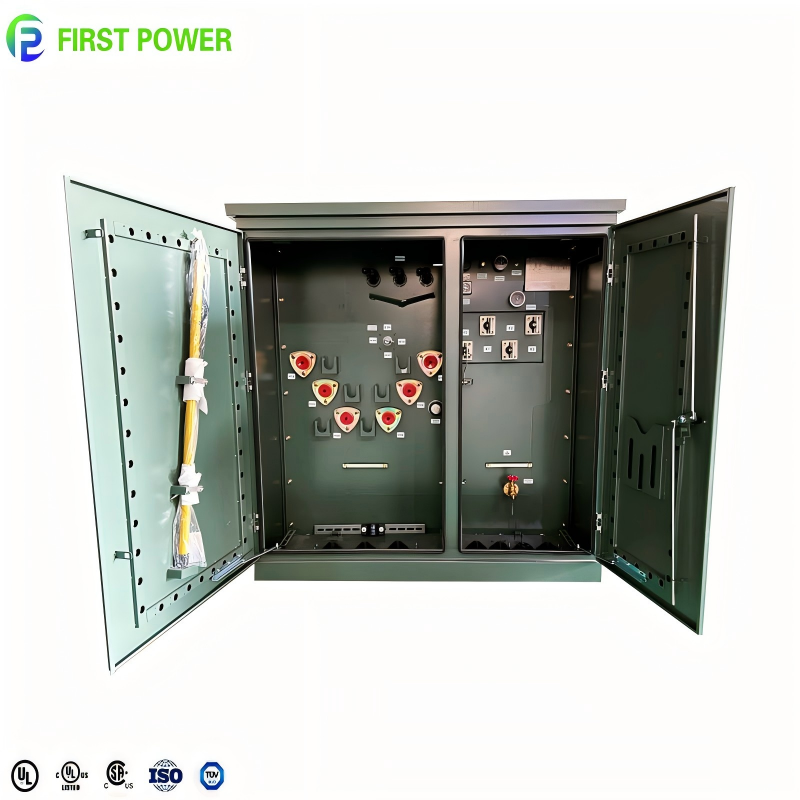 ZGS11 · 6–35 kV
ZGS11 75 kVA–50 MVA Three-Phase Pad-Mounted Transformer
A wide-range pad-mounted family for 6–35 kV power distribution, offering compact footprints and enclosure designs suited to utility standards and project-specific cable arrangements.
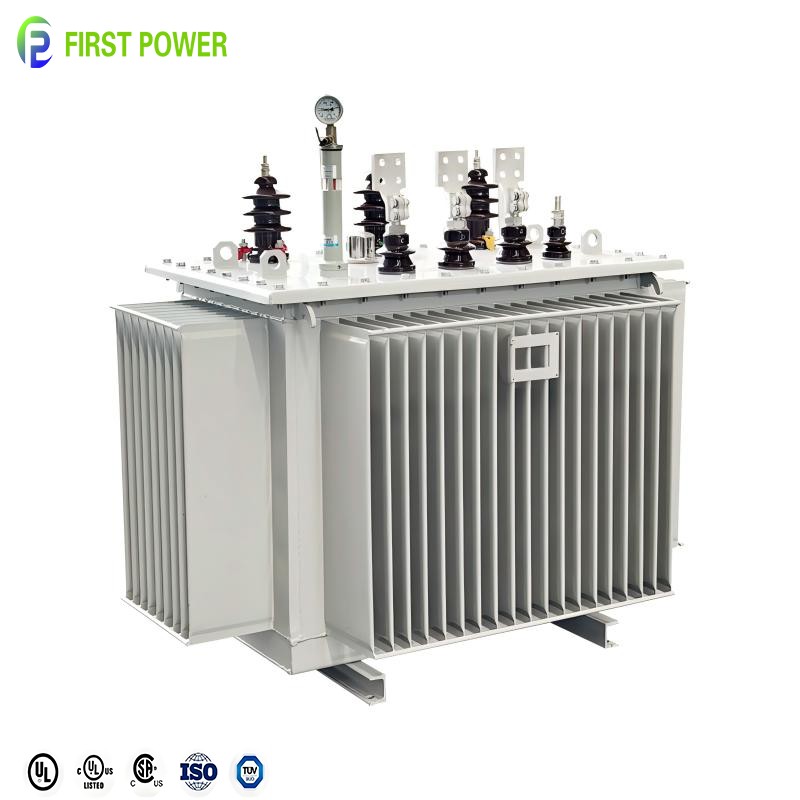 Oil Immersed Power
100–1000 kVA Oil-Immersed Three-Phase Power Transformer
A robust step-down transformer for industrial power supplies, substations and plant distribution, available with optimized no-load loss, sealed tank construction and project-specific protection.
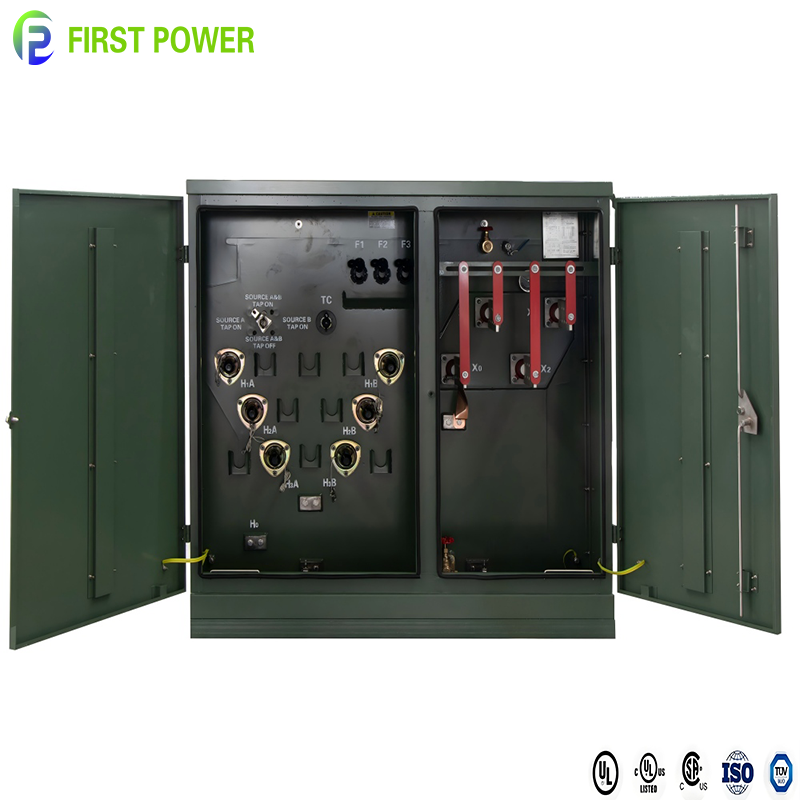 Industrial Supply
Listed C CE MV&HV Pad-Mounted Transformer for Industrial Supply
A project-oriented pad-mounted range for industrial power supply, with enclosure security, corrosion protection and MV/HV connection configurations tailored to site layouts.
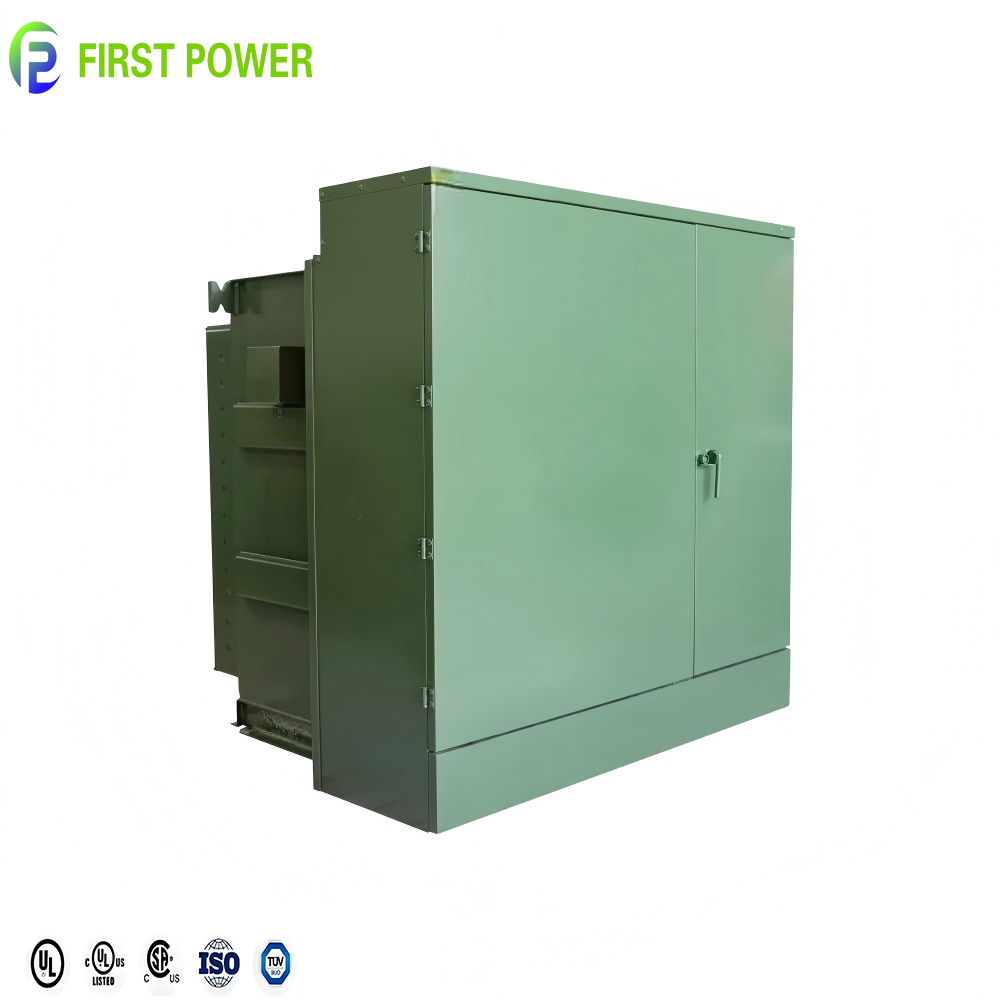 750–2500 kVA
 MV&HV Pad-Mounted Transformer for Industrial Supply
Built for larger industrial loads, factories, utility tie-ins and renewable projects that require a high-capacity pad-mounted step-down transformer with full factory testing.
Search Intent Mining
What Buyers Really Mean When They Search for a “China Best” Transformer Exporter
Commercial searches for “step down power transformer exporter”, “wholesale distribution transformer” or “China transformer supplier” usually combine four different intents. A useful supplier page must answer all four without forcing the buyer to request a quotation for basic technical facts.
Transactional Intent
Price, MOQ, lead time, Incoterms, payment method and packaging are immediate buying questions. We answer these in the quotation stage with an engineering-reviewed datasheet, not a generic price list.
Commercial Investigation
Serious buyers compare factory audits, CE and ISO certificates, test reports, production floorspace and export history. They are validating whether the supplier can survive a procurement audit.
Technical Validation
Losses, impedance, vector group, tap range, altitude, ambient temperature, cooling and protection must match the network. A true step-down transformer recommendation starts with these parameters.
Risk Reduction
Warranty, spare parts, documentation, third-party inspection and engineer response time determine the real cost of ownership. Our 24-hour technical response is part of the offer, not an afterthought.
Technical Foundation
What Is a Step-Down Power Transformer and Where Does It Fit?
A step-down power transformer reduces voltage from a higher transmission or distribution level to a lower level suitable for industrial equipment, commercial buildings or residential networks. In export projects, common step-down duties include 35 kV, 20 kV or 10 kV primary voltage reduced to 0.4 kV, 0.415 kV or another application-specific secondary voltage. The transformer is not simply a ratio device; it is a thermal, dielectric, magnetic and mechanical system that must remain stable under load cycling, fault current, harmonic distortion and local climate conditions.
Oil-immersed transformers are typically chosen for outdoor distribution and industrial substations because the liquid insulation and circulation path support effective heat dissipation and long service life. Pad-mounted transformers place the oil-immersed unit inside a tamper-resistant enclosure for underground cable networks, commercial campuses, renewable collectors and urban projects. Dry-type transformers remove liquid oil from the design and are often preferred for indoor locations where fire safety, maintenance access and environmental containment are priorities. The right choice depends on the project, not on a single “best” label.
For wholesale buyers, the most valuable information gain is the ability to compare total owning cost, not only the initial equipment price. No-load loss and load loss determine operating expense over decades. Impedance affects fault levels and protection coordination. Sound level, temperature rise, enclosure rating and seismic or transport requirements can change the mechanical design. That is why our quotation process begins with a specification review by transformer engineers rather than a sales script.
Selection Matrix
How to Match Transformer Type to Project Conditions
Use this table as an early shortlisting tool. Final selection should be confirmed against your utility standard, single-line diagram, short-circuit study and local installation code.
| Transformer Type | Typical Duty | Typical Rating | Best Application | Procurement Focus |
|---|---|---|---|---|
| S11 Oil-Immersed Distribution | 10/20/35 kV step-down to LV distribution | 50–2,500 kVA | Residential feeders, plants, commercial substations | No-load loss, sealing, vector group, test report |
| ZGS11 Pad-Mounted | Underground MV distribution | 75–2,500 kVA | Campuses, urban networks, renewable projects | Enclosure security, loop feed, cable arrangement |
| CE Loop-Feed Pad-Mounted | Critical industrial and data-center supply | 500–2,500 kVA | Industrial parks, data centers, mining | Dead-front design, CE documentation, protection |
| Large Oil Power Transformer | Transmission and utility interconnection | 10–50 MVA / up to 500 kV class | Utility substations, generation step-up/down | Impedance, cooling, OLTC, loss capitalization |
| Dry-Type Transformer | Indoor step-down close to load | 30–2,500 kVA | Hospitals, high-rise buildings, tunnels, marine | Fire safety, temperature rise, IP rating, noise |
| Compact Substation | Factory-assembled MV/LV distribution | 100–2,500 kVA | Fast-track projects, renewables, temporary supply | Packaging logistics, interface testing, commissioning |
Ratings shown are typical production ranges. Custom voltage ratios, impedance, tapping, enclosure colour, nameplate language and protection schemes can be engineered on request.
Future Procurement Trends
What Wholesale Buyers Will Prioritize in the Next Procurement Cycle
The transformer market is moving from “lowest initial price” toward verifiable lifetime value. The six trends below are visible in utility tenders, EPC specifications and industrial RFQs.
1. Loss Capitalization and Total Owning Cost
Buyers increasingly evaluate no-load and load loss using capitalization factors. A small efficiency improvement can justify a higher purchase price when loading profiles and energy costs are modelled over 10–25 years. Suppliers must provide guaranteed losses and transparent test data.
2. Documentation-First Sourcing
Procurement teams now request GA drawings, nameplate drafts, routine test reports, oil test records and packing lists before shipment. Digital, serial-number-linked documentation reduces commissioning delays and makes third-party witness inspection easier.
3. Supply Chain Resilience
Single-source purchasing is being replaced by qualified dual sourcing for critical substations. A supplier with an established component supply chain and predictable lead-time control is more valuable than a quotation with an unrealistic delivery promise.
4. Fast-Track Modular Substations
Renewable projects, data centers and temporary power schemes require factory-assembled compact substations that reduce site labour. Buyers are comparing prefabrication scope, transport dimensions, interface testing and commissioning support.
5. Sustainability and Insulation Choice
Natural ester fluids, recyclable materials, lower loss designs and responsible oil handling are moving from niche requirements to tender criteria. The insulation choice must still be checked against fire, environmental and cold-weather performance.
6. Local Grid-Code Conformance
IEC and ANSI/IEEE references are not interchangeable without engineering review. Frequency, voltage class, vector group, clearance, protection and testing practice must be aligned with the destination market before production starts.
Product Development Trends
Where Step-Down Transformer Technology Is Moving
Engineering development is being driven by energy efficiency, space constraints, digital maintenance and renewable integration. These trends influence the specifications wholesalers should prepare for now.
Amorphous and Low-Loss Cores
Amorphous metal and improved grain-oriented silicon steel designs reduce no-load loss for lightly loaded distribution transformers. The trade-off is core cost, noise and manufacturing handling, so the optimal choice depends on loading profile.
Smart Monitoring and Sensor-Ready Designs
Temperature, oil level, moisture, partial discharge and bushing monitoring can be integrated into pad-mounted and power transformer designs. Buyers increasingly request sensor interfaces and digital test records for asset management.
Compact Pad-Mounted Configurations
Urban and renewable projects demand smaller footprints without compromising cable access, ventilation or dielectric clearance. Enclosure layout, door swing, cable termination and lifting points are becoming part of the early design review.
Dry-Type and Eco-Friendly Insulation
Cast-resin dry-type and ester-fluid designs continue to expand in fire-sensitive and environmentally regulated locations. The product trend is not simply “oil-free”; it is a system-level comparison of fire performance, maintenance and lifetime cost.
Higher Renewable Interconnection Duty
Solar, wind and storage projects create harmonic, cyclic and reverse-power conditions that must be reflected in transformer specification. Step-down and step-up duties may require custom impedance, cooling and protection coordination.
Factory-Assembled Substation Packages
Transformers, MV switchgear and LV distribution are increasingly assembled and tested as a compact substation before shipment. This reduces site labour and improves quality control, but requires careful logistics planning and interface documentation.
Enterprise Advantages
Why International Buyers Work With Jiangsu Wisegj Power Co., Ltd.
We are a Suzhou-based manufacturer and exporter of pad-mounted, oil-immersed, dry-type and power transformers, compact substations and high/low voltage switchgear. Our engineering team brings more than 20 years of hands-on transformer experience, and our production capability has been verified onsite by TÜV Rheinland.
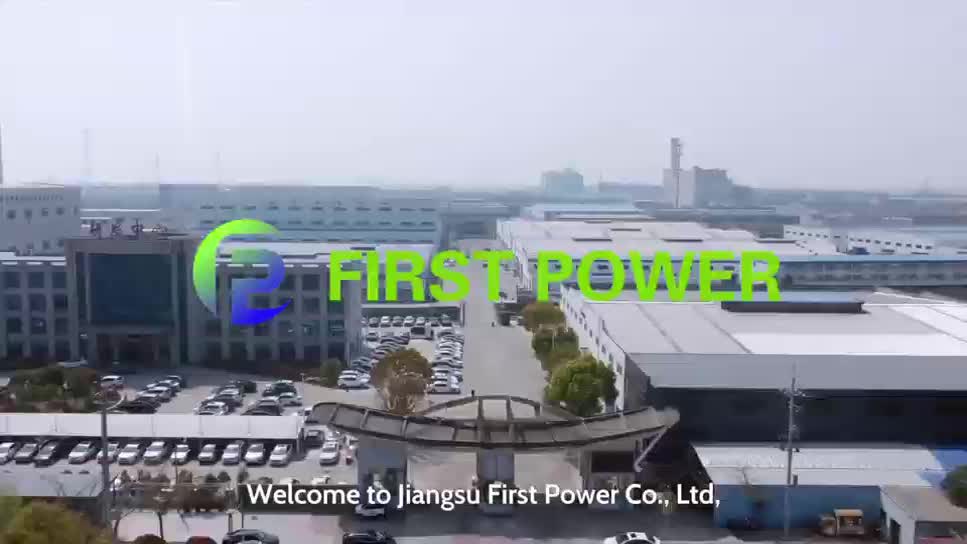
Our portfolio covers 220 V to 500 kV and is supported by ISO 9001, ISO 14001 and ISO 45001 management systems, CE certificates for key product lines and a qualified supply chain of 211 partners. We serve utilities, EPC contractors, industrial buyers and wholesale distributors across North America, South America, Western Europe, Southeast Asia, the Middle East and Africa. Buyer feedback has produced an average rating of 4.9/5, and our team has experience supplying Fortune 500 companies.
 Production floorspace, capability and quality inspection records verified onsite by TÜV Rheinland, an independent third-party inspection body.
Verified Production Base
6,847 m² of inspected production floorspace with dedicated winding, core assembly, drying, tanking, painting and testing areas.
In-House Factory Testing
Routine tests include winding resistance, ratio and vector group, impedance and load loss, no-load loss and current, applied and induced voltage, plus oil dielectric checks where applicable.
OEM / ODM Custom Engineering
Ratings, vector group, impedance, tap range, bushings, cooling method, insulating fluid, enclosure colour and nameplate language can be customized to your utility or project standard.
Certified Management Systems
ISO 9001 quality management, ISO 14001 environmental management and ISO 45001 occupational health and safety systems support consistent, auditable production.
Export Logistics Coverage
Seaworthy packing, shock indicators, lifting plans and complete shipping documents support EXW, FOB, CFR, CIF, FCA, CPT, CIP and DDP terms.
Complete Documentation
GA drawings, nameplate drafts, routine test reports, oil test records, packing lists and O&M manuals are supplied in English for procurement and commissioning teams.
Qualified Supply Chain
211 qualified supply-chain partners for silicon steel, copper, bushings, tap changers and accessories help protect material quality and delivery stability.
24-Hour Engineer Response
Pre-sale technical questions and after-sale issues receive a qualified response within one working day, supported by drawings and test documentation.
Quality Evidence
Testing, Certificates and Compliance Before Shipment
Reliability is not a slogan. It is the combination of design review, material control, in-process inspection, routine testing and document traceability. Every serial number should be traceable to its test record.
Electrical Routine Tests
Winding resistance, voltage ratio and vector group, impedance and load loss, no-load loss and current, applied voltage and induced voltage withstand tests are documented per unit.
Oil and Insulation Checks
For liquid-filled transformers, oil dielectric strength, moisture and related checks are recorded. Third-party witness inspection can be arranged when the project requires independent verification.
Mechanical and Finish Inspection
Tank sealing, pressure tightness, painting, bushings, cable boxes, earthing terminals, lifting points and enclosure hardware are checked before packing and loading.
Certificates and Standards
Key CE certificates cover oil-immersed power transformers, dry-type transformers, compact substations and switchgear. ISO 9001, ISO 14001 and ISO 45001 certificates are available for audit.
Project quotations can reference IEC 60076, IEEE C57.12 series, IEC 62271-202 or other destination-market standards depending on the equipment type and buyer requirement. Our CE certificate identifiers include 3N230310.JYTU038 for oil-immersed power transformers, FQC2530404 for dry-type transformers and M.2025.206.C121884 for compact substations. ISO certificate numbers 62824Q6052R0S, 62824E6053R0S and 62824S6054R0S are provided for compliance verification. Where a project requires type test reports, a factory acceptance test plan or independent inspection, these should be agreed before order placement so the inspection scope is included in production planning.
Buyer Checklist
Nine Technical Details That Produce a Faster, More Accurate Quotation
Send these nine items with your inquiry and our engineers can return a compliant design, guaranteed losses and a realistic delivery schedule with fewer clarification rounds.
- Rated power in kVA or MVA, including future overload or expansion allowance
- Primary and secondary voltage, frequency 50/60 Hz, and phase configuration
- Vector group, impedance range, tap changer type and tapping range
- Installation environment: indoor/outdoor, altitude, ambient temperature, humidity and coastal exposure
- Transformer type preference: oil-immersed, pad-mounted, dry-type or compact substation
- Loss limits or efficiency target, with capitalization factors if available
- Applicable standard and utility specification: IEC, ANSI/IEEE or local grid code
- Protection, monitoring, cable entry, bushing and enclosure requirements
- Destination port, Incoterms, required documentation and expected delivery window
Procurement FAQ
Frequently Asked Questions About China Step-Down Transformer Exporters
These are the questions our engineering and export teams answer most often during supplier evaluation and tender clarification.
Are you a manufacturer, trading company or both?
What voltage and capacity range can you supply for step-down duty?
Which standards and certificates apply to your transformers?
How do I choose between oil-immersed, pad-mounted and dry-type transformers?
Can you customize the transformer to my utility specification?
What tests are performed before shipment?
What are your MOQ, lead time and payment terms for wholesale orders?
How do you support export packaging and after-sales service?
Request a Step-Down Transformer Quotation With Engineering Review
Send your datasheet, tender document or single-line diagram. A transformer engineer will review the voltage ratio, losses, impedance, cooling, standards and delivery requirements, then respond with a compliant configuration and quotation pathway.
Jiangsu Wisegj Power Co., Ltd. · Suzhou, Jiangsu, China · IEC / ANSI-IEEE project support · ISO 9001 / ISO 14001 / ISO 45001 · CE-certified product lines