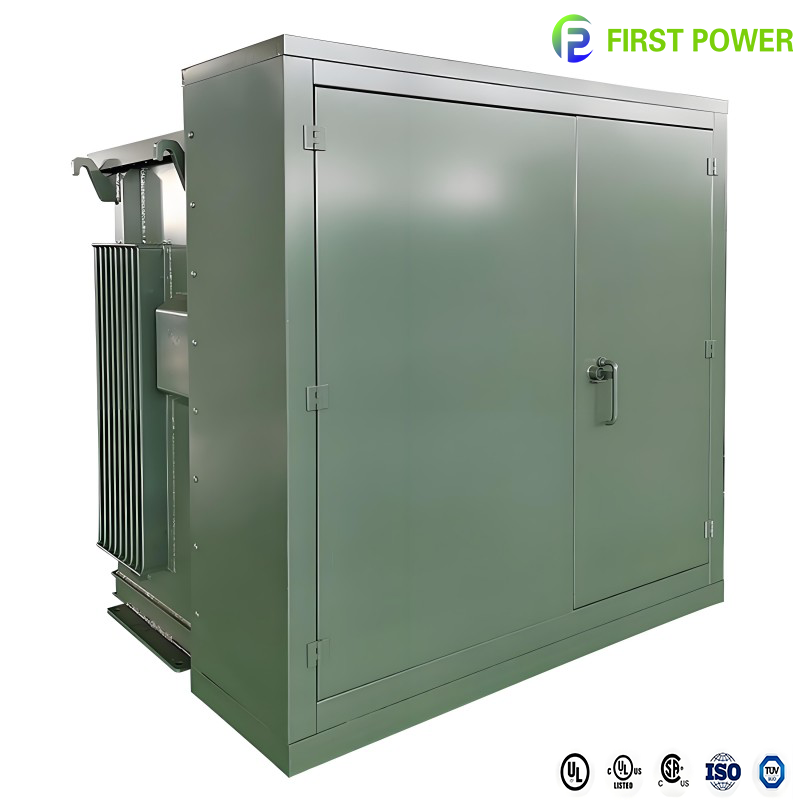
Pad Mounted
2025 Procurement White Paper
A procurement-grade guide to cast resin dry-type transformers from China — factory verification, lifecycle cost comparison and the 2025–2030 buying outlook.
The focus of this paper is the cast resin dry-type transformer — the fastest-growing choice for indoor, underground and fire-sensitive installations. The eight configurations below are the oil-immersed and pad-mounted workhorses that most often share a substation, feeder or procurement contract with cast resin units. All are built under the same documented quality system and can be quoted together with dry-type equipment from the same factory.
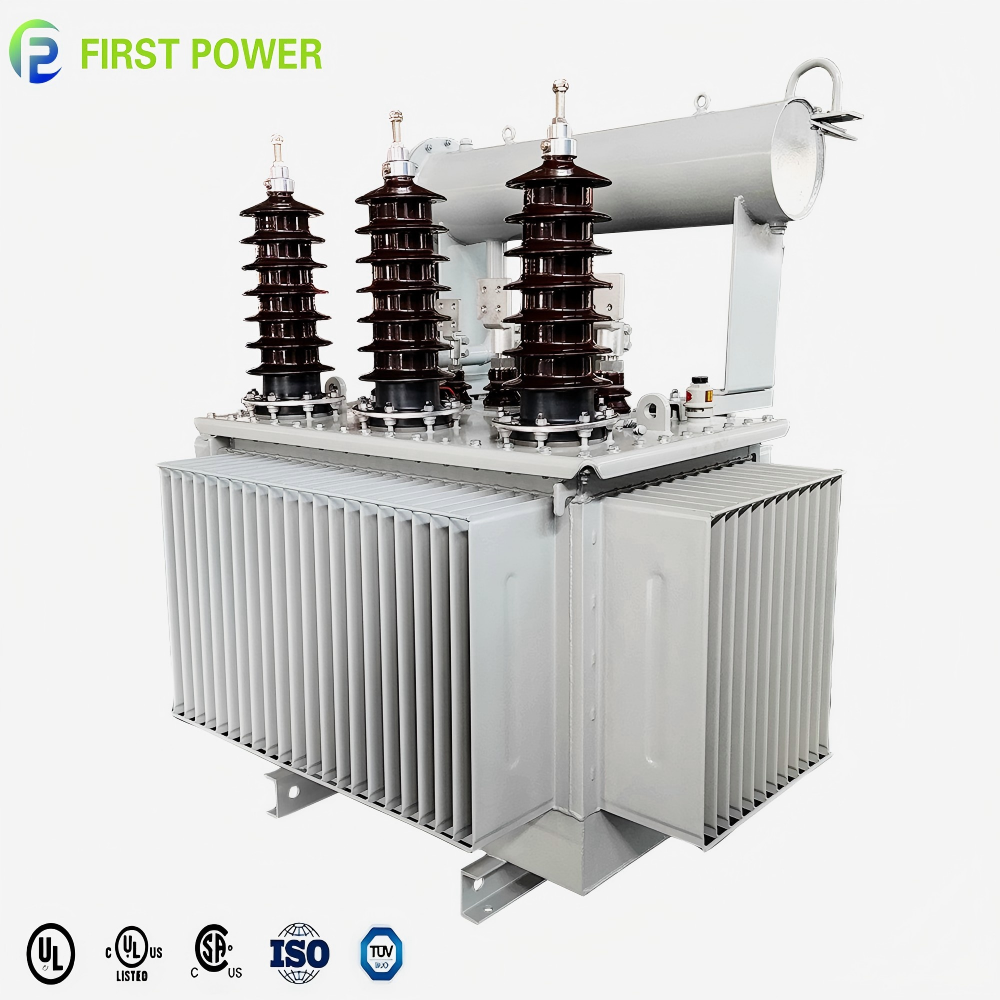
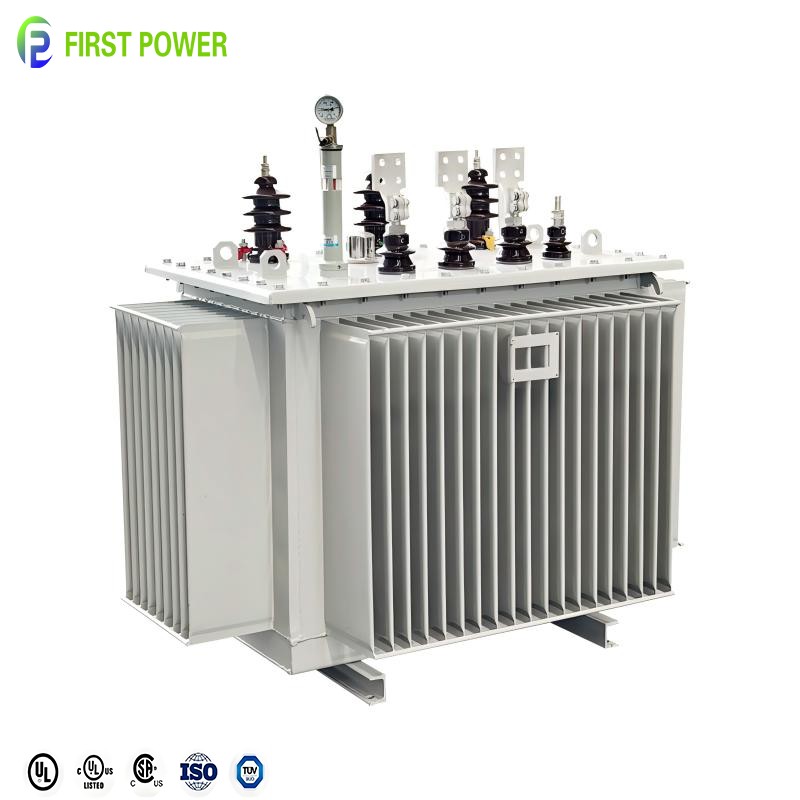
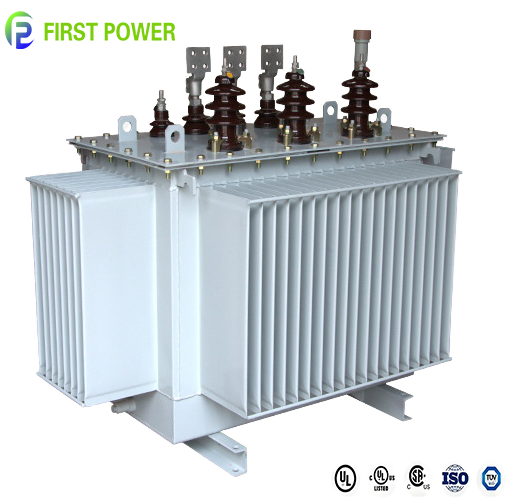
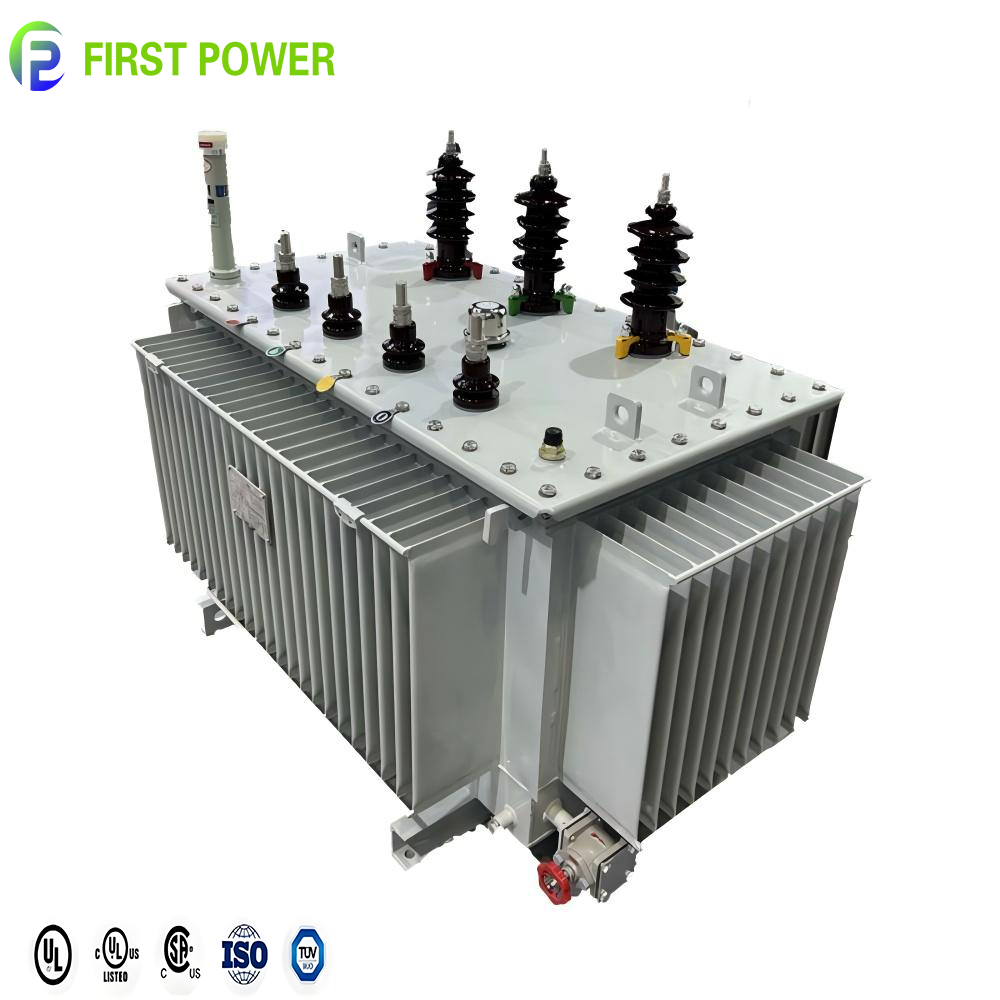
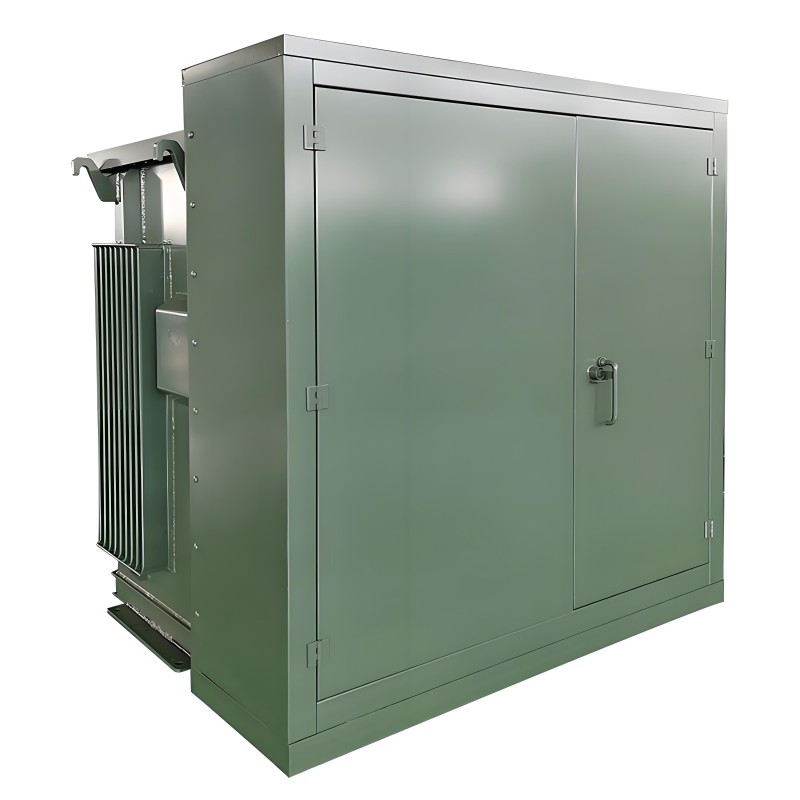
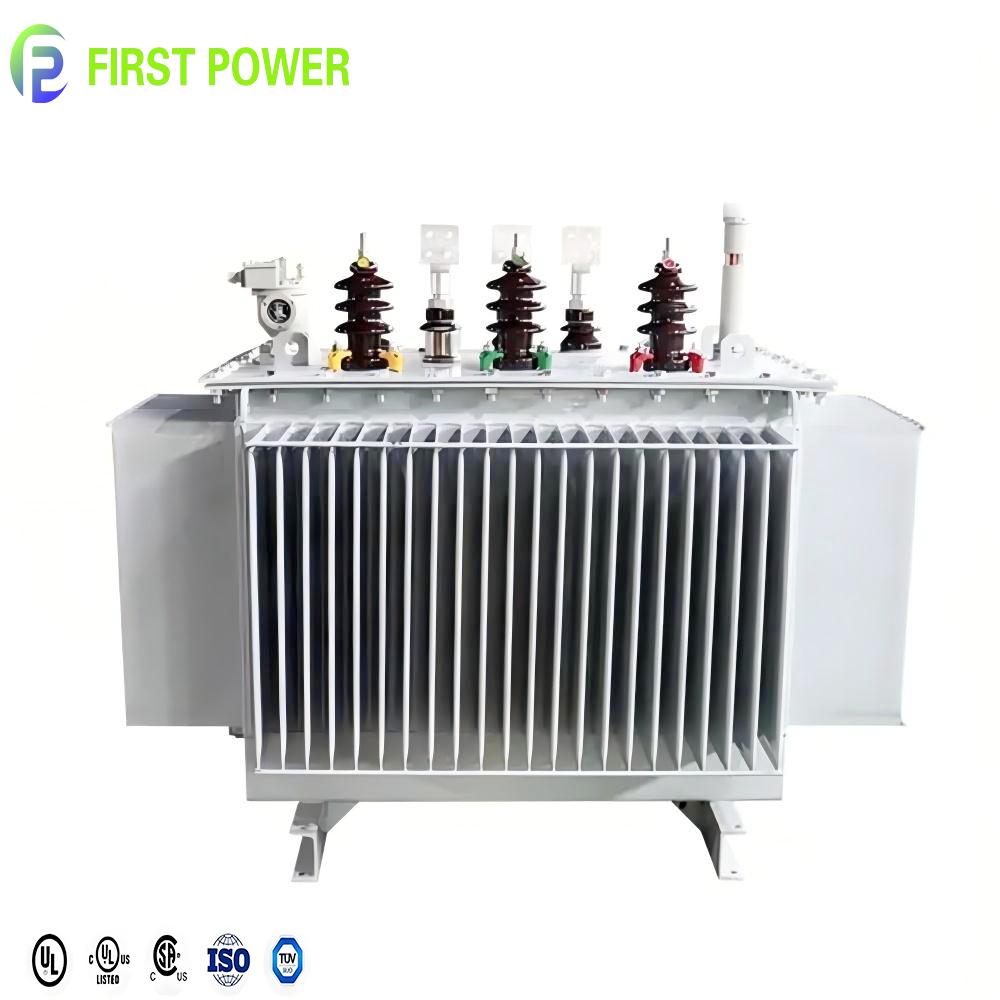
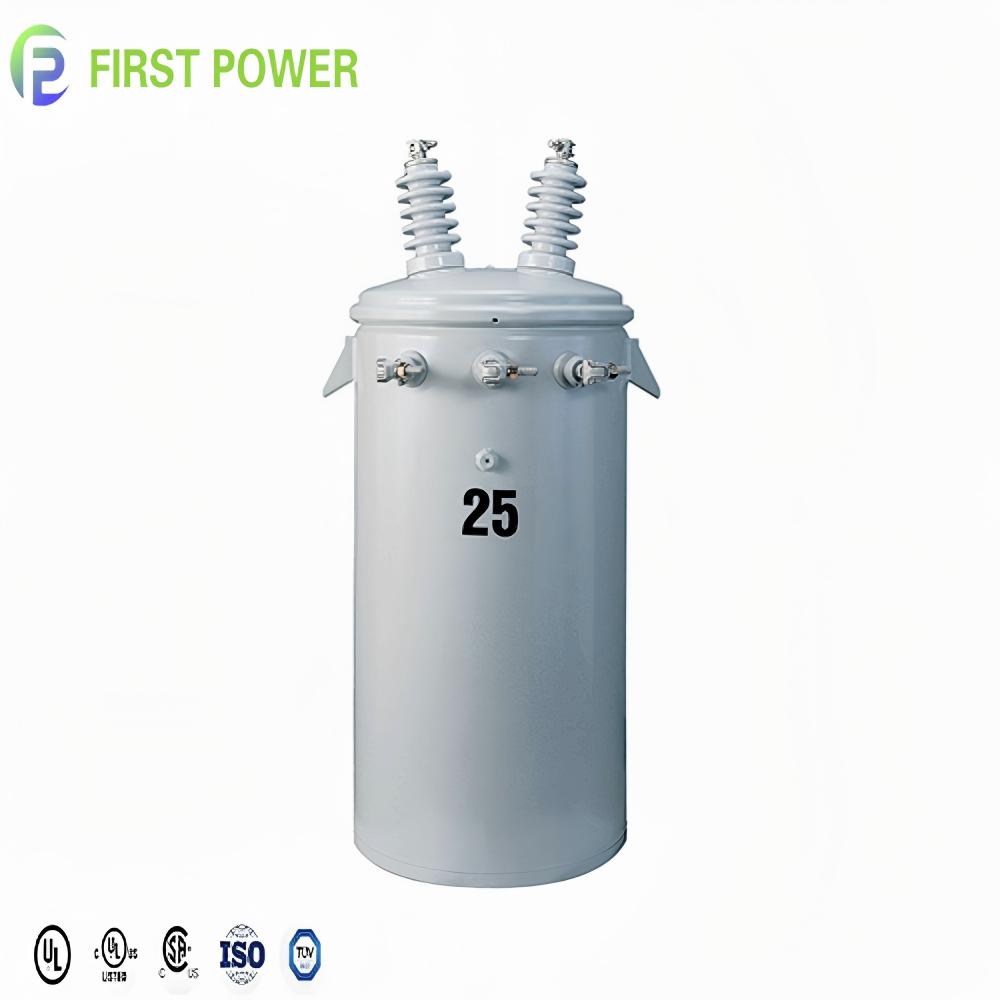
Typical ranges are shown for guidance. Ratings outside these values, including cast resin dry-type units, can be engineered against your datasheet. Product pages carry the current configuration and specification details.
Every figure below maps to a certificate, a test record or an onsite inspection. That is the difference between a marketing page and a supplier file a procurement team can defend.
Years of transformer engineering experience across oil, dry-type and pad-mounted classes
Maximum voltage class supplied across the transformer and substation portfolio
Production floorspace verified onsite by TÜV Rheinland, including test areas
R&D and technical engineers supporting design review and customisation
Qualified supply-chain partners securing silicon steel, copper and accessories
Average buyer rating across verified international transactions
Search for a resin cast transformer factory in China and you will find thousands of near-identical claims. Google’s Search Quality Rater Guidelines and professional procurement practice agree on the same principle: experience, expertise, authoritativeness and trust must be demonstrated, not asserted. For a buyer, that means moving past the words “best” and “leading” and asking a narrower, harder question: which factory can prove its process, its test data and its export record before the purchase order is signed?
Jiangsu Wisegj Power Co., Ltd. is a Suzhou-based manufacturer and exporter of transformers and substations from 220 V to 500 kV, covering oil-immersed distribution transformers, pad-mounted units, cast resin dry-type transformers, power transformers and compact substations. The company operates a 6,847 m² production base verified onsite by TÜV Rheinland, runs ISO 9001, ISO 14001 and ISO 45001 management systems, and holds CE certification across multiple product families. Its engineering team carries more than 20 years of transformer experience, supported by 50+ R&D and technical engineers and 211 qualified supply-chain partners.
This white paper converts that capability data into procurement intelligence. It compares cast resin and oil-immersed designs on lifecycle grounds, lists the six documents a serious factory must show, tracks the technology and purchasing trends that will shape 2025–2030 contracts, and answers the questions buyers ask most often. Every claim below is either independently verifiable or explicitly framed as an engineering judgement.
The practical goal is simple: give your project team a repeatable way to separate a genuine resin cast transformer manufacturer from a reseller, and to compare offers on total cost of ownership rather than the number at the bottom of the quotation.
Use this matrix to decide which technology belongs in each part of a project. The right answer is often a mix: cast resin where people and buildings are close, oil immersed where outdoor space and load profile favour it.
| Decision factor | Cast resin dry type | Oil immersed | Procurement implication |
|---|---|---|---|
| Fire safety | No insulating oil; self-extinguishing epoxy; suitable for indoor and underground rooms | Mineral oil is combustible; bunding and fire separation are required | Dry type removes oil-fire risk and costly civil works |
| Installation | Indoor or outdoor close to the load; small clearances | Outdoor platform or substation; oil pit and fire walls | Dry type frees floor space inside buildings |
| Maintenance | No oil sampling or filtration; periodic cleaning and torque checks | Oil BDV, DGA and sealing inspections through life | Dry type lowers long-term O&M labour |
| Overload & losses | Lower thermal mass; AN/AF cooling adds capacity | Higher short-time overload; mature low-loss designs | Match the type to the real load profile |
| Footprint & noise | Compact, low noise with cast coils | Radiators and oil tank increase footprint and noise | Urban and indoor projects favour dry type |
| Reference standards | IEC 60076-11, IEEE C57.12.01 | IEC 60076-1/-2, IEEE C57.12.00 | Specify by destination market and utility practice |
| Best fit | Hospitals, data centres, metro, high-rise, offshore | Utilities, heavy industry, renewable step-up | Mixed packages are often the optimal solution |
The matrix points to a simple rule. If the transformer sits inside a building, below grade, near people, or where an oil spill or fire would be unacceptable, cast resin is usually the lower-risk choice. If the unit stands outdoors in a utility substation and the load profile includes heavy short-time overloads, oil-immersed equipment remains the more economical workhorse.
Purchase price is the smallest part of the decision. A practical total cost of ownership model is: TCO = purchase price + present value of energy losses + installation and civil works + maintenance + outage risk − residual value. At an industrial tariff of USD 0.10/kWh and 6,000 operating hours per year, every kilowatt of saved total loss is worth about USD 600 per year — roughly USD 9,000 undiscounted over 15 years. That is why experienced buyers specify guaranteed no-load and load losses, not just kVA.
On the technical side, cast resin units should be specified to IEC 60076-11, with partial discharge values recorded per unit, class F or H insulation confirmed by a temperature-rise type test, and a declaration of conformity supplied for CE-marked projects. Oil-immersed units follow IEC 60076-1/-2 or IEEE C57.12.00 depending on market. A supplier who can discuss both technologies objectively is more useful than one who sells only one.
Most sourcing failures are verification failures. A trading reseller can forward a catalogue; only a production facility can supply casting records, per-unit partial discharge data and material traceability. Audit these six items before you shortlist.
Cast resin windings must be produced under vacuum to eliminate the voids that later trigger partial discharge. Ask for casting records, resin batch certificates and curing curves for the exact model you are ordering — not a generic brochure page.
A routine PD measurement on every serial number is the clearest evidence of process maturity. Request measured values in picocoulombs and compare them with the limits in IEC 60076-11 for the specified insulation level.
Type tests prove the insulation class and cooling design. Confirm which accredited laboratory performed the test, which rating it covers and whether the report is recent enough to support the tender you are preparing.
Silicon steel grade, copper purity and the epoxy system should be traceable from incoming inspection to the finished serial number. Traceability is what allows a root-cause investigation years after delivery.
Independent verification changes the conversation. The production base described in this paper has been inspected onsite by TÜV Rheinland; SGS, Bureau Veritas or your own QA team can witness final tests on request.
GA drawings, routine test reports, nameplate drafts, packing lists, CE declarations of conformity and English O&M manuals should be standard deliverables, not favours negotiated at the end of a project.
Our engineers will send the verification form used in this white paper, in English and ready for your QA team.
Four shifts are visible in live tenders today and will be baseline expectations by 2030. Each one has a direct effect on the specification you write in 2025.
35 kV cast resin transformers are routine in urban and industrial projects. 66 kV designs are moving from pilot installations into tenders for offshore wind and compact urban substations. Before specifying above 35 kV, confirm the factory’s type-test coverage and its casting capability for larger coil diameters.
Step-lap cores, low-loss grain-oriented silicon steel and optimised cast coils are cutting no-load loss. Buyers increasingly specify guaranteed loss values and penalty clauses instead of capacity alone, because energy loss dominates lifetime cost in high-utilisation assets.
Fibre-optic winding sensors, partial discharge couplers and IoT gateways are turning transformers into monitored assets. The value is not the dashboard — it is condition-based maintenance, fewer unplanned outages and evidence for warranty claims.
Bio-based epoxy systems, improved coil separation for recycling and third-party-verified carbon footprint declarations are moving from RFP questions to tender requirements, especially in Europe. Factories that can report embodied carbon per unit will hold a measurable advantage.
Price-only awards are disappearing in regulated markets. These six trends should be reflected in the way you score suppliers and structure frame agreements.
Award formulas now weight energy losses, maintenance and outage risk. A cheaper transformer with higher losses can cost more within five years at industrial tariffs.
EU Ecodesign tiers, US DOE 2024 loss limits and national MEPS programmes keep raising minimum efficiency. Specify the regulation, the loss values and the test standard — not just the word “compliant”.
Split awards, frame agreements and buffer stock protect project schedules when long-lead materials tighten. Buyers should ask for a material availability statement with every quotation.
Serial-number-linked e-dossiers containing test data, declarations and material reports will become a standard tender requirement. Paper folders are already being rejected by utility QA teams.
Spare coil, bushing and gasket kits, plus a named commissioning partner, reduce downtime more effectively than a longer warranty clause alone.
Utilities with science-based targets now request embodied carbon per transformer. Suppliers that can provide verified figures will win preferred-supplier status ahead of cheaper alternatives.
The claims below are drawn from the company’s audited profile and can be checked independently — certificates by number, production floorspace by third-party inspection, and product performance by test reports.

6,847 m² of manufacturing floorspace inspected onsite by TÜV Rheinland, covering winding, core assembly, drying, tanking and testing.
Team experience spanning oil-immersed, pad-mounted, dry-type and power transformer classes, from distribution feeders to 500 kV substations.
Design review, drawings, loss optimisation and specification compliance completed before a quotation is issued.
ISO 9001, ISO 14001 and ISO 45001 management systems, plus CE certification covering oil-immersed transformers, dry-type transformers, compact substations and switchgear.
Controlled sourcing of silicon steel, copper, bushings and accessories supports stable quality and predictable lead times.
Ratings, vector group, impedance, tap range, cooling, enclosure, IP rating and nameplate language adapted to your utility specification.
Documented export experience with global industrial buyers and EPC contractors across the Americas, Europe, Africa and Asia.
Pre-sale and after-sale questions answered by qualified engineers within one working day, with English documentation as standard.
Quality is a sequence of decisions, not a final inspection. Each gate below produces a document your project team can review before the next stage begins.
Ratings, standards, altitude, ambient conditions and loss targets are confirmed. GA drawings and nameplate drafts are approved by the buyer before production.
Core stacking, winding, vacuum casting or oil processing, drying and tanking are recorded against documented work instructions at defined checkpoints.
Winding resistance, ratio, impedance, losses, applied and induced voltage, partial discharge and oil BDV where applicable. Third-party witness testing is welcome.
Seaworthy packing with shock indicators, plus a complete English document set: drawings, test reports, certificates, packing list and O&M manuals.
Direct answers to the questions asked most often by utilities, EPC contractors and industrial procurement teams sourcing from China.
A resin cast transformer is a dry-type unit whose windings are encapsulated in epoxy resin under vacuum. Because there is no insulating oil, it is self-extinguishing, suitable for indoor and underground locations close to the load, and needs no oil sampling. Choose cast resin when fire safety, civil works and maintenance access dominate — hospitals, data centres, metro stations and high-rise buildings. Choose oil immersed when lowest cost per kVA, high short-time overload and outdoor utility installation matter most.
Request five items: the business licence with the production address, ISO 9001 / 14001 / 45001 certificates with numbers you can verify, CE certificates and declarations of conformity for the exact product family, a temperature-rise type test report from an accredited laboratory, and a recent routine test report with serial numbers and partial discharge values. Then arrange a live video or onsite audit that follows the route from coil winding to vacuum casting and final test. Independent inspection bodies such as TÜV Rheinland, SGS or Bureau Veritas can witness testing.
IEC 60076-11 is the core standard for dry-type power transformers, supported by IEC 60076-1 for general requirements; IEEE C57.12.01 applies to North American projects. CE marking requires compliance with the applicable EU directives and standards, and European buyers increasingly reference Ecodesign efficiency tiers. A credible supplier provides a declaration of conformity, routine test reports and nameplate data that match the ordered specification.
The portfolio covers 220 V to 500 kV. Distribution-class equipment includes single-phase and three-phase pad-mounted transformers from 10 to 2,500 kVA at 6–35 kV, oil-immersed distribution transformers from 30 to 2,500 kVA, and cast resin dry-type transformers typically from 30 to 2,500 kVA at up to 35 kV. Larger or higher-voltage units are engineered on request.
Standard distribution ratings typically move through production on a short cycle, while engineered units and power transformers follow a project schedule confirmed at purchase order. Every unit is dried, shock-indicated and packed in seaworthy cases. FOB, CFR, CIF, EXW, FCA, CIP, CPT and DDP terms are available, with a complete English document set travelling with each shipment.
Yes. OEM, ODM and design-based customisation covers kVA rating, voltage ratio, vector group, impedance, tap range, cooling method, enclosure type and colour, IP rating, bushing configuration, insulating fluid for oil units, and nameplate language. Drawings are approved by the buyer before production begins.
T/T, L/C, D/P and D/A are among the accepted payment methods, and trade terms follow Incoterms 2020. Invoicing is available in USD, EUR, GBP, CAD, AUD and other major currencies.
Each unit is serialised so test data can be retrieved years later. Support includes commissioning guidance, digital O&M manuals, spare parts kits and a 24-hour engineering response window. For projects with multiple units, a documentation package is prepared per shipment for the owner’s asset register.
Whether you are comparing cast resin against oil immersed, auditing a new supplier or preparing a 2025 tender, our engineers will review your datasheet and respond within one working day — no sales script, just a technical answer.
Send an InquiryTypical response within one working day, Monday to Saturday.