China Best Dry Type Distribution Transformer Factories & Factory
An evidence-led sourcing guide for procurement teams comparing cast resin dry type transformers, factory qualifications, total owning cost and the 2025–2030 supply outlook.
Send an Inquiry8 Transformer Products for Dry Type and Companion Distribution Projects
The shortlist below combines dry type distribution transformer capability with pad mounted, oil immersed and industrial distribution options. Use it to benchmark ratings, voltage classes, standards and factory fit before a technical RFQ.
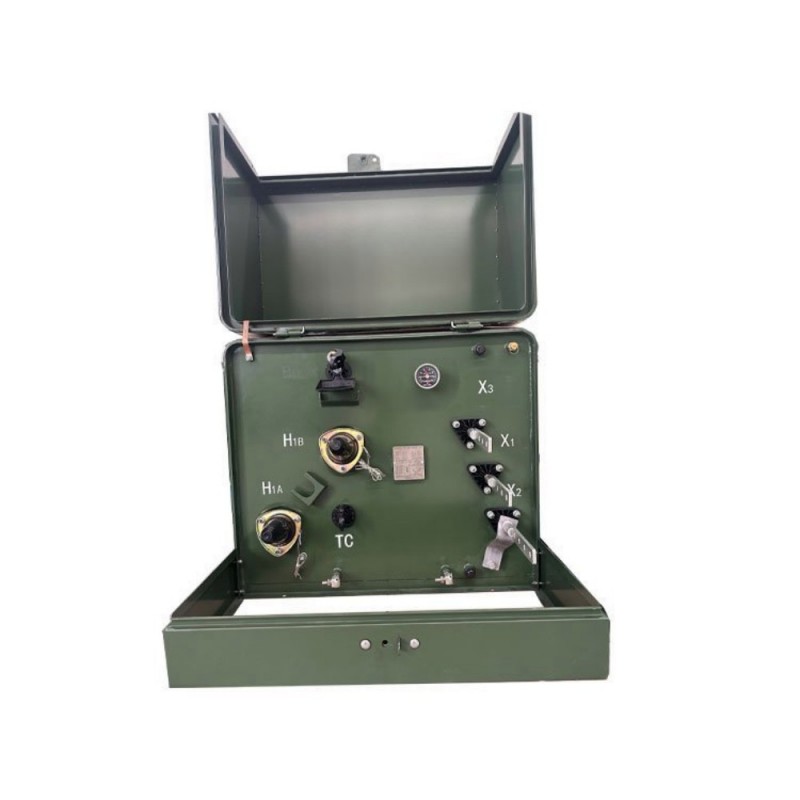
C Certification 6KV 10KV 13KV 20KV 34.5KV 50/60HZ Oil Type Single Phase 75KVA Pad Mounted Transformers
Single phase pad mounted solution for residential underground feeders and distributed utility networks.
- 75 kVA class, multi-voltage design
- 6 kV to 34.5 kV application range
- CE documentation, 50/60 Hz export build
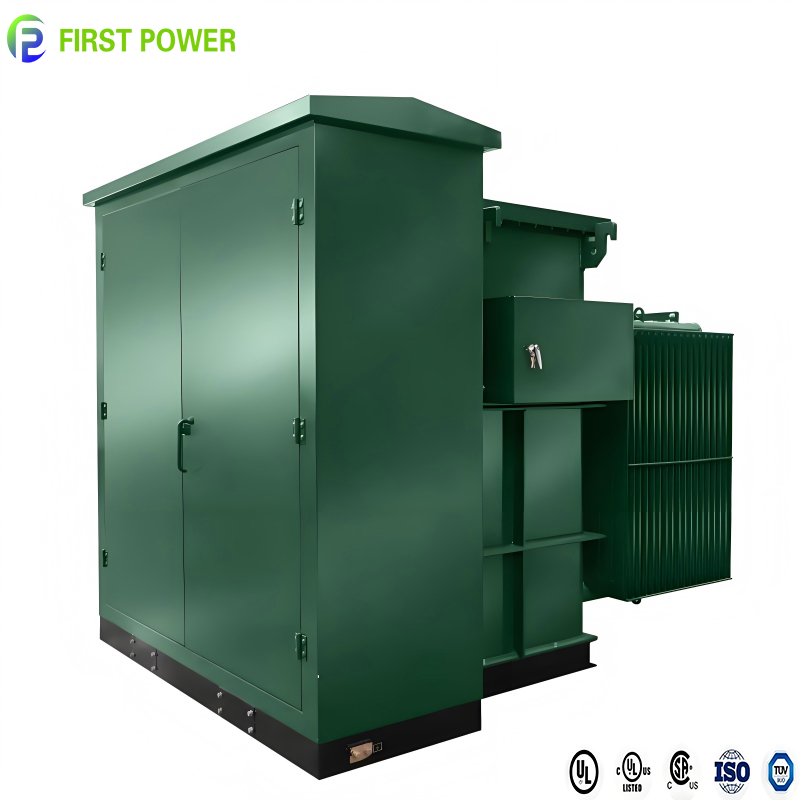
C CE 50/60HZ 6KV 10KV 15KV 20KV 35KV 100KVA 300KVA 500KVA 630KVA 3 Phase Pad Mounted Pedestal Transformer for Industrial
Three phase pedestal design for industrial campuses, commercial facilities and renewable interconnections.
- 100 kVA to 630 kVA configuration
- 6 kV to 35 kV class primary options
- Tamper-resistant outdoor enclosure logic
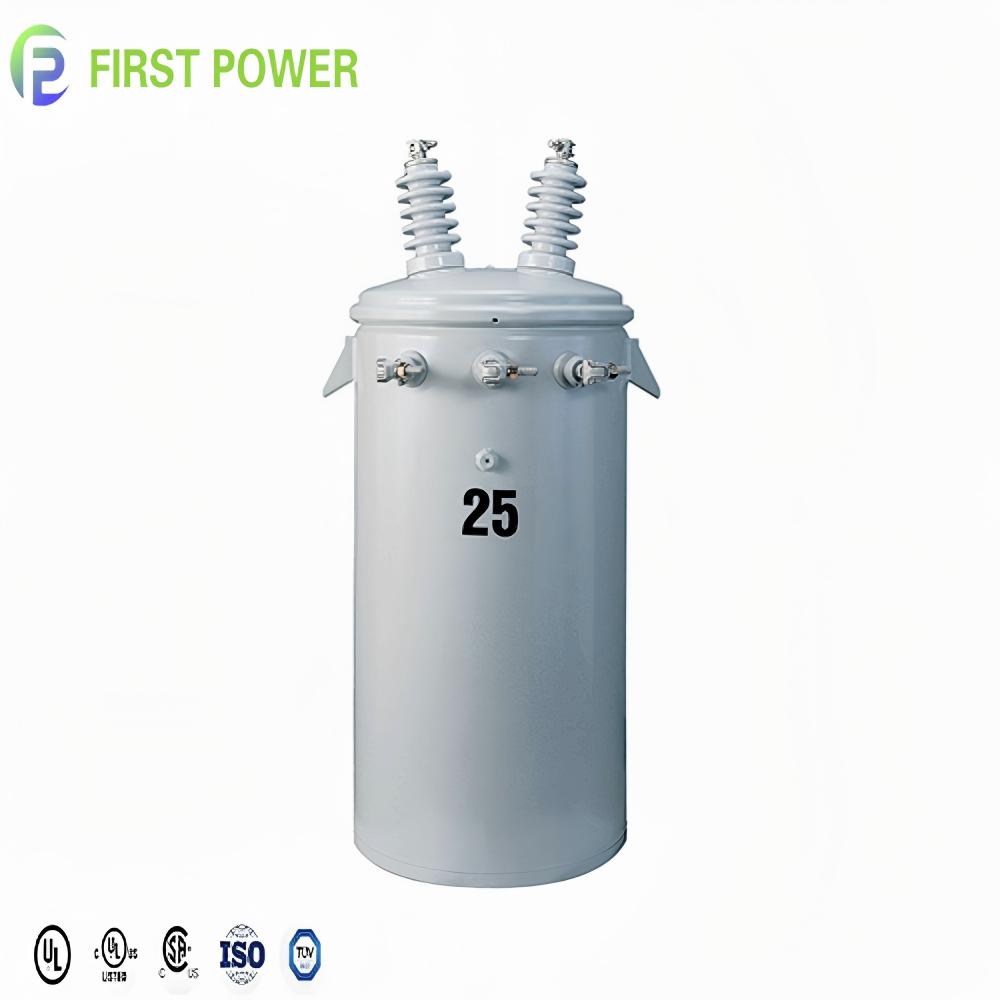
C CE Certification MV&HV 50/60HZ 6KV 10KV 20KV 35KV 25KVA Single Phase Transformer Price for Electric Power Distribution
Compact single phase transformer for distribution points where footprint and voltage flexibility matter.
- 25 kVA low-capacity distribution duty
- 6 kV to 35 kV voltage class
- CE certification support for export tenders
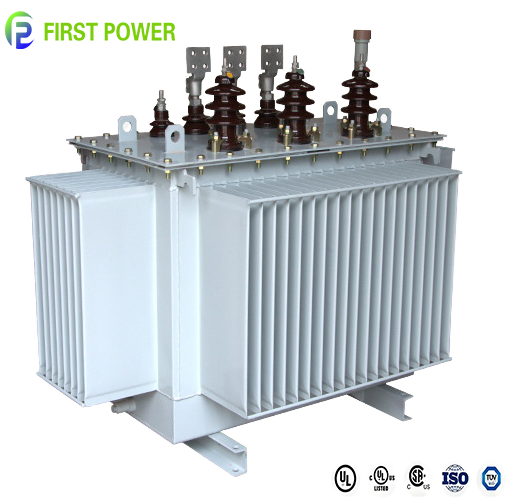
C CE 50/60HZ S11 10KV 15KV 20KV 35KV 100KVA 300KVA 500KVA 630KVA Three Phase Oil Transformer Price for Distribution System
Low-loss S11 distribution transformer family for utility and industrial distribution systems.
- 100 kVA to 630 kVA rating range
- 10 kV to 35 kV primary voltage
- Efficiency-focused core and winding design
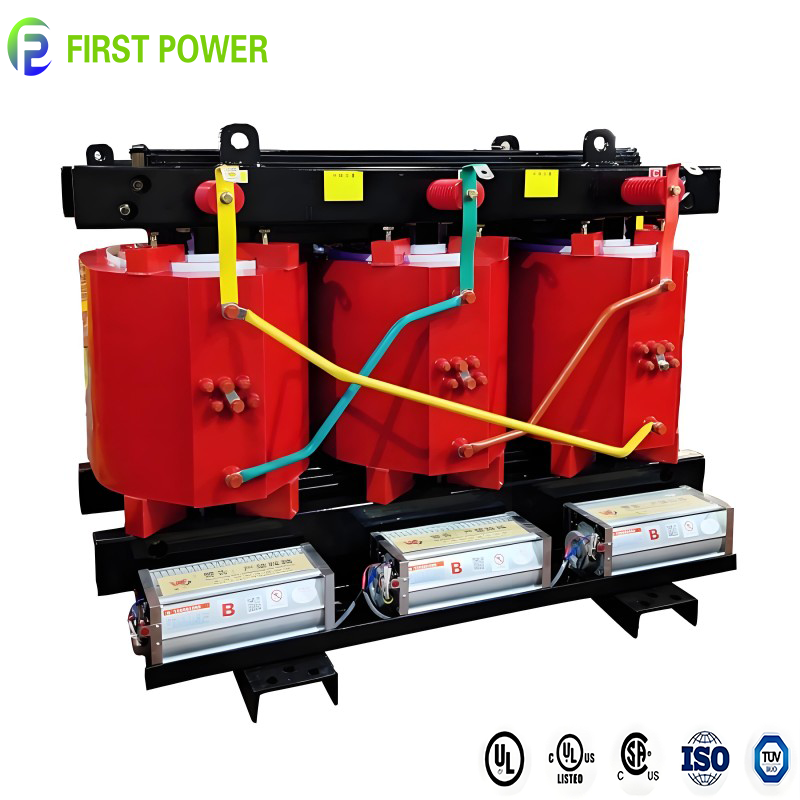
C CE Certification IEEE Standard 50/60HZ 5MVA 6MVA 6KV 35KV 3 Phase Dry Type Transformer for Electric Power Distribution
Large-capacity dry type distribution transformer for fire-sensitive and high-reliability power distribution.
- 5 MVA and 6 MVA class engineering
- 6 kV to 35 kV voltage range
- IEEE standard and CE export documentation
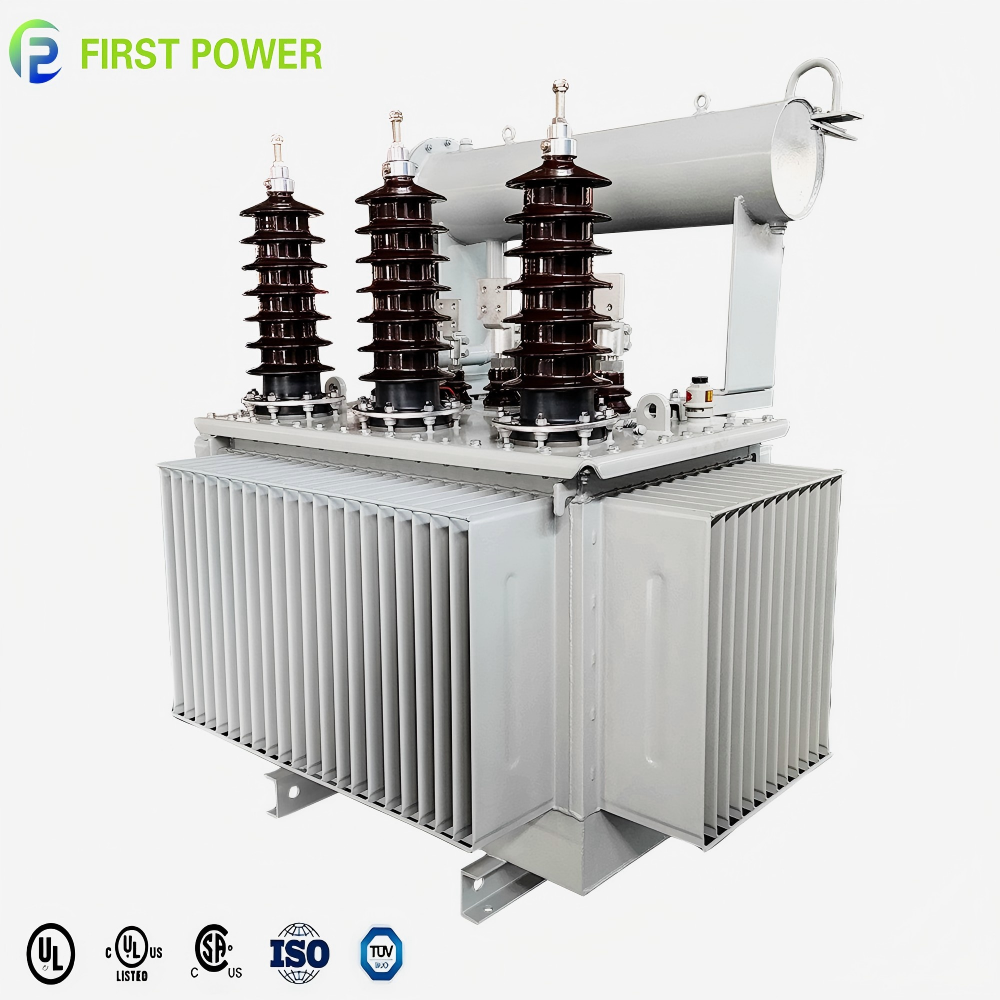
C CE Certification IEEE Standard 50/60HZ S11 Three Phase 33KV Oil Immersed Power High Voltage Transformer for Industrial
Industrial oil immersed power transformer for projects requiring IEEE documentation and 33 kV class design.
- 33 kV high voltage industrial duty
- S11 low-loss oil immersed platform
- IEEE standard alignment for export markets
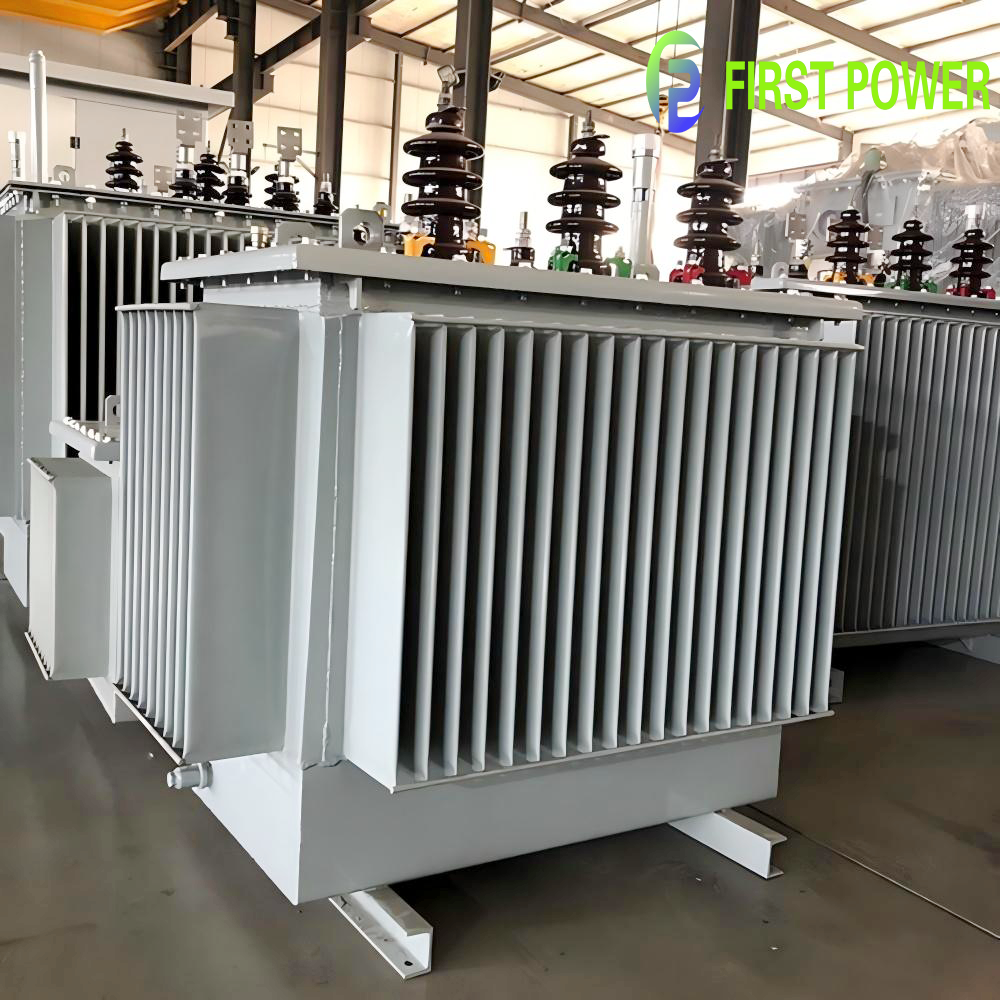
C CE MV&HV S11 50/60HZ 10KV 20KV 35KV Three Phase Oil Immersed 50KVA Transformer for Electric Power Distribution
Small-capacity oil immersed distribution transformer for remote loads, communities and compact substations.
- 50 kVA compact distribution rating
- 10 kV, 20 kV or 35 kV primary
- Routine-tested and export-packed
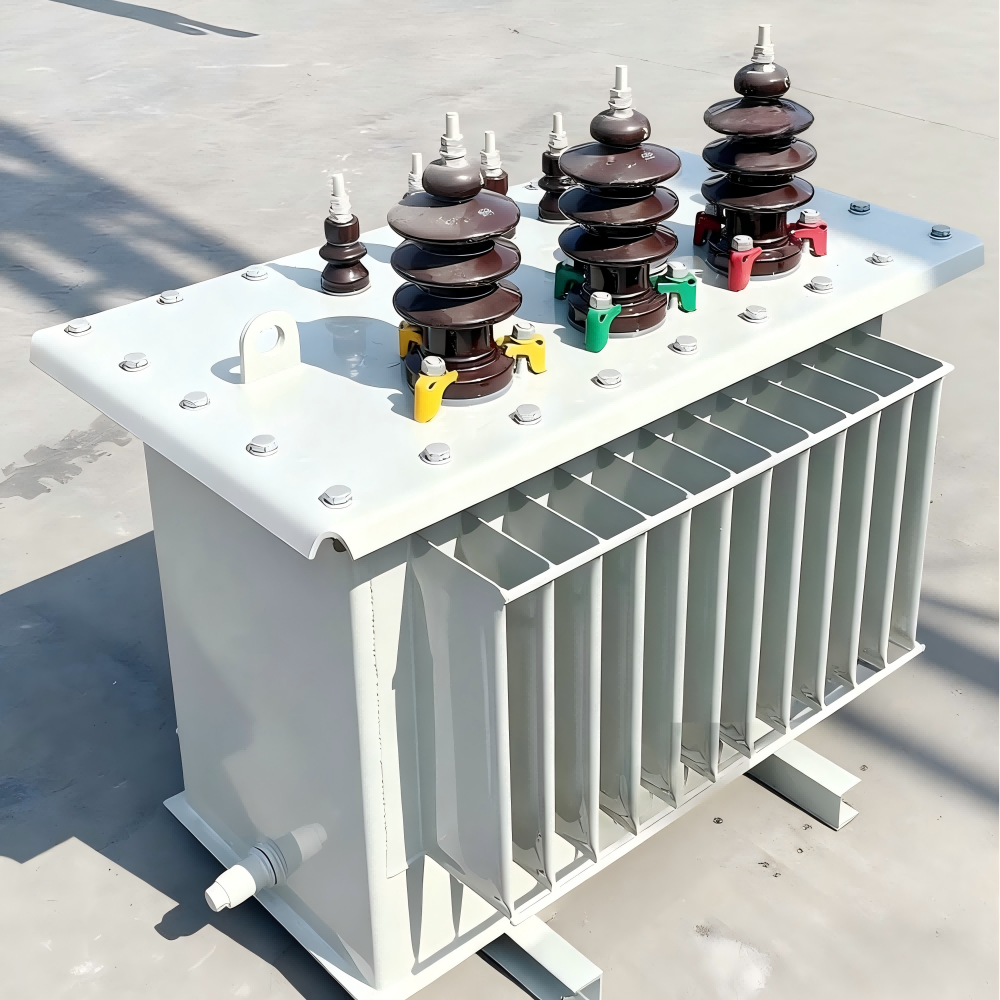
C CE MV&HV 30-31500KVA 6KV 10KV 15KV 20KV 35KV S11 Three Phase Oil Transformer for Electric Power Distribution
Wide-range S11 oil transformer platform for utility distribution, industrial plants and project tenders.
- 30 kVA to 31,500 kVA configuration
- 6 kV to 35 kV primary voltage
- Custom loss, tap and vector group options
For a specification outside the standard shortlist, do not force a catalogue unit. Send the duty, voltage, frequency, loss target and site conditions through the inquiry channel so the factory can return an engineered design.
Why “China Best Dry Type Distribution Transformer Factories” Is a Technical Search
This query is rarely a simple shopping search. It usually comes from a consulting engineer, EPC buyer, utility procurement officer or industrial project owner who needs a verifiable China dry type transformer factory, not an anonymous directory listing. The searcher is comparing fire safety, partial discharge control, guaranteed losses, standards compliance, factory testing, delivery risk and after-sales response. In semantic search terms, the query connects entities such as cast resin dry type transformer, IEC 60076-11, IEEE C57.12.01, CE marking, ISO 9001, routine tests, K-factor, temperature rise and total owning cost.
A genuinely useful answer must therefore separate product marketing from procurement evidence. A factory may show attractive photographs of windings and enclosures, but a professional buyer needs to know who designed the insulation system, which routine tests are performed on each serial number, how partial discharge is controlled, how losses are guaranteed, and which third-party inspection body has verified the production floor. That is why the phrase “best dry type distribution transformer factory” should be treated as an audit question. The best supplier is the one that can prove consistency at the exact rating, voltage class, frequency and enclosure configuration required by the project.
Dry type distribution transformers are oil-free. They use cast resin or resin-encapsulated windings and are often selected for indoor substations, hospitals, commercial buildings, data centers, tunnels, metro systems and renewable energy facilities where liquid-filled equipment would create fire, spill or maintenance concerns. However, “dry type” does not automatically mean “safer at every site”. Performance depends on insulation class, winding construction, thermal margin, harmonic loading, ingress protection and the quality of factory testing. A competent factory should help the buyer compare dry type against pad mounted or oil immersed options using lifecycle cost, not push one technology by default.
What a Dry Type Distribution Transformer Really Is—and Where It Fits
Dry type equipment is an engineering choice, not a commodity swap. The correct selection balances fire safety, harmonic load, indoor siting, efficiency and maintainability.
Cast Resin Insulation
Vacuum-cast resin windings resist moisture and contamination and are well suited to indoor locations. Buyers should request partial discharge data, insulation class and temperature-rise evidence.
Fire-Sensitive Sites
Hospitals, high-rise buildings, tunnels, airports and data centers often prefer oil-free transformers where fire protection and indoor installation constraints are critical.
Harmonic & K-Factor Loads
EV charging, rectifiers and IT loads can increase harmonic heating. Specify K-factor, oversized neutral terminals or additional thermal margin rather than relying on nameplate kVA alone.
Global Grid Interface
Projects may require 6 kV, 10 kV, 20 kV or 35 kV class primary voltage, 50 or 60 Hz operation, IP-rated enclosures and compliance with IEC, IEEE or local utility standards.
What Separates a Best Factory from a Low-Cost Supplier
A credible dry type transformer factory should be auditable across experience, engineering, production, testing, supply chain and export documentation. The following figures reflect the operating profile of Jiangsu Wisegj Power Co., Ltd. and illustrate the type of evidence a serious buyer should request.
Hands-on transformer design, production and export project experience.
Product capability spanning 220 V to 500 kV class equipment.
Production area verified through third-party assessment.
R&D, design review and technical support resources.
Qualified supply chain for cores, copper, insulation and accessories.
Average buyer feedback across export-oriented project activity.
Technical clarification and after-sales response target.
ISO 9001, ISO 14001, ISO 45001 systems and CE product certification.

Inside a Verified China Transformer Factory
Jiangsu Wisegj Power Co., Ltd. is based in Suzhou, Jiangsu, China and supplies power transformers, distribution transformers, pad mounted transformers, dry type transformers, compact substations, switchgear and related medium and high voltage equipment from 220 V to 500 kV. The operating profile is built around export projects that require drawings, test reports, certificates and packing documentation, not only a finished unit.
The company reports more than 20 years of team experience in transformers, a verified production area of 6,847 m², more than 50 R&D and technical engineers, 211 qualified supply-chain partners and a 4.9/5 average buyer rating. Production is supported by ISO 9001, ISO 14001 and ISO 45001 management systems, CE certification for relevant product families, and third-party verification by TÜV Rheinland. This matters because a dry type transformer factory should be able to demonstrate control from design review through routine testing and export packing.
For buyers, the practical advantages include OEM, ODM, design-based and sample-based customization; documented routine tests; third-party witness inspection; English drawings and O&M documentation; and 24-hour pre-sale and after-sale technical response. The factory also supports common export terms such as FOB, CFR, CIF, EXW, FCA, CIP, CPT and DDP, with payment options that can include T/T, L/C, D/P and D/A depending on the contract.
- CE and ISO documentation
- TÜV Rheinland verified production
- Routine test report per unit
- Custom voltage, impedance and vector group
- Fortune 500 supplier experience
- Seaworthy export packing
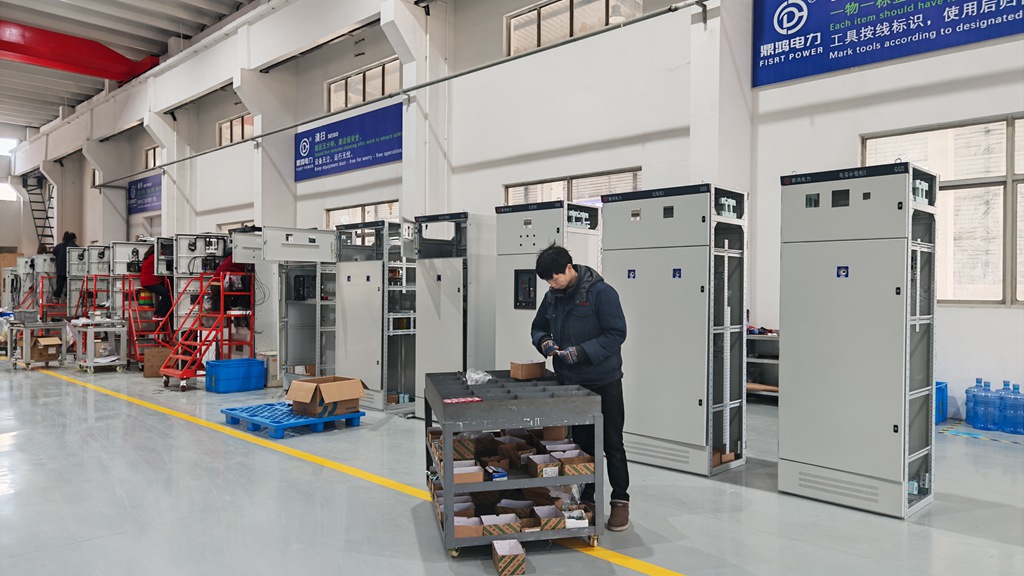
Production and Inspection Images Buyers Should Review
Images are useful only when they connect to a process. Ask what happens at each stage, which records are created, and which tests cannot be skipped before shipment.

Assembly Workshop

Testing Laboratory
Export Packing
Project Dispatch
Procurement Trends Reshaping Dry Type Distribution Transformer Buying
Buying behavior is moving away from lowest-piece-price comparison toward evaluated cost, evidence quality and supply resilience. These four trends are especially visible in tenders for commercial buildings, data centers, renewable projects and urban distribution networks.
Total Owning Cost
Procurement teams increasingly capitalize no-load and load losses. A lower-priced unit can lose on evaluated cost when efficiency, cooling power and maintenance over the service life are included. Ask for guaranteed losses and test verification.
Fire Safety & Urban Density
Indoor siting near people, vehicles, batteries and IT loads raises the value of oil-free construction, low partial discharge, higher insulation class and documented fire performance.
Digital Traceability
Serial-number test reports, material certificates, digital nameplates and optional temperature or partial-discharge monitoring are becoming part of the technical package rather than an afterthought.
Supply Resilience
Lead-time volatility and spare-part availability push buyers toward factories that control key suppliers, offer modular substations and can document a repeatable export process.
Product Development Trends: What the Next Generation Dry Type Transformer Will Look Like
The next competitive gap will not be a single catalogue feature. It will be the ability to combine lower losses, higher fire safety, harmonic tolerance and digital evidence at a predictable cost.
Vacuum Cast Resin & Lower Partial Discharge
Improved resin systems, vacuum casting control and winding shielding reduce partial discharge risk. Buyers should request the test method, limit and measured value, not only a statement that the unit is “low PD”.
High-Temperature Insulation & K-Factor
Class F and Class H systems, higher thermal margins and K-factor designs are becoming more common for EV charging, data-center and rectifier loads with harmonic-rich current.
Low-Loss Cores & Circular Economy
Step-lap cores, improved grain-oriented silicon steel and optimized winding geometry target lower no-load and load losses. Recyclability and material disclosure are entering tender scoring.
Compact & Modular Substations
Dry type transformers are increasingly integrated with MV switchgear and LV distribution in prefabricated enclosures, reducing site work and commissioning time for urban and renewable projects.
Sensors & Digital Twins
Winding temperature, partial discharge and fan-status data can feed CMMS or digital-twin platforms. The factory should supply a clear data map and calibration record, not a closed proprietary box.
Standards Harmonization
Global projects require suppliers to move between IEC, IEEE and local utility requirements, 50/60 Hz, altitude, ambient, seismic and enclosure standards without redesigning from zero.
Selection Matrix: Dry Type and Companion Distribution Transformers
Use this matrix to frame the technical conversation before requesting a quotation. Ratings shown are typical production ranges and should be confirmed for each project.
| Transformer Type | Typical Rating | Best Installation Fit | Application Logic | Core Standard Reference |
|---|---|---|---|---|
| Cast Resin Dry Type Distribution | 30–2,500 kVA, up to 35 kV | Indoor, fire-sensitive, close to load | Hospitals, high-rise buildings, tunnels, data centers and commercial substations | IEC 60076-11 / project-specific IEEE requirements |
| Single Phase Pad Mounted | 10–250 kVA | Outdoor residential underground loops | Housing developments, rural feeders and utility easements | IEEE C57.12.38 or project utility standard |
| Three Phase Pad Mounted | 45–5,000 kVA, up to 34.5 kV | Outdoor ground pad, underground cable feed | Commercial campuses, solar farms, data centers and industrial parks | IEEE C57.12.34 / C57.12.28 |
| Three Phase Oil Immersed Distribution | 30–2,500 kVA, 6–35 kV | Outdoor platform or substation | Utility distribution, industrial plants and mining networks | IEC 60076 series |
| Power Transformer | 35–500 kV class | Utility or generation substation | Transmission interconnection, generation step-up and large industrial supply | IEC 60076 / IEEE C57.12.00 |
| Compact Substation | 100–2,500 kVA, 10–35 kV | Prefabricated outdoor enclosure | Renewables, urban networks and fast-track projects | IEC 62271-202 |
Factory Verification: Documents to Request Before a Purchase Order
A best-in-class factory does not resist documentation. It organizes it. These six document groups let a buyer check experience, expertise, authority and trust before production begins.
Management System Certificates
Request ISO 9001, ISO 14001 and ISO 45001 certificates with scope, issuing body, certificate number and validity. Confirm that the certificate covers the actual product family being purchased.
Product Certification
CE certificates should align with the transformer type, voltage range and directive. For utility markets, verify IEEE or local grid compliance separately rather than assuming a CE mark covers every requirement.
Type Test Reports
Depending on scope, request temperature-rise, dielectric, partial discharge, short-circuit withstand and fire-performance evidence. Check the tested configuration against the proposed design.
Routine Test Report per Serial
Each unit should have winding resistance, ratio and vector group, impedance and load loss, no-load loss and current, applied and induced voltage, plus partial discharge where specified.
Material Traceability
Ask for records for copper, core steel, insulation materials, bushings, fans and nameplates. Traceability helps resolve warranty questions and protects both the factory and the project owner.
Independent Factory Assessment
A third-party assessment report, such as TÜV Rheinland verification, supports claims about production floorspace, capability and inspection. Pair it with a live video or onsite audit for critical projects.
Common Questions About Buying Dry Type Distribution Transformers from China
These answers focus on the questions that affect technical compliance, factory selection and project risk. For a live specification, use the inquiry button so an engineer can review the actual duty.
What is a dry type distribution transformer, and when should I choose it?
A dry type distribution transformer uses air and solid insulation instead of liquid dielectric. It is usually selected where fire safety, indoor installation, spill avoidance or close-to-load placement matters, such as hospitals, commercial buildings, tunnels, data centers and renewable facilities. It is not automatically the lowest-cost choice for every site. Compare dry type with pad mounted and oil immersed options using the actual load profile, enclosure, cooling, installation location and total owning cost.
Which standards should a China dry type transformer factory meet?
For many export projects, the factory should be able to design to IEC 60076-11 for dry type transformers, with additional IEEE references where the destination market uses IEEE practice. CE documentation, ISO 9001 quality management, ISO 14001 environmental management and ISO 45001 occupational health and safety systems are useful qualification signals. The exact standard, efficiency level, temperature rise, partial discharge limit and enclosure protection must be written into the technical specification and confirmed in the test report.
How can I verify a “best” transformer factory before placing an order?
Start with evidence: certificate scope and validity, type test reports, routine test procedures, material traceability, production floorspace assessment and the names of the engineers who will review your drawings. Ask how partial discharge, losses and temperature rise are controlled. Request a witness test for critical units. A strong factory will answer with documents and calculations. A weak supplier will answer only with photographs, prices and delivery promises.
Can dry type transformers be customized for voltage, frequency and enclosure?
Yes, within engineering limits. Customization can cover kVA rating, primary and secondary voltage, 50 or 60 Hz operation, vector group, impedance, tap range, insulation class, K-factor, cooling method, IP enclosure, terminal arrangement, nameplate language and finish color. The buyer should supply site altitude, ambient temperature, harmonic load, installation environment and any local utility requirements. A factory that offers customization should also provide revised drawings and guaranteed losses before production release.
Which tests should be reviewed before dry type transformer shipment?
At minimum, review winding resistance, voltage ratio and vector group, impedance and load loss, no-load loss and current, applied voltage withstand and induced voltage withstand. For dry type units, partial discharge measurement is a key quality indicator when specified. Also check the nameplate, enclosure, fan operation if fitted, alarm contacts, painting and packing. The test report should carry the serial number matching the unit being shipped, and third-party witness inspection should be allowed for critical projects.
What affects lead time, price and total owning cost the most?
Lead time is affected by core and copper availability, special enclosure requirements, type testing, witness inspection and shipping schedule. Price is driven by rating, losses, insulation class, enclosure, accessories and certification requirements. Total owning cost is broader: no-load and load losses, cooling power, maintenance, spare parts, downtime risk and replacement lead time. A serious quotation should state guaranteed losses, scope of supply, documentation, testing, packing, Incoterms and warranty so the comparison is like-for-like.
Send Your Dry Type Transformer Specification for Engineering Review
Share the kVA, primary and secondary voltage, frequency, vector group, impedance, cooling, altitude, ambient, harmonic load, enclosure IP, target losses, standard and delivery port. A transformer engineer should review the duty before a price is issued, so the offer is compliant rather than merely fast.
Send an Inquiry Factory review and documentation requests: [email protected]