Eight CE-Relevant Outdoor Distribution Transformer & Power Equipment Options
Start with the equipment family, then validate the factory behind it. The shortlist below reflects transformer and auxiliary equipment commonly reviewed by buyers searching for CE-certified outdoor distribution transformer factories and suppliers.
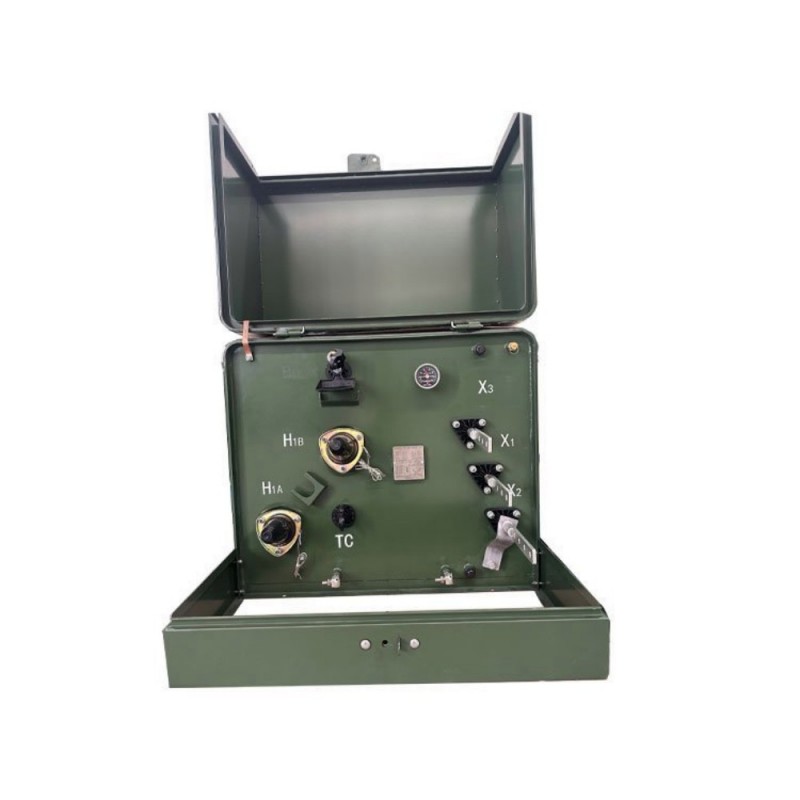
6 kV–34.5 kV Oil-Type Single-Phase Pad-Mounted Transformer
Multi-voltage single-phase pad-mounted design for residential and commercial underground feeders, with 50/60 Hz operation and factory routine test records.
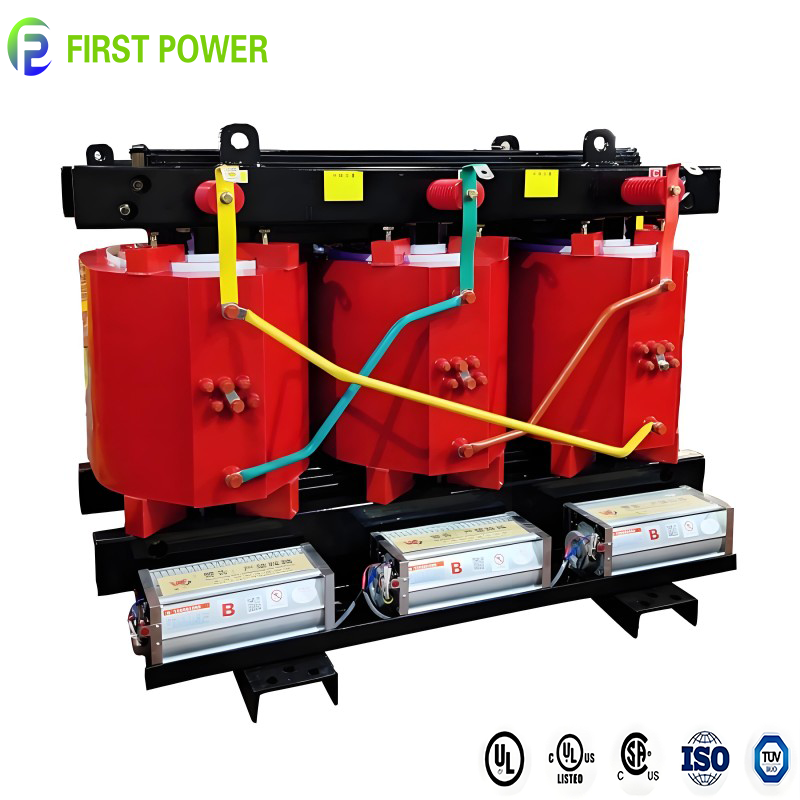
5–6 MVA IEEE / CE Three-Phase Dry-Type Distribution Transformer
Oil-free dry-type platform for indoor and fire-sensitive locations where oil containment is undesirable, supporting 6 kV–35 kV class distribution duty.
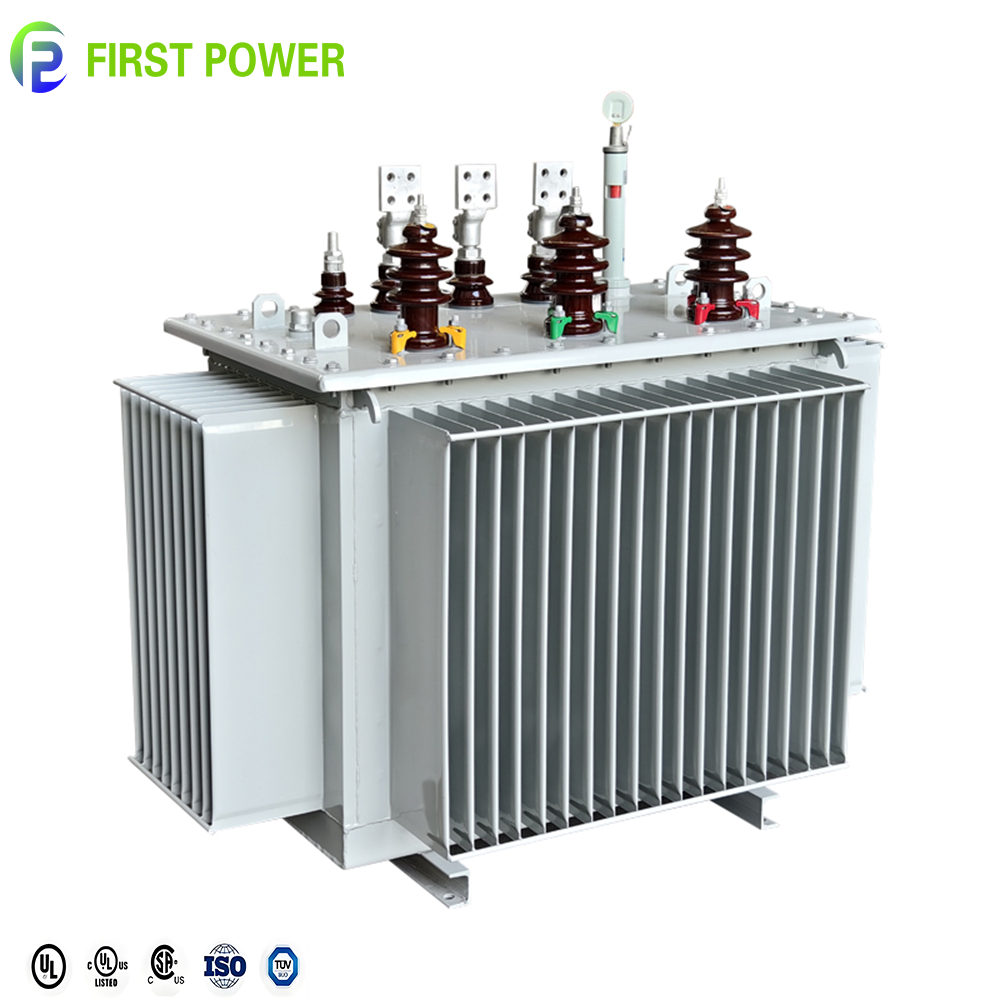
100–500 kVA Industrial Oil-Immersed Step-Up Transformer
Oil-immersed industrial transformer configured for 6 kV–35 kV primary options and 100–500 kVA ratings; confirm step-up orientation, vector group and output voltage during design review.
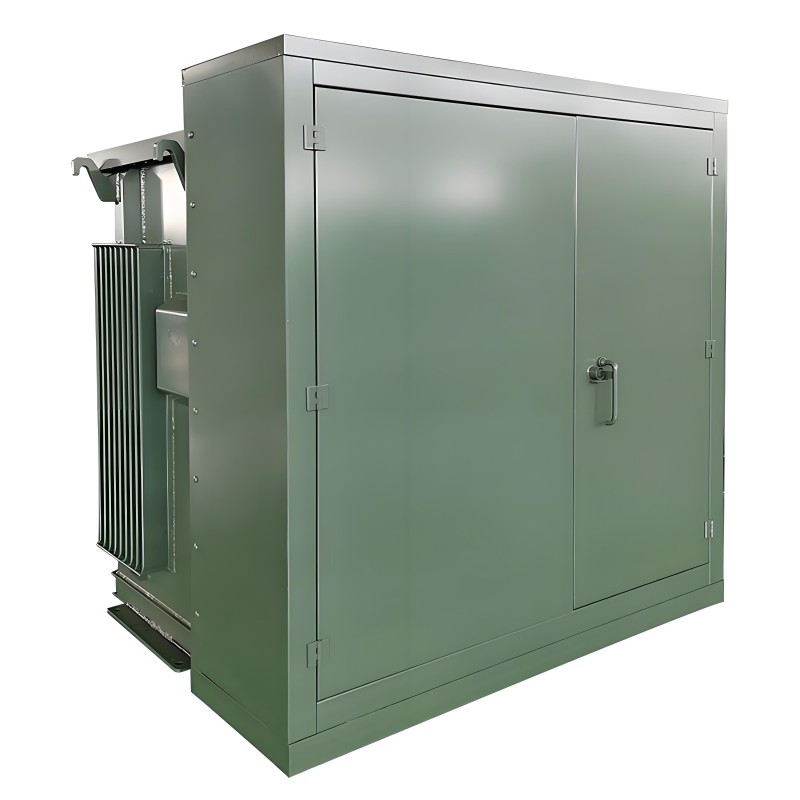
75–2,500 kVA Oil-Type Three-Phase Pad-Mounted Transformer
Three-phase pad-mounted transformer for 35 kV input and 480 V output applications, with tamper-resistant enclosure options for commercial, solar and data-center distribution.
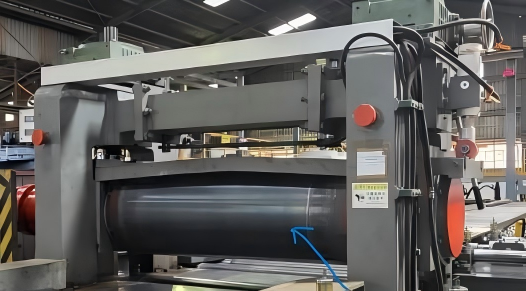
MAIN ROLLER D
Auxiliary equipment item from the broader product ecosystem. Use the inquiry channel to confirm interface, quantity, documentation scope and project suitability before ordering.
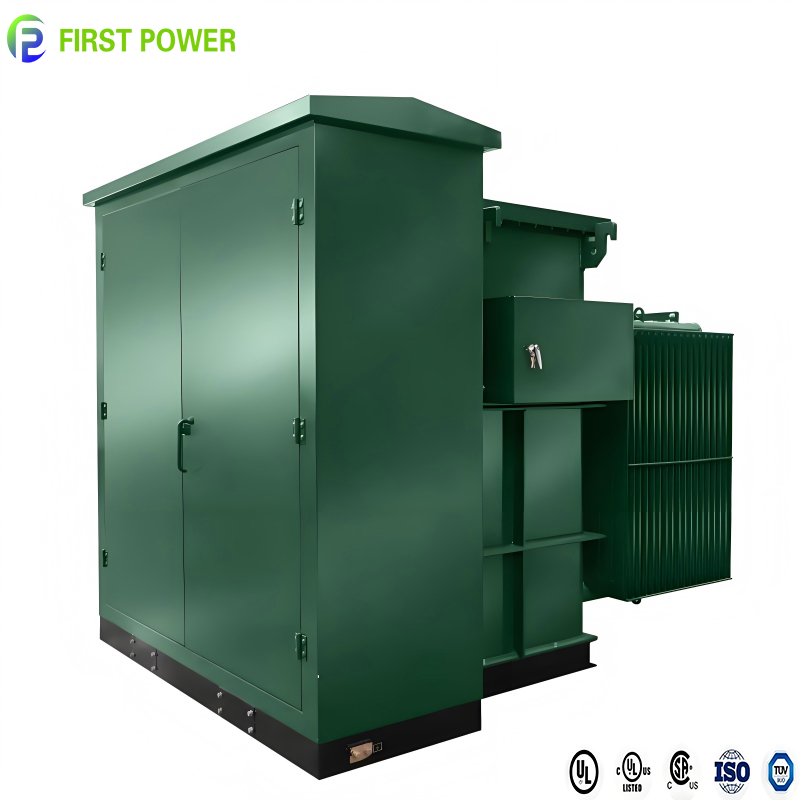
CE Industrial 3-Phase Pad-Mounted Pedestal Transformer
Compact pedestal transformer for industrial loads, with 6 kV–35 kV primary options and 100 kVA–630 kVA ratings for space-constrained sites.
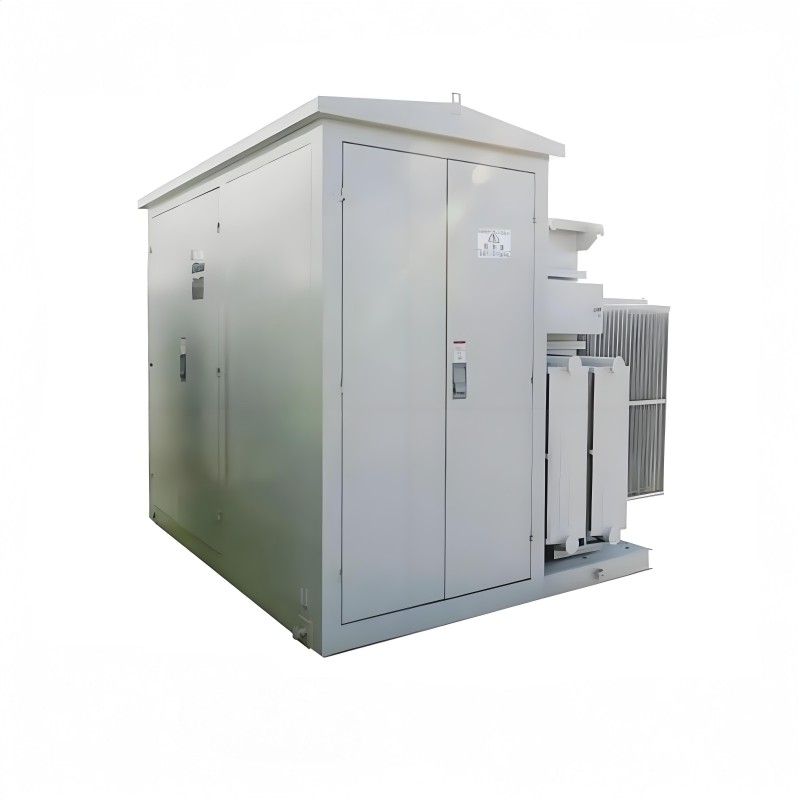
American Standard 3,000 kVA 34.5 kV Pad-Mounted Transformer
3,000 kVA, 34.5 kV / 480 V oil-type pad-mounted transformer for 60 Hz networks, suitable for utility, industrial and renewable interconnection projects.
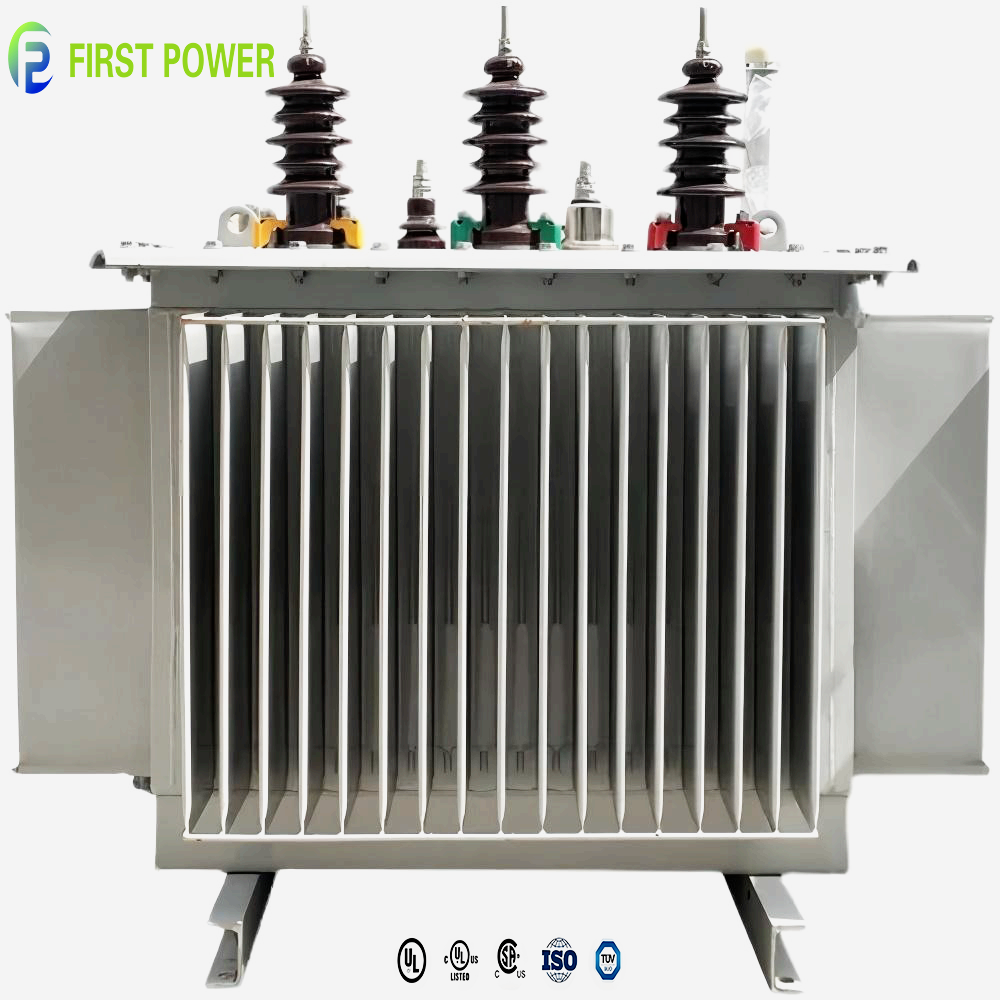
60 Hz S11 Three-Phase Oil-Immersed Transformer
Oil-immersed distribution transformer for 10 kV–35 kV systems, with 500 kVA class ratings and low-loss core configurations for power supply networks.
Factory Evidence Buyers Can Audit Before the First RFQ
Technical claims are only useful when they can be checked. These capability figures align with the factory profile, certification scope and project support model that buyers should verify during supplier due diligence.
Capacity figures should be re-verified for each project. Request current factory profile, test reports, certificate numbers and a project-specific quality plan.
What "CE Certified Outdoor Distribution Transformer" Really Means for Procurement
The search phrase combines two different buying questions: product compliance and supplier capability. A serious outdoor transformer procurement process must answer both.
When a buyer searches for a CE certified outdoor distribution transformer factory and suppliers, the intent is rarely limited to a catalog price. The buyer usually needs to confirm whether the equipment can be legally placed on the target market, whether the factory can prove repeatable quality, whether the design matches local grid conditions, and whether the supplier can support documentation, inspection and after-sales response. This is especially true for pad-mounted transformers, oil-immersed distribution transformers, dry-type transformers and compact substations used in utility, commercial, renewable and industrial projects.
CE marking is not a substitute for a project-specific engineering review. It indicates that the manufacturer has followed the applicable conformity assessment route and can provide the required technical documentation and declaration. For outdoor distribution transformers, the useful procurement dossier includes the declaration of conformity, applicable test reports, nameplate and drawing approval, insulating fluid data, temperature-rise assumptions, enclosure protection, corrosion protection, seismic or wind-load considerations and installation interface drawings. Buyers should treat a CE certificate as one evidence point inside a broader supplier qualification process, not as the entire qualification process.
The outdoor part of the requirement matters. A transformer specified for a temperate utility yard may not perform as expected in coastal humidity, desert heat, high altitude, seismic zones or areas with severe flood risk. Ambient temperature, altitude, solar gain, enclosure ventilation, tank finish and wildlife protection can change the design, the losses and the maintenance plan. A capable factory should ask for these inputs early, then return a compliant design with guaranteed losses, impedance, tap range and documentation rather than a generic quotation.
The supplier part of the query also matters. An export-oriented transformer factory should be able to support English documentation, third-party witness inspection, pre-shipment photographs, packing specifications, Incoterms, payment terms and a clear escalation path for technical questions. Wisegj positions itself around this practical layer of support: engineering review before quotation, ISO management systems, CE documentation, routine testing, export packing and a 24-hour response target for technical and after-sales issues.
Procurement dossier checklist
Outdoor Transformer Selection Matrix for Factories and EPC Buyers
Use the matrix to align application, installation environment and evidence requirements before requesting a formal quotation. It helps reduce clarification loops and improves the quality of supplier comparison.
| Decision area | What to verify | Why it protects the project |
|---|---|---|
| Transformer family | Pad-mounted, oil-immersed, dry-type or compact substation; indoor/outdoor placement; oil containment requirement; fire strategy. | Prevents a technically compliant but operationally unsuitable product from being shortlisted. |
| Grid interface | Primary and secondary voltage, frequency, vector group, impedance, tap range, neutral arrangement and switching interface. | Reduces commissioning risk and avoids costly site modifications after delivery. |
| Site environment | Ambient temperature range, altitude, humidity, coastal salt, seismic zone, wind load and flood exposure. | Drives insulation coordination, cooling, enclosure finish and mechanical design decisions. |
| Loss and TCO | No-load loss, load loss, loss capitalization formula, expected loading profile and energy cost assumptions. | Supports evaluation on total owning cost rather than first purchase price alone. |
| Compliance evidence | CE declaration, test reports, ISO system certificates, factory inspection records and certificate validity. | Provides an auditable trail for utilities, EPCs and internal compliance teams. |
| Delivery and support | Incoterms, packing, shipping documents, spare parts, commissioning support and response time. | Protects schedule, reduces installation friction and clarifies after-sales responsibility. |
For a faster offer, provide rated power, voltages, frequency, vector group, impedance, cooling method, insulating fluid, applicable standard, altitude, ambient conditions and loss limits.
Future Procurement Trends Shaping Outdoor Distribution Transformer Buying
Transformer purchasing is moving from a simple equipment transaction toward a total-cost, risk-managed and documentation-heavy procurement process. Buyers who prepare for these shifts early tend to get better technical responses and more stable delivery schedules.
Loss capitalization and TCO
Utilities increasingly evaluate transformers using total owning cost, not just purchase price. Loss evaluation, loading profile and energy cost assumptions should be requested with the technical offer.
Climate-resilient specification
Heat, flood, coastal corrosion and wildfire exposure are becoming explicit purchasing criteria. Outdoor transformer enclosures and finishes are being specified for a defined service environment.
Low-carbon and ester-filled designs
Natural ester fluids, recyclable materials and carbon reporting are moving from niche requests to mainstream tender questions, especially for renewable and public-infrastructure projects.
Digital documentation and traceability
Buyers expect searchable drawings, test reports, certificate numbers and serial-number traceability. A supplier with organized documentation is easier to audit and faster to approve.
Product Development Trends Shaping the Next Generation of Distribution Transformers
The most competitive transformer factories are not only reducing losses. They are also improving installation speed, environmental compatibility, monitoring capability and documentation quality across the product lifecycle.
High-efficiency cores
CRGO and amorphous core options continue to improve no-load loss performance. The right choice depends on loading profile, duty cycle and the buyer's loss capitalization formula.
Compact and modular substations
Prefabricated compact substations reduce site work and commissioning time. They are especially relevant for renewable plants, temporary power and fast-track industrial projects.
Condition monitoring readiness
Temperature, oil level, pressure and partial-discharge monitoring options are increasingly requested for critical outdoor transformers where outage risk is expensive.
Circularity and serviceability
Design for recyclability, replaceable components and clear maintenance access is becoming part of lifecycle cost evaluation, particularly in public procurement.
Why Wisegj Is a Transformer Factory and Supplier Worth Auditing
Jiangsu Wisegj Power Co., Ltd. is based in Suzhou, Jiangsu, China and supplies pad-mounted, oil-immersed, dry-type and power transformers, compact substations and related equipment from 220 V to 500 kV class. The value for buyers is not only product range; it is the ability to connect engineering review, production control, testing, documentation and export logistics into one accountable process.
Own production base
6,847 m² of third-party verified production floorspace supports winding, core assembly, drying, tanking and testing activities under documented work instructions.
In-house routine testing
Winding resistance, ratio, vector group, impedance, load loss, no-load loss, applied voltage and induced voltage tests can be documented per serial number.
Design customization
OEM, ODM, design-based and sample-based customization covers ratings, vector group, impedance, tap range, bushings, cooling, insulating fluid and enclosure finish.
Export logistics support
Seaworthy packing, shipping marks, documentation and Incoterms coverage from EXW to DDP help reduce handover friction for international buyers.
Certified systems
ISO 9001, ISO 14001 and ISO 45001 management systems support quality, environmental and occupational health and safety control across production.
Complete documentation
GA drawings, nameplate drafts, test reports, O&M manuals and shipping documents can be supplied in English for review and project handover.
Qualified supply partners
A network of 211 qualified supply-chain partners supports stable access to silicon steel, copper, bushings, insulating fluid and other critical materials.
24-hour response target
Technical questions, drawing clarifications and after-sales issues are routed to qualified responders with a target reply within one working day.
Evidence from the Production Floor
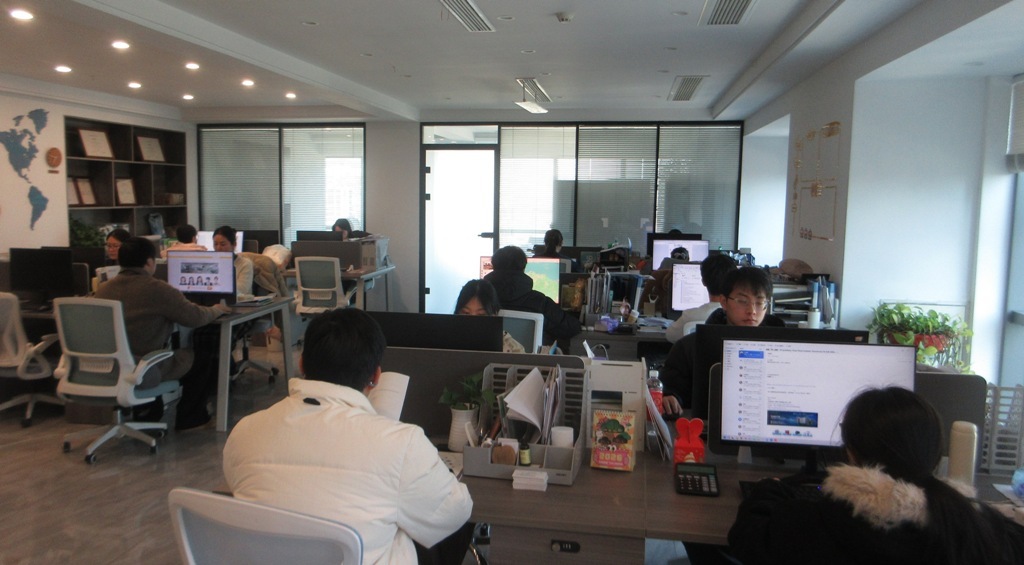
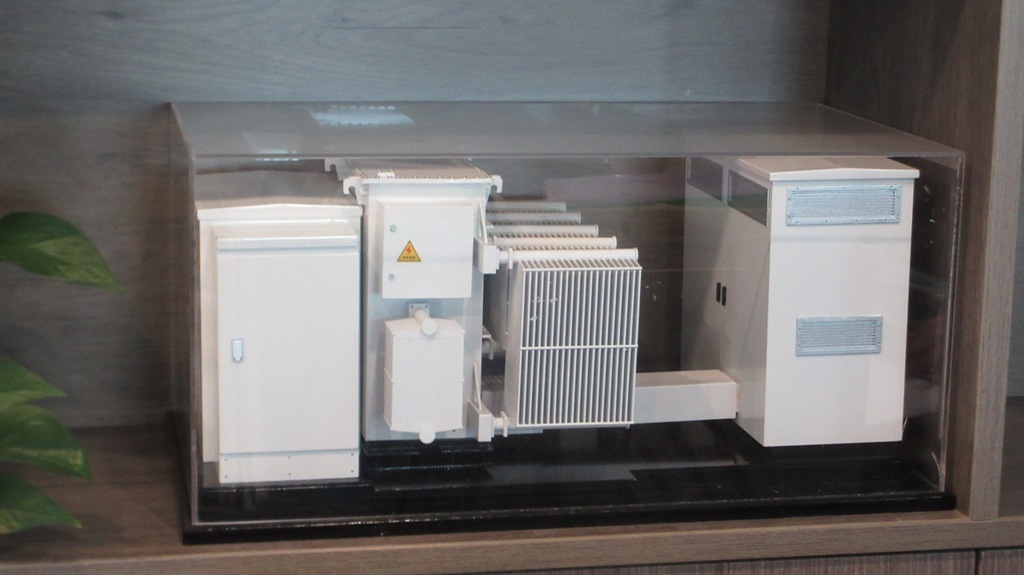
Factory capability should be visible, documented and open to inspection. These production and testing scenes illustrate the manufacturing stages buyers normally review during supplier qualification and pre-shipment inspection.

Company & facility overview
Assembly workshop
Core & coil assembly

Testing laboratory
Certificates and Compliance Documentation Buyers Should Verify
Certificate numbers are useful only when they can be matched to the product scope, validity period and issuing body. The following document categories should be requested directly during supplier qualification.
CE · Power Transformer
Oil-immersed power transformer · No. 3N230310.JYTU038 · verify current validity.
CE · Oil-Immersed
Oil-immersed transformer · No. M.2025.206.C121882 · confirm product scope.
CE · Dry Type
Dry-type transformer · No. FQC2530404 · request test report alignment.
CE · Compact Substation
Compact substation · No. M.2025.206.C121884 · verify configuration.
ISO 9001
Quality management system · No. 62824Q6052R0S · verify current validity.
ISO 14001
Environmental management system · No. 62824E6053R0S · verify scope.
ISO 45001
Occupational health and safety system · No. 62824S6054R0S · verify validity.
TÜV Verified
Third-party onsite verification of production capability, floorspace and inspection process.
Always request the current certificate PDF, issuing body, validity date and product scope before approving a supplier for a live project.
Quality Control from Drawing Approval to Export Packing
A repeatable quality process is more valuable than a single sample. For outdoor distribution transformers, the critical control points begin before production and continue through final inspection and loading.
Specification review
Engineers check ratings, standards, altitude, ambient conditions and site interfaces.
Drawing approval
GA drawing, nameplate draft and guaranteed losses are confirmed before production.
Controlled production
Core, winding, drying and tanking follow documented work instructions and in-process checks.
Routine testing
Each unit receives routine electrical tests and a serial-number test report; witness testing is welcome.
Packing & shipping
Export packing, shipping marks, documents and pre-shipment photographs reduce handover risk.
Global Supply Support for Utilities, EPCs and Industrial Buyers
Outdoor distribution transformers must match local grid codes, frequency, climate and installation practice. A factory with export experience can reduce the risk of mismatched bushings, nameplates, protection interfaces and documentation.
North America
ANSI/IEEE pad-mounted and pole-mounted transformer configurations for utilities, solar and commercial projects.
South America
Distribution and power transformers for utilities, mining and high-altitude installations.
Western Europe
CE-documented IEC equipment, dry-type transformers and compact substations for urban and infrastructure projects.
Middle East
High-ambient designs with enhanced cooling and corrosion protection for desert and coastal environments.
Southeast & Central Asia
Utility distribution, industrial parks and grid expansion programs with 50/60 Hz configuration support.
Africa
Rural electrification, mining, industrial and compact substation projects requiring practical deployment support.
Delivery terms
FOB, CFR, CIF, EXW, FAS, FCA, CPT, CIP, DDP, DDU and express delivery options.
Payment methods
T/T, L/C, D/P, D/A, escrow and other secure options agreed per contract.
Currencies
USD, EUR, GBP, CAD, AUD, JPY, HKD, CHF and CNY among other major currencies.
FAQ for Buyers Comparing CE-Certified Transformer Factories and Suppliers
These are the questions procurement teams, EPC contractors and utility engineers most often ask when comparing outdoor distribution transformer suppliers.
What does CE certification mean for an outdoor distribution transformer order?
Which standards do Wisegj transformers comply with?
What voltage and capacity range can be supplied?
How can a buyer verify factory capability before placing an order?
Which factory tests are performed before shipment?
Can outdoor distribution transformers be customized for my project?
What information is needed for a fast and accurate quotation?
How should buyers evaluate total cost of ownership rather than price alone?
Have a Specification Ready for Engineering Review?
Send your datasheet, tender document or single-line diagram. A transformer engineer can review the rating, standard, site conditions, losses and documentation requirements, then respond with a project-specific direction rather than a generic quotation.
Recommended inputs: transformer type, kVA or MVA, primary/secondary voltage, frequency, vector group, impedance, cooling, insulating fluid, standard, altitude, ambient conditions and target delivery schedule.