CE Certified Industrial Power Transformer Factory & Exporter
IEC 60076 & IEEE C57.12 engineering · 6 kV to 500 kV · 10 kVA to 5,000 kVA · ISO 9001 / ISO 14001 / ISO 45001 management systems · oil-immersed, pad-mounted and pole-mounted transformer lines shipped to utilities, EPC contractors and renewable developers across North America, Europe, the Middle East, Africa and Asia.
Eight CE Certified Industrial Power Transformer Lines Built to Your Specification
These are not catalogue items pulled off a shelf. Every unit is engineered against an approved general arrangement drawing — ratio, vector group, impedance, tap range, cooling class, tank finish, insulating fluid and nameplate language are all fixed before production begins. Each line below carries a CE certificate pack and routine test reports for the exact serial numbers you receive.
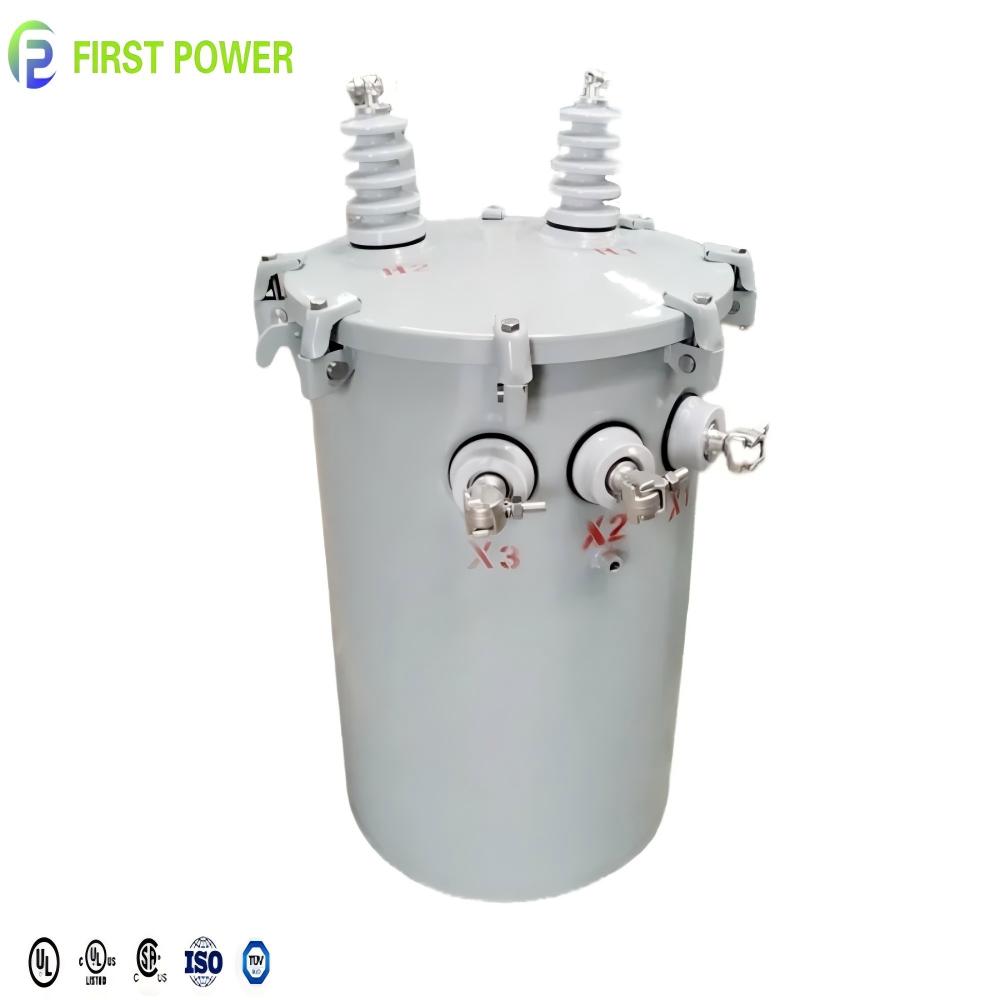
Radial or loop feed, 120/240 V secondary, tamper-resistant construction with bayonet fusing. The workhorse for North American residential feeders, rural electrification and light industrial spurs.
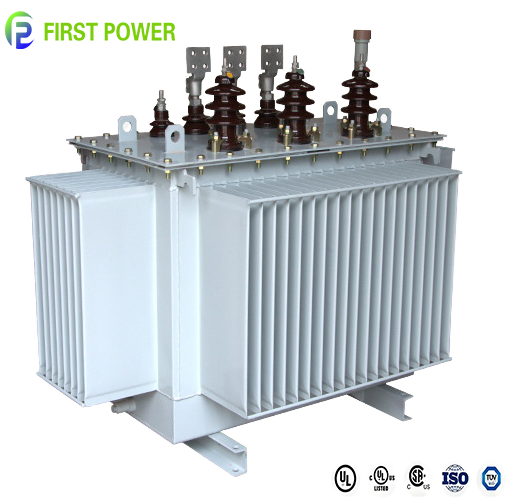
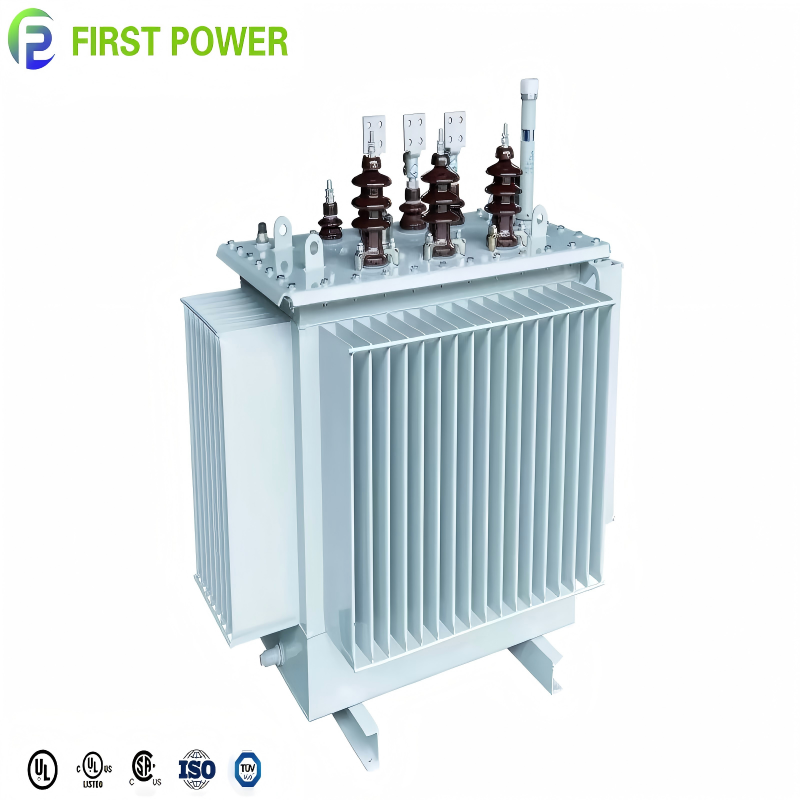
Hermetically sealed corrugated tank, high-grade CRGO core and Dyn11 vector group. The most cost-efficient answer for commercial parks, municipal networks and transformer replacement programmes.
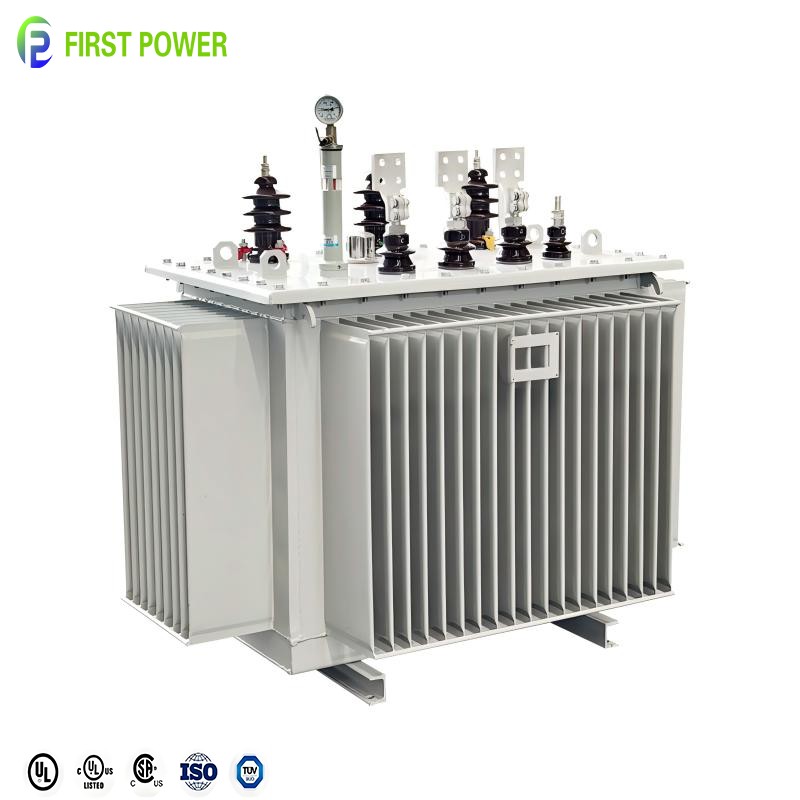
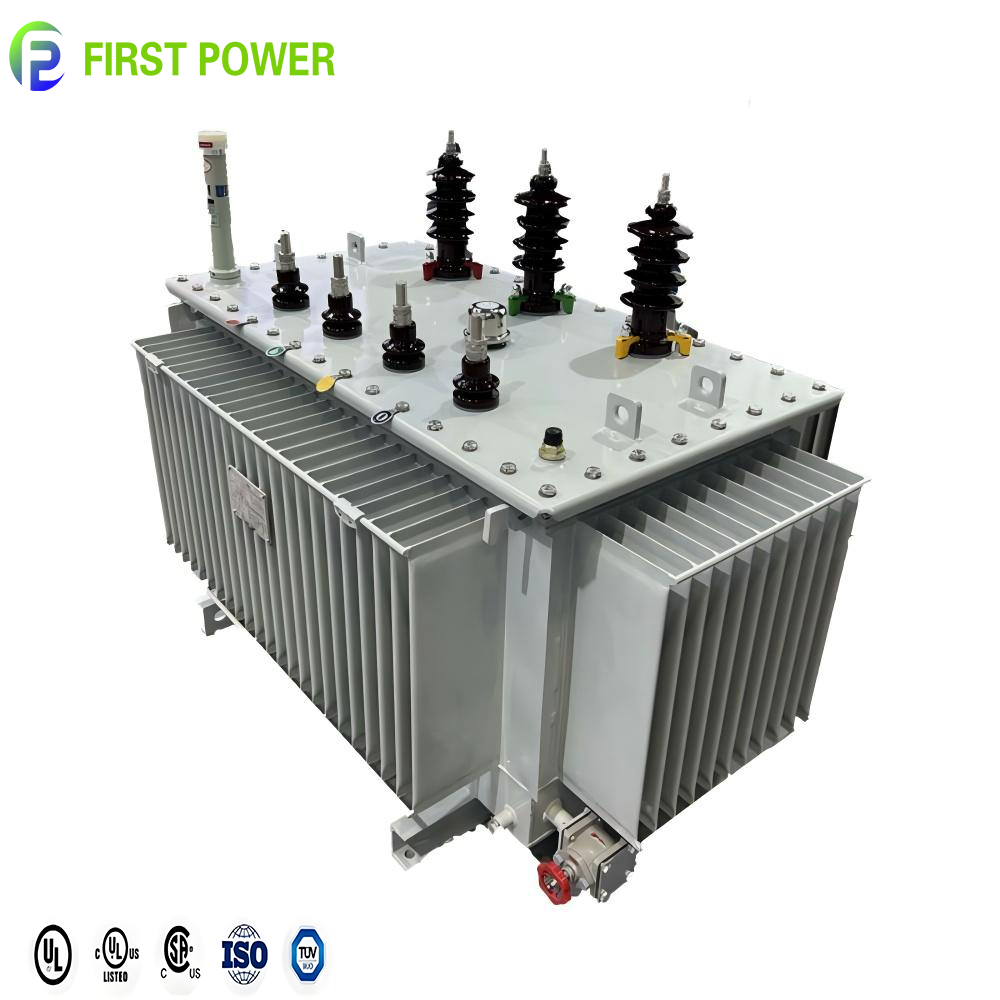
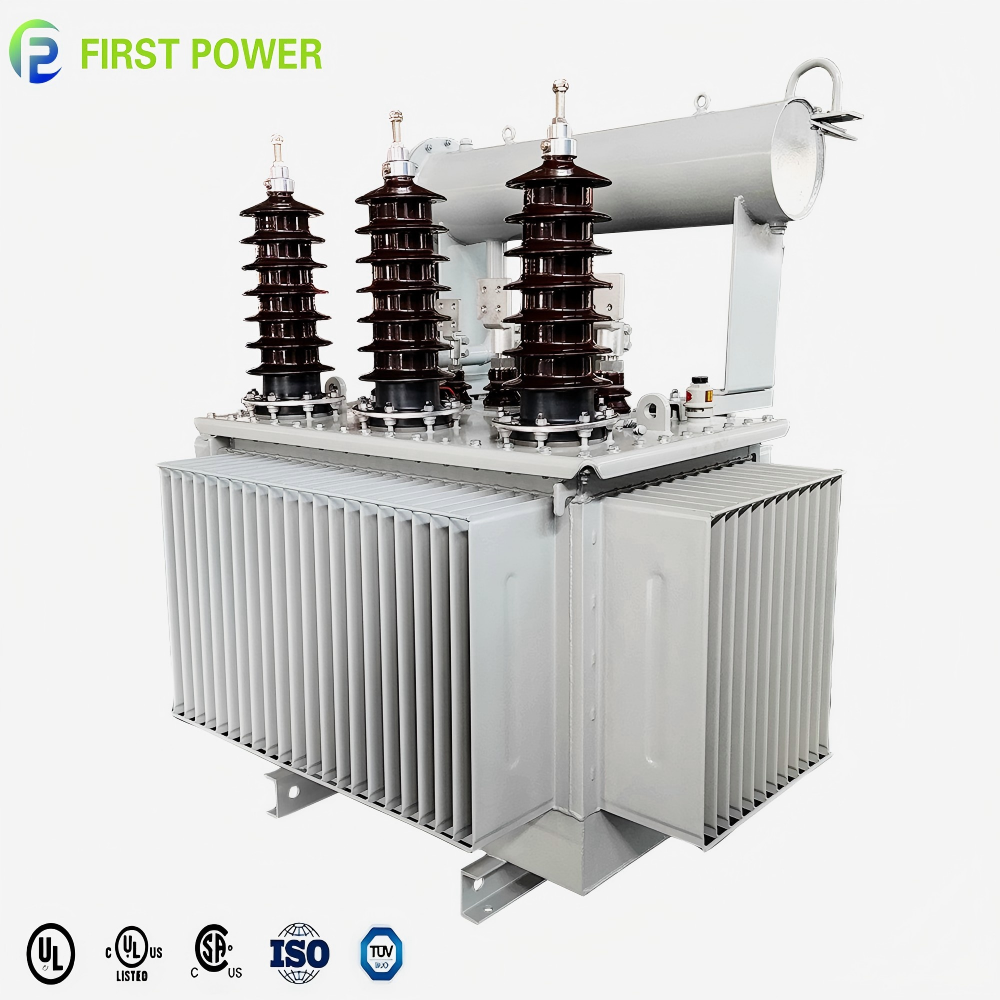
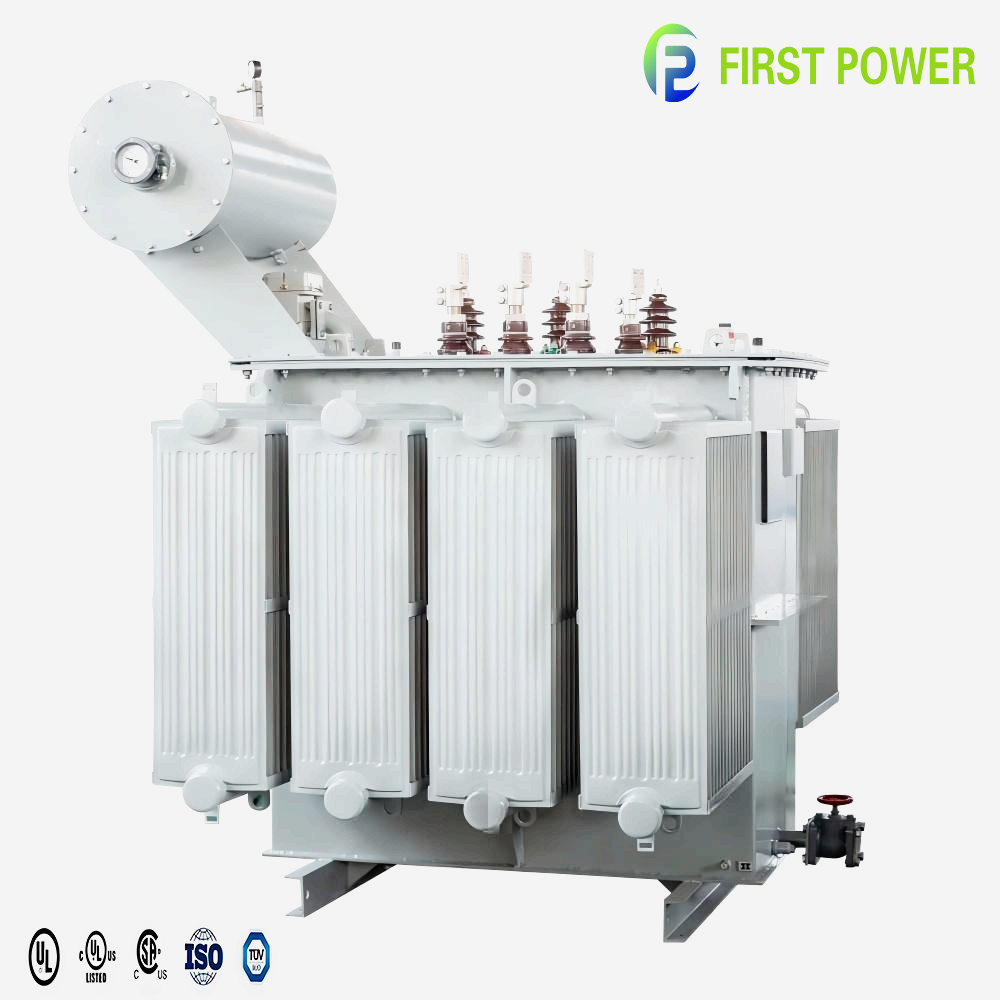
Larger distribution ratings for industrial plants, mines and mixed-use compounds. ONAN supplied as standard, with optional ONAF uprating and forced-air control cabinets.
Mid-range distribution units engineered to meet tightening efficiency tiers — EU Ecodesign limits, US DOE 10 CFR 431 and India BEE star ratings can all be specified at quotation stage.
Built to IEEE C57.12 series requirements with dual IEC alignment for export markets. Third-party witness testing and full type-test documentation are available on request.
Step-up transformers designed for solar PV arrays — reverse power flow capability, night-time auxiliary load sizing and inverter duty cycles are all factored into the design brief.
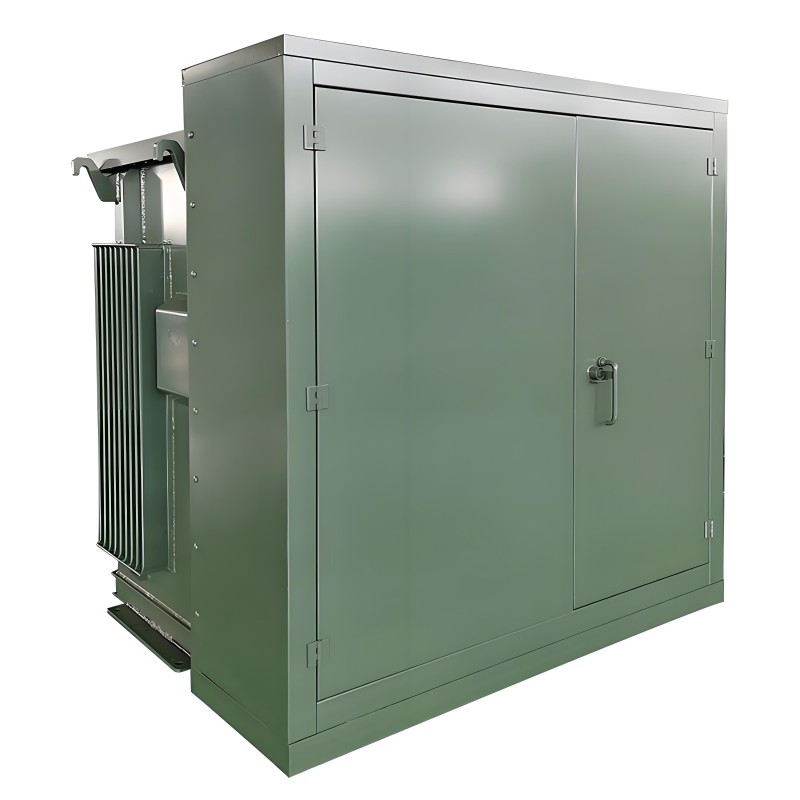
Dead-front pad-mounted units with 480 V output and 35 kV input for underground distribution at commercial sites, data centres and utility easements.
75–2,500 kVA480 V outputDead-front
Factory Credentials
Why Procurement Teams Shortlist This Transformer Factory
Buying a transformer is not a click-and-ship transaction. It is a twelve-to-twenty-four-month relationship with the people who wound your core and signed your test report. Here is the verifiable evidence behind the company profile.
Audited Production Capacity
6,847 m² of inspected floorspace with dedicated winding, core stacking, vapour-phase drying, tank fabrication and high-voltage test bays — verified on site by TÜV Rheinland, not self-declared on a brochure.
Routine Testing on Every Unit
Winding resistance, ratio and vector group, impedance and load loss, no-load loss and current, applied and induced voltage withstand, plus oil dielectric strength on liquid-filled units — documented per serial number.
ISO and CE Documentation
ISO 9001 (62824Q6052R0S), ISO 14001 (62824E6053R0S) and ISO 45001 (62824S6054R0S) run through 2027. CE certificates cover oil-immersed power transformers, dry-type transformers, compact substations and switchgear.
OEM, ODM and Design-Based Customisation
Ratings, vector group, impedance, tap changer type and range, bushing configuration, cooling method, insulating fluid, enclosure colour and nameplate language are all open to specification.
Export Logistics Under Control
Seaworthy crating, shock and tilt indicators, and full Incoterms coverage from EXW through FOB, CFR, CIF, CPT, CIP to DDP. Payment in USD, EUR, GBP, CAD, AUD, JPY, HKD, CHF or CNY.
211 Qualified Supply Partners
Long-standing qualified sources for grain-oriented silicon steel, copper conductor, bushings, tap changers and accessories — the buffer that protects your lead time when global material markets tighten.
Inside the Plant
From Core Stacking to Final Dielectric Test
Every stage is governed by a written work instruction and an inspection checkpoint. Buyers are welcome to attend the routine test of their own units, in person or by video call.
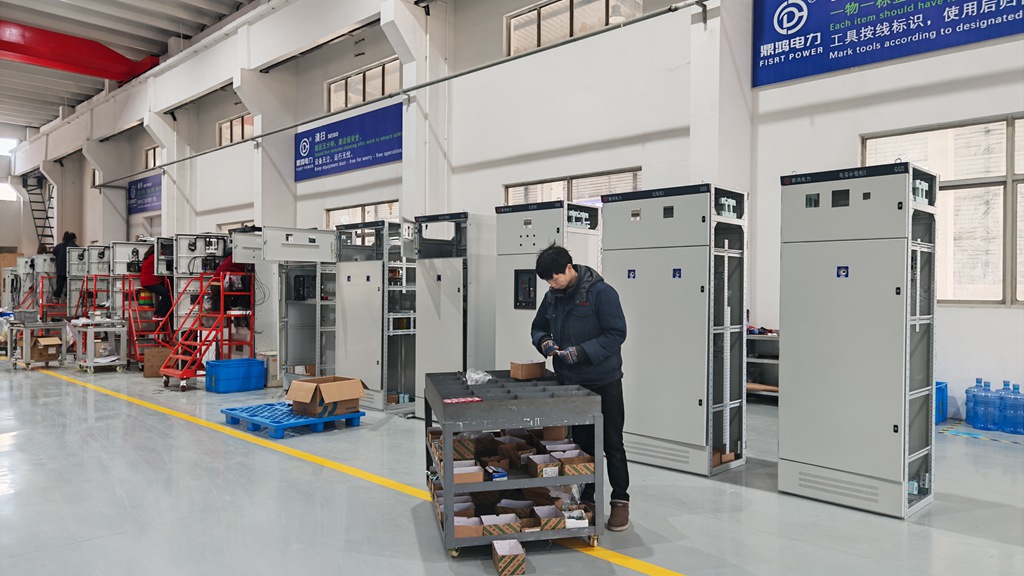
Facility & Company OverviewAssembly WorkshopHigh-Voltage Test BayExport Packing & Loading
Market Intelligence · 2026–2030
Industrial Power Transformer Procurement Trends Buyers Must Plan For
Three structural forces are reshaping how utilities and EPC contractors buy distribution and power transformers over the next procurement cycle. Each one changes the specification you should be writing today.
Efficiency Regulation Becomes a Hard Gate
EU Ecodesign Tier 2 loss limits, US DOE 10 CFR 431 amendments and China GB 20052 Grade 1 are moving from voluntary targets to mandatory entry criteria. The practical consequence: no-load and load loss values must be guaranteed in the contract, not merely quoted. Buyers should request guaranteed losses, tolerance classes and penalty clauses in the technical annex — not just a nameplate kVA figure. Amorphous-alloy cores and premium CRGO grades are becoming the default answer rather than an upgrade.
Capacity Scarcity and Lead-Time Locking
Global transformer lead times have stretched well beyond historical norms, and grid-connection queues are pushing solar, wind and data-centre projects into the same delivery window. Procurement teams are responding with framework agreements and capacity reservation instead of one-off purchase orders. Committing kVA volume twelve to eighteen months ahead, with a defined price-adjustment formula for copper and grain-oriented steel, has become a defensive strategy rather than a luxury.
Total Cost of Ownership Replaces Lowest Price
Over a twenty-five-year service life, the purchase price of a distribution transformer is a minority of its cost. Capitalised loss evaluation — pricing the watts of no-load and load loss against an assumed energy cost — is now standard practice at utilities and is spreading into industrial procurement. A unit quoted at a marginally higher price but with lower guaranteed losses frequently wins on twenty-year net present value.
Product Development
Where Transformer Technology Is Heading Next
These are the design directions already appearing in live tender documents — worth writing into your next specification so the equipment you receive in 2027 is not obsolete in 2032.
Low-Loss Cores and Ester Insulation
Amorphous metal cores and step-lap CRGO construction are cutting no-load losses by a further order of magnitude compared with legacy designs. In parallel, natural ester and synthetic ester fluids are moving from niche fire-safety applications into mainstream distribution, driven by higher fire points, better biodegradability and improved overload tolerance.
Prefabricated and Compact Substations
Factory-assembled compact substations that combine MV switchgear, transformer and LV distribution in a single enclosure are compressing site works from weeks to days. For renewable plants and urban networks where civil works dominate the programme, this is the single biggest lever on commissioning date.
Digital Condition Monitoring
Fibre-optic winding temperature probes, online dissolved-gas analysis, bushing monitoring and a QR-linked digital nameplate are progressively migrating from transmission-class power transformers down into distribution equipment. The data feeds predictive maintenance programmes and, increasingly, insurer and lender requirements for asset visibility.
Selection Guide
Choosing the Right Transformer Type for Your Specification
The comparison our application engineers run with EPC contractors and utilities when shortlisting equipment against a tender document.
Transformer Type
Typical Rating
Installation
Best Application
Key Standards
Three Phase Pad Mounted
45 – 5,000 kVA, up to 34.5 kV
Outdoor, ground pad, underground cable feed
Commercial sites, solar farms, data centres, campuses
IEEE C57.12.34, C57.12.28
Single Phase Pole Mounted
10 – 250 kVA
Outdoor, pole or platform mounting
Housing developments, rural feeders, light industry
IEEE C57.12.20
Oil Immersed Distribution
30 – 2,500 kVA, 6 – 35 kV
Outdoor platform, pole or substation
Utility distribution, industrial plants, mines
IEC 60076-1/-2/-3
Cast Resin Dry Type
30 – 2,500 kVA, up to 35 kV
Indoor, installed close to the load
Hospitals, high-rise buildings, tunnels, fire-sensitive areas
Ranges shown are typical production ranges. Ratings outside these values can be engineered on request — including high-altitude, high-ambient and seismic-qualified variants.
Procurement FAQ
Questions Buyers Ask Before Placing a Transformer Order
Straight answers from the engineering and export departments, written for people who have to defend their sourcing decision internally.
What does CE certification actually mean for an industrial power transformer?
CE marking confirms the equipment has been assessed against the applicable EU directives — normally the Low Voltage Directive and the Ecodesign requirements for transformers. Each certificate carries an issuing body number that your compliance team can verify directly. Our CE documentation covers oil-immersed power transformers (3N230310.JYTU038), dry-type transformers (FQC2530404), compact substations (M.2025.206.C121884) and switchgear (ICR/VC/HM2506248). Ask for the certificate numbers, not a logo on a brochure page.
How do I verify a Chinese transformer supplier is a real factory?
Three checks separate a manufacturer from a trading intermediary. First, request the third-party on-site inspection report — in our case the TÜV Rheinland verified assessment, which records production floorspace, machinery, staff and inspection capability. Second, ask for ISO 9001 scope wording: it should name transformer manufacturing specifically, not "trade of electrical products". Third, book a live video tour of the winding and test bays during your own business hours, and ask to see the unit with your serial number on the test bench.
Which factory test reports should accompany each transformer?
Every unit should ship with routine test results: winding resistance on all phases, voltage ratio and vector group verification, short-circuit impedance and load loss, no-load loss and no-load current, applied voltage withstand and induced voltage withstand. Liquid-filled units additionally require oil dielectric strength and moisture content. Type-test reports covering temperature rise, lightning impulse and sound level should be available from previous production. Third-party witness inspection is welcome, and we issue the report against the exact serial number delivered.
How do 50 Hz versus 60 Hz and different voltage classes affect my order?
Frequency defines the core flux density and therefore the core cross-section — a 60 Hz design cannot simply be re-labelled for 50 Hz operation without re-engineering. Voltage class determines insulation levels, clearances and bushing selection. Both parameters must be specified in the enquiry along with site altitude and ambient temperature range, because a unit engineered for 1,000 m will need derating above that altitude. Our portfolio is routinely built in both 50 Hz and 60 Hz configurations across 6 kV, 10 kV, 15 kV, 20 kV and 35 kV classes.
What is a realistic lead time for a 300 kVA oil-immersed transformer?
Lead time depends on whether your rating sits on a standard platform or requires new core and winding design, on the approved drawing cycle, and on material availability in the month you order. The honest answer is that you should ask for a committed production schedule before signing, not a generic lead-time claim. What we can commit to is a defined sequence: drawing approval, production, routine testing, third-party inspection if required, packing and dispatch — every stage with a date your project manager can hold us to.
Can one transformer satisfy both IEEE and IEC requirements?
In most cases yes, but the design intent must be fixed at the enquiry stage. IEEE C57.12 and IEC 60076 differ in test sequences, tolerances, temperature rise limits, insulation coordination and naming conventions. Where a project is funded by an international lender and installed in a market using the other standard, we build to the stricter requirement of the two and document the reconciliation in the technical proposal, so the compliance file satisfies both reviewers.
What trade terms, payment methods and currencies do you accept?
Incoterms available include EXW, FCA, FAS, FOB, CFR, CIF, CPT, CIP, DDP and DDU. Payment instruments include T/T, L/C at sight, D/P and D/A where the commercial relationship supports it. Settlement currencies include USD, EUR, GBP, CAD, AUD, JPY, HKD, CHF and CNY. For repeat utility customers we also structure framework pricing with a transparent copper and electrical steel indexation clause.
How is a transformer protected during ocean freight?
Liquid-filled units ship with oil drained to the transport level or fully oil-filled depending on the design, nitrogen-blanketed where required, with bracing against longitudinal and transverse acceleration. Enclosures are seaworthy crated with shock and tilt indicators fitted so any rough handling is documented at destination. We supply the packing list, certificate of origin, test reports, GA drawings and O&M manual in English as part of the shipping document set.
Technical Data Checklist
Send Your Specification, Get an Engineer-Reviewed Design
Share these parameters and our application engineers return a compliant design with guaranteed losses — without the back-and-forth clarification rounds that cost weeks of programme time. Detailed tender documents, single-line diagrams and utility standards are all welcome.