Featured ZGS11 & Distribution Transformer Series
Engineered for high efficiency, dead-front safety, and seamless underground integration across Tyrolean municipal grids and industrial installations.
The Innsbruck & Tyrolean Power Distribution Landscape
Innsbruck, nestled in the Inn Valley of western Austria, presents a unique electrical infrastructure environment. Serving as the industrial, commercial, and tourism hub of Tyrol, the region requires power distribution assets that satisfy strict European Union environmental mandates while operating reliably under harsh Alpine weather conditions. The regional medium-voltage (MV) distribution grid, managed primarily by network operators such as TINETZ (Tiroler Netze GmbH) and Innsbrucker Kommunalbetriebe AG (IKB), operates predominantly at medium-voltage levels including 10 kV, 20 kV, and 30 kV at 50 Hz.
As Tyrol accelerates its energy transition under the regional "TIROL 2050 energieautonom" initiative, the demand for compact, high-efficiency underground distribution substations has surged. Modern commercial complexes, alpine ski resorts, localized run-of-river hydroelectric stations, and ground-mounted solar PV arrays across the Inn Valley demand transformers that minimize land footprint, eliminate visual pollution, prevent environmental fluid leaks, and comply rigorously with EU Ecodesign Directive standards (EN 50588-1 Tier 2 compliance).
Information Gain: Why ZGS11 Architecture Fits Tyrolean Infrastructure
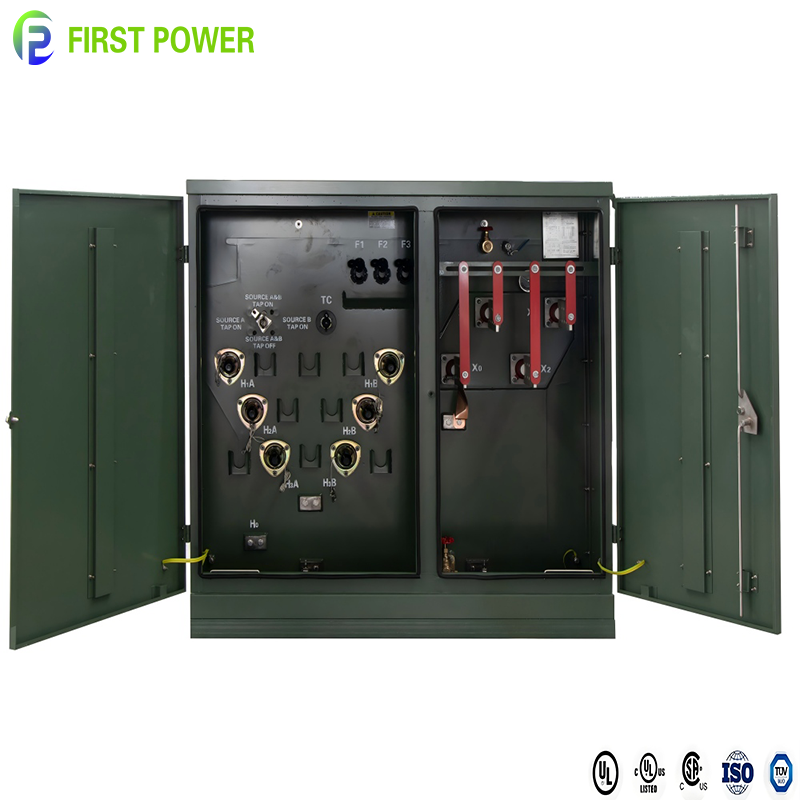
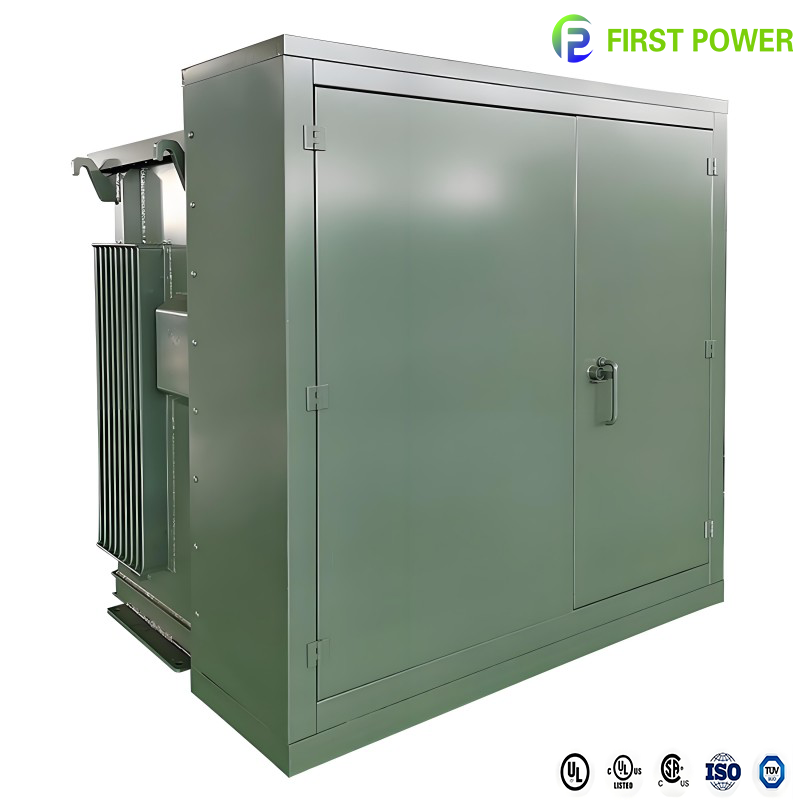
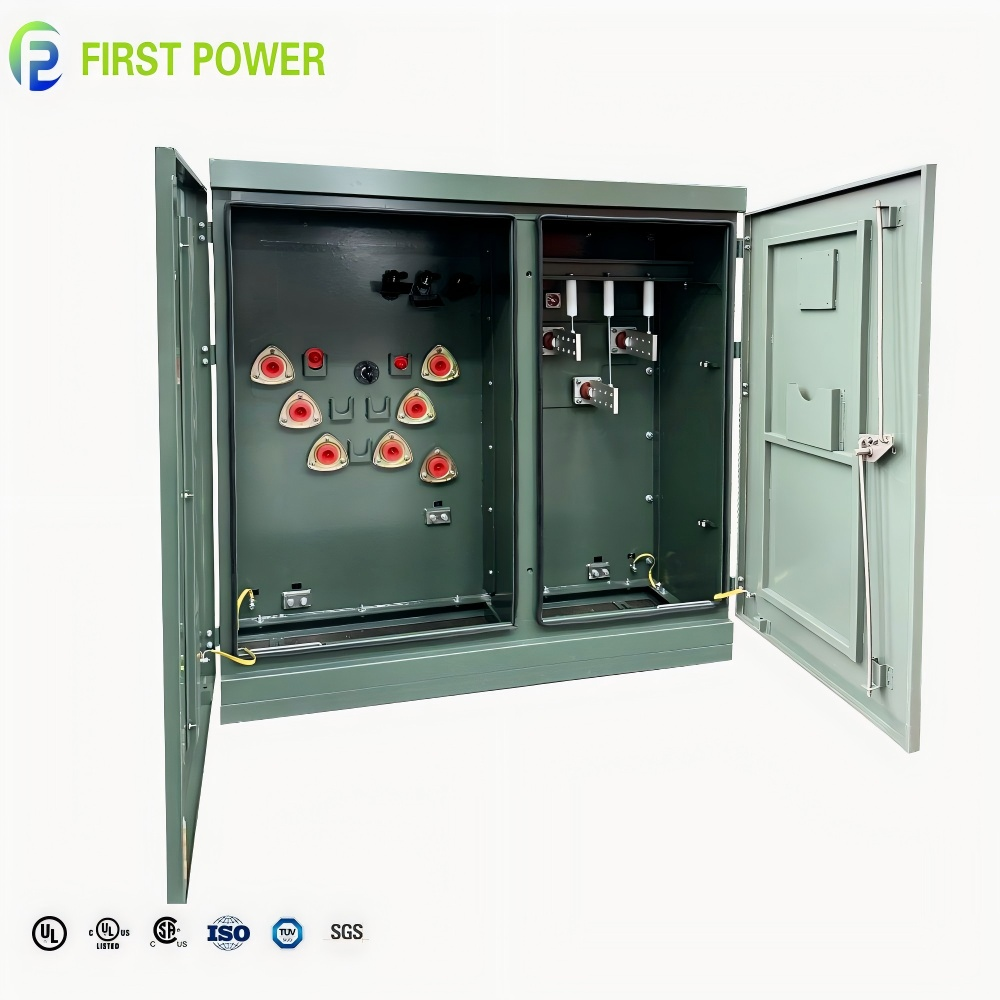
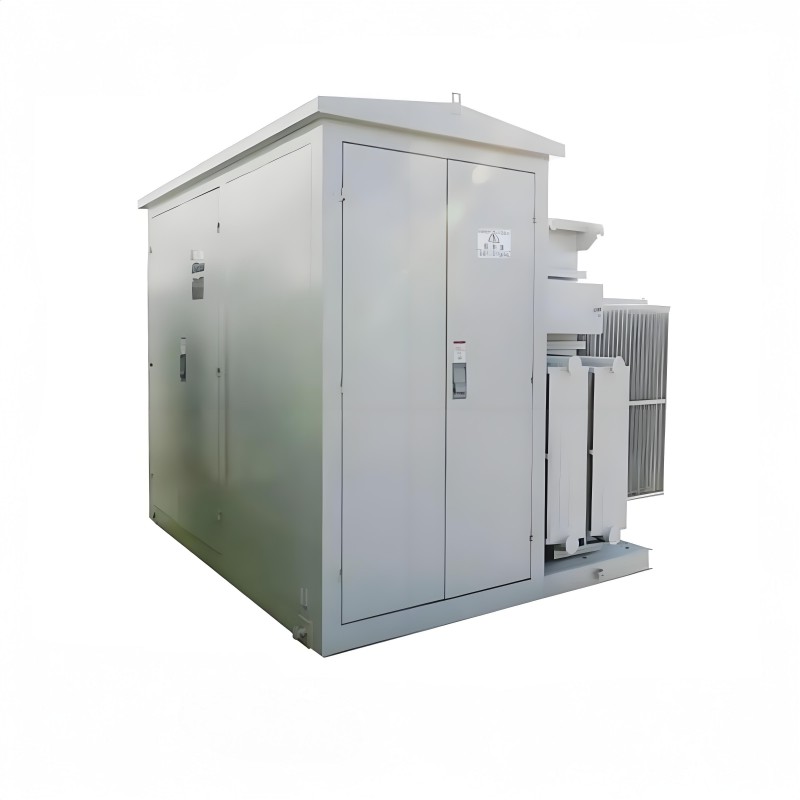
The ZGS11 Series Three Phase Pad Mounted Transformer—often referred to as an American-style compact box-type substation—combines the transformer body, high-voltage load switches, protective fuses, and low-voltage distribution panels inside a single sealed, tamper-resistant enclosure. Unlike traditional European brick-and-mortar or prefabricated walk-in concrete substations (Kompaktstationen), the ZGS11 delivers a drastically smaller footprint, zero civil engineering overhead, and dead-front safety, making it ideal for Innsbruck's space-constrained urban zones, subterranean parking garages, and pristine alpine environments.
Technical Deep-Dive: ZGS11 Series Engineering & Specifications
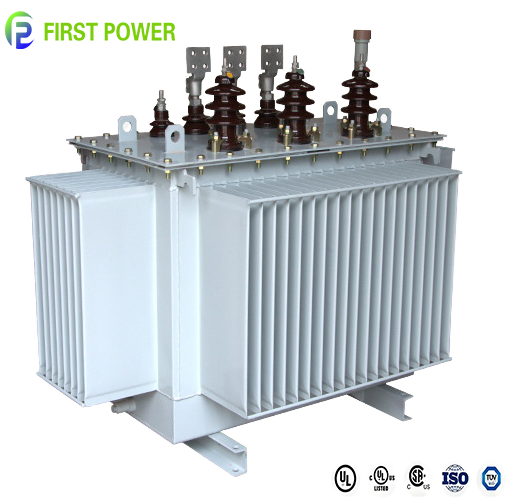
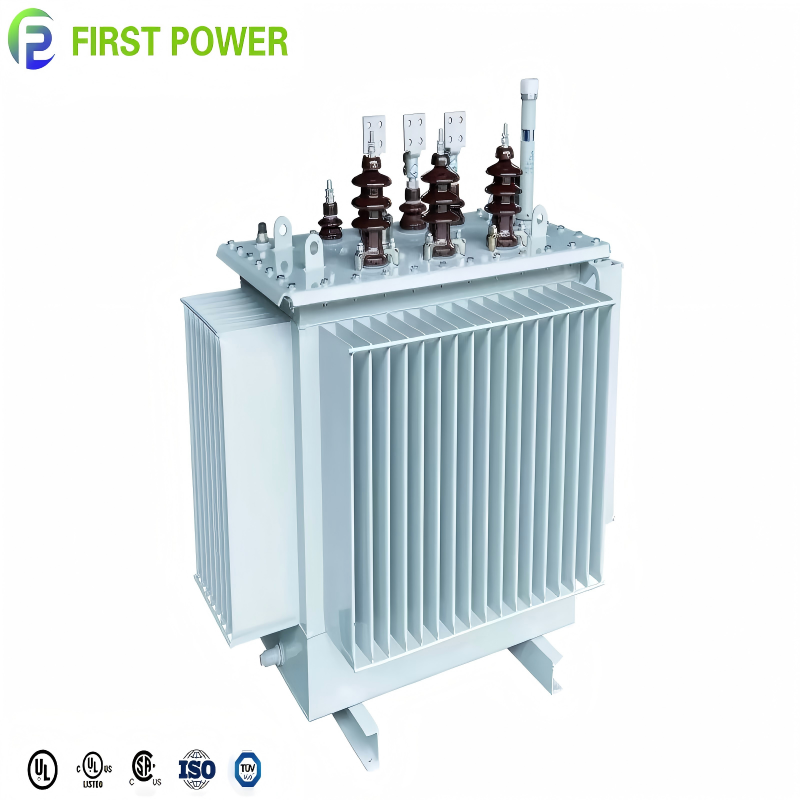
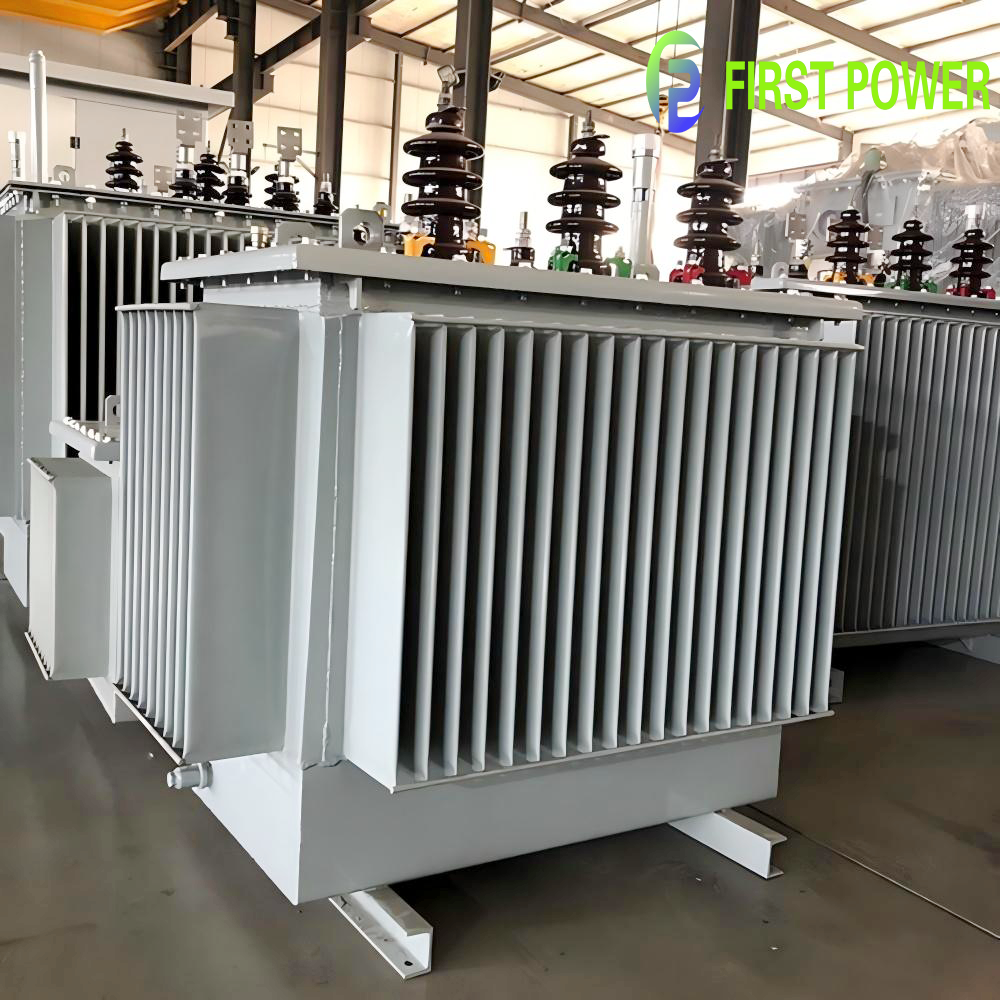
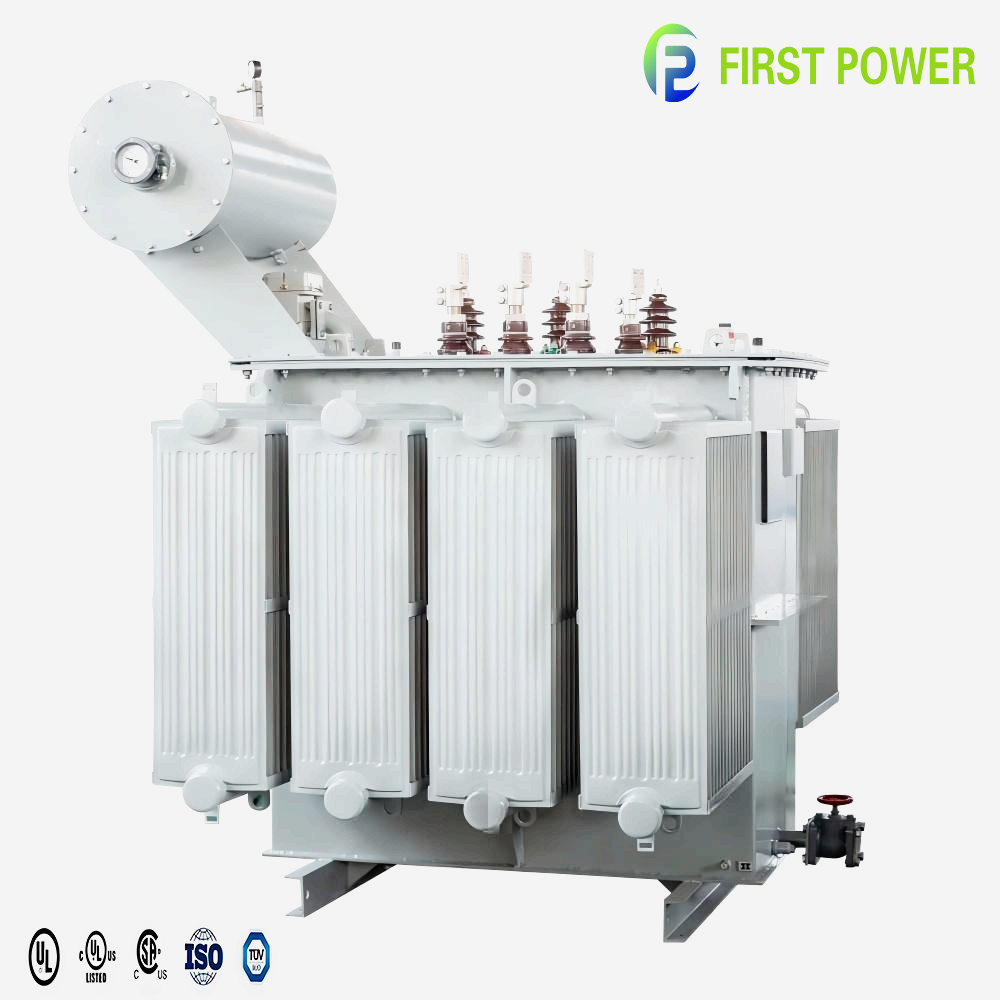
The ZGS11 combined transformer utilizes high-permeability, cold-rolled grain-oriented (CRGO) silicon steel cores or advanced amorphous alloy cores. This ensures ultra-low no-load losses (P0) and load losses (Pk), exceeding the strict limits set by the EU Regulation No. 548/2014 and its Amendment 2019/1783 for small and medium power transformers.
Dead-Front Compartmental Design
Separate high-voltage (HV) and low-voltage (LV) cable compartments are isolated by grounded steel barriers. HV connections use fully insulated, shielded elbow connectors (dead-front operation), preventing accidental human contact and ensuring operator safety during routine maintenance in public areas.
Flexible Feed Configurations
Available in both Loop Feed and Radial Feed arrangements. Loop feed designs allow integration into Tyrolean ring distribution networks, enabling seamless switching, maintenance, and fault isolation without dropping down-stream municipal or industrial loads.
Integrated MV Protection
Equipped with oil-immersed two-position or four-position load-break switches and dual-fuse protection (Bay-O-Net current-sensing fuses in series with back-up partial-range current-limiting fuses) inside the main transformer tank, providing instantaneous fault clearance.
Comparison: ZGS11 Pad Mounted vs. Traditional European Concrete Substations
For EPC contractors, engineering consultants, and utility procurement directors in Innsbruck, choosing between a ZGS11 pad-mounted unit and a conventional walk-in concrete compact substation (Kompaktstation per IEC 62271-202) comes down to physical footprint, capital expenditure, and installation speed:
| Feature / Parameter | ZGS11 Three Phase Pad-Mounted Transformer | Traditional European Concrete Substation |
|---|---|---|
| Installation Footprint | Ultra-compact (30% to 50% smaller ground area) | Large walk-in structure requiring extensive site area |
| Civil Foundation Work | Minimal concrete pad requirement; rapid turn-key placement | Deep excavation, heavy foundation slabs, structural assembly |
| Enclosure Material | Corrosion-resistant galvanized/stainless steel, IP54 outdoor rated | Precast reinforced concrete with metal access doors |
| HV Connection Type | Dead-front plug-in elbow connectors (IEEE / EN standards) | Air-insulated or SF6 gas-insulated switchgear (GIS) cabinet |
| Insulating Fluid Options | Mineral Oil (IEC 60296) or Biodegradable Synthetic Ester (IEC 61099) | Standard mineral oil transformer housed inside separate cell |
| Alpine Extreme Weather (−30°C) | Hermetically sealed, low-temperature liquid expansion control | Requires space heating units to avoid condensation inside housing |
| Total Installed Cost (CAPEX) | 25% – 40% Lower due to integrated factory assembly | Higher material, freight, and field construction costs |
Localized Application Scenarios Across Greater Innsbruck & Tyrol
The versatility and environmental protection features of our ZGS11 pad mounted transformers make them tailored to specific Tyrolean infrastructure projects:
1. Alpine Ski Resorts & Cable Car Systems
High-altitude tourist hubs in nearby Stubai, Axamer Lizum, and Nordkette experience extreme seasonal load surges and harsh winter conditions. ZGS11 transformers engineered with ester fluid insulation operate reliably down to −30°C without risk of fluid gelation, supplying stable 400V 3-phase power to ski lift motors, snowmaking guns, and hospitality complexes while blending into mountain landscapes.
2. Distributed Alpine Hydro & PV Interconnection
Tyrol leads in small hydroelectric generation and mountain solar installations. Our ZGS11 step-up pad mounted transformers (e.g., 0.4kV / 10kV / 20kV) seamlessly step up generated low-voltage power for direct injection into the TINETZ 20kV distribution grid. Low-loss cores ensure maximum kWh revenue generation for private power producers.
3. Commercial & Data Center Parks in Innsbruck
Tech parks, commercial logistics centers near Innsbruck Airport (INN), and regional medical facilities require continuous high-density power with low acoustic emissions. ZGS11 transformers engineered with noise-dampening core clamps achieve sound levels well below 50 dB, ensuring quiet operation near office buildings and suburban residential areas.
Environmental Compliance: Protecting Tyrol's Water Protection Zones
Tyrol has strictly enforced groundwater protection laws. Upon request, Jiangsu Wisegj Power equips export-bound ZGS11 transformers with synthetic ester fluids (e.g., FR3 or MIDEL 7131). Synthetic esters are non-toxic, 100% biodegradable within 28 days, and possess a flash point above 300°C (K-class fluid), making them approved for deployment near alpine lakes, river reservoirs, and forested nature conservation areas around Innsbruck.
Tyrolean Grid Energy Trends: 2025–2030 Decarbonization
The European Union's aggressive push toward net-zero carbon emissions, combined with Austria's Renewable Energy Expansion Act (EAG - Erneuerbaren-Ausbau-Gesetz), is driving rapid changes in the Tyrolean distribution network:
- Substation Modernization & EV Infrastructure: The rise of electric vehicles and high-power DC fast-charging plazas along the Brenner Motorway (A13) and Inntal Motorway (A12) requires rapid grid reinforcements. ZGS11 loop-feed transformers allow fast turn-key connection to 10kV/20kV lines to feed EV charging hubs without expanding footprint.
- Smart Grid Preparedness: Modern ZGS11 units exported to Austria can be integrated with smart sensors for oil temperature, liquid level, pressure relief status, and dissolved gas analysis (DGA). These sensors interface directly with SCADA systems operated by regional utilities for predictive maintenance.
- Harmonic Mitigation for Inverter Loads: Solar PV and industrial drives introduce voltage harmonics. Our transformers feature specialized winding designs (with electrostatic shielding and custom impedance tolerances) to prevent stray heating caused by high-order harmonics.
Why Choose Jiangsu Wisegj Power Co., Ltd. as Your Innsbruck Supplier
As a premier global manufacturer of medium and high-voltage power distribution equipment ranging from 220 V up to 500 kV, Jiangsu Wisegj Power Co., Ltd. serves as a reliable engineering partner for European importers, EPC contractors, and electrical wholesalers.
Verified Manufacturing Base
Our 6,847 m² state-of-the-art production base has been audited and verified onsite by TÜV Rheinland. We maintain dedicated vacuum drying chambers, automated foil winding machines, and modern testing bays.
Complete EU Certifications
Our transformer product lines hold valid CE Certificates (Certificate Nos. 3N230310.JYTU038, M.2025.206.C121882, FQC2530404) and operate under certified ISO 9001 (Quality), ISO 14001 (Environmental), and ISO 45001 (Health & Safety) management systems.
20+ Years R&D Expertise
Supported by a technical staff of over 50 senior electrical engineers, we specialize in OEM, ODM, design-based, and sample-based customization tailored to specific European EN and IEC standard specifications.
Every transformer shipped to Austria undergoes rigorous factory acceptance testing (FAT), including winding resistance, voltage ratio, vector group verification, short-circuit impedance, dielectric oil breakdown testing, and routine loss measurements per IEC 60076.
Localized Procurement FAQ for Innsbruck & Austrian Buyers
Here are clear technical answers to common questions asked by procurement teams, EPC contractors, and grid engineers in Austria: