Featured ZGS11 & Utility Transformer Product Portfolio
Explore our certified three-phase pad mounted transformers, oil-immersed distribution units, and compact substations engineered specifically for global utilities, renewable energy integration, and regional infrastructure upgrades in Latin America and the BO market.
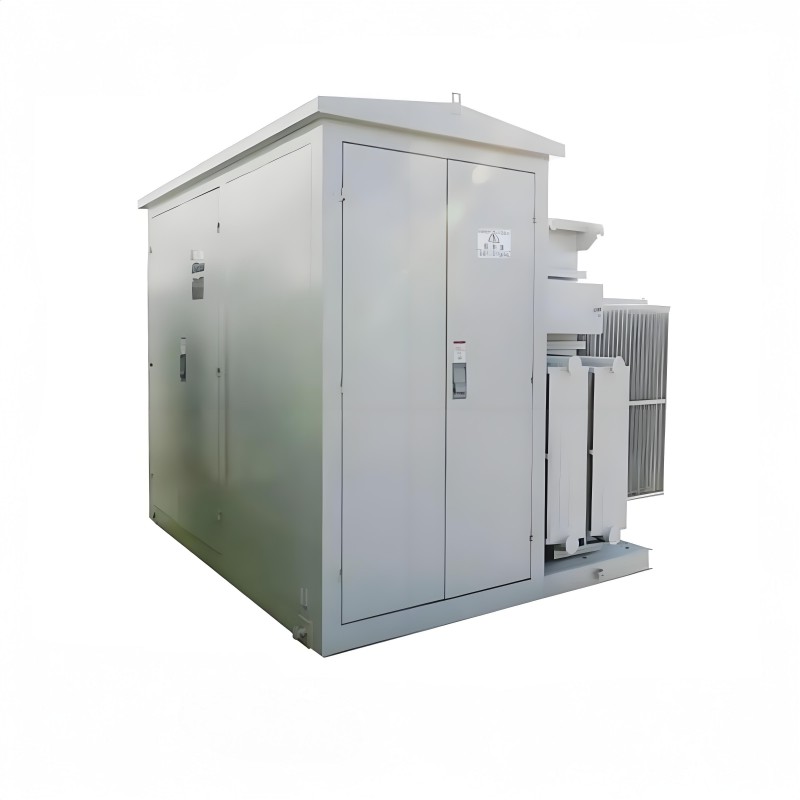
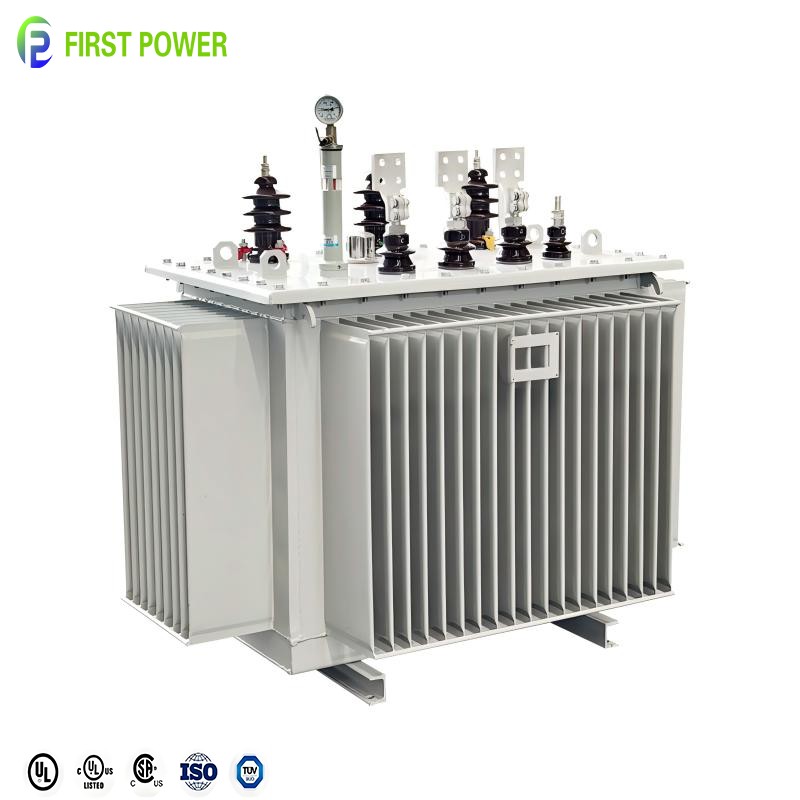
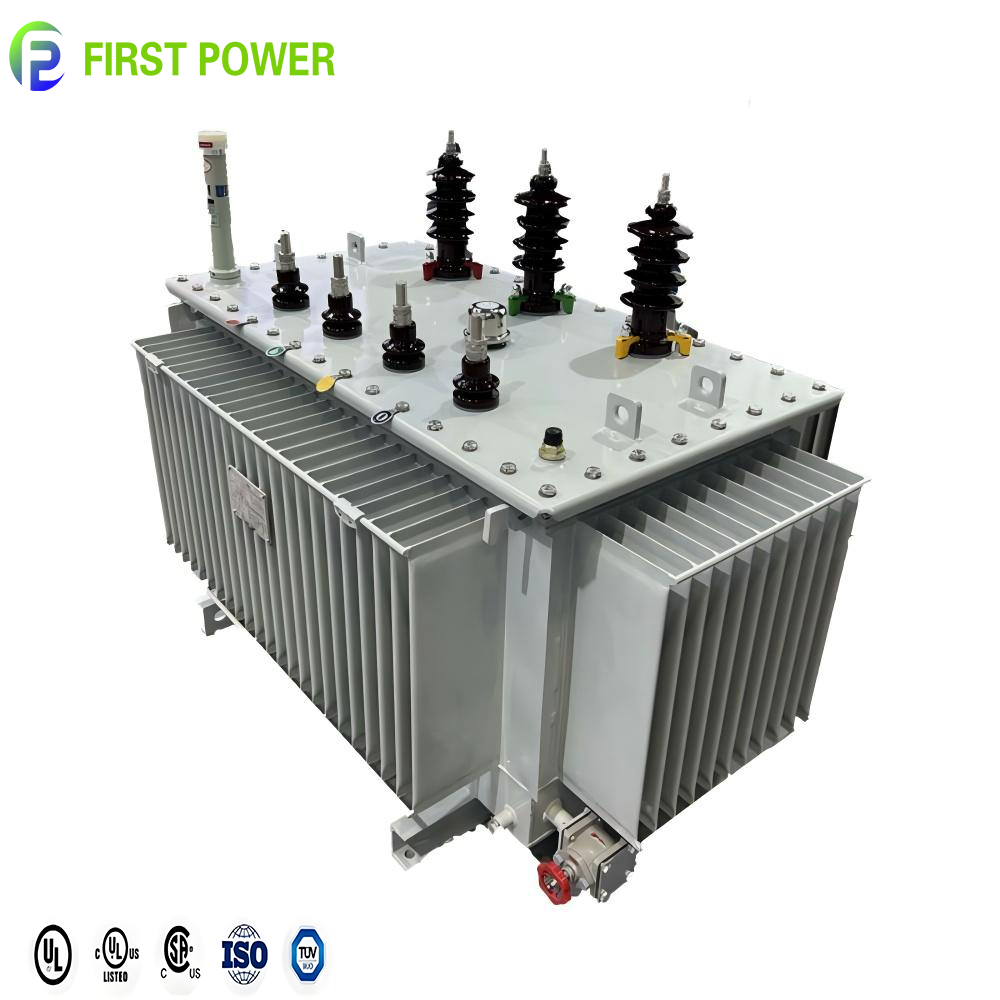
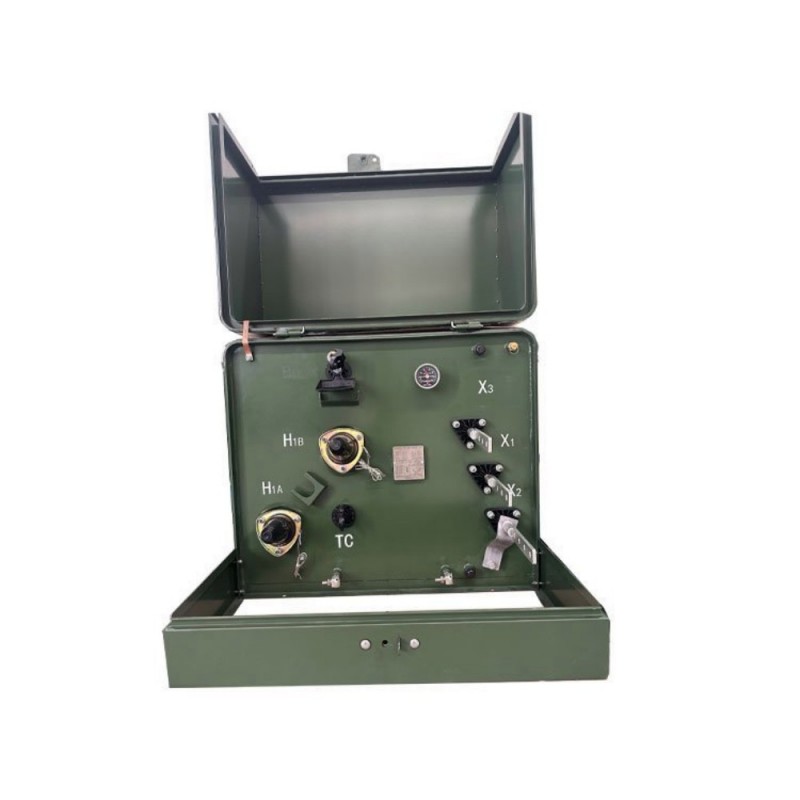
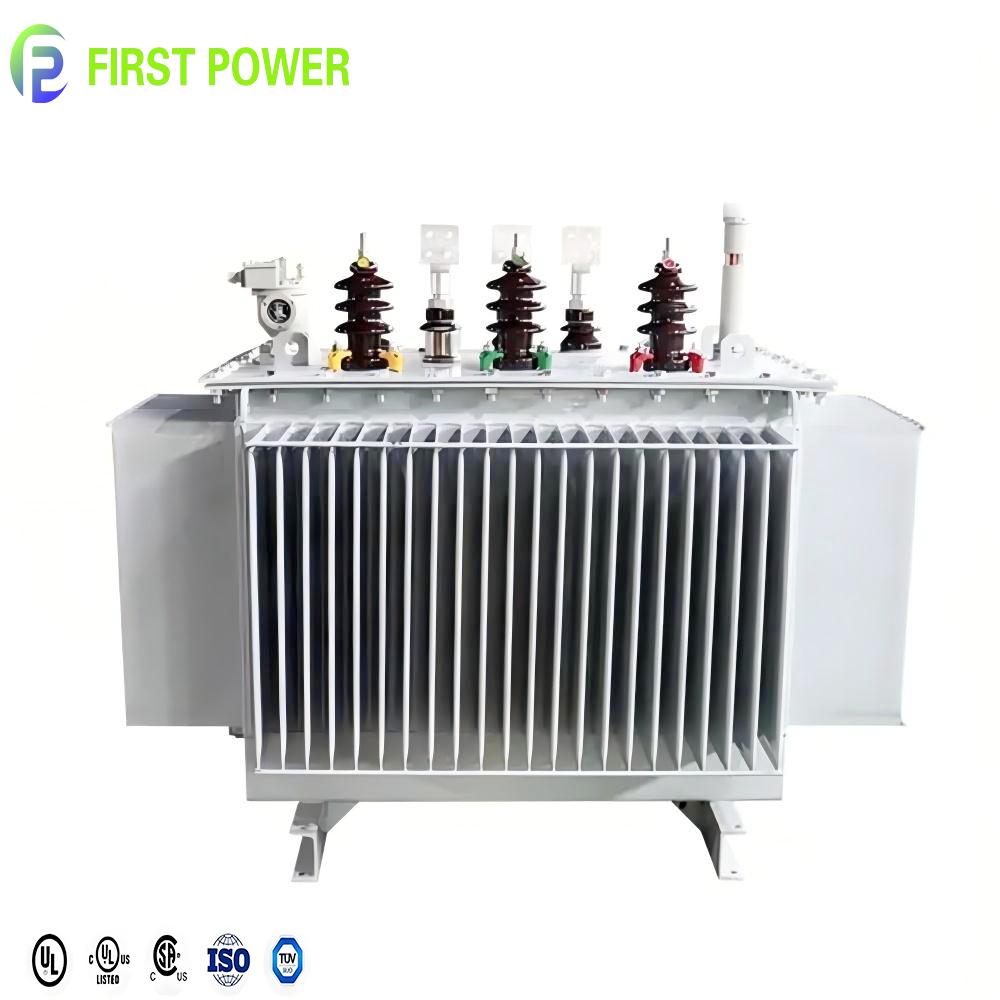
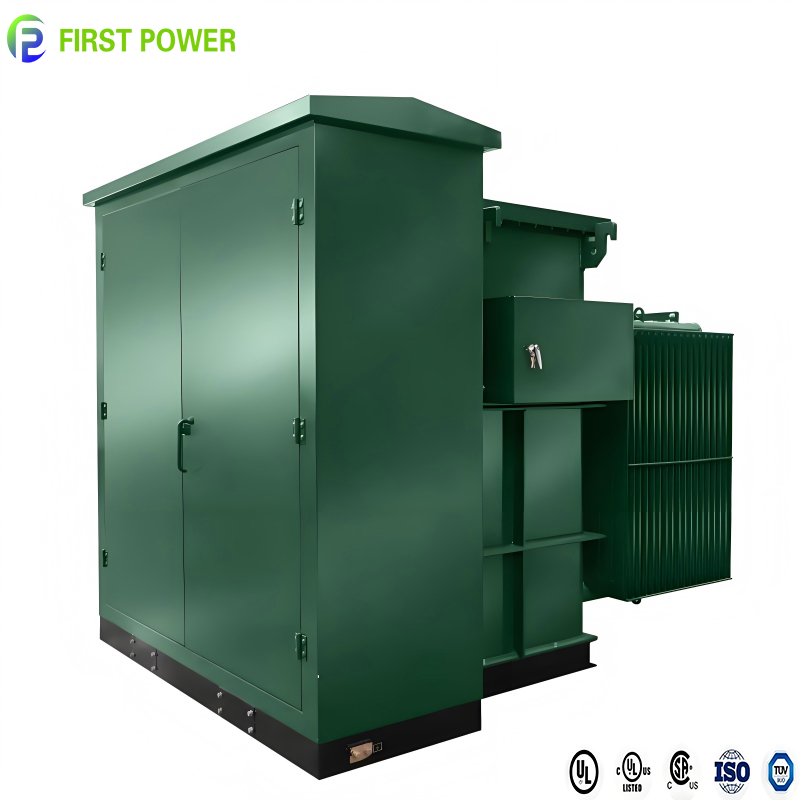
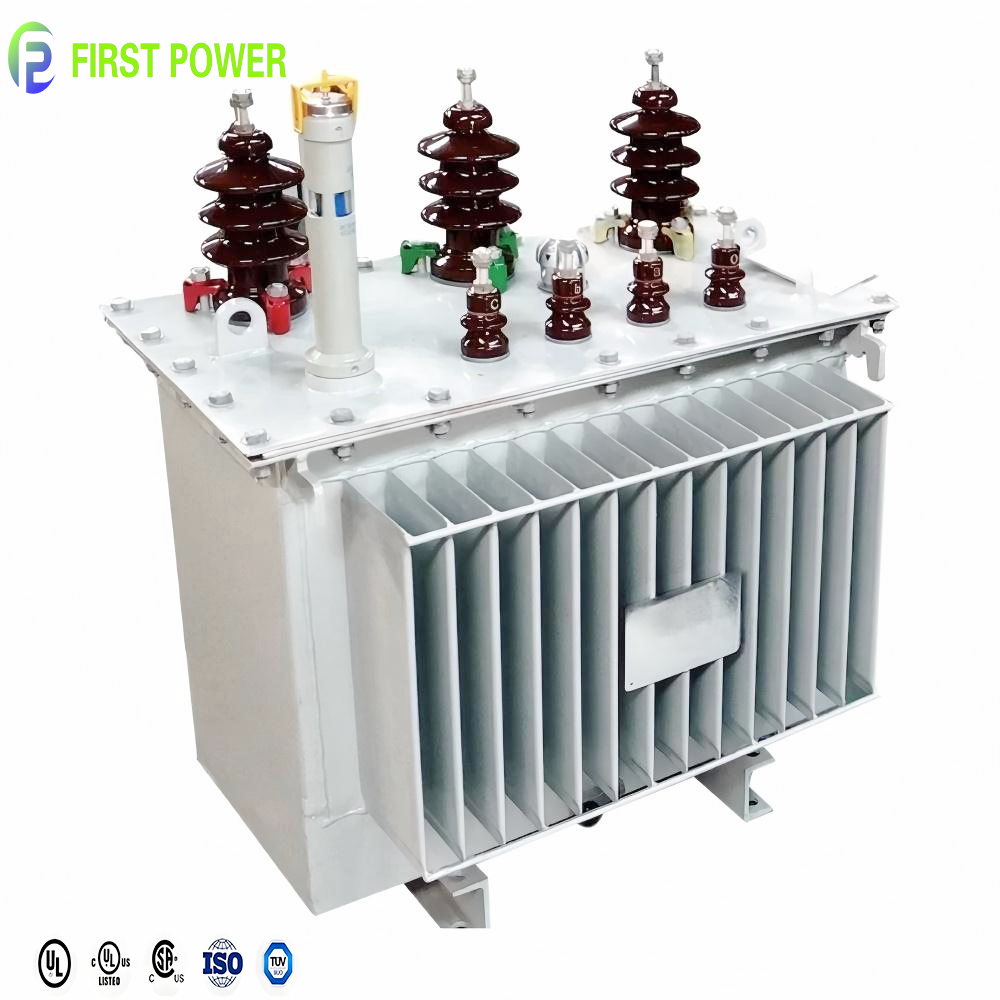
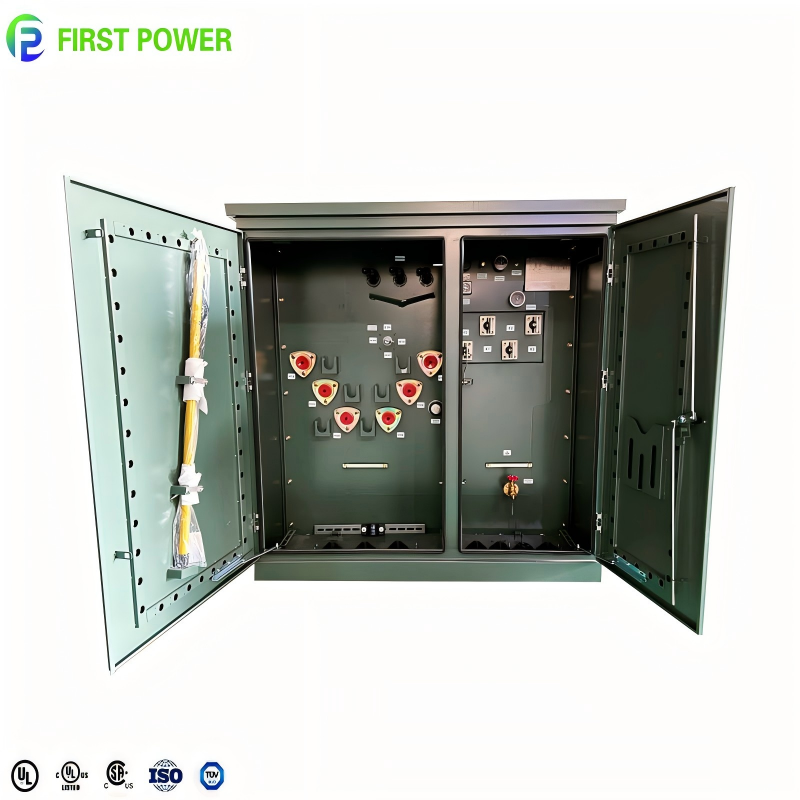
ZGS11 Three Phase Pad Mounted Transformer Architecture: Technical Whitepaper
The ZGS11 three phase pad mounted transformer represents a structural convergence of high-voltage switchgear, transformer active elements, and low-voltage distribution modules within a single tamper-resistant, ground-level enclosure. Engineered primarily for underground distribution networks where space constraints, safety standards, and environmental aesthetics prevent traditional overhead pole-mounted or fenced open-air substation installations, the ZGS11 series has become the primary choice for electrical engineers across North America, Latin America (BO market), and emerging grid modernization sectors worldwide.
Core Design Topology: Integrated "American-Style" Substation
Unlike traditional European-style compact substations (which house discrete, standalone transformers and switchgear inside a walk-in or non-walk-in housing), the ZGS11 series utilizes a streamlined, oil-immersed integrated topology. The high-voltage load break switches, bayonet fusing, current-limiting backup fuses, and core-and-coil assembly are all submersed within the same dielectric mineral oil (or FR3 natural ester fluid) tank. This compact structural footprint yields key operational benefits:
Dead-Front Safety Construction
High-voltage connections utilize shielded, insulated elbow connectors (elbow bushings conforming to IEEE 386 / IEC standards). Zero exposed live electrical parts in the HV compartment guarantee operator safety during routine maintenance and switching operations.
Optimized Thermal & Dielectric Performance
Direct immersion of the 2-position or 4-position HV load break switch inside the transformer oil tank facilitates rapid arc quenching during switching operations and maximizes thermal dissipation under heavy peak-load scenarios.
Tamper-Resistant Security Enclosure
Fabricated from heavy-gauge cold-rolled steel or stainless steel with recessed, pad-lockable doors, penta-head security bolts, and overlapping cabinet seams exceeding IEEE C57.12.28 enclosure integrity requirements.
In high-density commercial feeders and industrial utility circuits, protection coordination is vital. The ZGS11 incorporates a dual-fuse protection strategy: a bayonet overload fuse connected in series with a back-up current-limiting fuse (ELSP). The bayonet fuse handles low-current secondary faults and thermal overloads, featuring an externally removable cartridge for rapid field replacement. The ELSP current-limiting fuse operates exclusively during high-magnitude internal primary faults, clearing fault currents up to 50kA symmetrical without venting hazardous gas or causing tank rupture.
Localized Application Scenarios: BO Market & High-Altitude Latin American Power Grids
The "BO market" (encompassing Bolivia, broader Andean South American power distribution sectors, and neighboring regional utilities such as ENDE, CRE, DELAPAZ, and regional mining co-operatives) presents specialized environmental and operational challenges. Sourcing transformers from experienced factories like Jiangsu Wisegj Power Co., Ltd. ensures custom thermal and dielectric engineering tailored to these regional conditions.
1. High-Altitude Atmospheric Derating & Creepage Extension
A significant portion of the BO market power infrastructure operates at elevations exceeding 2,500 to 4,000 meters above sea level (e.g., La Paz, El Alto, Oruro, Potosí). Thin atmospheric density at elevated altitudes reduces dielectric breakdown voltage of air and diminishes natural convection cooling efficiency. When standard transformers are deployed without altitude modification, flashover hazards and excessive insulation degradation occur.
- Dielectric Voltage Correction: For installations above 1,000 meters, our engineering team applies strict altitude correction factors per IEC 60076-11 and IEEE C57. External insulation creepage distances on low-voltage bushings and neutral terminals are expanded by up to 30%, ensuring safe phase-to-ground clearance under low atmospheric pressure.
- Thermal Derating & Temperature Rise Control: Standard 65°C winding temperature rise limits are re-engineered to 55°C or 50°C designs by increasing radiator surface area, expanding internal oil cooling ducts, and optimizing core-to-winding air gaps to offset reduced air cooling capacity.
2. Mining Electrification & Heavy-Duty Industrial Feeder Systems
Lithium extraction complexes, tin mining facilities, and mineral processing plants across the Andean high-plateau demand continuous 24/7 power delivery under severe cyclic loading and harmonic distortions generated by high-power variable frequency drives (VFDs) and rectifiers. ZGS11 pad mounted transformers manufactured for these projects feature:
- Reinforced mechanical clamping structures on active core-and-coil assemblies to withstand severe mechanical short-circuit forces (up to 3 seconds short-circuit duration withstand capability).
- Electrostatic shielding between primary and secondary windings to attenuate high-frequency switching transients and voltage surges originating from VFD load switching.
- High-grade CRGO (Cold Rolled Grain Oriented) silicon steel cores (e.g., 23ZH085 or 20ZH075 grades) reducing hysteresis and eddy current losses under non-linear harmonic conditions.
3. Solar Photovoltaic (PV) Plant Interconnection & Undergrounding
With massive solar irradiance across South America's high plains, renewable energy developers are constructing large-scale solar PV fields. ZGS11 transformers act as step-up substations linking inverter stations (0.4kV / 0.69kV / 0.8kV) directly to medium-voltage collector grids (13.8kV, 24.9kV, or 34.5kV). Our factory supplies custom dual-secondary winding ZGS11 units, enabling two inverter outputs to connect to a single step-up pad mount transformer, cutting balance-of-system (BOS) capital costs by over 18%.
ZGS11 vs. Alternative Substation Configurations: Technical Comparison Matrix
Selecting the appropriate distribution substation technology requires balancing capital expenditure, civil installation footprints, operator safety, and maintenance schedules. Below is an engineering comparison compiled by Wisegj Power's technical team:
| Technical Parameter | ZGS11 Pad Mounted Transformer | European Compact Substation | Conventional Pole-Mounted Unit |
|---|---|---|---|
| Primary Enclosure Standard | IEEE C57.12.28 / Tamper-Resistant | IEC 62271-202 Prefabricated Enclosure | Open-air, Fence Protected |
| HV Connection Type | Dead-Front Shielded Elbow Bushing | Gas-Insulated (GIS) / Air-Insulated Switchgear | Live-Front Open Porcelain Bushing |
| Installation Footprint | Ultra-Compact (~3.5 m² for 1000kVA) | Medium to Large (~8–12 m²) | Requires Vertical Pole Structure & Clearance |
| Dielectric Cooling Fluid | Mineral Oil / FR3 Natural Ester | Mineral Oil / Dry Type Options | Mineral Oil |
| Civil Prep & Installation Time | 1 Day (Concrete Pad + Cable Trenching) | 2–3 Days (Heavy Base Slab + Modules) | 2 Days (Pole Drilling + Rigging) |
| Public Safety & Aesthetics | Maximum Safety (Fully Enclosed, Zero Flashover Risk) | High Safety (Enclosed Structure) | Low/Moderate (Exposed High Voltage Lines) |
| BO High-Altitude Adaptation | Factory Altitude Thermal Derating Integrated | Requires Larger Enclosure Air Conditioning | Exposed to Severe High-Altitude UV & Freezing |
Localized Development Trends in Global & BO Regional Power Infrastructure
1. Urban Overhead-to-Underground (O2U) Cable Conversion
Metropolitan power utilities across Latin America are aggressively pursuing overhead-to-underground power line conversions to mitigate storm damage, reduce power theft, and improve city aesthetics. The ZGS11 pad mount transformer is the cornerstone technology for O2U programs due to its direct pad-mounting ability on public sidewalks, green belts, or building perimeter spaces without requiring dedicated brick-and-mortar substations.
2. Migration Toward Eco-Friendly FR3 Natural Ester Fluids
Environmental regulations and ESG compliance targets are driving utilities away from conventional mineral oils. Modern ZGS11 transformers engineered by Wisegj Power offer full compatibility with FR3 natural ester vegetable fluids. FR3 provides a flash point of 360°C (compared to 160°C for mineral oil), granting a Class K fire-safety rating that permits closer installation to industrial facilities and commercial buildings while offering 100% biodegradability in the event of accidental spills.
3. Smart Grid Monitoring & IoT Sensor Integration
Modern utility grids require real-time visibility over node voltage and transformer health. ZGS11 units exported to the BO market are increasingly specified with digital pressure-vacuum gauges, winding fiber-optic temperature sensors, oil-level switches with remote contacts, and intelligent Remote Terminal Units (RTUs) for SCADA telemetry via MODBUS or DNP3 protocols.
4. Dual-Voltage Primary Winding Flexibility
To support ongoing grid voltage standardization programs in developing utility regions (e.g., upgrading distribution feeders from 10kV or 13.8kV to 24.9kV or 34.5kV), Wisegj manufactures dual-voltage ZGS11 units equipped with an externally operable HV voltage selector switch. Utilities can deploy transformers under current feeder voltages today and transition to higher grid voltages in the future with zero hardware replacement.
Why Partner with Jiangsu Wisegj Power Co., Ltd. for ZGS11 Sourcing?
As a leading Chinese transformer designer and manufacturer based in Suzhou, Jiangsu, Jiangsu Wisegj Power Co., Ltd. manufactures medium and high-voltage equipment ranging from 220 V to 500 kV class. Our modern manufacturing facility is verified on-site by TÜV Rheinland, providing global EPCs, utility procurement officers, and industrial distributors with total transparency and certified quality confidence.
Fully compliant ISO 9001 (Quality), ISO 14001 (Environmental), and ISO 45001 (Occupational Health & Safety) management systems ensuring zero-defect quality control.
In-house R&D staff capable of reviewing complex tender datasheets, performing finite element thermal analysis, and providing full CAD/3D GA approval drawings within 24 hours.
100% routine testing conducted on every unit in our internal high-voltage lab: winding resistance, turns ratio, vector group, impedance, load/no-load losses, applied/induced AC voltage, and oil BDV dielectric tests.
Seamless export support under FOB, CFR, CIF, EXW, FCA, CIP, or DDP terms. Payment terms supported include T/T, L/C at sight, and escrow in USD, EUR, or local trade currencies.
Frequently Asked Questions (FAQ) for ZGS11 Pad Mount Procurement
Key technical and commercial answers for utility engineers, project managers, and sourcing officers in the BO market and global energy sectors:
The ZGS11 pad mounted transformer integrates the core-and-coil, HV switches, and fuses inside a single sealed oil tank, rendering it significantly smaller, lighter, and more economical. European style compact substations house a standalone dry-type or oil-type transformer inside an outer enclosure alongside separate high-voltage ring main units (RMU) and low-voltage distribution panels. ZGS11 is ideal for space-constrained, dead-front underground applications, while European substations are used where modular switchgear expansion inside the enclosure is required.
For high-altitude regional deployments (such as Bolivia or Andean mining sites), we calculate specific atmospheric correction factors per IEC 60076 standards. We increase internal insulation margins, expand external bushing creepage distances, and oversize cooling radiator banks to guarantee that temperature rise limits stay strictly within safe thresholds despite lower ambient air density.
Yes. Wisegj manufactures both Radial Feed (where a single HV circuit feeds the transformer) and Loop Feed configurations (where six HV bushings allow the transformer to connect into a loop distribution ring, enabling power flow to downstream substations even if one loop segment is isolated). Loop feed units are equipped with 4-position oil-immersed load break switches (A-B-Chain-Off switch options).
Our product lines hold comprehensive CE certification for Power Transformers, Oil-Immersed Distribution Transformers, Dry Type Transformers, and Compact Substations. Factory management operates under ISO 9001, ISO 14001, and ISO 45001. Certified routine test reports accompany every dispatched transformer, and full type test reports (short-circuit withstand, temperature rise, lightning impulse voltage withstand) can be provided upon contract request.
To provide a definitive quotation, our engineering team requires: (1) Rated Capacity (kVA), (2) Primary and Secondary Rated Voltages & Tap Range, (3) Frequency (50Hz or 60Hz), (4) Vector Group (e.g., Dyn11 or Yyn0), (5) Short-circuit Impedance percentage, (6) Installation Environment & Altitude, (7) Feed Type (Loop or Radial), and (8) Specific Loss limits or Efficiency Standards required (e.g., IEEE C57 or IEC 60076 standards).
Standard ZGS11 production lead time ranges from 25 to 35 days depending on rating complexity and factory order queue. Units are packed in seaworthy, heavy-duty wooden cases or securely skid-mounted with protective waterproof wrapping and shock/vibration monitors suitable for long-distance ocean shipping to South American and global ports.