Industrial-Grade Servo Stabilizers & Distribution Transformers
Custom-engineered power stabilization solutions tested to withstand microgrid sags, severe lightning impulses, and high-ambient operational stress in regional hubs like Kaga-Bandoro.
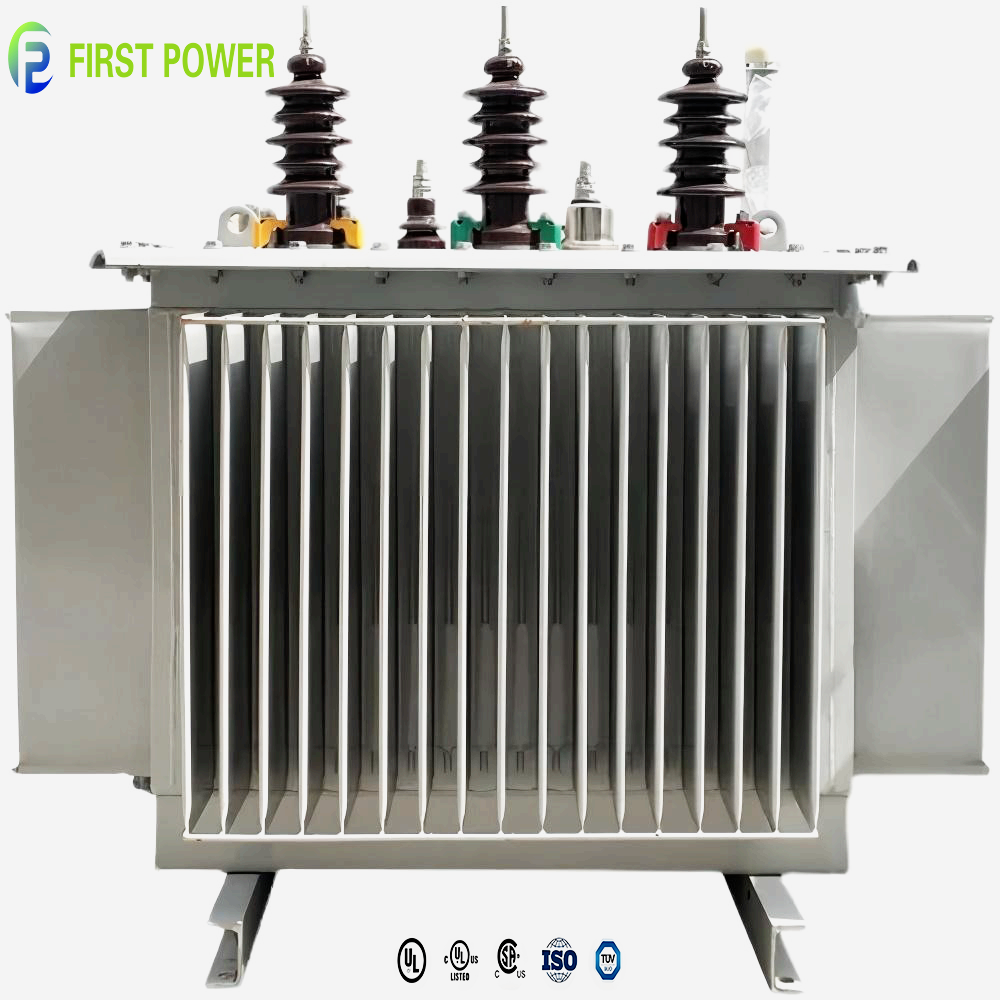 S11 Series
S11 Three Phase 10KV/35KV 500 KVA Oil Immersed Transformer
- Capacity: 500 KVA
- Primary Voltage: 10KV / 35KV
- Frequency: 50Hz / 60Hz
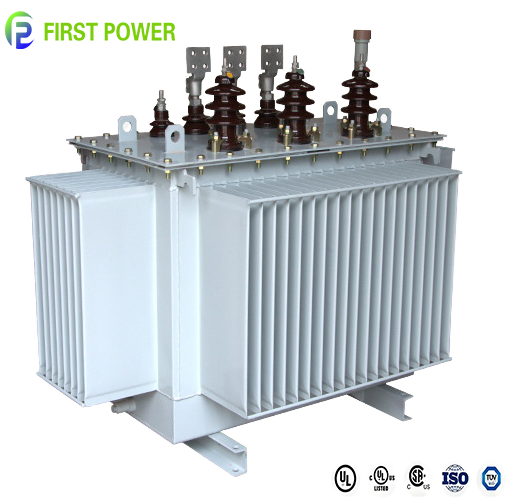 Distribution Grade
S11 10KV–35KV (100KVA–630KVA) Three Phase Distribution Transformer
- Range: 100KVA – 630KVA
- Vector Group: Dyn11 / Yyn0
- Certification: CE / ISO 9001
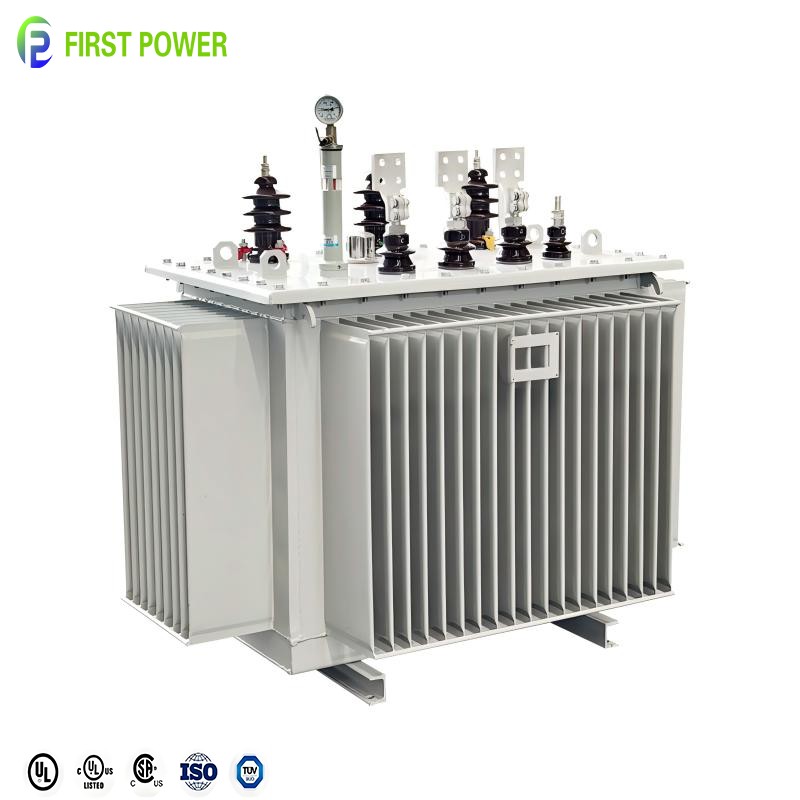 High Capacity
100KVA–1000KVA 3 Phase Oil Immersed Power Transformer
- Max Rating: 1000 KVA
- Cooling: ONAN Thermal Self-Cooling
- Standard: IEC 60076 Compliant
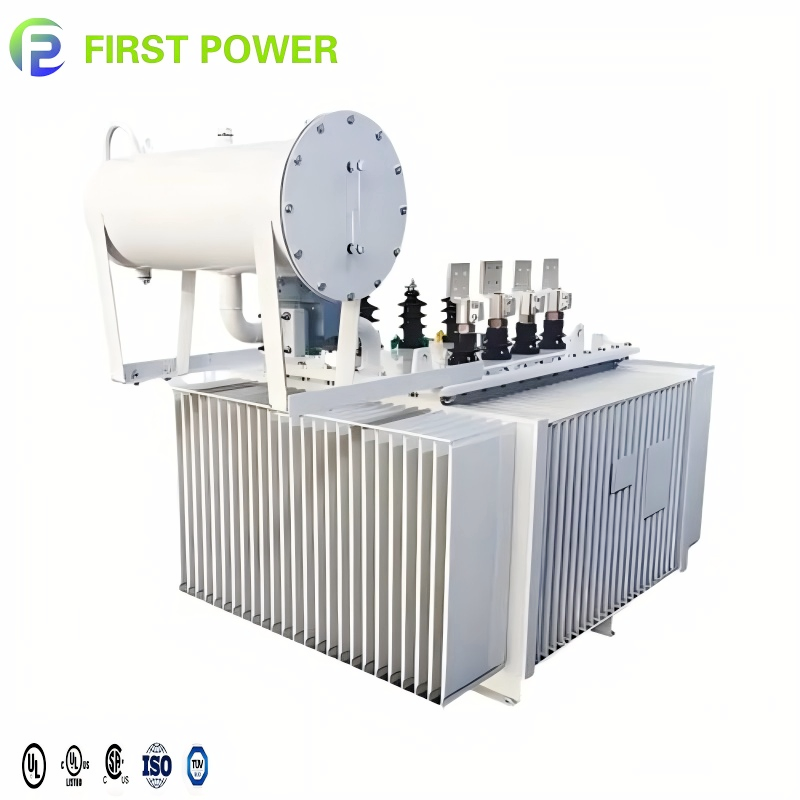 OLTC Integrated
1000KVA–2500KVA Industrial Oil Transformer with On-Load Tap Changer
- Rating: Up to 2500 KVA
- Regulation: On-Load Tap Changing
- Target Use: Heavy Industrial Facilities
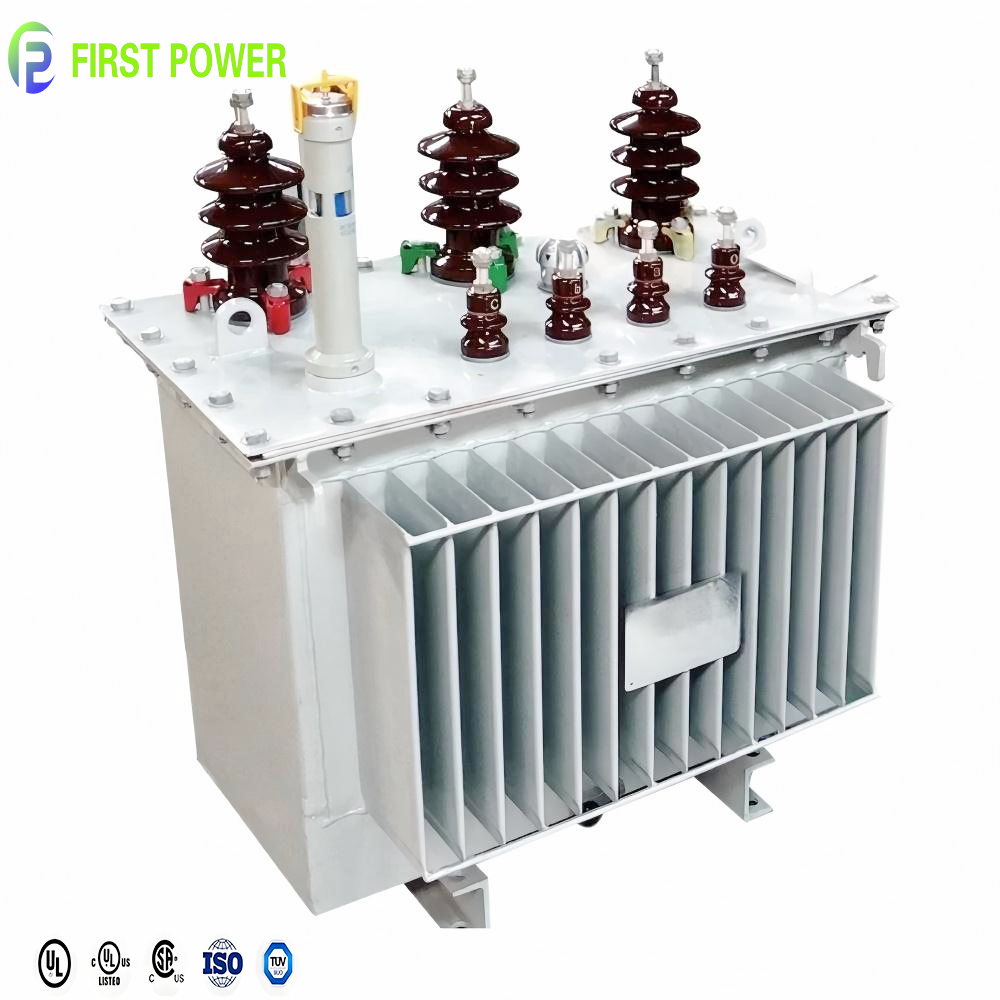 Medium Voltage
10KV–35KV (50KVA–500KVA) Electric Oil Immersed Unit
- Primary: 10KV / 20KV / 35KV
- Core Material: High-Grade CRGO Steel
- Enclosure: Hermetically Sealed Tank
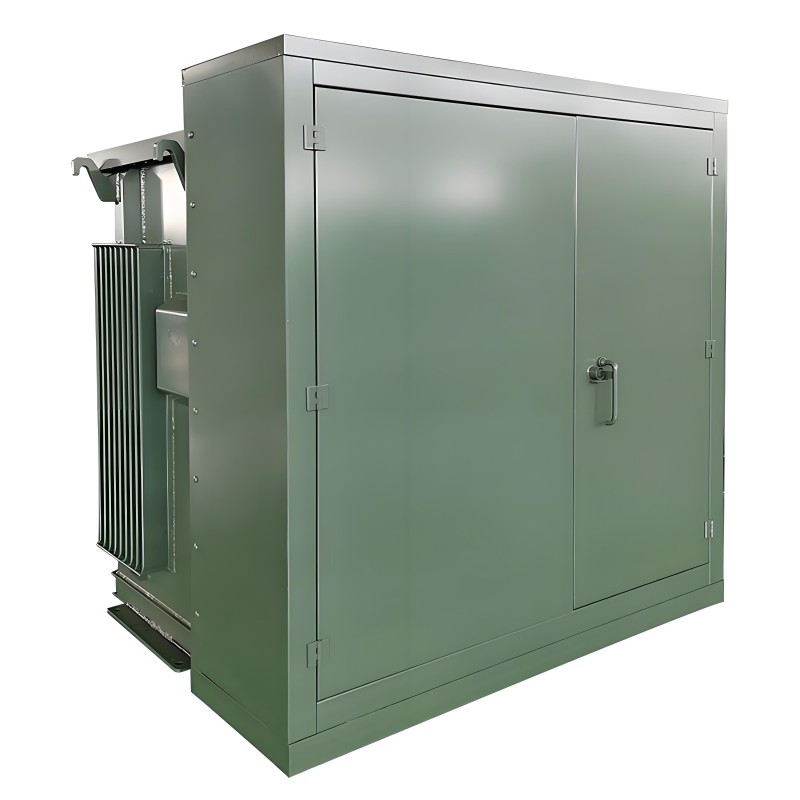 ANSI/IEEE Pad
75KVA–2500KVA Three-Phase Pad-Mounted Transformer
- Output Voltage: 480V / 240V
- Input Voltage: Up to 35KV
- Features: Tamper-Resistant Compartment
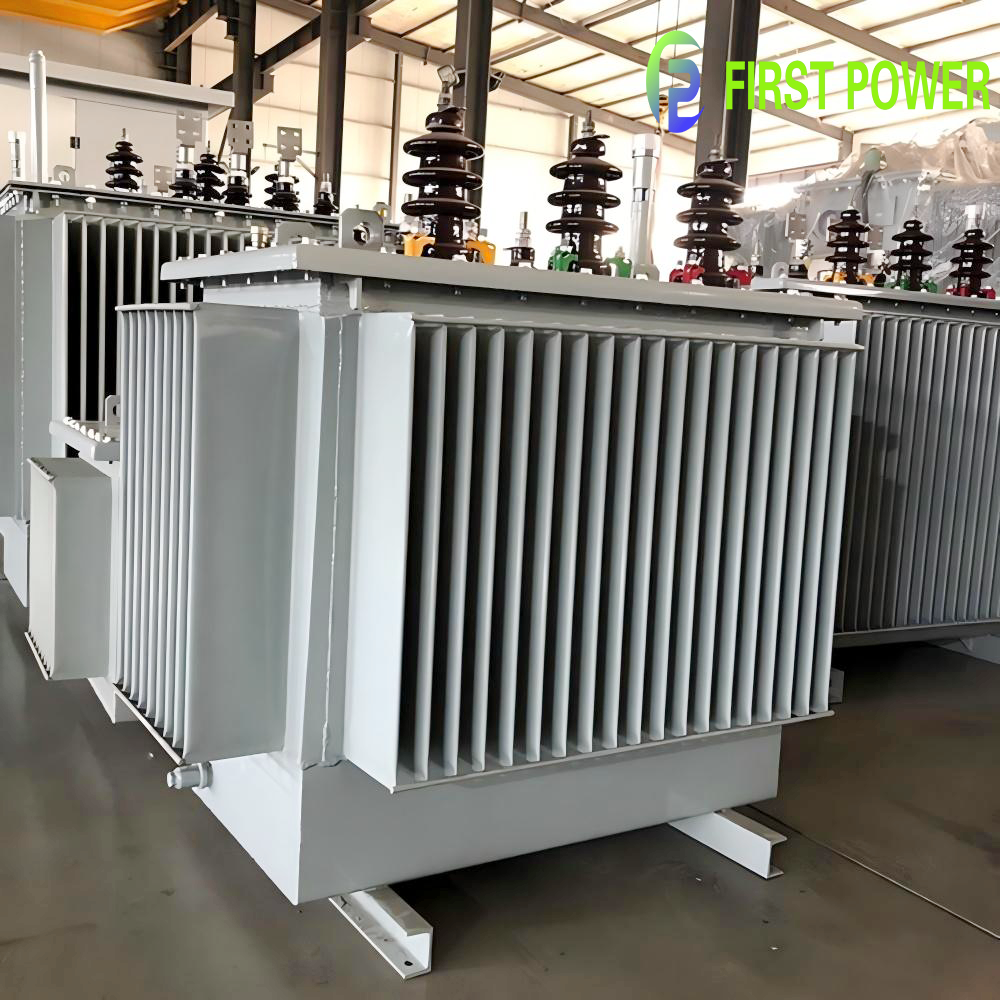 MV/HV Series
S11 MV/HV 50KVA Three Phase Distribution Transformer
- Capacity: 50 KVA
- No-Load Loss: Ultra-Low Core Loss
- Protection: Oil Level & Temp Gauges
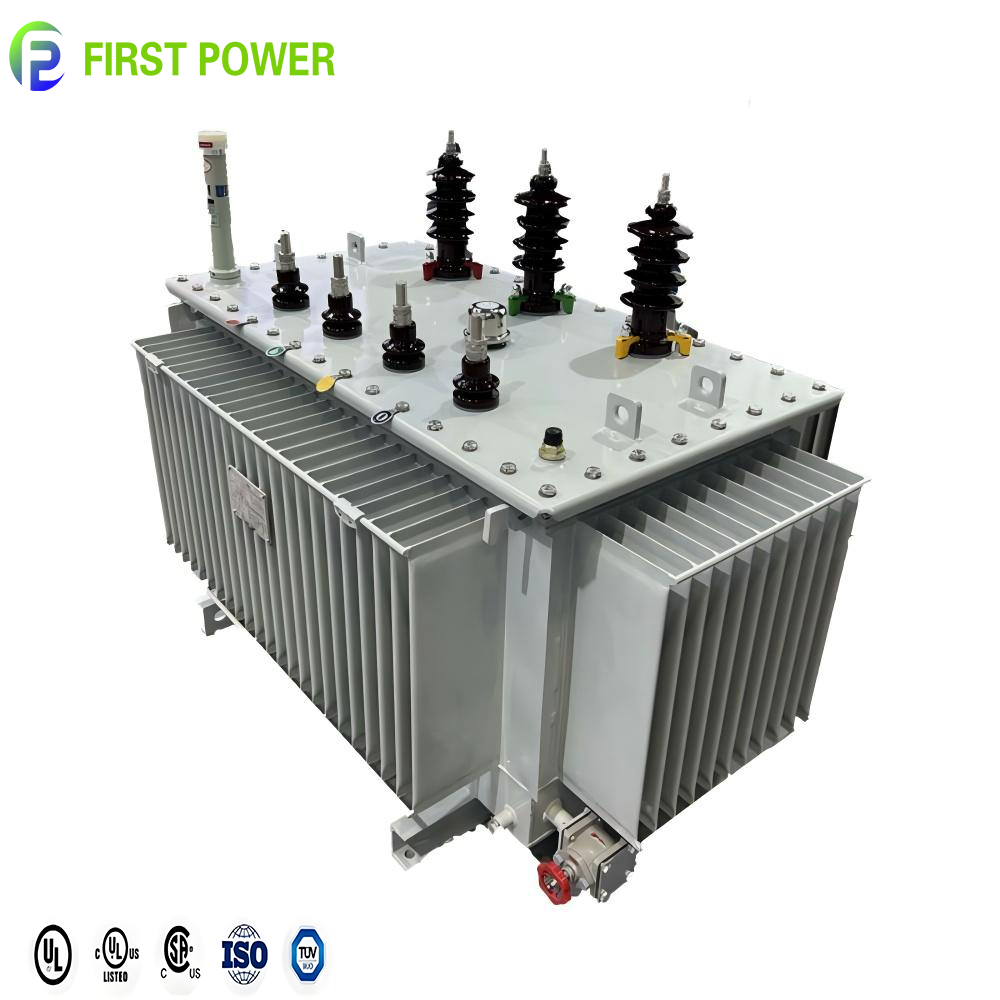 Standard Grid
S11 10KV–35KV (50KVA–300KVA) Electrical Transformer
- Voltage Range: 10KV / 20KV / 35KV
- Phase: Three Phase 50/60Hz
- Tank Type: Corrugated Radiator Tank
Electrical Infrastructure Dynamics & Power Stabilization in Kaga-Bandoro
An engineering breakdown of grid volatility in Nana-Grébizi, operational challenges for industrial loads, and servo-driven voltage mitigation methodologies.
1. Localized Grid Profile & Voltage Volatility in Central African Networks
In the Nana-Grébizi prefecture—specifically across Kaga-Bandoro and surrounding commercial sectors—electrical infrastructure relies heavily on isolated microgrids, long-distance radial feeders, and localized diesel generator plants. Grid voltage instability in this region is categorized by severe voltage sags (dropping as low as 140V on nominal 220V single-phase lines), extreme surge spikes during atmospheric discharge events, and persistent phase voltage unbalance exceeding 15%.
Standard relay-type stabilizers often fail in these environments due to constant mechanical chatter, contact arcing, and slow response times. For critical infrastructure—such as NGO humanitarian compounds, cold-chain refrigeration units, telecommunications base stations, and agricultural processing facilities—the implementation of Industrial Heavy-Duty Servo Voltage Stabilizers (SBW/TNS Series) provides continuous stepless regulation, preventing catastrophic motor thermal overload and electronic driver lockouts.
2. Servo-Driven Motorized Autotransformer Technology: How It Works
Unlike static SCR switches or step-relay AVRs, a Servo Motorized Voltage Stabilizer operates via a closed-loop microprocessor feedback control system driving a high-torque DC/AC servo motor. The motor adjusts the physical position of a carbon brush along the copper windings of a toroidal or column-type variable autotransformer (Variac), feeding the buck/boost transformer primary winding.
Microprocessor Intelligence
Sample-and-hold sensing circuits constantly measure true RMS voltage 100 times per second. Digital DSP chips filter harmonic noise and grid transients to command smooth servo motor position corrections.
Pure Sine Wave Output
Because regulation is electro-mechanical across continuous turns, the output voltage retains zero harmonic distortion (THD addition = 0%). This is critical for sensitive medical imaging equipment and IT servers.
Independent Phase Control
Three-phase SBW-F models feature individual servo motors and sensing units for each phase (R, S, T), resolving severe load unbalance issues where one phase drops to 160V while another sits at 240V.
3. Technology Benchmark: Servo Stabilizer vs. Relay & Static AVRs
Selecting the correct power conditioning topography is vital for long-term ROI when operating under sub-Saharan climatic and electrical conditions.
| Performance Parameter | Servo Voltage Stabilizer (SBW/TNS) | Relay-Type AVR | Static SCR Voltage Regulator |
|---|---|---|---|
| Voltage Output Precision | ±1% to ±3% (High Precision) | ±8% to ±10% (Coarse Step) | ±1% to ±2% |
| Capacity Range | 1 kVA up to 2,000 kVA | 500 VA to 15 kVA max | 10 kVA to 500 kVA |
| Waveform Distortion (THD) | 0% Added (Pure Waveform) | Negligible | High Switching Noise / Spike Potential |
| Overload Tolerance | 200% for 10 seconds | 120% for 2 seconds | 150% for 1 second (SCR Vulnerable) |
| Dust & Climate Resistance | High (Custom IP54 + Tropicalization) | Moderate | High (Requires Active Cooling Fans) |
| Capital Cost per kVA | Optimal Commercial Ratio | Low Initial Cost / High Failure Rate | Very High Initial Investment |
Mission-Critical Application Scenarios in Kaga-Bandoro & Regional Trade Routes
How specialized servo stabilization and power transformers solve real-world electrical bottlenecks in Central African industrial and municipal operations.
1. Humanitarian Compounds & Field Hospitals
Medical refrigeration units storing vaccines, surgical equipment, and digital X-ray suites require uninterrupted ±1% line stability. Operating on fluctuating local generators or unstable regional lines risks equipment burnout. SBW servo regulators absorb 40V drops instantly without dropping phase loads.
2. Agricultural Processing & Cotton Ginning
Agricultural processing plants in Nana-Grébizi rely heavily on heavy inductive motors. High inrush currents during motor start-up cause massive line voltage dips. Wisegj SBW stabilizers deliver up to 200% surge overload capacity, keeping production lines active during peak harvests.
3. Telecom Towers & Solar-Hybrid Stations
Off-grid telecom infrastructure outside Kaga-Bandoro shifts between solar battery banks and diesel gensets. The switching transient produces dangerous over-voltage spikes. Integrated TNS servo regulators clamp output lines to nominal 220V/380V, expanding power amplifier lifespan.
Local Market Insights: Power Infrastructure Trends in Kaga-Bandoro (2025–2030)
With ongoing initiatives focused on commercial revitalization, trade route connectivity, and microgrid installations across northern Central Africa, demand for energy-efficient power equipment has shifted dramatically. Key trends include:
- Hybrid Microgrid Integration: Rapid adoption of solar PV combined with industrial servo stabilizers to eliminate generator voltage hunting during solar cloud-pass events.
- Emphasis on Low-Loss Transformers: Shift toward S11 and S13 oil-immersed distribution transformers featuring cold-rolled grain-oriented (CRGO) steel cores to reduce continuous no-load losses by up to 30%.
- Tropicalized & Dust-Proof Enclosures: Growing requirement for IP54-rated, sand-proof, and high-ambient (up to 50°C) thermal insulation ratings (Class H) due to regional dust storms and elevated humidity.
Why Engineers & Procurement Officers Trust Jiangsu Wisegj Power Co., Ltd.
Proven technical capability backed by audited quality management systems, verified export infrastructure, and third-party inspection compliance.
ISO 9001 / 14001 / 45001 Certified
Our manufacturing facilities operate under internationally certified Quality, Environmental, and Health & Safety management systems (Certificate Nos. 62824Q6052R0S, 62824E6053R0S, 62824S6054R0S).
TÜV Rheinland Onsite Verified
Our 6,847 m² production base, coil winding precision, assembly workshops, and full-load testing laboratories have been independently audited onsite by TÜV Rheinland for global trade compliance.
100% Factory Routine Tested
Every single unit undergoes routine testing prior to packing: winding resistance, voltage ratio, phase displacement, impedance/load loss, no-load loss, applied AC voltage, and induced over-voltage withstand.
Frequently Asked Questions: Procurement for Kaga-Bandoro & Central Africa
Clear answers to engineering, freight logistics, and custom specification requirements for importers and wholesalers.
Why choose a servo voltage stabilizer over a relay stabilizer for Kaga-Bandoro grid conditions?
How do Wisegj servo stabilizers handle high ambient heat and dust storm environments?
Can your stabilizers and transformers work seamlessly with diesel generators?
What are the lead times and shipping options for deliveries to Kaga-Bandoro?
Do you offer OEM, customized nameplates, and technical documentation in French/English?
Need a Technical Quotation or Custom Stabilizer Design?
Consult directly with our power engineering team. Send us your project capacity requirements, grid voltage parameters, or tender specifications for a fast, factory-direct quotation within 24 hours.