8 Platforms to Compare
Product Shortlist: Dry-Type and Distribution Platforms for a Bordeaux Electrical Package
The search phrase top trusted encapsulated dry transformer factories combines a local supplier query, a factory audit query and a technical comparison. The eight platforms below reflect the equipment mix that often surrounds an encapsulated dry transformer in Bordeaux: the dry unit inside the building, then oil-immersed, pad-mounted or step-up equipment upstream. Product links and images are preserved from the original equipment catalogue so a procurement team can move from market research to a technical datasheet in one step.
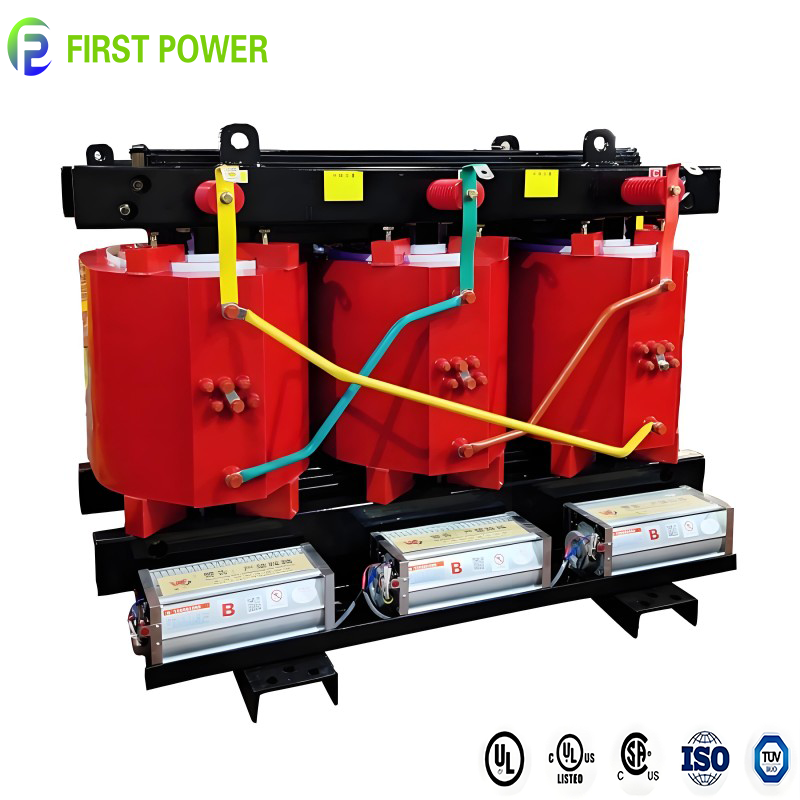
C CE Certification IEEE Standard 50/60HZ 5MVA 6MVA 6KV 35KV 3 Phase Dry Type Transformer for Electric Power Distribution
Closest platform to an encapsulated dry transformer brief: oil-free medium-voltage distribution for indoor electrical rooms, public buildings and commercial developments.
- Typical scope: 5–6 MVA class, 6–35 kV, 50/60 Hz
- CE and IEEE documentation package available
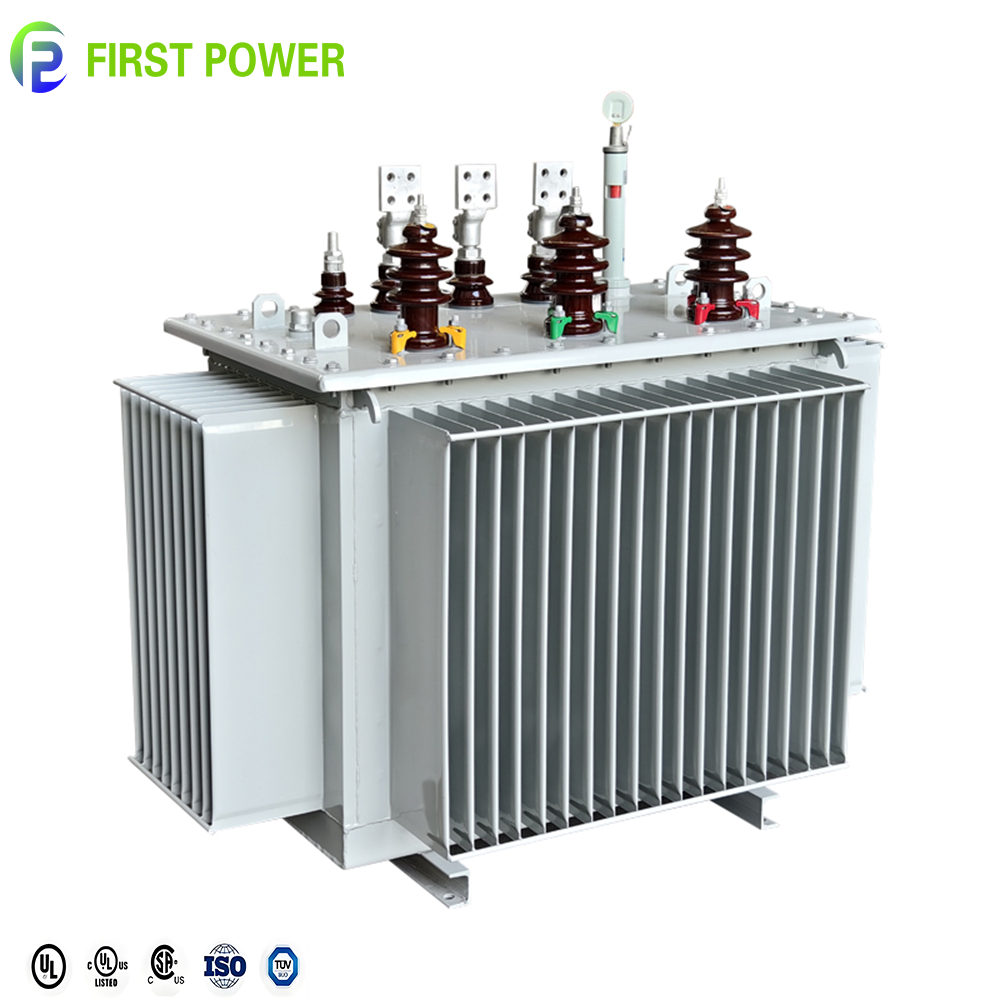
C CE 50/60HZ 6KV 10KV 15KV 20KV 35KV 100KVA 200KVA 300KVA 500KVA 220V Output Voltage Step up Oil Transformer for Industrial
Useful when an industrial or renewable project needs a step-up transformer before the dry-type distribution board, battery storage interface or microgrid.
- Industrial ratings from 100–500 kVA class
- Voltage range up to 35 kV and 220 V output formats
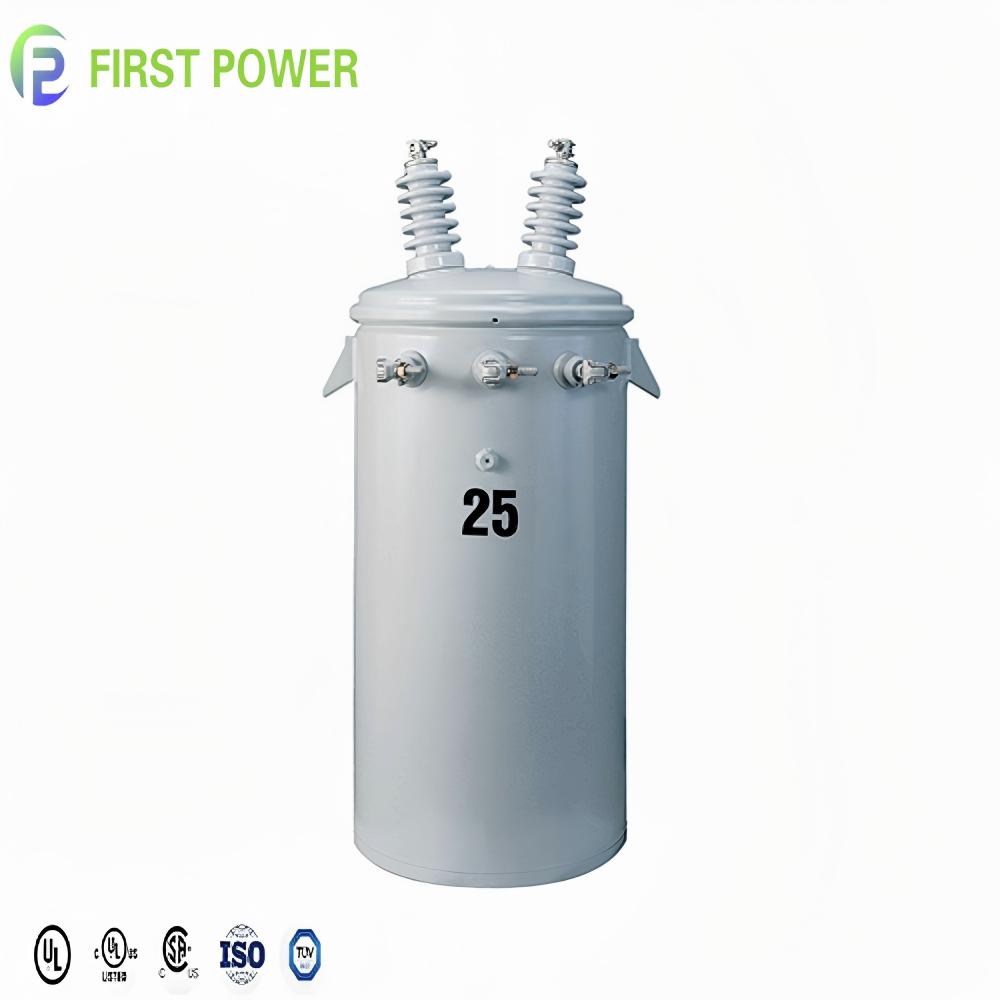
C CE Certification MV&HV 50/60HZ 6KV 10KV 20KV 35KV 25KVA Single Phase Transformer Price for Electric Power Distribution
A compact single-phase option for rural feeders, isolated loads and remote monitoring or pumping installations outside dense Bordeaux urban networks.
- 25 kVA class and medium-voltage distribution duty
- 6–35 kV range for distributed grid applications
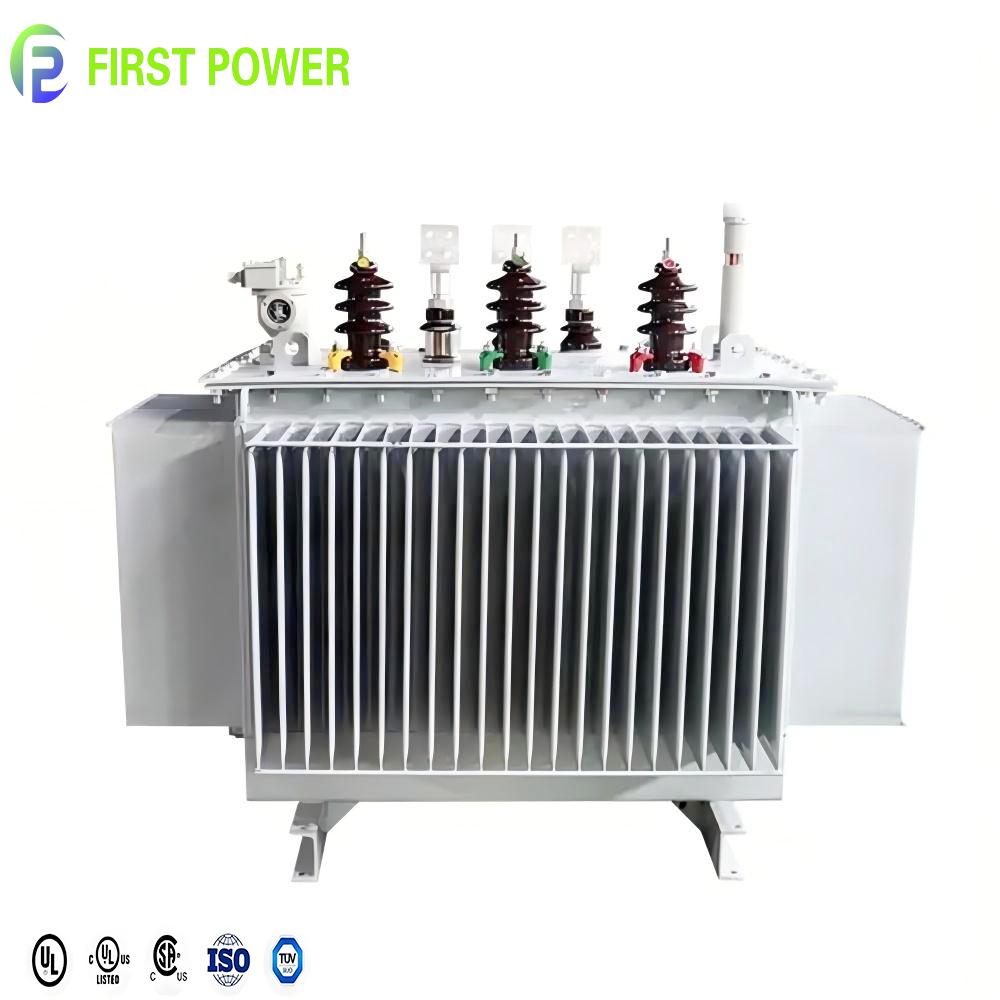
C CE S11 10KV 20KV 35KV 50KVA 100KVA 150KVA 200KVA 250KVA 3 Phase Oil-Immersed Transformer for Electric Power Distribution
An oil-immersed distribution platform for outdoor or upstream substations where the dry transformer serves the building and this unit supports the wider network.
- 50–250 kVA three-phase distribution class
- 10–35 kV systems with CE documentation
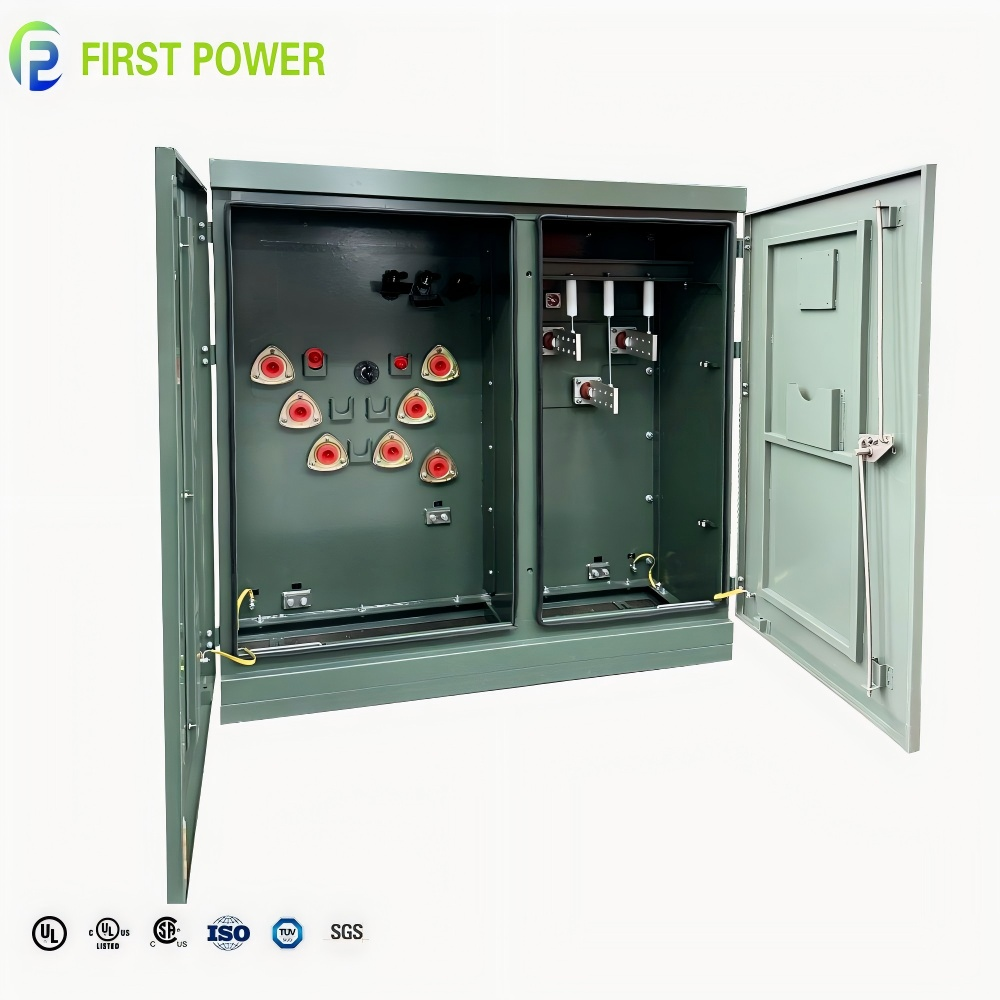
C CE Certification 50/60HZ 10KV 20KV 35KV 3 Phase Loop Feed Pad Mounted 750KVA Transformer for Electric Power Distribution
For logistics hubs, commercial campuses and renewable sites where an outdoor pad-mounted unit complements an indoor dry-type transformer room.
- 750 kVA loop-feed configuration
- 10–35 kV class with CE certification
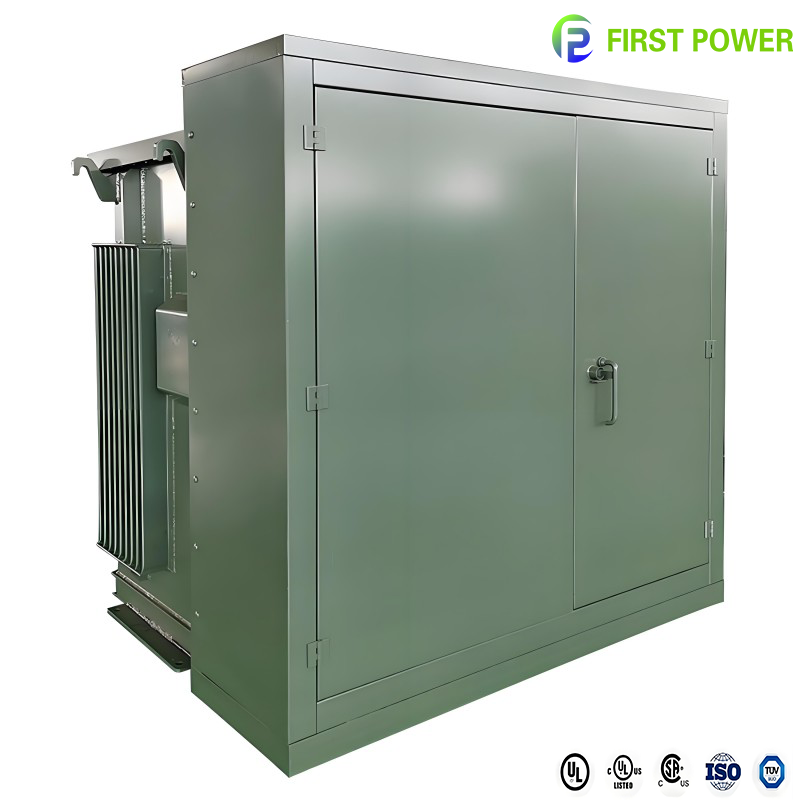
C CE 50/60HZ 10KV 20KV 35KV 75KVA 100KVA 200KVA 300KVA 400KVA 3 Phase Oil Type Pad Mounted Transformer for Power Generation
A flexible outdoor platform for distributed generation, car parks, warehouses and site infrastructure where floor space inside the building is limited.
- 75–400 kVA three-phase ratings
- Pad-mounted enclosure for outdoor service
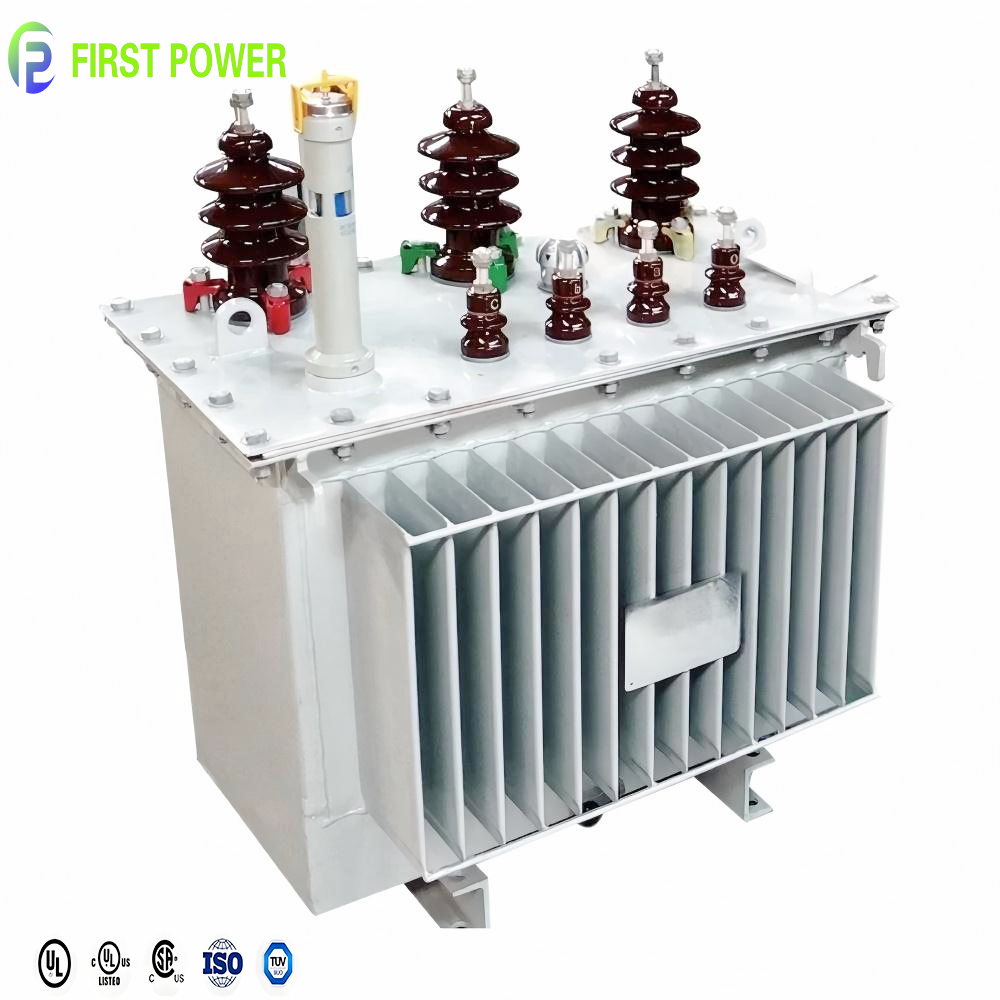
C CE 10KV 20KV 35KV 50KVA 100KVA 200KVA 300KVA 400KVA 500KVA Electric Oil Immersed Transformer for Industrial Power Supply
For manufacturing plants, cold storage, quarries and process loads where a robust oil-immersed transformer supports high-duty industrial power supply.
- 50–500 kVA industrial distribution ratings
- 10–35 kV input options with CE certification
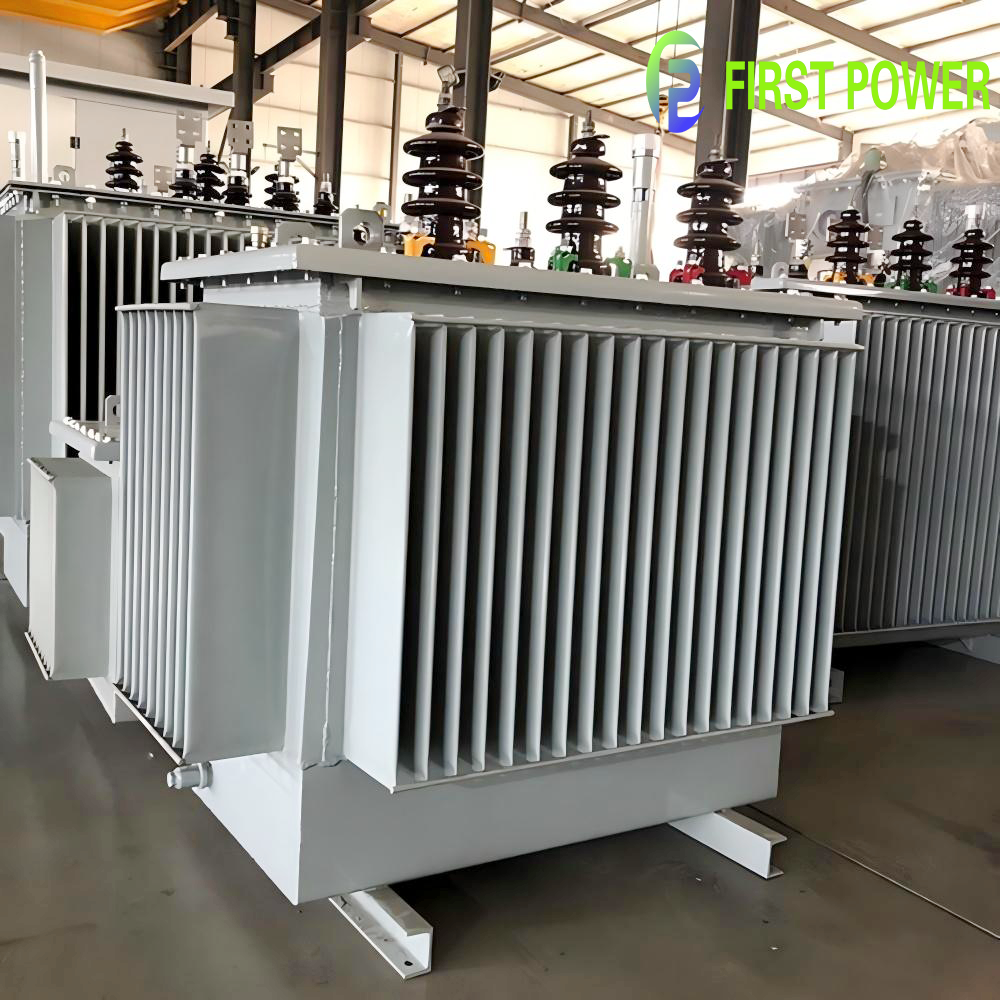
C CE MV&HV S11 50/60HZ 10KV 20KV 35KV Three Phase Oil Immersed 50KVA Transformer for Electric Power Distribution
A compact S11 distribution unit for smaller loads, temporary supplies and network reinforcement where a dry-type transformer is not required.
- 50 kVA three-phase distribution class
- 10–35 kV network compatibility
Need an encapsulated dry transformer rather than a catalogue equivalent?
Send the transformer room layout, load profile, primary and secondary voltage, frequency, fire class, IP rating, ambient temperature and delivery address in Bordeaux. Our engineers will confirm whether the dry-type platform above or a custom cast-resin design is the better match.
Bordeaux Application Fit
Where Encapsulated Dry Transformers Fit in Bordeaux and Gironde
Bordeaux is a dense, heritage-sensitive metropolis with a growing port, healthcare cluster, wine economy, digital sector and public transport network. Electrical rooms are often constrained by footprint, acoustic limits, fire load and humidity exposure near the Garonne and Gironde estuary. That is why encapsulated dry transformers are frequently specified for indoor MV/LV substations where oil leakage, fire spread or maintenance access would create unacceptable risk.
Urban regeneration and mixed-use districts
Projects around Euratlantique, Bassins à Flot and Chartrons often place substations in basements or tightly bounded plots. A dry-type unit reduces oil containment and fire compartmentation complexity while supporting dense electrical loads.
Healthcare, laboratories and universities
CHU de Bordeaux, private clinics, research laboratories and campus buildings need low fire risk, low partial discharge and predictable acoustic performance. Dry transformers are easier to integrate with generators, UPS systems and sensitive medical equipment.
Wine estates and agri-food facilities
Across the Médoc, Saint-Émilion and Pessac-Léognan, temperature-controlled fermentation, bottling lines, irrigation pumping and cold rooms require stable voltage. A dry transformer near the load can reduce cable runs while an outdoor oil unit supports the wider estate.
Port, logistics and cold storage
Around the Port of Bordeaux and logistics hubs, humid estuarine air, salt mist and dust demand more than a generic dry transformer. Specify environmental class, anti-condensation heaters, corrosion protection and verified temperature-rise performance.
Data centres and digital infrastructure
Bordeaux’s digital economy and cloud edge sites need high reliability, monitoring-ready transformers and low fire load. Harmonic-rich IT loads should trigger a review of K-factor, neutral sizing, losses and temperature rise.
Public transport, schools and civic buildings
Tram infrastructure, schools, sports halls and civic buildings favour oil-free equipment in accessible indoor rooms. Acoustic limits, fire classification and French-language documentation should be fixed at tender stage, not after order.
Bordeaux’s Atlantic climate is moderate but not uniform: summer heatwaves, humid winters and storm-driven moisture can create condensation risk. For a robust specification, request IEC 60076-11 environmental and climatic classes such as E2 and C2, fire class F1 where relevant, IP-rated enclosures, anti-condensation heaters and a test report that shows actual temperature rise under the declared ambient.
Factory Signals
Numbers That Matter When Auditing a Transformer Factory
Encapsulated dry transformer procurement is not a commodity purchase. The factory must show engineering depth, verified production space, testing discipline and supply-chain resilience. These figures come from the manufacturer profile behind the product platforms above.
Technical Due Diligence
What a Trusted Encapsulated Dry Transformer Factory Must Prove
A factory cannot be trusted because a landing page says “top”. For a Bordeaux project, credibility should be demonstrated through design calculations, routine test evidence, fire and environmental classification, traceable documentation and a transparent factory audit trail.
Thermal and dielectric design
Ask for winding design, insulation class, guaranteed temperature rise, harmonic capability and maximum ambient assumptions. An encapsulated dry transformer for Bordeaux should be checked against the actual electrical room ventilation, not only nameplate kVA.
Partial discharge and routine tests
Require ratio, winding resistance, no-load loss, load loss, impedance, applied voltage, induced voltage and partial discharge evidence where specified. Compare reports serial by serial; a generic catalogue test report is not enough.
Fire and environmental classification
IEC 60076-11 classes for environmental, climatic and fire behaviour are more useful than vague claims such as “self-extinguishing”. For heritage, healthcare and public buildings, fire class and smoke behaviour should be explicit in the technical file.
Documentation and traceability
French procurement teams need GA drawings, CE declaration, nameplate drafts, test reports, installation manuals and O&M documents in a usable language. Material certificates and non-conformance records should be available during factory acceptance testing.
Audited capacity and test laboratory
Verified floorspace, winding equipment, casting or encapsulation control, core stacking, drying, assembly and in-house test bays are stronger evidence than a photo gallery. Third-party verification such as TÜV Rheinland adds independent weight.
Local compliance and logistics
Confirm CE marking, Ecodesign loss compliance, RE2020 carbon data where requested, export packing, Incoterms, spare parts and after-sales response. A factory that cannot support the Bordeaux site delivery is not a low-risk choice.
Market Trends
Bordeaux and Nouvelle-Aquitaine Trends Reshaping Dry Transformer Demand
The local demand signal is moving from simple “kVA and voltage” buying toward lifecycle performance. The trends below are especially relevant to architects, EPC contractors and facility managers specifying encapsulated dry transformers in Gironde.
RE2020 and lower-carbon buildings
Developers increasingly want loss data, material mass, recyclability and documentation that supports carbon calculations. An efficient dry transformer with transparent test data is easier to defend in a low-carbon building file.
Urban densification and fire safety
Bordeaux’s constrained sites push electrical rooms underground or close to occupied spaces. Oil-free encapsulated dry transformers reduce fire load and simplify containment strategy, but only when the environmental and fire classes are properly specified.
Grid congestion and renewable integration
Solar on warehouses, EV charging hubs, heat pumps and battery storage increase harmonic content and bidirectional power flow. Specify dry transformers with appropriate K-factor, low losses and temperature monitoring for these duty cycles.
Digital monitoring and circularity
Condition monitoring for temperature, partial discharge and humidity is moving into mainstream procurement. At the same time, buyers ask about recyclable materials, repairability and end-of-life documentation for the transformer.
Decision Matrix
Encapsulated Dry vs Oil-Immersed vs Pad-Mounted: Bordeaux Procurement View
Use this comparison to separate the transformer inside the building from the upstream distribution equipment. The right answer often combines two technologies rather than forcing one type to do every job.
| Procurement criterion | Encapsulated dry transformer | Oil-immersed distribution transformer | Pad-mounted transformer |
|---|---|---|---|
| Indoor installation | Excellent fit for basements, electrical rooms, hospitals and public buildings; no oil containment. | Usually requires oil containment, fire separation and maintenance access; better outdoors or in dedicated rooms. | Outdoor equipment; not intended as an indoor dry-type substitute. |
| Fire and environmental risk | Lower fire load when the correct fire class, smoke behaviour and enclosure protection are specified. | Mineral oil adds fire load; ester fluids can improve fire behaviour but do not eliminate containment duties. | Oil-filled outdoor design; site layout, bunding and access must be engineered. |
| Humidity and coastal air | Specify E2/C2 class, anti-condensation heaters and IP enclosure protection for Gironde humidity and salt mist. | Sealed tank design and external painting system are important; check gasket and breather strategy. | Corrosion category, enclosure finish and ventilation must suit estuarine or coastal exposure. |
| Acoustic performance | Often preferred close to occupied spaces; request guaranteed sound pressure levels, not only sound power. | Cooling equipment and tank design affect noise; outdoor location may reduce impact. | Outdoor placement can help, but fans and load current still create site noise. |
| Typical Bordeaux use | Healthcare, schools, mixed-use blocks, laboratories, hotels, underground substations, data rooms. | Industrial plants, logistics, renewable balance-of-plant, network reinforcement, remote loads. | Commercial campuses, warehouses, ports, car parks, solar sites and temporary infrastructure. |
| Testing and documentation | Routine tests, partial discharge evidence, fire/environment class, cast-resin or encapsulation records. | Routine tests plus oil tests, tank pressure tests, loss measurements and temperature-rise evidence. | Routine tests plus enclosure, switching, fuse and cable termination documentation. |
| Key standards to state | IEC 60076-11, IEC 60076-1, EN 60076 series, Ecodesign loss requirements, CE documentation. | IEC 60076-1/-2/-3, IEC 60076-11 where relevant, Ecodesign loss requirements, CE documentation. | IEEE C57.12 series or IEC 60076 depending on market, plus enclosure and cable termination standards. |
Terminology check: in the Bordeaux market, “encapsulated dry transformer” is often used loosely for cast-resin or resin-encapsulated windings. Ask whether the whole winding is encapsulated, what enclosure protection is included, and whether the unit is a true dry-type transformer designed and tested to IEC 60076-11.
Local Procurement FAQ
Questions Bordeaux Buyers Ask Before Ordering an Encapsulated Dry Transformer
These are the practical questions that arise when a local project team compares a Bordeaux supplier, a European assembler and an overseas factory with export capability.
Is there really an encapsulated dry transformer factory inside Bordeaux?
What exactly is an encapsulated dry transformer?
Which standards and certificates should be supplied for France?
What fire and environmental class should I request for Bordeaux?
How do I compare losses and total cost of ownership?
Which tests and factory acceptance checks should I witness?
What lead time and shipping route should I expect for Bordeaux?
How can I verify a factory before paying a deposit?
Factory Advantage
Inside Jiangsu Wisegj Power Co., Ltd.: A Verified Export Factory for Bordeaux Projects
For Bordeaux buyers, the manufacturer behind the equipment matters more than a directory listing. Jiangsu Wisegj Power Co., Ltd. is a Suzhou-based manufacturer and exporter of transformers and substations from 220 V to 500 kV. It is not presented as a Bordeaux city factory; it is a verified export factory that can support Bordeaux projects through engineering review, CE documentation, routine testing and export logistics.
Evidence-backed advantages
The company profile includes ISO 9001, ISO 14001 and ISO 45001 management systems, CE certificates for dry-type transformers, oil-immersed transformers, power transformers and compact substations, and a TÜV Rheinland verified production assessment. For a dry-type enquiry, the CE dry-type certificate No. FQC2530404 is directly relevant.
- More than 20 years of team experience in transformer design and international supply
- 6,847 m² of verified production floorspace and in-house routine testing
- 50+ R&D and technical engineers for specification review and customization
- 211 qualified supply-chain partners for stable material and accessory sourcing
- OEM, ODM and design-based customization for ratings, vector group, impedance, enclosure and nameplate language
- 24-hour pre-sale and after-sale technical response target
What Bordeaux teams receive
A supplier relationship should reduce project risk, not add a new layer of uncertainty. For a Bordeaux encapsulated dry transformer package, the factory can provide:
- Engineer-reviewed datasheet and guaranteed loss values before quotation
- GA drawing, nameplate draft and enclosure layout for consultant approval
- Routine test report per serial number, with third-party witness testing welcome
- Export packing, shock indicators, shipping documents and Incoterms coverage
- English technical documentation, with project-specific language requirements reviewed at order stage
- Spare-parts and after-sales support coordinated with the Bordeaux installer
 Company and facility overview
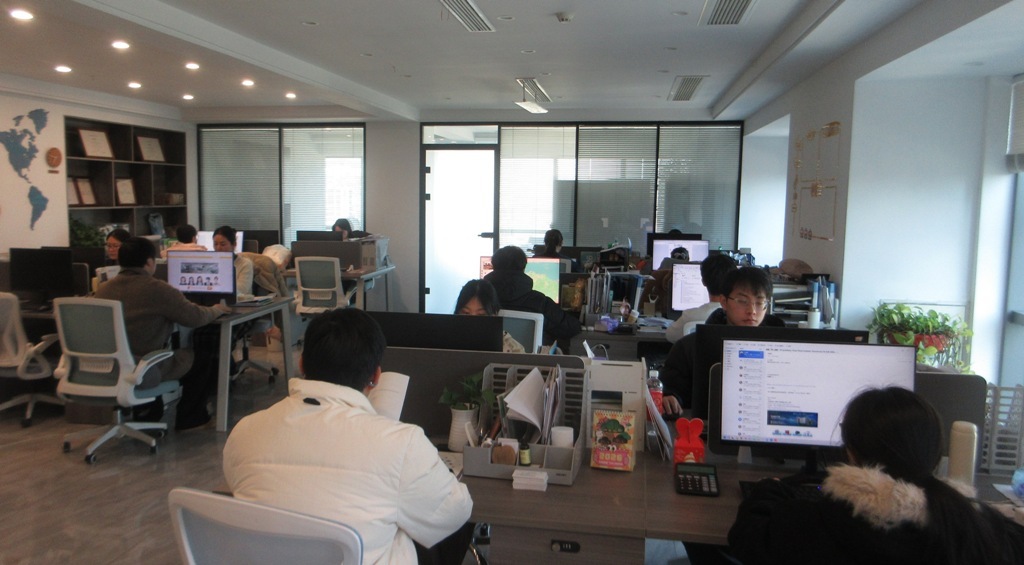 Assembly workshop
 Testing laboratory
Certificates named in the source company profile include ISO 9001 No. 62824Q6052R0S, ISO 14001 No. 62824E6053R0S, ISO 45001 No. 62824S6054R0S, CE oil-immersed transformer No. M.2025.206.C121882 and CE dry-type transformer No. FQC2530404. Always verify validity directly with the issuing body for your project date.
Procurement Workflow
From Bordeaux RFQ to Factory Acceptance Test
A controlled five-step process keeps the specification, drawings, production and shipping evidence aligned. It also prevents the common problem where a dry transformer is ordered before the electrical room, fire strategy and delivery access are confirmed.
Specification review
Load profile, primary and secondary voltage, frequency, fire class, ambient, altitude, IP rating and acoustic target.
Drawing approval
GA drawing, losses, impedance, vector group, nameplate, enclosure, cable entries and French documentation requirements.
Controlled production
Winding, encapsulation, core assembly, drying, tanking or enclosure build, with in-process quality checkpoints.
Routine testing
Electrical routine tests, partial discharge where specified, accessory checks and optional third-party witness.
Packing and delivery
Seaworthy packing, shock indicators, shipping documents, Bordeaux port or site delivery and commissioning support.
Request a Bordeaux-Specific Encapsulated Dry Transformer Review
Send your single-line diagram, transformer room drawing, load schedule, fire strategy, required standard, delivery address and target installation date. Our engineers will screen the specification against the dry-type platform, identify any missing data and return a traceable technical proposal rather than a generic catalogue quote.
[email protected]