Top Trusted Cast Resin Distribution Transformer Suppliers & Exporters in the Myanmar Market
A buyer-focused white paper for utilities, EPC contractors, industrial parks, hospitals, commercial developers, data centers and renewable projects comparing fire-safe, humidity-ready cast resin distribution transformers for Yangon, Mandalay, Thilawa, Nay Pyi Taw and beyond.
Eight Transformer Solutions Frequently Evaluated for Myanmar Projects
Cast resin distribution transformers are often specified for indoor, fire-sensitive and high-humidity locations, while oil-immersed and pad-mounted transformers remain essential for utility networks, industrial estates and underground distribution. The eight product links below show complementary configurations available from the manufacturer’s export range; project-specific cast resin designs can be engineered to Myanmar voltage, loss, enclosure and documentation requirements.
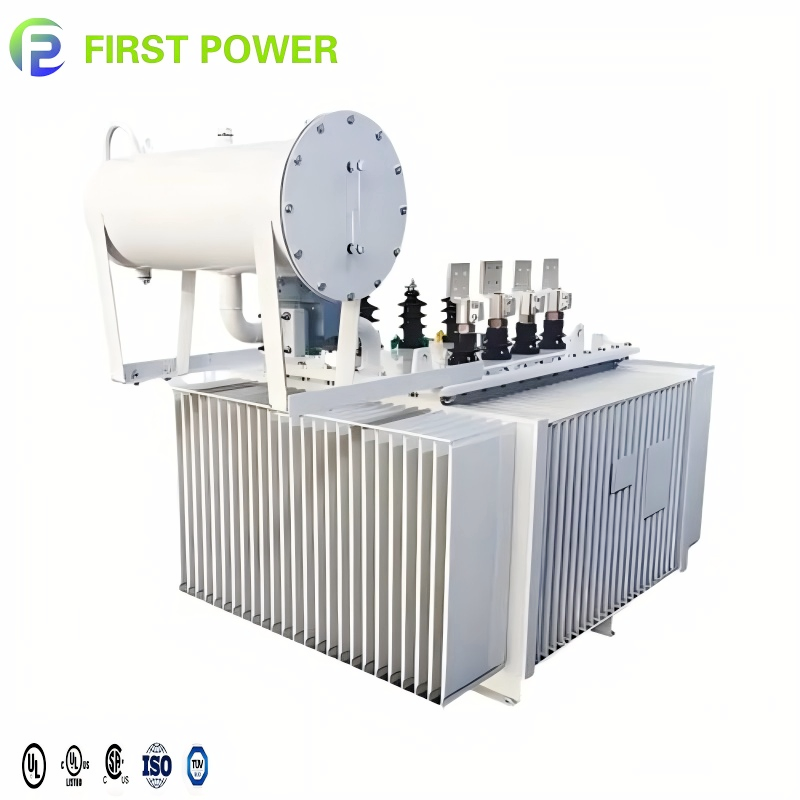
CE 10–35 kV Three-Phase Oil-Type On-Load Tap Changer Transformer
For factories, mills and substations where upstream voltage fluctuates and continuous production cannot tolerate wide voltage swings. OLTC configurations are especially relevant in industrial zones where motor starting, welding and heavy process loads are common.
- Rating: 1,000–2,500 kVA
- Voltage: 10/20/35 kV class
- Feature: on-load tap changer
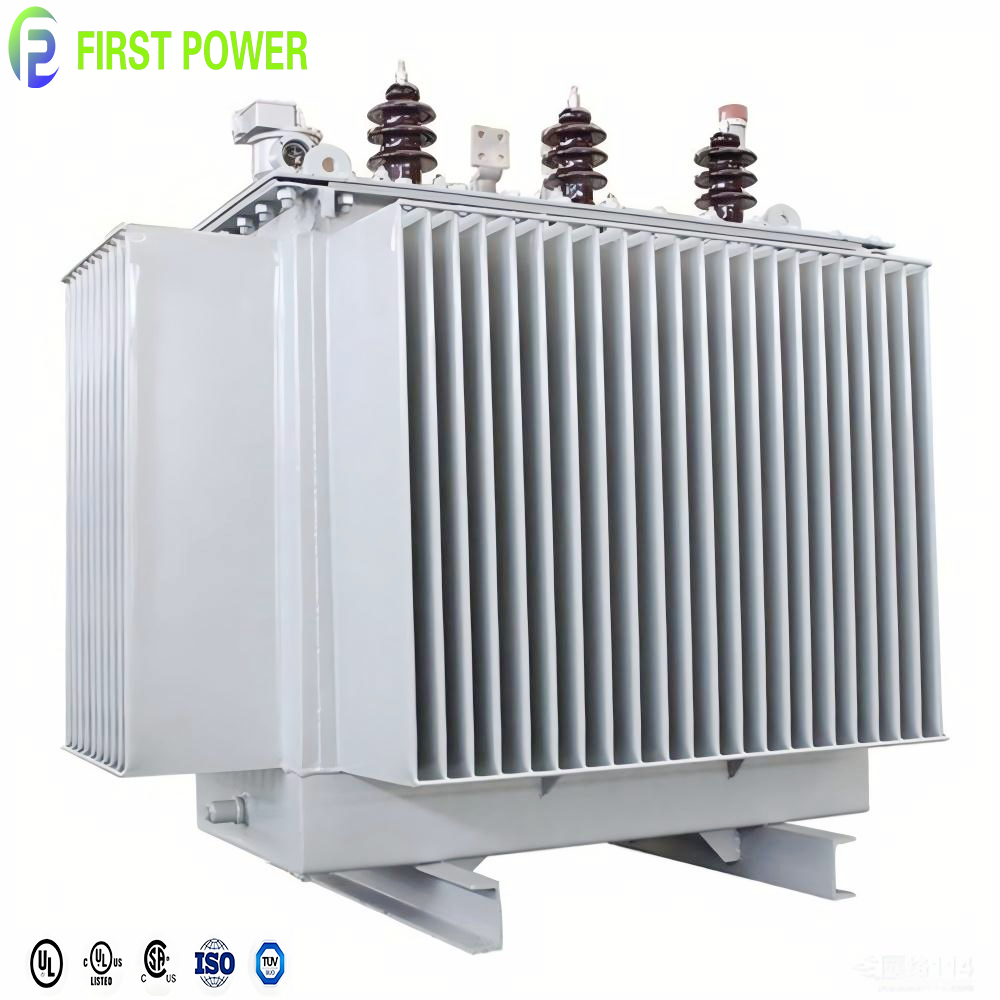
S11 Three-Phase Oil Transformer for Power Distribution
A practical workhorse for township networks, agro-processing, rice mills, workshops and commercial feeders. Low-loss S11 platforms are easier to maintain where spare-parts availability and trained maintenance teams vary by region.
- Rating: 10–50,000 kVA range
- Voltage: 10/15/20/35 kV
- Design: low-loss distribution
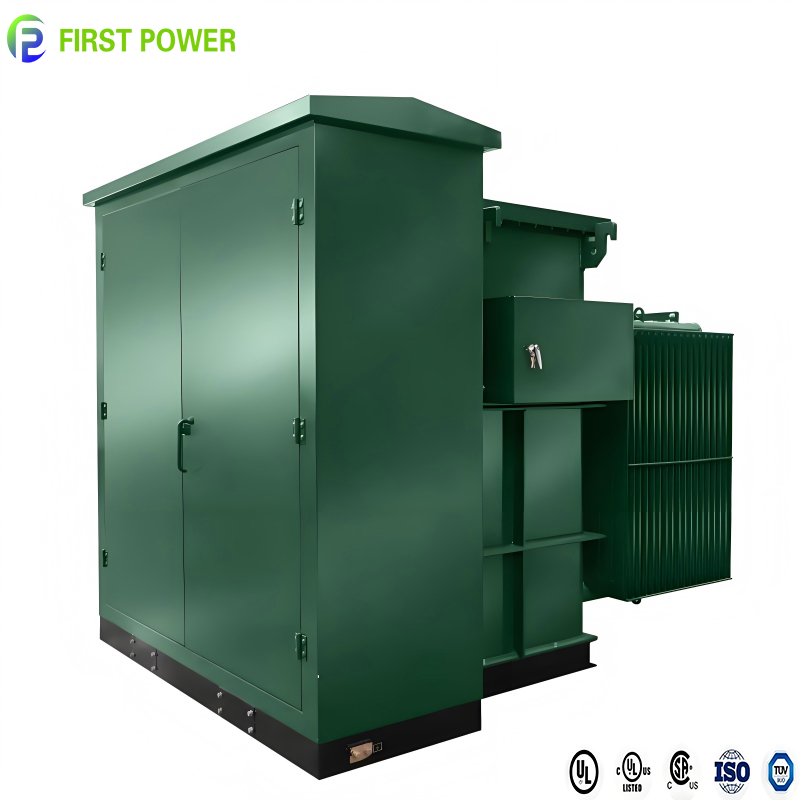
CE Industrial Three-Phase Pad-Mounted Pedestal Transformer
For industrial estates, ports, logistics parks and commercial campuses using underground cable distribution. Pedestal enclosures protect terminations from accidental contact while keeping the equipment accessible for inspection.
- Rating: 100–630 kVA
- Voltage: 6–35 kV class
- Type: pedestal / pad-mounted
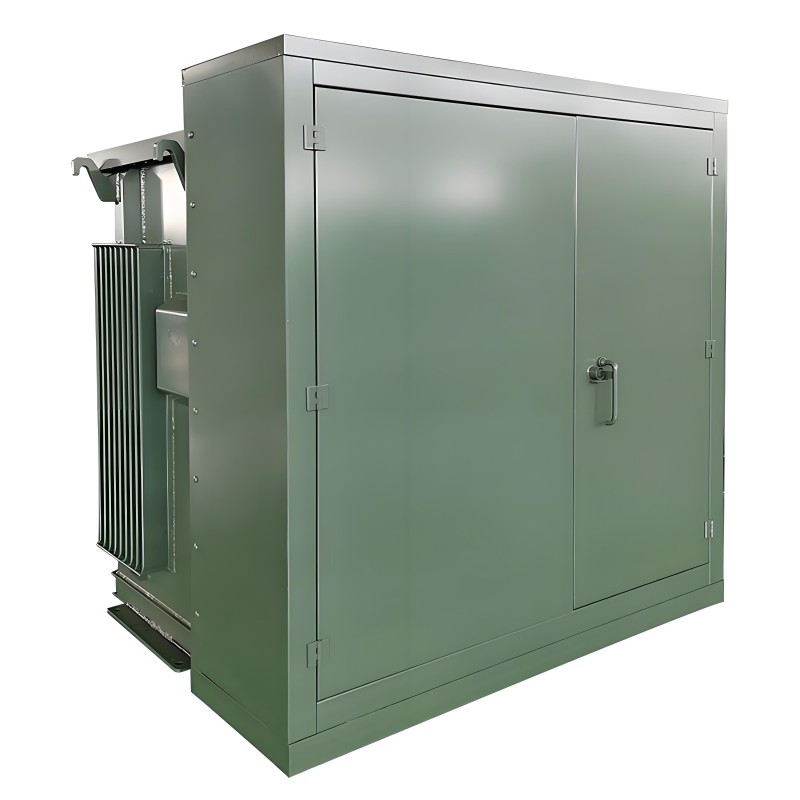
C Certified 75–2,500 kVA Oil-Type Three-Phase Pad-Mounted Transformer
For imported manufacturing lines and industrial facilities using 480 V distribution. Myanmar buyers should confirm frequency, vector group and protection coordination before selecting a 35 kV input / 480 V output configuration.
- Rating: 75–2,500 kVA
- Voltage: 35 kV / 480 V
- Type: pad-mounted, oil type
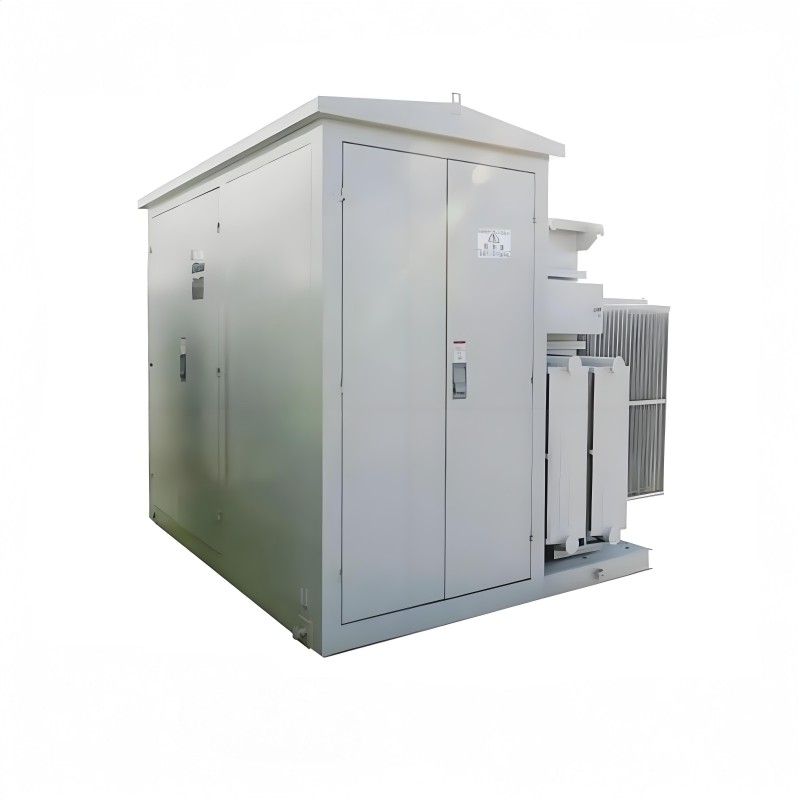
American Standard /C Certified 3,000 kVA 34.5 kV/480 V Oil-Type Pad-Mounted Transformer
A large pad-mounted configuration for mining, cement, steel, port equipment and heavy manufacturing. The 60 Hz reference reflects export or special industrial standards; for Myanmar’s 50 Hz network, a matching 50 Hz design should be engineered and tested.
- Rating: 3,000 kVA
- Voltage: 34.5 kV / 480 V
- Reference: 60 Hz export design
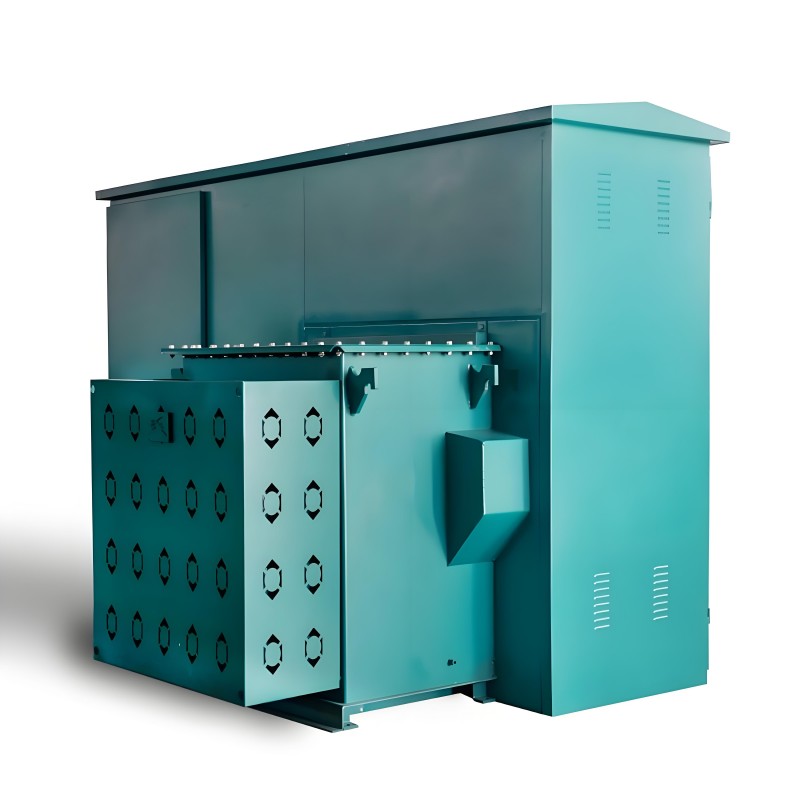
/C Certified Oil-Type Cooper 75–2,500 kVA Pad-Mounted Transformer
A dead-front pad-mounted solution for commercial, urban and utility locations where public safety and tamper resistance are important. Suitable for underground networks where cable compartments and visible break points must support safe operation.
- Rating: 75–2,500 kVA
- Voltage: 6–34.5 kV
- Type: dead-front, 3 phase
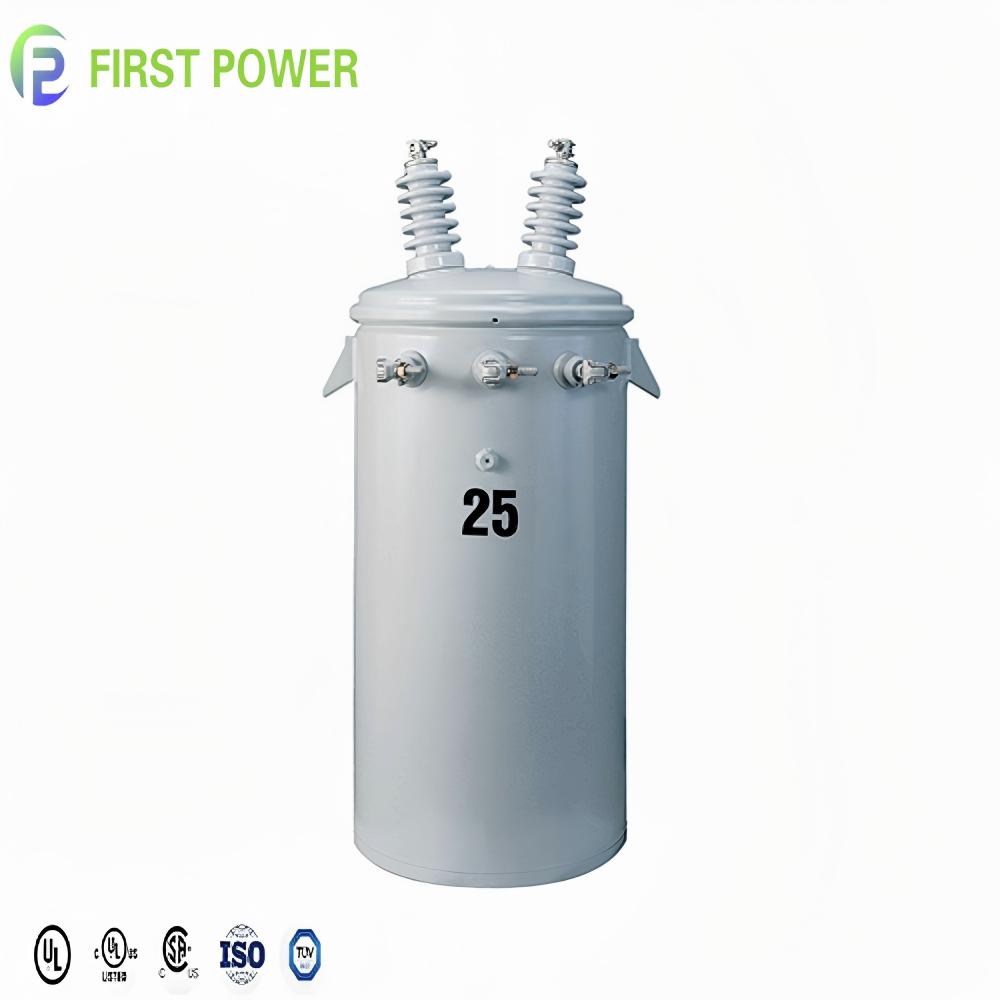
CE Certification MV&HV 50/60 Hz 25 kVA Single-Phase Transformer
For rural electrification, residential compounds and small commercial loads where three-phase service is not economically justified. Lightweight single-phase units can reduce installation cost in dispersed communities and remote facilities.
- Rating: 25 kVA
- Voltage: 6–35 kV class
- Frequency: 50/60 Hz
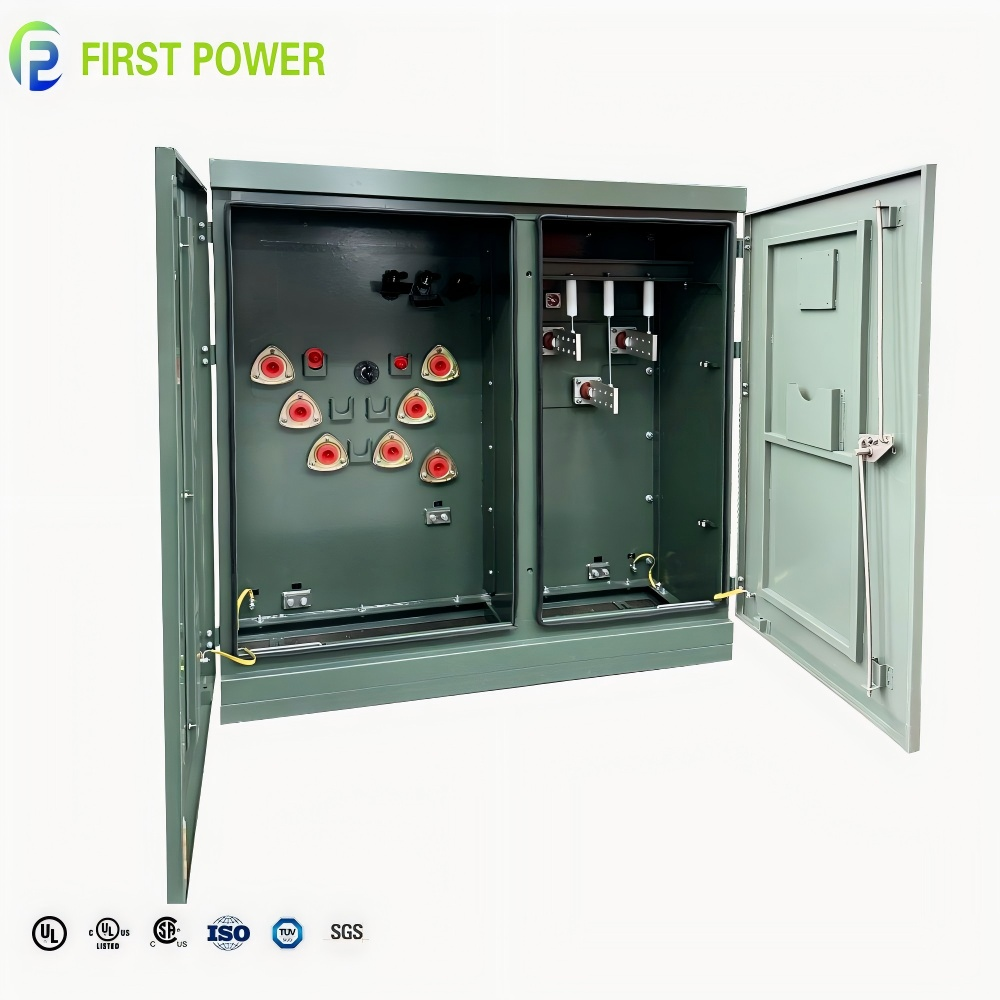
CE 750 kVA 10–35 kV Three-Phase Loop-Feed Pad-Mounted Distribution Transformer
For urban underground distribution, industrial parks and commercial zones requiring looped feeders and improved restoration flexibility. A typical cast resin or dry-type alternative may be selected when the substation must be indoors or close to occupied areas.
- Rating: 750 kVA
- Voltage: 10–35 kV class
- Feature: loop-feed pad-mounted
Why Myanmar’s Cast Resin Distribution Transformer Market Demands a Different Supplier Standard
Search traffic for cast resin transformers in Myanmar is rarely a purely informational query. It usually sits inside a live procurement process: a developer needs a fire-safe indoor substation, an EPC contractor needs a compliant exporter, a factory needs replacement capacity, or a consultant needs IEC test documentation for approval.
Fire safety and urban density
Cast resin dry-type transformers remove flammable oil from indoor substations, basements, hospitals and commercial buildings. In dense Yangon and Mandalay developments, that can simplify fire protection and insurance discussions.
Humidity and monsoon resilience
Myanmar’s hot, humid and coastal environments require more than a basic dry-type catalogue unit. Anti-condensation heaters, class F or H insulation, suitable IP rating, corrosion-resistant enclosures and ventilation design should be reviewed together.
Losses matter more than price
A transformer can appear inexpensive at the quotation stage and still cost more over its service life through no-load loss, load loss and cooling energy. Myanmar buyers increasingly evaluate guaranteed losses, temperature rise and lifecycle cost.
Documents for import and approval
Trusted exporters provide more than a product photo. They supply GA drawings, nameplate drafts, routine test reports, packing lists, certificate references and O&M documents so consultants and customs teams can review the shipment.
A cast resin distribution transformer is not simply an oil-free transformer. It is a system decision involving insulation class, temperature rise, enclosure, ventilation, protection coordination, harmonics, altitude, ambient temperature and maintenance access. For Myanmar, the strongest supplier is the one that can translate those variables into a documented design instead of quoting a generic kVA rating.
How Myanmar Buyers Search for Cast Resin Distribution Transformers
Semantic search visibility is not built by repeating the phrase “cast resin distribution transformer supplier Myanmar.” It is built by answering the real questions buyers ask at each stage of the procurement journey.
Research stage
Buyers compare technology, safety and standards before shortlisting a supplier.
- cast resin vs oil-immersed transformer for Myanmar
- IEC 60076-11 dry type transformer test requirements
- indoor transformer fire safety for hospitals and hotels
Specification stage
Engineers and consultants convert project needs into ratings and documents.
- 11 kV / 0.415 kV cast resin transformer 50 Hz
- 500 kVA dry type transformer for factory load
- class F insulation, AN/AF cooling, humidity protection
Procurement stage
Purchasing teams assess exporter reliability, delivery and total landed cost.
- trusted transformer exporter to Yangon or Thilawa
- lead time, FOB and CIF terms, spare parts support
- factory test report, CE documentation, warranty response
Where Cast Resin Distribution Transformers Fit in Myanmar’s Built Environment
Cast resin transformers are most valuable where fire risk, humidity, indoor space or public safety make oil-filled equipment less attractive. The applications below reflect the project types that frequently drive inquiries from Myanmar.
Urban distribution in Yangon and Mandalay
High-rise buildings, shopping centers, hotels and mixed-use developments often place substations in basements, podium levels or tight service areas. Cast resin units reduce oil containment requirements and can be integrated with dry-type switchgear and busbar systems. For existing buildings, compact dimensions and clear cable access are often as important as kVA rating.
Industrial zones and manufacturing plants
Thilawa SEZ, Mingaladon, Hlaing Tharyar, Shwe Lin Ban and other industrial areas host food processing, garments, plastics, steel, cement and assembly operations. Cast resin transformers are specified for indoor plant rooms and clean manufacturing areas where oil leakage, fire load and maintenance access are concerns. Harmonics from variable-frequency drives should be reviewed during design.
Hospitals, clinics and critical facilities
Healthcare facilities require reliable power, low fire risk and predictable maintenance. Cast resin distribution transformers support indoor installation near critical loads, while redundant feeders, generator integration and automatic transfer schemes should be coordinated by the electrical consultant. Low-noise designs are valuable in patient-adjacent buildings.
Data centers, telecom and commercial IT
Data centers and telecom facilities demand high availability, tight voltage regulation and low downtime risk. Cast resin transformers can be installed in technical rooms when ventilation and ambient temperature are controlled. Buyers should specify temperature-rise limits, fan cooling strategy, monitoring provisions and loss guarantees that reflect continuous loading.
Solar, renewables and microgrids
Myanmar’s distributed generation and captive power projects use transformers to connect solar arrays, gas engines, diesel generators and storage systems. Cast resin units may be used in containerized or indoor electrical houses, while oil-immersed and pad-mounted units are common for outdoor collector systems. Frequency, inverter harmonics and protection earthing must be defined together.
Ports, coastal sites and humid locations
Coastal and delta regions expose equipment to salt-laden air, monsoon moisture and wide temperature swings. For cast resin transformers, enclosures, anti-condensation heaters, insulation class, creepage distance and corrosion protection should be reviewed as a package. In some coastal projects, oil-immersed pad-mounted units with enhanced tank coating remain the practical choice.
Myanmar Market Trends Shaping Transformer Procurement
Supplier choice is influenced by forces beyond the transformer itself: grid reliability, construction density, renewable penetration, import procedures and the availability of engineering support after delivery.
50 Hz grid modernization and loss reduction
Myanmar’s network operates at 50 Hz. As utilities and industrial users pay more attention to energy efficiency, guaranteed no-load and load losses become commercial differentiators. A supplier that can document loss values and test results is easier to compare than one quoting only a capacity and price.
Fire safety in dense urban projects
Hotels, hospitals, malls and high-rise residential buildings increasingly require indoor substations with reduced fire load. Cast resin dry-type transformers support this trend, but only when ventilation, temperature rise, protection and emergency power interfaces are properly designed.
Renewable and captive power growth
Solar, gas engine, diesel and hybrid projects create more distributed transformer requirements. Buyers need equipment that matches inverter output, generator protection and grid interconnection rules. Transformers are no longer standalone items; they are part of a power system study.
Industrial relocation and SEZ expansion
New factories often arrive with imported equipment voltages such as 480 V, 440 V or 400 V. This increases demand for custom transformers that bridge Myanmar’s medium-voltage network and the plant’s internal distribution. Clear nameplate, vector group and tap-range documentation reduces commissioning risk.
Humidity, heat and corrosion engineering
Standard catalogue assumptions may not reflect Myanmar’s monsoon humidity, coastal salt spray or high ambient temperatures. Anti-condensation heaters, class H insulation, enhanced painting systems, IP-rated enclosures and ventilation filters should be discussed early, not added after the order.
Digital monitoring and lifecycle cost
Temperature monitoring, fan control, remote alarms and digital test documentation are becoming part of procurement expectations. Even where advanced monitoring is not required, buyers want a supplier who can support future integration and provide replacement parts without long delays.
Cast Resin vs Oil-Immersed vs Pad-Mounted: A Myanmar Buyer’s Comparison
Use this table to shortlist the right transformer architecture before requesting a formal quotation. The best choice depends on where the unit will be installed, how it will be protected, who will maintain it and what documentation the project consultant requires.
| Transformer solution | Best-fit Myanmar scenario | Typical rating | Key standards / checks | Procurement note |
|---|---|---|---|---|
| Cast resin dry-type distribution transformer | Indoor substations in hospitals, hotels, high-rise buildings, factories, data centers and commercial basements | 30–2,500 kVA; up to 35 kV class | IEC 60076-11; insulation class; temperature rise; IP rating; anti-condensation | Confirm ventilation, ambient temperature and fire strategy. Request routine test reports and enclosure drawings. |
| Oil-immersed distribution transformer | Utility distribution, industrial plants, township networks, mines and outdoor platforms | 30–2,500 kVA; 6–35 kV | IEC 60076; loss guarantees; oil test; tank corrosion protection | Evaluate total cost including oil, bunding, maintenance access and spare parts. |
| Pad-mounted transformer | Underground residential, commercial and industrial distribution where equipment must be accessible but protected | 75–5,000 kVA depending on design | IEEE C57.12 series or project-specific IEC design | Confirm cable entry, dead-front or live-front configuration, loop feed and public safety requirements. |
| Single-phase distribution transformer | Rural electrification, residential compounds, small commercial loads and dispersed communities | 10–250 kVA | IEEE C57.12.38 or IEC equivalent; voltage ratio; pole or pad mounting | Clarify neutral arrangement, protection and whether future three-phase upgrades are expected. |
| Compact substation | Fast-track industrial parks, renewable projects, temporary power and urban distribution nodes | 100–2,500 kVA; 10–35 kV | IEC 62271-202; MV switchgear; LV distribution; earthing | Factory assembly reduces site work, but transport dimensions and foundation design must be confirmed early. |
| Power transformer | Utility substations, generation step-up, large industrial plants and grid interconnection | 35–500 kV class | IEC 60076, IEEE C57.12.00 series; impulse and temperature-rise tests | Requires system studies, protection coordination and witness testing planning. |
How to Specify a Cast Resin Distribution Transformer for Myanmar
A complete specification prevents the most common quotation delays: mismatched voltage, unclear losses, missing enclosure requirements, inadequate humidity protection and unresolved documentation expectations.
- Rated power, short-time overload and future expansion allowance
- Primary and secondary voltage, including 11 kV / 0.415 kV or project-specific ratio
- Frequency: 50 Hz for Myanmar grid-connected projects; confirm separately for islanded or imported systems
- Vector group, impedance, tap range and neutral arrangement
- Insulation class F or H, temperature rise and AN/AF cooling strategy
- Ambient temperature, altitude, humidity, coastal exposure and enclosure IP rating
- Anti-condensation heaters, thermostats, fan control and temperature monitoring
- Loss limits, efficiency target and evaluation method for lifecycle cost comparison
- Routine tests, type test reports, third-party witness inspection and document language
- Packing, shipping marks, warranty, spare parts and after-sales response expectations
Information gain for procurement teams: request a guaranteed loss table, a draft nameplate and an enclosure drawing before comparing prices. These three documents reveal whether the supplier has engineered the transformer for your site or simply repeated a standard catalogue rating. For humid Myanmar locations, also ask how the design prevents condensation during standby periods and how the enclosure is protected against monsoon rain ingress.
Why Wisegj Qualifies as a Trusted Transformer Exporter for Myanmar Buyers
Trust is not a slogan. It is a chain of evidence: factory capacity, engineering experience, certificates, testing records, export documentation and responsive after-sales communication. The profile below summarizes verifiable strengths from Jiangsu Wisegj Power Co., Ltd.

Jiangsu Wisegj Power Co., Ltd. is a Suzhou-based manufacturer and exporter of power transformers, distribution transformers, pad-mounted transformers, dry-type transformers, compact substations, switchgear and related equipment. The company’s portfolio spans low, medium and high voltage applications up to 500 kV class, with engineering support for IEC, ANSI/IEEE and project-specific requirements.
For Myanmar buyers, the practical value is not simply product breadth. It is the ability to review a specification, confirm the applicable standard, prepare drawings, document routine tests and coordinate export packing before shipment. The company reports more than 20 years of team experience in transformers, a verified production area of 6,847 m², more than 50 R&D and technical engineers, and 211 qualified supply-chain partners.
Production is managed under ISO 9001, ISO 14001 and ISO 45001 systems, with CE certification references for oil-immersed power transformers, dry-type transformers and compact substations. Third-party verification by TÜV Rheinland is highlighted for production capability and inspection. The company also supports OEM, ODM, design-based and sample-based customization, including ratings, vector groups, impedance, taps, bushings, cooling method, enclosure color and nameplate language.
Buyer reassurance: routine factory tests include winding resistance, ratio and vector group, impedance and load loss, no-load loss and current, applied and induced voltage tests, plus oil dielectric tests for liquid-filled units. Third-party witness inspection can be arranged, and export terms include FOB, CFR, CIF, EXW, FCA, CIP, CPT and DDP options with T/T, L/C and other payment methods subject to contract.
What Myanmar Procurement Teams Should Verify Before Awarding an Order
Use the capability areas below as a due-diligence checklist. A trusted exporter should be able to provide evidence, not only assurances.
Factory capacity
Winding, core assembly, drying, tanking, testing and packing areas should match the offered transformer size and delivery schedule.
Certification trail
ISO and CE certificate numbers, validity dates and product scope should be checked against the equipment being purchased.
Engineering review
Drawings, loss guarantees, impedance, tap range and enclosure details should be confirmed before production starts.
Routine test reports
Each unit should have traceable test records with serial numbers, measured values and pass/fail conclusions.
Third-party inspection
Where required, arrange witness testing or pre-shipment inspection with an independent body acceptable to the project.
Export documentation
Packing list, invoice, certificate of origin, test reports and O&M manuals should be prepared in the agreed language.
Customization control
Nameplate language, enclosure color, terminal arrangement and protection accessories must be captured in the approved drawing.
After-sales response
Ask how technical questions, spare parts and warranty claims are handled after delivery to Yangon, Thilawa or inland project sites.
Questions Myanmar Buyers Commonly Ask About Cast Resin Distribution Transformers
These answers reflect the practical concerns raised by developers, consultants, factory owners and EPC procurement teams when evaluating imported transformers for Myanmar projects.
Are cast resin distribution transformers suitable for Myanmar’s hot and humid climate?
+
What voltage class is most common for Myanmar distribution projects?
+
How can I verify a supplier before placing a transformer order?
+
What information is needed for an accurate quotation?
+
What documents should accompany an export shipment to Myanmar?
+
How should humidity and condensation be handled in a cast resin transformer?
+
Can the transformer be customized for 50 Hz, 11 kV / 0.415 kV and project-specific losses?
+
What lead time and shipping terms are realistic for Myanmar?
+
How are warranty and after-sales support handled after delivery?
+
Is cast resin always better than oil-immersed for Myanmar projects?
+
Have a Cast Resin Transformer Specification Ready for Review?
Send your single-line diagram, transformer datasheet, loss target, installation environment and required standards. A qualified engineering team can review the requirements and respond with a compliant configuration, drawing scope and document checklist for Myanmar projects.
Contact Us