Standardized Pole & Pad Mounted Transformers for Rwandan Distribution Grids
Explore our top-performing oil-immersed distribution units engineered with cold-rolled grain-oriented (CRGO) silicon steel, hermetic sealing, and reinforced insulation for tropical African grid environments.
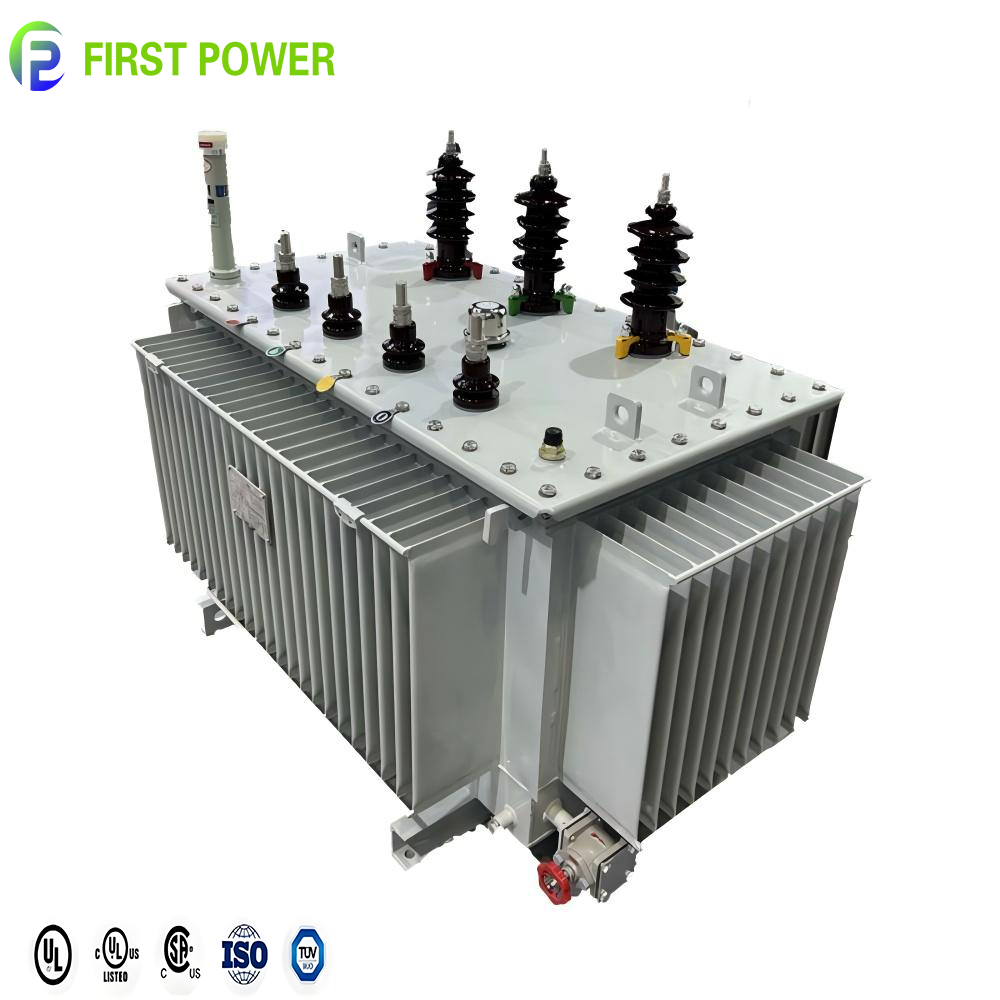
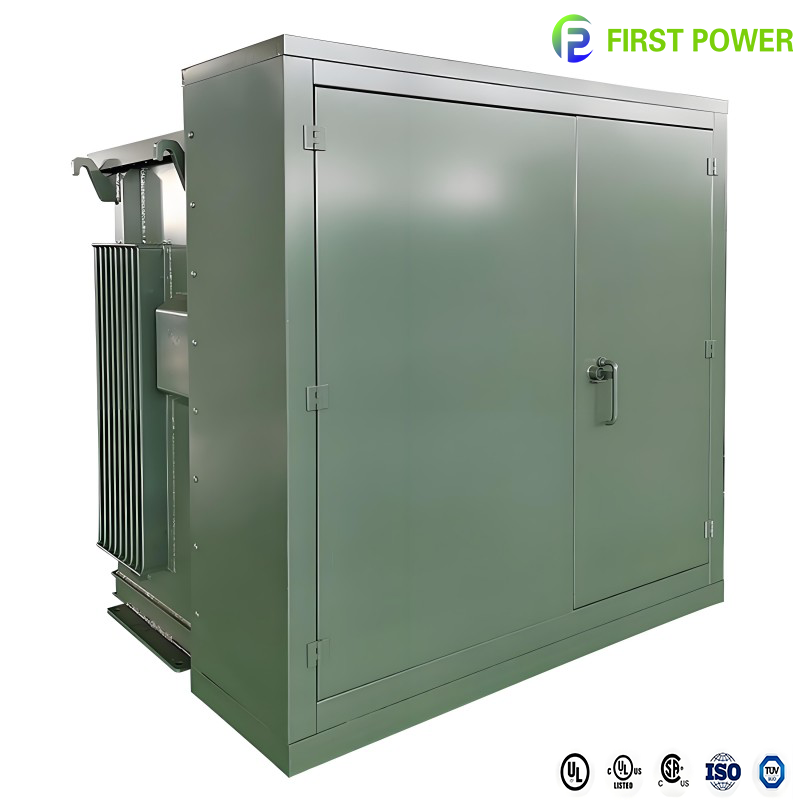
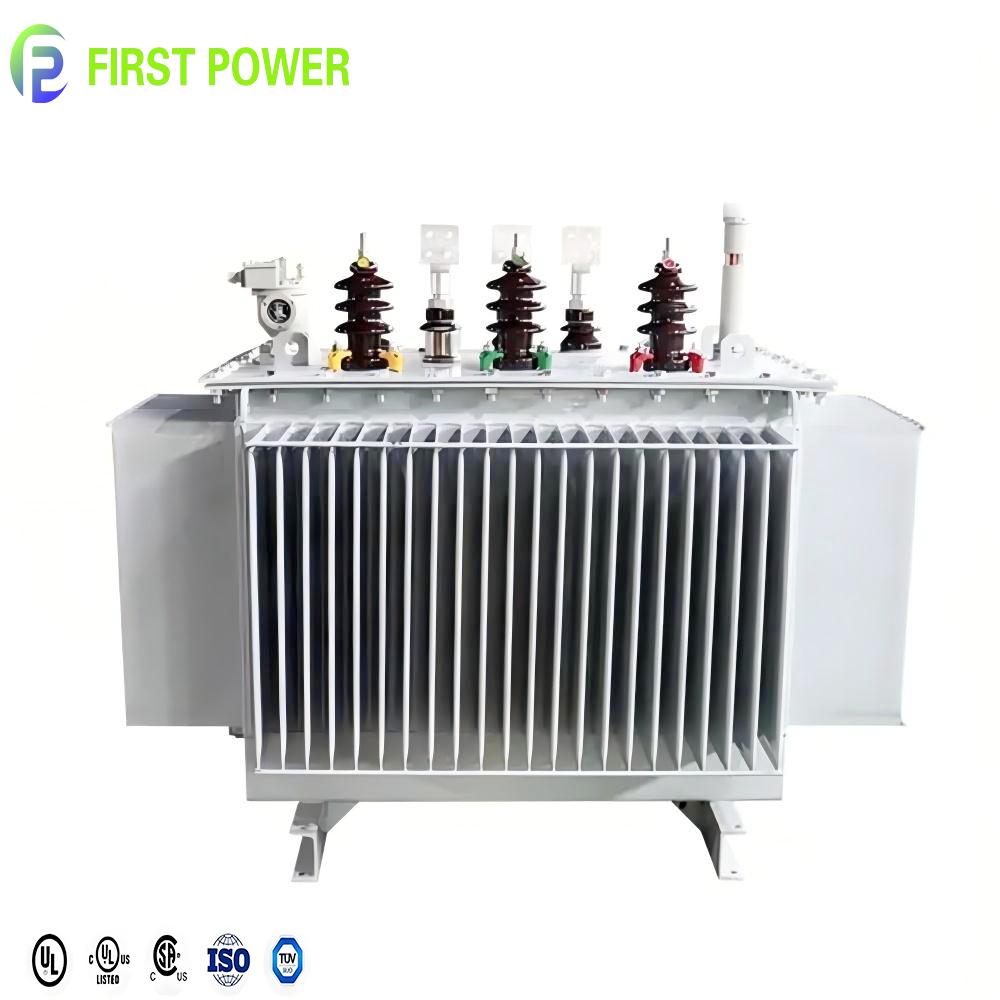
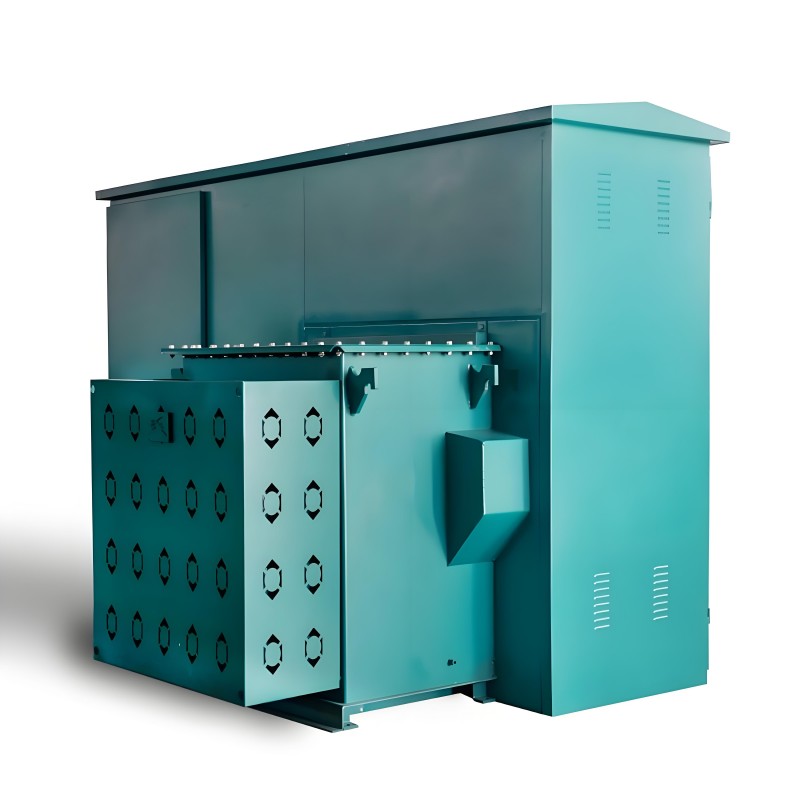
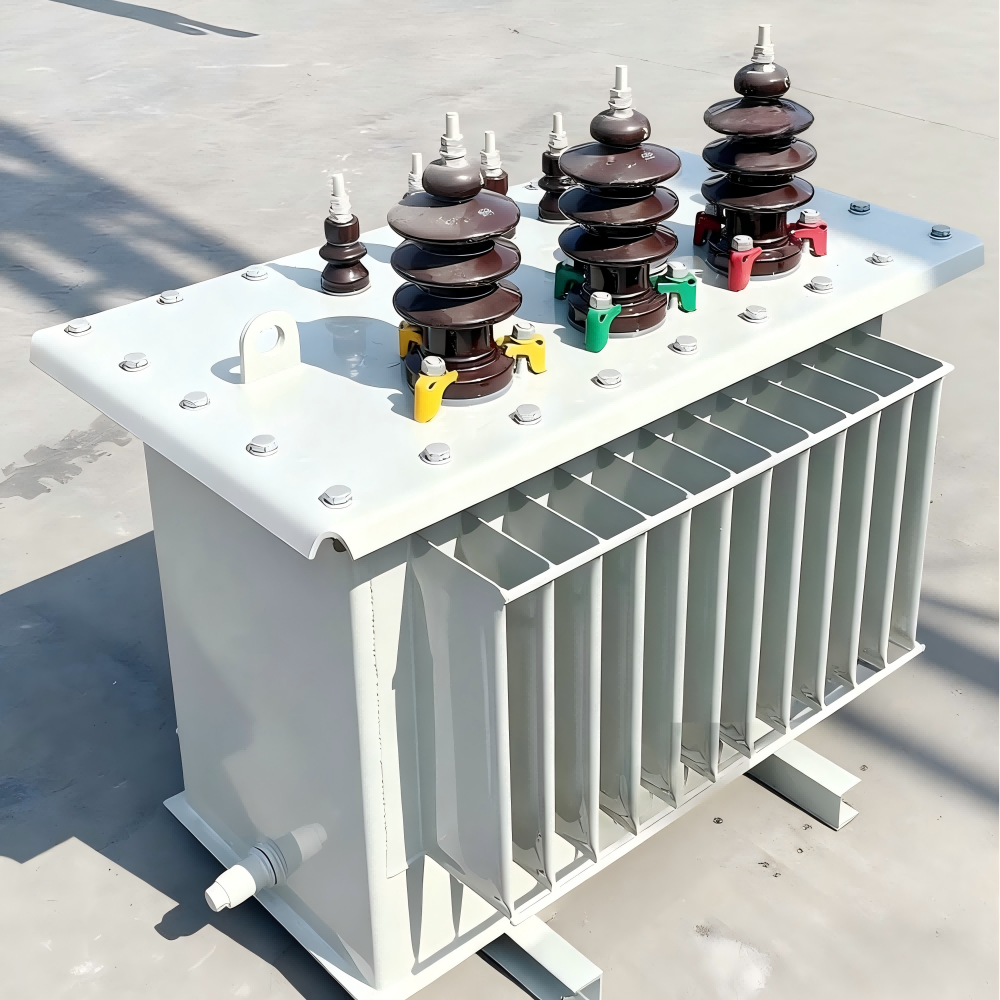
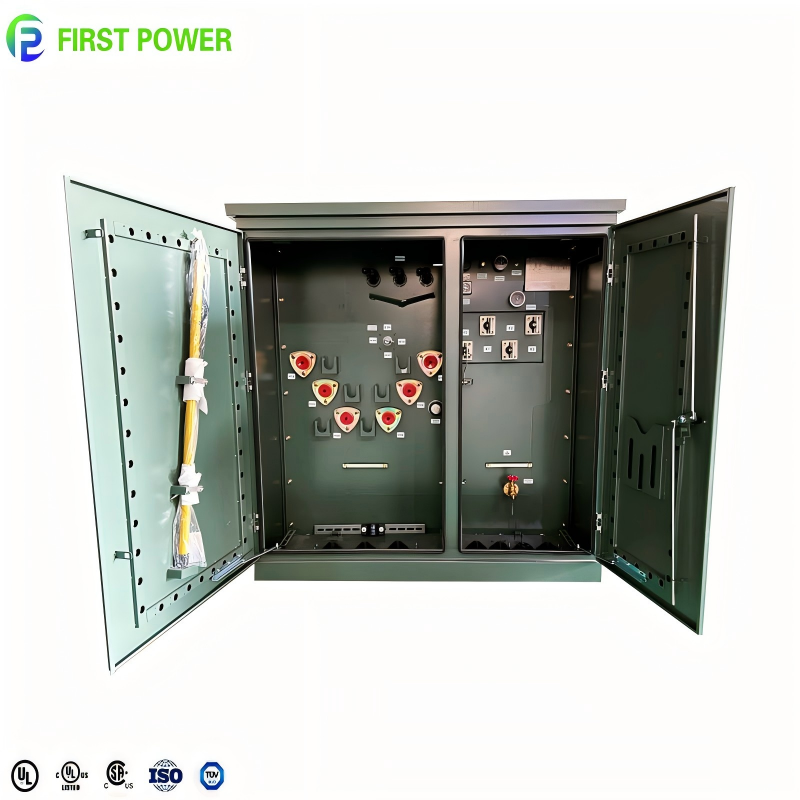
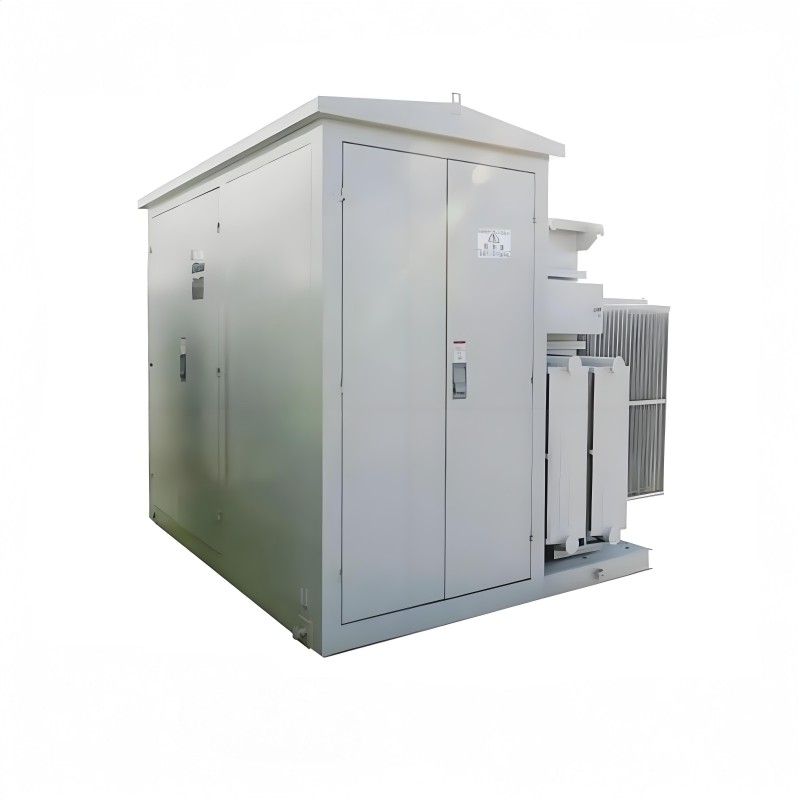
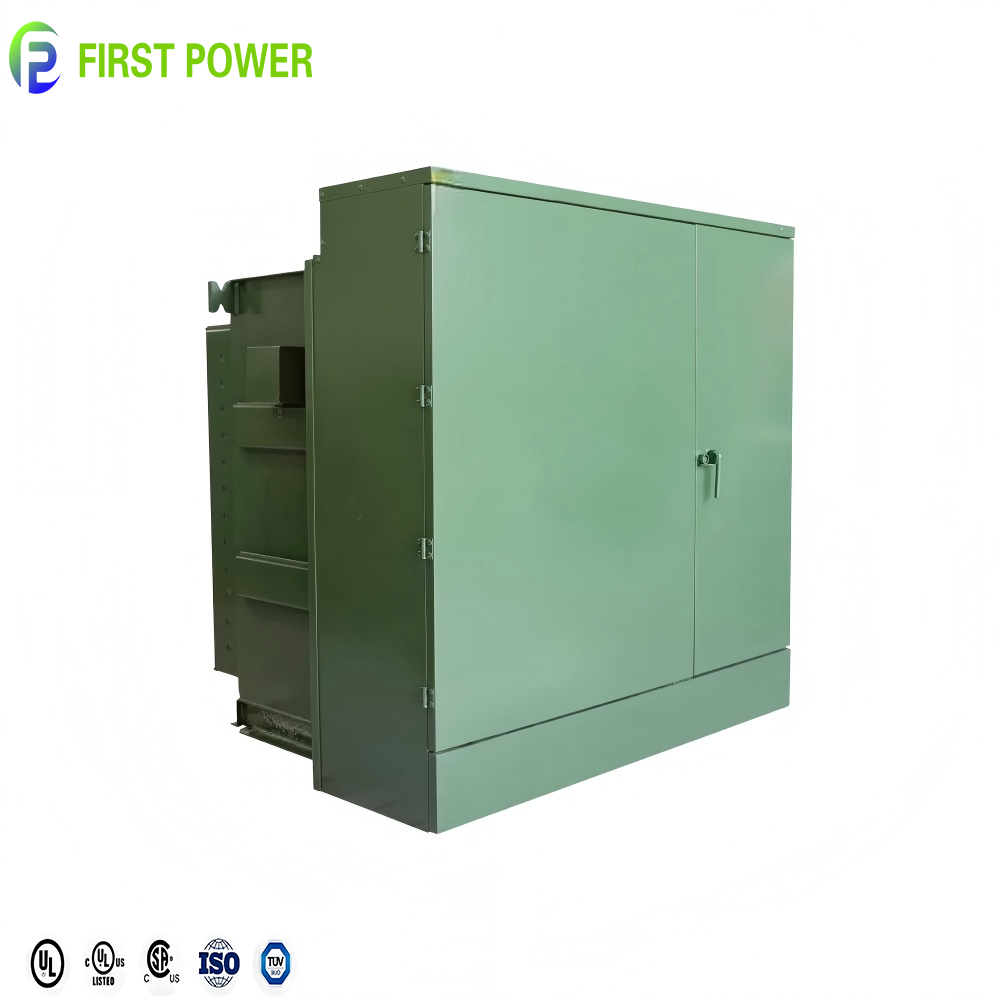
Technical White Paper: Pole Mounted Distribution Transformers for the Rwandan Power Grid
The electrification strategy of Rwanda, managed under the umbrella of the Rwanda Energy Group (REG) and executed by the Energy Utility Corporation Limited (EUCL), presents a unique set of geographic, climatic, and technical requirements. As Rwanda drives toward 100% universal access under the National Electrification Strategy (NES) and Electricity Access Rollout Program (EARP), pole mounted transformers serve as the foundational backbone of medium-to-low voltage stepping down across rural, peri-urban, and mountainous terrain.
Procuring distribution equipment for Rwanda requires navigating distinct challenges: high ambient elevation across the central plateau and Western Rift Valley, severe seasonal lightning intensity (high keraunic levels), heavy bimodal rainfall, and specific primary MV distribution voltages—principally 30 kV and 11 kV at 50 Hz. Jiangsu Wisegj Power Co., Ltd. custom-engineers pole mounted transformers specifically modified to meet or exceed IEC 60076 standards and EUCL technical specifications, eliminating common failure modes associated with standard off-the-shelf equipment.
1. Environmental Engineering for High Altitude & Atmospheric Stress
Rwanda’s topography ranges from 1,000 meters above sea level in the East to over 2,500 meters in the volcanic Northern and Western provinces (e.g., Kigali at ~1,560m, Musanze at ~1,850m). At altitudes exceeding 1,000 meters, thin air density severely degrades heat dissipation by convection and lowers dielectric breakdown strength across external clearances. Standard transformers deployed in these high-altitude conditions suffer accelerated thermal aging, insulation degradation, and premature dielectric breakdown.
- Thermal Derating & Temperature Rise Control: For every 500m elevation above 1,000m ASL, ambient air cooling capacity drops significantly. Wisegj transformers designed for Rwanda utilize enlarged corrugated cooling radiators and optimized oil channels, limiting top-oil temperature rise below 55K and winding temperature rise below 60K under full load.
- Insulation & BIL Enhancement: Atmospheric air breakdown voltage drops at high elevation. Wisegj supplies extended creepage porcelain or composite silicone rubber bushings with basic impulse level (BIL) ratings elevated to 170kV or 200kV for 30kV MV systems, preventing flashovers during lightning surges.
- High-Keraunic Protection: The East African Rift Valley experiences intense lightning strikes. Our pole-mounted units feature integrated tank-mounted zinc-oxide (ZnO) surge arresters directly connected to HV bushings with minimum lead inductance, shunting high-energy transient impulses safely to ground.
2. Technical Specifications Matrix: Standard vs. Wisegj Rwandan Variant
Below is an engineering comparison detailing how Jiangsu Wisegj Power Co., Ltd. adapts standard S11 oil-immersed distribution transformers to meet the rigorous demands of REG/EUCL operational environments.
| Technical Parameter | Standard IEC 60076 Specification | Wisegj REG/EUCL Customized Variant | Engineering Benefit in Rwanda |
|---|---|---|---|
| Primary System Voltage | 10 kV or 33 kV | 11 kV or 30 kV (±2x2.5% or ±5% NLTC) | Direct alignment with Rwandan MV backbone networks without voltage offset. |
| Secondary Voltage | 400 V / 230 V (50 Hz) | 415 V / 240 V or 400 V / 230 V (4-wire) | Compensates for LV line voltage drop across long rural distribution radial feeds. |
| Altitude Capability | Up to 1,000 m ASL | Up to 2,500 m ASL (Customized Design) | Prevents overheating and arc flashover in Kigali, Musanze, and Rubavu. |
| Vector Group | Dyn11 or Yyn0 | Dyn11 (Standard for 3-phase load balance) | Suppresses 3rd harmonics and tolerates severe single-phase unbalance in rural loads. |
| Core Material & Losses | Standard M4 CRGO Steel | High-Grade 23ZH090 / Amorphous Alloy | Reduces no-load losses by up to 30%, saving energy costs during off-peak hours. |
| Insulating Fluid BDV | > 30 kV (Unused Mineral Oil) | > 50 kV (Inhibited Mineral Oil / Synthetic Ester) | Higher dielectric margin resisting moisture ingress during intense rainy seasons. |
| Surface Protection | C3 Industrial Paint (80 µm) | C4/C5-M Multi-Layer Epoxy Polyurethane (≥120 µm) | Prevents tank rusting from UV radiation, high humidity, and tropical rainfall. |
Engineering & Manufacturing Authority from China
Jiangsu Wisegj Power Co., Ltd. combines state-of-the-art manufacturing infrastructure with stringent quality assurance to deliver utility-grade transformers worldwide.
6,847 m² Verified Production Plant
Our facility is equipped with automated vacuum drying chambers, foil winding machines, computerized core stacking bays, and state-of-the-art testing halls verified onsite by TÜV Rheinland.
Triple ISO & International CE Certification
Operates under certified ISO 9001:2015 (Quality), ISO 14001:2015 (Environment), and ISO 45001:2018 (Safety) management systems. Full CE certification covering oil-immersed, dry-type, and pad mounted series.
Custom OEM/ODM Engineering Team
With 50+ dedicated engineers, we provide tailored vector group options, loss evaluation optimization, dual-voltage primary windings, and custom enclosure dimensions for specialized local tender requirements.
100% Factory Routine Test Routine
Every single unit undergoes routine testing prior to dispatch: winding resistance, voltage ratio, vector group verification, short-circuit impedance, no-load & load loss measurement, and dielectric oil BDV testing.
Robust Tropical Export Packaging
Transformers are shipped in hermetically sealed moisture-proof barrier bags inside reinforced seaworthy wooden crates fitted with shock and tilt indicators to guarantee damage-free delivery to East Africa.
Streamlined Logistics to Kigali Corridor
Deep experience managing ocean freight into Mombasa (Kenya) or Dar es Salaam (Tanzania), combined with efficient transit handling into Kigali via the Northern or Central logistics corridors under DDP/CIF terms.
Local Market Trends: The Electrification Landscape in Rwanda
Rwanda’s energy sector is undergoing rapid modernization driven by strategic government initiatives aimed at transforming the country into a regional commercial and technology hub. Contractors, independent power producers (IPPs), and utility procurement managers operating in Rwanda must align their equipment specifications with several key sector trends:
1. Expansion of the 30 kV Grid Architecture
REG/EUCL has increasingly standardized on 30 kV medium voltage distribution lines to reduce transmission losses across long distances from hydroelectric plants (e.g., Nyabarongo, Rusumo) and solar installations. Legacy 11 kV circuits are progressively being upgraded or augmented by 30 kV step-down networks. Exporters must be capable of supplying certified 30kV / 400V pole-mounted units with precise tap-changer ranges to handle voltage regulation across expansive rural feeders.
2. Off-Grid Hybridization & Mini-Grid Interconnection
In remote terrain where grid extension is challenging, micro-hydro plants and solar PV mini-grids provide localized power. Pole-mounted transformers serve a dual function here: stepping up generated voltage for local reticulation or stepping down distribution power for village clusters. Compatibility with variable renewable energy inputs, high harmonic tolerance, and bidirectional load flows are increasingly mandated by local EPC contractors.
3. Loss Reduction and High-Efficiency Directives
Technical and non-technical losses represent a major cost center for power utilities in Sub-Saharan Africa. EUCL technical guidelines strictly enforce low no-load (iron) and load (copper) loss limits for all newly commissioned transformers. Jiangsu Wisegj Power utilizes high-permeability, laser-scribed grain-oriented silicon steel cores with step-lap mitered joints, significantly exceeding baseline efficiency targets and reducing total cost of ownership (TCO) over a 30-year operational lifecycle.
Frequently Asked Questions by Rwandan Utility Buyers
Clear, authoritative technical answers addressing grid integration, logistics, customs clearance, and specification compliance for importing Chinese transformers into Rwanda.
Partner with China's Premier Transformer Exporter for Your Rwandan Projects
Need compliant technical datasheets, CAD drawings, or competitive tender pricing for 11kV/30kV pole-mounted and pad-mounted transformers? Contact our senior power system engineers today.