Düsseldorf’s Pad Mounted Transformer Question: How Do You Shortlist a Top 10 Supplier?
For buyers searching for a Top 10 pad mounted transformer manufacturer & supplier serving Düsseldorf, the decisive question is not simply price per kVA. It is whether the transformer will satisfy German grid practice, local site constraints, loss-capitalisation rules, shipping documentation and long-term service expectations.
Standards Fit First
Düsseldorf projects typically follow IEC and DIN/VDE practice rather than North American ANSI enclosure conventions. A credible supplier should confirm IEC 60076 testing, 50 Hz design, 20 kV ring-network compatibility and the local grid operator’s technical connection conditions before quoting.
Load Reality Beats Catalogue Data
Media Harbour offices, Rhein-Ruhr logistics hubs, data centres and EV charging parks create harmonic-rich, cyclic and space-constrained loads. The right pad mounted transformer specification should address impedance, temperature rise, noise, ventilation, connector type and future capacity — not only nameplate kVA.
Landed Cost and Evidence
A Düsseldorf buyer needs a quotation that can survive internal review: guaranteed losses, EU Ecodesign alignment, CE documentation, routine test reports, export packing, Incoterms and a clear route to Rotterdam, Antwerp or Hamburg before inland delivery.
This page is written as an engineering shortlist framework. It explains what a top-tier supplier should prove, how pad mounted and oil-immersed transformers are applied in and around Düsseldorf, and where Jiangsu Wisegj Power Co., Ltd. fits as a China-based manufacturer with IEC, CE and ISO-backed documentation.
Capacity Behind the Shortlist Decision
Wisegj’s factory and quality system are presented here as auditable facts, not marketing claims. Düsseldorf procurement teams can request certificates, drawings, test formats and third-party inspection support before order placement.
Eight Transformer Families Recommended for Düsseldorf Projects
The eight products below cover pad mounted distribution, industrial pedestal transformers, oil-immersed distribution units, single-phase applications and solar PV interconnection. Use them as a starting point for a Düsseldorf-specific specification review.
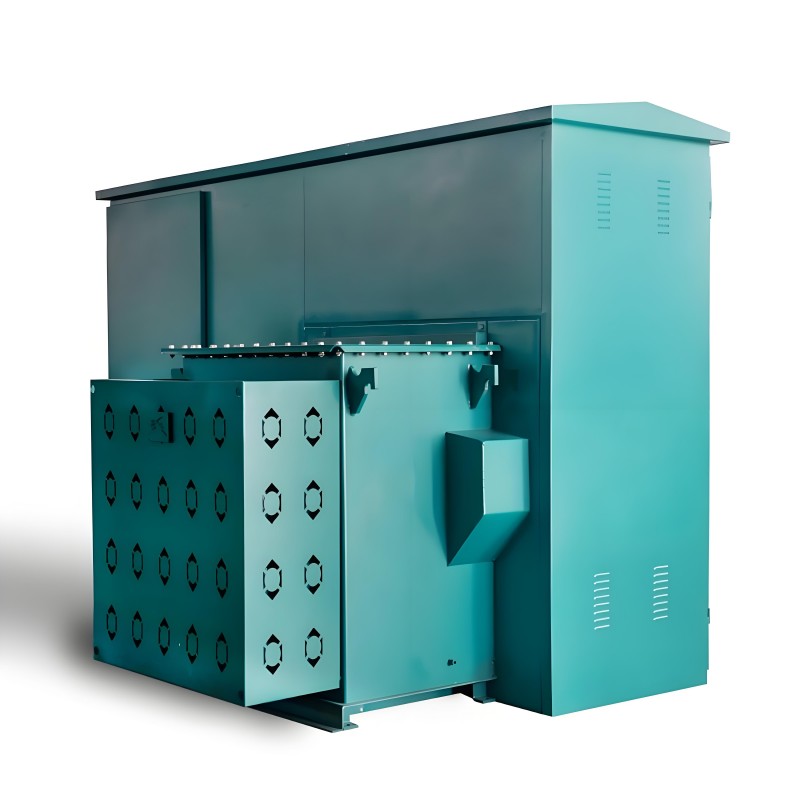
C Certified Oil-Type Cooper 75-2500kVA Pad Mounted Transformer 6kV-34.5kV 50/60Hz Dead Front Three Phases
A strong fit for Düsseldorf commercial complexes, data-centre yards and underground distribution where dead-front construction and tamper-resistant enclosure design are preferred.
- Range: 75–2500 kVA
- Voltage: 6–34.5 kV class
- Application: loop/radial distribution
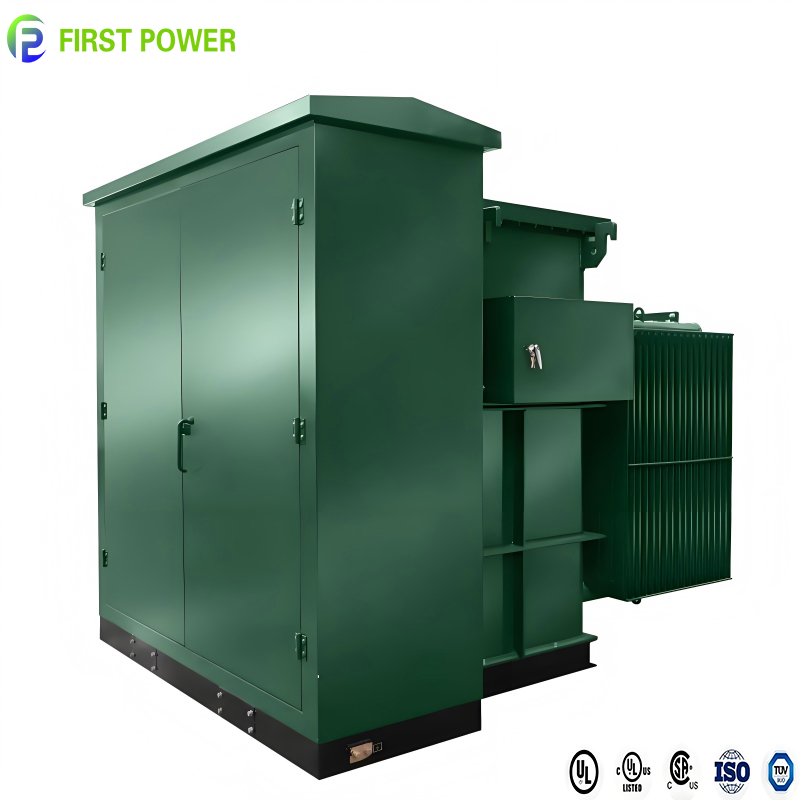
C CE 50/60HZ 6KV 10KV 15KV 20KV 35KV 100KVA 300KVA 500KVA 630KVA 3 Phase Pad Mounted Pedestal Transformer for Industrial
Suited to Rhein-Ruhr industrial parks, logistics facilities and factory expansions where a robust pedestal transformer must serve motors, conveyors and process loads.
- Range: 100–630 kVA
- Frequency: 50/60 Hz
- Application: industrial distribution
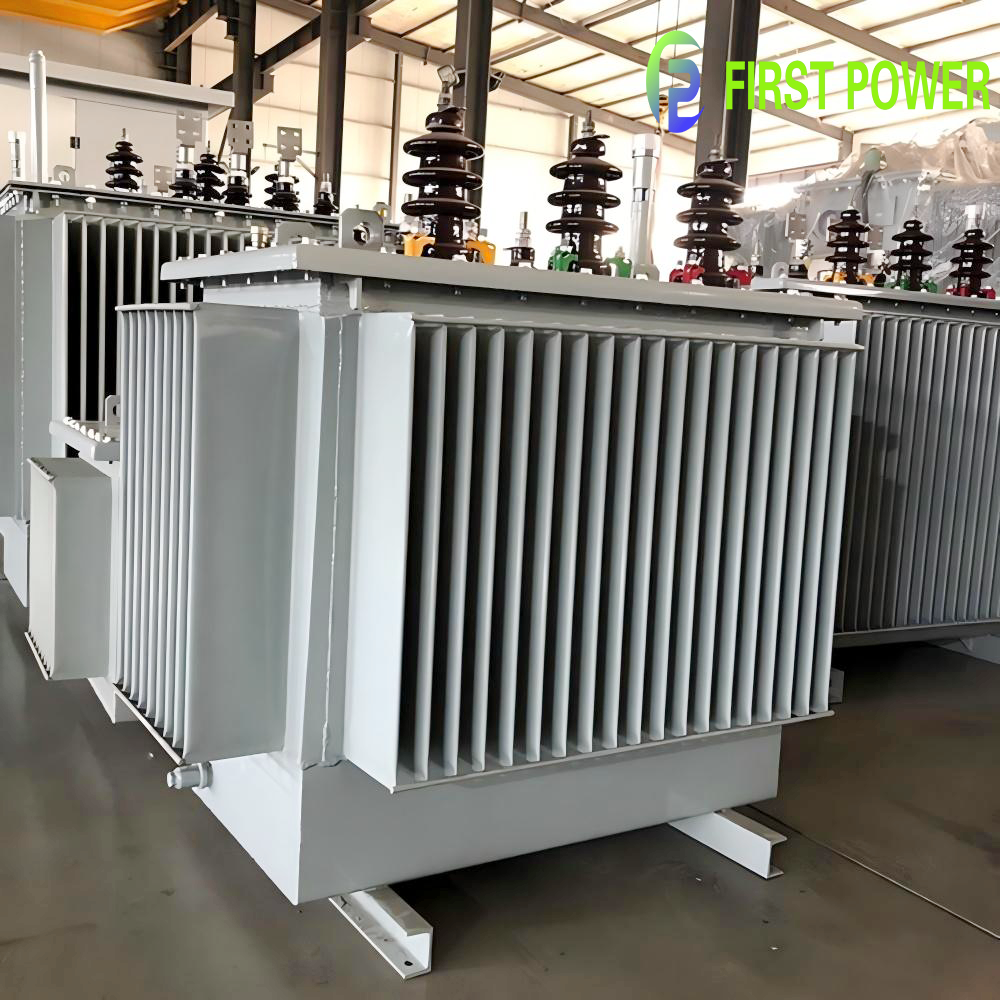
C CE MV&HV S11 50/60HZ 10KV 20KV 35KV Three Phase Oil Immersed 50KVA Transformer for Electric Power Distribution
An IEC-style distribution transformer option for municipal reinforcement, commercial buildings and secondary substations where proven oil-immersed technology is required.
- Voltage: 10/20/35 kV class
- Rating: 50 kVA class
- Application: power distribution
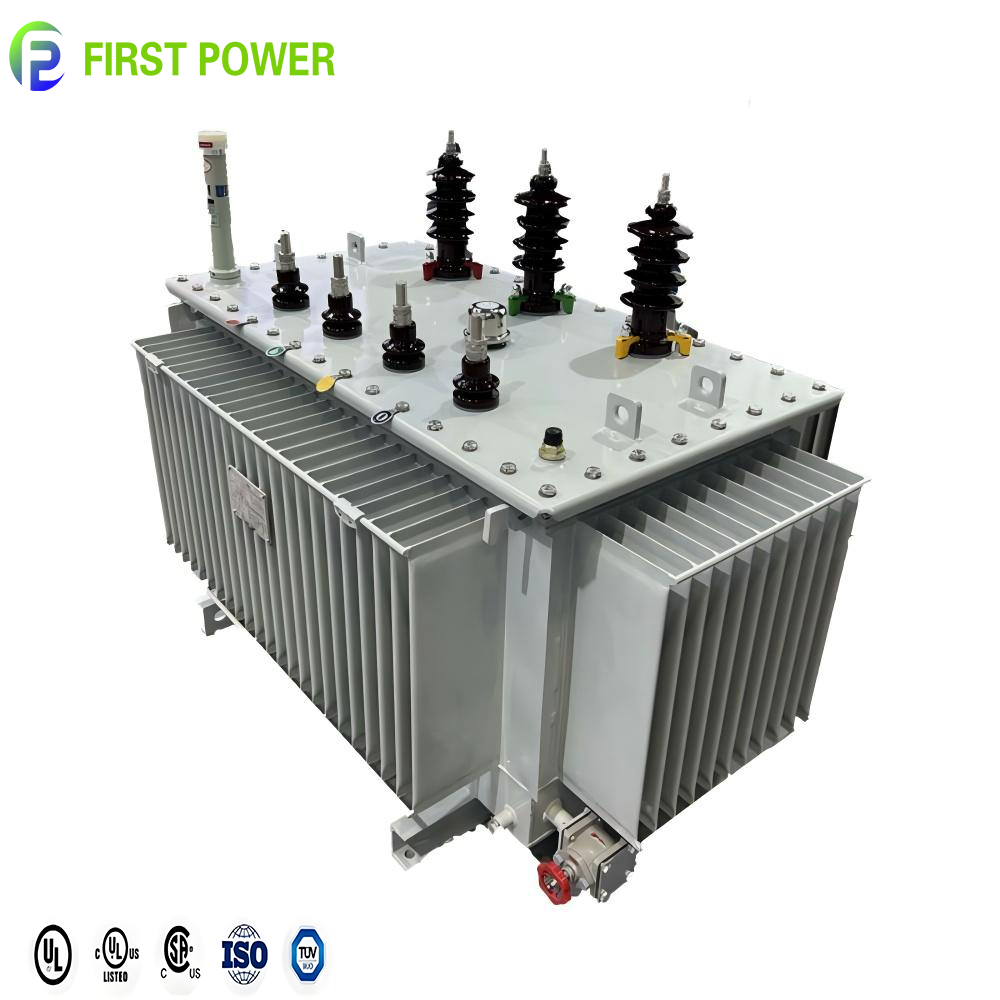
C CE 50/60HZ S11 10KV 20KV 35KV 50KVA 100KVA 200KVA 3 Phase Electrical Oil Immersed Transformer for Distribution System
Recommended when Düsseldorf tender documents require a clear loss evaluation, standard tap range and documented routine testing for a distribution transformer.
- Rating: 50–200 kVA
- Primary: 10–35 kV
- Use: electrical distribution systems
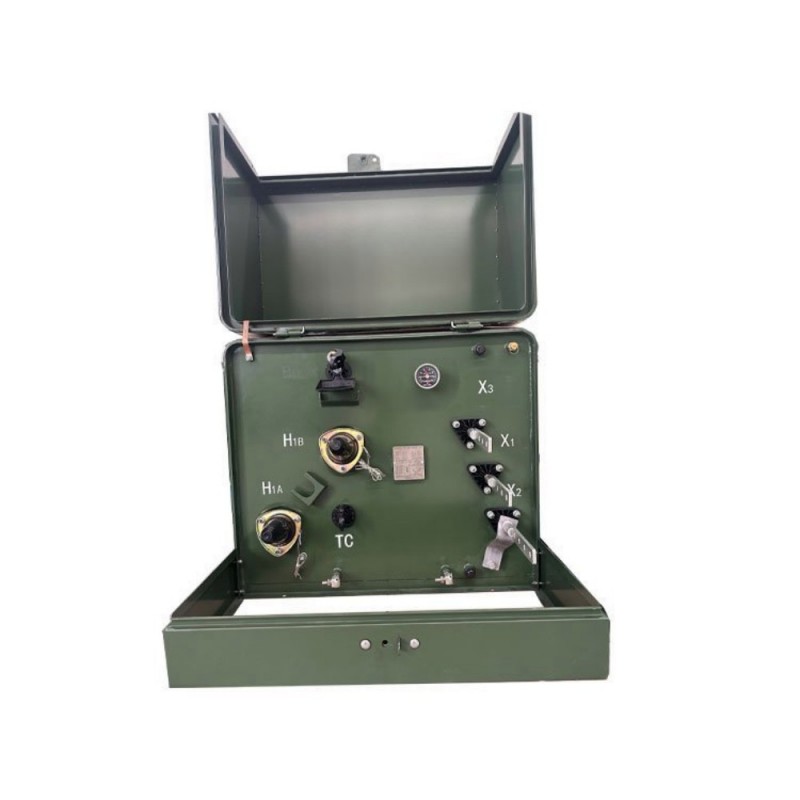
C Certification 6KV 10KV 13KV 20KV 34.5KV 50/60HZ Oil Type Single Phase 75KVA Pad Mounted Transformers
Useful for auxiliary supplies, lighting circuits, small commercial loads and distributed single-phase applications where a compact pad mounted footprint is an advantage.
- Rating: 75 kVA class
- Voltage: 6–34.5 kV
- Use: single-phase distribution
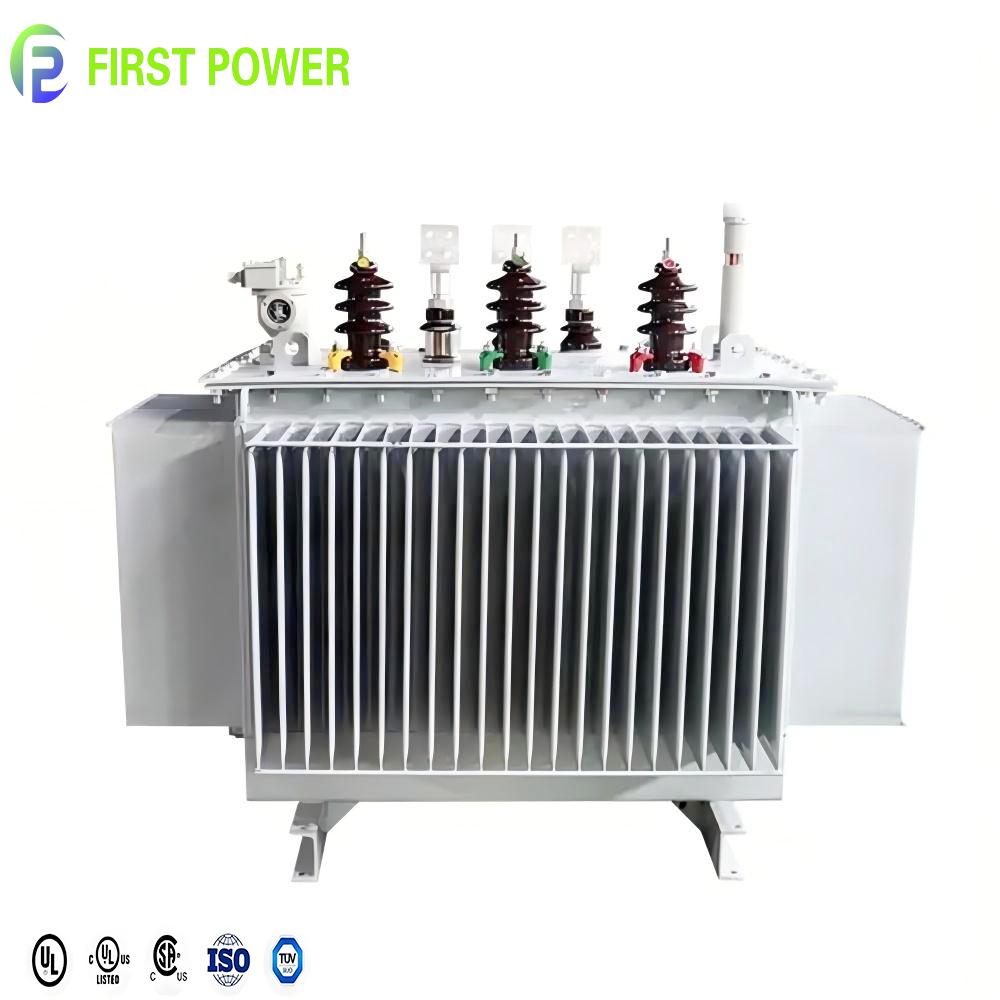
C CE S11 10KV 20KV 35KV 50KVA 100KVA 150KVA 200KVA 250KVA 3 Phase Oil-Immersed Transformer for Electric Power Distribution
Appropriate for commercial buildings, district energy rooms and utility substations needing a flexible 50–250 kVA oil-immersed transformer platform.
- Rating: 50–250 kVA
- Voltage: 10–35 kV
- Use: power distribution
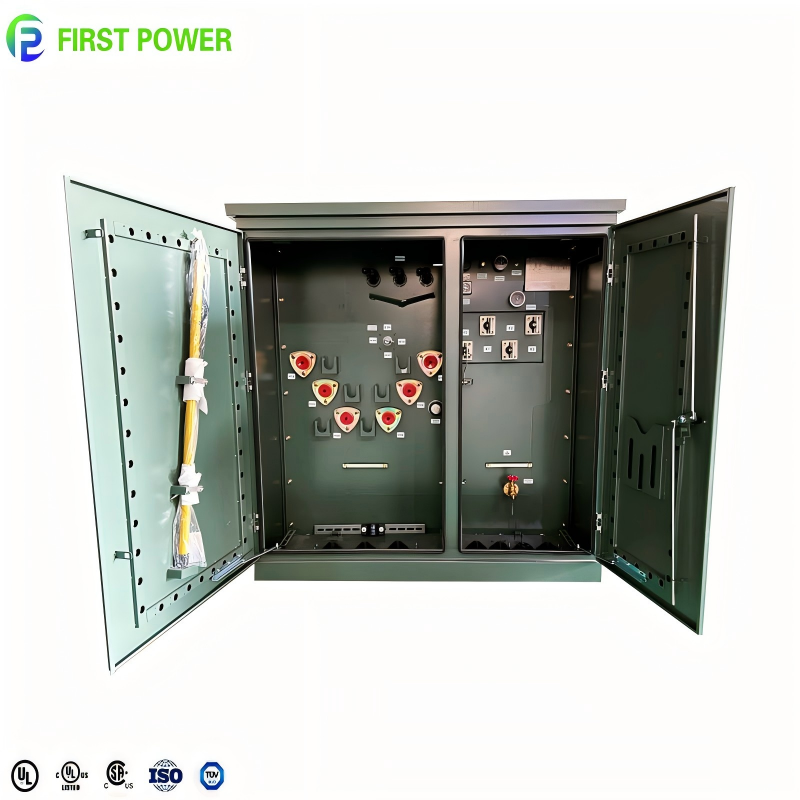
C ZGS11 50/60HZ 75KVA-50000KVA 6KV 10KV 15KV 20KV 35KV Three Phase Pad Mounted Transformer for Electric Power Distribution
For larger Düsseldorf-area projects where pad mounted configuration, high capacity and project-specific enclosure planning must be coordinated with civil works.
- Rating: 75 kVA–50 MVA class
- Voltage: 6–35 kV
- Use: electric power distribution
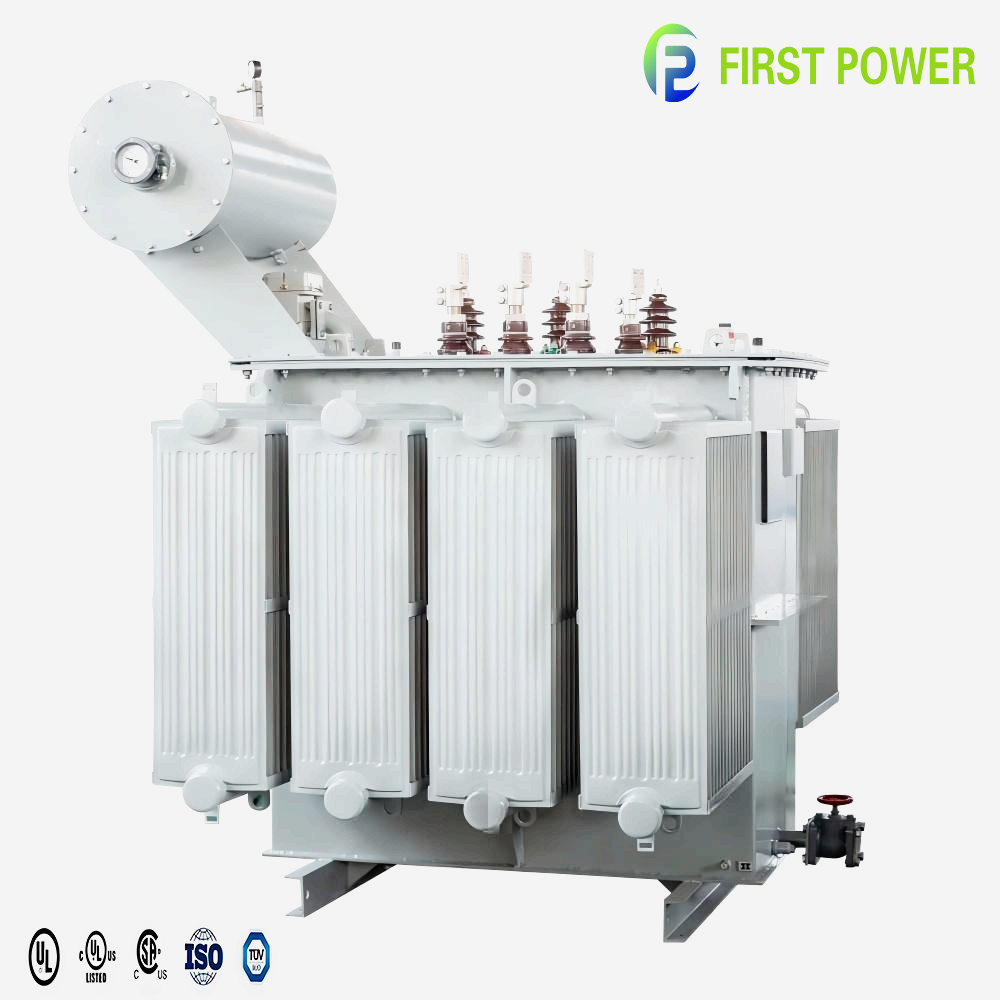
C Certification 50/60HZ 6KV 10KV 20KV 35KV Three Phase 1000KVA 1MW Solar PV Transformers Oil Immersed for Power Generation
Relevant to NRW renewable projects, corporate PPAs and EV charging hubs that require inverter-step-up or distributed generation interconnection.
- Rating: 1000 kVA / 1 MW class
- Voltage: 6–35 kV
- Use: solar PV power generation
Which Transformer Type Fits a Düsseldorf Project?
Use this comparison to align the equipment type with the site, network and approval pathway. Final selection should always be confirmed against the grid operator’s technical connection requirements.
| Transformer Type | Typical Düsseldorf Use | Specification Focus | Procurement Check |
|---|---|---|---|
| Three-phase pad mounted transformer | Commercial campuses, data centres, underground distribution, logistics yards | IEC 60076 design, loop feed, dead-front arrangement, enclosure access, corrosion protection | Confirm 50 Hz, vector group, impedance, connector interface and civil pad dimensions |
| Single-phase pad mounted transformer | Auxiliary power, lighting, small commercial loads and distributed single-phase service | Voltage ratio, phase balance, fuse coordination and compact footprint | Verify the load schedule and whether a three-phase unit would improve future flexibility |
| Oil-immersed distribution transformer | Municipal secondary substations, industrial plants, building services and district energy rooms | Loss capitalisation, tap range, oil preservation, temperature rise and noise | Request guaranteed losses, routine test report format and EU Ecodesign alignment evidence |
| Solar PV oil-immersed transformer | Renewable generation, corporate PPAs, EV charging hubs and distributed energy schemes | Harmonic duty, inverter compatibility, cyclic loading and grid interconnection study | Share inverter data, dynamic load profile and protection coordination assumptions |
| Compact substation / packaged solution | Space-constrained urban plots, Media Harbour developments and fast-track sites | MV switchgear, transformer and LV distribution in one enclosure; ventilation and fire strategy | Check IEC 62271-202, noise limits, access clearances, lifting plan and factory assembly scope |
Engineer’s note: German urban distribution typically follows IEC/DIN-VDE practice and 50 Hz network design. If a global project uses ANSI/IEEE drawings, the supplier should state explicitly which standard governs enclosure, bushings, testing and nameplate data.
Where Pad Mounted Transformers Matter in Düsseldorf
The Düsseldorf and Rhein-Ruhr market combines dense urban development, high-value commercial infrastructure, river logistics and ambitious decarbonisation targets. These four application profiles shape many technical enquiries.
Media Harbour & CBD
Architectural offices, hotels, retail and data rooms demand compact equipment, low noise, controlled heat release and reliable service access. Underground cable networks and space-limited compounds often make pad mounted or packaged substation layouts attractive when coordinated with planning conditions.
Rhein-Ruhr Industrial Parks
Factories and logistics centres need transformers that tolerate motor starting, cyclic loads and future expansion. A clear load schedule, impedance review and spare-capacity plan are more valuable than a simple kVA match.
EV Charging & Data Loads
High-power charging hubs and digital infrastructure create harmonic-rich, non-linear demand. Düsseldorf buyers should ask for loss guaranteed values, temperature-rise compliance and monitoring options that support predictive maintenance.
Hospitals & Public Buildings
For hospitals, universities and public facilities, fire safety, maintenance access and continuity of supply dominate. Dry-type or ester-oil alternatives may be considered where indoor installation or environmental sensitivity limits mineral-oil equipment.
What Is Changing in Local Transformer Procurement?
Düsseldorf buyers are not only replacing transformers; they are redesigning secondary distribution around decarbonisation, digital operations and tighter urban space.
20 kV Ring Networks and Compact Substations
German medium-voltage practice commonly relies on ring-network architecture and packaged substations. Suppliers must be comfortable coordinating MV switchgear, transformer protection, LV distribution and enclosure ventilation as one engineered interface.
Loss Capitalisation and EU Ecodesign
Energy cost volatility has made no-load and load losses board-level topics. A Düsseldorf tender may compare capital cost against discounted lifetime losses, so guaranteed loss values, test methods and tolerance assumptions must be transparent.
Fire Safety and Natural Ester Interest
For sensitive sites, natural ester oil or dry-type transformers can reduce environmental and fire risks linked to mineral oil. The final choice should be based on fire strategy, substation location, maintenance capability and grid operator approval.
Digital Monitoring and Data Handover
Temperature sensors, voltage monitoring and digital nameplate data are increasingly expected in modern assets. Buyers should define the data protocol, sensor scope and handover format early, rather than treating monitoring as a post-installation add-on.
Space Constraints and Urban Undergrounding
Dense districts and mixed-use schemes push equipment into basements, courtyards and compact compounds. This increases the importance of enclosure dimensions, heat rejection, ventilation, cable entry direction and service clearances.
Supply-Chain Proof and Documentation Quality
Procurement teams want fewer surprises: CE documentation, routine test reports, material traceability, packing lists and export photos. A supplier that can provide complete documents early often reduces approval time more than a marginal price reduction.
A Practical Top-10 Checklist for Düsseldorf Buyers
Instead of comparing suppliers by brochure claims, score each candidate against these ten verification points.
Standard Governance
State whether IEC 60076, DIN/VDE practice, ANSI/IEEE or a mixed project specification governs design, testing and documentation.
50 Hz and Voltage Ratio
Confirm 10 kV or 20 kV primary, 400/230 V secondary where applicable, frequency, vector group, taps and neutral arrangement.
Loss and Efficiency
Request guaranteed no-load and load losses, tolerance basis, test method and how the values relate to EU Ecodesign requirements.
Impedance and Fault Duty
Check impedance against protection settings, fault levels, voltage regulation and future parallel operation.
Loop Feed and Connectors
Verify dead-front access, separable connector type, fuse coordination, cable entry direction and earthing provisions.
Enclosure and Corrosion
Match enclosure protection, finish, ventilation and security to the installation environment — from Düsseldorf courtyards to river-adjacent sites.
Noise, Heat and Access
Review sound pressure expectations, heat rejection, service clearances and lifting/access needs before civil works are fixed.
Testing and Witnessing
Confirm routine tests, oil tests, test report format and whether third-party or buyer witness inspection is allowed.
CE and Customs Pack
Check CE documentation, declaration of conformity, nameplate data, packing list, HS code support and inland delivery terms.
After-Sales and Spares
Ask who responds within one working day, how spare parts are quoted, and whether installation or commissioning documents are supplied in English or German.
Why Wisegj Can Support a Düsseldorf Tender
Jiangsu Wisegj Power Co., Ltd. is a China-based manufacturer and exporter of transformers and substation equipment. The company’s strength lies in combining engineered customization with export-ready documentation and repeatable factory testing.
Jiangsu Wisegj Power Co., Ltd. engineers and supplies pad mounted transformers, oil-immersed transformers, dry-type transformers, power transformers, compact substations, switchgear and related distribution equipment. The broader portfolio covers voltages from 220 V up to 500 kV, allowing one technical team to discuss distribution-level pad mounted units and larger substation equipment in the same project conversation.
For a Düsseldorf enquiry, the commercial value is not only the product itself. It is the ability to receive a specification review, a clear drawing package, guaranteed loss values, routine test reports and export documentation in a form that can be shared with consultants, contractors and internal quality teams. Wisegj states that its engineering team brings more than 20 years of transformer experience, that production runs under ISO 9001, ISO 14001 and ISO 45001 management systems, and that CE certificates are available across key product lines.
Production capability and floorspace have been verified onsite by TÜV Rheinland, an independent third-party inspection body. The company also reports 50+ R&D and technical engineers, 211 qualified supply-chain partners, OEM/ODM and design-based customization, 24-hour pre-sale and after-sale response, and finished-product inspection on every unit.
For buyers building an approved vendor list, this combination is useful because it supports both technical due diligence and commercial practicality: customizable ratings, English documentation, Incoterms flexibility and a documented factory quality pathway.
Send an InquiryAuditable Supplier Facts
From Düsseldorf Datasheet to Factory-Tested Equipment
A concise view of the engineering and inspection workflow used to reduce quotation ambiguity before shipment.
Specification Review
Engineers check kVA, voltages, 50 Hz, vector group, impedance, taps, ambient conditions, altitude, enclosure and applicable standards.
Drawing Approval
GA drawing, nameplate draft, loss guarantees, termination details and enclosure interfaces are confirmed before production release.
Controlled Production
Core, winding, drying, oil processing and tanking follow documented work instructions with in-process inspection records.
Routine Testing
Winding resistance, ratio/vector group, impedance and load loss, no-load loss and current, applied and induced voltage tests, plus oil dielectric tests where applicable.
Export Packing
Seaworthy packing, shock indicators where required, packing list, test reports and shipping documents support delivery toward Rotterdam, Antwerp, Hamburg or Düsseldorf.
Pad Mounted Transformer Questions Asked by Düsseldorf Buyers
These answers reflect the practical questions that arise when a German or international buyer compares a China-based transformer manufacturer with European suppliers.
Can you supply transformers for a 20 kV / 400 V, 50 Hz Düsseldorf network?
Yes. For German-style projects we typically review 10 kV, 20 kV or 35 kV primary equipment with 400/230 V secondary at 50 Hz, including vector group, tap range, impedance, loss guarantees and enclosure requirements. The final design should always be checked against the responsible grid operator’s connection conditions.
Should a Düsseldorf project use IEC or ANSI/IEEE standards?
German and most continental European distribution practice is aligned with IEC and DIN/VDE requirements. ANSI/IEEE pad mounted designs are usually specified for North American or globally standardized projects. We can engineer to the governing standard once the tender documents state it clearly.
What does CE documentation include for a transformer?
CE marking should be supported by a declaration of conformity, applicable standards, technical documentation and test evidence. For procurement, request the CE certificate scope, nameplate details and routine test reports together so that the equipment package is internally consistent.
How are transformers shipped to Düsseldorf?
Typical project logistics use sea freight to Rotterdam, Antwerp or Hamburg followed by inland transport to Düsseldorf, or direct trucking where commercially suitable. We can quote EXW, FOB, CFR, CIF, DAP, DDP and other Incoterms, with packing details adapted to the transformer size.
Which factory tests are normally witnessed?
Buyers commonly review routine tests including winding resistance, voltage ratio and vector group, impedance and load loss, no-load loss and current, applied and induced voltage tests, and oil dielectric strength for liquid-filled units. Third-party witness inspection and buyer witness testing can be discussed before production.
Can documentation be supplied in English or German?
English drawings, test reports and O&M manuals are standard for export projects. Nameplate language, document language and customer-specific data fields can be customized when requested at quotation stage.
Can the transformer be customized for noise, space or fire safety?
Yes. Depending on the project, customization can cover ratings, vector group, impedance, tap range, bushing or connector configuration, cooling method, insulating fluid such as mineral oil or natural ester, enclosure finish, low-noise measures, monitoring provisions and nameplate data.
What information should I send for a fast Düsseldorf quotation?
Send rated power, primary and secondary voltage, frequency, vector group, impedance, tap range, cooling method, applicable standard, site altitude and ambient conditions, loss target, enclosure requirements and required delivery terms. A single-line diagram and load schedule can shorten the technical review considerably.
Need a Düsseldorf-Ready Pad Mounted Transformer Quotation?
Send your rating, voltage ratio, 50 Hz requirements, vector group, loss target, enclosure preference and delivery terms. Our engineering team can review the datasheet and respond with a specification-aligned proposal and documentation package.
Send an InquiryApplication support · CE and ISO documentation · Routine test reports · OEM/ODM customization · Export packing