Recommended Oil-Filled Transformers for Zagreb Grid & Industrial Systems
Engineered to IEC 60076, EU EcoDesign Directive Tier 2 (EN 50588-1), and Regional HOPS/HEP Grid Interconnection Technical Conditions
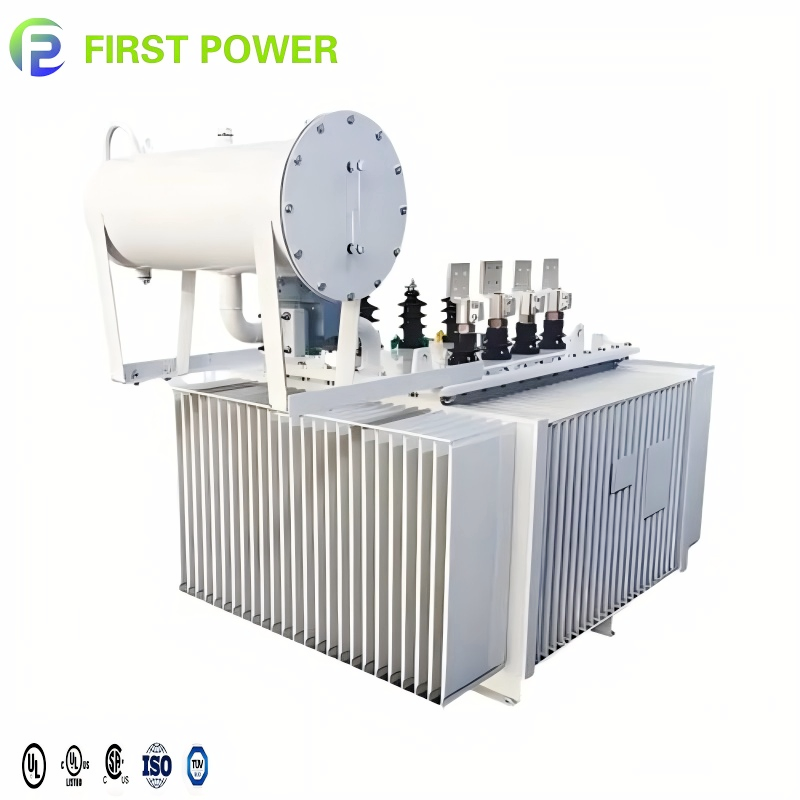
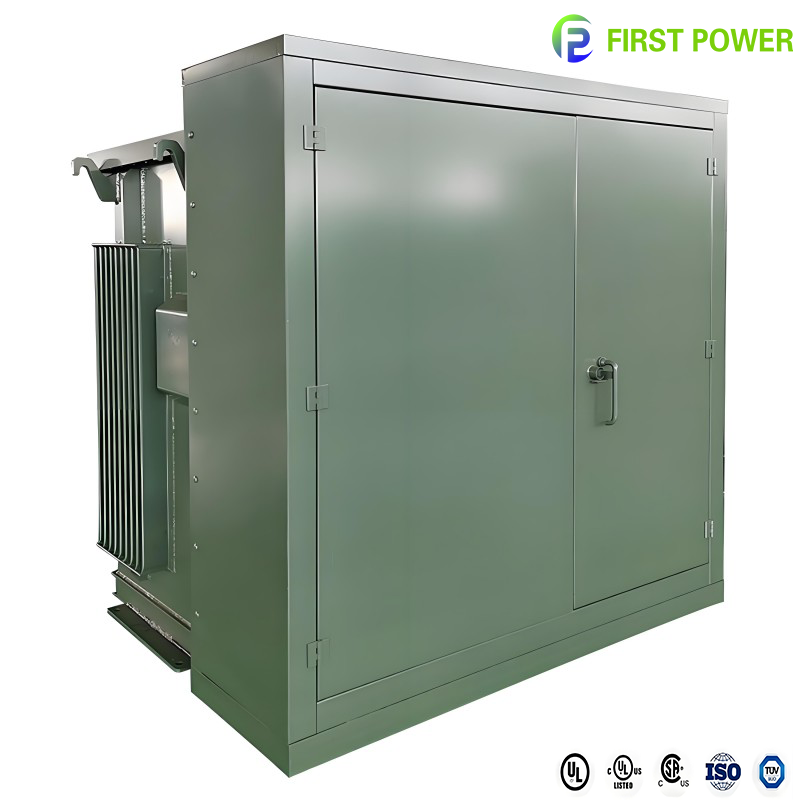
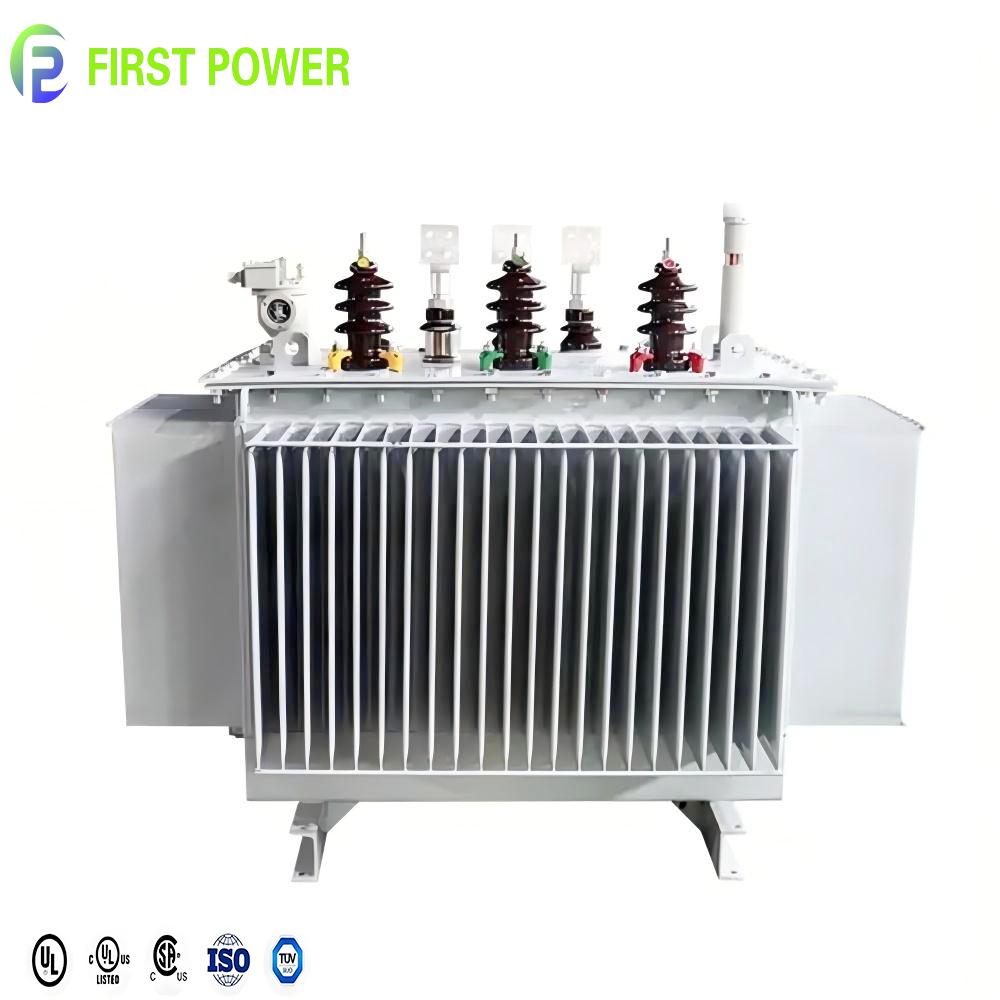
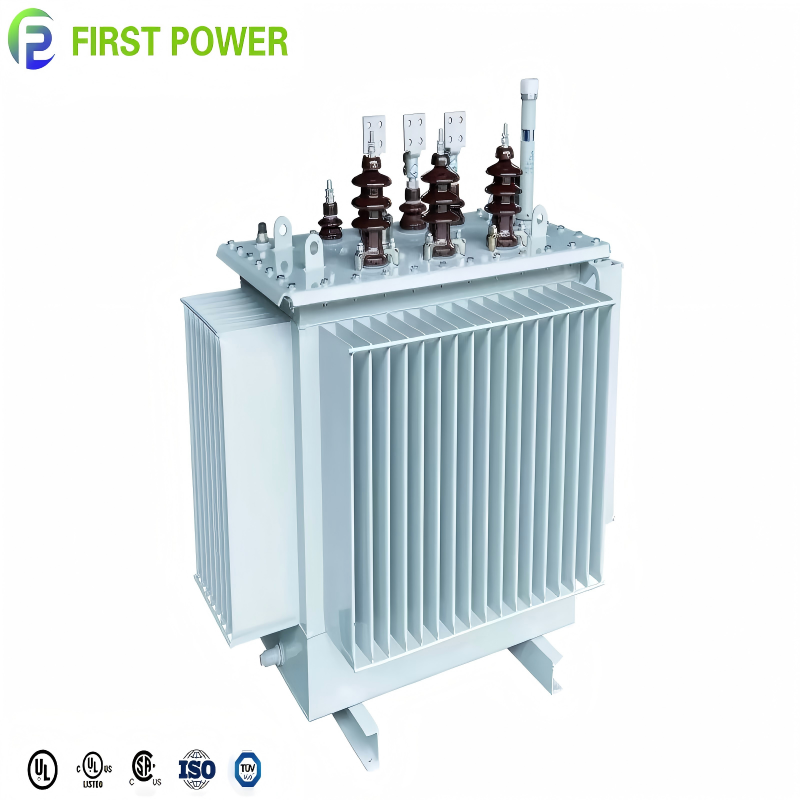
Executive Industry Overview: Transformer Modernization in Metropolitan Zagreb
The power distribution landscape of Zagreb and the broader Central Croatia region is undergoing a profound structural transition. Driven by the European Union Green Deal, Croatia's National Energy and Climate Plan (NECP), and ambitious grid modernization programs led by national power utility companies such as HEP ODS (Hrvatska elektroprivreda - Operator distribucijskog sustava) and HOPS (Hrvatski operator prijenosnog sustava), the demands placed on medium-voltage (MV) and high-voltage (HV) liquid-immersed power transformers have evolved significantly.
Historically reliant on standard 10kV distribution grids, Zagreb's expanding industrial rings—such as Jankomir, Lučko, and Sesvete—along with high-density suburban expansion in Novi Zagreb and Sveta Nedelja, are shifting toward standardized 20kV distribution systems. This transition aims to reduce network line losses, accommodate localized load increases from EV charging infrastructure, and absorb high penetration levels of distributed renewable energy sources (commercial rooftop PV, ground-mounted solar arrays, and biomass plants across Zagreb County).
Technical Information Gain Note for Croatian Electrical EPCs: When procuring liquid-immersed power transformers for deployment within the Zagreb metropolitan area or Zagreb County (Zagrebačka županija), designs must comply strictly with IEC 60076 standard series and European Commission Regulation (EU) No 548/2014 (amended by Directive 2019/1783) regarding maximum no-load ($P_0$) and load losses ($P_k$). Standardizing on dual-voltage primary/secondary windings (e.g., 10-20/0.4 kV) provides operational flexibility during ongoing distribution grid upgrades.
Key Localized Application Scenarios for Oil-Filled Transformers in Central Croatia
Oil-filled distribution and power transformers remain the gold standard for outdoor and utility applications in Croatia due to their superior thermal dissipation, self-healing dielectric properties, long service lifespan (often exceeding 30-40 years), and robust short-circuit withstand capabilities during severe atmospheric grid surges.
1. Industrial & Logistics Hubs (Jankomir, Sesvete, Lučko)
Zagreb’s major industrial logistics corridors demand continuous 24/7 power availability with minimal harmonic distortion. Transformer units serving industrial facilities, automated distribution hubs, and high-tech campuses (such as the Rimac Campus in Sveta Nedelja) require high overload capabilities, On-Load Tap Changers (OLTC) to correct step-down fluctuations under variable factory loads, and robust C3/C4 class surface corrosion treatments to withstand industrial ambient conditions.
2. Eco-Sensitive Sava River Basin Deployment
Environmental preservation along the Sava River valley and Zagreb’s municipal water protection zones demands rigorous oil containment protocols. For utilities operating in flood-prone or environmentally protected areas, transformers retrofitted with synthetic or natural ester fluids (FR3/K-class fluids) offer high fire points (>300°C) and 100% biodegradability, completely mitigating groundwater contamination risks while satisfying local Croatian environmental agency standards.
3. HEP ODS Urban Grid Retrofits & Compact Substations
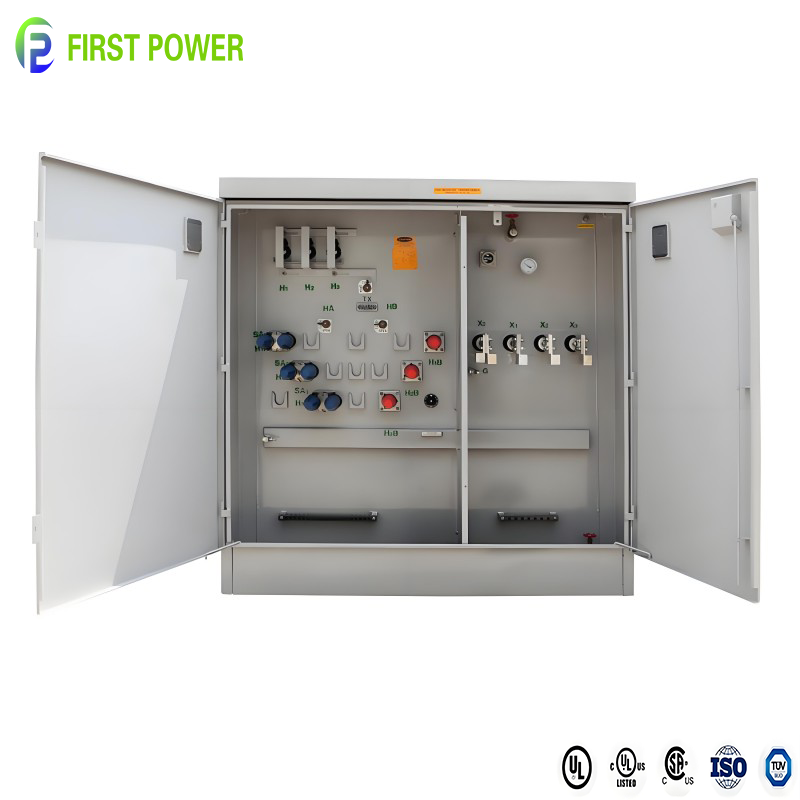
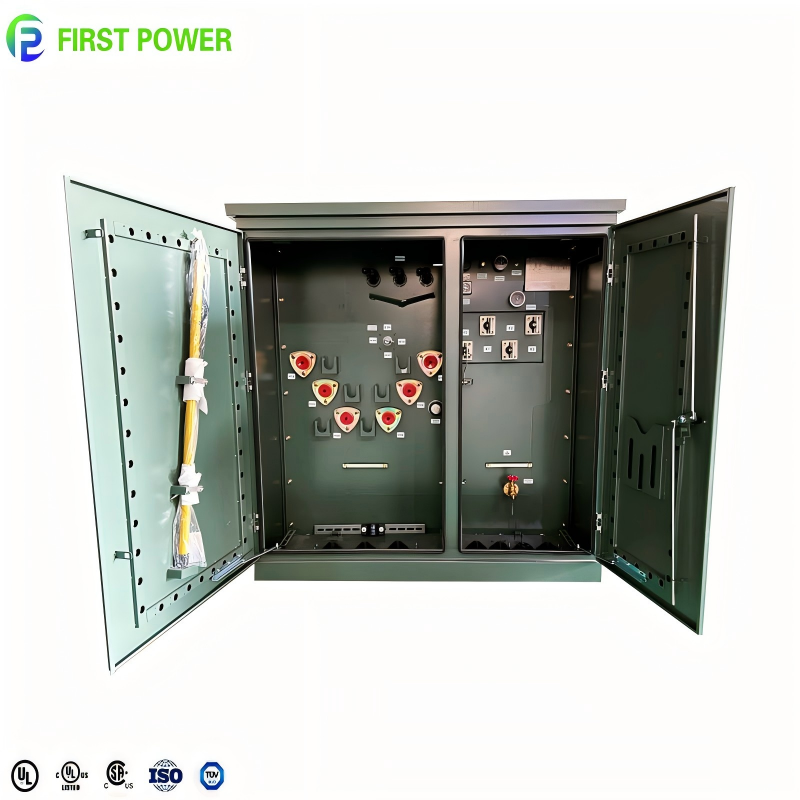
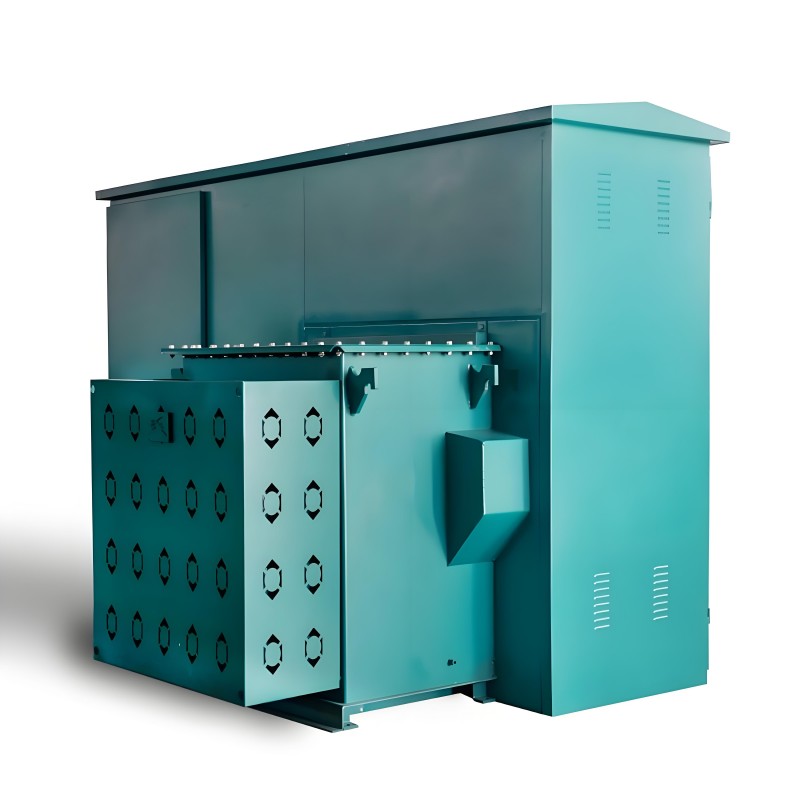
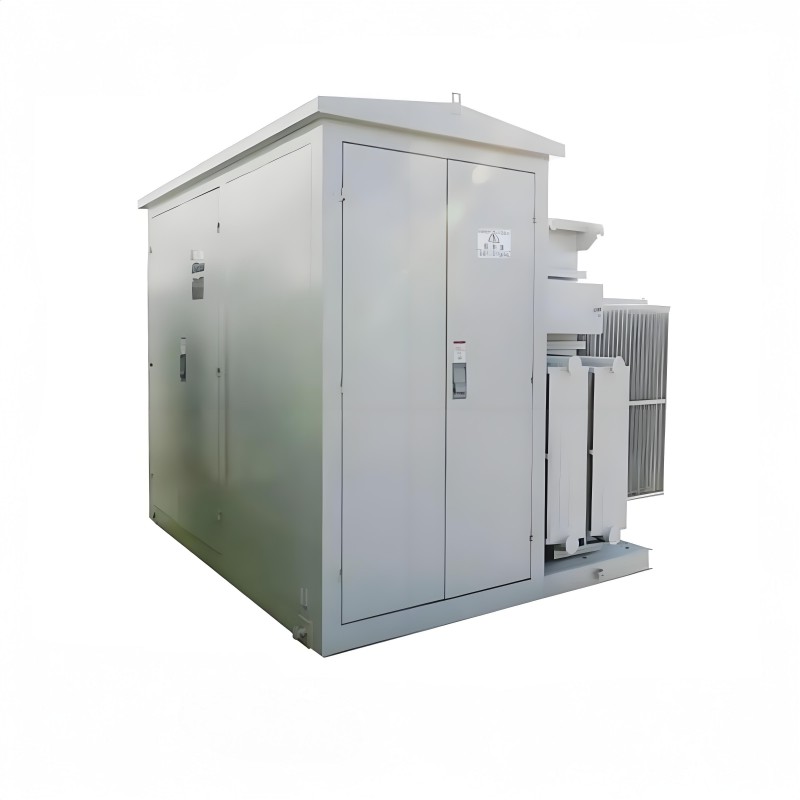
Urban central Zagreb features tight spatial footprints where traditional open-air substations are impractical. Compact, hermetically sealed oil transformers integrated into pad-mounted enclosures or prefabricated concrete substations (KTS - KTZ units) provide tamper-proof safety, low noise emission levels (<48 dB(A) for residential zones), and maintenance-free operation over extended duty cycles.
4. Grid Interconnection for Commercial Solar PV
With Croatia increasing its solar generation quota, commercial photovoltaic installations across Zagreb County rely on step-up oil transformers (e.g., 0.4kV to 10kV or 20kV). These units are specialized with electrostatic shielding between primary and secondary windings to isolate inverter switching harmonics, prevent DC bias saturation, and maintain stable grid power factor compliance required by HOPS.
Top 10 Oil Filled Power Transformer Manufacturers Serving Zagreb
To assist procurement directors, grid engineers, and EPC contractors in evaluating supplier options for Croatian tenders, the following matrix compares the leading domestic and international manufacturers supplying the Zagreb market:
| Manufacturer / Factory | Origin / Base | Primary Voltage Range | EcoDesign Tier 2 | Local Delivery & Customization Agility |
|---|---|---|---|---|
| Jiangsu Wisegj Power Co., Ltd. | China (Suzhou) | Up to 500 kV / 10-35kV MV | Fully Certified ($A_k B_k / A_0 B_0$) | High — Custom engineering, fast 4-6 week production, full OEM/ODM |
| Končar D&ST | Croatia (Zagreb) | Up to 170 kV | Fully Certified | High — Local domestic player with strong regional utility presence |
| Siemens Energy | Germany / EU | Up to 765 kV | Fully Certified | Medium — Extended lead times for custom non-standard orders |
| Hitachi Energy (formerly ABB) | Switzerland / EU | Up to 800 kV | Fully Certified | Medium — High cost structure, rigorous standard framing |
| Schneider Electric | France / EU | Up to 36 kV MV | Fully Certified | Medium — Fixed standard ranges, indirect supply through distribution |
| EFACEC Power Solutions | Portugal | Up to 420 kV | Fully Certified | Moderate — Focuses primarily on utility bulk power projects |
| SGB-SMIT Group | Germany | Up to 500 kV | Fully Certified | Moderate — Strong high-capacity utility expertise |
| SEA Transformers | Italy | Up to 170 kV | Fully Certified | Moderate — Specialized in liquid-immersed European designs |
| TETRA Elektrik | Turkey / EU export | Up to 36 kV | Certified on Request | High — Budget-conscious distribution units |
| Eaton Electrical | USA / Europe | Up to 36 kV | Fully Certified | Moderate — Strong focus on pad-mounted commercial packages |
Engineering Specification Guide: Key Parameters for Croatian Utility & Tender Compliance
Procuring power and distribution transformers for grid deployment in Croatia requires strict adherence to European standards and local grid operators’ requirements. Below are the key technical parameters that engineering teams must specify prior to issuing tenders:
1. Magnetic Core Material & Loss Limits (EU EcoDesign Tier 2)
Since July 2021, all liquid-immersed distribution transformers placed on the EU market must comply with Tier 2 maximum loss thresholds (EN 50588-1 / EC 548/2014). Manufacturers utilize high-permeability, Cold-Rolled Grain-Oriented (CRGO) silicon steel (such as 23ZH085 or 20ZH075) or Amorphous Alloy core structures. Utilizing step-lap 45° miter core joint cutting significantly reduces magnetic reluctance, excitation current, and acoustic noise levels.
2. Insulation Class, Temperature Rise & Thermal Vector
Standard mineral-oil-filled transformers are rated for Class A insulation (105°C) with a maximum winding temperature rise of 65K and top oil temperature rise of 60K under continuous full rated load in maximum ambient temperatures of 40°C (per Zagreb climate norms). Where high emergency overload capability is needed, hybrid insulation systems combining Nomex paper with high-fire-point ester fluids allow temperature rises up to 75K/80K without shortening insulation longevity.
3. Seismic Resilience & Mechanical Integrity
Zagreb experienced significant seismic events (e.g., the 2020 Zagreb earthquake). Transformer installations must adhere to Eurocode 8 (EN 1998) seismic design principles. Tank weldments, internal core-and-coil bracing, radiator supports, and conservator mountings must be engineered to withstand acceleration forces exceeding 0.3g without structural displacement or oil seal leakage.
4. Tank Sealing & Protection Devices
Distribution units are typically Hermetically Sealed Fully Oil-Filled (Hermetički zatvoreni) with corrugated expansion radiator walls (Fin-tank). This eliminates atmospheric oxygen and moisture contact, preventing dielectric breakdown and oil degradation over decades. Standard protection accessories must include:
- Integrated Safety Detector (RIS / Hermetic Relay): Monitoring internal gas buildup, overpressure, and oil level drops.
- Pressure Relief Valve (PRV): Calibrated spring-loaded discharge preventing tank rupture during severe internal faults.
- Dial-Type Oil Thermometer: Featuring adjustable micro-switches for alarm and trip control circuits.
- HV Plug-in Bushings (Elbow Connectors): Dead-front touch-safe terminations for pad-mounted units.
Why Jiangsu Wisegj Power Co., Ltd. is the Preferred Global Supply Partner
Jiangsu Wisegj Power Co., Ltd. brings over 20 years of specialized transformer manufacturing experience, serving power utilities, industrial giants, and EPC developers across Europe, the Americas, and Asia. Our factory spans 6,847 m² of certified production floor space equipped with automated winding machines, vacuum drying ovens, oil purification plants, and fully shielded high-voltage test laboratories.
- Third-Party Verified Credibility: Manufacturing facility and production capacities independently audited onsite by TÜV Rheinland.
- Complete Certification Portfolio: ISO 9001, ISO 14001, ISO 45001 management systems and official CE Certificates for oil-immersed power transformers (No. 3N230310.JYTU038 & M.2025.206.C121882).
- 100% Routine Factory Acceptance Testing (FAT): Every transformer unit undergoes routine testing per IEC 60076 standards prior to dispatch—including winding resistance, voltage ratio, vector group verification, short-circuit impedance, no-load/load loss measurements, applied/induced overvoltage withstand, and oil dielectric breakdown voltage (BDV) tests.
- Customized Electrical Engineering: Tailored voltage primary taps (e.g., ±2×2.5% or ±5%), custom vector groups (Dyn11, Yyn0, YNd11), dual primary ratings (10-20kV), and natural ester fluid options.
Frequently Asked Questions (FAQ) for Transformer Buyers in Croatia
Ready to Optimize Your Zagreb Power Grid or Industrial Project?
Contact our senior transformer engineering team today for technical consultation, EcoDesign compliance verification, customized GA drawings, and competitive factory-direct quotations.