8 Mineral Oil Transformer Product Families for Daegu Projects
These eight product families cover S11 distribution, pad-mounted, loop-feed, industrial on-load tap changer and larger oil-immersed transformer requirements. Each product URL is preserved exactly as supplied; for a new configuration, use the inquiry button beside the product grid.
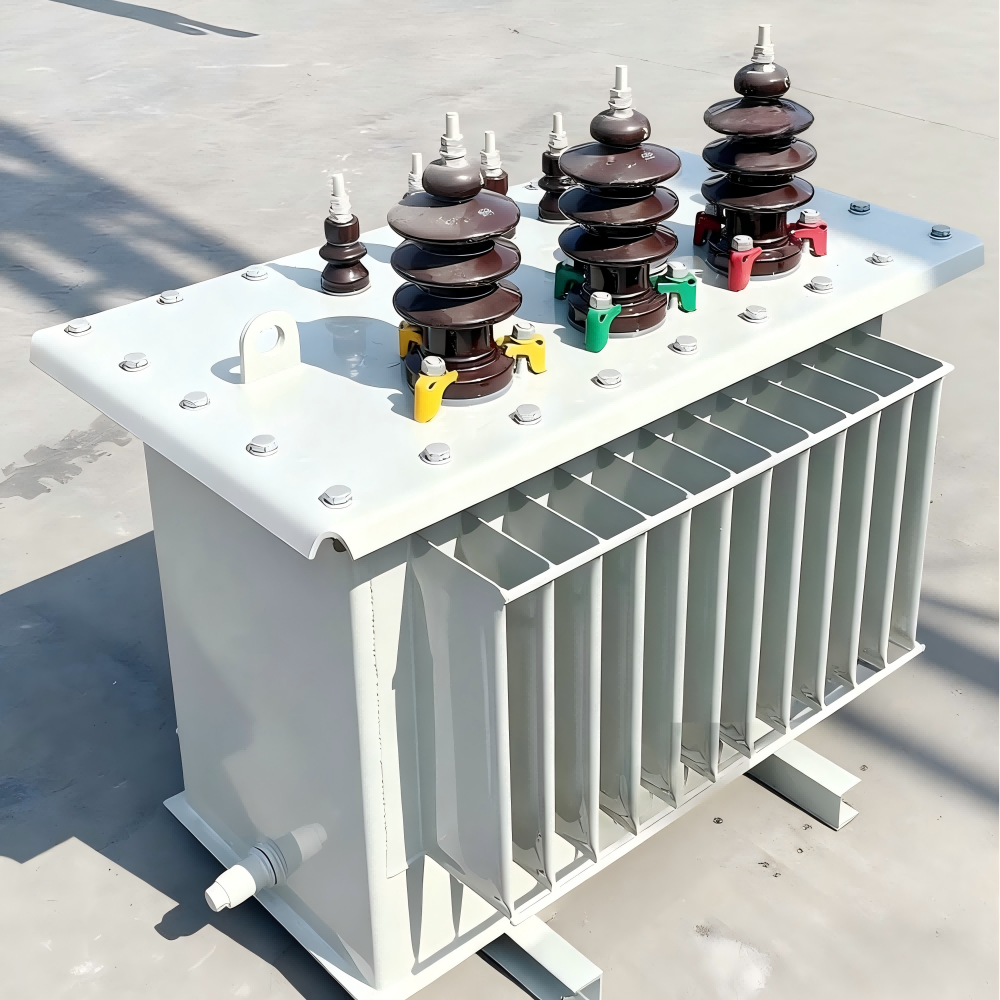 S11 Platform
C CE MV&HV 30-31500KVA 6KV 10KV 15KV 20KV 35KV S11 Three Phase Oil Transformer for Electric Power Distribution
A broad oil-immersed distribution platform for 6–35 kV networks. For Daegu, request 22.9 kV / 60 Hz configuration, low-loss core grades and project-specific documentation.
- 30–31,500 kVA
- 6–35 kV
- 60 Hz available
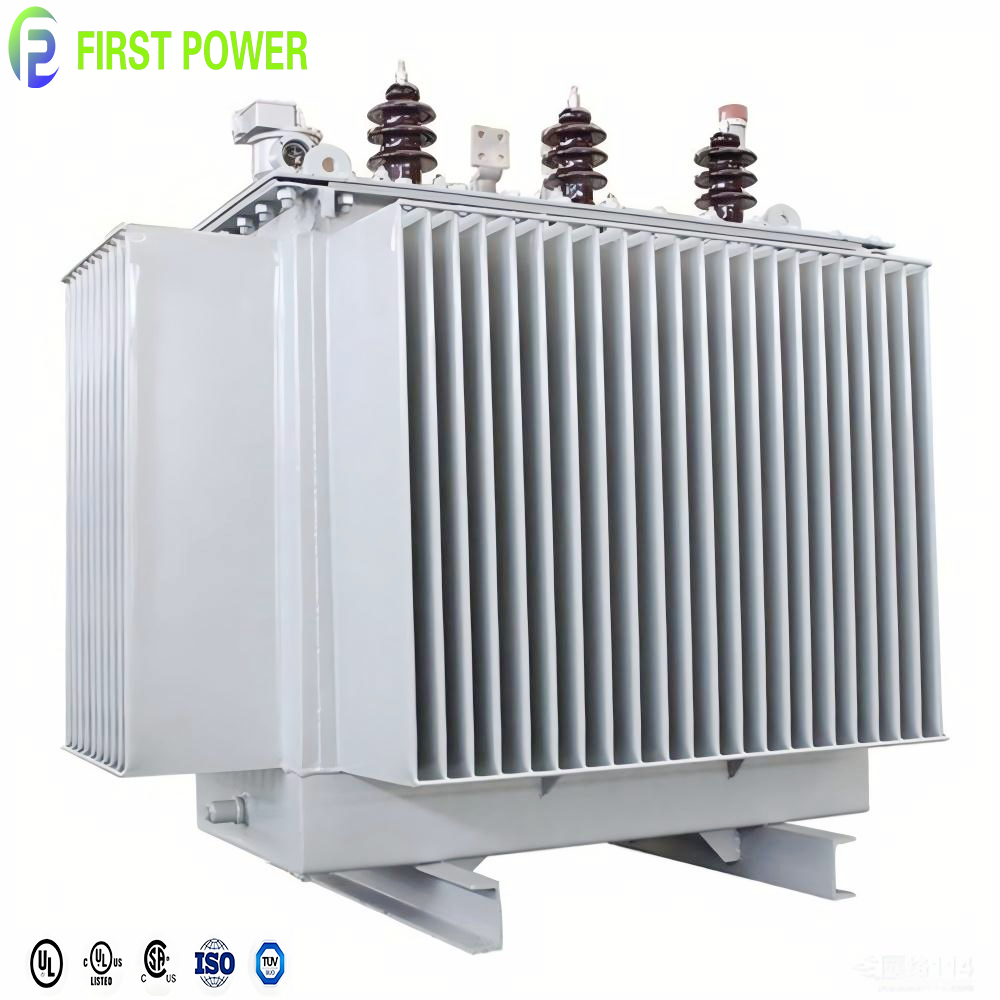 50 / 60 Hz
C CE MH&HV 50/60HZ 10KVA-50000KVA 10KV 15KV 20KV 35KV Three Phase S11 Oil Transformer for Electric Power Distribution
Wide-capacity S11 oil transformer family for substations and large industrial loads. Suitable for Daegu factories needing stable 22.9 kV step-down and defined loss guarantees.
- 10–50,000 kVA
- 50 / 60 Hz
- Low-loss design
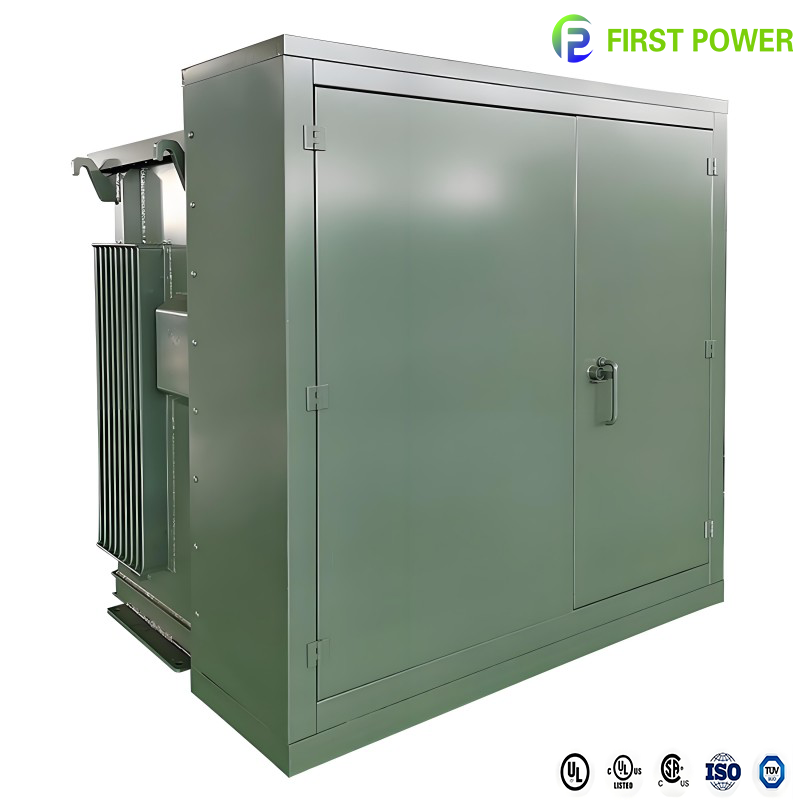 Pad Mounted
C CE MV&HV ZGS11 75-2500KVA 10KV 20KV 35KV Pad Mounted Three Phase Transformer for Electric Power Distribution
A space-efficient pad-mounted option for underground commercial and industrial distribution. A strong fit where Daegu site space, public access and enclosure security are critical.
- 75–2,500 kVA
- 10–35 kV
- Tamper-resistant
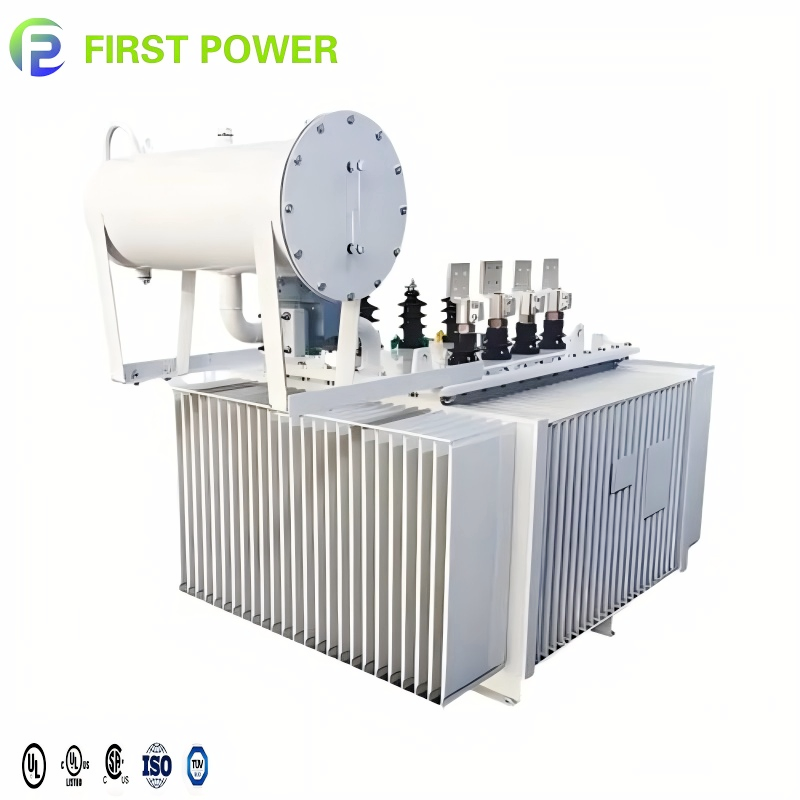 OLTC
C CE 10KV 20KV 35KV 1000KVA 2000KVA 2500KVA 3 Phase Oil Type on Load Tap Changer Transformer for Industrial Power Supply
Designed for industrial plants with fluctuating loads and voltage-control requirements. Recommended for Daegu machinery, textile and automotive-parts facilities needing an OLTC.
- 1,000–2,500 kVA
- On-load tap changer
- Industrial duty
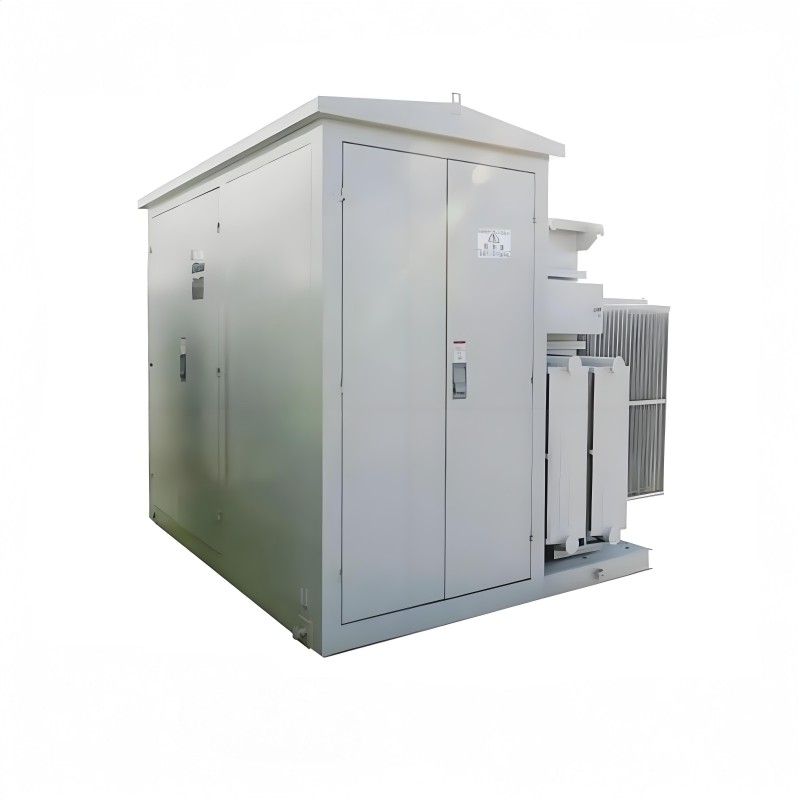 ANSI Style
American Standard /C Certified 3000kva 34.5kv/480v Oil Type Pad Mounted Transformer 60 Hz 10kv Input 380v 440v Output
An ANSI-style 60 Hz pad-mounted platform for private industrial projects and export-driven facilities. Confirm primary voltage and Korean project standards before specifying.
- 3,000 kVA
- 34.5 kV / 480 V
- 60 Hz
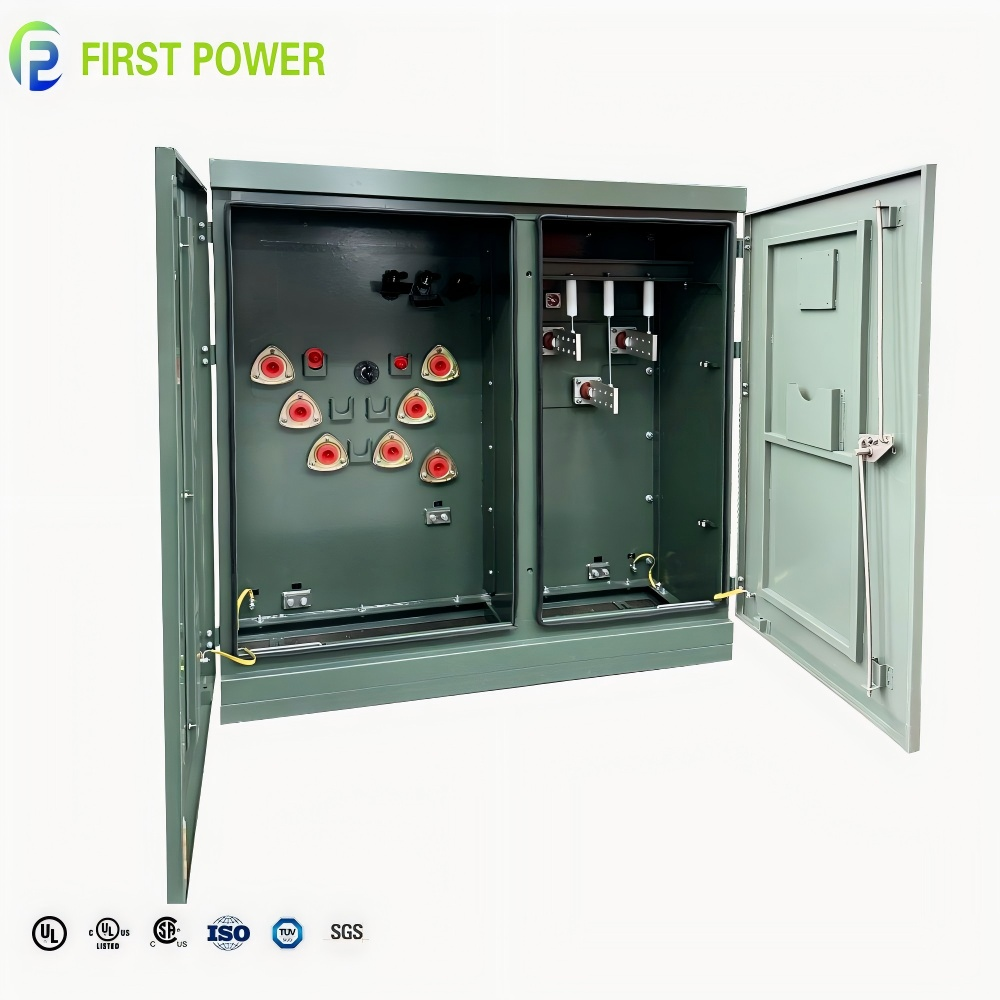 Loop Feed
C CE Certification 50/60HZ 10KV 20KV 35KV 3 Phase Loop Feed Pad Mounted 750KVA Transformer for Electric Power Distribution
A loop-feed pad-mounted distribution unit for underground networks, commercial complexes and renewable interconnections where configuration flexibility matters.
- 750 kVA
- Loop feed
- 10–35 kV
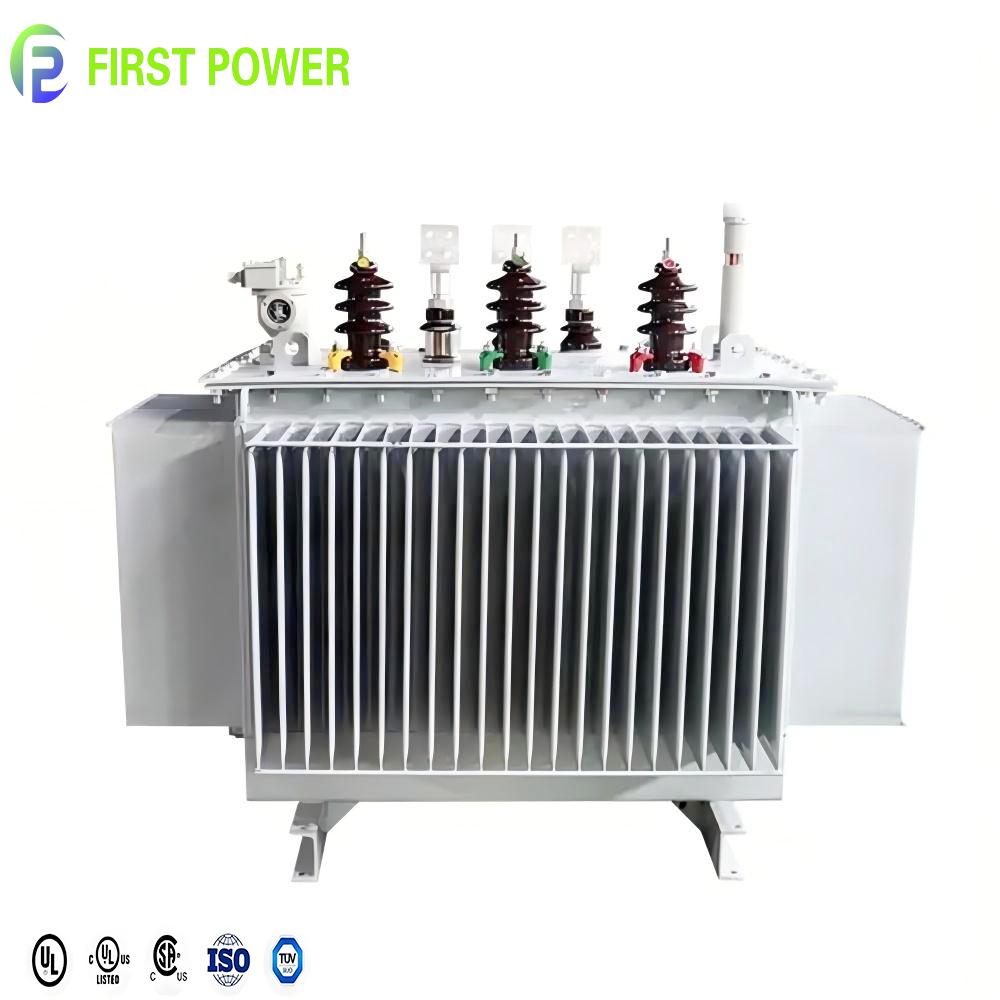 Compact S11
C CE S11 10KV 20KV 35KV 50KVA 100KVA 150KVA 200KVA 250KVA 3 Phase Oil-Immersed Transformer for Electric Power Distribution
A compact distribution range for buildings, light industry and local feeders. Useful for Daegu projects where a smaller 22.9 kV step-down transformer is required.
- 50–250 kVA
- 10–35 kV
- Oil immersed
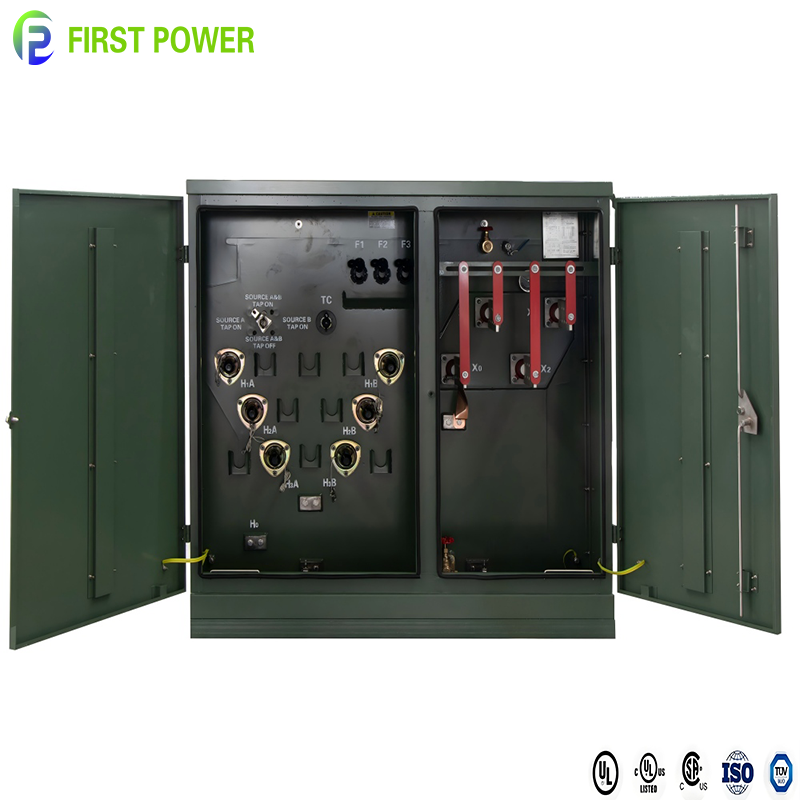 Industrial
Listed C CE MV&HV 50/60HZ 6KV 10KV 15KV 20KV 35KV 3 Phase Pad Mounted Transformer Electrical for Industrial Power Supply
A flexible medium-voltage pad-mounted solution for industrial power supply, campus distribution and private substations with defined enclosure and cable-entry needs.
- 6–35 kV
- 50 / 60 Hz
- Pad mounted
Why the Daegu Shortlist Needs More Than a Price Comparison
Daegu is an inland industrial and logistics hub with a 60 Hz grid, a 22.9 kV distribution network and significant seasonal humidity. For mineral oil transformers, the true comparison is not only kVA and price; it is loss performance, thermal margin, enclosure protection, test evidence and the ability to reach the site without delaying energization.
A factory that performs well in another market may still fail a Daegu project if it cannot document compatibility with Korean grid practice, demonstrate mineral-oil handling discipline and support the port-to-site logistics chain through Busan. The evidence below summarises the manufacturer credentials referenced throughout this guide.
Top 10 Mineral Oil Transformer Factories & Exporters: A Daegu Buyer’s Evaluation Framework
This is not a paid directory ranking. It is a practical way to convert the “top 10” search into a defensible shortlist. Use the ten criteria below to compare factories and exporters before requesting final quotations.
Korean Grid Compatibility
Confirm 60 Hz, 22.9 kV distribution voltage, vector group, impedance and tap range before comparing price. An ANSI design built for 34.5 kV may be excellent elsewhere but unsuitable for a Daegu interconnection without re-engineering.
Mineral-Oil System Integrity
Review tank strength, sealing method, oil preservation, gasket compatibility, pressure relief and corrosion protection. For humid monsoon conditions, ask for oil BDV records, leak-test protocol and paint-system details.
Guaranteed Losses
No-load and load losses should be guaranteed, routine-tested and compared over a 20-year operating horizon. Low-loss S11 or equivalent cores can justify a higher initial price in continuously loaded Daegu plants.
Thermal Margin
Daegu’s inland basin can combine hot summers with monsoon humidity. Specify ambient temperature, temperature rise, ONAN/ONAF cooling and ventilation assumptions; avoid a generic design assumption for critical process loads.
Footprint & Enclosure
Pad-mounted units need loop-feed or radial-feed configuration, dead-front access, lockable compartments and a footprint that fits the site. In dense commercial areas, enclosure size and noise can decide the shortlist.
Test Traceability
A credible exporter supplies routine test reports by serial number: ratio, winding resistance, impedance, load and no-load loss, applied and induced voltage, plus oil dielectric tests for mineral-oil units.
Certificates & Audit
ISO 9001, ISO 14001 and ISO 45001 show management-system discipline. CE certificates support EU-facing projects. Third-party factory verification reduces onboarding risk, and certificate numbers should be independently checkable.
Customization
OEM and ODM capability should cover ratings, vector group, tap changer, bushings, cooling, insulating fluid, paint system, nameplate language and as-built drawings. Korean project documentation may require English plus buyer-specific formats.
Export Logistics
Compare FOB, CIF Busan and DDP options, seaworthy packing, shock indicators, lifting points and inland heavy-haul planning. Daegu is inland, so the port-to-site leg belongs in the landed-cost model.
After-Sales Response
Ask who answers technical questions, how quickly, and which spare parts are recommended. A 24-hour engineering response and commissioning support package is more valuable than a low quote that delays energization.
Where Mineral Oil Transformers Fit in Daegu’s Power Landscape
Daegu’s load profile combines industrial complexes, dense commercial districts, public infrastructure and a growing demand for reliable power around data, mobility and renewable projects. The recommended transformer family changes with the site, not only with the load.
Seongseo & Dalseo Industrial Complexes
Factories with motor loads, welding equipment and shift-based production benefit from oil-immersed transformers with defined impedance and, where voltage fluctuates, on-load tap changing. A 1,000–2,500 kVA unit configured for 22.9 kV is often the starting point.
Urban Commercial & Residential Districts
In dense districts such as Suseong-gu and Jung-gu, pad-mounted mineral oil transformers reduce visible overhead equipment and fit underground cable networks. Loop-feed configuration, tamper-resistant enclosures and low noise are key selection points.
Data, EV Charging & Logistics Facilities
Facilities with high utilization and limited maintenance windows need thermal margin, low losses and clear condition-monitoring provisions. A 750–3,000 kVA pad-mounted or compact oil transformer can simplify expansion planning.
Textile, Machinery & Auto Parts
These loads often operate in dusty or humid environments. The specification should combine corrosion-resistant paint, sealed tank design, oil testing and a loss guarantee that reflects two- or three-shift operation in Daegu.
Gyeongbuk Renewables & Grid Interconnection
Solar and distributed generation projects need transformers that handle reverse power, harmonic content and utility interconnection review. Pad-mounted and compact oil-immersed units are practical where site area is limited.
Public Infrastructure & District Energy
For public buildings and district energy sites, the shortlist should address fire separation, seismic anchorage where required, acoustic limits and access for maintenance. Mineral oil units work best when the outdoor layout is planned early.
Daegu Market Trends Shaping Mineral Oil Transformer Procurement
Procurement teams are moving from “buy the same rating as last time” toward lifecycle-based evaluation. The strongest suppliers will be those that can prove performance, not simply quote a kVA figure.
22.9 kV Network Upgrades
Replacement and reinforcement projects favour low-loss oil-immersed distribution transformers. Loss guarantees and test reports are becoming part of commercial evaluation, not only a technical appendix.
Climate-Resilient Design
Hot summers, monsoon humidity and air-quality variation push buyers toward better sealing, corrosion protection, anti-condensation measures and documented high-ambient performance.
Compact Pad-Mounted Equipment
Urban and industrial sites need smaller footprints, lockable enclosures, loop-feed switching and clean cable termination. Pad-mounted designs are increasingly compared on total site cost, not transformer price alone.
Evidence-Based Approval
Third-party inspection, serial-number test reports, certificate traceability and export packing records reduce approval risk. Buyers want documentation that can be forwarded directly to engineering and QA teams.
Illustrative Daegu Project Weighting
A planning model for comparing mineral oil transformer factories and exporters. These are illustrative evaluation weights, not a statistical survey.
What This Means for a Daegu Buyer
A top-10 shortlist should be built around the evidence that decides approval. For a Daegu industrial project, a mineral oil transformer quotation becomes much stronger when it includes a 22.9 kV / 60 Hz design review, guaranteed losses, routine test reports, enclosure drawings, packing plan and a named engineer who can answer questions during evaluation.
- Clarify whether the project follows KEPCO interconnection requirements, a private industrial standard or an IEC-based specification.
- Request loss figures at the actual operating point, not only an on-load loss percentage.
- Add the Busan Port to Daegu inland leg, lifting plan and site access constraints to the landed cost.
- Confirm who will witness factory tests and how the report package will be delivered before shipment.
Matching Mineral Oil Transformer Types to Daegu Project Needs
Use this matrix as an early-stage filter. Final selection still requires a load study, fault-level review, site layout and specification check.
| Recommended Family | Typical Daegu Use | Rating / Voltage Focus | Specify Before Order |
|---|---|---|---|
| S11 Three Phase Oil Transformer | Industrial step-down, light and heavy manufacturing, commercial feeders | 50–31,500 kVA; 6–35 kV; 60 Hz configuration | Vector group, impedance, loss limits, tap range, paint system |
| Pad-Mounted Three Phase Transformer | Urban commercial sites, campus distribution, underground networks | 75–2,500 kVA; 10–35 kV | Loop or radial feed, enclosure size, cable entry, locks, noise |
| Loop-Feed Pad-Mounted Unit | District networks and facilities requiring section switching | 750 kVA example; 10–35 kV | Switch configuration, dead-front access, fault current, sealing |
| On-Load Tap Changer Transformer | Plants with fluctuating voltage or variable process load | 1,000–2,500 kVA; 10–35 kV | Tap range, OLTC standard, control voltage, maintenance access |
| Small Oil-Immersed Distribution Unit | Buildings, light industry and local commercial feeders | 50–250 kVA; 10–35 kV | Loss class, mounting, protection, enclosure coordination |
| ANSI-Style 60 Hz Pad-Mounted Unit | Private industrial projects or facilities using ANSI design practice | 3,000 kVA example; 34.5 kV / 480 V | Confirm Korean project applicability, primary voltage and protection |
All products above can be reviewed against a project specification. Where a standard or rating is not listed, use the inquiry button to request an engineering review.
Why Wisegj Merits a Place on a Daegu Shortlist
Jiangsu Wisegj Power Co., Ltd. is a Suzhou-based manufacturer and exporter of oil-immersed transformers, pad-mounted transformers, power transformers, dry-type transformers, compact substations and switchgear. For Daegu buyers, the value is a combination of product breadth, engineering review, test evidence and export execution.
Engineering breadth for mineral oil projects: the portfolio covers 220 V to 500 kV, including S11 oil-immersed distribution transformers, pad-mounted units, on-load tap changer transformers and larger power transformers. This allows a single supplier to support a Daegu factory, a commercial building and a utility interconnection package without losing documentation continuity.
Experience that can be questioned: the team brings more than 20 years of transformer experience, with 50+ R&D and technical engineers supporting specification review. For a Daegu project, this matters when the buyer needs a 22.9 kV / 60 Hz design clarification, a loss-guarantee discussion or an enclosure drawing before internal approval.
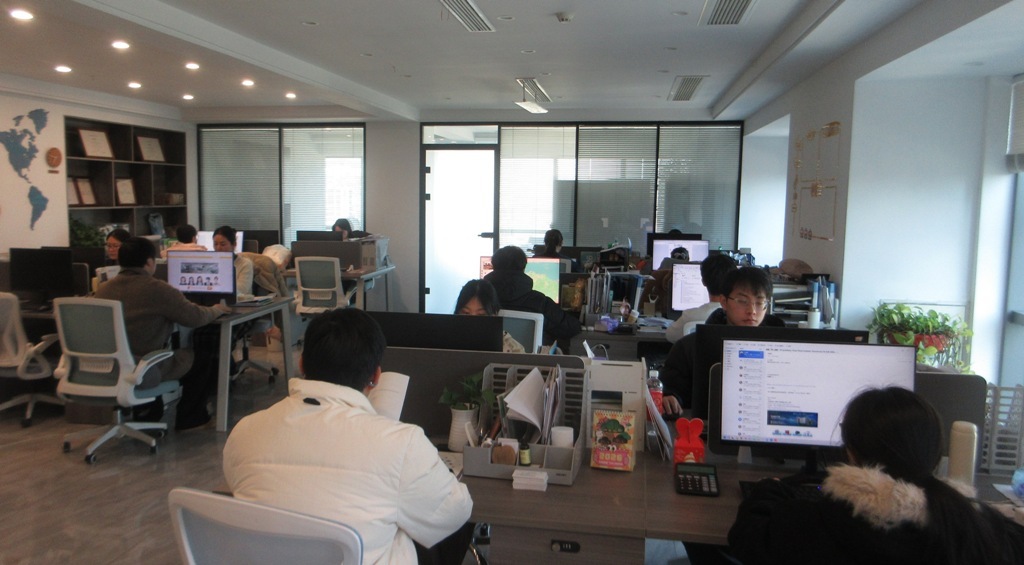
Verified production and quality discipline: production takes place in a 6,847 m² verified manufacturing area, supported by 211 qualified supply-chain partners. Routine tests are performed on every unit, and third-party witness inspection is welcome. ISO 9001, ISO 14001 and ISO 45001 management systems are in place, alongside CE certificates for relevant product lines.
Documentation and export support: GA drawings, nameplate drafts, routine test reports and O&M manuals can be supplied in English. The export team supports FOB, CFR, CIF, EXW, FCA, CIP, CPT and DDP terms, seaworthy packing and the documentation needed for Busan-bound shipments and inland delivery to Daegu.
- OEM, ODM, design-based and sample-based customization
- 24-hour pre-sale and after-sale technical response target
- Routine factory tests documented by serial number
- Third-party onsite verification by TÜV Rheinland
- Export packing, shock indicators and Incoterms coverage
- Supplier experience with Fortune 500 companies, as stated by the manufacturer


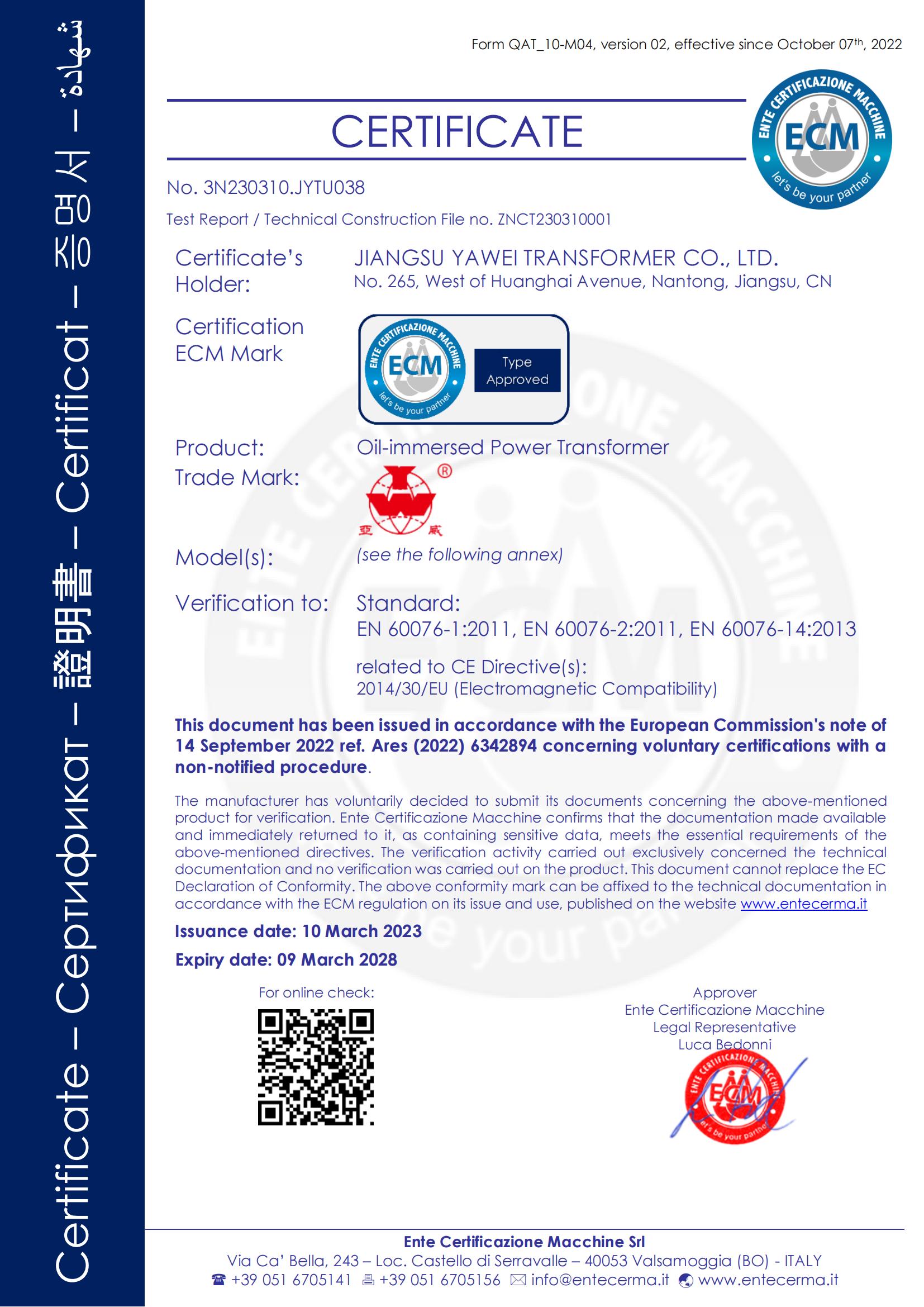
CE · Power Transformer
Oil-immersed power transformer · No. 3N230310.JYTU038 · 2023–2028
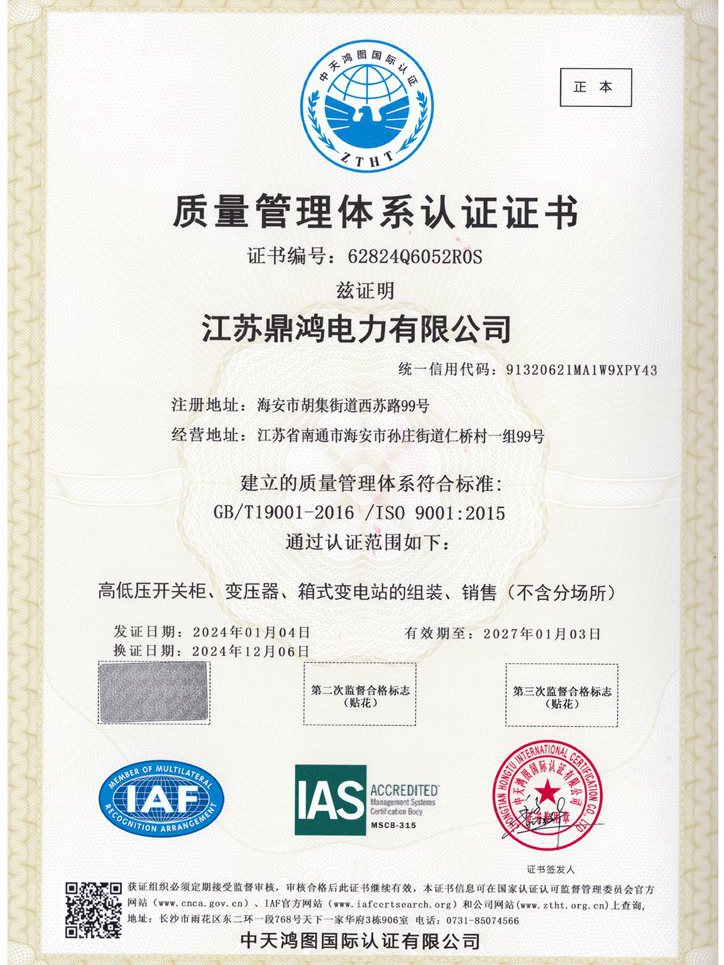
ISO 9001
Quality management · No. 62824Q6052R0S · 2024–2027
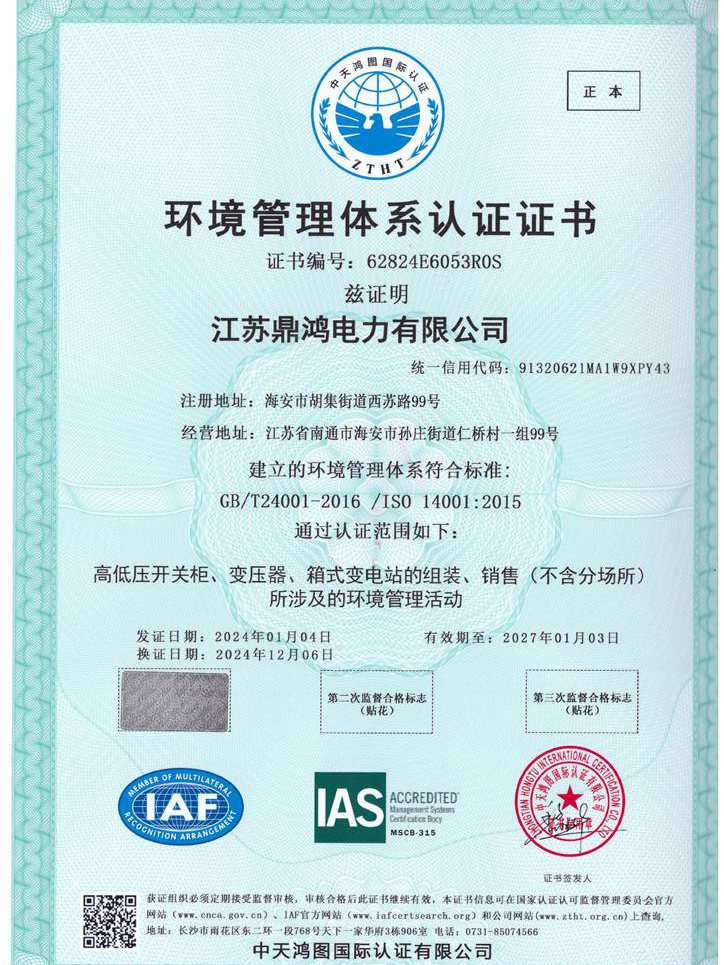
ISO 14001
Environmental management · No. 62824E6053R0S · 2024–2027
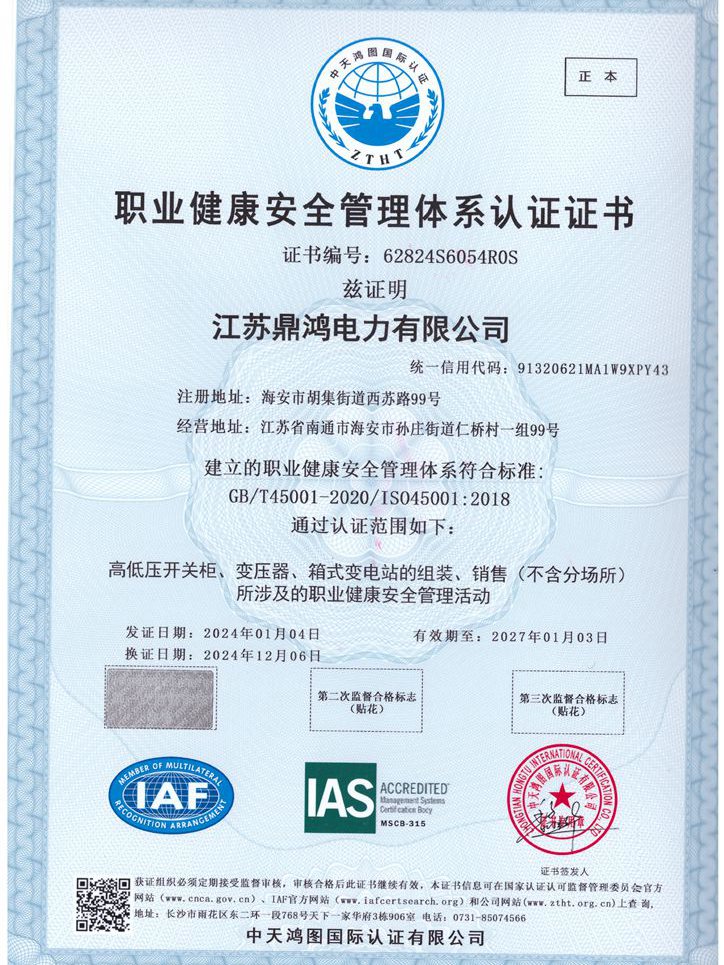
ISO 45001
Health & safety management · No. 62824S6054R0S · 2024–2027
Specification Review
Engineers check rating, standard, altitude, ambient, grid voltage and project documentation.
Drawing Approval
GA drawing, nameplate, losses, enclosure and interface details are confirmed before production.
Controlled Production
Core, winding, drying, tanking and inspection follow documented checkpoints.
Routine Testing
Each unit is tested and documented; third-party witness inspection can be arranged.
Packing & Shipping
Export packing, shock indicators and shipping documents support safe delivery toward Busan and Daegu.
Questions Daegu Buyers Commonly Ask About Mineral Oil Transformers
These answers focus on the practical procurement issues that arise when comparing factories and exporters for Korean projects.
Which mineral oil transformer type fits a 22.9 kV / 60 Hz Daegu factory?
Is CE certification enough for a Korean project?
How should humidity and hot summers in Daegu affect specification?
What documents should accompany a Daegu-bound mineral oil transformer?
Can the enclosure and footprint be customized for a constrained Daegu site?
What is the usual logistics route from China to Daegu?
How are loss guarantees verified before shipment?
What after-sales support should a Daegu buyer expect?
Ready to Compare a Daegu-Ready Mineral Oil Transformer Specification?
Send the rating, primary and secondary voltage, frequency, vector group, impedance, loss target and site conditions. Our engineers can review the 22.9 kV / 60 Hz configuration, recommend a product family and prepare a documented offer for the Daegu market.