Eight Transformer Products for Arusha Isolation and Distribution Projects
These are not generic catalogue listings. Each family below answers a practical Arusha procurement need: step-down from 33 kV or 11 kV feeders, galvanic isolation for sensitive loads, low-loss distribution, pad mounted protection for accessible sites, dry type safety for buildings, and on-load tap changing for larger industrial demand.
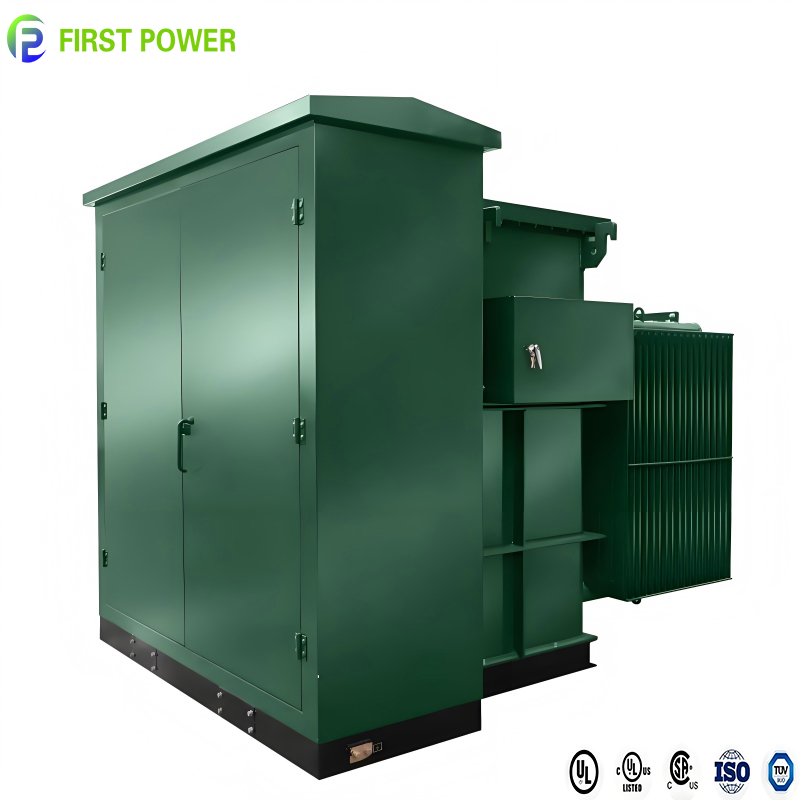
C CE 50/60HZ 6KV 10KV 15KV 20KV 35KV 100KVA 300KVA 500KVA 630KVA 3 Phase Pad Mounted Pedestal Transformer for Industrial
For industrial estates, commercial complexes and underground distribution where tamper-resistant pad mounted protection and clean cable access are priorities.
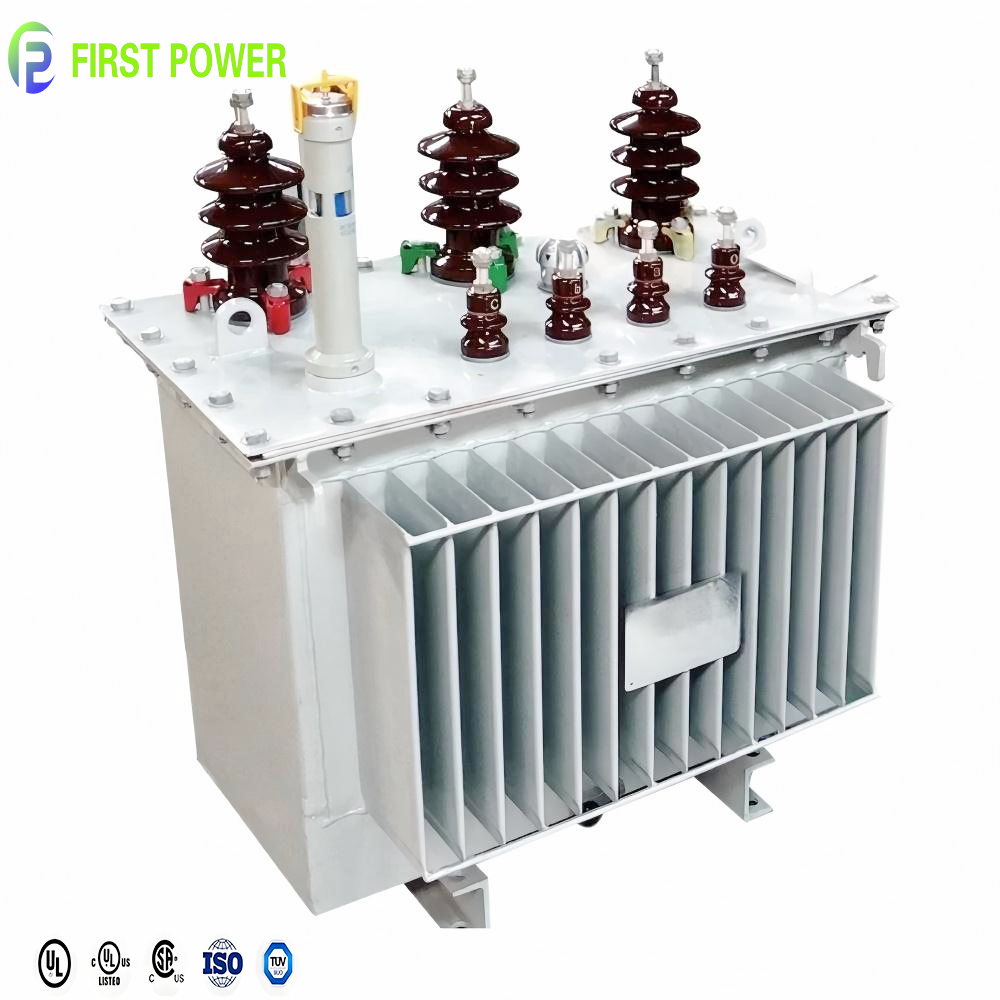
C CE 10KV 20KV 35KV 50KVA 100KVA 200KVA 300KVA 400KVA 500KVA Electric Oil Immersed Transformer for Industrial Power Supply
For factories and industrial power supply where 10–35 kV oil immersed step-down is the practical, repair-friendly choice for continuous duty.
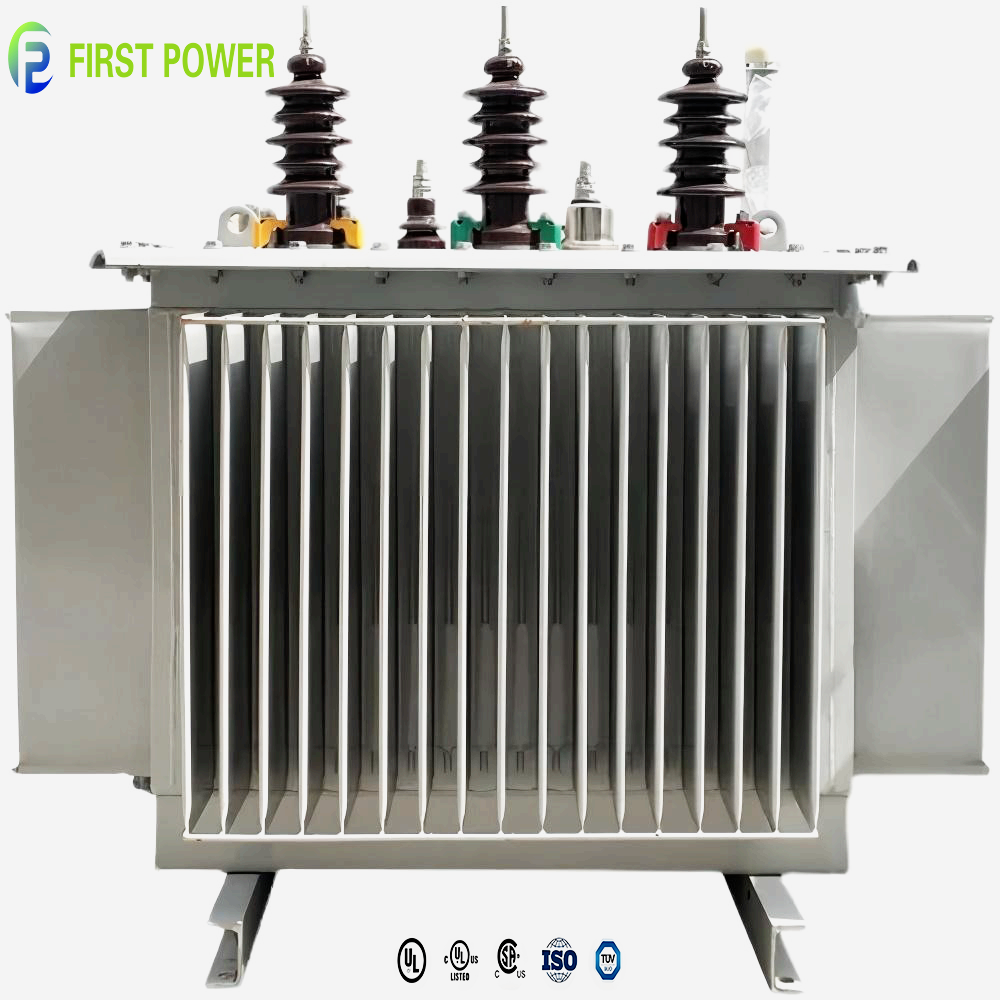
C Certification 60HZ S11 Three Phase 10KV 35KV 500 KVA 22KV/0.4KV 50HZ Electric Oil Immersed Transformer for Power Supplies
For 50 Hz or 60 Hz power supply projects requiring S11 low-loss architecture, stable secondary voltage and proven oil immersed reliability.
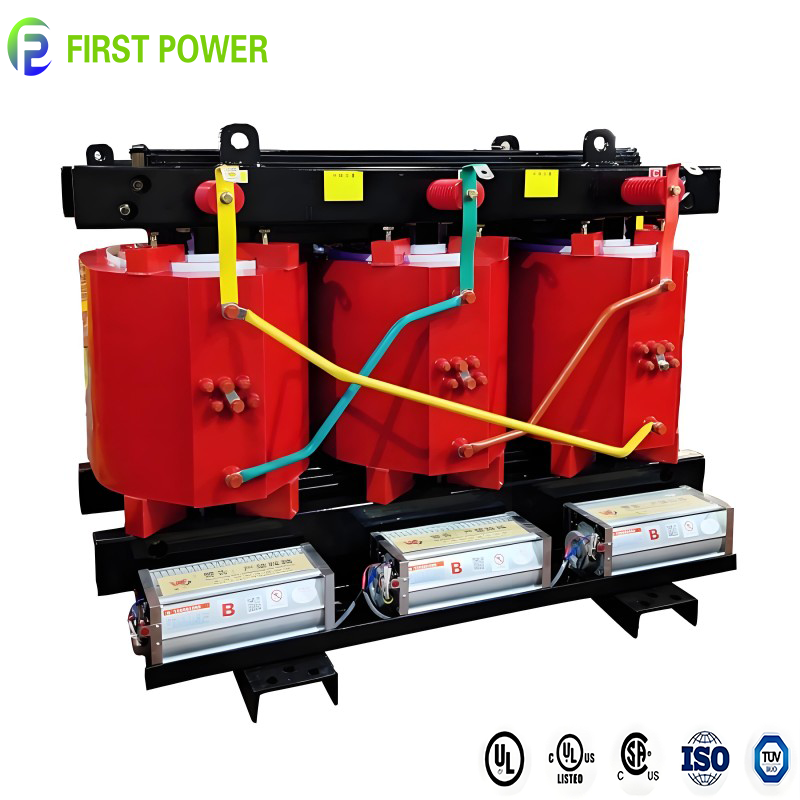
C CE Certification IEEE Standard 50/60HZ 5MVA 6MVA 6KV 35KV 3 Phase Dry Type Transformer for Electric Power Distribution
For indoor, fire-sensitive or space-constrained distribution areas where oil-free construction reduces fire risk and simplifies building integration.
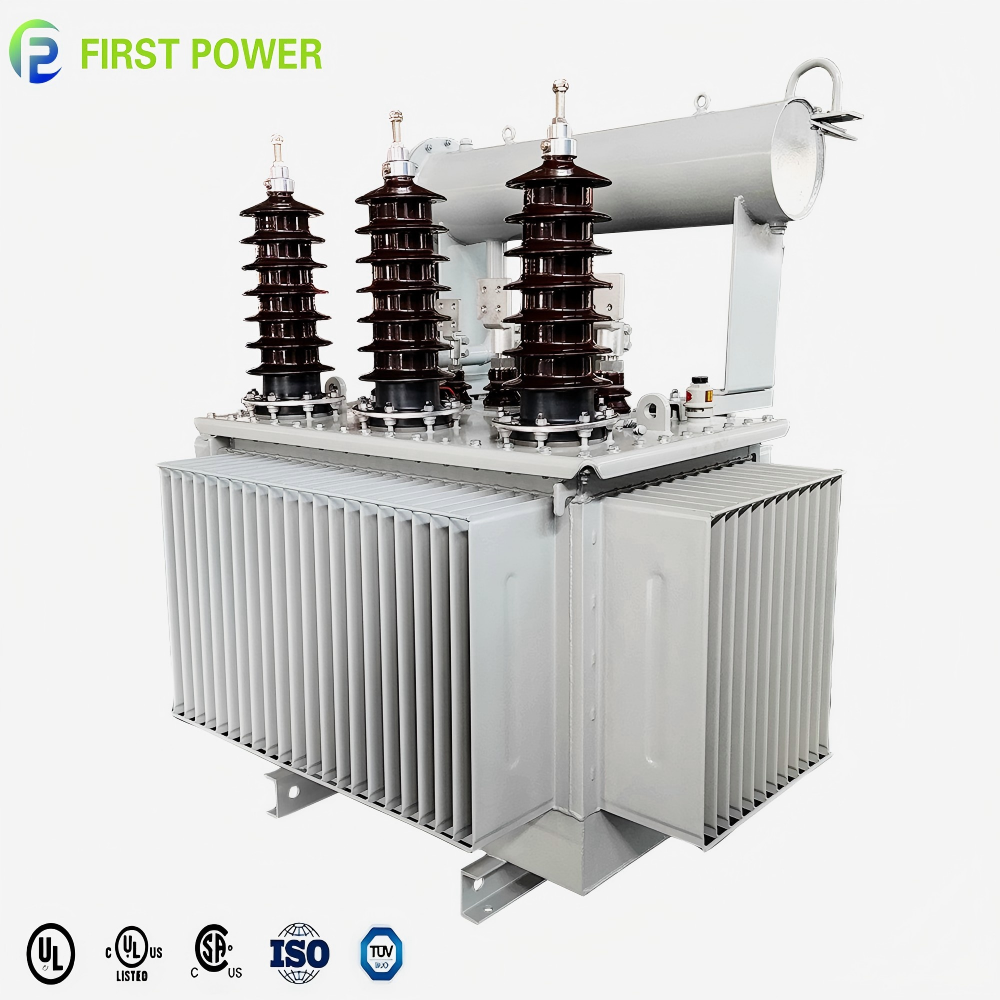
C CE Certification IEEE Standard 50/60HZ S11 Three Phase 33KV Oil Immersed Power High Voltage Transformer for Industrial
For substations and industrial sites requiring 33 kV oil immersed power transformation with robust insulation and long service life.
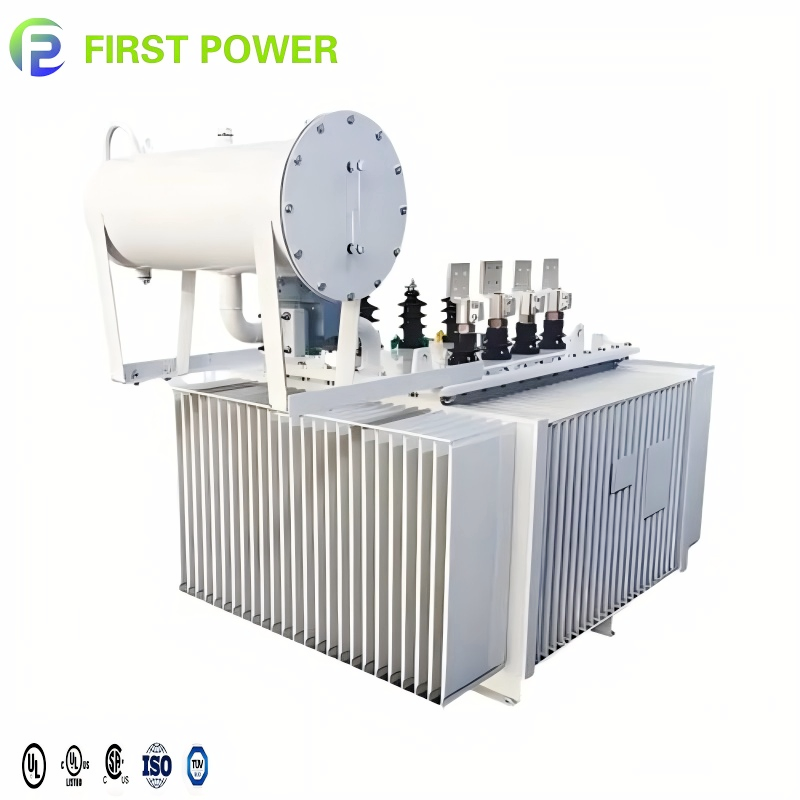
C CE 10KV 20KV 35KV 1000KVA 2000KVA 2500KVA 3 Phase Oil Type on Load Tap Changer Transformer for Industrial Power Supply
For larger industrial loads needing on-load tap changing to hold secondary voltage while motors, drives and process lines cycle.
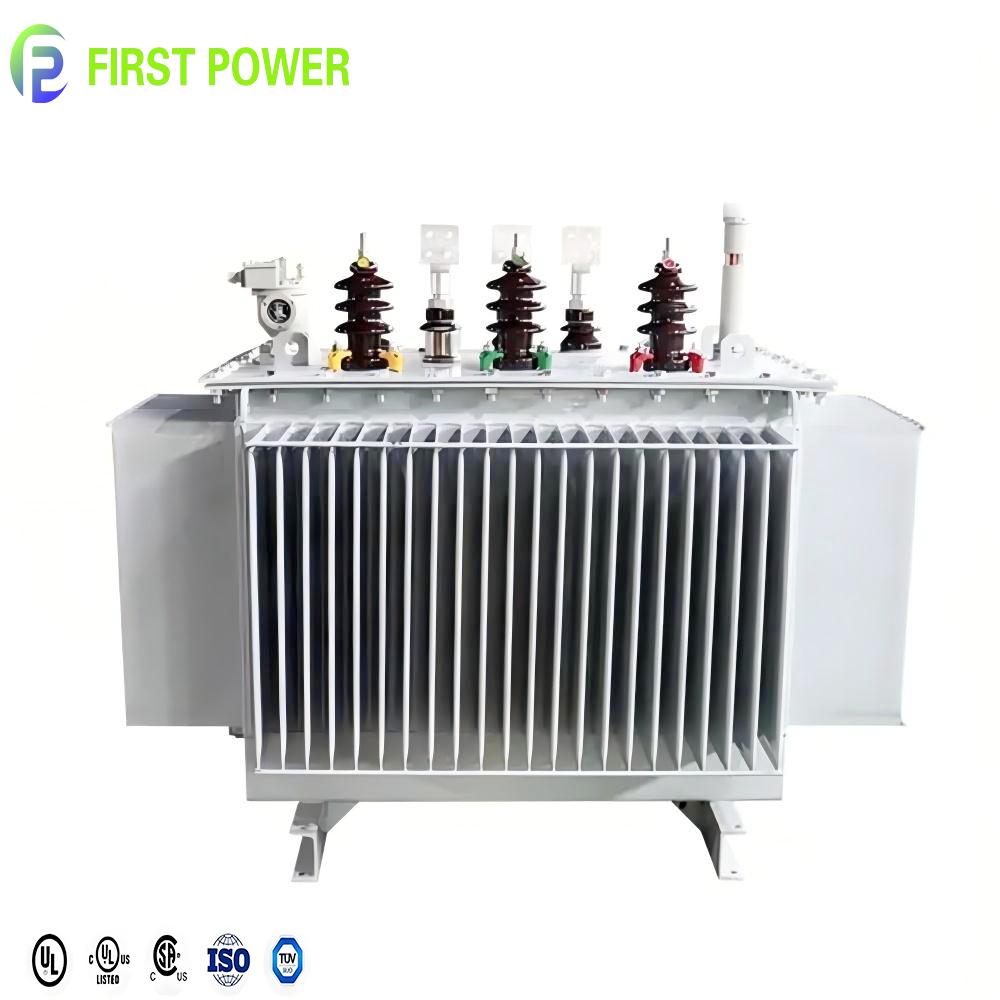
C CE S11 10KV 20KV 35KV 50KVA 100KVA 150KVA 200KVA 250KVA 3 Phase Oil-Immersed Transformer for Electric Power Distribution
For feeders, light industry and commercial distribution where 50–250 kVA ratings match local demand points and load growth.
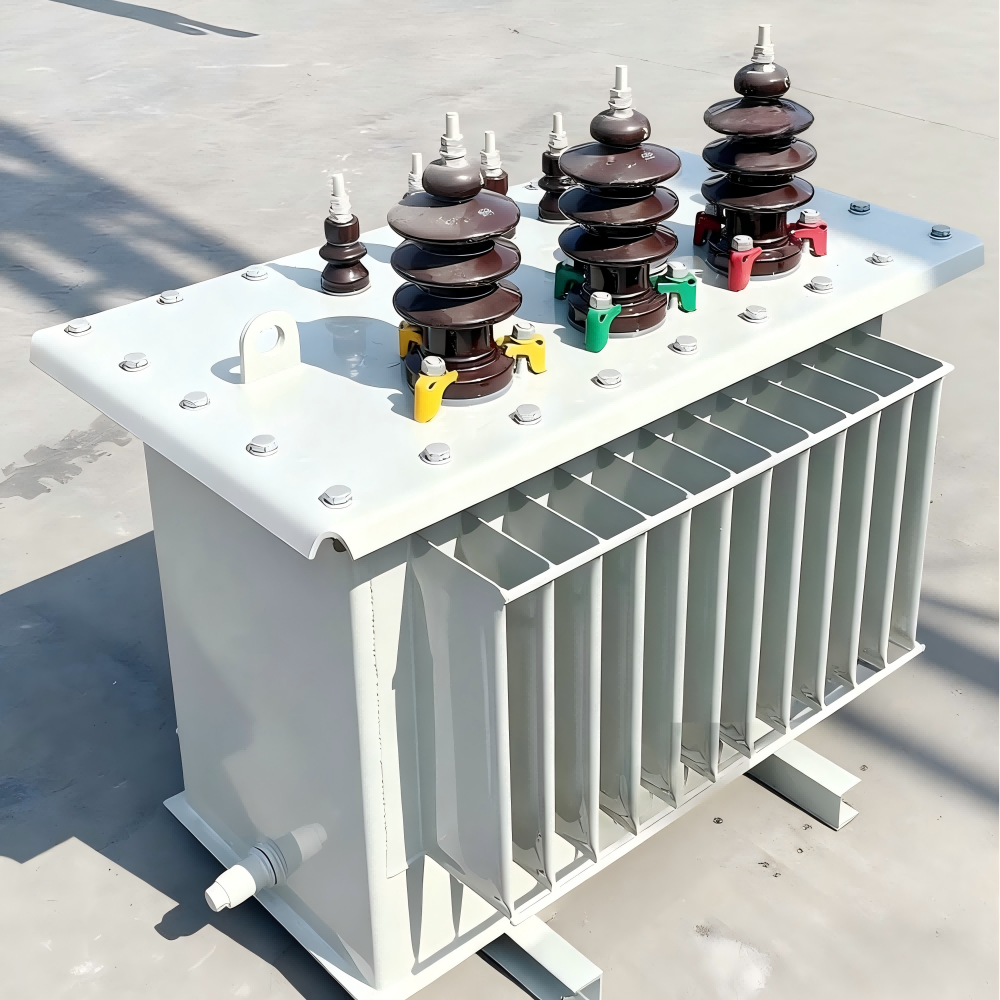
C CE MV&HV 30-31500KVA 6KV 10KV 15KV 20KV 35KV S11 Three Phase Oil Transformer for Electric Power Distribution
For utility-style distribution and project-scale demands from 30 kVA to 31,500 kVA, with S11 oil transformer architecture and export documentation.
Arusha Power Landscape: Why Isolation Matters More Than a Simple Price Comparison
A white-paper view for procurement teams, EPC contractors, facility managers and utility engineers specifying three phase isolation transformers in Northern Tanzania.
Arusha is not simply another inland city on a transformer quotation. It sits at roughly 1,400 m above sea level in northern Tanzania, a highland gateway to Kilimanjaro, Serengeti and Ngorongoro. Its economy combines tourism and hospitality, coffee and horticulture, trade, education, healthcare, light manufacturing, mining services and a growing renewable energy pipeline. Each of those load groups interacts with the 50 Hz grid differently. A lodge may be more sensitive to voltage dips than a warehouse. A coffee mill may restart large motors repeatedly. A hospital cannot accept the same harmonic distortion as a construction site. A solar hybrid plant needs galvanic separation and fault-current coordination that an off-the-shelf distribution transformer may not provide.
Most project specifications are written around 33 kV, 11 kV and 400/230 V distribution practice, with 50 Hz operation. The phrase “three phase isolation transformer” is often used loosely in Requests for Quotation. Some buyers mean a distribution transformer providing galvanic isolation between a medium-voltage feeder and a low-voltage plant. Others mean an isolation transformer installed downstream of a drive, inverter or sensitive process line to attenuate common-mode noise and protect equipment. The distinction affects impedance, shielding, vector group, electrostatic screens, K-factor rating, temperature rise and test requirements. A supplier who does not ask about those details is not really engineering the transformer; they are quoting a box.
Arusha’s climate and terrain add another layer. High-altitude installations need insulation coordination reviewed for impulse withstand and clearances. Seasonal lightning around the northern highlands makes surge protection and winding withstand capability important. Dust, humidity and insect ingress can reduce service life when enclosures and gaskets are not specified correctly. For outdoor pad mounted and oil immersed units, paint system, tank corrosion protection, IP rating and breathing arrangements are practical purchase criteria, not cosmetic details. For indoor dry type units, noise, fire class, ventilation and clearance to walls matter as much as kVA rating. Buyers who evaluate only initial price often discover later that a low-cost transformer has higher no-load loss, weaker documentation or an enclosure that was never designed for the site.
For Arusha projects, the strongest procurement approach is to separate the purchase into four questions: what isolation function is required, what voltage and frequency must be matched, what environmental and duty conditions will the unit face, and what documentation will prove compliance before energisation. That is the framework behind the product recommendations, local application notes, trend analysis and FAQ below.
Where Three Phase Isolation Transformers Are Used in and around Arusha
Arusha market demand is not driven by one industry. The same transformer family may be specified for entirely different reasons depending on the site, load profile and operating risk.
Hotels, Lodges and Tourism Facilities
Resorts and safari lodges around Arusha often combine HVAC, laundry, kitchen, ICT and guest-safety systems on one site. A dry type or low-loss oil immersed transformer can separate sensitive building loads from upstream disturbances, while low noise and fire safety influence equipment selection.
Coffee, Horticulture and Cold Chain
Coffee mills, packhouses and cold stores depend on motor starting, refrigeration and seasonal peak loads. Oil immersed transformers from 50 kVA to 500 kVA are common, with attention to voltage drop, starting current and dust protection in processing areas.
Manufacturing and Industrial Parks
Factories using welding, compressors, pumps and drives need stable secondary voltage and predictable impedance. Pad mounted or oil immersed units with clear loss guarantees help control operating cost and future expansion.
Mining, Quarrying and Construction
Mining services and construction camps need rugged equipment, practical enclosure protection and spare-part availability. A three phase isolation transformer can also limit upstream disturbance from crushers, conveyors and heavy motors.
Solar PV, Hydro and Hybrid Mini-Grids
Renewable projects frequently need isolation between inverter output and distribution, plus harmonic and fault-current coordination. Dry type or specially specified oil immersed units can support containerised or compact station designs.
Hospitals, Schools and Public Institutions
Hospitals, universities and public facilities need reliable power quality for diagnostic equipment, ICT and life-safety systems. Indoor dry type transformers are often preferred where oil containment or fire separation is difficult.
What Is Changing in Arusha Transformer Procurement
Buyers are moving from “cheapest kVA” to verified performance, documentation and lifecycle cost. The following trends are shaping supplier selection in Northern Tanzania.
50 Hz Grid Conformity and Reliability
Arusha projects must match 50 Hz operation and local 33 kV, 11 kV and 400/230 V practice. Transformers are increasingly specified with loss guarantees, vector group confirmation and routine test reports rather than a nameplate alone.
Renewables and Hybrid Systems
Solar, hydro and battery-supported systems are pushing demand for isolation transformers that handle harmonics, inverter duty and clear fault-current coordination. Compact and dry type designs are gaining attention for fast deployment.
Power Quality and Sensitive Loads
Hospitality, healthcare, IT and food processing operators are more aware of voltage dips, transients and common-mode noise. Isolation and shielding requirements are now discussed earlier in the design process.
Verified Factories and TCO
Procurement teams are requesting factory evidence, CE/ISO documents, third-party inspection and total cost of ownership calculations. Energy loss evaluation over 10–20 years can outweigh a small initial price difference.
Procurement Priorities Observed in Arusha-Facing Projects
Indicative weighting used by the Wisegj application team when reviewing Arusha enquiries for utilities, resorts, industrial plants, healthcare and renewable projects.
How to Match a Transformer Type to an Arusha Project
Use this matrix as an early-stage shortlisting tool. Final selection should follow a reviewed single-line diagram, load study and site conditions.
| Arusha Application | Recommended Transformer Family | Why It Fits | Technical Checks |
|---|---|---|---|
| Hotel, hospital or university building | Dry type or low-loss oil immersed distribution transformer | Indoor safety, low noise and clean integration with building services. | Fire class, noise level, ventilation, IP rating, harmonic load. |
| Coffee processing or cold store | 10–35 kV oil immersed, 50–500 kVA | Motor starting, seasonal peaks and dust require robust, repairable equipment. | Impedance, voltage drop, starting current, tank corrosion protection. |
| Industrial park main step-down | 1000–2500 kVA oil type with OLTC | On-load tap changing supports voltage stability as plant load varies. | Tap range, cooling, loss evaluation, protection coordination. |
| Utility feeder or commercial subdivision | S11 oil immersed or pad mounted transformer | Efficient distribution, accessible cable termination and network compatibility. | Vector group, BIL, enclosure, loop or radial feed. |
| Solar PV or hybrid mini-grid | Isolation transformer with specified shielding and dry type option | Galvanic separation, inverter harmonics and fault-current control. | K-factor or harmonic duty, electrostatic shield, impedance. |
| Mining services or construction camp | Pad mounted or rugged oil immersed transformer | Practical protection against site access, dust and temporary loading. | IP rating, paint system, lifting and transport constraints. |
Ratings and configurations are engineered to project requirements. For an Arusha-specific review, share the single-line diagram, voltage ratio, frequency, vector group, load profile and site altitude.
A Verified Transformer Factory, Not a Catalogue Reseller
For Arusha buyers, the real supplier question is not who can email a PDF fastest. It is who can document the design, test the unit, pack it for a long inland route and respond when the project schedule changes.
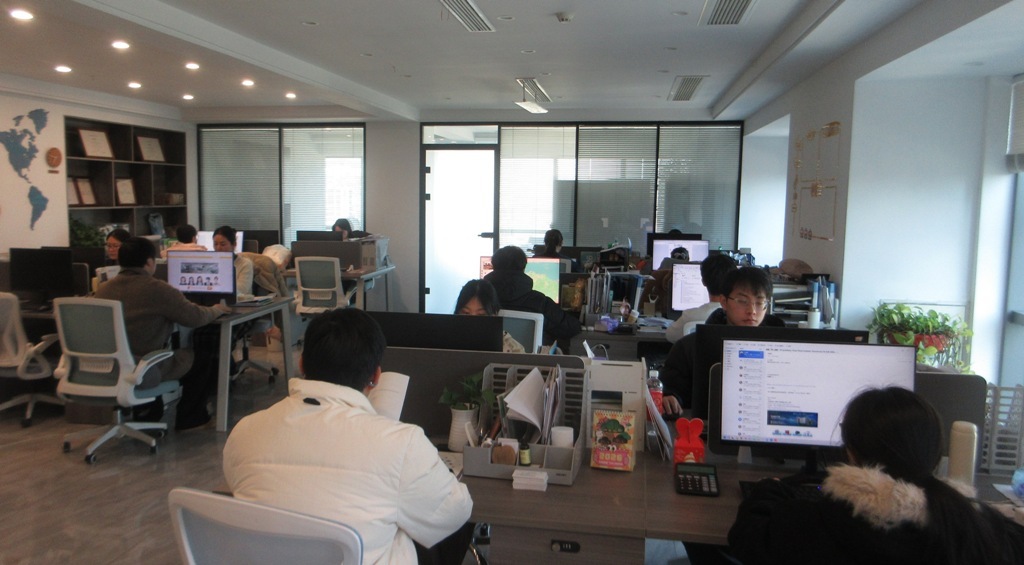
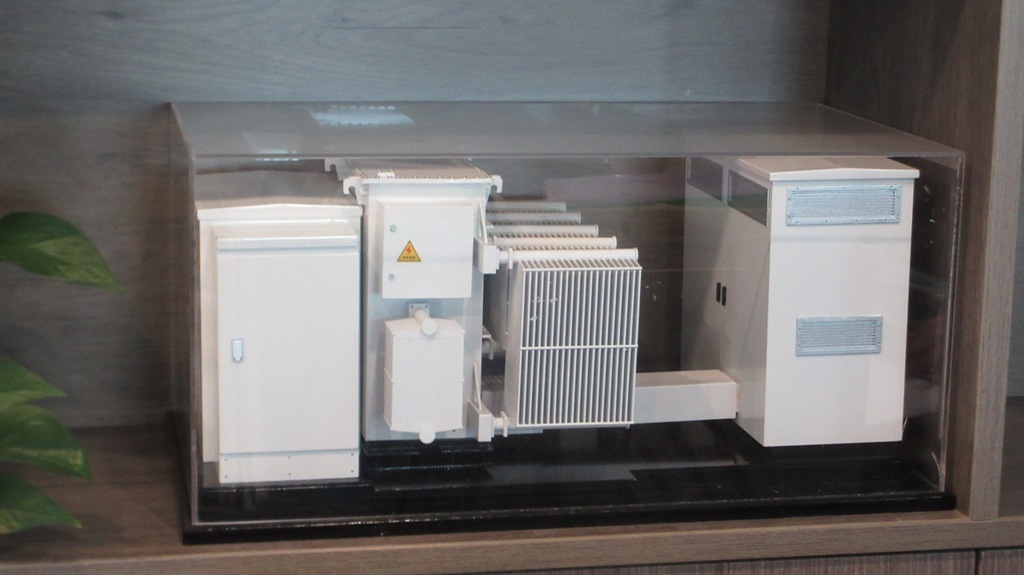
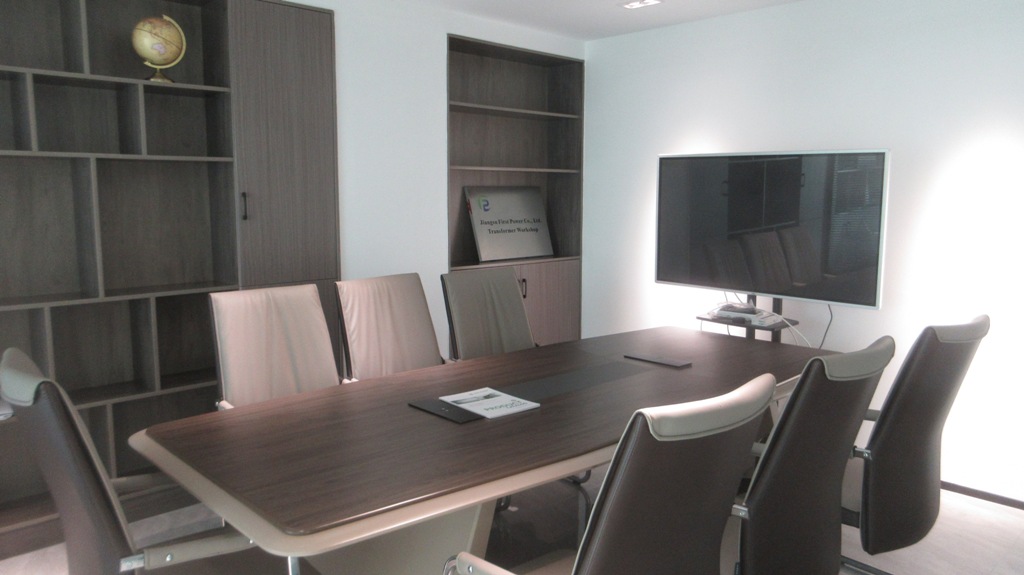
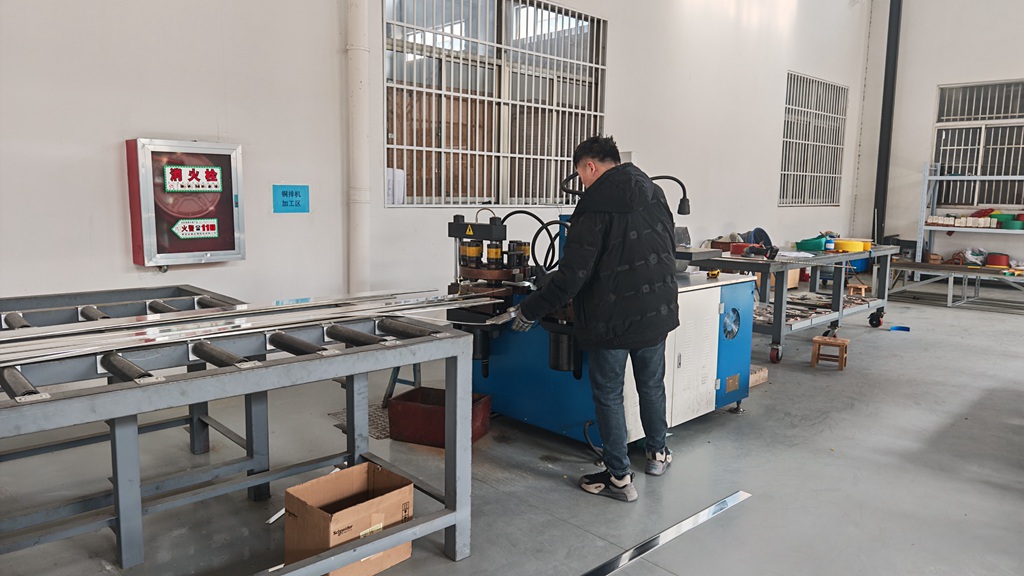
Jiangsu Wisegj Power Co., Ltd. is an export-oriented Chinese transformer manufacturer based in Suzhou, Jiangsu. The company designs, assembles and exports medium and high voltage equipment from 220 V up to 500 kV, covering power transformers, distribution transformers, pad mounted transformers, oil immersed transformers, dry type transformers, compact substations, switchgear, distribution boxes and voltage stabilisers.
For Arusha projects, the value is not a fictional local office. It is a documented factory, an engineering response, third-party verification and export packing that reduces procurement risk. Wisegj states more than 20 years of team experience in transformers, a verified production floorspace of 6,847 m², 50+ R&D and technical engineers, 211 qualified supply-chain partners and an average buyer rating of 4.9/5. Production capability, floorspace and quality inspection have been verified onsite by TÜV Rheinland, an independent third-party inspection body.
Management systems include ISO 9001, ISO 14001 and ISO 45001. CE certificates are available for oil immersed power transformers, oil immersed transformers, dry type transformers, compact substations and switchgear. Certificate numbers such as CE oil immersed transformer M.2025.206.C121882, CE dry type transformer FQC2530404, CE compact substation M.2025.206.C121884, ISO 9001 62824Q6052R0S, ISO 14001 62824E6053R0S and ISO 45001 62824S6054R0S can be reviewed by your compliance team.
Every unit is intended to receive routine tests before shipment: winding resistance, voltage ratio and vector group, impedance and load loss, no-load loss and current, applied and induced voltage withstand, plus oil dielectric strength for liquid-filled units. Third-party witness inspection is welcome. Documentation can include GA drawings, nameplate drafts, routine test reports and O&M manuals in English, which matters when an Arusha project must satisfy consultants, insurers and facility operators.
What Arusha Buyers Should Verify Before Ordering
The strongest RFQ is not the longest one. It is the one that removes ambiguity about electrical performance, site conditions, testing and delivery responsibility.
Electrical Duty
Confirm kVA, primary and secondary voltage, 50 Hz, vector group, impedance, tap range, cooling method and whether the unit is for step-down, isolation or inverter duty.
Loss Evaluation
Ask for guaranteed no-load and load losses. Evaluate them with a realistic operating profile; in many Arusha facilities, lifecycle energy cost is larger than the initial price gap.
Site Conditions
Declare altitude, ambient temperature, lightning exposure, dust, humidity, indoor or outdoor location, enclosure IP rating and any corrosion concerns.
Test Reports
Request routine tests for every serial number, plus type test reports where available. Confirm whether third-party witness inspection is permitted before packing.
Documentation
Check drawings, nameplate, packing list, commercial invoice, certificate of origin if required, CE/ISO copies, O&M manual and protection coordination data.
Logistics and Service
Agree Incoterms, packing standard, shipping route to Tanzania, inland transport to Arusha, spare-parts list and the engineer responsible for after-sales response.
Common Local Procurement Questions About Three Phase Isolation Transformers
Practical answers for importers, EPC teams, facility managers and electrical contractors sourcing for Arusha and Northern Tanzania.
Can you supply three phase isolation transformers to Arusha, Tanzania?
Yes. Wisegj exports transformers and compact substations to Africa, including Tanzania. Arusha-bound equipment is normally shipped by sea to Dar es Salaam and then moved inland by road, or arranged through the logistics route agreed in the quotation. Please share the project location, delivery terms and required documentation so the export team can confirm packing and freight options.
Are the transformers suitable for 50 Hz, 33 kV or 11 kV networks?
The product range includes 50 Hz and 60 Hz designs across 6 kV, 10 kV, 15 kV, 20 kV and 35 kV classes, with low-voltage outputs such as 400/230 V. Typical Arusha projects use 33 kV or 11 kV primary distribution. Final suitability depends on the single-line diagram, vector group, impedance, neutral arrangement, fault level and local utility requirements. The design should always be confirmed against the project specification before manufacture.
What is the difference between an isolation transformer and a distribution transformer?
A distribution transformer normally steps medium voltage down to a usable low voltage for a building, feeder or industrial load. An isolation transformer deliberately provides galvanic separation between two circuits and may include electrostatic shielding, a different vector group or specially controlled impedance. In practice, a three phase transformer can perform both functions, but the specification must state the isolation objective clearly: protection from common-mode noise, separation of inverter output, limitation of fault current, or simply step-down distribution.
How do you handle high altitude and lightning in Arusha?
Arusha’s highland location calls for a review of insulation coordination, impulse withstand, clearances, surge protection and enclosure protection. For outdoor units, buyers should state altitude, ambient temperature, dust and humidity conditions, and whether the site has a history of lightning damage. Oil immersed and pad mounted equipment should also be specified with an appropriate paint and tank corrosion system. Dry type units need ventilation and clearance checks for indoor installation.
Which factory tests and documents are provided?
Routine tests normally include winding resistance, voltage ratio and vector group, impedance and load loss, no-load loss and current, applied voltage and induced voltage tests, plus oil dielectric strength for liquid-filled units. Test reports are prepared per serial number. Type test reports can be supplied where available, and third-party witness inspection can be arranged before shipment. GA drawings, nameplate drafts and O&M manuals are also part of the document package.
What is the typical lead time and shipping route to Arusha?
Lead time depends on rating, customisation, test requirements and order volume. A standard distribution transformer is faster than a large power transformer or a specially shielded isolation unit. For planning, submit the technical data sheet early and request a written production schedule with the quotation. Shipping is commonly quoted FOB, CFR, CIF or DDP, with Dar es Salaam as the usual port gateway for inland Tanzania. Inland transport to Arusha should be agreed clearly before order.
What payment terms and currencies are accepted?
Wisegj works with FOB, CFR, CIF, EXW, FCA, CIP, CPT and DDP terms, and also other Incoterms by agreement. Payment options include T/T, L/C, D/P and D/A among other methods, in USD, EUR, GBP, CAD, AUD and other major currencies. The final terms are confirmed in the contract and proforma invoice.
Can you customize for Tanzania and support local approvals?
Yes. OEM, ODM, design-based and sample-based customisation are available, covering ratings, vector group, impedance, tap range, bushings, cooling method, insulating fluid, enclosure colour and nameplate language. CE, IEC and IEEE-related documentation can support your consultant’s submission to local authorities. Final approval, import clearance and grid connection remain subject to the licensed Tanzanian authorities and the project’s responsible engineer.
Do you provide after-sales support and spare parts?
Wisegj states a 24-hour pre-sale and after-sale response target. For export projects, the support package can include drawings, test reports, installation guidance, spare-parts recommendations and replacement-part coordination. For Arusha buyers, it is advisable to list critical spares at the quotation stage rather than after energisation.
Request an Arusha-Ready Transformer Quotation
Send your rated power, primary and secondary voltage, frequency, vector group, impedance, tap range, cooling method, site altitude and delivery terms. A transformer engineer will review the specification and respond with a compliant configuration, test plan and export documentation route.
Recommended attachments: single-line diagram, load list, nameplate preference, utility comments and target delivery date.