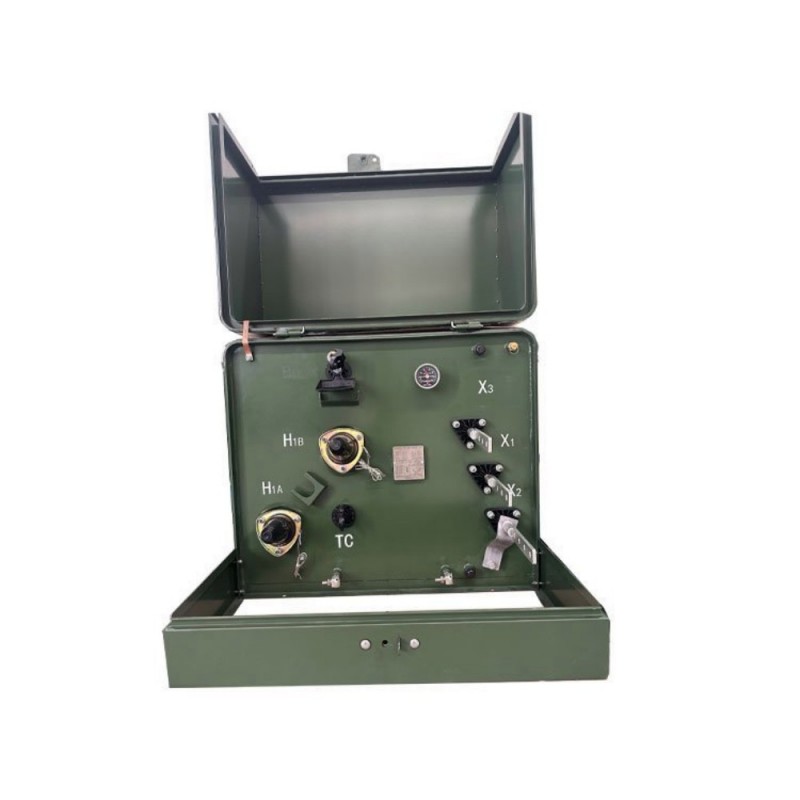
Engineering Three Phase Dry Transformers for Gabú's Grid Infrastructure
The region of Gabú, representing the economic engine of eastern Guinea-Bissau, is undergoing an unprecedented electrical transformation. As commercial trading hubs, cashew processing complexes, solar-hybrid mini-grids, and cross-border distribution links expand, the demand for reliable, maintenance-free medium-voltage step-down transformers has surged. Selecting the appropriate transformer technology is not merely a matter of voltage matching; it is an engineering decision that impacts grid uptime, system safety, operational costs (OPEX), and resistance to severe West African environmental stressors.
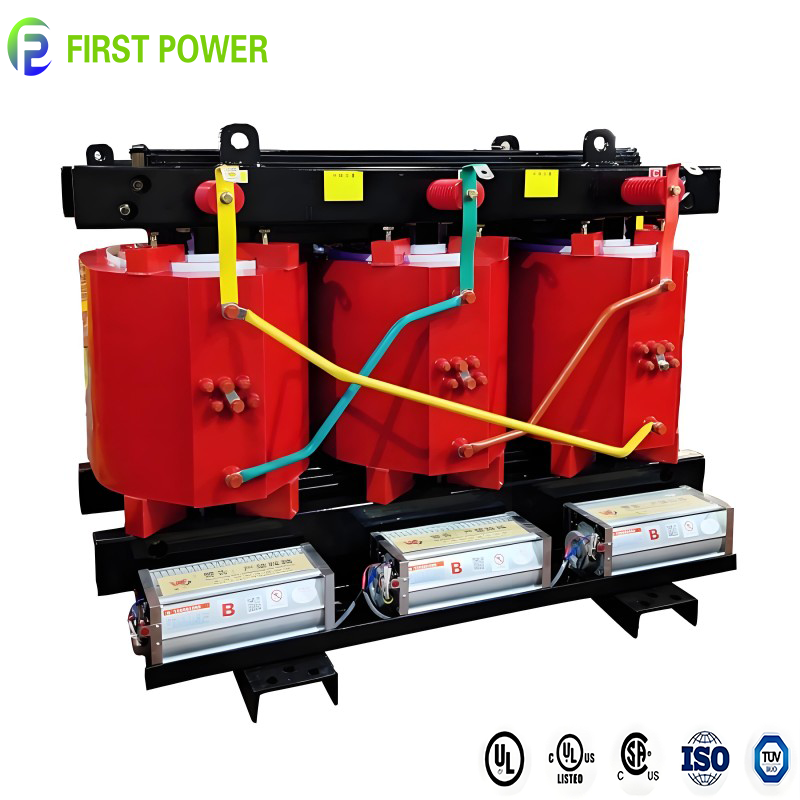
Historically, oil-filled distribution transformers dominated local regional installations. However, in tropical inland climates like Gabú—where dry-season ambient temperatures frequently surpass 42°C, and seasonal Harmattan winds carry abrasive dust particles—oil-immersed units encounter accelerated dielectric degradation, risk of oil leakage, high fire hazards, and intensive maintenance demands. As a premium Three Phase Dry Transformer Supplier & Wholesaler serving the Gabú market, Jiangsu Wisegj Power Co., Ltd. delivers advanced Cast Resin (CRT) and Vacuum Pressure Impregnated (VPI) dry-type transformers specifically engineered to overcome these environmental and electrical challenges.
Climatic Derating and Thermal Management in Eastern Guinea-Bissau
Standard transformer ratings based on IEC 60076-11 assume an average ambient temperature of 20°C and a maximum ambient temperature of 40°C. In Gabú, ambient conditions routinely breach these parameters, causing conventional transformers to experience severe thermal overstressing. When operating above nameplate ambient conditions, winding temperature rises linearly, degrading insulation life exponentially according to the Arrhenius rate equation.
Wisegj dry-type transformers engineered for the Gabú market integrate custom heat dissipation channels within high-voltage (HV) and low-voltage (LV) cast coils. Utilizing Class H (180°C) or Class F (155°C) nomex and epoxy insulation systems with maximum allowable temperature rises kept artificially low (e.g., 90K or 100K rise), our transformers maintain full nominal kVA output without thermal derating even during peak equatorial summer cycles.
Localized Application Scenarios in the Gabú Region
Cashew Processing & Industrial Mills
Gabú is Guinea-Bissau's agricultural core. Large-scale raw cashew nut (RCN) drying, shelling, and processing plants demand continuous 3-phase power. Our dry transformers withstand heavy motor-starting current surges and harmonic loads from variable frequency drives (VFDs) without coil deformation.
Solar PV Microgrids & Battery Storage
To reduce dependence on expensive imported diesel, commercial solar installations are expanding in Gabú. Wisegj step-up dry transformers (0.4kV to 10kV/20kV/35kV) feature electrostatic shielding between windings to attenuate high-frequency switching noise from solar inverters.
Urban Commercial & Indoor Substations
For municipal building distribution and crowded commercial zones in Gabú city, oil-filled units present a severe fire risk. Our IP23 / IP54 enclosed cast resin dry-type transformers can be installed directly inside buildings without expensive fire barrier walls or oil containment pits.
Harmattan Dust & Tropical Moisture Protection (E2, C2, F1 Ratings)
The environmental profile of Gabú fluctuates between extreme dryness during the Harmattan season (featuring fine, conductive dust particles) and torrential monsoon rains. Electrical equipment must be rated for severe atmospheric conditions:
- Environmental Class E2: Heavy condensation, high relative humidity (>95%), and severe atmospheric pollution resistance. Coils are non-hygroscopic and will not absorb moisture during extended shutdowns.
- Climatic Class C2: Certified operation, transport, and storage at ambient temperatures down to -25°C and extreme thermal shocks up to +50°C.
- Fire Behavior Class F1: Materials subjected to fire show self-extinguishing properties, generate zero halogen gases, and produce minimal smoke.