Powering South-Central Niger's Industrial & Agricultural Hub
As Maradi solidifies its status as the commercial cross-border powerhouse of Niger, modernizing rural electrical grids and agricultural electrification infrastructure has become imperative. Single phase pole mounted transformers serve as the critical backbone for low-density distribution lines across Maradi Region. Engineered to withstand harsh Sahelian thermal loads, extreme Harmattan sandstorms, and prolonged low-voltage feeder stress, high-efficiency overhead units guarantee uninterrupted power delivery to agricultural processing zones, residential communities, and remote telecommunication towers.
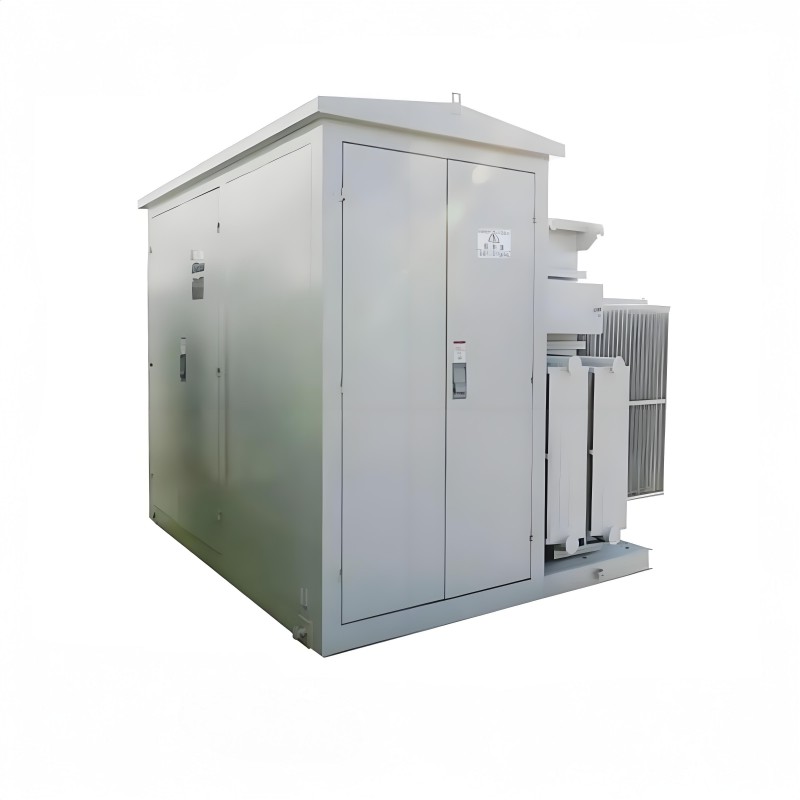
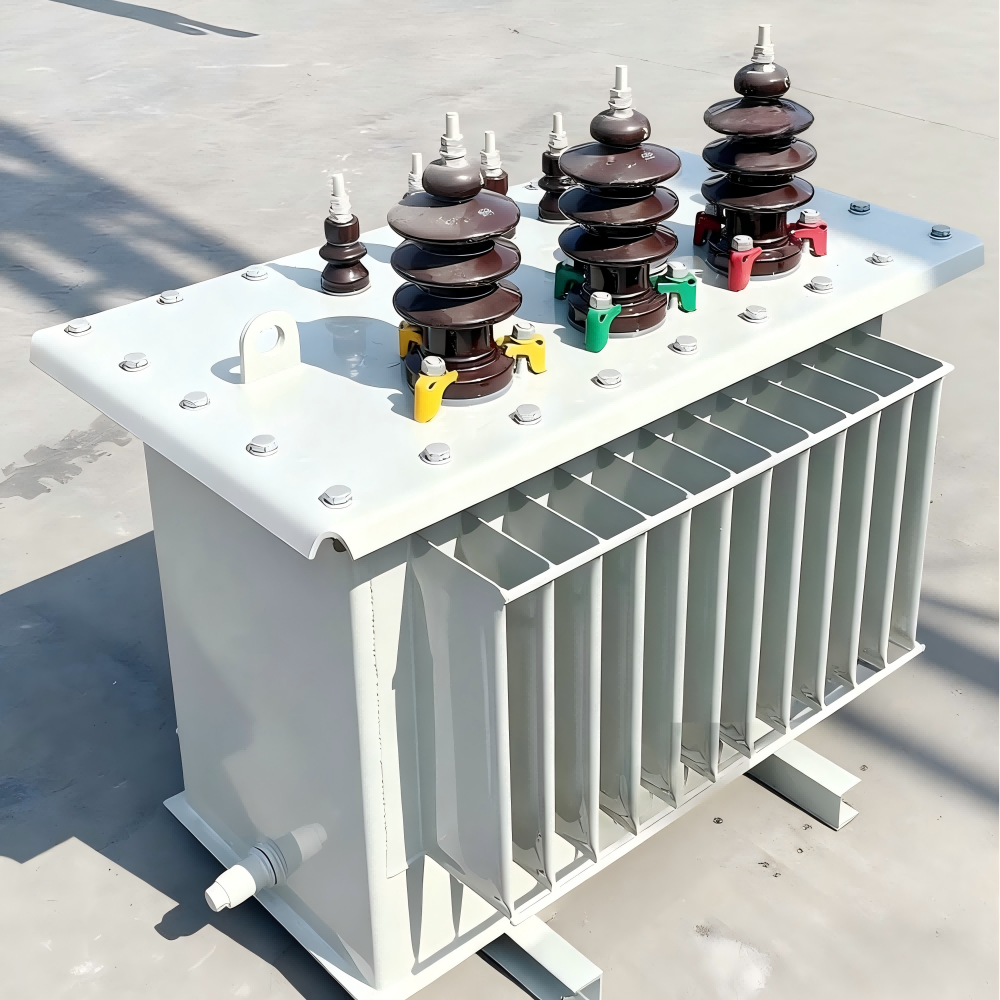
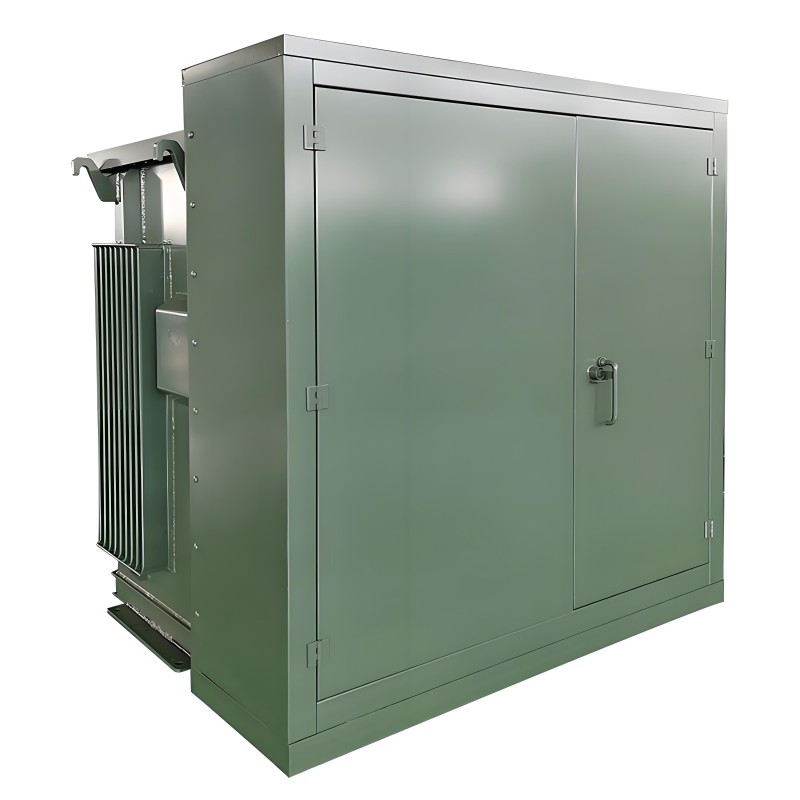
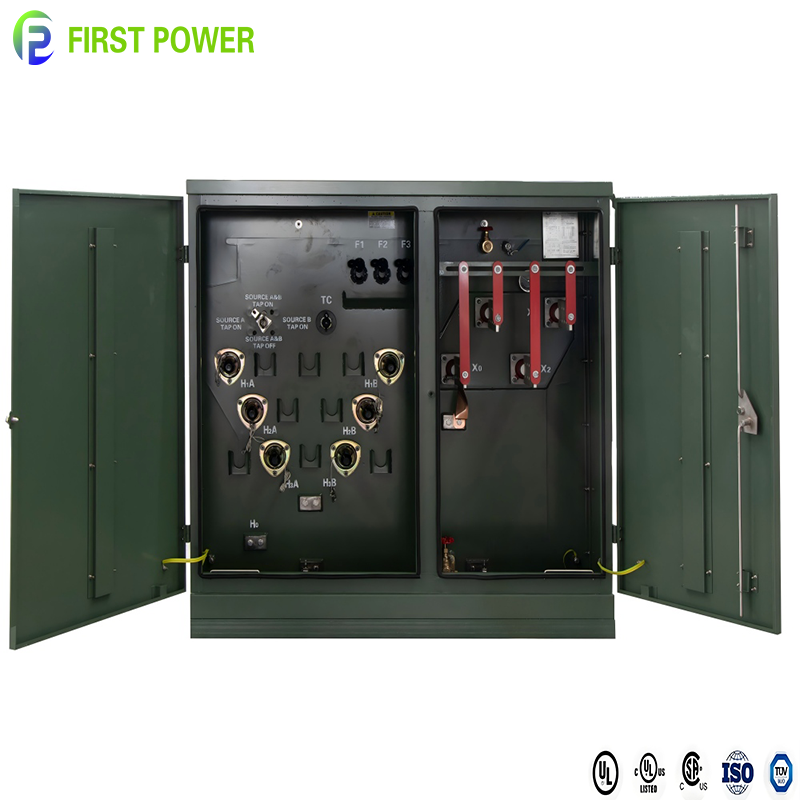
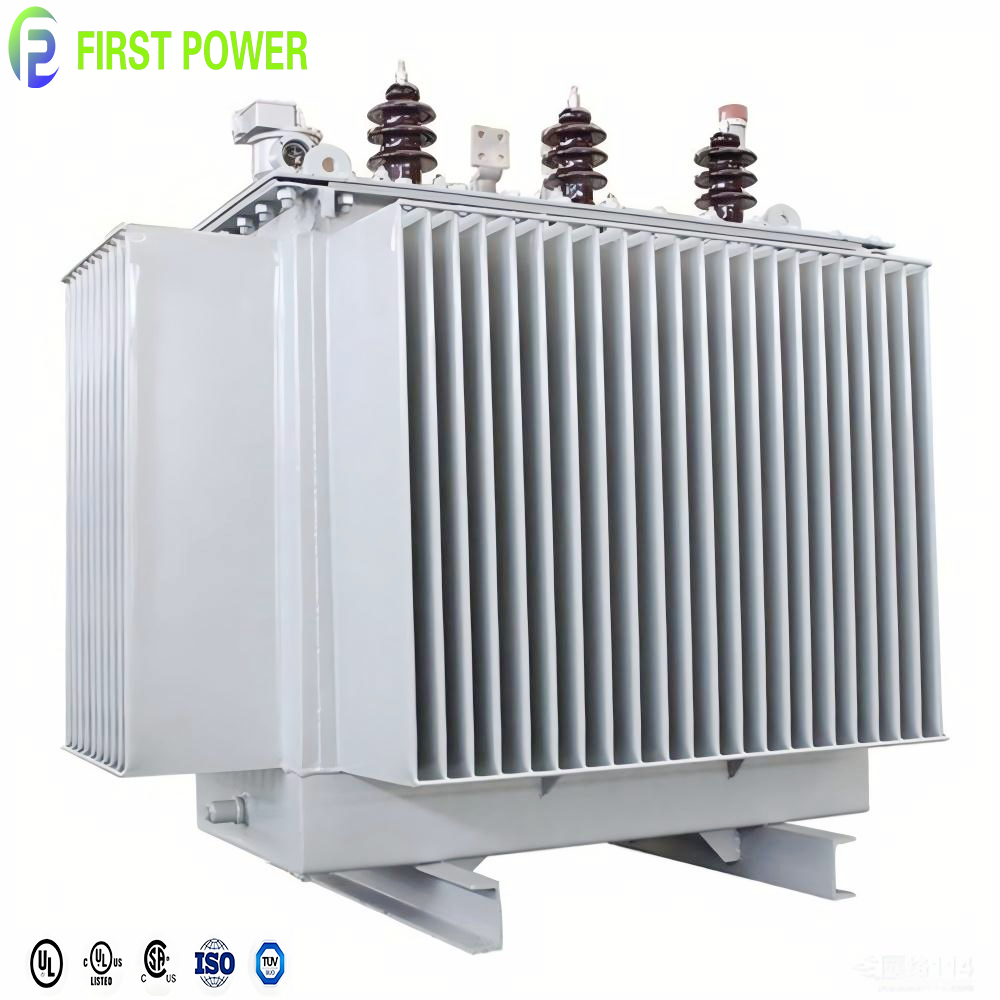
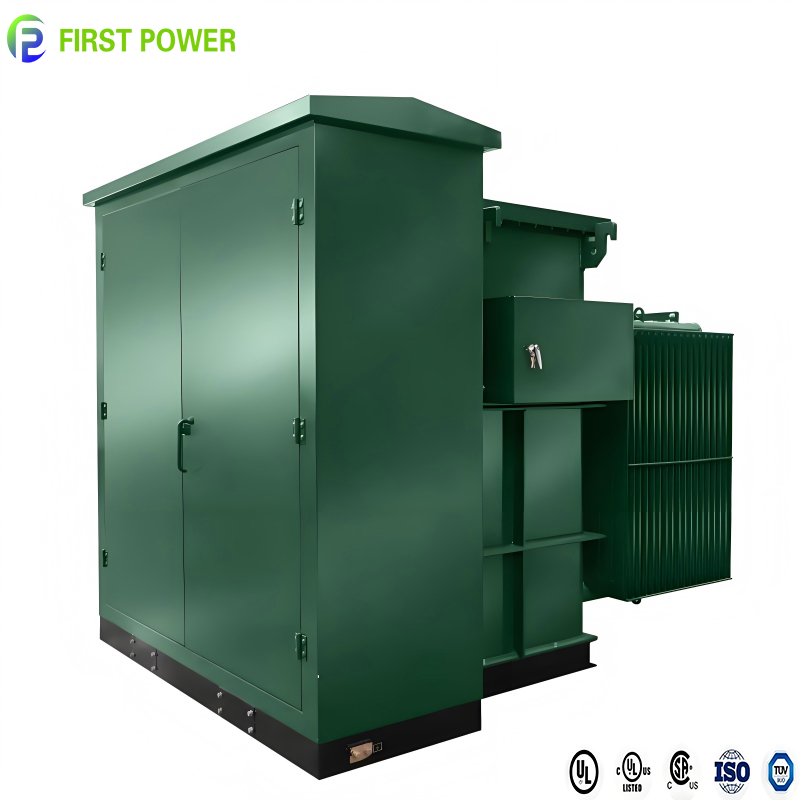
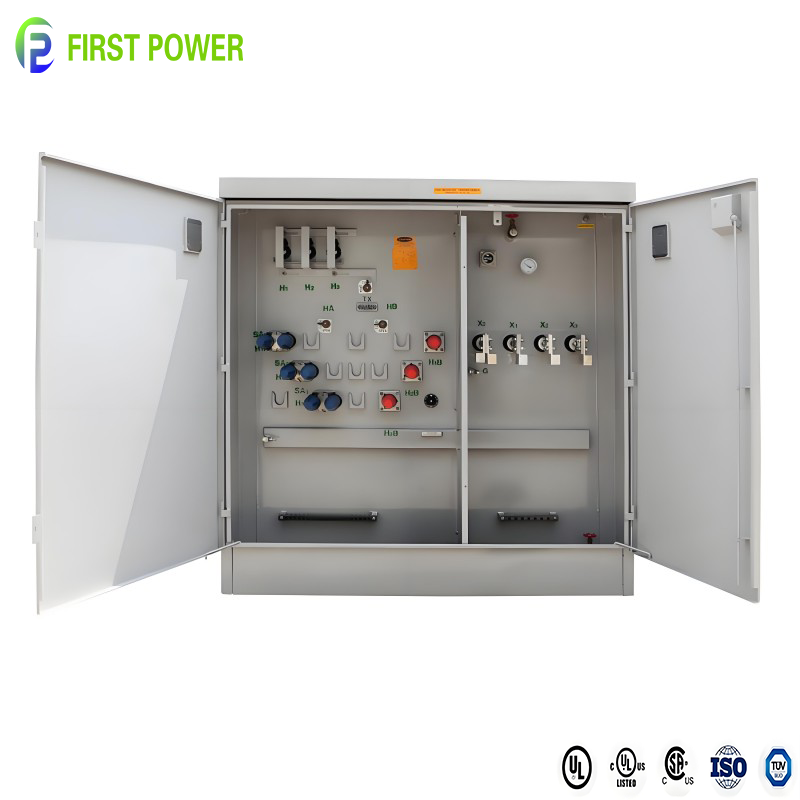
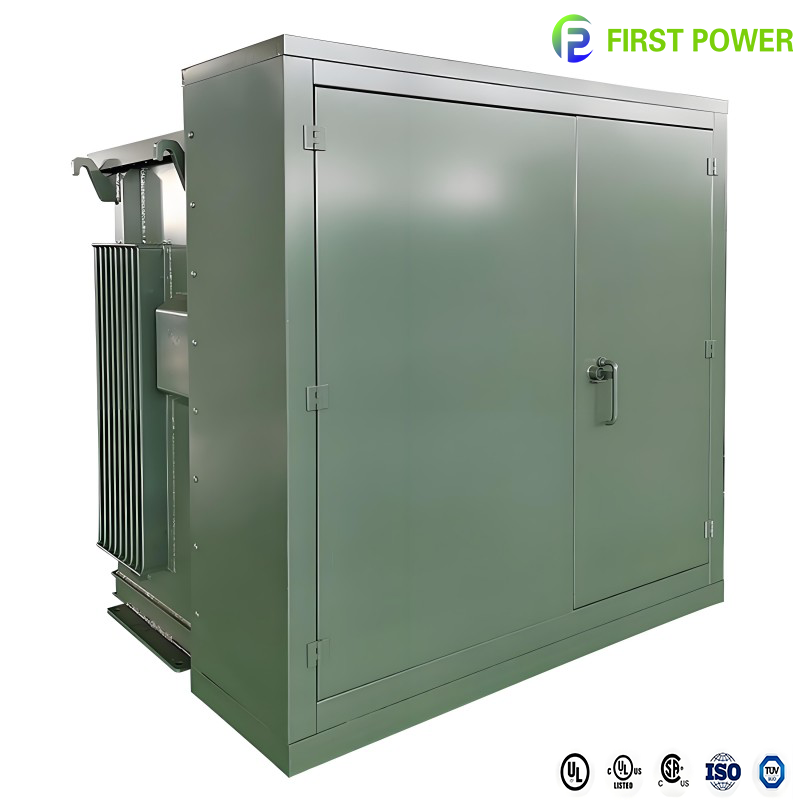
Single-Phase Pole-Mounted Transformers in Maradi: Technical Engineering White Paper
In the geographic and economic landscape of West Africa, specifically within Niger's Maradi Department, electrical distribution grids face a distinct triad of challenges: severe ambient heat, expansive low-density rural consumer bases, and extreme airborne particulate loads. Selecting the ideal single phase pole mounted transformer factory and supplier for Maradi requires a deep understanding of local utility frameworks—predominantly governed by NIGELEC (Société Nigérienne d'Electricité) technical standards—and the physical dynamics of overhead line distribution.
Unlike urban centers where three-phase pad-mounted substations are common, rural and semi-urban distribution across the Maradi region relies heavily on single-phase overhead distribution networks. By tapping single-phase lines (typically 19.05 kV phase-to-ground derived from 33 kV systems, or 10 kV/20 kV primary lines) down to 230 V single-phase or 120/240 V split-phase secondary service, utilities minimize capital expenditure per route kilometer while extending grid coverage to remote agricultural communes, peanut oil processing facilities, and deep-well water pumping stations.
To avoid thermal runaway and accelerated insulation aging (which follows the Arrhenius reaction rate where insulation life halves for every 6°C increment above rated hotspot limit), transformers engineered by Jiangsu Wisegj Power Co., Ltd. for the Maradi market incorporate a custom thermal design:
Top-Oil Temperature Rise Limit: ≤ 50 K (compared to standard 60 K)Average Winding Rise Limit: ≤ 55 K (compared to standard 65 K)
Localized Engineering & Sahelian Climate Resilience
Supplying transformers to Maradi requires specific mechanical and electrical modifications to prevent premature field failure. Buyers and procurement contractors evaluating suppliers must verify the following critical engineering features:
Harmattan Dust Protection & Creepage
The seasonal Harmattan wind carries ultra-fine silica dust from the Bodélé Depression across Maradi. Accumulation of conductive dust on high-voltage bushings causes flashovers when humidity rises. Our single-phase transformers utilize high-grade porcelain or composite silicone bushings featuring extended creepage distances (≥ 31 mm/kV), exceeding standard Class IV heavy-pollution requirements under IEC 60815.
High Impulse Withstand (BIL 170 kV)
Maradi experiences intense dry-season electrical storms. High basic impulse insulation levels (BIL up to 170 kV for 33 kV class networks) combined with tank-mounted metal-oxide surge arresters protect primary windings from destructive atmospheric overvoltages and line switching surges along unshielded rural lines.
Anti-Corrosion C5-M Coating
While Maradi is inland, intense UV exposure and seasonal torrential rains cause rapid paint chalking and tank oxidation. Tanks are fabricated from cold-rolled structural steel or stainless steel, shot-blasted to SA 2.5, and coated with a multi-layer epoxy-polyurethane paint system rated for severe weathering (salt spray resistance > 1500 hours).
Low-Loss CRGO & Amorphous Cores
With high bulk electricity generation costs in West Africa, minimizing no-load (iron) losses is critical for NIGELEC feeder economics. Wisegj utilizes high-permeability, domain-refined Cold Rolled Grain Oriented (CRGO) silicon steel (M0H/M1H grade) or Amorphous alloy cores, cutting no-load losses by up to 30% to 70% compared to legacy S9/S11 models.
Application Scenarios Across Maradi Region
The practical deployment of single phase pole mounted transformers in Maradi spans several strategic sectors driving local economic growth:
- Agricultural Groundnut & Grain Processing: Maradi is the agricultural center of Niger. Single-phase lines power localized decortication machines, small-scale peanut oil presses, and grain mills operating in villages like Tessaoua, Mayahi, and Aguie.
- Solar Mini-Grid Integration & Hybridization: Under Niger's National Plan for Access to Electricity (PNAED), off-grid solar-diesel hybrid mini-grids rely on step-up and step-down pole-mounted transformers to distribute 230V single-phase power across rural clusters efficiently.
- Cross-Border Trade & Customs Outposts: Due to Maradi's proximity to Jibiya and Kano in Nigeria, border control posts, logistical staging warehouses, and roadside commerce require compact, tamper-proof overhead transformers mounted directly on concrete or steel poles.
- Telecom Tower Powering: Remote mobile base transceiver stations (BTS) scattered along highway corridors require dedicated, highly reliable step-down transformers (e.g., 10 kVA, 15 kVA, or 25 kVA) capable of continuous operation under unmonitored outdoor conditions.
Technical Comparison: Overhead Single-Phase vs. Ground-Pad Systems in West Africa
Procurement directors evaluating grid architecture often balance capital costs (CAPEX) against operational durability (OPEX). The table below outlines why single-phase pole-mounted configurations remain the preferred choice for rural distribution in Maradi:
| Parameter | Single Phase Pole Mounted | Three Phase Pad Mounted | Substation Ground-Type |
|---|---|---|---|
| Target Load Density | Low to Medium (5 kVA - 167 kVA) | High Commercial (75 kVA - 2500 kVA) | Industrial Bulk (> 2500 kVA) |
| Civil Works CAPEX | Minimal (Pole bracket mounting) | Moderate (Concrete pad + trenching) | High (Substation foundation & fence) |
| Flood & Dust Vulnerability | Very Low (Elevated on pole) | Moderate (Ground level enclosure) | Requires drainage systems |
| Vandalism / Theft Risk | Low (Inaccessible without lift) | Low-Moderate (Locked enclosure) | High (Requires perimeter security) |
| NIGELEC Grid Fit | Ideal for Rural Feeder Extension | Urban Commercial Centers | High Voltage Transmission Links |
Local Market Dynamics & Future Electrification Trends in Maradi
The energy market in Niger is entering a transformative era. Historically reliant on bulk power imports from Nigeria, NIGELEC and the Ministry of Energy are expanding domestic generation through solar installations (such as the Gorou Banda solar expansion and regional mini-grids in Maradi).
Key market trends impacting transformer sourcing include:
- Shift Toward Ester Fluid (FR3): Natural ester bio-fluids are gaining traction due to their high flash point (> 300°C vs. 140°C for mineral oil), eliminating explosion hazards in high-temperature environments while extending paper insulation lifetime.
- Standardization on ANSI/IEEE & IEC Harmonized Specs: Utilities in West Africa are adopting strict loss evaluation formulas (A and B factors) during tender evaluation. Suppliers must guarantee core losses and load losses with zero positive tolerance.
- Smart Metering & Integrated Sensing: Modern pole-mounted units are increasingly requested with oil level sight gauges, pressure relief valves with alarm contacts, and top oil temperature sensors to interface with SCADA networks via cellular telemetry.
Enterprise Strengths & E-E-A-T Capabilities: Jiangsu Wisegj Power Co., Ltd.
When purchasing high-voltage electrical equipment for international tenders or private commercial developments in West Africa, verified manufacturing competence is non-negotiable. Jiangsu Wisegj Power Co., Ltd. stands as a premier manufacturer, offering utility-grade quality backed by rigorous international accreditation:
- Third-Party Facility Verification: Production plant, manufacturing workflow, and engineering test bays are fully audited and verified onsite by TÜV Rheinland.
- Comprehensive Management Certifications: Operates under fully certified ISO 9001 (Quality), ISO 14001 (Environmental Management), and ISO 45001 (Occupational Health & Safety) frameworks (Certificates 62824Q6052R0S, 62824E6053R0S, 62824S6054R0S).
- International Compliance: Product lines hold full European CE Certificates for Oil-Immersed Power Transformers (3N230310.JYTU038), Dry Type Transformers (FQC2530404), and Compact Substations (M.2025.206.C121884).
- 100% Factory Routine Testing: Every single transformer undergoes full routine testing prior to export packing—including Winding Resistance, Voltage Ratio & Phase Displacement, Short-Circuit Impedance & Load Loss, No-Load Loss & Current, Applied AC Overvoltage Withstand, Induced Overvoltage Withstand, and Dielectric Breakdown Oil Testing.
- Tailored Customization (OEM/ODM): Engineering drawings (2D CAD / 3D BIM), customized primary taps (e.g., ±2×2.5% off-circuit tap changer), dual primary voltage configurations, specialized paint color schemes, and multi-lingual nameplates (French/English) tailored for Niger.
Frequently Asked Questions for Sourcing Transformers in Maradi
What are the standard primary and secondary voltages for single phase transformers in Niger?
How do you ensure safe freight delivery to landlocked Maradi, Niger?
Can Wisegj transformers operate under ambient temperatures exceeding 45°C?
What documentation is supplied with the shipment for customs clearance?
What warranty and technical support terms do you provide for Maradi buyers?
Request Technical Specifications & Factory Pricing for Maradi
Connect directly with our senior transformer application engineers. We provide comprehensive bid documentation, guaranteed loss data, 2D/3D CAD drawings, and competitive CIF Cotonou / DDP Maradi quotations within 24 hours.