8 Transformer Lines for Bangkok Wholesalers, EPCs and Utility Projects
The product lines below are suited to different points in the Bangkok distribution chain: residential sois and street-level feeders, commercial buildings, industrial estates, underground loop systems and renewable energy interconnections. For single phase pole mounted transformer enquiries, buyers can review the ANSI single phase model below, then confirm primary voltage, secondary voltage, frequency, losses, mounting hardware and protection requirements against the final MEA or PEA project specification.
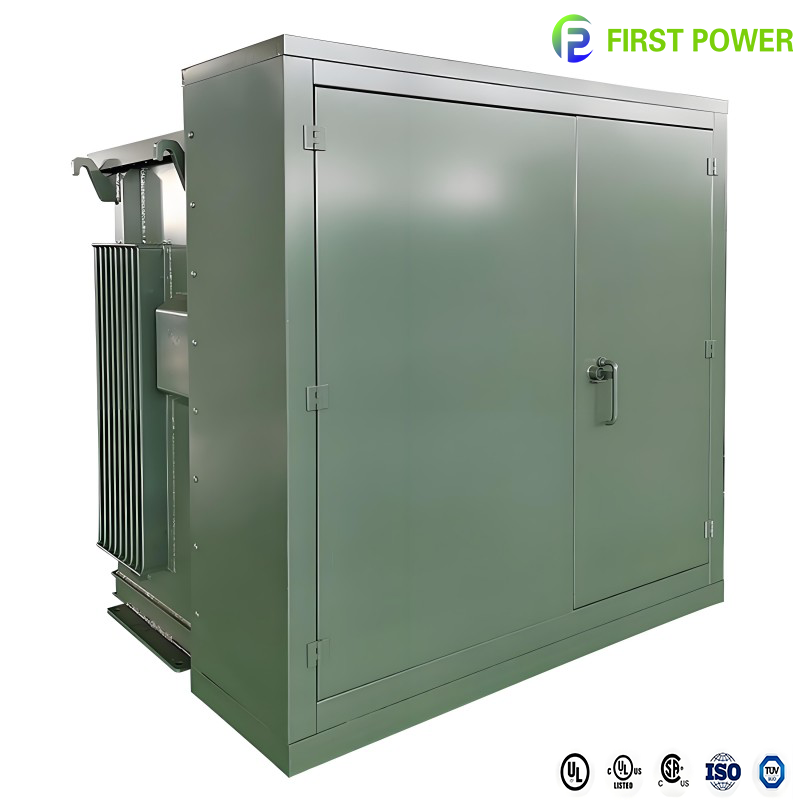
C CE MV&HV ZGS11 75-2500KVA 10KV 20KV 35KV Pad Mounted Three Phase Transformer for Electric Power Distribution
A compact underground-distribution solution for commercial complexes, data centres, campuses and projects where enclosure safety and visual impact matter.
- 75–2500 kVA three-phase distribution range
- 10 kV, 20 kV and 35 kV class options
- Pad mounted enclosure with utility-style access
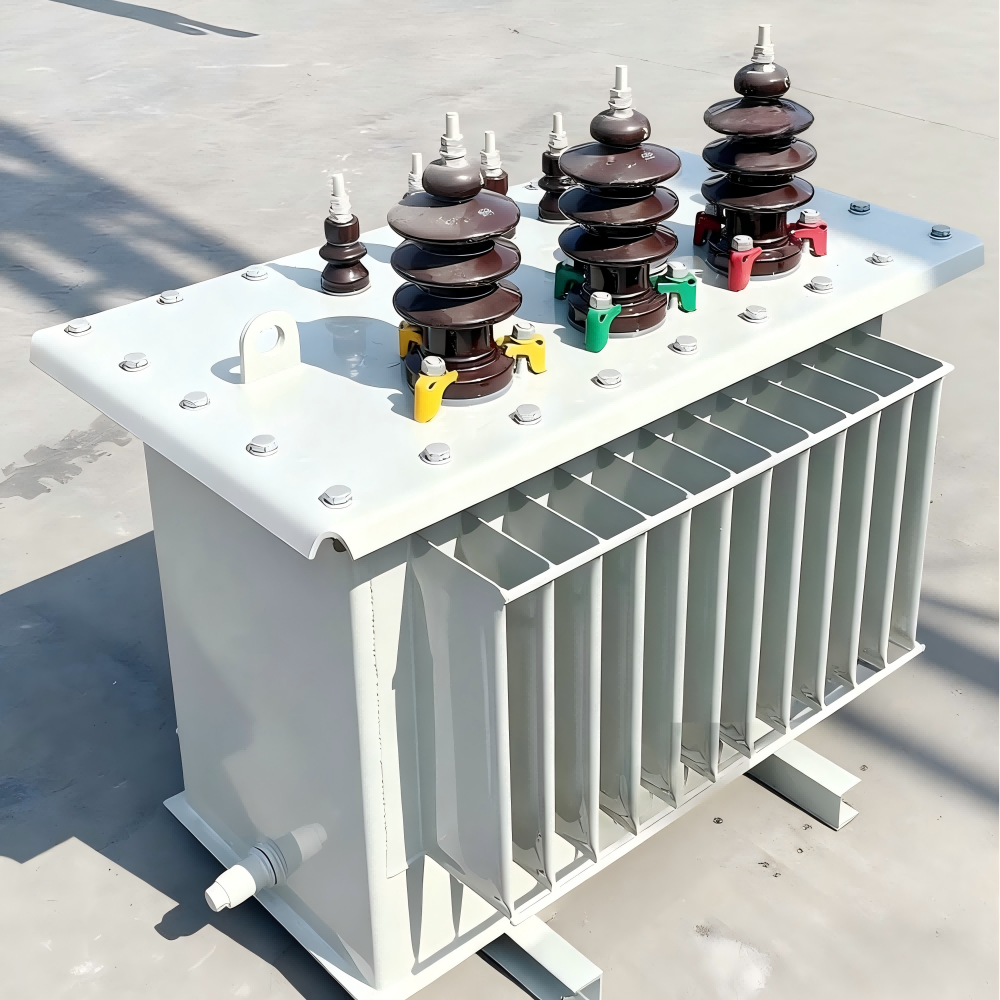
C CE MV&HV 30-31500KVA 6KV 10KV 15KV 20KV 35KV S11 Three Phase Oil Transformer for Electric Power Distribution
A broad-capacity oil transformer family for utilities, industrial plants and substation upgrades where proven thermal performance and serviceability are priorities.
- 30–31,500 kVA project range
- 6 kV to 35 kV class primary options
- Designed for distribution and industrial duty
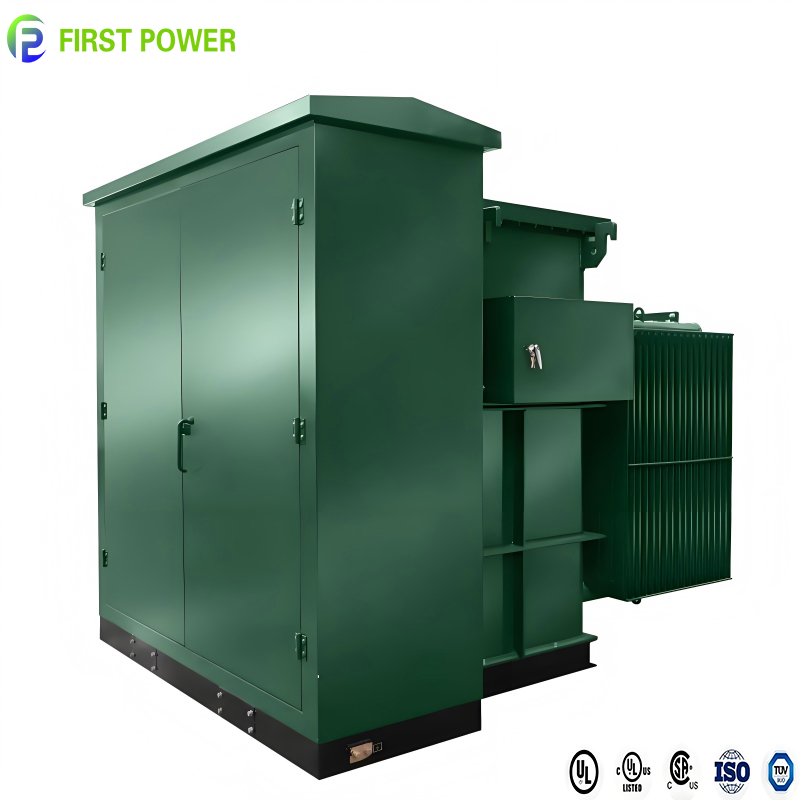
C CE 50/60HZ 6KV 10KV 15KV 20KV 35KV 100KVA 300KVA 500KVA 630KVA 3 Phase Pad Mounted Pedestal Transformer for Industrial
A practical choice for factories, logistics facilities and commercial compounds that need a robust three-phase unit with compact site footprint.
- 100 kVA, 300 kVA, 500 kVA and 630 kVA ratings
- 50/60 Hz configurability for export projects
- Pad mounted pedestal format for industrial sites
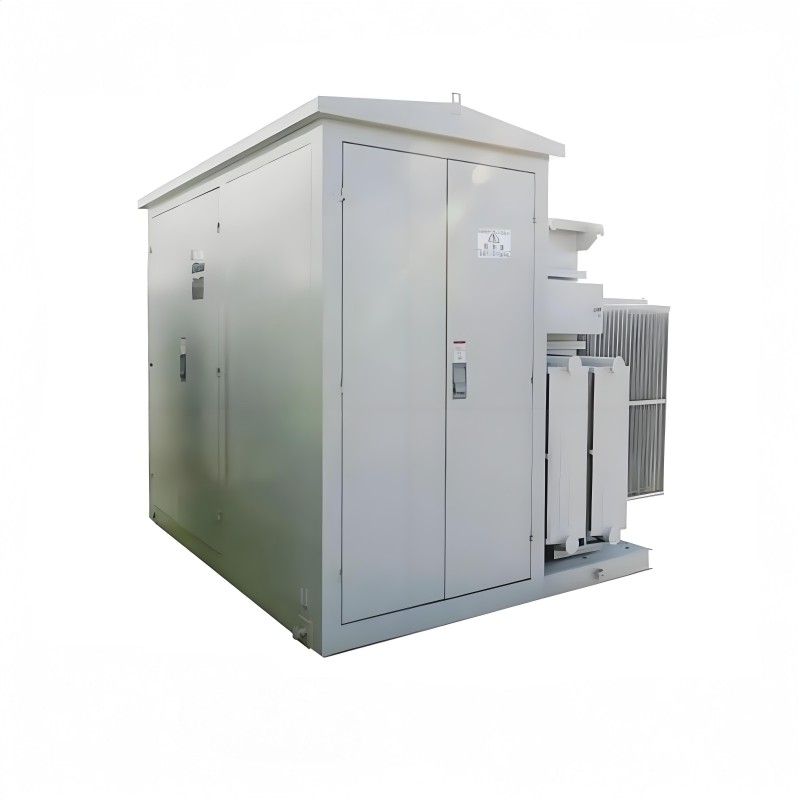
American Standard /C Certified 3000kva 34.5kv/480v Oil Type Pad Mounted Transformer 60 Hz 10kv Input 380v 440v Output
A high-capacity pad mounted design for overseas projects following American practice; for Bangkok 50 Hz schemes, confirm the frequency and voltage nameplate before ordering.
- 3000 kVA high-capacity platform
- 34.5 kV / 480 V class design reference
- Useful for export and data-centre type loads
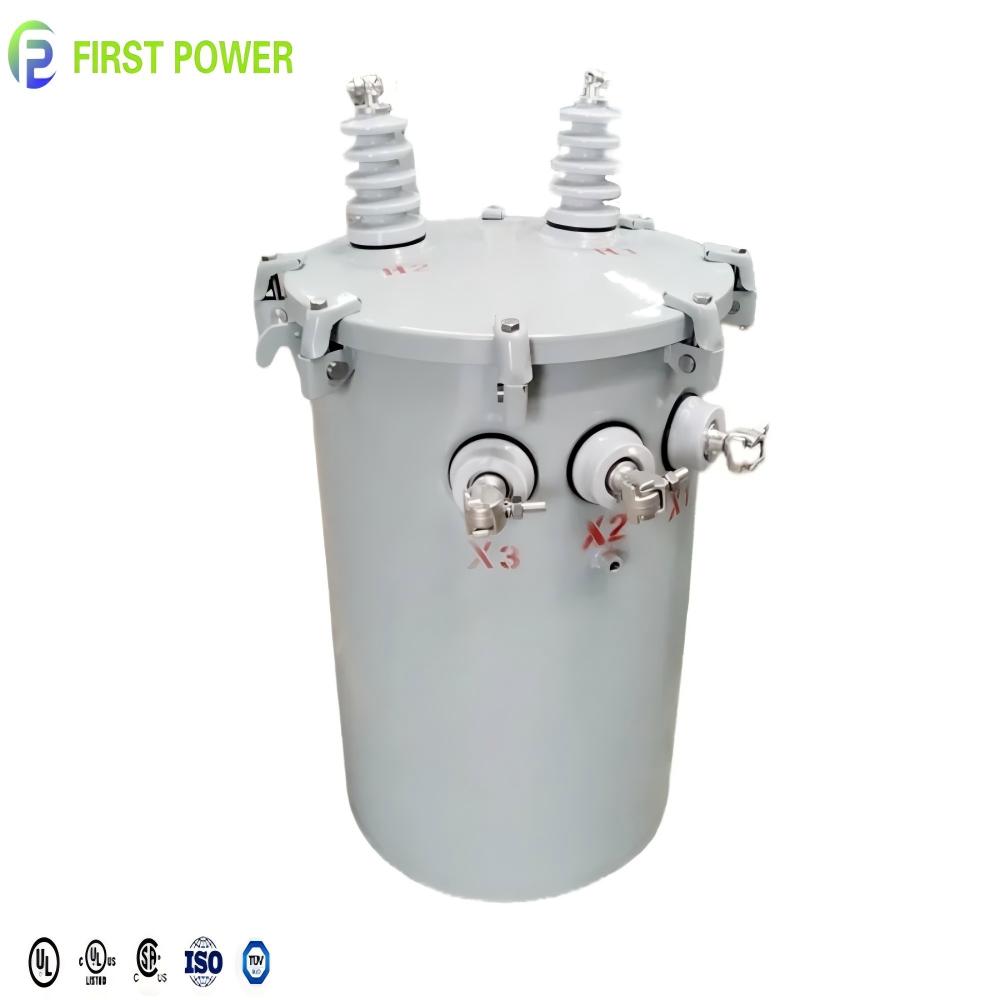
ANSI 50/60HZ 6KV 10KV 15KV 20KV 35KV 15KVA 25KVA 50KVA 100KVA Single Phase Pole Mounted Transformers for Industrial Power Supply
The core product for residential feeders, sois, street lighting and small commercial loads where a pole-mounted unit reduces civil works and site space.
- 15 kVA, 25 kVA, 50 kVA and 100 kVA options
- ANSI-style pole mounted configuration
- 50/60 Hz and multiple voltage classes
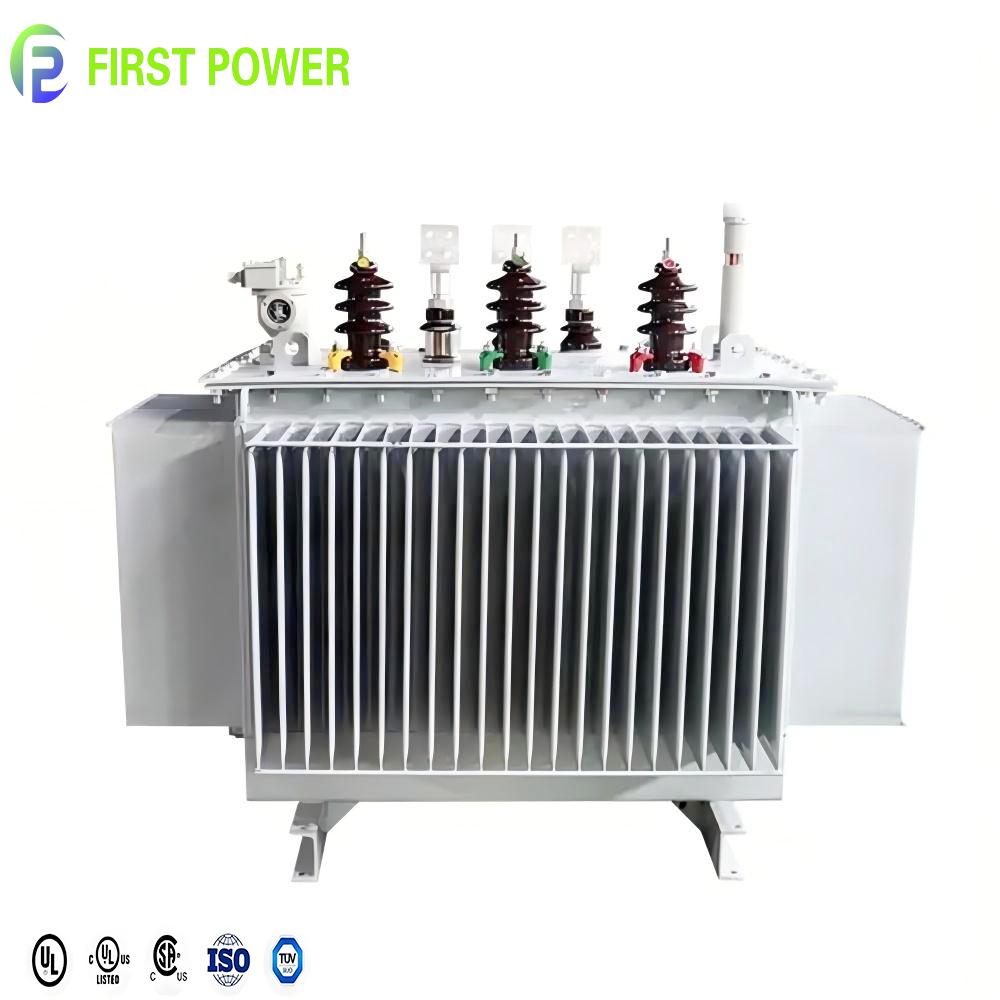
C CE S11 10KV 20KV 35KV 50KVA 100KVA 150KVA 200KVA 250KVA 3 Phase Oil-Immersed Transformer for Electric Power Distribution
An efficient three-phase oil-immersed range for commercial buildings, light industry and distribution branches with limited available footprint.
- 50–250 kVA compact distribution ratings
- 10 kV, 20 kV and 35 kV class primary
- Oil-immersed construction for proven cooling
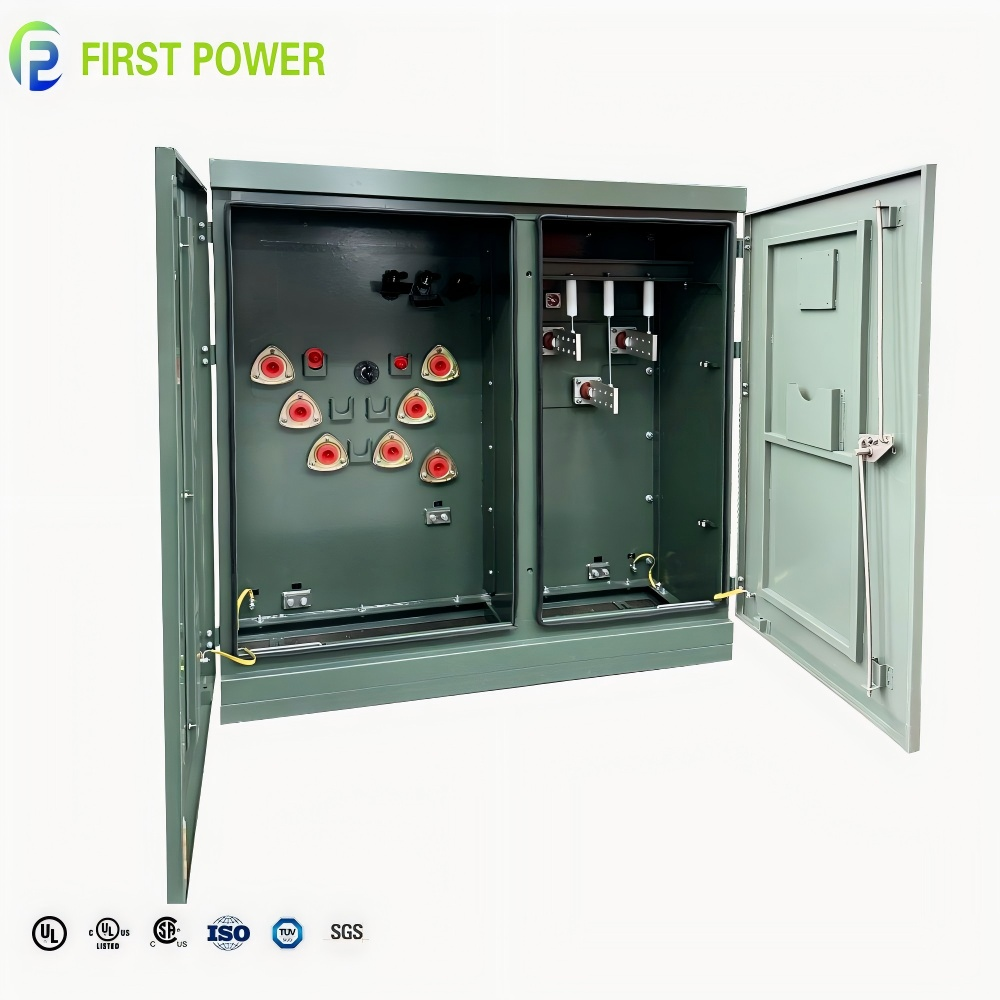
C CE Certification 50/60HZ 10KV 20KV 35KV 3 Phase Loop Feed Pad Mounted 750KVA Transformer for Electric Power Distribution
Designed for loop-feed distribution systems in commercial districts, underground networks and developments that require reliable sectionalising.
- 750 kVA three-phase loop-feed platform
- 10 kV, 20 kV and 35 kV class options
- Pad mounted enclosure for underground feed
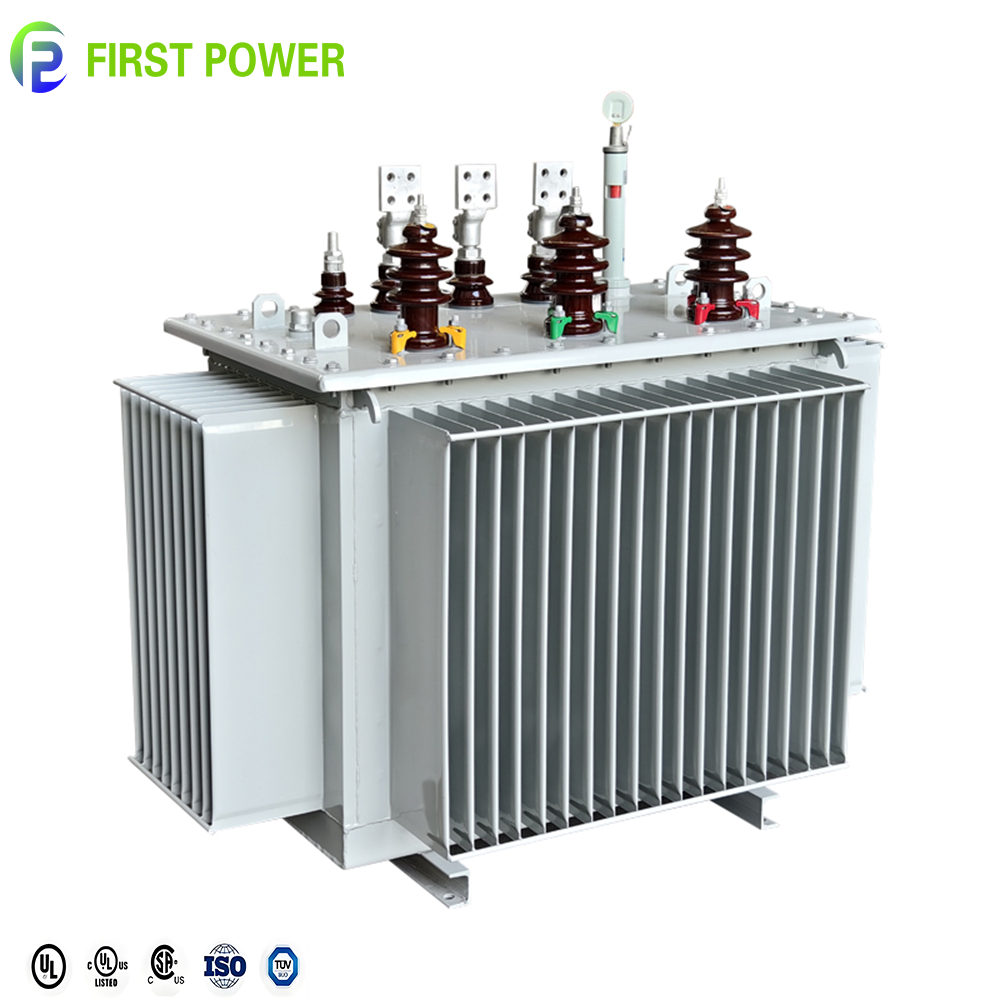
C CE 50/60HZ 6KV 10KV 15KV 20KV 35KV 100KVA 200KVA 300KVA 500KVA 220V Output Voltage Step up Oil Transformer for Industrial
Used where industrial equipment, renewable generation or isolated processes require voltage step-up with oil-immersed thermal capacity.
- 100–500 kVA industrial step-up range
- 6 kV to 35 kV class voltage options
- Custom output and vector group available
Why the Single Phase Pole Mounted Transformer Still Matters in Bangkok's Distribution Edge
Bangkok's electricity demand is not shaped only by large substations. It is also shaped by thousands of smaller load points: infill housing in residential sois, shophouses converted into mixed-use premises, street lighting circuits, small commercial buildings, EV charging bays, rooftop solar connections and community facilities. In this environment, the single phase pole mounted transformer remains a practical distribution asset because it places transformation close to the load, reduces civil works, shortens low-voltage runs and can be replaced or upgraded without the same site footprint as a ground-mounted unit.
For exporters and wholesalers serving the Bangkok market, however, the product is not simply a transformer on a pole. Buyers need a unit that matches the utility's voltage class, frequency, insulation coordination, protection scheme, mounting practice and documentation expectations. Bangkok's tropical climate adds another layer: high ambient temperatures, intense monsoon rain, lightning activity, humidity and localised flooding all influence specification decisions. A transformer that performs well in a dry, temperate market may need revised thermal margins, anti-corrosion treatment, sealing checks, surge protection coordination and installation-height planning before it is suitable for a Bangkok distribution project.
Wisegj approaches Bangkok enquiries as an engineering and export supply exercise, not a catalogue transaction. Our team reviews the primary voltage, secondary voltage, rated capacity, tap range, vector group, loss targets, impedance, cooling method, mounting bracket, fuse and arrester arrangement, nameplate language and inspection requirements. When the buyer is a wholesaler or distributor, we also review packaging, mixed-model container planning, spare-part lists and after-sales documentation so the products can be resold or deployed across multiple projects without avoidable friction.
- 50 Hz and 60 Hz configurations reviewed before quotation
- Single phase and three phase options for mixed project pipelines
- IEC and ANSI/IEEE design references available
- Routine test reports and export documents supplied
- OEM, ODM and design-based customization
- English drawings, nameplates and O&M material
Where Bangkok Buyers Use These Transformers
Bangkok projects rarely fit a single template. The same distributor may need pole-mounted units for residential feeders, pad mounted units for underground commercial networks and oil-immersed three phase units for industrial expansion. The application cards below help procurement teams map product type to project context.
Residential Sois and Townhouse Projects
Single phase pole mounted transformers in the 15–100 kVA class are often used to serve clustered residential loads where overhead distribution is retained. Key checks include mounting height, fuse protection, lightning impulse withstand and low-noise operation near homes.
Shophouses, Mixed-Use and Commercial Buildings
Dense commercial blocks usually need three phase capacity. Compact oil-immersed transformers and pad mounted units can support air-conditioning loads, lifts, kitchen equipment, tenant metering and future EV charging without consuming valuable ground-floor space.
EV Charging, Solar and Distributed Energy
Rooftop solar, carport PV and EV charging increase harmonics, reverse power flow and thermal cycling. Buyers should specify losses, impedance, temperature rise, protection coordination and metering strategy instead of treating the transformer as a passive commodity.
Industrial Estates, Logistics and Data Loads
Factories, cold-chain facilities, logistics parks and data rooms often require 500–2500 kVA class units. Pad mounted, loop-feed and oil-immersed designs can be combined with compact substations for phased expansion and faster site commissioning.
What Is Changing in Bangkok Transformer Procurement
Bangkok's grid is adapting to denser load, more distributed generation, higher reliability expectations and stricter safety and environmental review. These trends influence how wholesalers and EPCs specify transformers today.
Undergrounding and Visual Impact
As overhead lines are replaced or supplemented in selected corridors, pad mounted and compact substation solutions become more relevant. Buyers should plan enclosure dimensions, cable compartments, ventilation and access clearances early.
Flood and Heat Resilience
Project specifications increasingly ask for enhanced anti-corrosion coating, sealed tank construction, moisture control, pressure relief, animal guards and installation above anticipated flood levels. Bangkok buyers should document ambient temperature and site exposure.
Loss Reduction and Efficiency
Utility and commercial buyers are paying closer attention to no-load loss, load loss and lifetime energy cost. Low-loss core materials, optimized winding design and verified routine test data help compare offers on total cost rather than purchase price alone.
Faster Project Delivery
Prefabricated compact substations, pre-approved drawings and factory routine testing reduce site work and commissioning uncertainty. For wholesalers, repeatable designs and documentation packages support faster quotation and resale.
How to Specify a Single Phase Pole Mounted Transformer for Bangkok
Use this buyer guide to structure the technical conversation before requesting a quotation. It is written for distributors, EPC procurement teams and project engineers who need a compliant offer without repeated clarification rounds.
| Procurement Question | Engineering Detail to Confirm | Why It Matters in Bangkok |
|---|---|---|
| What frequency is required? | 50 Hz or 60 Hz nameplate, with test verification. | Thailand operates at 50 Hz; export projects may require dual-market documentation. |
| What primary voltage applies? | Voltage class, tap range, BIL and insulation coordination. | Bangkok-area projects should follow the latest MEA specification; surrounding PEA areas may differ. |
| What secondary voltage and connection? | 230/400 V, 240/480 V or project-specific LV, vector group and neutral arrangement. | Must coordinate with metering, protection, cable sizing and existing distribution practice. |
| What climate protection is needed? | Ambient temperature, temperature rise, coating system, sealing, IP rating for enclosures, surge arresters. | High humidity, monsoon rain, lightning and local flooding affect long-term reliability. |
| What loss and impedance targets apply? | No-load loss, load loss, impedance, efficiency reference and test method. | Loss performance influences operating cost and utility approval; impedance affects protection coordination. |
| What mounting and safety accessories are required? | Pole bracket, hangers, fuse cutouts, arresters, animal guards, danger plates and earthing points. | Installation practice varies by utility and contractor; missing accessories can delay energisation. |
Bangkok Project Readiness Snapshot
Indicative review weighting used when matching a transformer offer to a Bangkok distribution project. Final requirements must always follow the project specification and utility approval.
For a faster quotation, provide rated power, primary and secondary voltage, frequency, vector group, impedance, tap range, cooling method, altitude, ambient temperature, applicable standard, loss limits and required documentation.
Why Bangkok Wholesalers and EPC Buyers Work With Wisegj
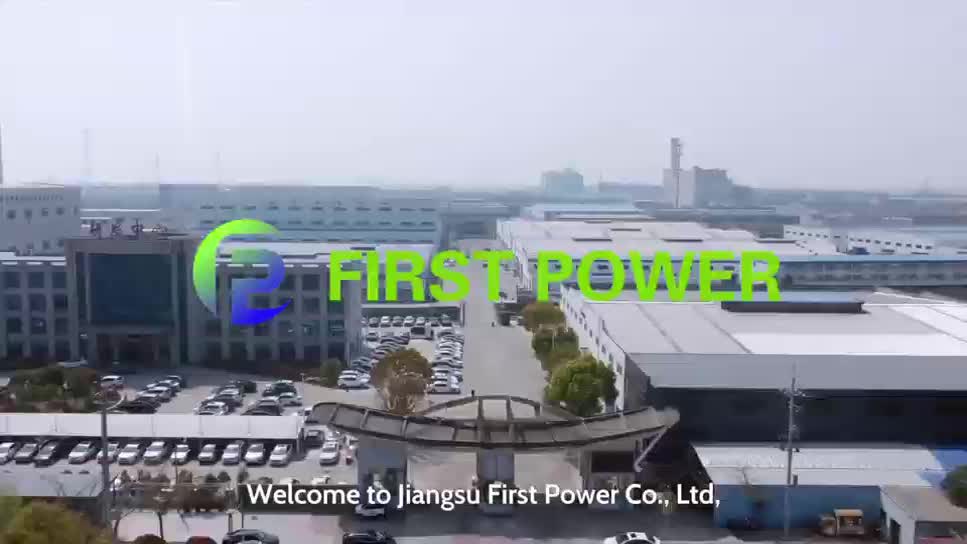
Jiangsu Wisegj Power Co., Ltd. combines transformer engineering, export documentation and production control in one supplier interface. The points below are the practical advantages buyers can verify during quotation, inspection and shipment.
Verified Production Base
A 6,847 m² production floorspace has been inspected and verified by TÜV Rheinland, with dedicated areas for winding, core assembly, drying, tanking and testing.
Routine Testing on Every Unit
Factory routine tests include winding resistance, ratio and vector group, impedance and load loss, no-load loss and current, applied and induced voltage tests, plus oil dielectric testing for liquid-filled units.
Custom Engineering
OEM, ODM, design-based and sample-based customization cover ratings, vector group, impedance, tap range, bushings, cooling, insulating fluid, enclosure colour and nameplate language.
Certified Management Systems
ISO 9001, ISO 14001 and ISO 45001 management systems support quality, environmental and occupational health and safety control. Product lines also hold CE certification.
Export Documentation Package
GA drawings, nameplate drafts, test reports, packing lists and O&M manuals can be supplied in English for distributor, EPC and utility review.
Supply-Chain Depth
211 qualified supply-chain partners support stable sourcing of silicon steel, copper, bushings and accessories for repeatable lead times and consistent bill-of-material control.
24-Hour Response Discipline
Pre-sale technical questions and after-sales issues are routed to qualified staff for review, with a target response within one working day.
International Trade Support
FOB, CFR, CIF, EXW, FCA, CIP, CPT and DDP terms can be discussed, with T/T, L/C, D/P and D/A among the payment options in major currencies.
Common Questions From Bangkok Transformer Buyers
These are the questions our export and engineering teams receive most often from distributors, contractors and project buyers evaluating single phase pole mounted transformers and related distribution equipment for Thailand.
Can Wisegj supply single phase pole mounted transformers for Bangkok's 50 Hz network?
Which primary voltage should a Bangkok project specify?
How do you address Bangkok humidity, monsoon rain and flooding risk?
Can you support wholesalers with mixed models and repeat orders?
What tests and documents are supplied before shipment?
What trade terms, payment methods and lead times apply?
Send Your Bangkok Transformer Specification for Review
Share your single phase pole mounted transformer datasheet, project voltage, frequency, loss target, mounting requirements and delivery schedule. Our engineering and export team will review the details and respond with a practical, documented quotation path.