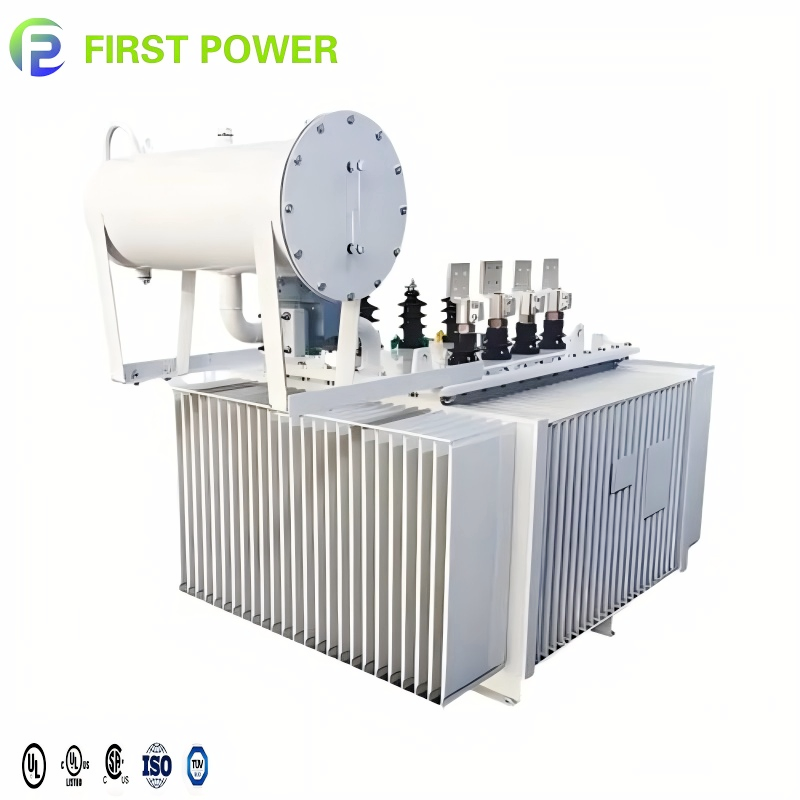
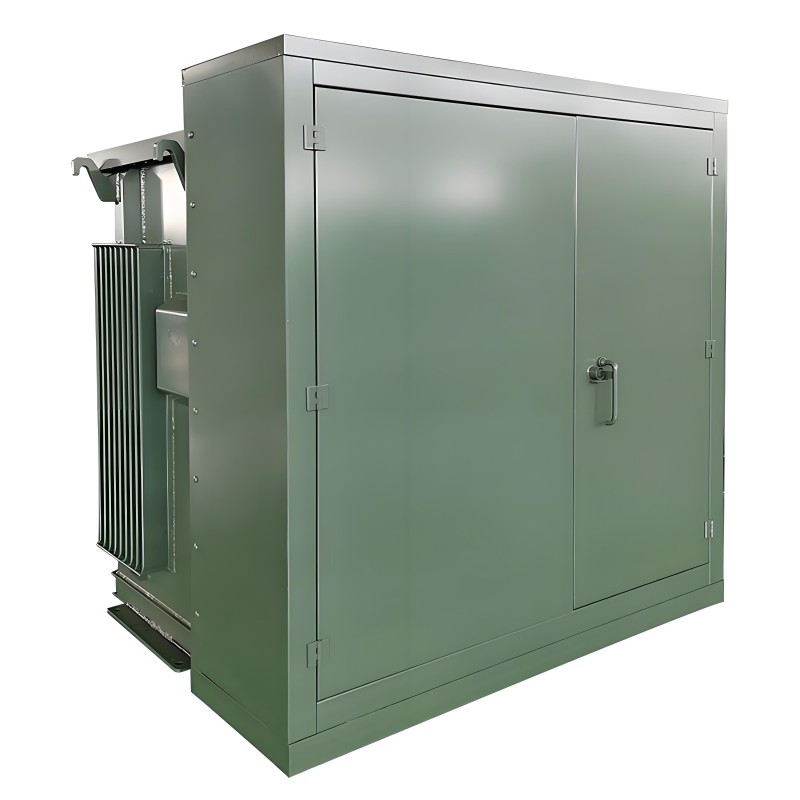
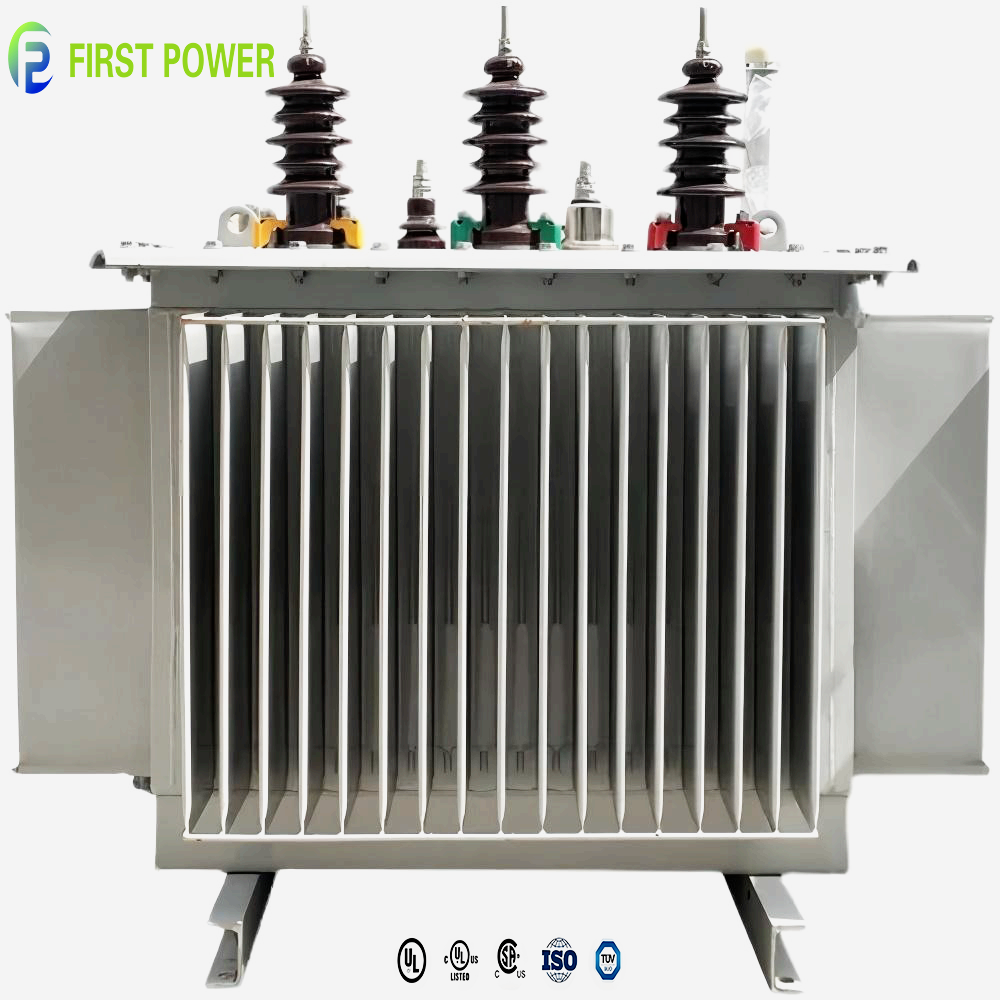
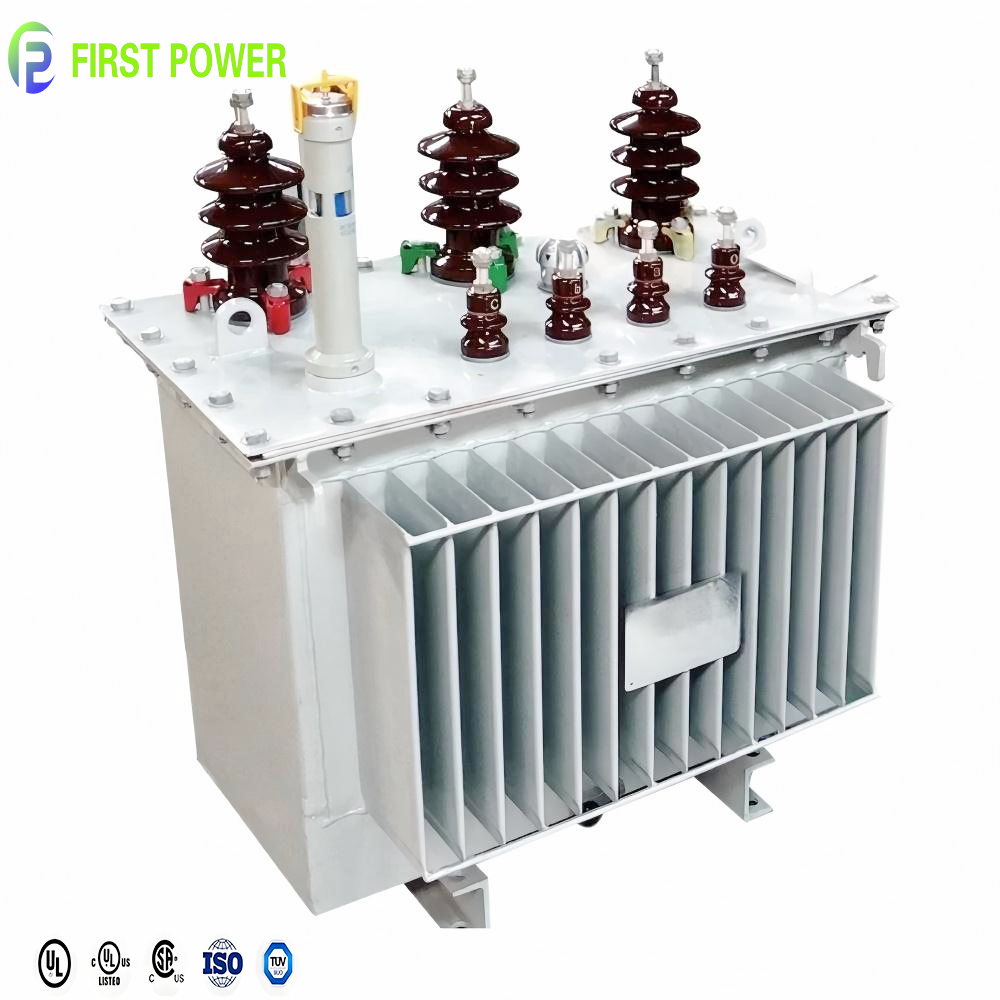
White Paper: Engineering Principles of Single Phase Oil-Immersed Transformers for Eindhoven’s Advanced Power Grid
As the technological beating heart of Western Europe, the Brainport Eindhoven region demands an unprecedented level of grid resilience, thermal stability, and electrical efficiency. With intense industrial electrification, rapid expansion across the High Tech Campus Eindhoven (HTCE), and massive scaling of semiconductor supply chains (including ASML ecosystem expansions in Veldhoven), power distribution infrastructure is pushed to its physical limits. In this demanding environment, Single Phase Oil Transformers and customized oil-immersed step-down solutions play a pivotal role in maintaining network integrity, mitigating severe grid congestion (*netcongestie*), and ensuring clean, uninterrupted power deliverability.
This white paper examines the structural physics, magnetic core optimization, dielectric fluid dynamics, and EU regulatory compliance frameworks required for single-phase liquid-filled transformers supplied to utility engineers, EPC contractors, and industrial integrators operating within Noord-Brabant and the broader Dutch power ecosystem.
1. Core Electromagnetic Physics & Loss Reduction Engineering
The efficiency of a single-phase liquid-filled transformer relies heavily on its magnetic core topology and winding arrangement. To satisfy strict European Union EcoDesign Tier 2 requirements (EN 50588-1 compliance), modern transformers manufactured by Jiangsu Wisegj Power Co., Ltd. utilize high-grade, cold-rolled grain-oriented (CRGO) silicon steel or advanced amorphous alloy ribbon cores.
- CRGO Steel Core Physics: Utilizing domain-refined 23ZH085 or 20ZH075 silicon steel laminations with a thickness down to 0.20 mm reduces hysteresis loss by maintaining tight magnetic domain orientation along the rolling direction. Step-lap 45-degree mitered joints significantly lower no-load current ($I_0$) and acoustic noise emission—a critical parameter for urban installation near Eindhoven residential and office zones.
- Winding Architecture & Thermal Balance: High-density electrolytic copper conductors ($>99.99\%$ conductivity) wound with thermally upgraded paper (TUP) or Nomex insulation provide superior short-circuit thermal capacity. For single-phase pole-mounted or pad-mounted configurations, concentric shell-type or core-type designs ensure uniform electromagnetic force distribution under severe surge conditions.
2. Dielectric Fluid Dynamics: Mineral Oil vs. Biodegradable Natural Esters
Historically, refined naphthenic mineral oil (IEC 60296 class) served as the default cooling and dielectric medium. However, given Eindhoven's stringent environmental regulations regarding groundwater protection and urban fire safety, the industry is transitioning toward K-class biodegradable ester fluids (such as synthetic or natural ester oils compliant with IEC 61099).
| Property Parameter | Standard Mineral Oil (IEC 60296) | Natural Ester Fluid (FR3 / Synthetic) | Engineering Impact on Eindhoven Grid |
|---|---|---|---|
| Fire Point / Flash Point | 140°C / 170°C (Class O1) | > 300°C / > 360°C (Class K3) | Eliminates costly fire wall barriers in dense HTCE technology parks. |
| Dielectric Breakdown Voltage | 45 – 70 kV | 70 – 85 kV | Higher impulse withstand voltage; enhanced lightning surge protection. |
| Biodegradability (28 Days) | < 30% (Non-biodegradable) | > 98% (Fully Biodegradable) | Zero soil/groundwater liability under Dutch environmental protection laws. |
| Moisture Absorption Capacity | 50 – 60 ppm at room temp | > 1,000 ppm | Extends paper insulation lifetime by drawing moisture out of solid cellulose. |
3. Structural Integrity & Sealed Corrugated Tank Design
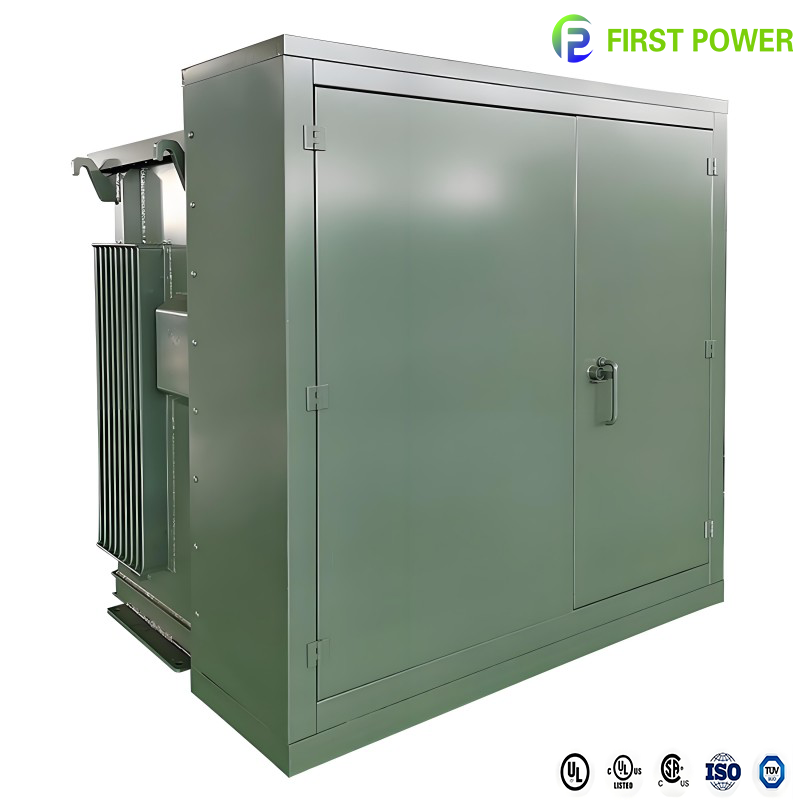
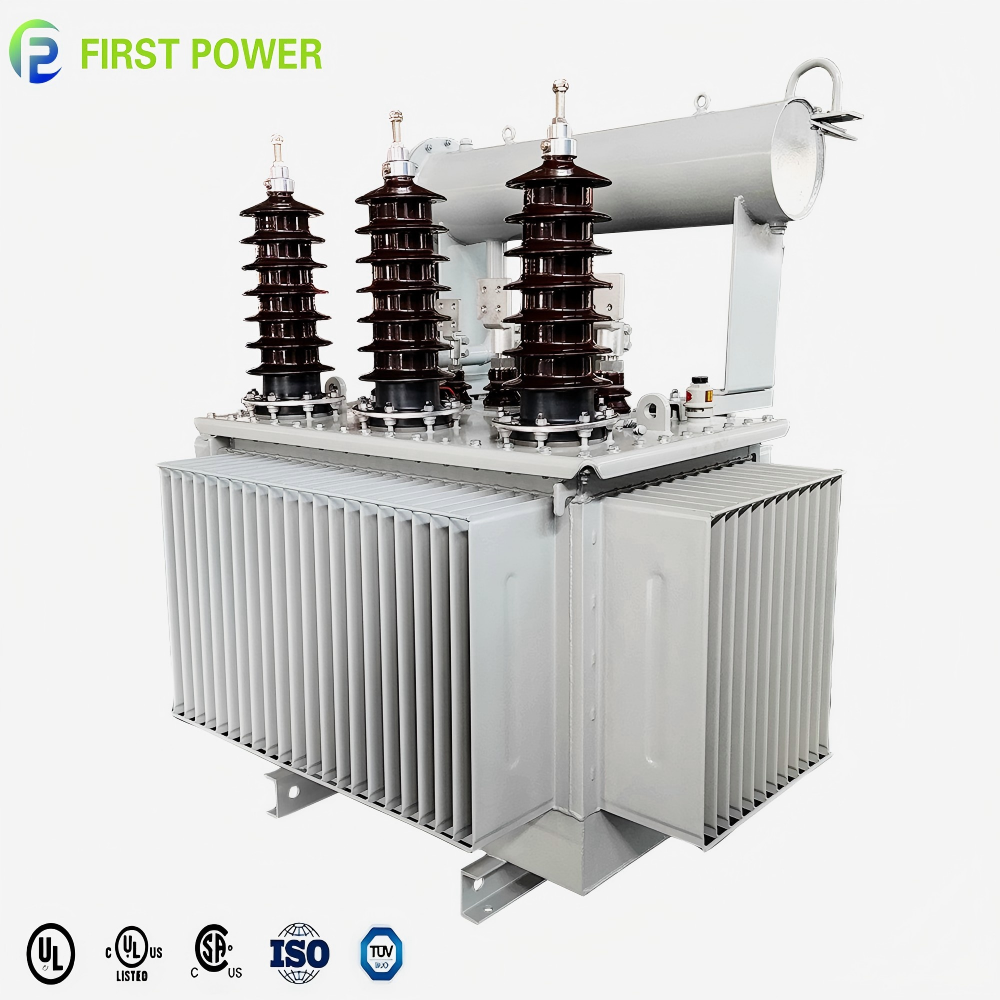
Single-phase oil transformers destined for Dutch distribution networks feature fully hermetically sealed corrugated expansion tanks. As the transformer oil expands and contracts under thermal load variations, the elastic movement of the corrugated tank walls compensates for fluid volume change without exposing the oil to atmospheric oxygen or ambient humidity. This design eliminates oxidation, prevents sludge formation, and negates the need for silica gel desiccating breathers, yielding a completely maintenance-free operating lifespan exceeding 30 years.
Localized Application Scenarios in Eindhoven & Noord-Brabant
The industrial and energy landscape of Eindhoven presents unique operational challenges. Below are the primary deployment scenarios where Wisegj single-phase and compact oil-immersed transformers provide direct technical value:
Brainport High-Tech Fab Infrastructure
Decentralized single-phase step-down transformers deliver isolated, ultra-stable clean power to sensitive cleanroom peripheral control systems, monitoring networks, and precision vibration instrumentation where phase-to-phase harmonic interference must be minimized.
EV Fast-Charging Hubs & Microgrids
As Enexis struggles with grid capacity bottlenecks, commercial EV charging hub developers utilize custom single-phase liquid-immersed transformers tied to battery energy storage systems (BESS) to buffer high peak currents during DC fast charging.
Rural & Agricultural Solar Integration
On the outskirts of Eindhoven (e.g., Kempen, Deurne), agricultural rooftop solar PV plants inject single-phase power into rural medium-voltage lines. Our low-loss step-up transformers prevent line voltage swelling and thermal overload.
Localized Market Development Trends in the Netherlands
Understanding local market dynamics is essential for engineering procurement teams. Four macro trends currently dominate the Dutch transformer supply landscape:
- Mitigation of Netcongestie (Grid Congestion): The Dutch grid operator Enexis Netbeheer faces unprecedented queue times for grid connections. Equipment suppliers must deliver transformers equipped with broad-range On-Load Tap Changers (OLTC) or automatic voltage regulation (AVR) capabilities to stabilize dynamic voltage fluctuations caused by intermittent renewable feed-ins.
- Strict Compliance with EU EcoDesign Tier 2 (EN 50588-1): Transformers installed within the EU must comply with strict maximum load loss ($P_k$) and no-load loss ($P_o$) ceilings. Wisegj designs guarantee compliance, reducing operational lifecycle costs ($TCO$) significantly over a 25-year period.
- Demand for Compact & Low-Acoustic Footprints: Space constraints in suburban Eindhoven require compact pad-mounted transformers with noise levels under 45 dB(A) measured at 1 meter, achieved through optimized core magnetic flux density (< 1.65 Tesla).
- Digitalization & Smart Grid Integration: Modern power buyers require integrated sensors for real-time oil temperature, oil level indication, pressure relief monitoring, and optional dissolved gas analysis (DGA) telemetry compatible with SCADA systems.
Engineering Comparison: Wisegj Single Phase Transformer vs. Standard Market Units
| Technical Specification | Wisegj Engineered Single-Phase Unit | Standard Industry Baseline | Technical Advantage |
|---|---|---|---|
| Core Material | High-permeability Domain-Refined CRGO / Amorphous | Standard M4/M5 Silicon Steel | Up to 30% reduction in no-load core losses ($P_0$). |
| Insulation Thermal Class | Class A / Class H Option (120°C / 180°C) | Class A (105°C) | Higher overload endurance during heatwaves & peak demand. |
| Corrosion Resistance Coating | C5-M Heavy Industrial / Marine Grade Powder Paint | Standard C3 Industrial Paint | Resists humid North Sea maritime atmospheric corrosion. |
| Short-Circuit Strength | Designed to withstand 2-second dynamic short circuit (IEC 60076-5) | Standard thermal withstand only | Maximum grid safety during downstream fault events. |
| Factory Testing | 100% Routine Test + Partial Discharge & Impulse Test Reports | Sample-based testing | Zero-defect delivery guarantee to Eindhoven jobsites. |