Eight Transformer & Power Products for Marseille Procurement
This portfolio combines resin cast and dry-type transformer capability with complementary oil-immersed, pad-mounted, pole-mounted and industrial transformer routes. Product URLs and images below are retained for direct technical review. Ratings shown are typical starting points; final design is confirmed against your project data, local grid requirements and applicable IEC / EN standards.
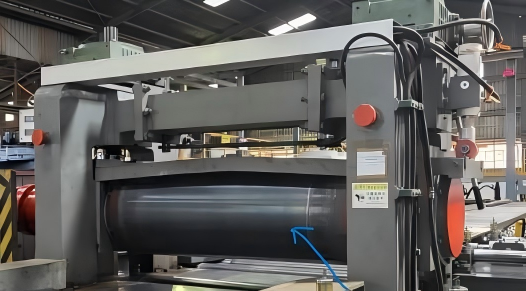
MAIN ROLLER D
Heavy-duty roller assembly for transformer manufacturing, material handling and heavy electrical workshop applications. Confirm line compatibility and load duty before ordering.
View product details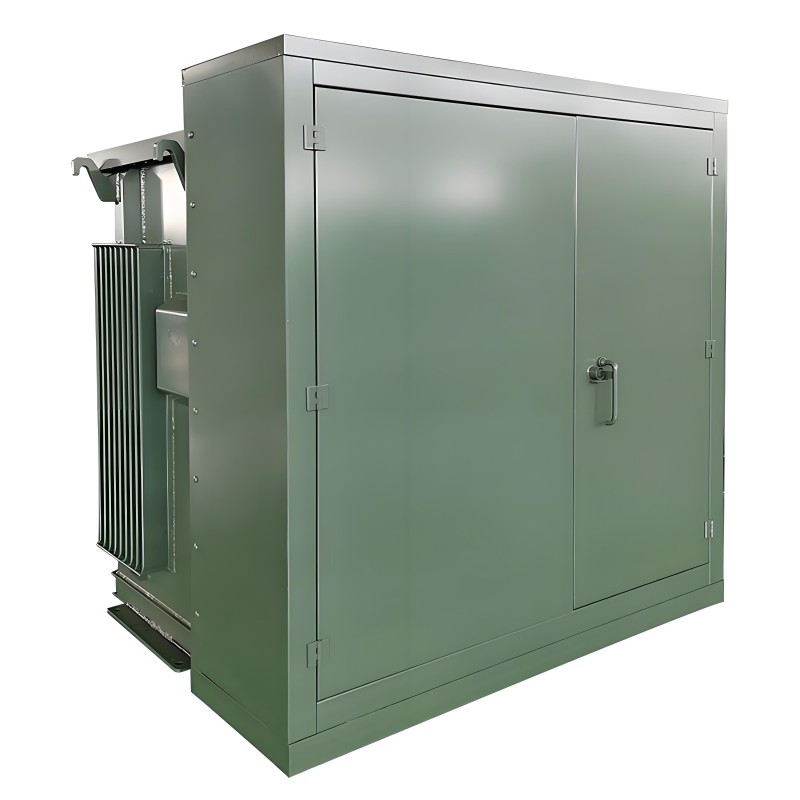
C Certified 75-2500 kVA Oil Type Three-Phase Pad-Mounted Transformer
Pad-mounted oil transformer for underground distribution, commercial developments and renewable interconnection. 480 V output, 35 kV input, 50/60 Hz configurations available.
View product details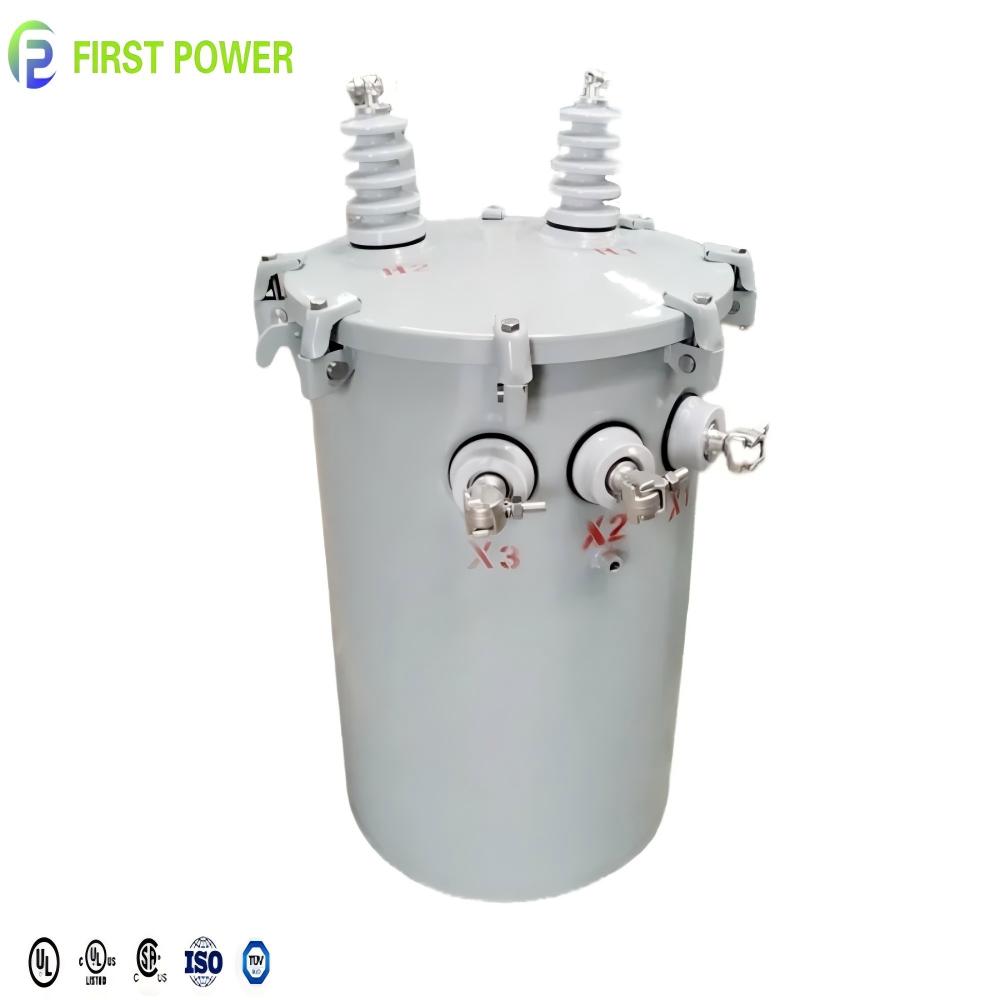
ANSI Single-Phase Pole-Mounted Transformer 15–100 kVA
ANSI single-phase pole-mounted transformer platform for industrial power supply, rural feeders and retrofit projects requiring 6–35 kV primary voltage.
View product details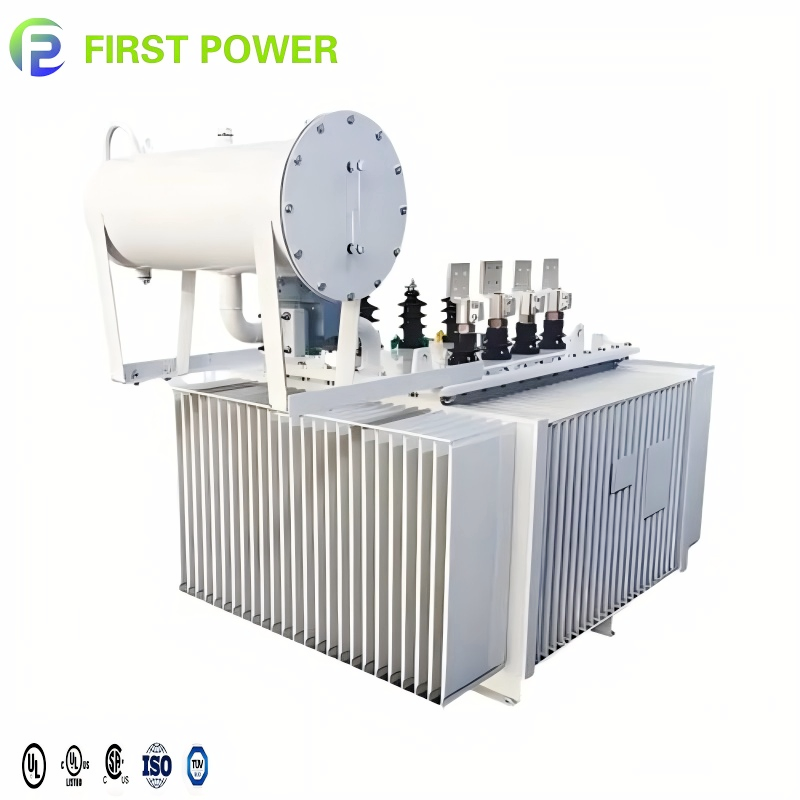
C CE 10–35 kV 1000–2500 kVA Oil Type On-Load Tap Changer Transformer
Oil-immersed transformer with on-load tap changing for industrial power supply, voltage regulation and load fluctuation management in heavy-duty networks.
View product details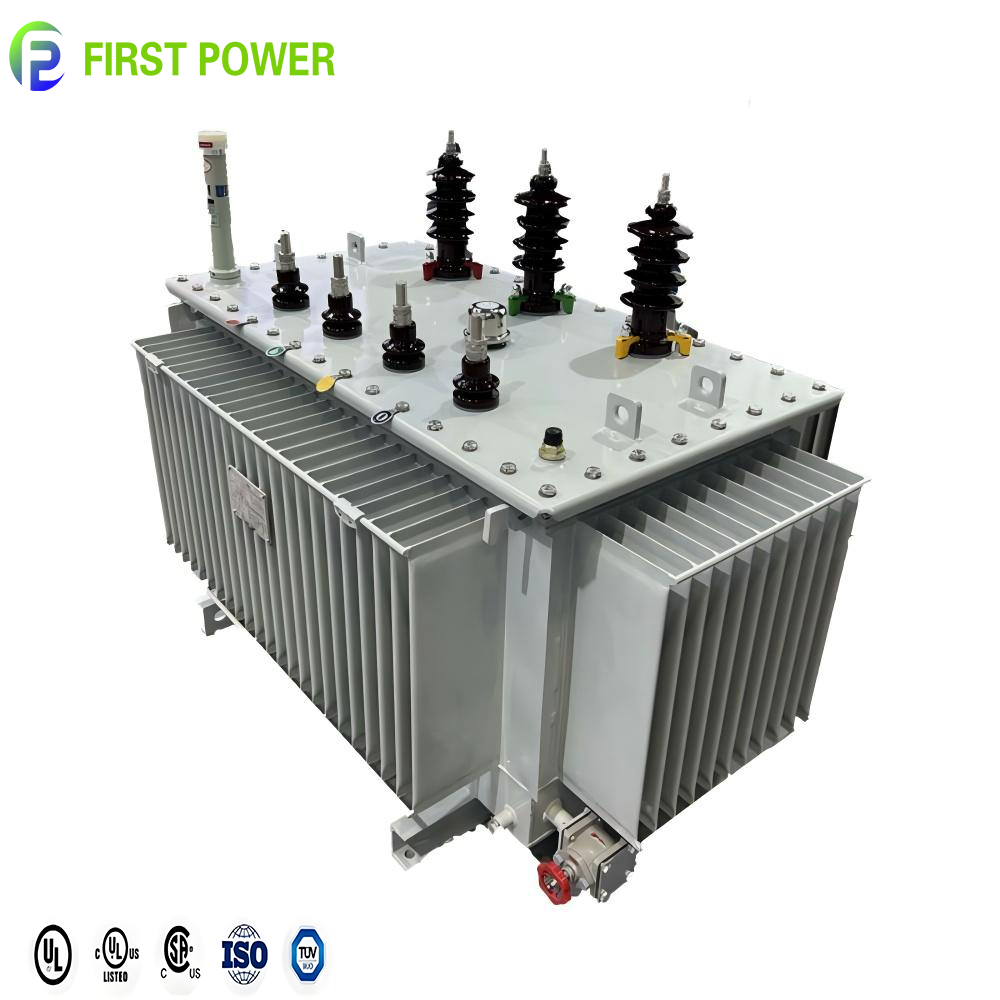
C CE 50/60 Hz S11 10–35 kV Three-Phase Oil-Immersed Distribution Transformer
S11 distribution transformer for commercial and utility distribution networks. Low-loss core options, stable thermal performance and project-specific tap ranges.
View product details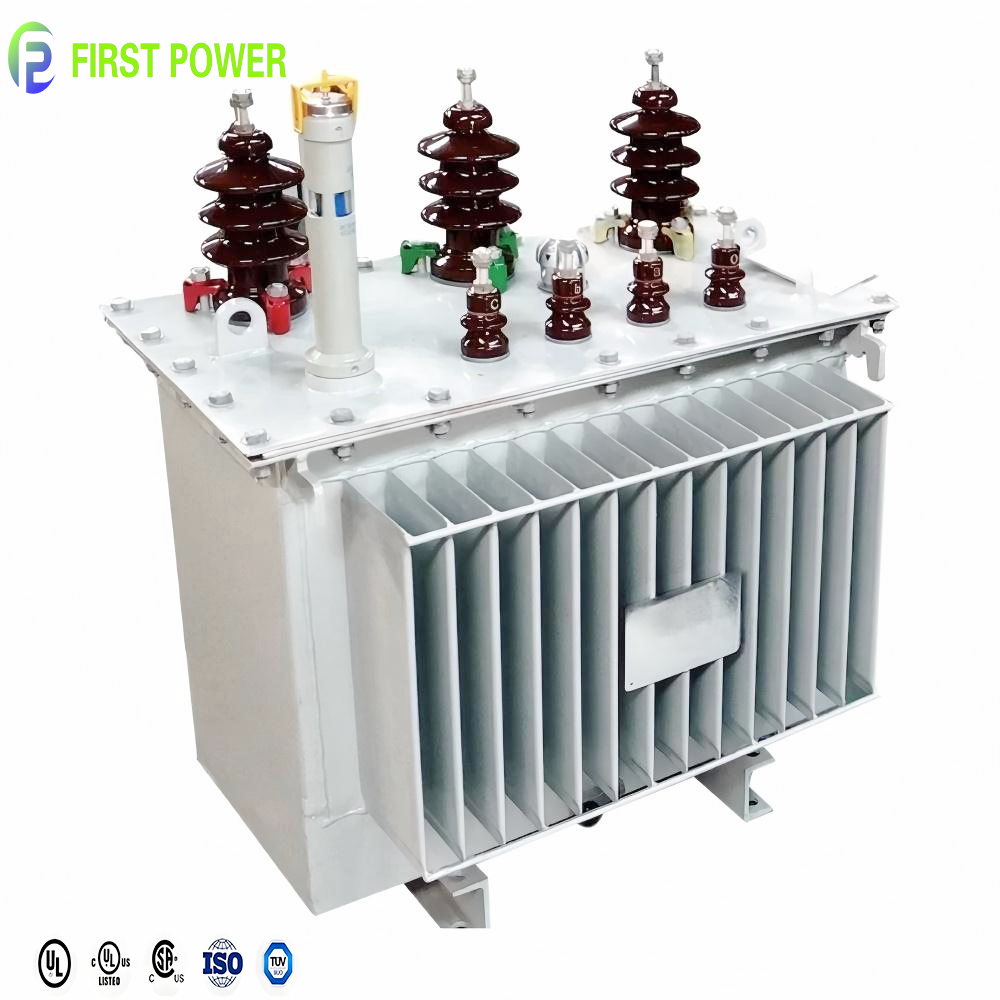
C CE 10–35 kV 50–500 kVA Oil-Immersed Transformer for Industrial Power Supply
Robust oil-immersed transformer for industrial power supply, workshops, pumping stations and compact distribution points requiring 50–500 kVA capacity.
View product details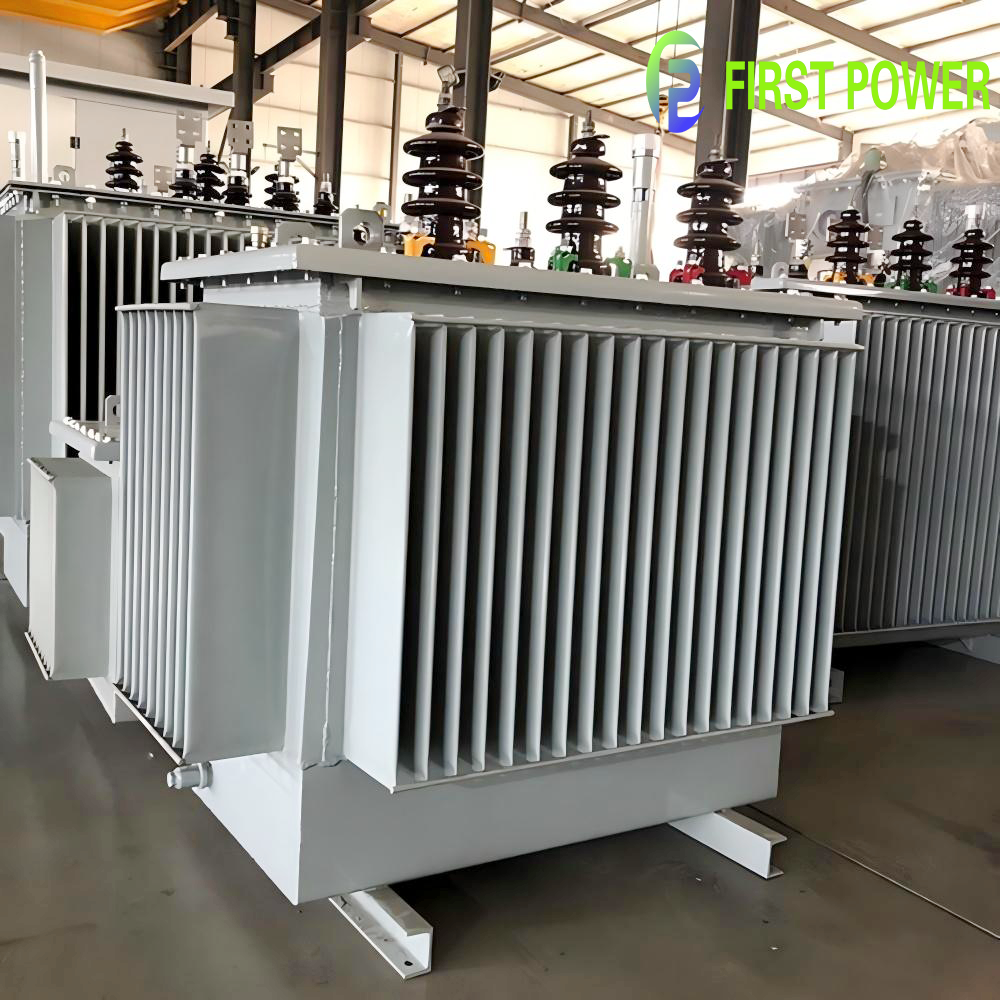
C CE MV&HV S11 50/60 Hz 10–35 kV Three-Phase Oil-Immersed Distribution Transformer
MV and HV distribution transformer for electric power distribution, compact sites and projects where a proven S11 platform and flexible configuration are required.
View product details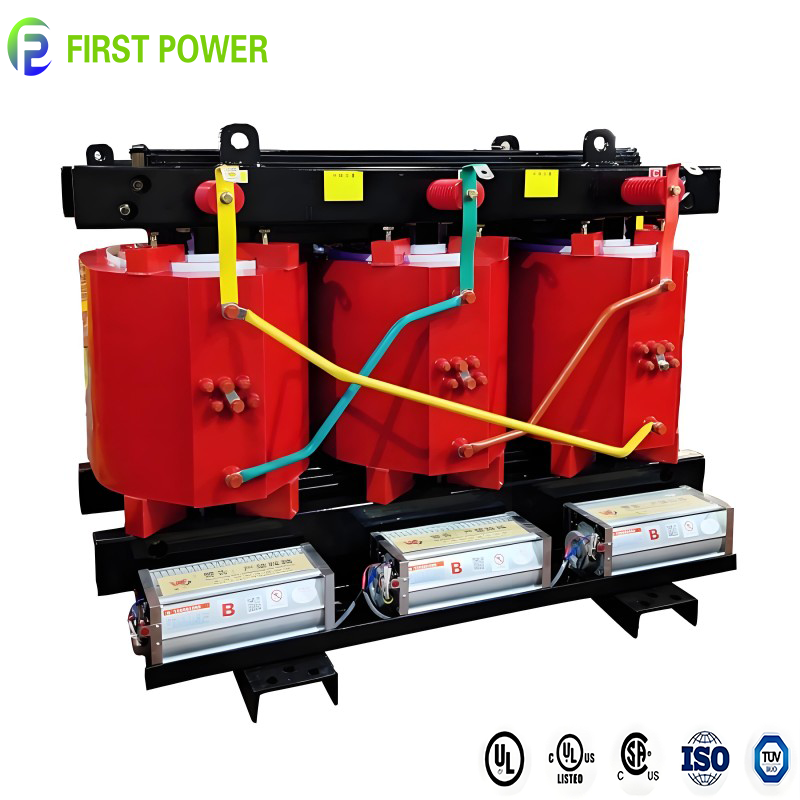
C CE IEEE Standard 50/60 Hz 5–6 MVA 6–35 kV Three-Phase Dry Type Transformer
Dry-type transformer platform for indoor, fire-sensitive and high-power distribution. Cast resin insulation options support quiet, oil-free installation in dense urban buildings.
View product detailsMarseille’s Resin Cast Transformer Decision: Specification Before Price
A practical engineering and procurement view for EPC contractors, utilities, facility owners and electrical wholesalers evaluating resin cast transformers for Marseille and the wider Aix-Marseille-Provence territory.
Marseille is not a generic French city for electrical specification. It combines a dense historic core, the Euroméditerranée regeneration district, a major Mediterranean cruise and container port, energy-intensive industry around Fos-sur-Mer, hospital and university clusters, and a growing digital gateway role linked to submarine cable connectivity. Each load profile changes the transformer answer. A resin cast dry-type transformer can be the right choice for an indoor hospital substation, an underground car park, a tunnel or a mixed-use tower where fire load and oil containment are difficult to justify. An oil-immersed distribution or pad-mounted transformer may remain more economical for certain outdoor industrial connections, port logistics yards and utility distribution points.
The real procurement question is therefore not simply “cast resin or oil?” in isolation. It is which enclosure, insulation class, loss level, vector group, protection scheme, earthing arrangement and documentation package will satisfy the French installation context, the local grid operator, the insurer, the building services consultant and the facility management team. Marseille buyers increasingly ask for CE marking, IEC / EN 60076 test evidence, EU Ecodesign efficiency alignment, bilingual nameplates and clear routine test reports per serial number. A factory and wholesaler that can answer those questions before quotation reduces the risk of expensive redesign after the tender stage.
Cast resin dry-type transformers encapsulate the high-voltage and low-voltage windings in epoxy resin. They eliminate liquid dielectric, reduce fire load, remove oil bunding, and simplify indoor and underground placement. In Marseille’s coastal environment, however, the resin system alone is not enough. Salt mist, humidity, summer heat waves, strong Mistral winds and occasional heavy rain require anti-condensation heaters, the correct IP rating, corrosion-resistant paint or enclosure treatment, effective ventilation, and a maintenance plan matched to the building’s operation. Serious buyers should request loss guarantees, temperature-rise test evidence, routine test reports, partial-discharge data where applicable, and a clear statement of the IEC / EN 60076 part used for design and testing.
Under the EU Ecodesign Regulation for transformers, loss performance is not a marketing detail. It is a compliance and operating-cost variable. For Marseille projects, the transformer is often evaluated against more than purchase price: no-load loss, load loss, expected loading profile, cooling method, occupancy hours and the carbon intensity of the electricity supply all affect lifecycle cost. A resin cast transformer factory that can offer design-based customisation, documented loss guarantees and third-party witness testing is better placed to support public tenders, healthcare projects, data centres, hotels, port electrification and urban regeneration schemes than a trading company that cannot expose its engineering assumptions.
Finally, Marseille procurement teams often need a single technical route that can mix cast resin dry-type units with compact substations, oil-immersed distribution transformers and switchgear. This is where the factory-and-wholesaler model matters. One supplier can coordinate drawings, nameplates, test reports, packing, Incoterms and after-sales communication. For an EPC contractor managing a port warehouse, a hotel refurbishment and a hospital extension in the same region, that coordination can be more valuable than a marginal unit-price difference. The correct first step is a specification review, not a rushed price request.
Marseille Engineering Lens
- 50 Hz grid, typical LV 230/400 V and medium-voltage distribution commonly at 20 kV; 6, 10, 15 and 35 kV options can be engineered for project-specific needs.
- Coastal salt exposure calls for defined IP rating, anti-condensation heaters, corrosion-resistant enclosure finish and a maintenance schedule.
- Indoor and underground sites favour cast resin dry-type transformers for fire safety and oil-free installation.
- Port, logistics and industrial projects may combine dry-type indoor units with oil-immersed or pad-mounted outdoor solutions.
- Documentation should include GA drawings, nameplate draft, routine test report, O&M manual and packing list before shipment.
- Verified factory credentials include ISO 9001, ISO 14001, ISO 45001, CE certificates and TÜV Rheinland-verified production information.
Resin Cast Transformer Recommendations for Marseille Applications
Use this as a starting point for tender shortlisting and technical discussion. Final ratings, impedance, temperature rise, enclosure and protection must be confirmed from the project single-line diagram, load study and site conditions.
| Marseille Application Zone | Recommended Equipment Route | Typical Configuration | Local Engineering Benefit |
|---|---|---|---|
| Euroméditerranée mixed-use towers | Cast resin dry-type transformer | 630–2500 kVA, 20 kV / 400 V, Dyn11, Class F or H, IP31/IP41, forced-air cooling option | Oil-free indoor installation, lower fire load, easier approval for occupied buildings and underground levels |
| Hospitals, clinics and laboratories | Cast resin dry-type with redundant feeds | 1000–2500 kVA, low-noise design, 2×100% or N+1 arrangement, harmonic mitigation review | Patient safety, fire resilience, quieter operation near wards and critical care zones |
| Data centres and digital infrastructure | High-efficiency dry-type transformer | 1600–2500 kVA, low loss, K-factor or harmonic study, 2N topology, remote monitoring interfaces | Heat resilience, efficiency accountability and predictable maintenance in high-uptime facilities |
| Port de Marseille-Fos logistics areas | Compact substation or oil-immersed unit | 1000–2500 kVA, 20 kV class, C4/C5-M corrosion protection, IP54 enclosure option, anti-condensation control | Salt-mist resistance, fast site deployment and robust performance for crane, cold-chain and logistics loads |
| Hotels, retail and cruise terminal buildings | Cast resin dry-type transformer | 400–1600 kVA, low noise, compact footprint, concealed indoor substation, metering coordination | Quiet operation, discreet installation and reduced fire-insurance complexity |
| Solar, EV charging and district energy | Dry-type or oil-immersed transformer package | 1000–2500 kVA, 20 kV / 400 V, protection and monitoring, modular compact substation option | Fast deployment for parking structures, rooftops, depots and renewable interconnection |
| Metro, tunnel and underground car parks | Cast resin dry-type transformer | Compact frame, high-temperature insulation, low smoke and fire-safe design, forced ventilation coordination | Space saving, oil-free operation and better suitability for enclosed public infrastructure |
| Industrial process around Fos-sur-Mer | Oil-immersed transformer with OLTC | 1000–2500 kVA and above, 10–35 kV, on-load tap changer, high ambient and harmonic review | Voltage regulation under fluctuating load and proven performance for heavy industrial duty |
Where Resin Cast Transformers Fit in Marseille’s Built Environment
The most successful projects match the transformer to the building, the port environment and the maintenance team — not only to the kVA figure on the tender sheet.
Port, Logistics and Fos-sur-Mer Industry
Port de Marseille-Fos combines container, cruise, bulk and industrial activity. Transformers serving cranes, cold storage, workshops, shore-power studies and logistics buildings need corrosion protection, accessible terminations and a maintenance plan for salt-laden air. Cast resin dry-type units suit indoor substations and control buildings; oil-immersed or compact substation routes may be more practical outdoors. Specify enclosure treatment, IP rating and anti-condensation control early.
Healthcare and Public Safety
Marseille’s hospital and clinic estates demand continuity, fire safety and quiet operation. A cast resin transformer avoids oil containment and reduces fire load in plant rooms close to occupied areas. For critical care, imaging and laboratory buildings, the specification should include redundancy, low-noise design, harmonic review and clear interfaces with generators and UPS systems. Routine test reports and O&M manuals should be available before energisation.
Data Centres and Digital Infrastructure
Marseille has become a major digital gateway, and data-centre loads are sensitive to loss, heat and downtime. Resin cast dry-type transformers can support indoor electrical rooms with low fire load, while high-efficiency designs reduce lifecycle energy cost. Loss guarantees, temperature-rise data, harmonic capability and documentation quality should be reviewed alongside the 2N or N+1 topology. For coastal sites, anti-condensation and filter maintenance belong in the operating philosophy.
Euroméditerranée and Urban Regeneration
Dense urban regeneration projects often place substations in basements, podium levels or constrained plant rooms. Cast resin dry-type transformers help reduce fire risk and eliminate oil bunding. Early coordination is essential: ventilation, ambient temperature, access path, floor loading and future replacement clearance can determine whether a compact dry-type unit is feasible. For Marseille’s summer heat, the designer should confirm the actual ambient around the transformer rather than assuming a generic plant-room temperature.
Hotels, Retail and Cruise Terminals
Hospitality and retail projects value quiet operation, compact footprints and minimal maintenance disruption. A resin cast transformer can be integrated into an indoor electrical room without oil-handling infrastructure. For cruise terminal and waterfront buildings, specify corrosion protection and moisture control. Where the electrical room is close to guest areas, ask for sound-pressure data at the actual operating condition, not just a catalogue headline.
Solar, EV Charging and District Energy
Rooftop solar, car-park canopies, depot charging and district energy schemes need transformers that can be delivered quickly and integrated with protection and metering. A compact substation with a cast resin or oil-immersed transformer can reduce site work. For EV hubs, load profiles and harmonic content should be discussed early so the transformer, switchgear and cooling are not selected from a generic template.
Marseille Market Trends Shaping Transformer Procurement
These trends explain why buyers are asking for more than a basic transformer quote — and why documentation, efficiency and climate resilience now influence supplier selection.
EU Efficiency and Lifecycle Cost
EU Ecodesign requirements have moved transformer losses into the commercial conversation. Public and private buyers increasingly compare no-load and load losses against expected operating hours. A factory that can state guaranteed losses, test them and explain the measurement basis is easier to approve than a supplier offering only a headline price.
Port Electrification and Shore Power
Port de Marseille-Fos is investing in cleaner marine and logistics operations. Shore-power studies, crane electrification, cold-ironing infrastructure and electric vehicle fleets all create new transformer demand. These projects often need corrosion-resistant enclosures, coordinated protection and compact substations that can be installed without long civil works.
Coastal Climate Resilience
Salt mist, humidity and heat are practical design inputs in Marseille. Buyers are asking for defined IP ratings, anti-condensation heaters, corrosion-resistant finishes, ventilation filters and maintenance access. For outdoor units, enclosure colour and solar gain can also affect internal temperature. A coastal specification should be written into the datasheet, not left to installation day.
Data-Centre Heat and Power Density
Marseille’s digital infrastructure growth raises demand for high-efficiency transformers with predictable thermal behaviour. Density, harmonic content and redundancy philosophy influence the choice between dry-type and oil-immersed equipment. The most useful supplier response includes loss data, impedance, temperature-rise assumptions, documentation and a clear statement of what is excluded.
Urban Densification and Fire Safety
Euroméditerranée and inner-city refurbishment push electrical rooms into tighter spaces. Cast resin dry-type transformers reduce oil-related fire risk, but they still require correct ventilation, clearance and ambient control. Early BIM coordination and drawing approval can avoid late-stage changes that affect delivery and commissioning.
Local After-Sales and Spare-Parts Planning
For French facility teams, the transformer is a long-life asset. Nameplate language, O&M manuals, test reports, spare-part identification and a clear technical contact matter. A wholesaler with factory access can close the loop between the Marseille site team and the design engineer when a question arises during installation or maintenance.
Engineering Capability Marseille Buyers Can Audit
Jiangsu Wisegj Power Co., Ltd. is a Suzhou-based manufacturer and exporter of pad-mounted transformers, oil-immersed transformers, dry-type transformers, power transformers, compact substations, switchgear and voltage stabilisers. The portfolio covers 220 V to 500 kV, with project-specific design and export documentation for utilities, EPC contractors, industrial buyers and electrical wholesalers.
For Marseille enquiries, the most relevant routes are cast resin dry-type transformers, compact substations, IEC oil-immersed distribution transformers and flexible pad-mounted designs. The engineering team brings more than 20 years of hands-on transformer experience. Projects are reviewed by engineers before quotation, built under ISO 9001 quality control and shipped with routine test reports and documentation so procurement teams receive equipment aligned with the agreed specification.
The company operates with a verified production footprint of 6,847 m², more than 50 R&D and technical engineers and 211 qualified supply-chain partners. Production capability, floorspace and quality inspection have been verified onsite by TÜV Rheinland. The management system is certified to ISO 9001, ISO 14001 and ISO 45001, and CE certificates cover key product lines including oil-immersed power transformers, dry-type transformers and compact substations. Certificate numbers can be supplied for compliance review, including CE references 3N230310.JYTU038, FQC2530404 and M.2025.206.C121884.
Customisation is available through OEM, ODM, design-based and sample-based routes. Ratings, vector group, impedance, tap range, bushing configuration, cooling method, insulating fluid, enclosure colour and nameplate language can be adapted to project requirements. Export terms include FOB, CFR, CIF, EXW, FCA, CIP, CPT and DDP, with payment options such as T/T, L/C, D/P and D/A discussed per contract. Seaworthy packing, shock indicators and complete shipping documents support delivery to Marseille-Fos and other French ports.
- ISO 9001, ISO 14001 and ISO 45001 management systems
- CE certificates for oil transformer, dry-type transformer and compact substation
- Routine test report per unit and third-party witness inspection support
- GA drawings, nameplate draft, test reports and O&M manuals
- OEM, ODM and design-based customisation
- 24-hour pre-sale and after-sale technical response target
Procurement Confidence Indicators
Factory Documents Buyers Can Request
- Company profile and TÜV Rheinland verification information
- ISO 9001, ISO 14001 and ISO 45001 certificates
- CE certificates and declaration documents for applicable product lines
- GA drawing, nameplate draft and guaranteed technical data
- Routine test report and packing list before shipment
- O&M manual and recommended spare-parts list

Company and facility overview
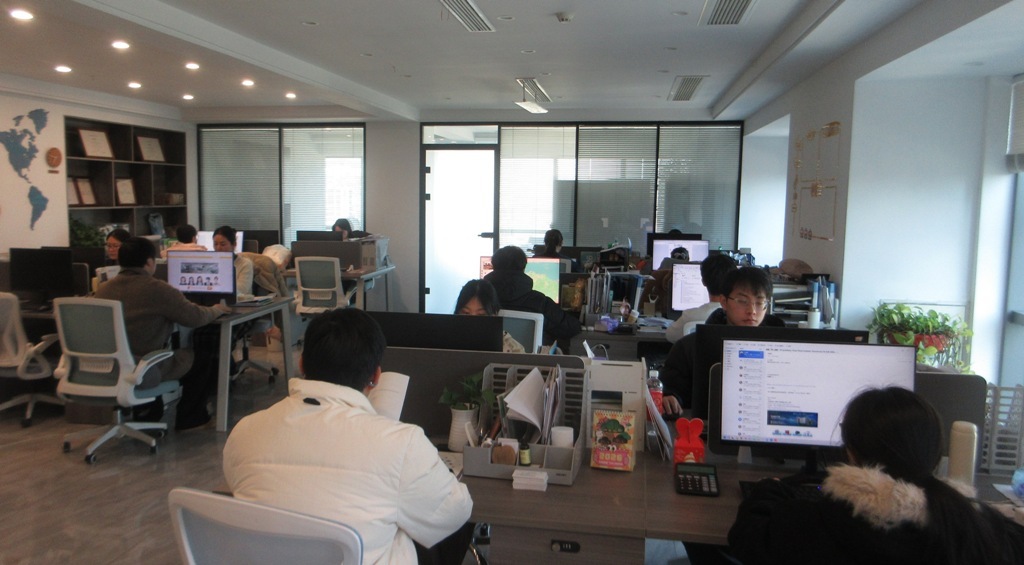
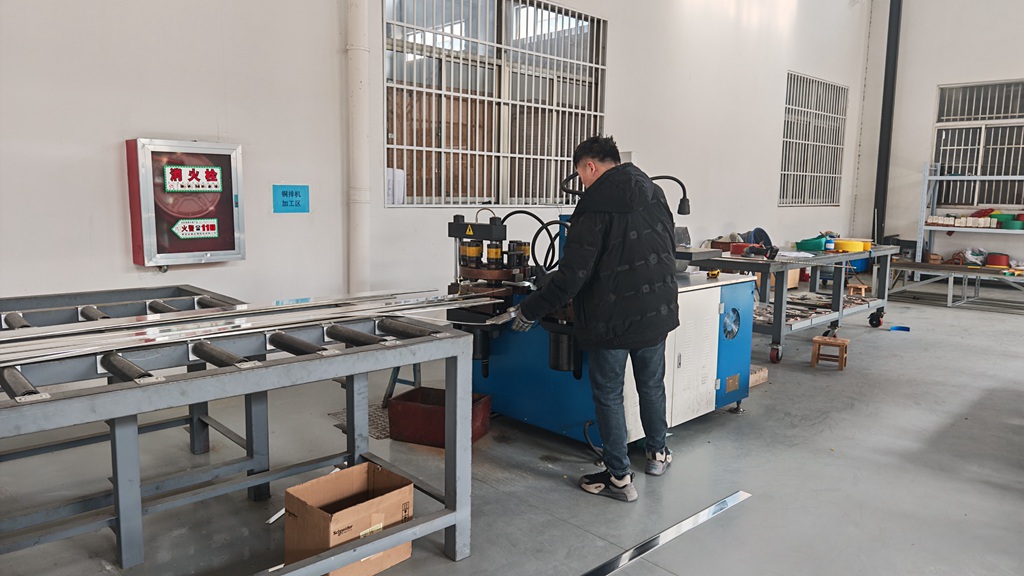
Assembly workshop and production control
Testing laboratory and routine test records
Verified Factory Footprint
6,847 m² of inspected production floorspace with dedicated areas for winding, core assembly, drying, tanking and testing. Production capability and quality inspection have been verified by TÜV Rheinland.
In-House Routine Testing
Winding resistance, ratio and vector group, impedance and load loss, no-load loss and current, applied and induced voltage tests, plus oil dielectric strength testing for liquid-filled units.
Design Customisation
Ratings, vector group, impedance, tap range, bushings, cooling method, insulating fluid, enclosure colour and nameplate language can be adapted to French project specifications.
Documentation Pack
GA drawings, nameplate drafts, guaranteed technical data, routine test reports and O&M manuals. Bilingual English / French document support can be discussed during quotation.
Export Logistics
Seaworthy packing, shock indicators and full Incoterms coverage from EXW to DDP. Shipping to Marseille-Fos can be quoted with CFR, CIF or DDP terms depending on buyer preference.
Certified Systems and Supply Chain
ISO 9001, ISO 14001 and ISO 45001 management systems, CE certificates for key product lines, 211 qualified supply-chain partners and supplier experience with Fortune 500 companies.
Questions Local Buyers Ask About Resin Cast Transformers
These are the practical questions raised by electrical contractors, facility owners, EPC buyers and wholesalers when evaluating a factory-direct transformer supply for Marseille.
Are resin cast dry-type transformers suitable for Marseille’s humid, salty coastal climate?
What voltage and power ratings are typical for Marseille commercial projects?
Can you supply CE-compliant equipment aligned with EU Ecodesign efficiency requirements?
What information should I send with an inquiry for a Marseille project?
How are transformers shipped to Marseille, and what lead time should we expect?
Can nameplates and documents be supplied in French?
Do you support third-party inspection and witness testing?
What payment terms and currencies are accepted?
Technical Data Checklist for a Faster, More Accurate Marseille Quotation
Sharing these parameters allows the engineering team to review the design basis and return a compliant offer with fewer clarification rounds.
- Rated power in kVA or MVA
- Primary and secondary voltage
- Frequency: 50 Hz or 60 Hz
- Vector group and impedance
- Tap changer type and range
- Cooling method and insulating fluid
- Applicable standard: IEC / EN or IEEE
- Site altitude and ambient temperature range
- Loss limits or efficiency target
- Enclosure IP rating and corrosion class
- Nameplate language and document requirements
- Delivery port, Incoterm and target schedule
Send Your Marseille Project Specification for Engineering Review
Whether you are comparing cast resin dry-type transformers for a hospital, a compact substation for Port de Marseille-Fos, or an oil-immersed unit for an industrial site, start with the technical data. A transformer engineer can review the ratings, standards, losses, enclosure and documentation route before a formal quotation is issued.